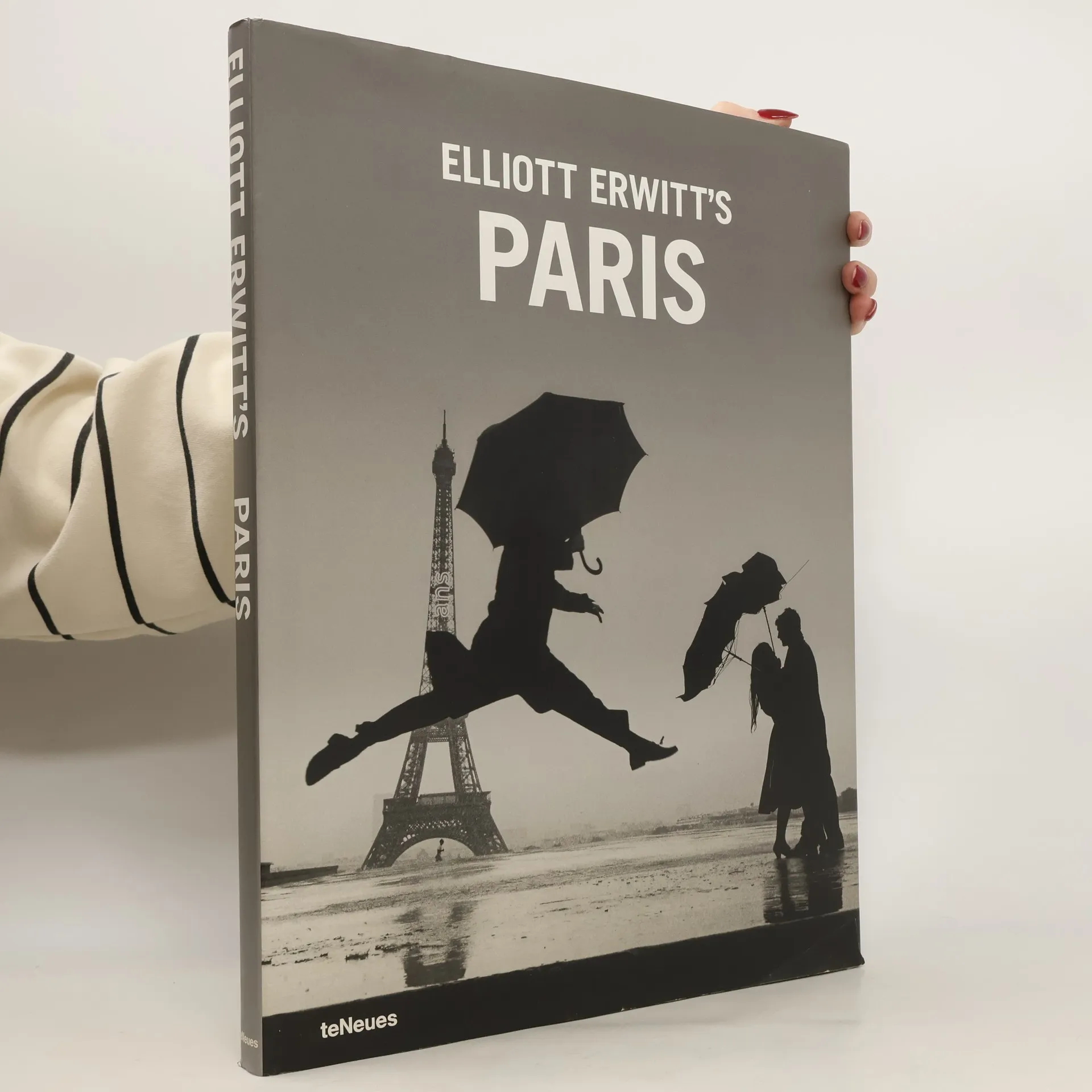
Elliot Erwitt's Paris
- 144 Seiten
- 6 Lesestunden
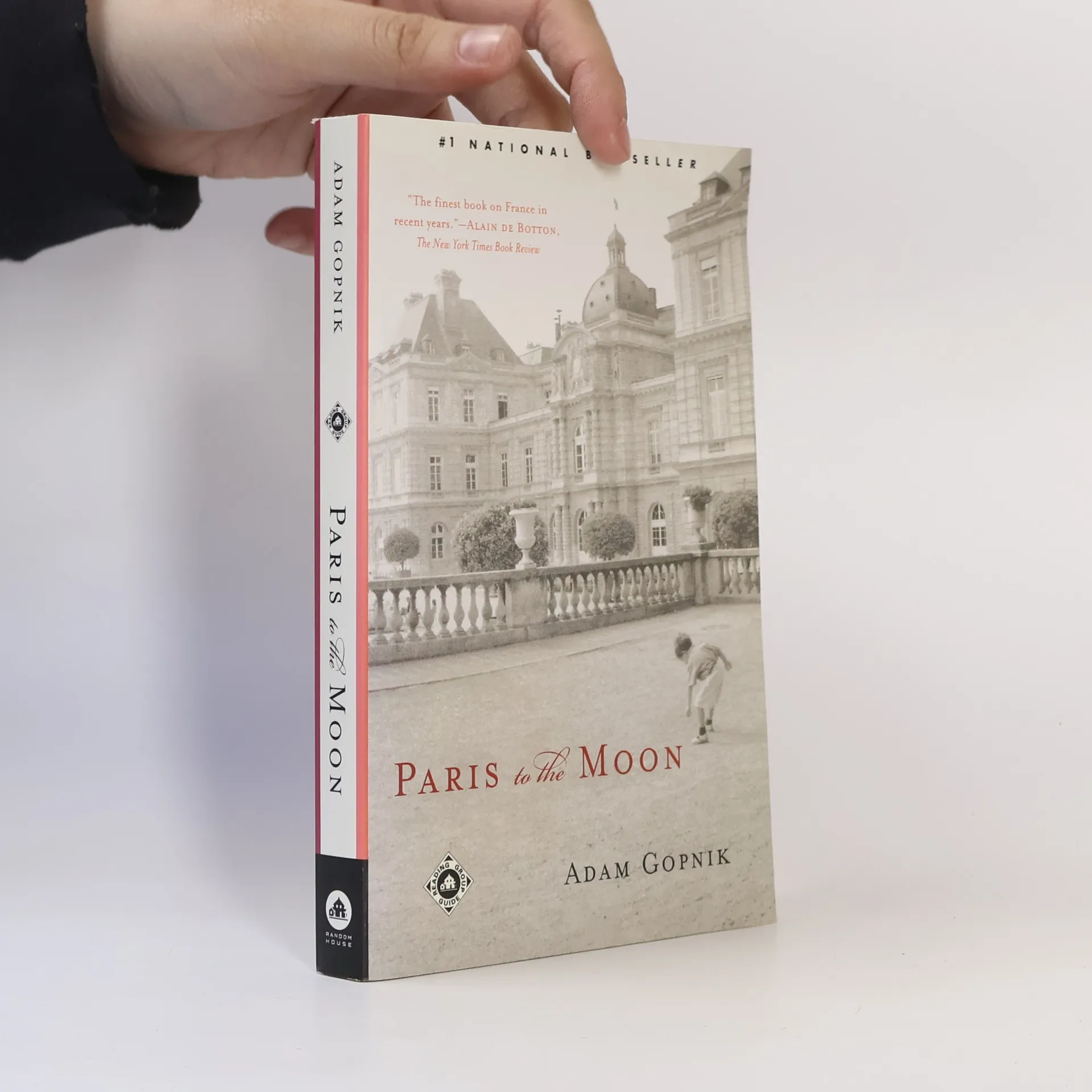
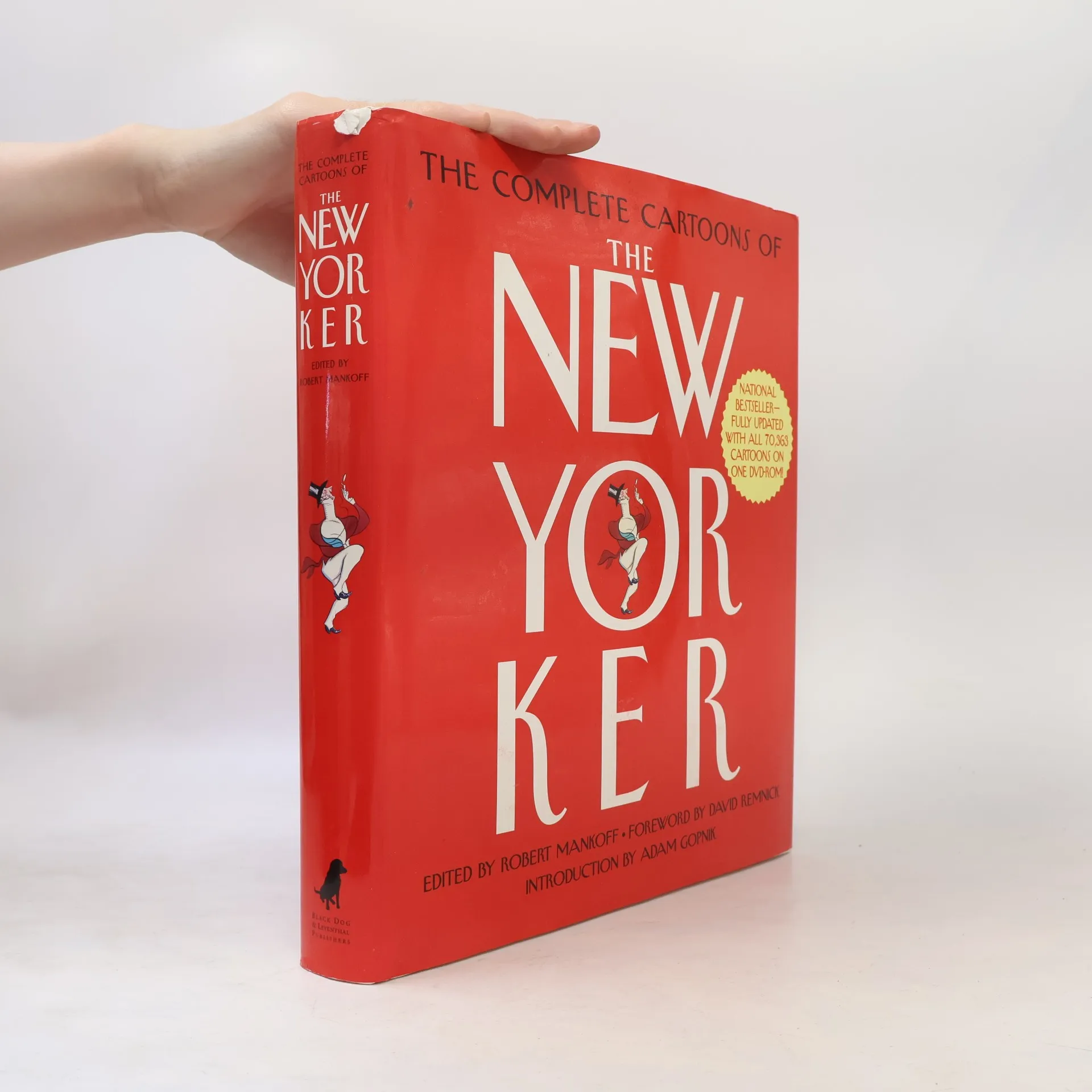
Dieser amerikanische Schriftsteller ist vor allem als Redakteur für The New Yorker bekannt, wo er Sachbücher, Belletristik, Memoiren und Kritiken veröffentlicht. Sein Schreiben zeichnet sich durch scharfe Beobachtung und einen unverwechselbaren Stil aus, der sich mit der Komplexität des modernen Lebens befasst. Er zeigt ein tiefes Interesse an Kultur und Kunst, und seine Werke spiegeln oft seine persönlichen Erfahrungen und Reflexionen über die Welt um ihn herum wider.


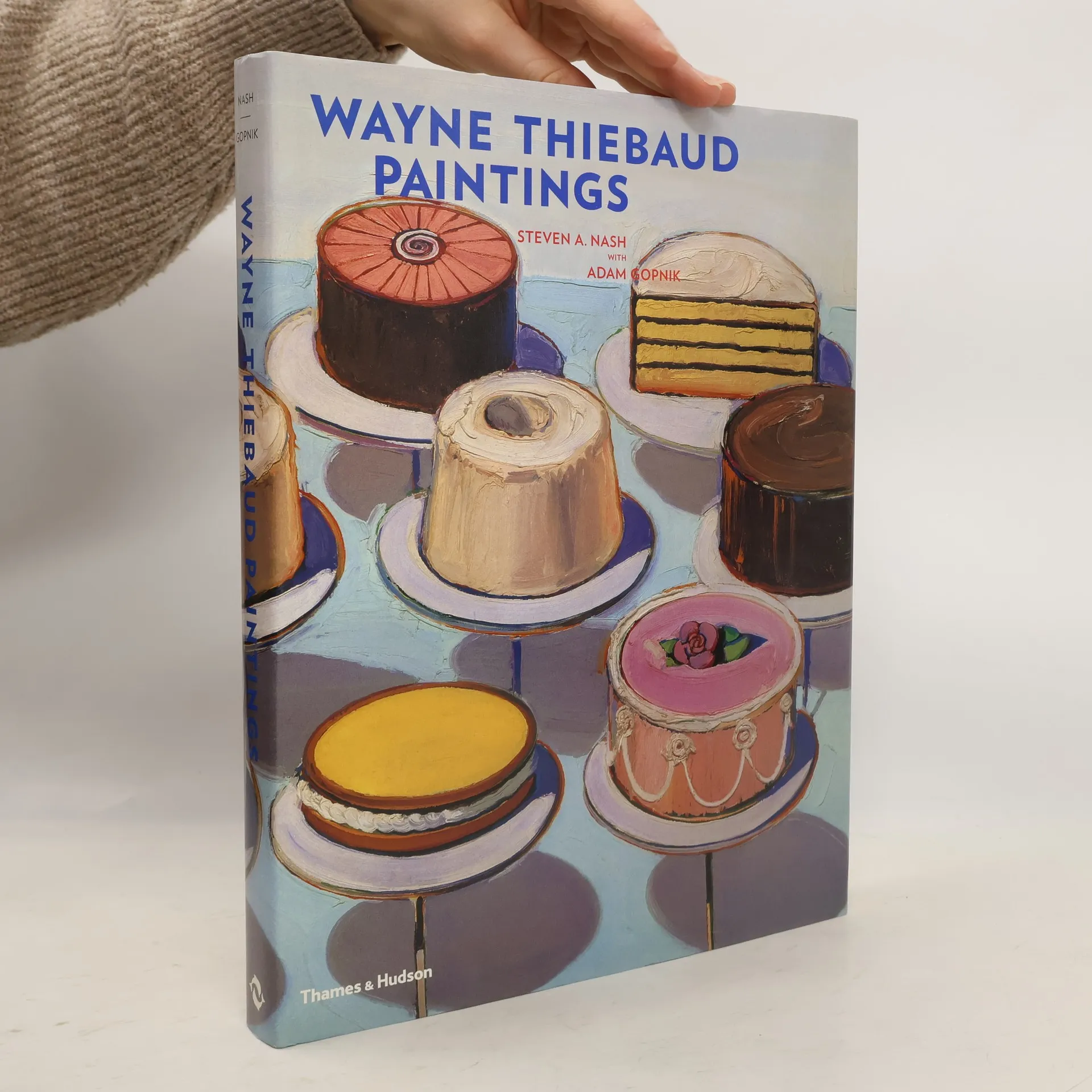
Wayne Thiebaud has long been recognized as one of Americas most prominent modern artists. Probably best known for his straightforward, deadpan, still-life paintings of the 1960s, Thiebaud is identified by his brilliant palette, his luscious handling of paint, and the intensity of light that lends a particularly California flavour to his images. Originally published on the occasion of the artists eightieth birthday, this definitive retrospective brings together 120 of Thiebauds most important paintings, watercolours and pastels, while thoughtful essays by Steven A. Nash and Adam Gopnik trace the course of his career from the 1950s, when he first began to emerge as a significant artist of our times.
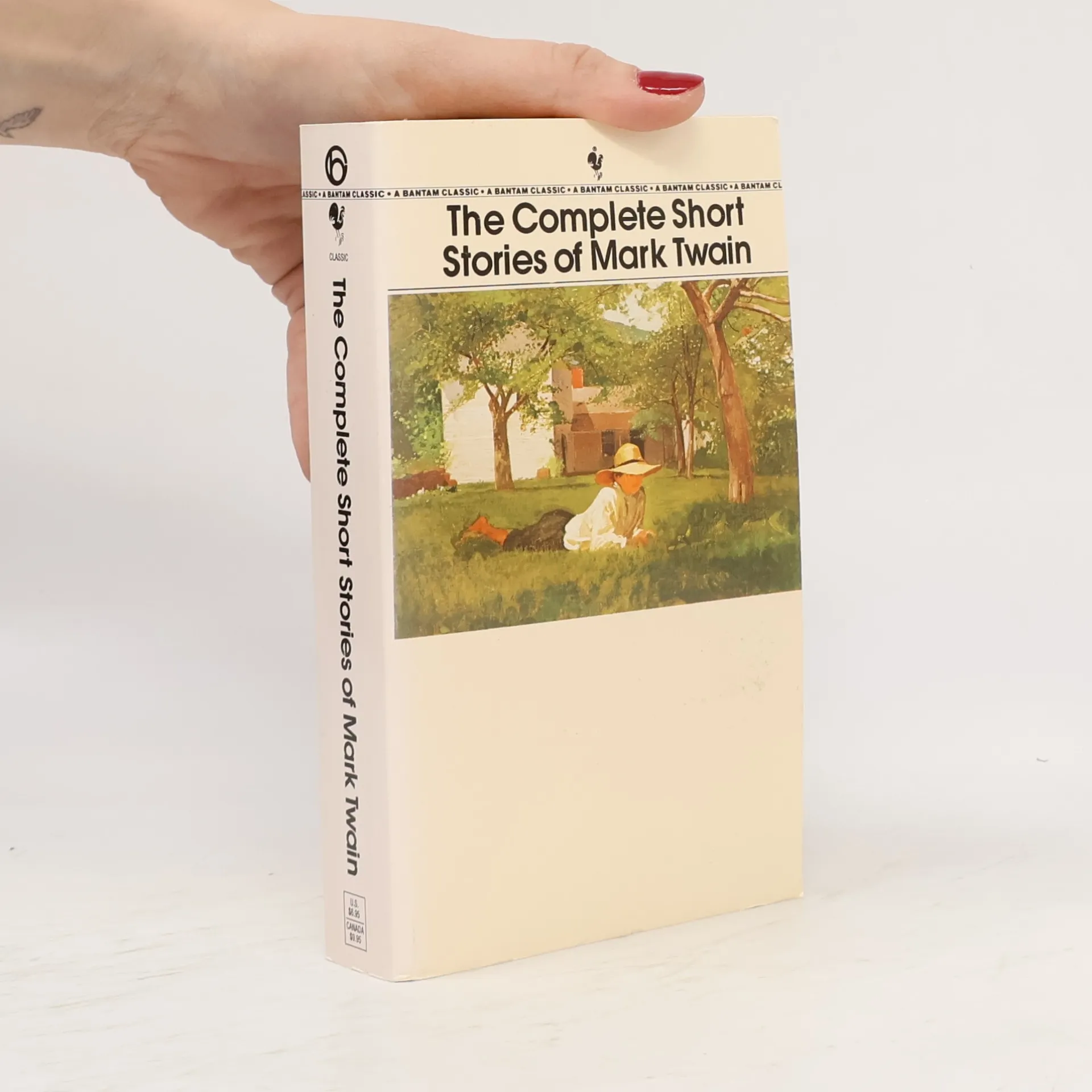
Collects together 65 of the best of Mark Twain's short stories. It opens with The Notorious Jumping Frog of Calaveras County, a famous early story set on the Western frontier, and spans nearly 50 years during which Twain wrote a variety of short stories.
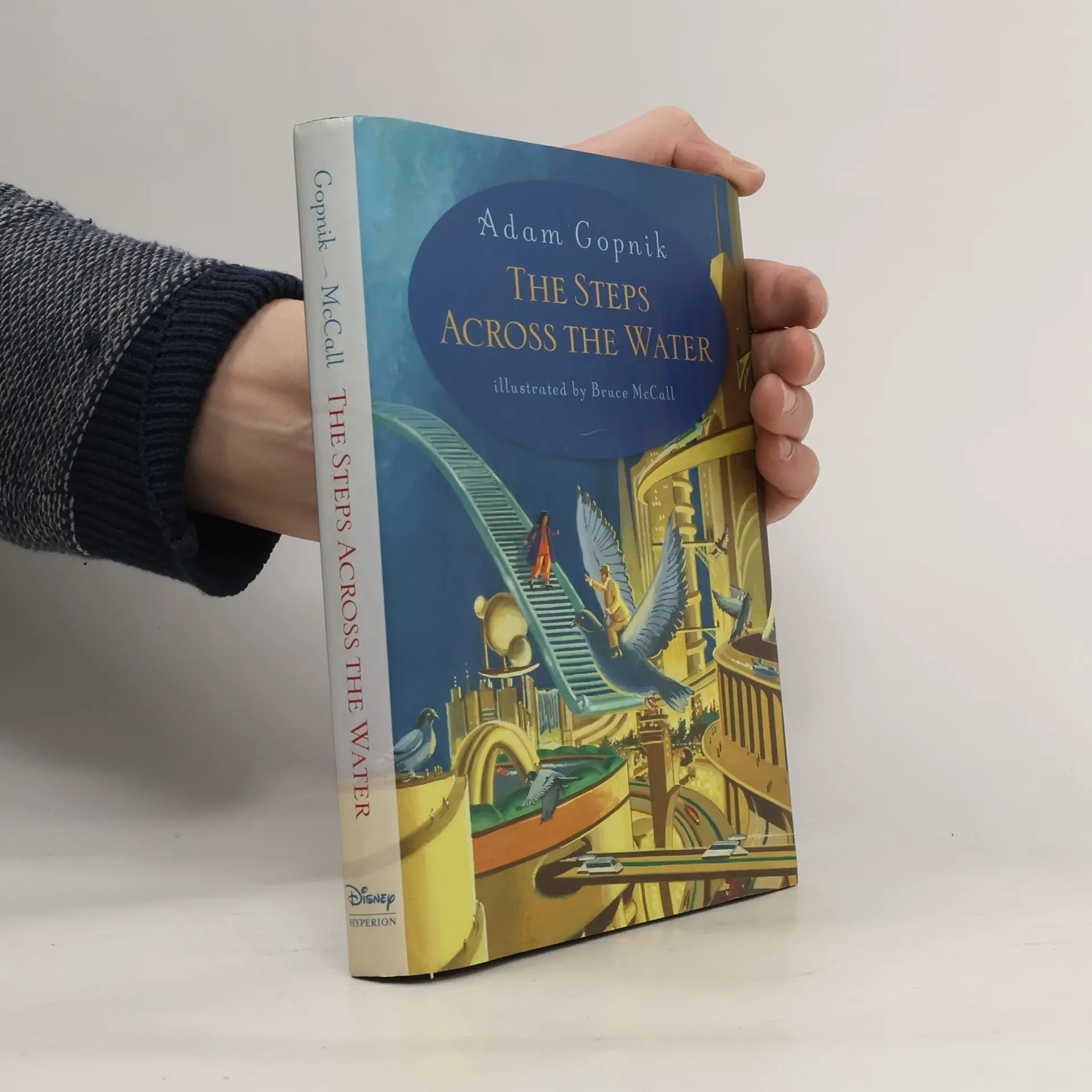
Bestselling author and New Yorker writer Adam Gopnik embarks on a wildly creative inquiry into perhaps the oldest question: how do we learn a new skill?
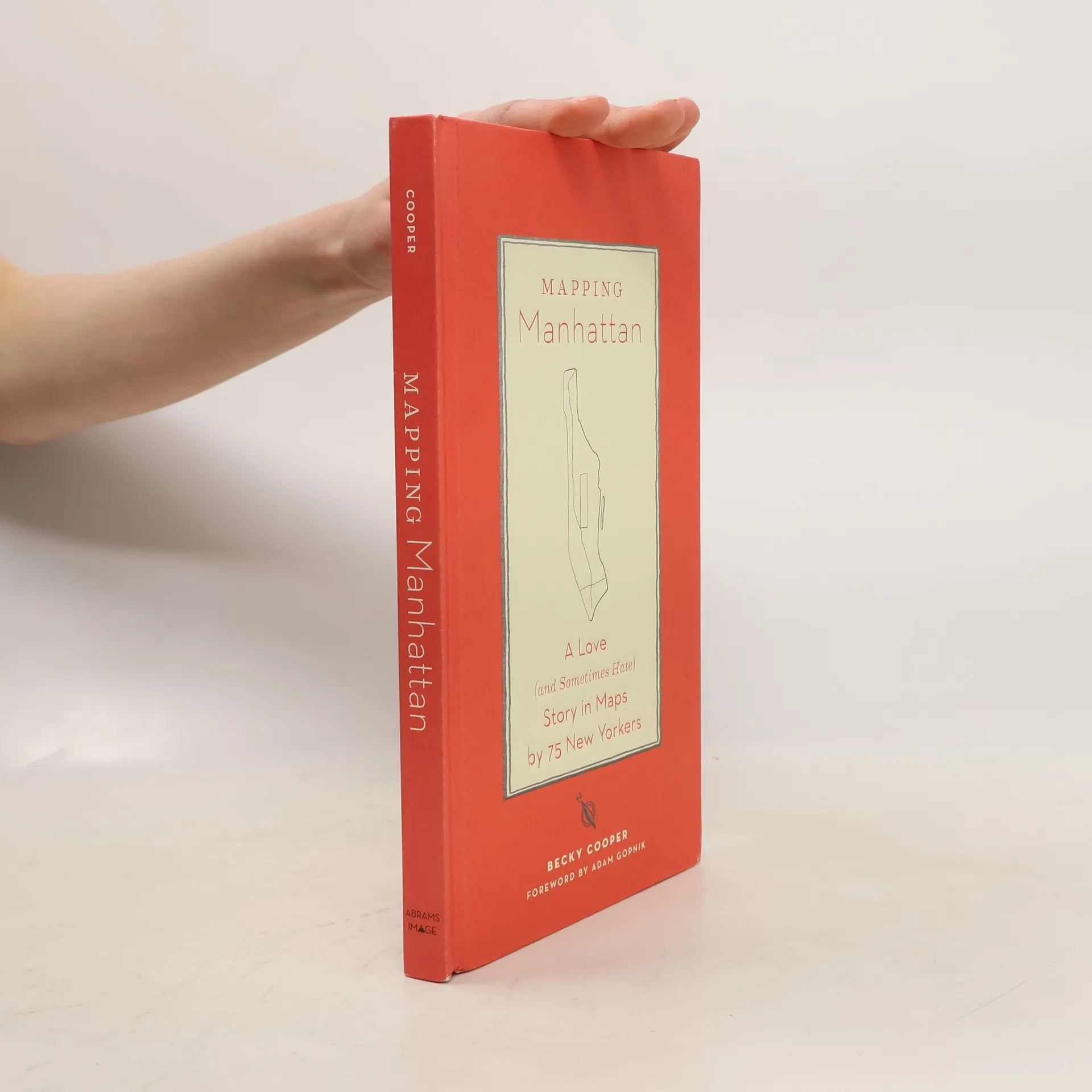
Armed with hundreds of blank maps she had painstakingly printed by hand, Becky Cooper walked Manhattan from end to end. Along her journey she met police officers, homeless people, fashion models, and senior citizens who had lived in Manhattan all their lives. She asked the strangers to “map their Manhattan” and to mail the personalized maps back to her. Soon, her P.O. box was filled with a cartography of intimate narratives: past loves, lost homes, childhood memories, comical moments, and surprising confessions. A beautifully illustrated, PostSecret-style tribute to New York, Mapping Manhattan includes 75 maps from both anonymous mapmakers and notable New Yorkers, including Man on Wire aerialist Philippe Petit, New York Times wine critic Eric Asimov, Tony award-winning actor Harvey Fierstein, and many more.Praise for Mapping Manhattan:“What an intriguing project.”—The New York Times“A tender cartographic love letter to this timeless city of multiple dimensions, parallel realities, and perpendicular views.” —Brain Pickings“Cooper’s beautiful project linking the lives of New Yorkers is one that will continue to grow.” —Publishers Weekly online
Sidney Joseph Perelman, a uniquely original and humorous voice in American literature, crafted gags for the Marx Brothers, won an Oscar for screenwriting, and collaborated on five Broadway plays. His distinctive humor shines in the sketches and satires he wrote for The New Yorker and other publications, which editor Adam Gopnik describes as exploring "American vulgarity" in a shocking yet entertaining manner. This collection features parodies, social satires, autobiographical pieces, and selections from the "Cloudland Revisited" series, where Perelman reflects on his youthful encounters with books and movies and the surprises of revisiting them as an adult. In "Scenario," he presents a surreal Hollywood pitch meeting, blending clichés and slang into a continuous paragraph. "Farewell, My Lovely Appetizer" humorously critiques Raymond Chandler's hardboiled detective fiction, while "No Starch in My Dhoti, S'il Vous Plaît" imagines a comical correspondence between Jawaharlal Nehru's father and a Parisian launderer. The volume also includes Perelman's two-act comedy, The Beauty Part, a spoof on money and art that premiered in 1962. Rounding out the collection are profiles of the Marx Brothers, Dorothy Parker, and Nathanael West, along with letters to notable figures like Edmund Wilson and Groucho Marx.
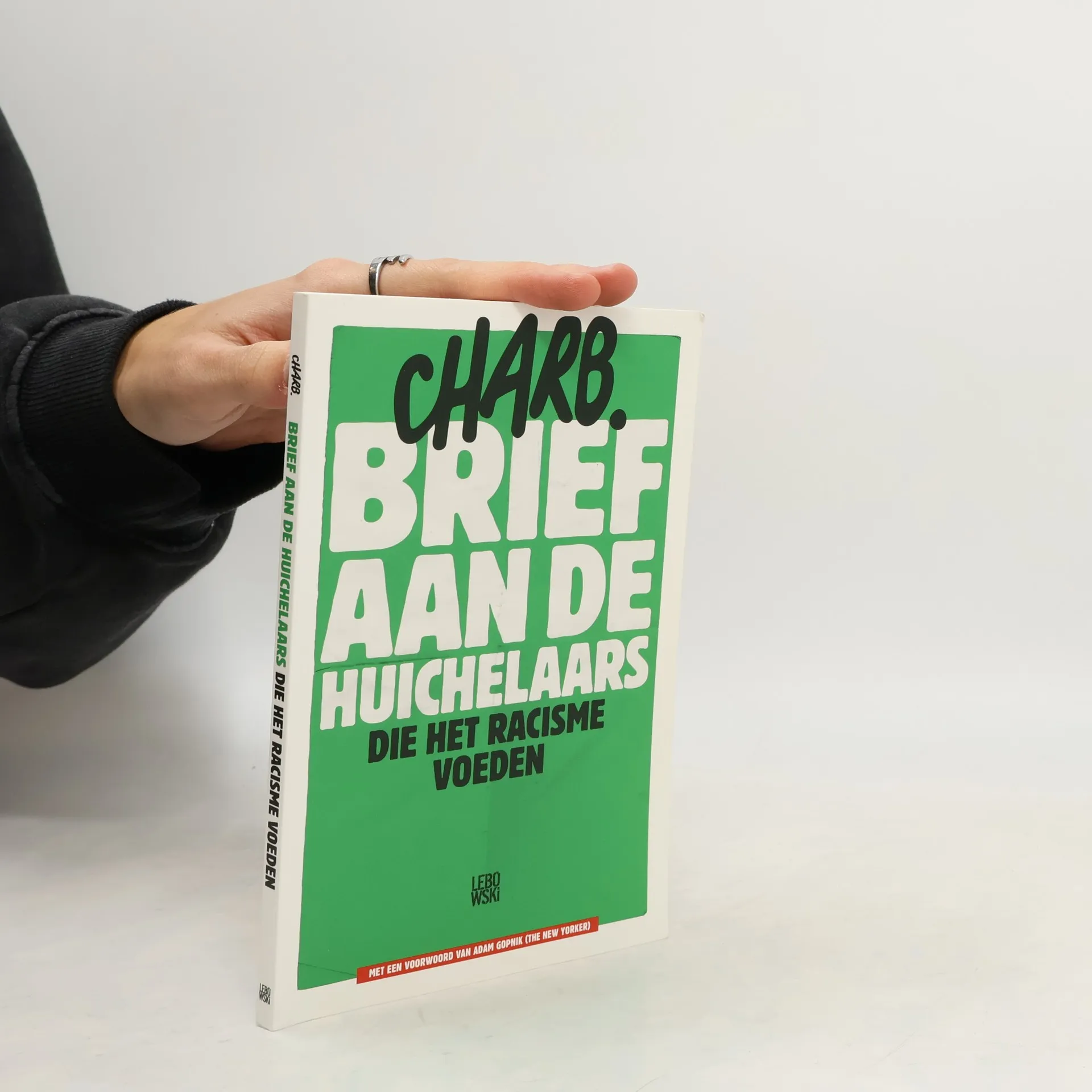
On Blasphemy, Islamophobia, and the True Enemies of Free Expression
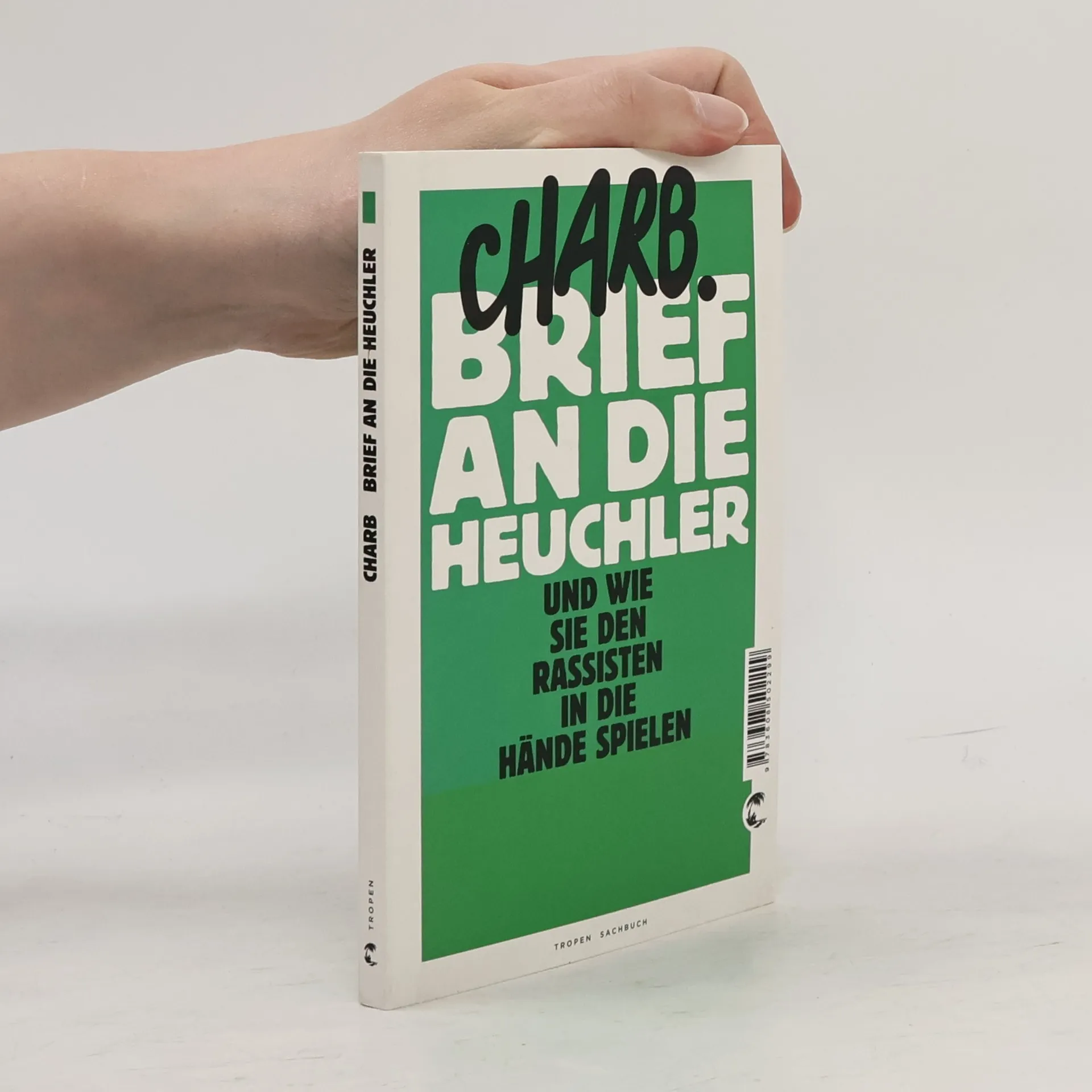
An impassioned defense of the freedom of speech, from Stéphane Charbonnier, a journalist murdered for his convictions On January 7, 2015, two gunmen stormed the offices of the French satirical newspaper Charlie Hebdo. They took the lives of twelve men and women, but they called for one man by name: "Charb." Known by his pen name, Stéphane Charbonnier was editor in chief of Charlie Hebdo, an outspoken critic of religious fundamentalism, and a renowned political cartoonist in his own right. In the past, he had received death threats and had even earned a place on Al Qaeda's "Most Wanted List." On January 7 it seemed that Charb's enemies had finally succeeded in silencing him. But in a twist of fate befitting Charb's defiant nature, it was soon revealed that he had finished a book just two days before his murder on the very issues at the heart of the attacks: blasphemy, Islamophobia, and the necessary courage of satirists. Here, published for the first time in English, is Charb's final work. A searing criticism of hypocrisy and racism, and a rousing, eloquent defense of free speech, Open Letter shows Charb's words to be as powerful and provocative as his art. This is an essential book about race, religion, the voice of ethnic minorities and majorities in a pluralistic society, and above all, the right to free expression and the surprising challenges being leveled at it in our fraught and dangerous time.
The New York Times-bestselling author offers a stirring defence of liberalism against the dogmatisms of our time
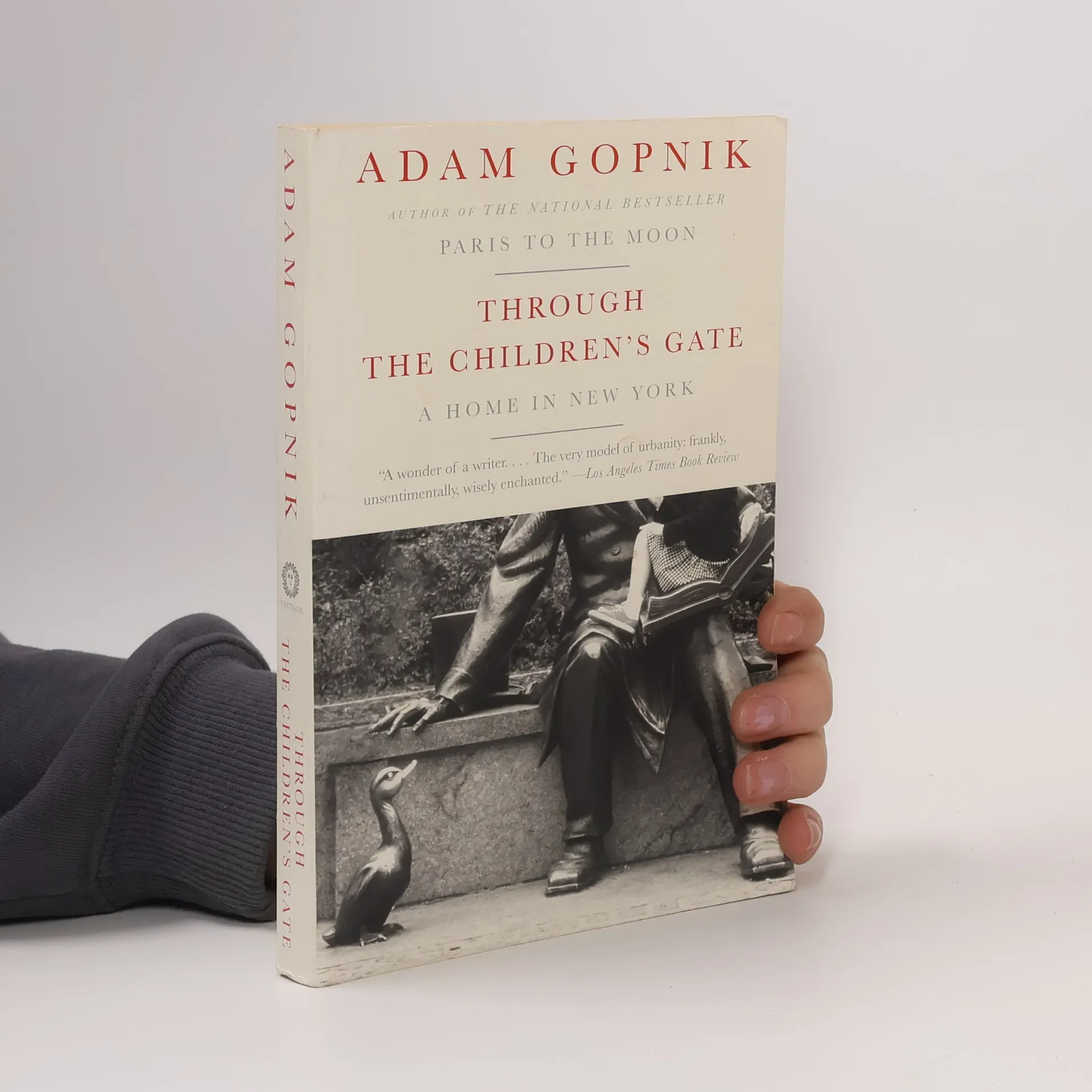
In a series of essays, the author reflects on his family's transition from Paris to New York in fall 2000, capturing the essence of their new urban life. He profiles a diverse cast of characters, including teachers, therapists, and friends, who shape their experiences. The narrative delves into the aftermath of 9/11, the complexities of real estate, and broader philosophical themes about the meaning of life, offering a poignant exploration of community and change in a post-traumatic city.
Collects the thoughts and perspectives of artists, poets, composers, writers, explorers, and scientists on the season of winter, from reflections on snow and God to the future of northern culture.