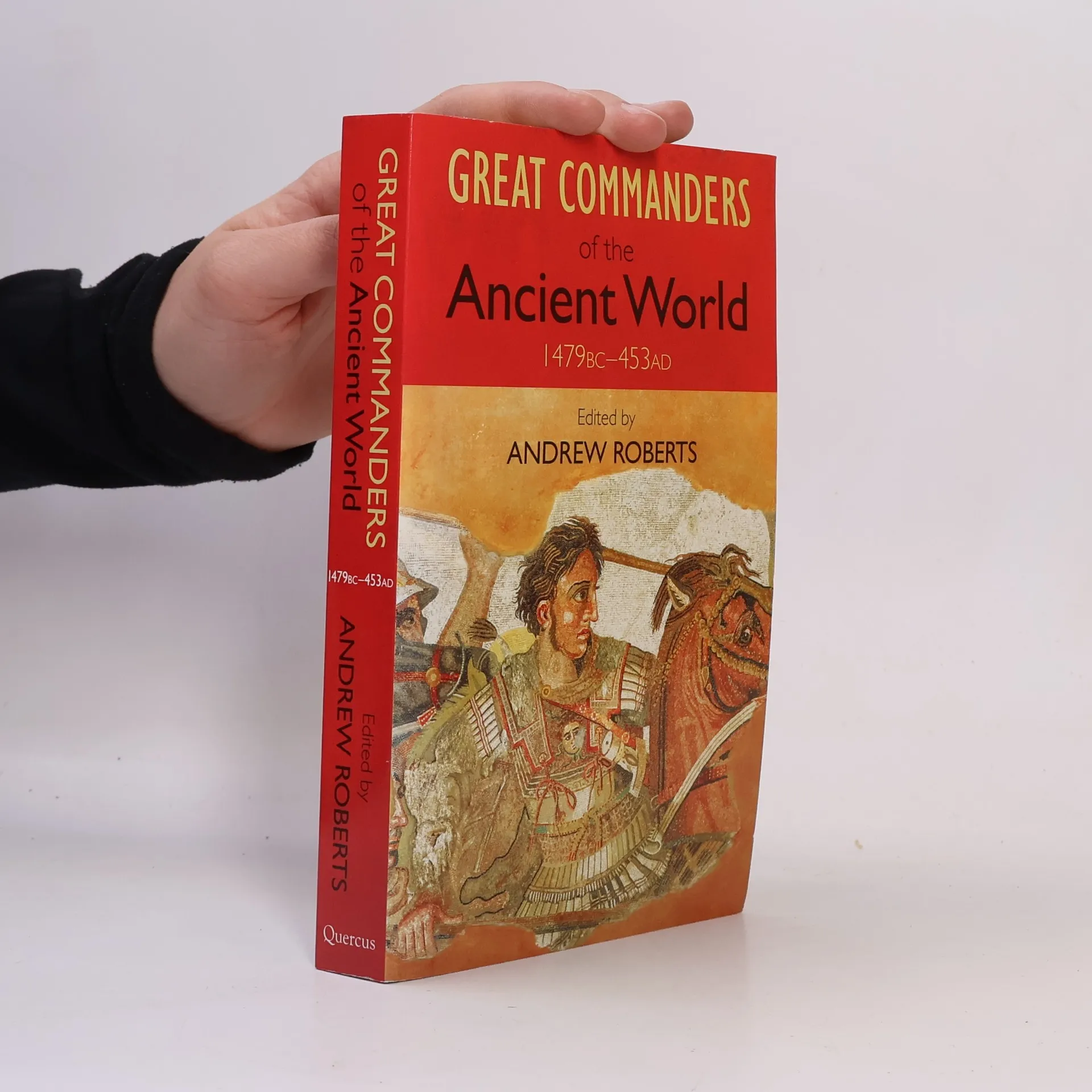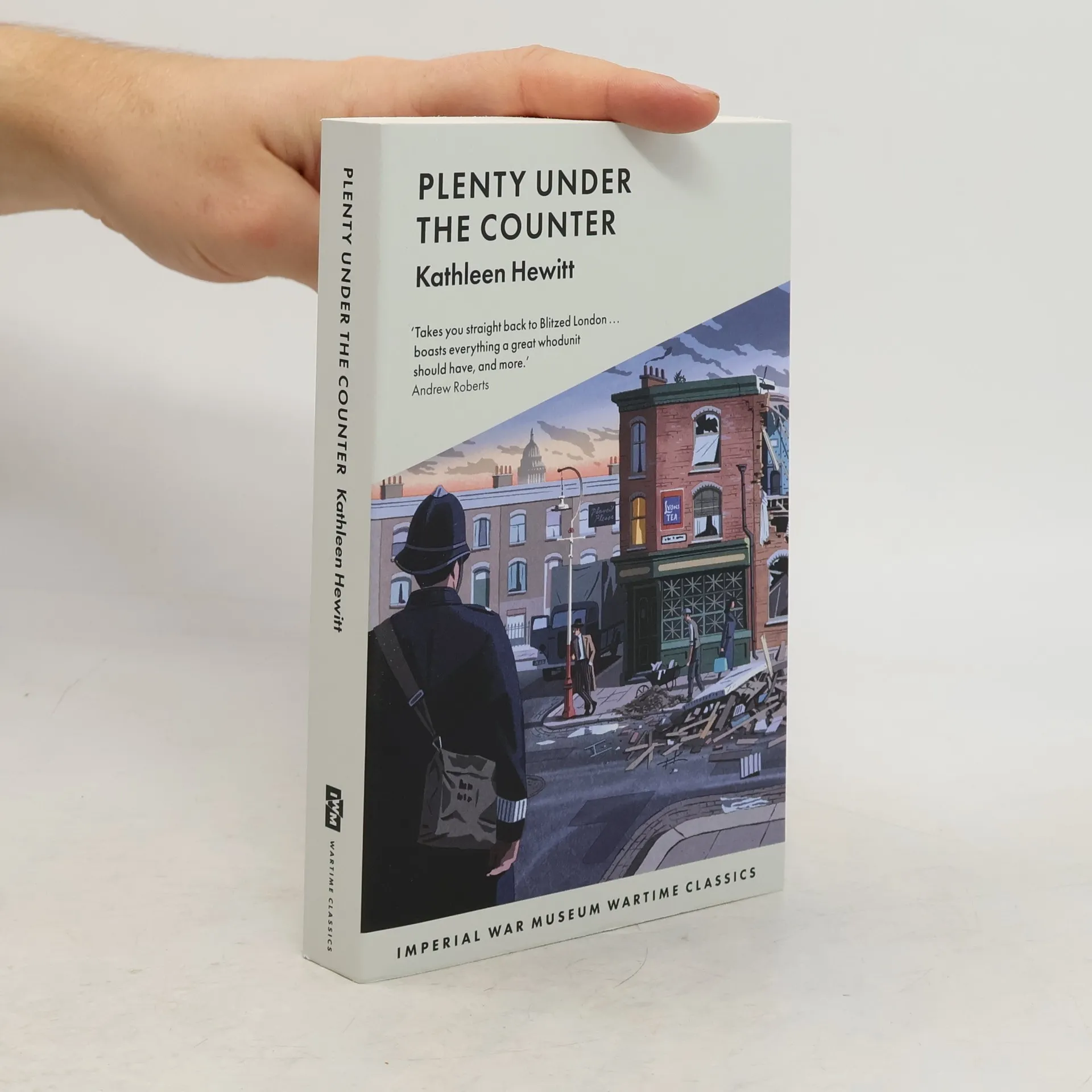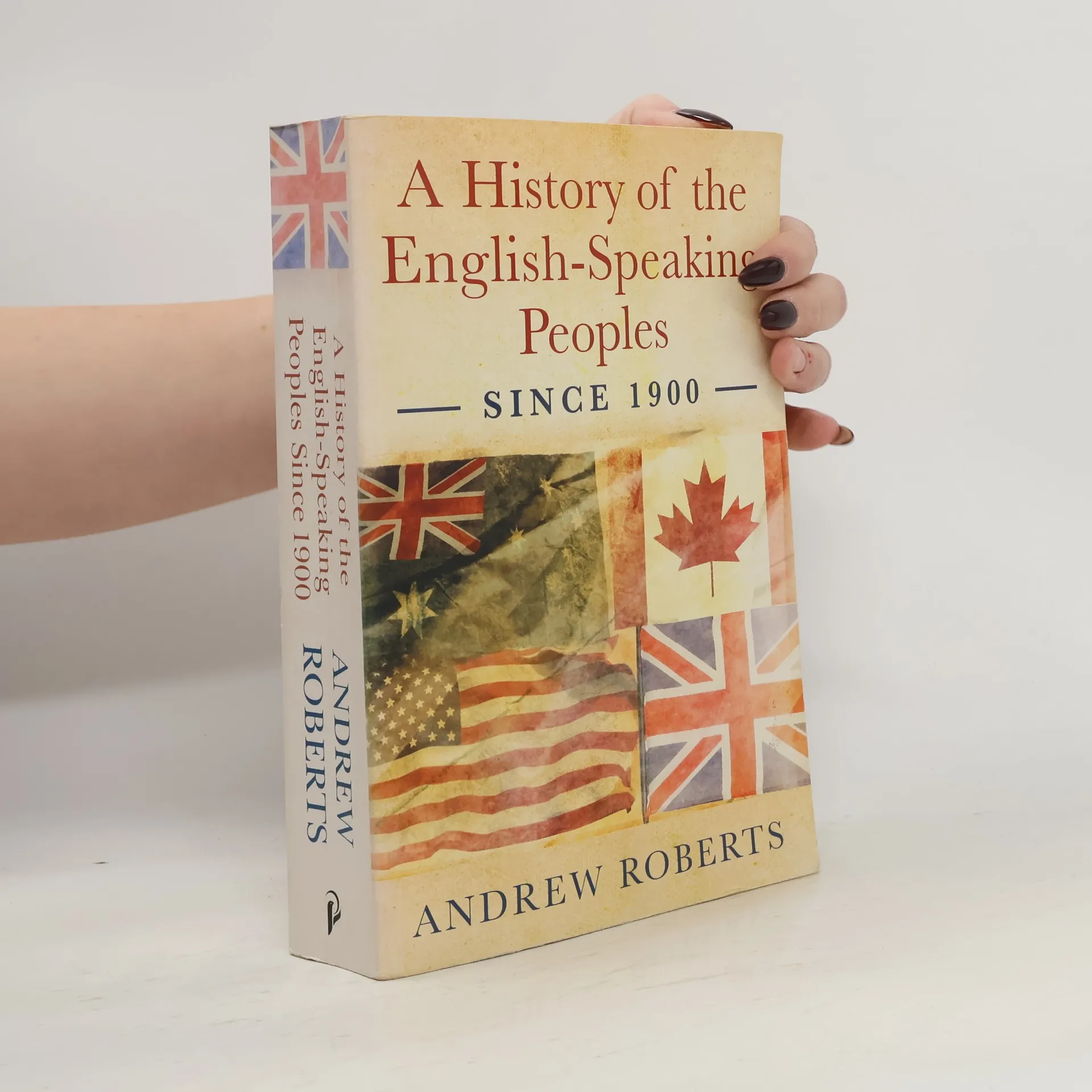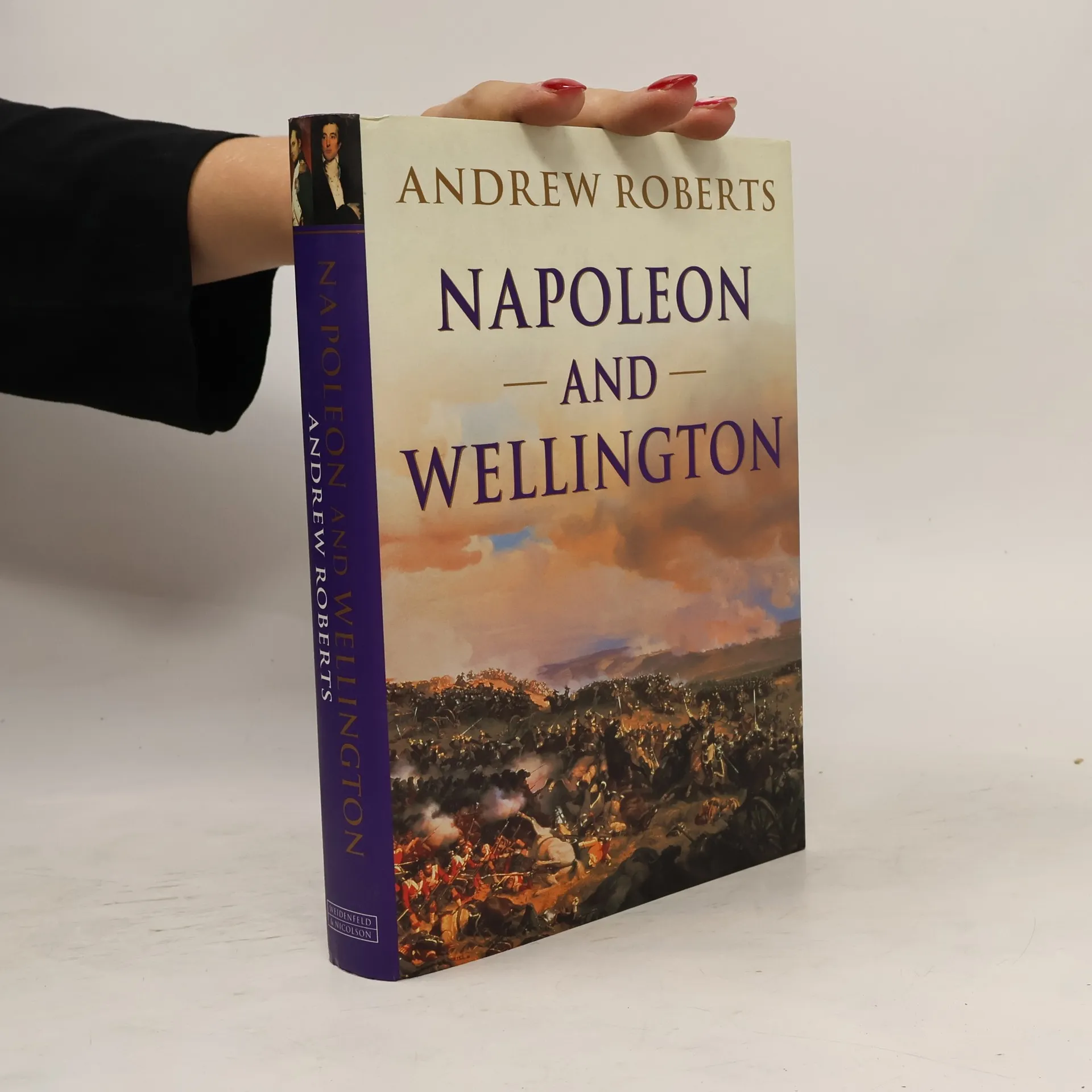
Dieser Autor befasst sich mit Geschichte mit der Präzision eines Akademikers und dem Esprit eines Geschichtenerzählers. Seine Werke erforschen entscheidende Momente und Figuren, die die Welt geformt haben, wobei das menschliche Element und die Zusammenhänge betont werden. Durch aufschlussreiche Analysen und einen fesselnden Stil werden komplexe historische Ereignisse dem heutigen Leser zugänglich gemacht. Seine Schriften werden für ihre Tiefe, Genauigkeit und ihre Fähigkeit, den Leser in die Erzählung einzubeziehen, geschätzt.
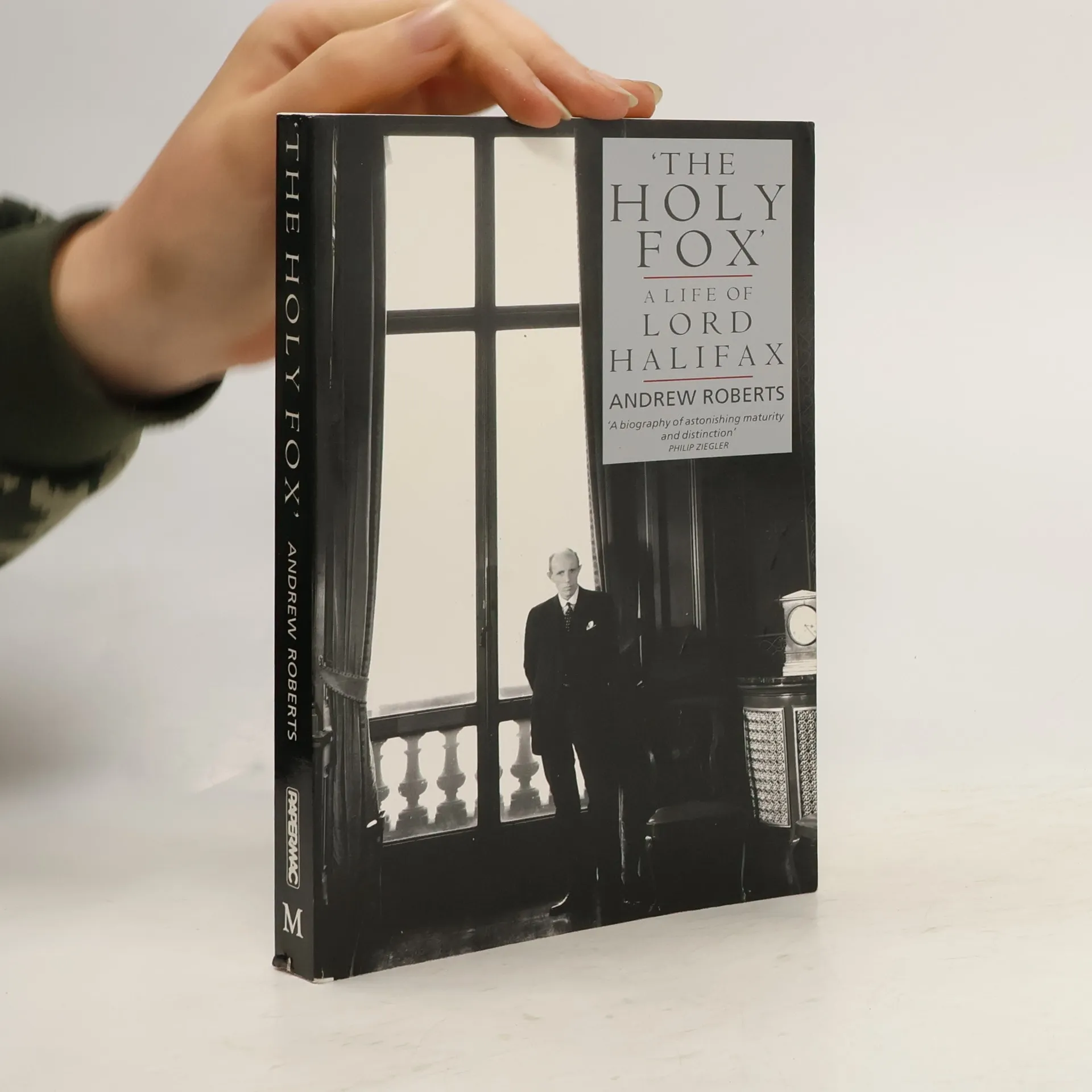
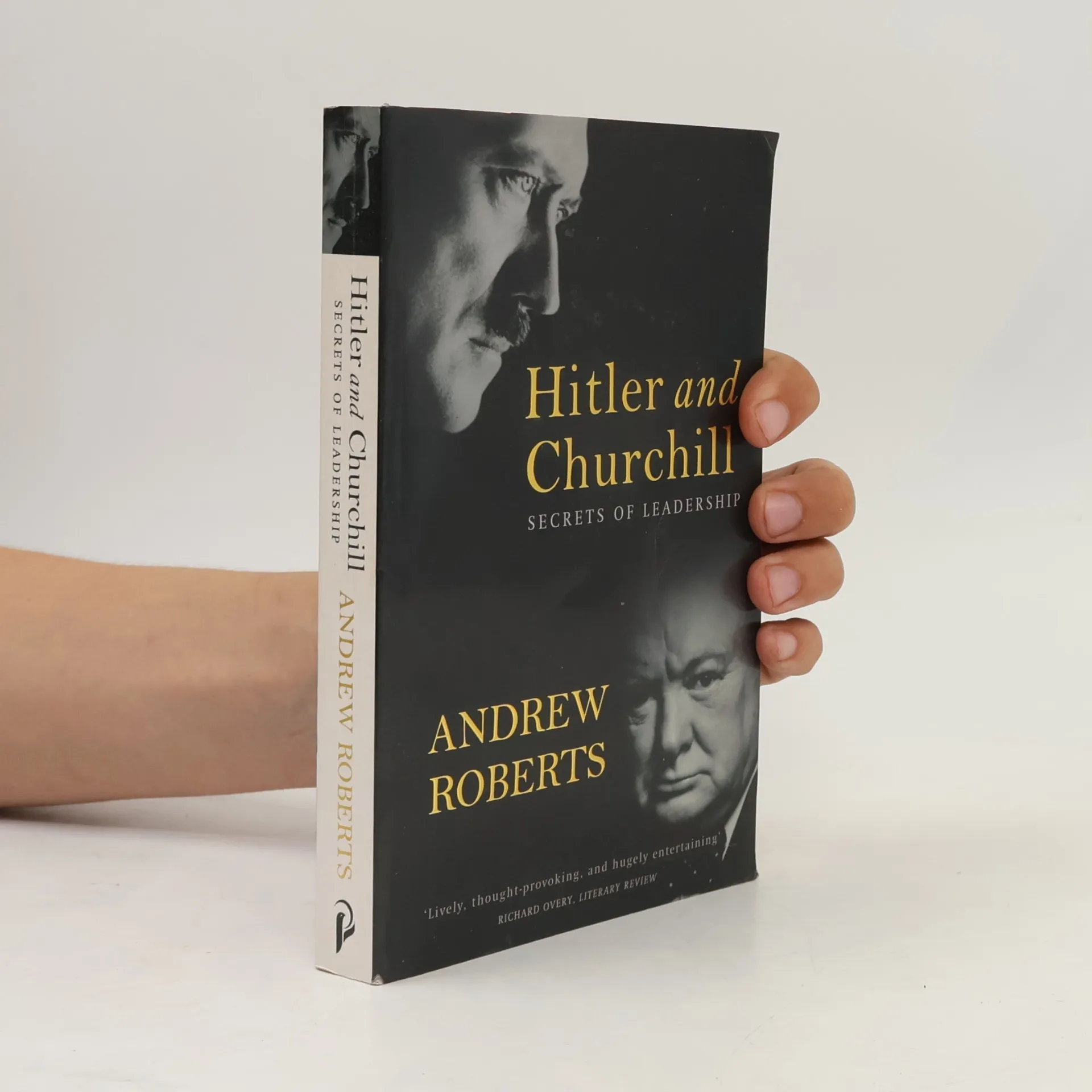
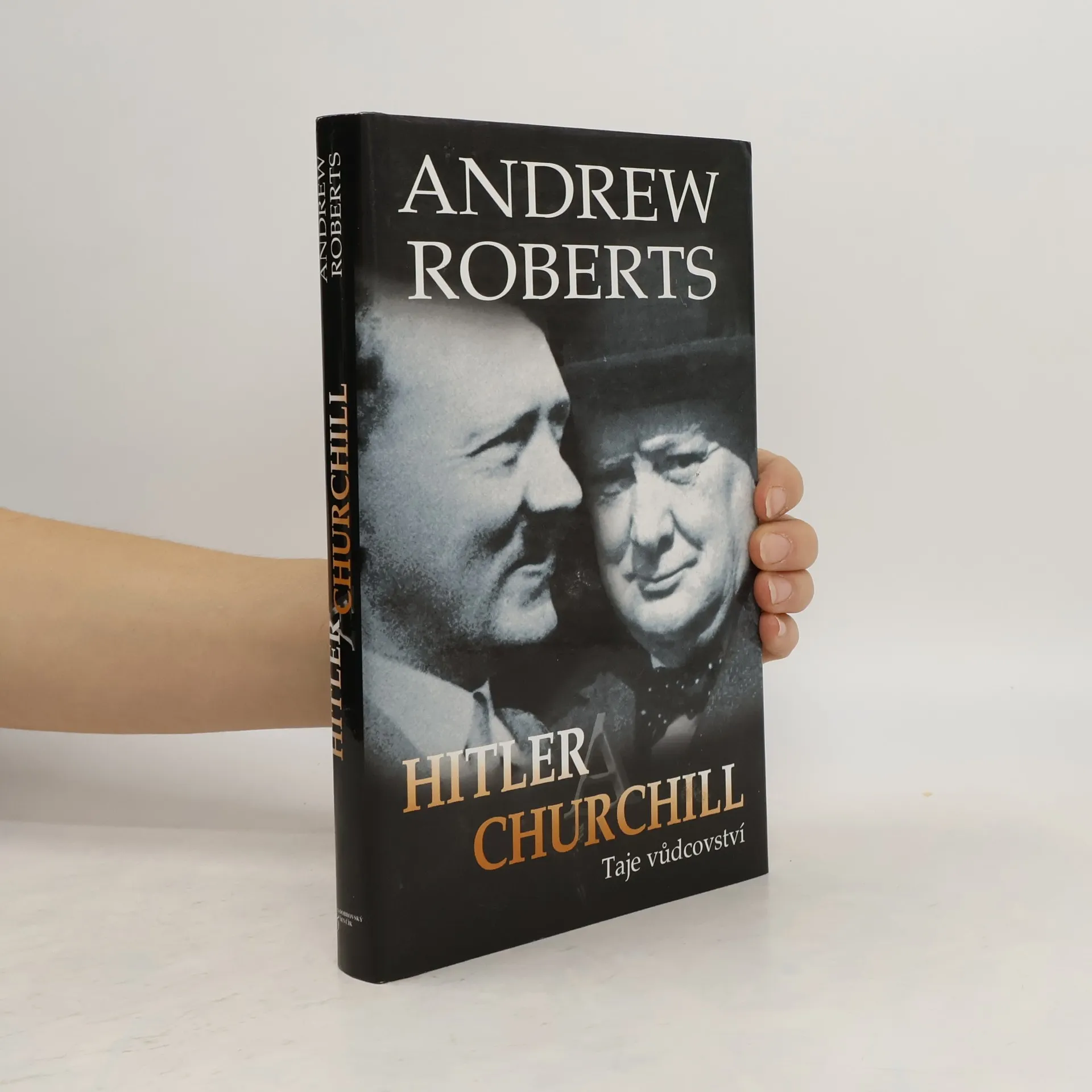
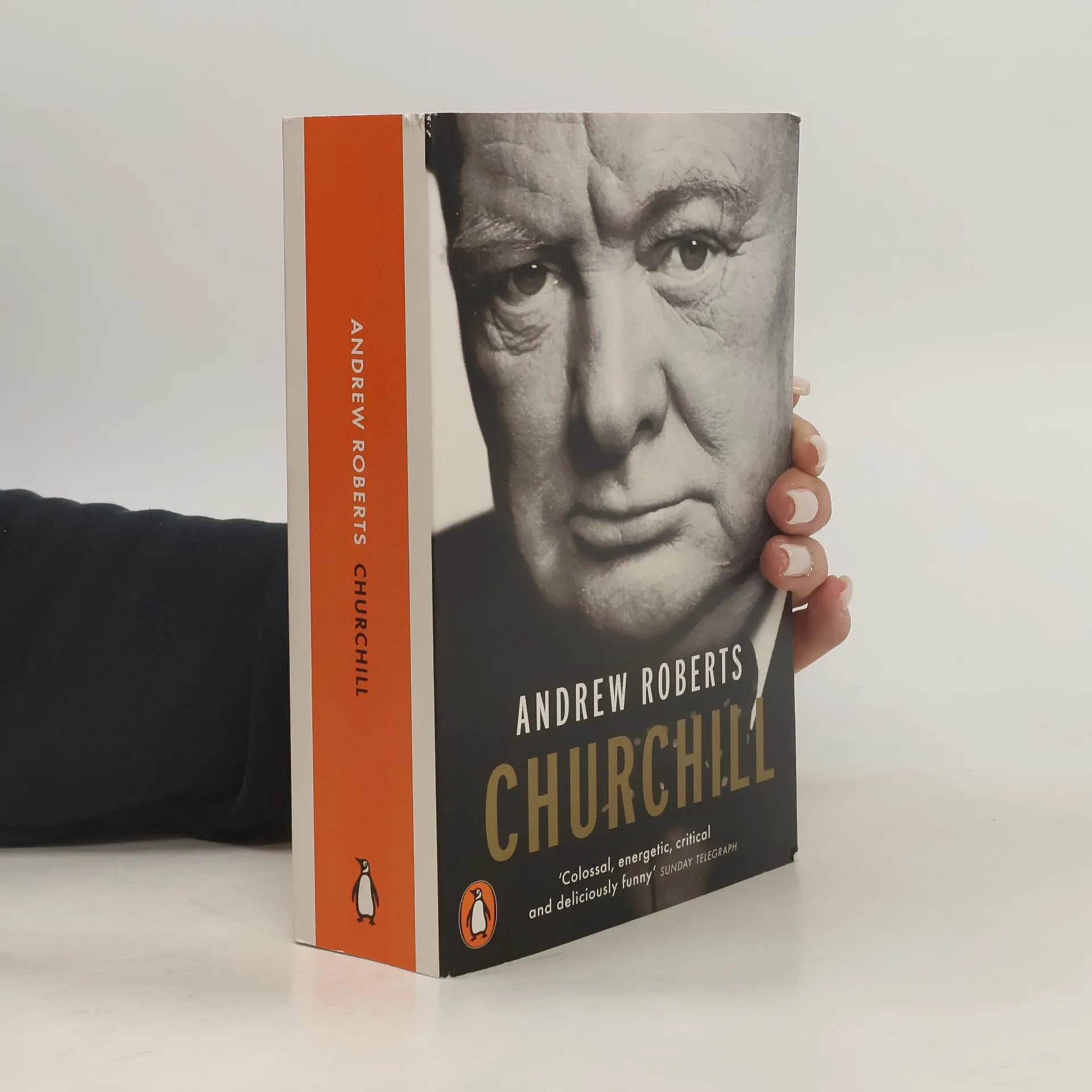
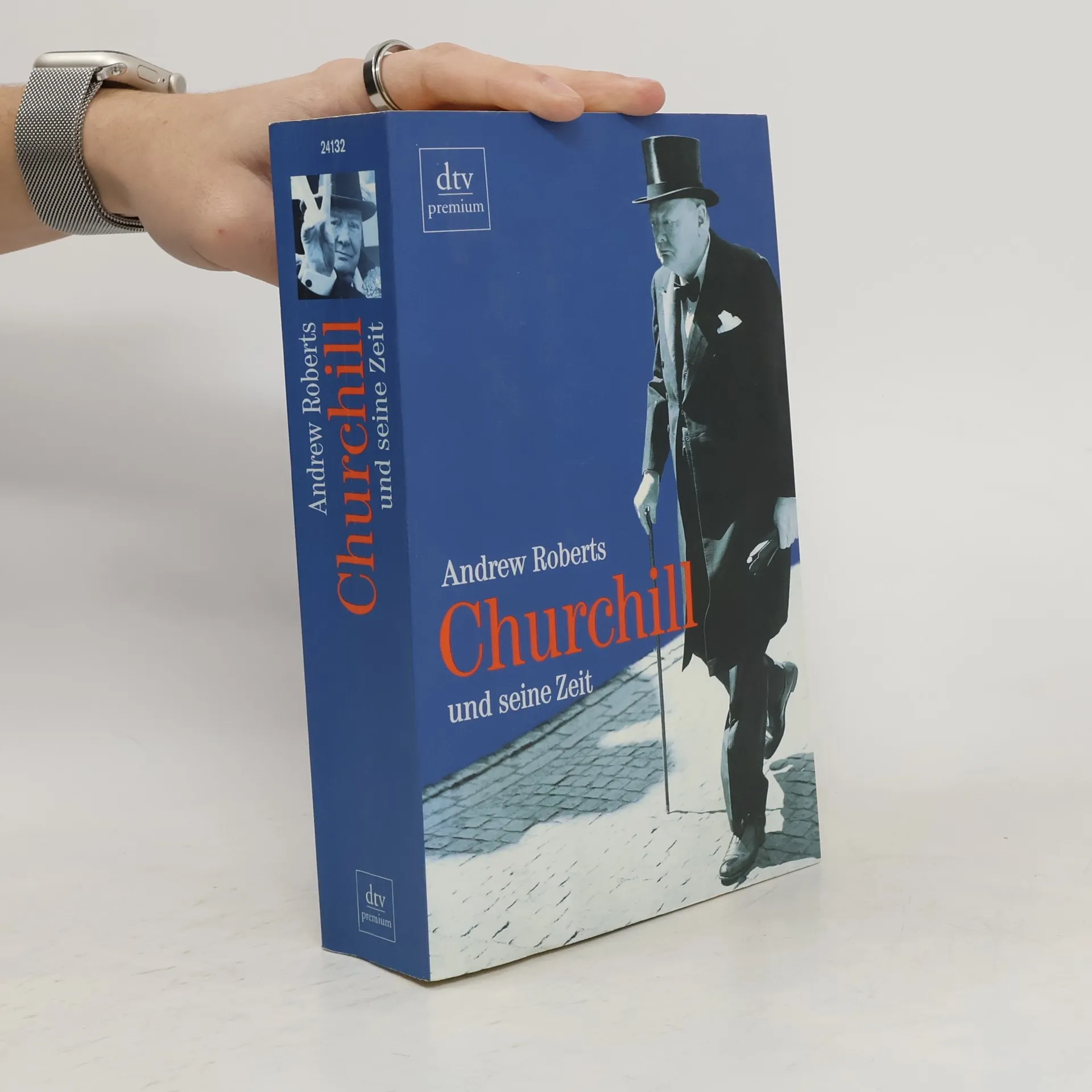
Gelehrt, amüsant und bösartig. Ein sehr britisches Buch über einen sehr britischen Staatsmann und vor allem seine Feinde. Vom belächelten Kriegstreiber zum Mitbezwinger Hitlers und Premierminister: Als Chamberlain 1938 mit Hitler das Münchener Abkommen schloß, galt Churchill, damals bereits 64 Jahre alt, als Abenteurer, der politisch gescheitert war. Zwei Jahre später war er der Retter der Nation und verkörperte den Widerstand Großbritanniens gegen die Nazis. Von 1940 bis 1955 hat er Englands Konservative und zudem neun Jahre lang das Land geführt. Doch in seiner Ära verloren die Briten endgültig den Großmachtstatus. Wie von der Cheshire-Katze blieb nur ein breites Grinsen. Was in dieser Zeit passiert ist, will Andrew Roberts anhand prägnanter Personenporträts festhalten und kommt dabei zu provozierenden Erkenntnissen. Heldenverehrung ist nicht sein Anliegen.
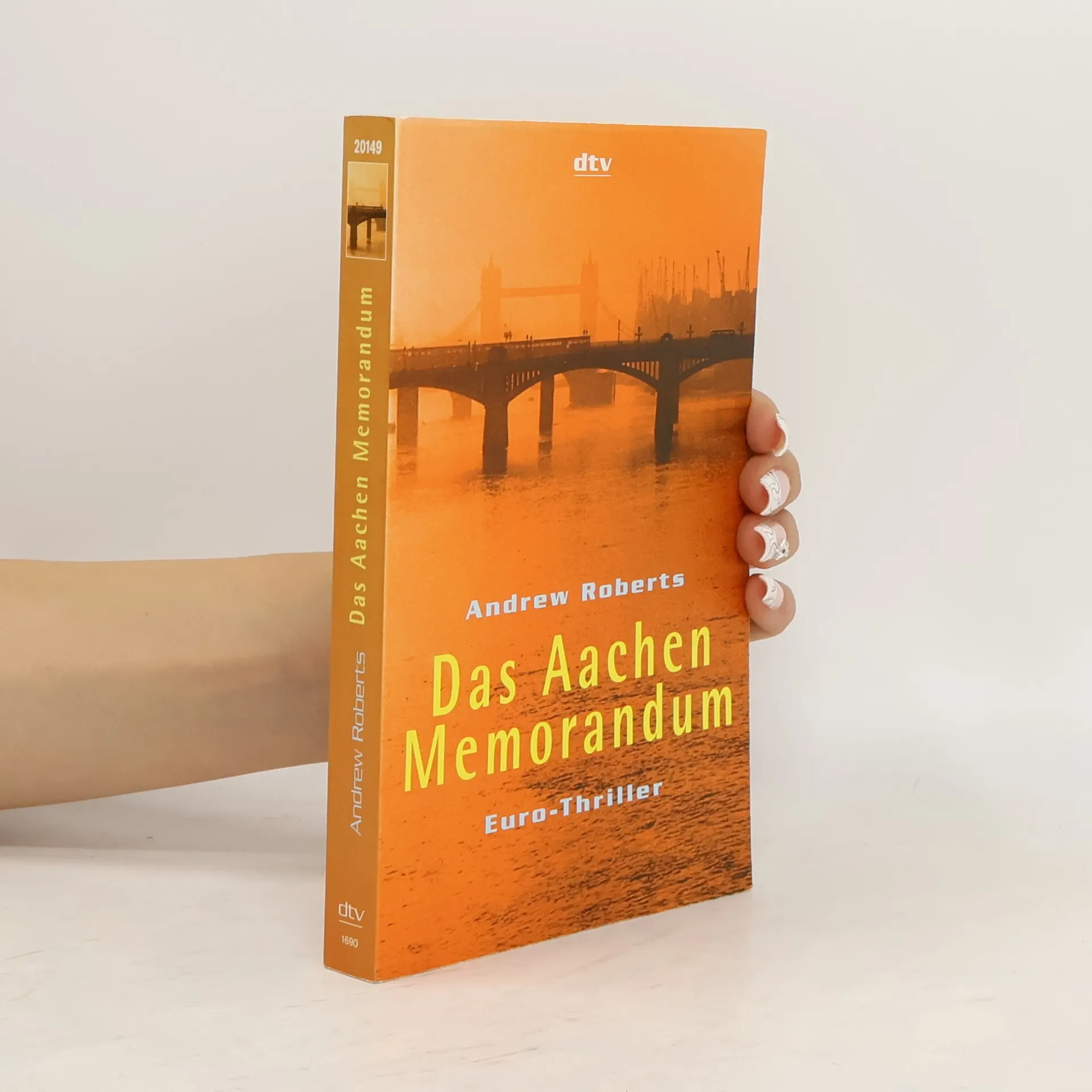
Spannend, witzig, britisch: Ein Thriller aus Europas Zukunft Cornwall 2045. Als der junge Historiker Dr. Lestoq die Leiche eines Admirals entdeckt, wird ihm klar, daß dies kein gewöhnlicher Mord ist. Hier sollte ein Skandal vertuscht werden, der Groß-Europa mitten ins Herz treffen könnte.
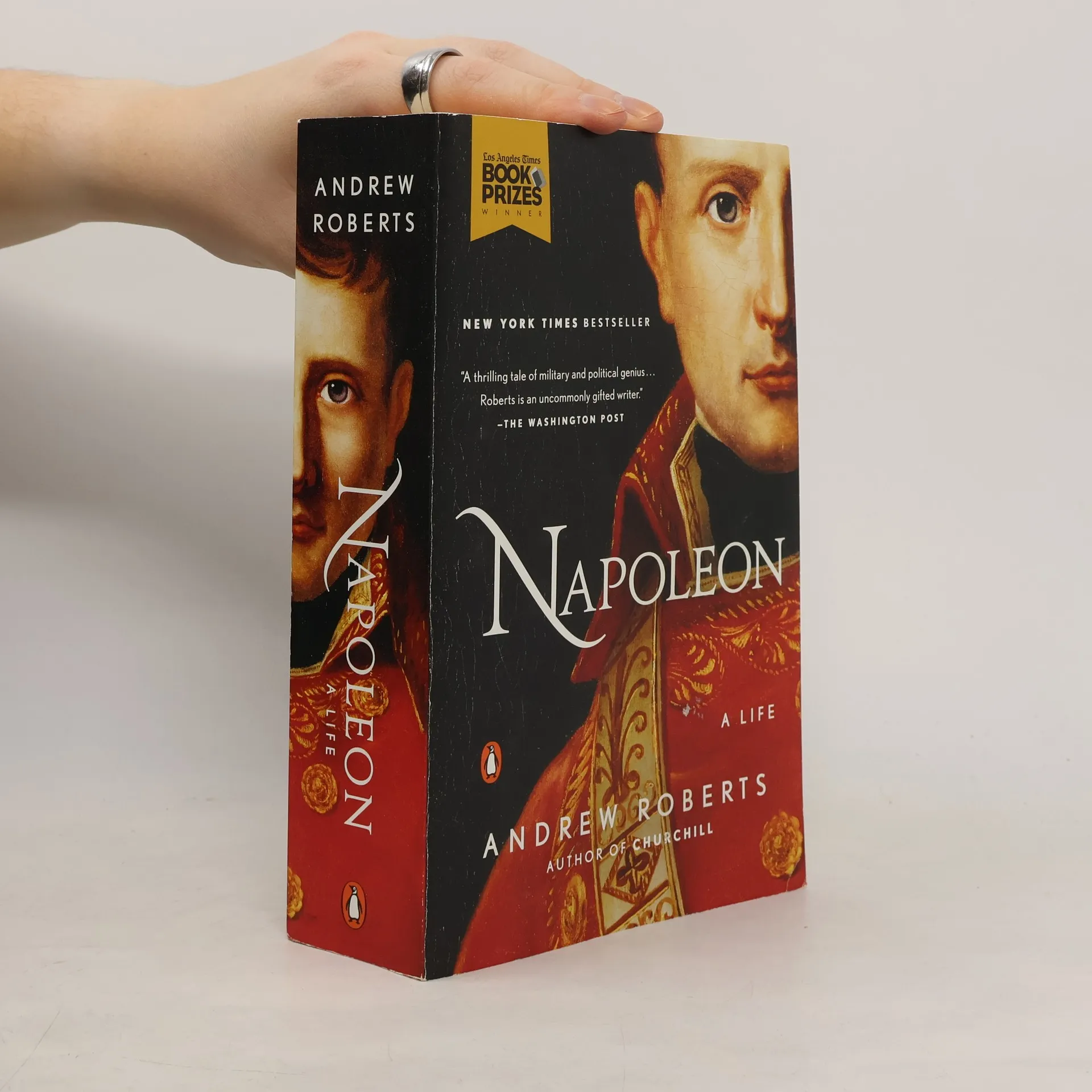
The biography delves into the life of a prominent soldier-statesman, showcasing his significant contributions and complex character. Written by an acclaimed author, it combines thorough research with engaging narrative, highlighting the subject's pivotal role in history. The book has received critical acclaim, winning multiple awards, including the LA Times Book Prize, and has been recognized as a New York Times bestseller, underscoring its impact and the author's expertise in historical storytelling.
Winston Churchill is a towering figure in twentieth-century British history, revered by many as the greatest man in the world by the time of his death in 1965. Andrew Roberts draws on over forty new sources, including King George VI's private diaries, to present a more intimate and persuasive portrayal than previous biographies. The work does not shy away from Churchill's faults, allowing readers to appreciate his virtues: his immense capacity for work and drink, his big-picture thinking, willingness to take risks, and presence in critical moments. His good humor in dire circumstances, strong friendships, and unexpected emotional outbursts are also highlighted. The biography delves into the roots of his personality, revealing a lifelong desire to please his father and an aristocratic disdain for others' opinions, alongside his love for the British Empire and a keen sense of history. During WWII, Churchill frequently summoned a young scientist for advice, who felt "recharged by a source of living power." Harry Hopkins, Roosevelt's emissary, noted that wherever Churchill was, there was a battlefront. Field Marshal Sir Alan Brooke, a key strategist and private critic, expressed gratitude for the opportunity to work alongside such a remarkable man, recognizing that "occasionally such supermen exist on this earth."
Emphasizing the significance of popular culture, this comprehensive dictionary explores Czech daily life through its songs, movie stars, athletes, traditional dishes, and children's games. With six hundred cross-referenced entries, it provides English readers with an invaluable resource to understand a rich yet ephemeral cultural landscape. The accessible writing style ensures that a broad audience can engage with the material, making it a substantial contribution to the study of Czech popular culture.
Challenging the common perception of George III as a tyrant, this book reveals him as a wise and humane ruler who faced numerous adversities. Historian Andrew Roberts delves into extensive unpublished correspondence, uncovering the complexities of the king's character and reign. The narrative critiques the biased portrayals by revolutionary figures like Thomas Paine and Thomas Jefferson, highlighting how their agendas shaped public opinion. Through meticulous research, the book aims to restore a more nuanced understanding of George III's legacy.
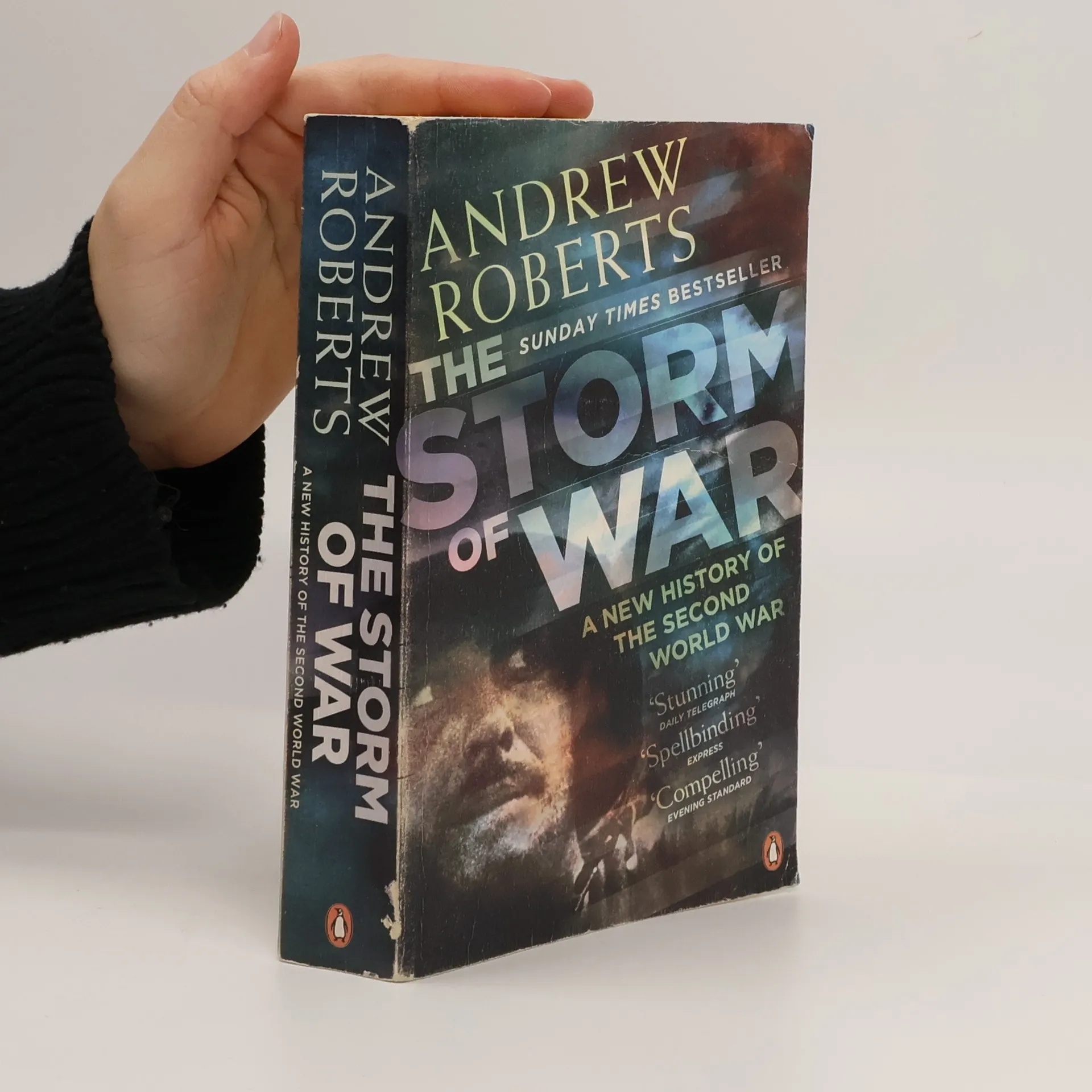
From Andrew Roberts, author of the Sunday Times bestseller The Storm of War,
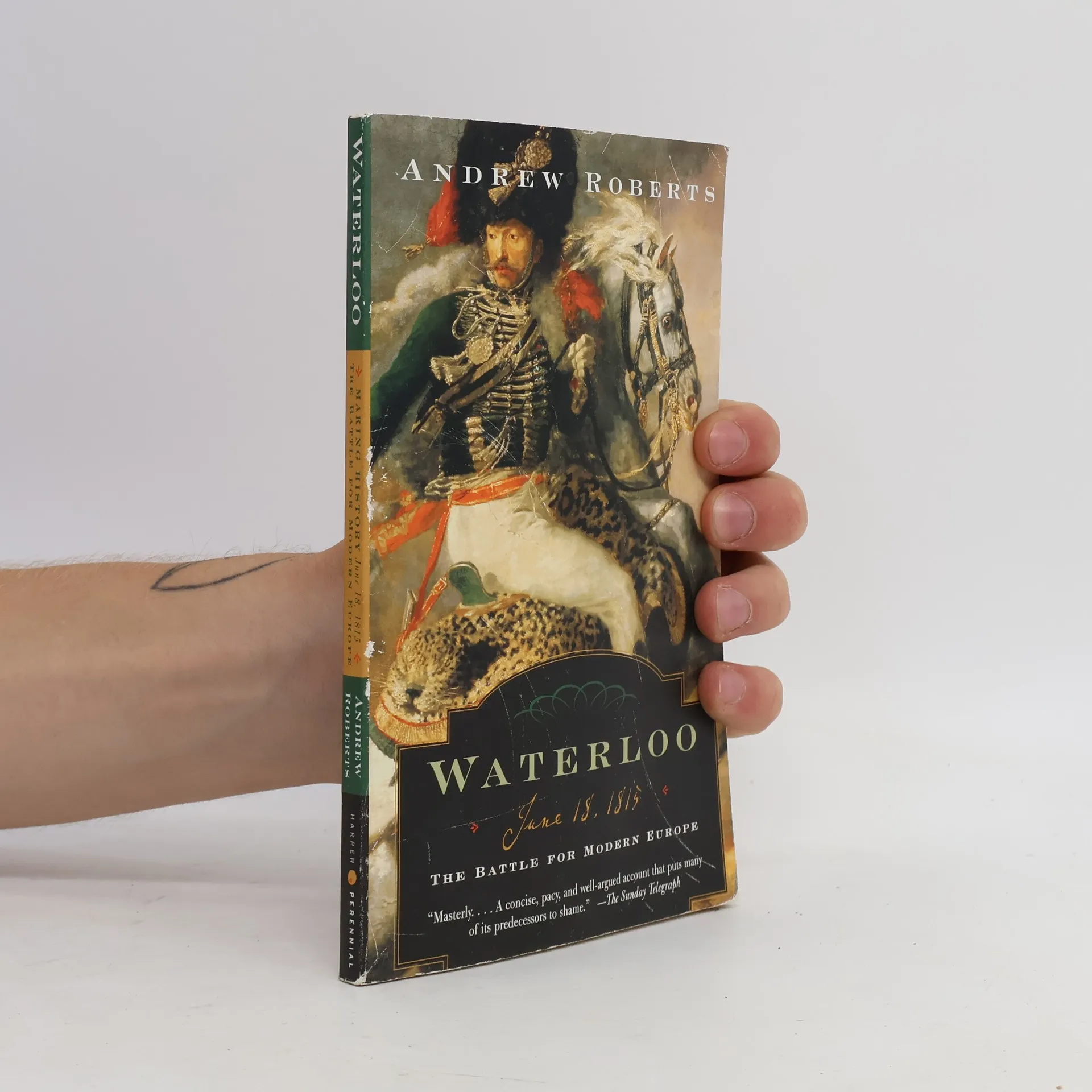
this is the definitive modern biography of Napoleon Napoleon Bonaparte lived
one of the most extraordinary of all human lives. In the space of just twenty
years, from October 1795 when as a young artillery captain he cleared the
streets of Paris of insurrectionists, to his final defeat at the (horribly
mismanaged) battle of Waterloo in June 1815, Napoleon transformed France and
Europe. After seizing power in a coup d'état he ended the corruption and
incompetence into which the Revolution had descended. In a series of dazzling
battles he reinvented the art of warfare; in peace, he completely remade the
laws of France, modernised her systems of education and administration, and
presided over a flourishing of the beautiful 'Empire style' in the arts. The
impossibility of defeating his most persistent enemy, Great Britain, led him
to make draining and ultimately fatal expeditions into Spain and Russia, where
half a million Frenchmen died and his Empire began to unravel. More than any
other modern biographer, Andrew Roberts conveys Napoleon's tremendous energy,
both physical and intellectual, and the attractiveness of his personality,
even to his enemies. He has walked 53 of Napoleon's 60 battlefields, and has
absorbed the gigantic new French edition of Napoleon's letters, which allows a
complete re-evaluation of this exceptional man. He overturns many received
opinions, including the myth of a great romance with Josephine: she took a
lover immediately after their marriage, and, as Roberts shows, he had three
times as many mistresses as he acknowledged. Of the climactic Battle of
Leipzig in 1813, as the fighting closed around them, a French sergeant-major
wrote, 'No-one who has not experienced it can have any idea of the enthusiasm
that burst forth among the half-starved, exhausted soldiers when the Emperor
was there in person. If all were demoralised and he appeared, his presence was
like an electric shock. All shouted 'Vive l'Empereur!' and everyone charged
blindly into the fire.' The reader of this biography will understand why this
was so.
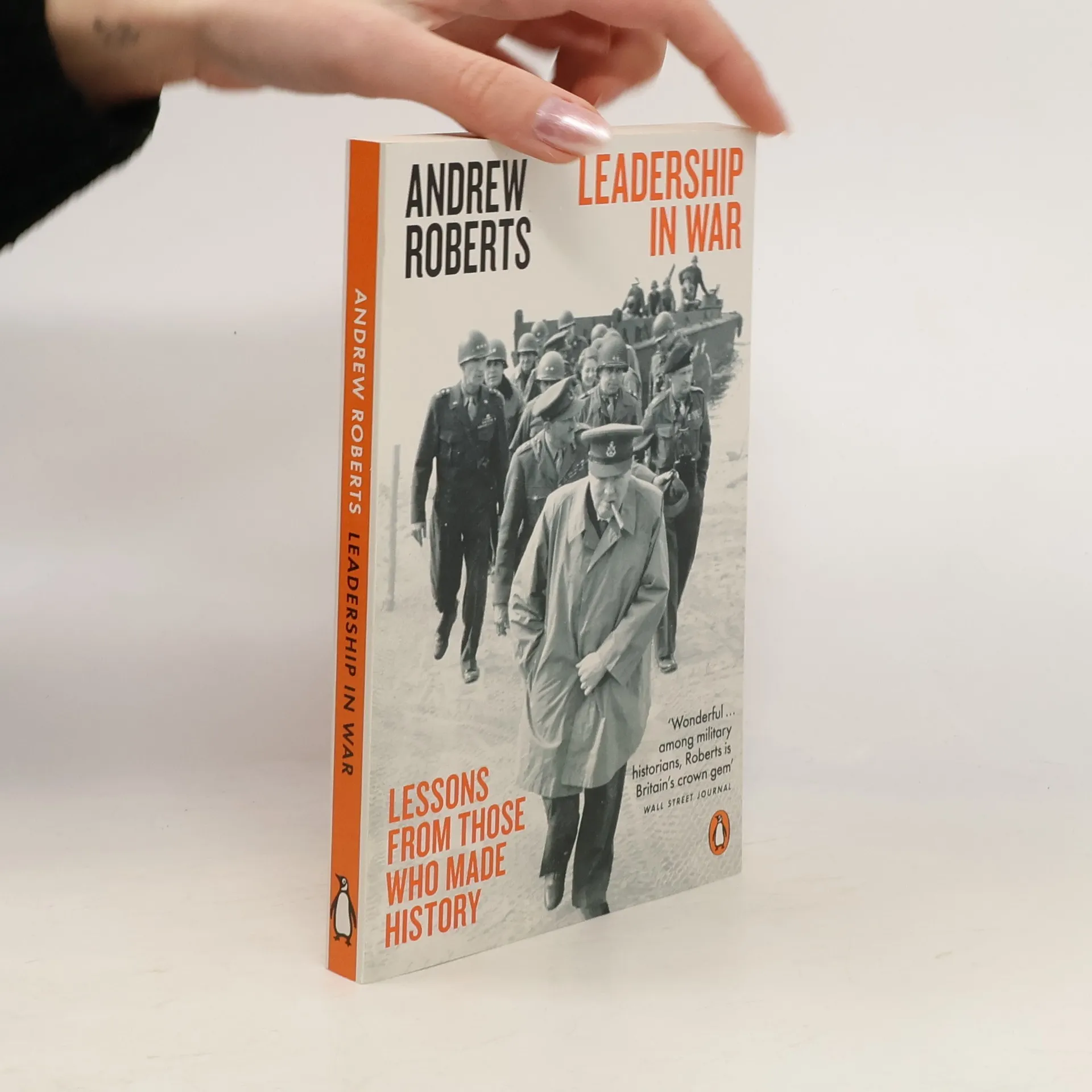
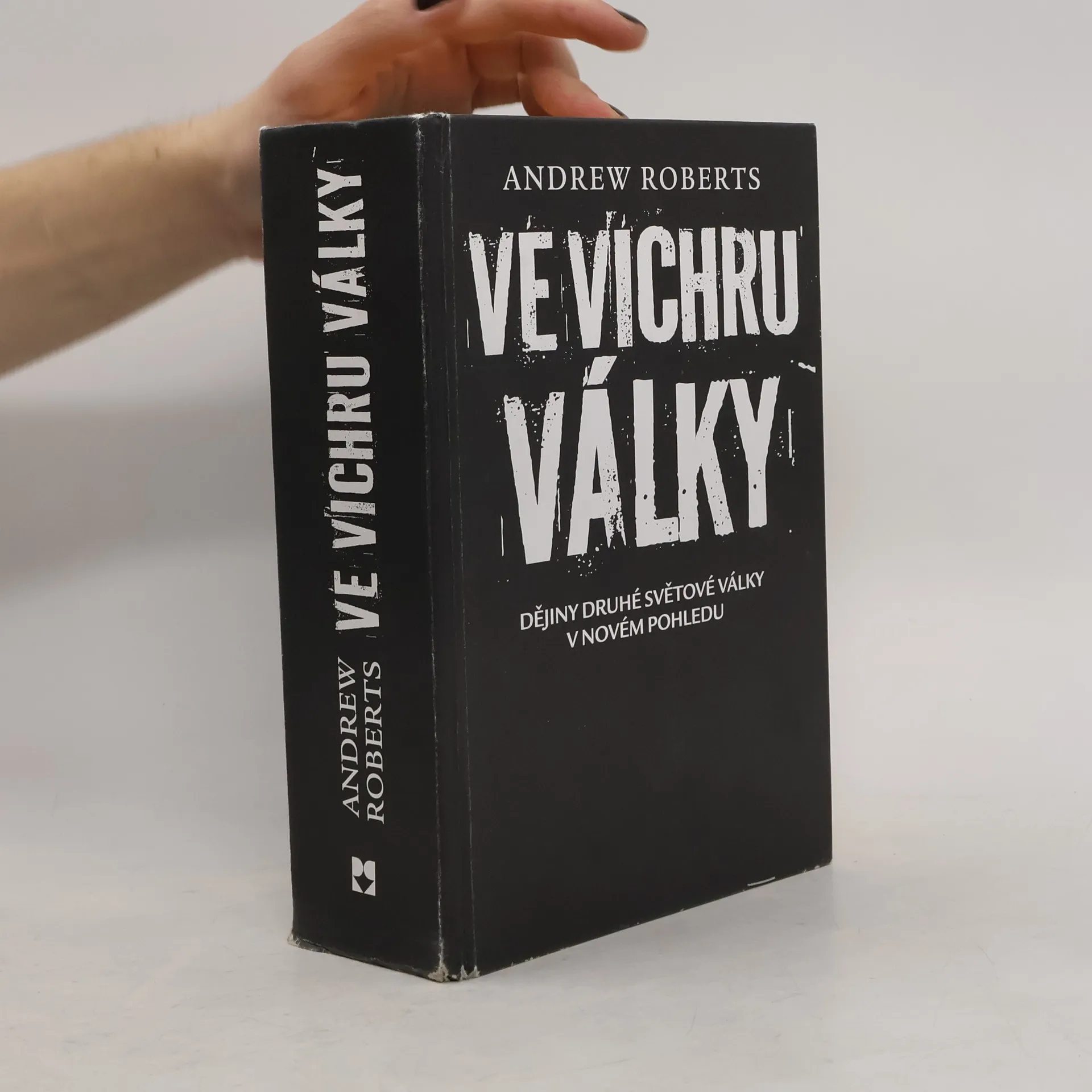
The Second World War lasted for 2,174 days and claimed the lives of over 50
million people. Why did it take the course that it did? Why did the Axis lose?
And could they, with a different strategy, have won? This book tells the story
of the war - and those who fought it.
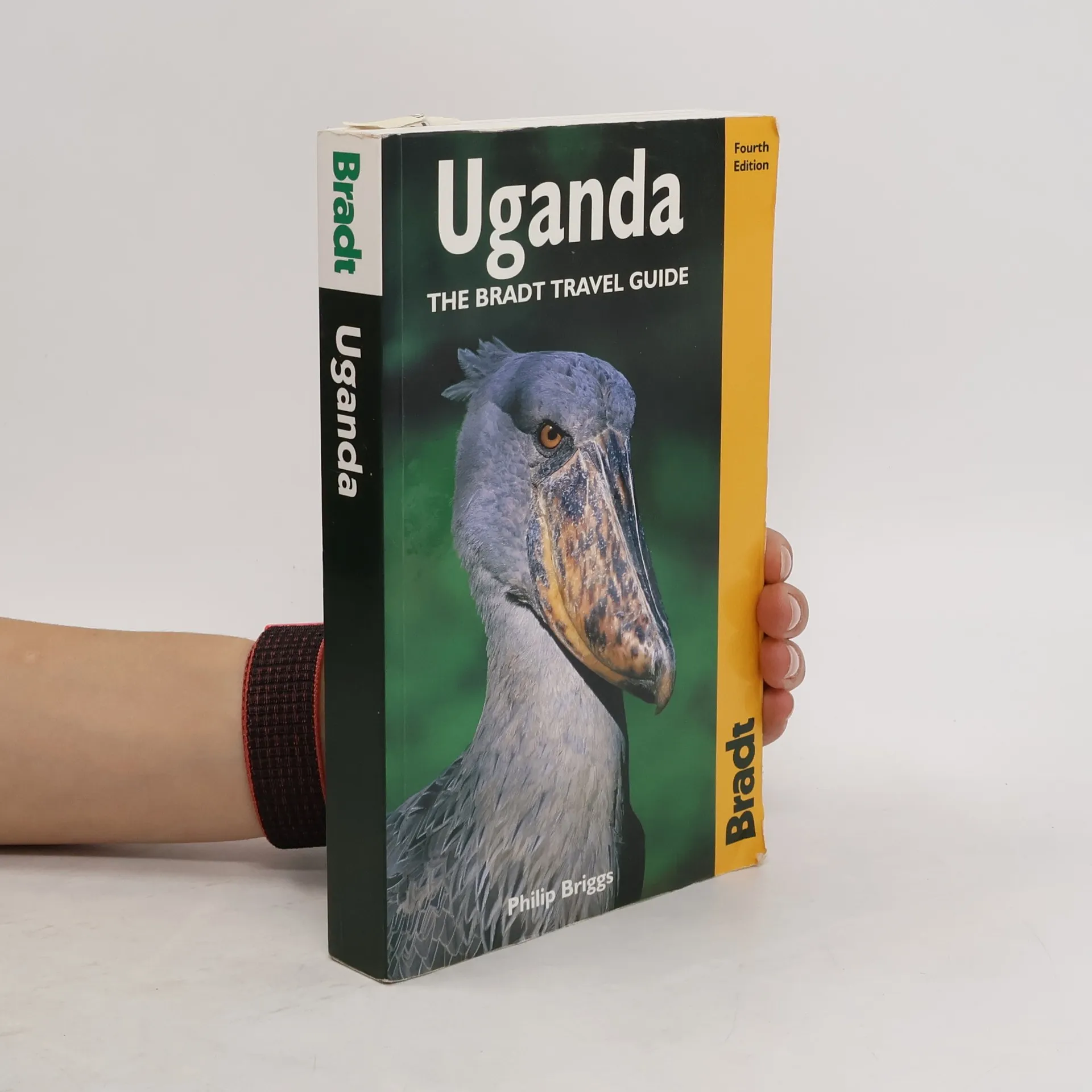
Uganda's natural history is legendary and this guide provides detailed coverage of all the species, including the rare mountain gorillas. It covers a wealth of practical information, as well as Uganda's attractions, from national parks and gorilla reserves to Lake Victoria and the Ssese Islands.