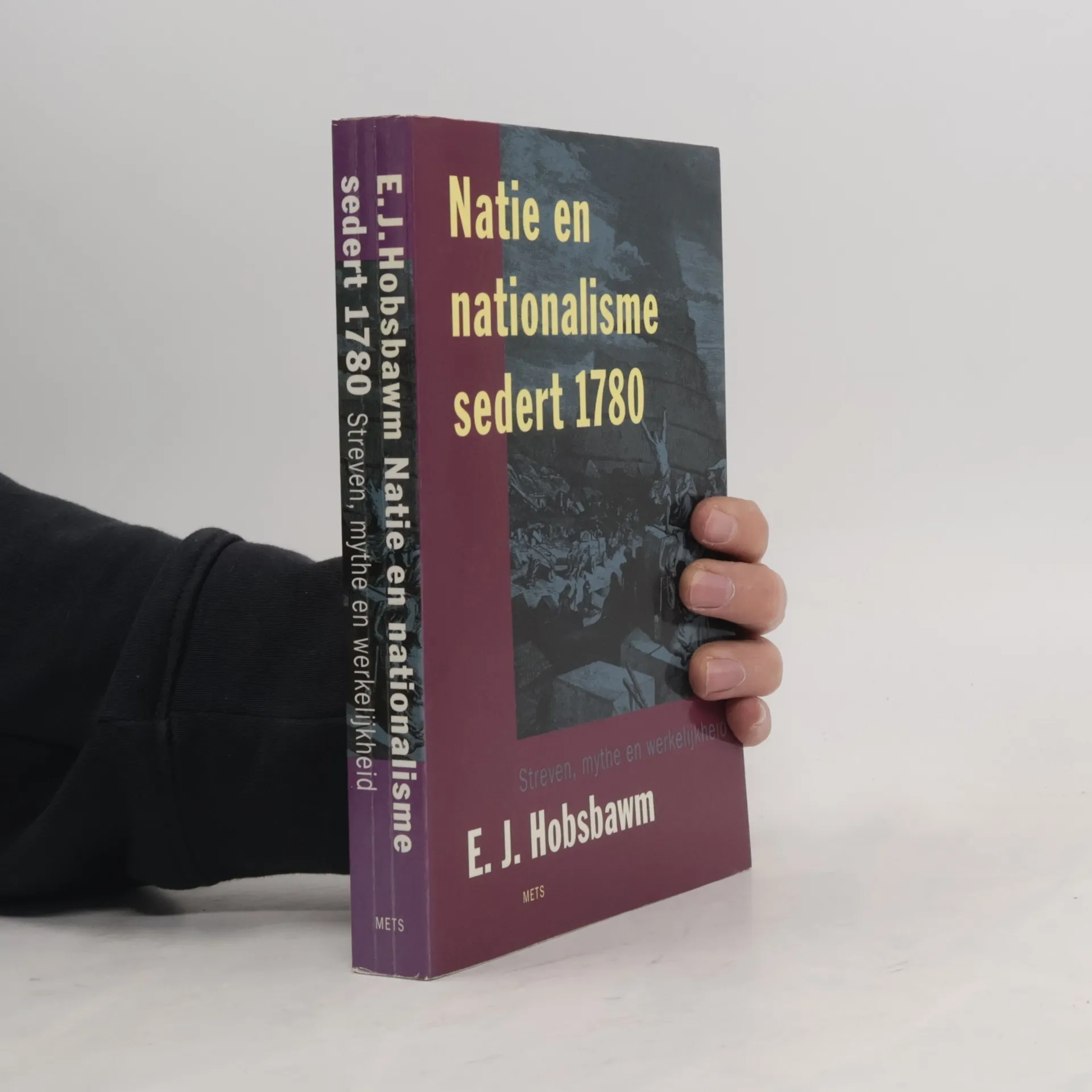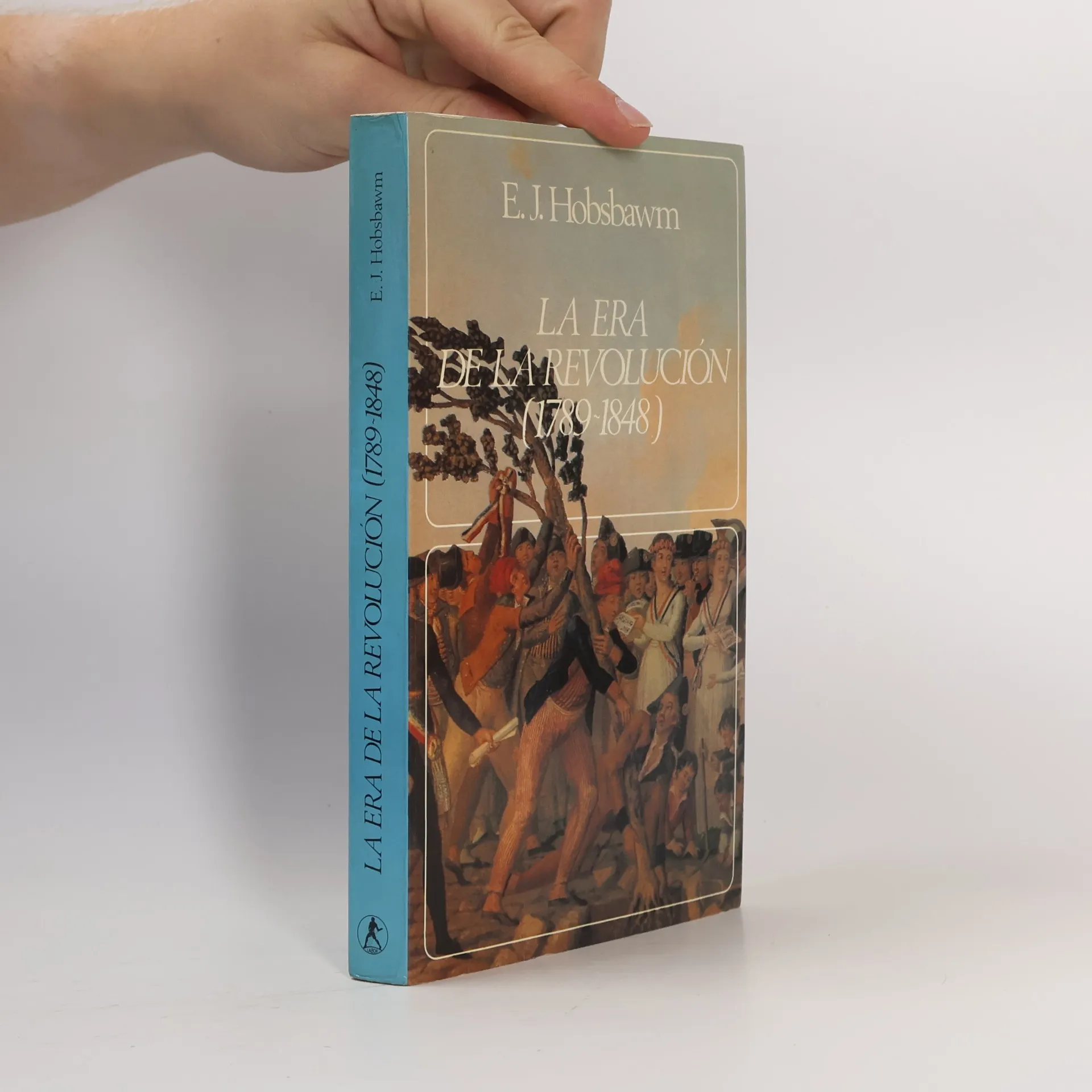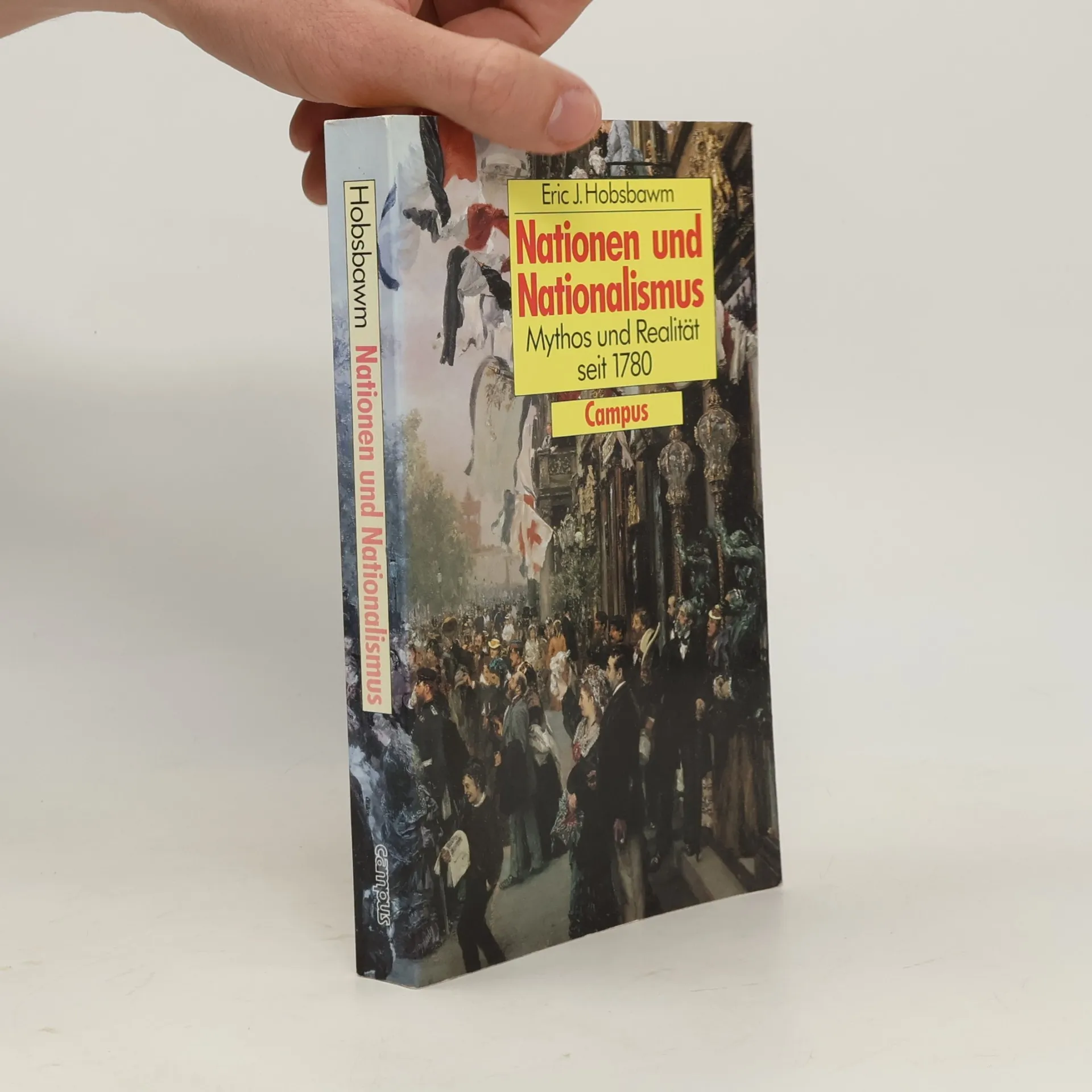
Gratis Versand in ganz Österreich
Bookbot

Eric Hobsbawm

    9. Juni 1917 – 1. Oktober 2012

    Eric Hobsbawm war ein renommierter Historiker mit Schwerpunkt auf Sozial- und Wirtschaftsgeschichte. Seine Arbeit zeichnete sich durch tiefe Einblicke in entscheidende Epochen und gesellschaftliche Umwälzungen aus. Mit einem unerschütterlichen Blick auf die Geschichte analysierte er die komplexen Prozesse, die die moderne Welt geprägt haben. Sein literarisches Erbe liegt in seiner sorgfältigen Untersuchung der Vergangenheit und ihrer Auswirkungen auf die Gegenwart.

    Eric Hobsbawm
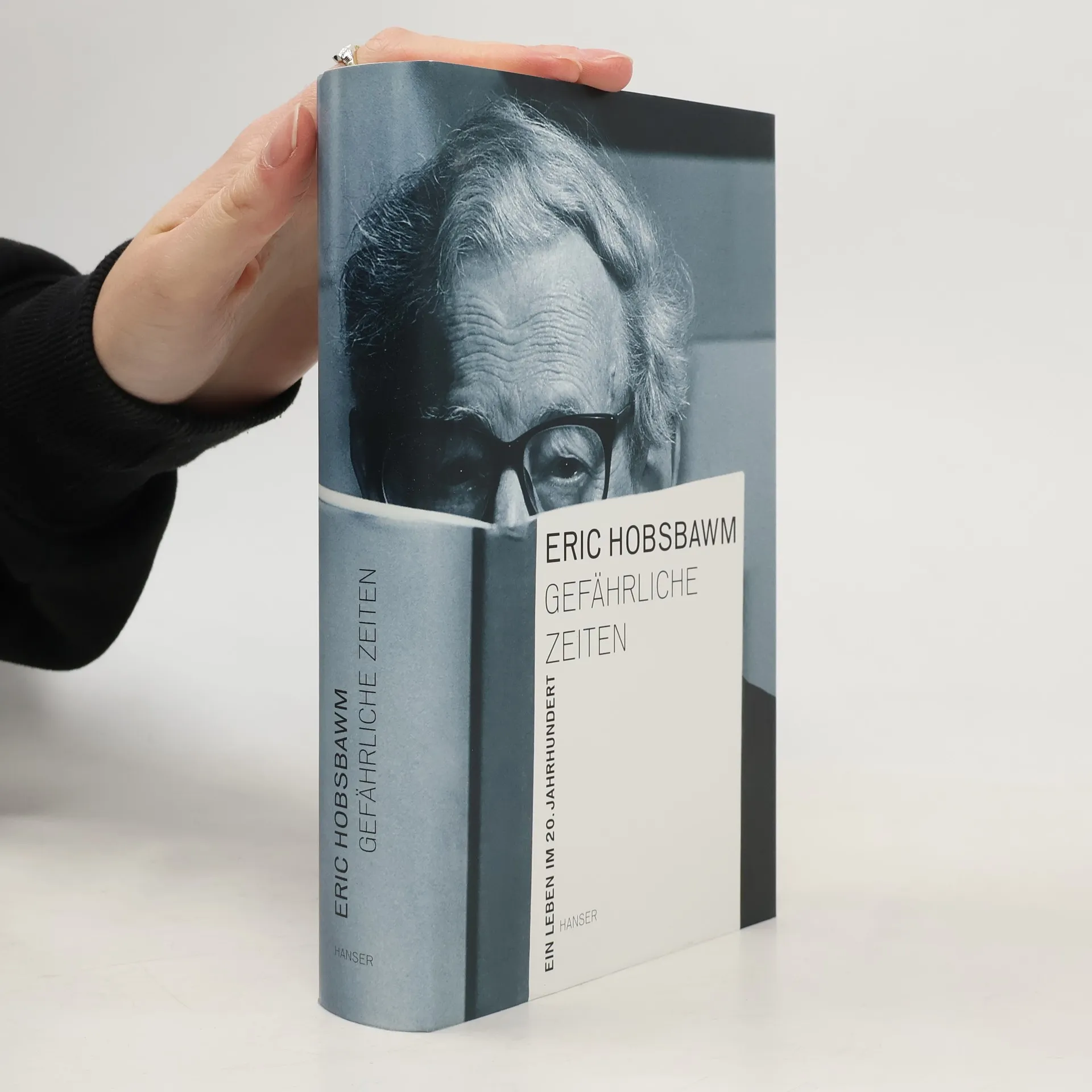
    Gefährliche Zeiten
    Wieviel Geschichte braucht die Zukunft
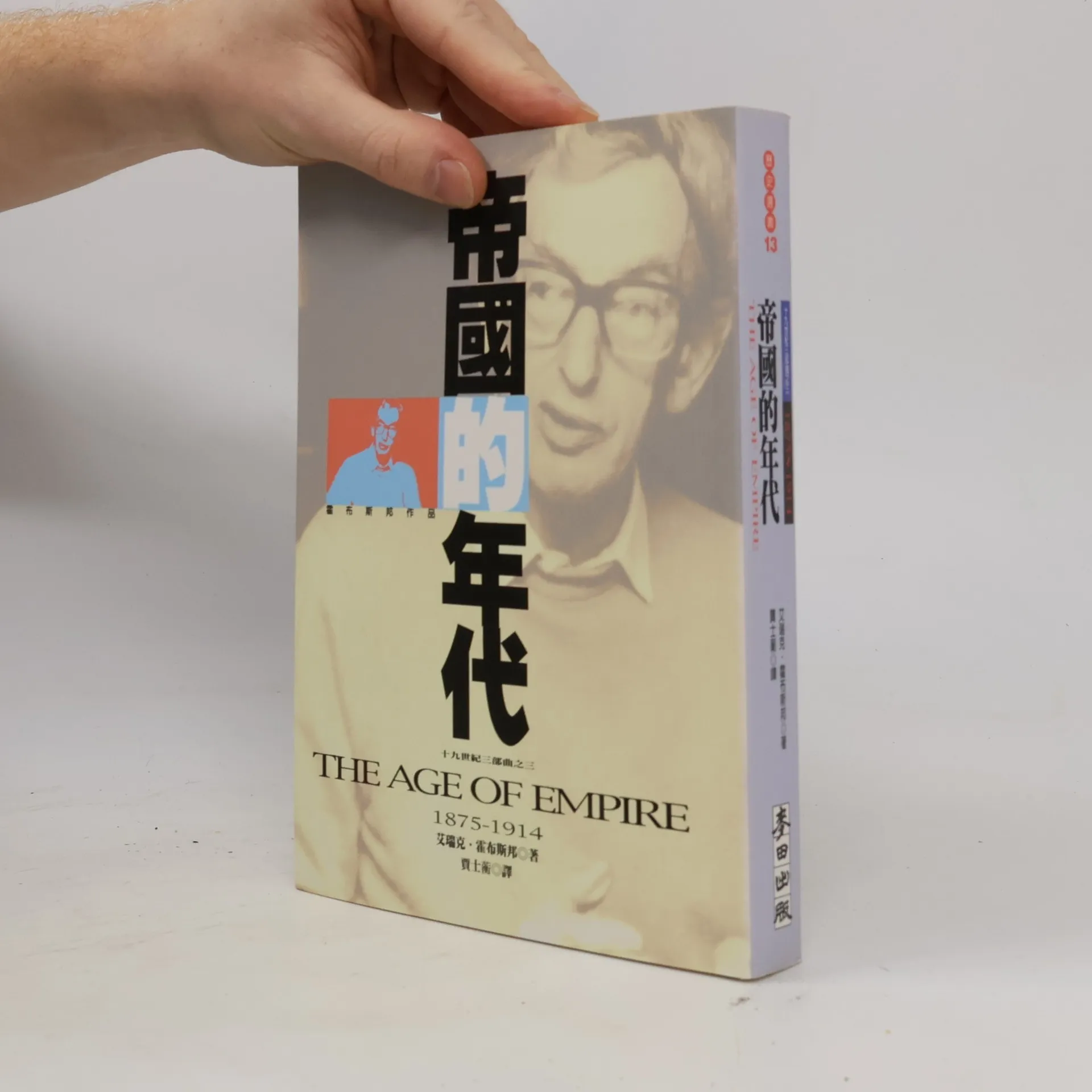
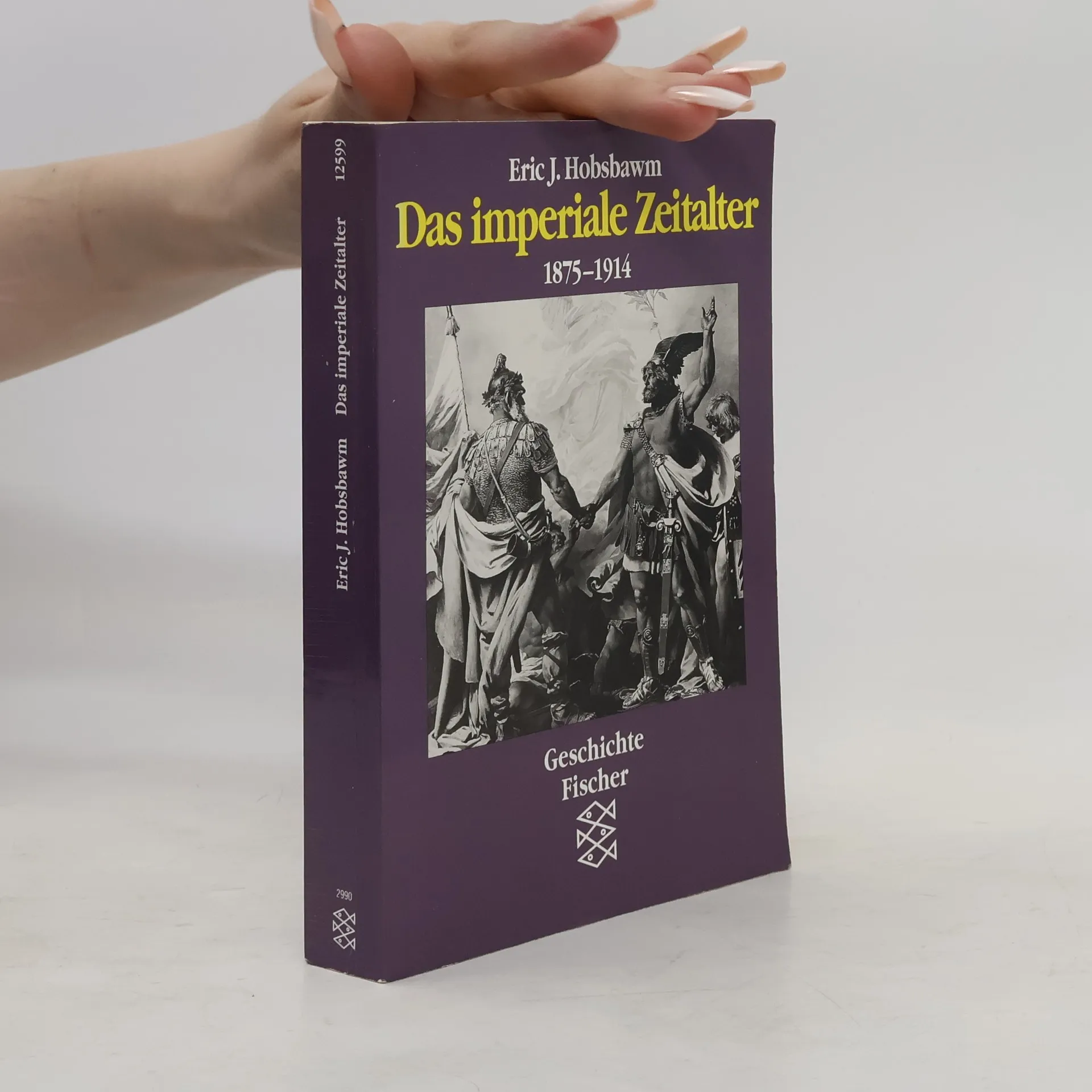
    Das imperiale Zeitalter
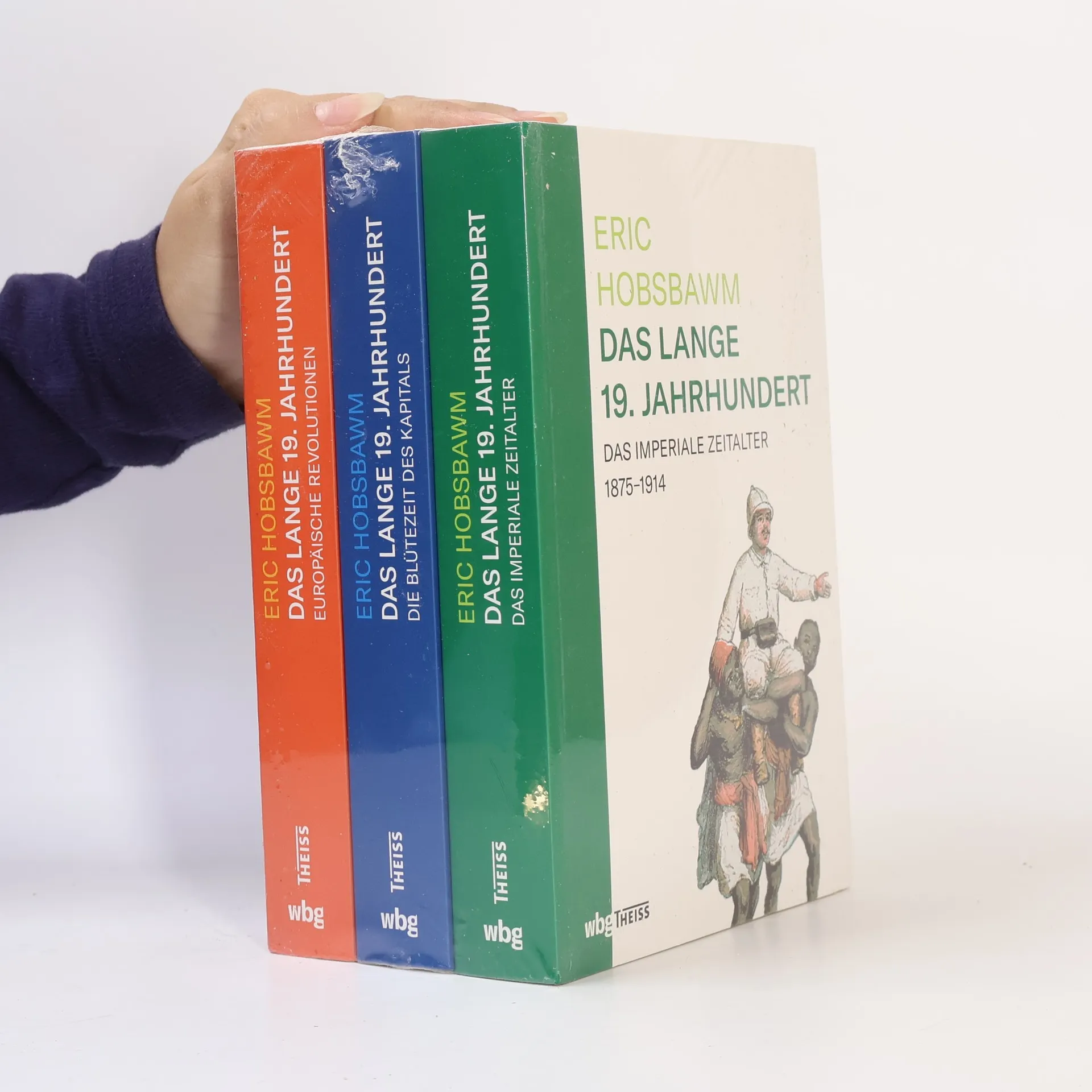
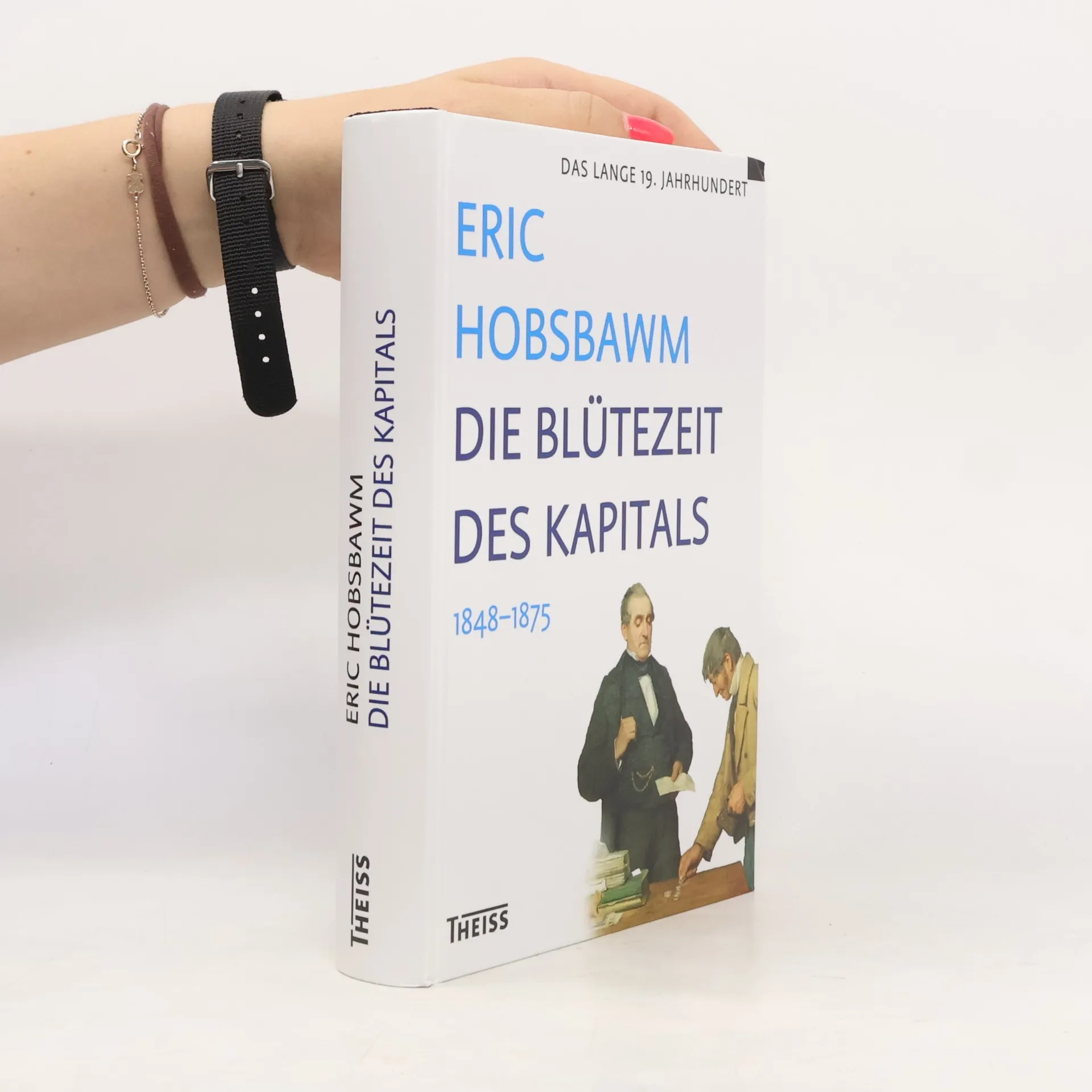
    Eric Hobsbawm: Das lange 19. Jahrhundert
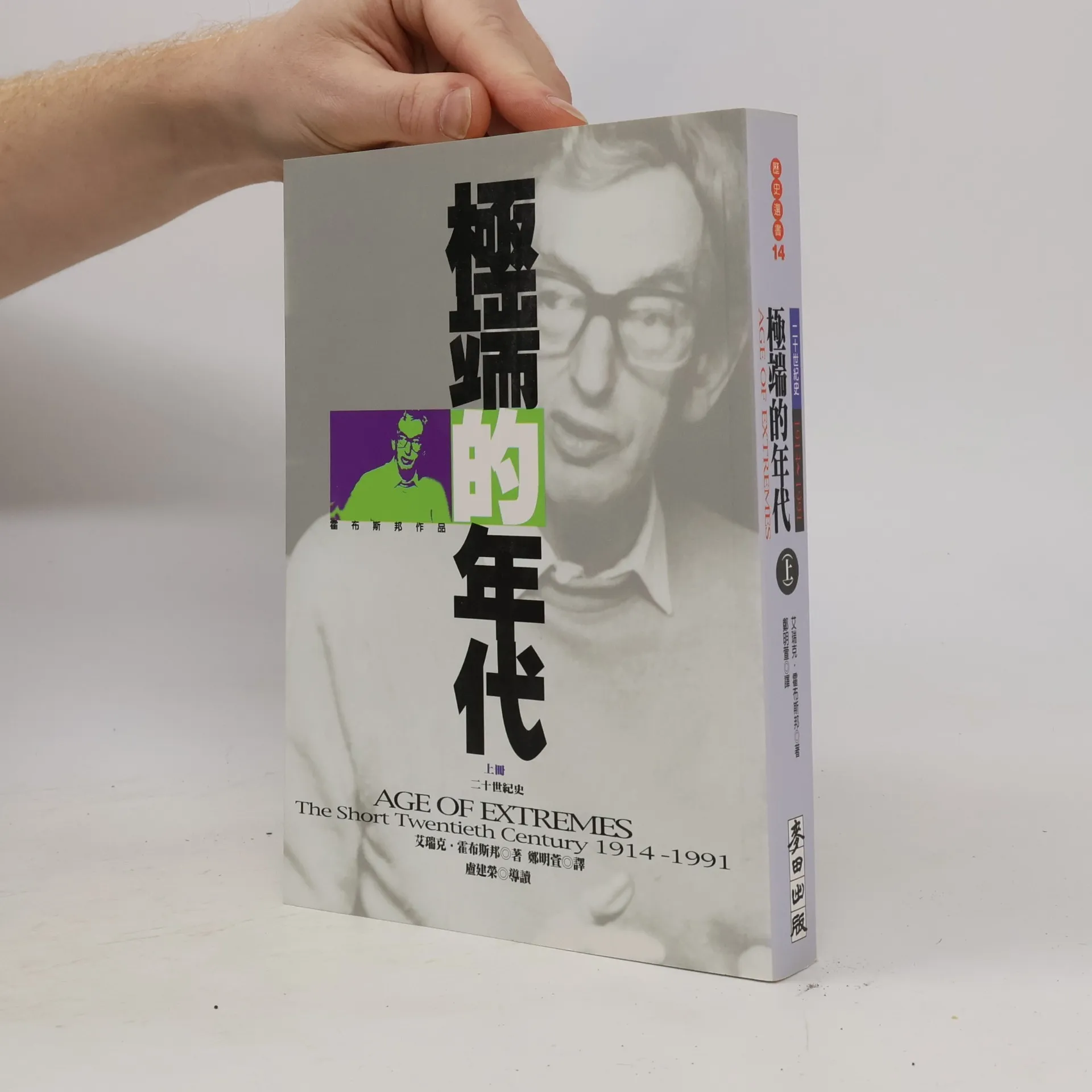
    Das Zeitalter der Extreme
    Das lange 19. Jahrhundert
    • 2022

      Eric Hobsbawm: Das lange 19. Jahrhundert

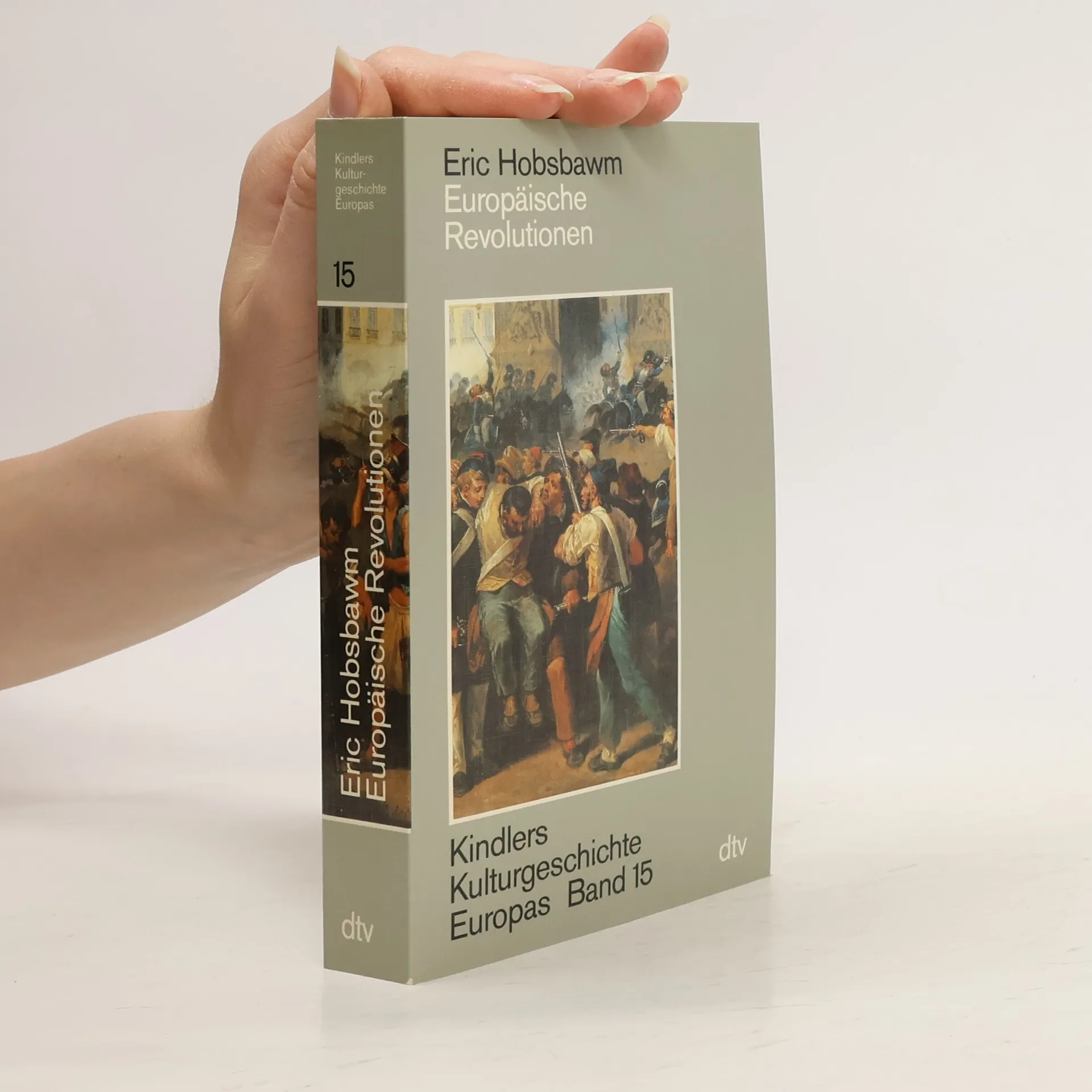
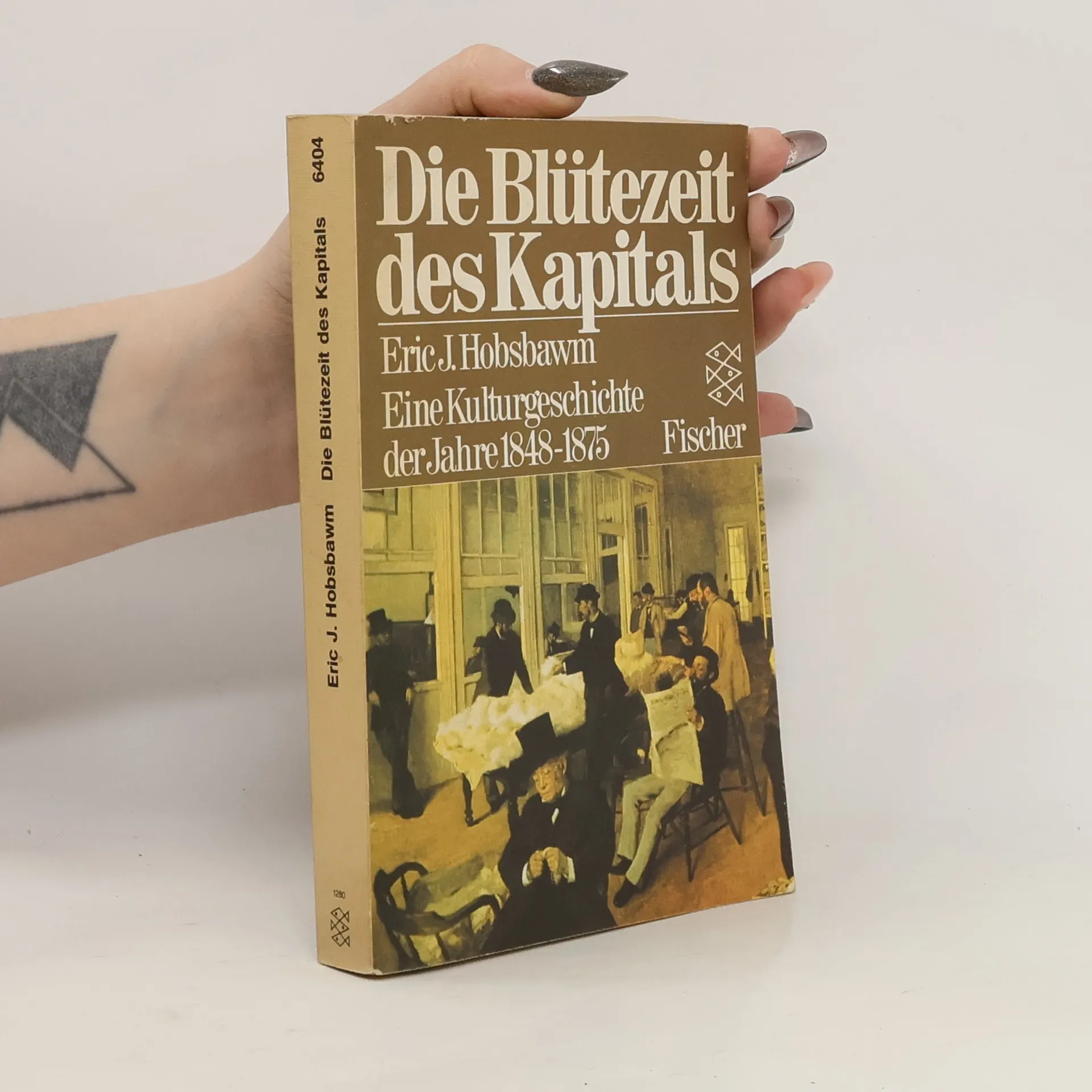
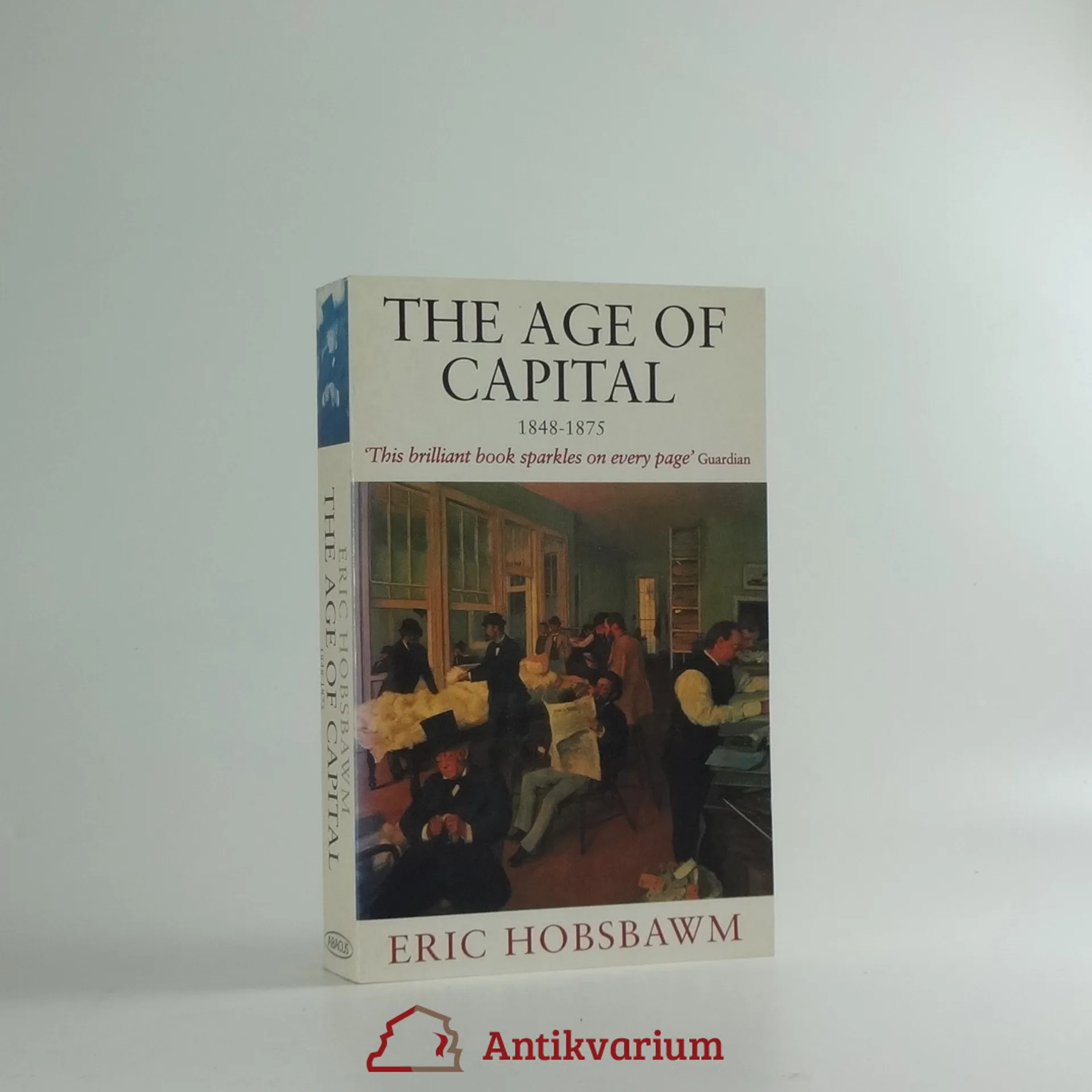
      Europäische Revolutionen, Die Blütezeit des Kapitals, Das imperiale Zeitalter

      5,0(1)Abgeben

      Eric Hobsbawms dreibändiges Werk behandelt das "lange" 19. Jahrhundert, von der Französischen Revolution bis zum Ersten Weltkrieg. Er analysiert die gesellschaftlichen Umbrüche, den Aufstieg des Kapitalismus und die Ursachen des Krieges, und bietet eine neue Perspektive auf die Geschichte im sozialen und kulturellen Kontext. Ein Muss für Geschichtsinteressierte.

      Eric Hobsbawm: Das lange 19. Jahrhundert
    • 2021

      History, Culture and Ethnography

      Jack Goody, Clifford James Geertz and Phillippe Descola

      • 192 Seiten
      • 7 Lesestunden

      The book features a series of interviews with renowned social and cultural anthropologists Jack Goody, Clifford Geertz, and Philippe Descola, offering insights into their influential thoughts and contributions to the field. Conducted by esteemed social anthropologist Alan Macfarlane, these conversations delve into their creative processes, key theories, and the impact of their work on understanding culture and society. This collection provides a unique perspective on the lives and intellectual journeys of three prominent figures in anthropology.

      History, Culture and Ethnography
    • 2021

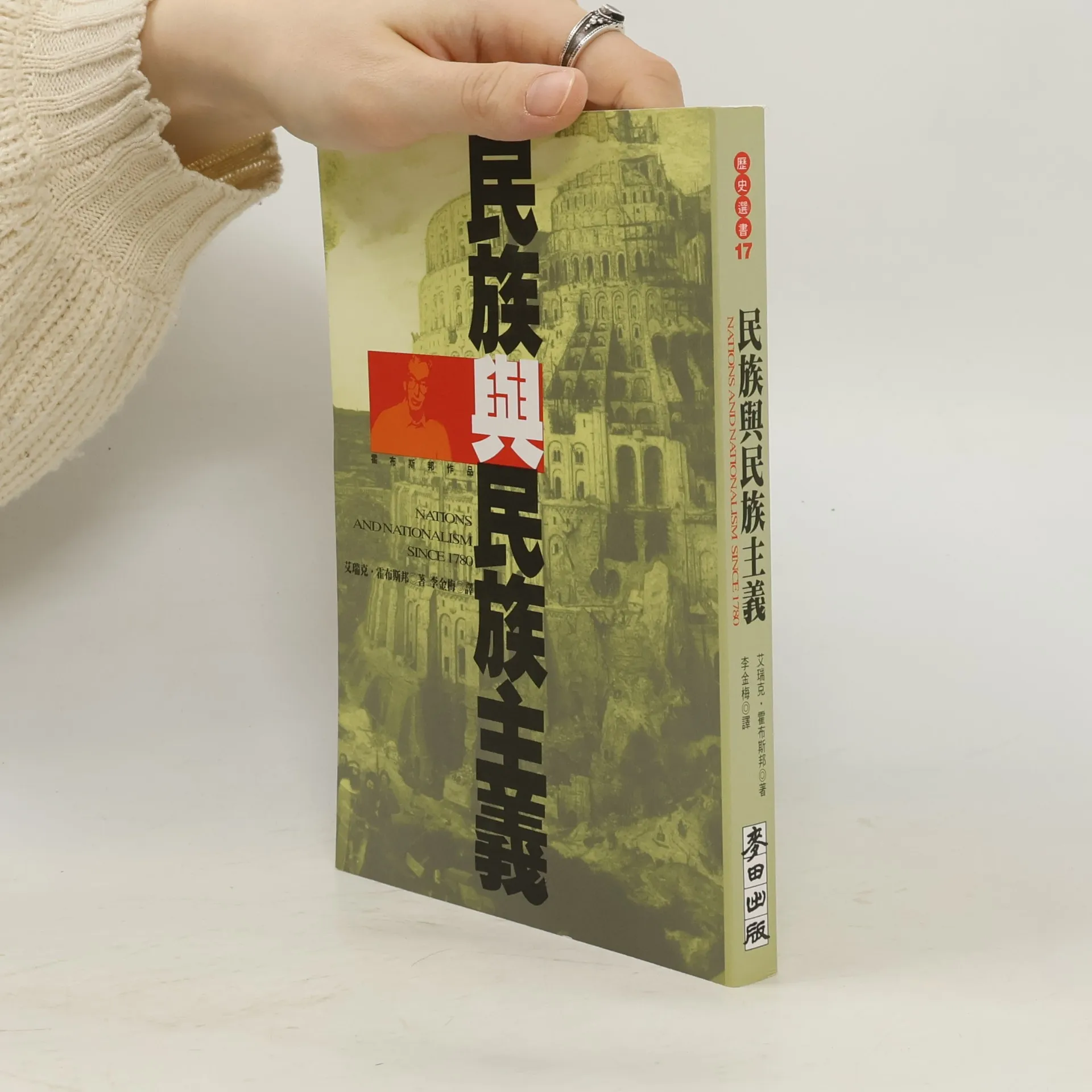
      On Nationalism

      • 400 Seiten
      • 14 Lesestunden
      3,6(72)Abgeben

      An insightful and enlightening collection of Eric Hobsbawm's writing on the subject of nationalism.

      On Nationalism
    • 2017

      Die Zeit von der Französischen Revolution bis zum Ersten Weltkrieg war geprägt von tiefgreifenden Veränderungen und gesellschaftlichen Umbrüchen. Eric Hobsbawm, ein angesehener Historiker, bezeichnete diese Epoche als das „lange“ 19. Jahrhundert. Sein dreibändiges Standardwerk, das Generationen von Lesern beeindruckt hat, ist nun in einer ansprechenden Sonderausgabe erhältlich. Die Trilogie bietet einen umfassenden Einblick in die Auswirkungen der französischen und industriellen Revolution von 1789 bis 1848, die Ausbreitung des Kapitalismus und die politischen Ausdrucksformen des Klassenkampfes. Sie beleuchtet kritisch den Aufstieg des Bürgertums und analysiert die Ursachen des Ersten Weltkriegs. Hobsbawm verfolgt das Ziel, eine allgemeine Geschichte zu schreiben, die alle Aspekte menschlicher Tätigkeit abdeckt. In seinen Bänden zu den europäischen Revolutionen, dem Kapitalismus und dem Imperialismus bietet er eine scharfsinnige Analyse des aufrührerischen 19. Jahrhunderts. Sechzig Jahre nach der Erstveröffentlichung bleibt das Werk ein epochales Geschichtswerk, das durch seinen dichten Erzählstil sowohl Lesevergnügen als auch Informationsvermittlung vereint.

      Das lange 19. Jahrhundert
    • 2016

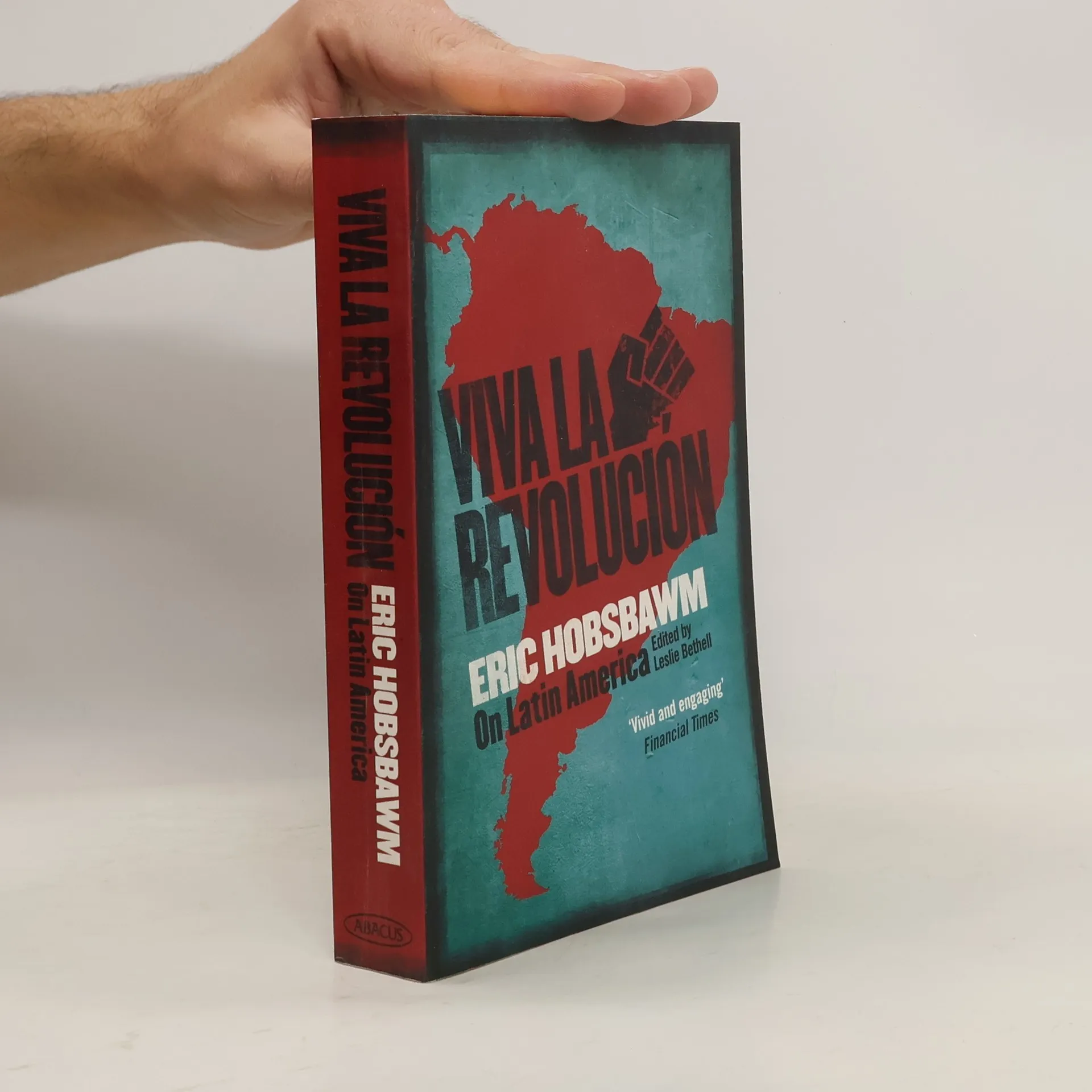
      Eric Hobsbawm (1917-2012) wrote that Latin America was the only region of the world outside Europe which he felt he knew well and where he felt entirely at home. He claimed this was because it was the only part of the Third World whose two principal languages, Spanish and Portuguese, were within his reach. But he was also, of course, attracted by the potential for social revolution in Latin America. After the triumph of Fidel Castro in Cuba in January 1959, and even more after the defeat of the American attempt to overthrow him at the Bay of Pigs in April 1961, 'there was not an intellectual in Europe or the USA', he wrote, 'who was not under the spell of Latin America, a continent apparently bubbling with the lava of social revolutions'. 'The Third World brought the hope of revolution back to the First in the 1960s'. The two great international inspirations were Cuba and Vietnam, 'triumphs not only of revolution, but of Davids against Goliaths, of the weak against the all- powerful'.

      Viva la Revolucion
    • 2014

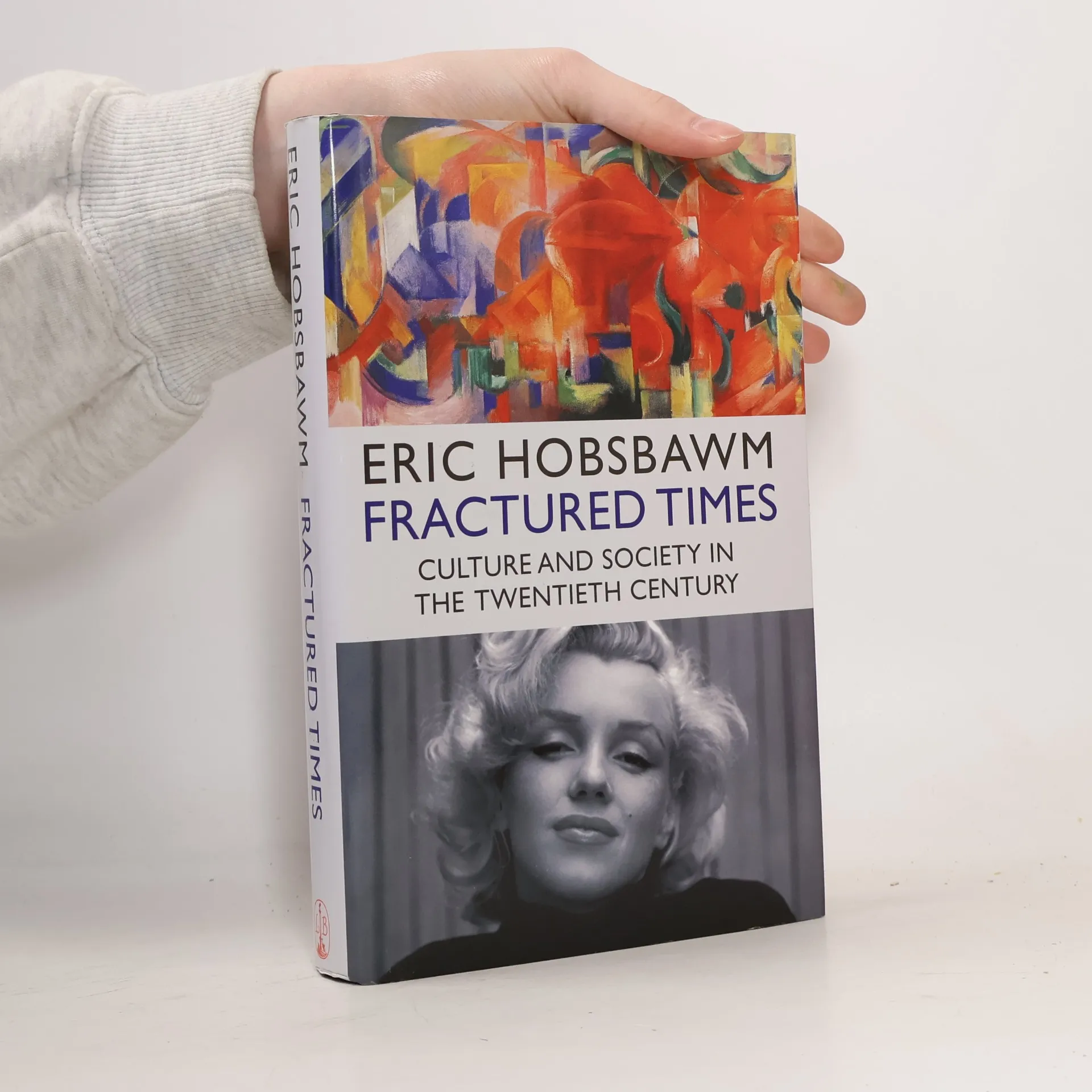
      Fractured Times

      Culture and Society in the Twentieth Century

      • 336 Seiten
      • 12 Lesestunden
      4,0(8)Abgeben

      Exploring the cultural fragmentation of the twentieth century, Eric Hobsbawm analyzes the clash between bourgeois fin de siècle culture and emerging ideologies such as communism, nationalism, and Dadaism. His work delves into the profound changes brought about by these movements and the rise of information technology. With his distinctive insight and engaging style, Hobsbawm provides a compelling examination of how these forces shaped modern society in "Fractured Times."

      Fractured Times
    • 2014

      Worlds of Labour

      • 384 Seiten
      • 14 Lesestunden

      A landmark study in the history of working class labour organisations, WORLDS OF LABOUR is a sequel to the author's widely acclaimed LABOURING MEN.

      Worlds of Labour
    • 2014

      The Jazz Scene

      • 460 Seiten
      • 17 Lesestunden
      4,0(3)Abgeben

      From 1955-65 the historian Eric Hobsbawm took the pseudonym 'Francis Newton' and wrote a monthly column for the New Statesman on jazz - music he had loved ever since discovering it as a boy in 1933 ('the year Adolf Hitler took power in Germany').

      The Jazz Scene
    • 2014

      Born almost a hundred years ago in Vienna - the cultural heart of a bourgeois Mitteleurope - Eric Hobsbawm, who was to become one of the most brilliant and original historians of our age, was uniquely placed to observe an era of titanic social and artistic change. As the century progressed, the forces of Communism and Dadaism, Ibiza and cyberspace, would do battle with the bourgeois high culture fin-de-siècle Vienna represented - the opera, the Burgtheater, the museums of art and science, City Hall. In Fractured Times Hobsbawm unpicks a century of cultural fragmentation and dissolution with characteristic verve and vigour. Hobsbawm examines the conditions that created the great cultural flowering of the belle époque and held the seeds of its disintegration, from paternalistic capitalism to globalisation and the arrival of a mass consumer society. Passionate but never sentimental, Hobsbawm ranges freely across his subject: he records the passing of the golden age of the 'free intellectual' and examines the lives of great, forgotten men; he analyses the relation between art and totalitarianism and dissects cultural phenomena as diverse as surrealism, women's emancipation and the American cowboy myth. Written with consummate imagination and skill, Fractured Times is the last book from one of our greatest modern-day thinkers.

      Fractured Times
    • 2012

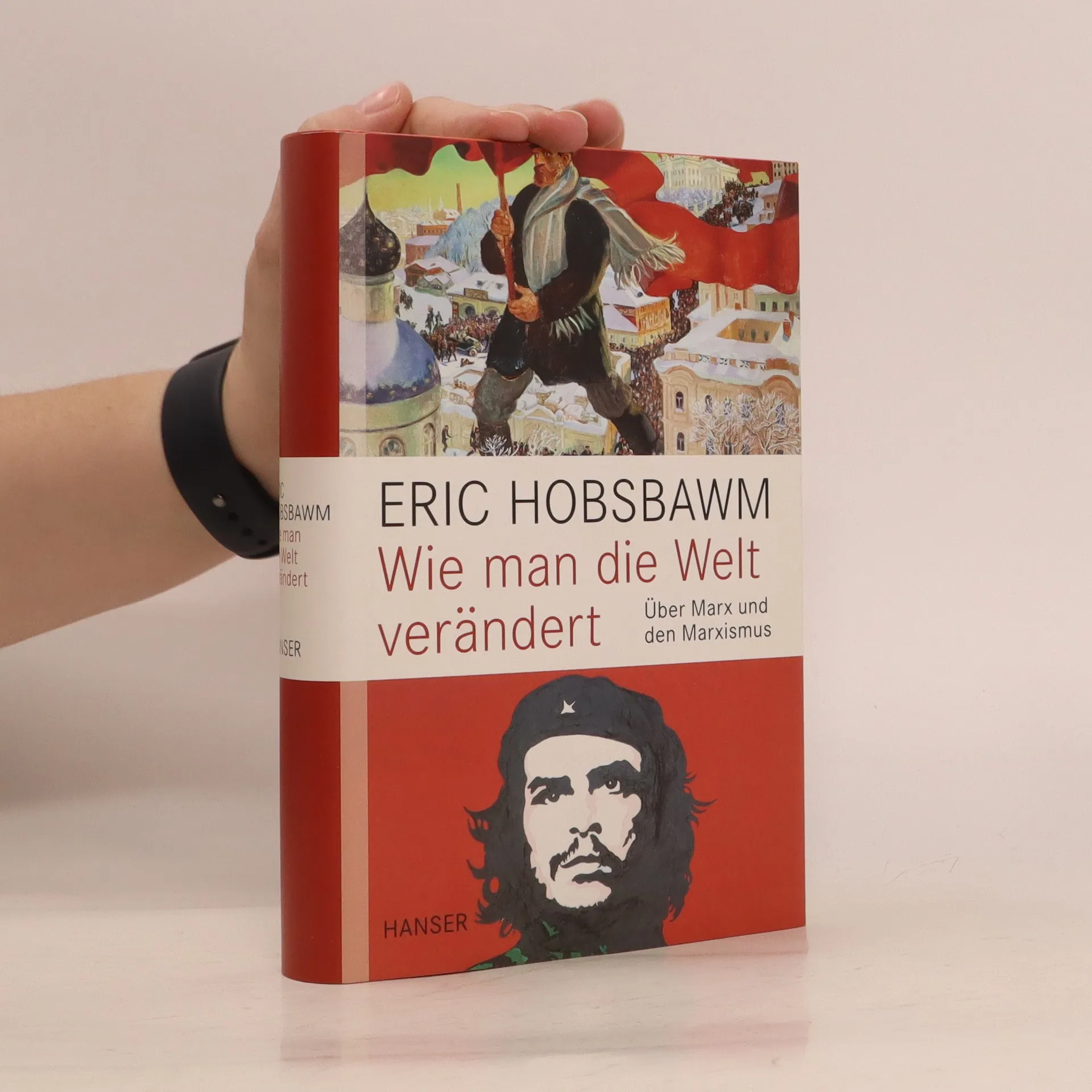
      How to Change the World

      • 470 Seiten
      • 17 Lesestunden
      3,9(41)Abgeben

      Brilliant and incisive, HOW TO CHANGE THE WORLD leaves us in no doubt that Karl Marx is as much a thinker for our century as he was for the preceding two.

      How to Change the World