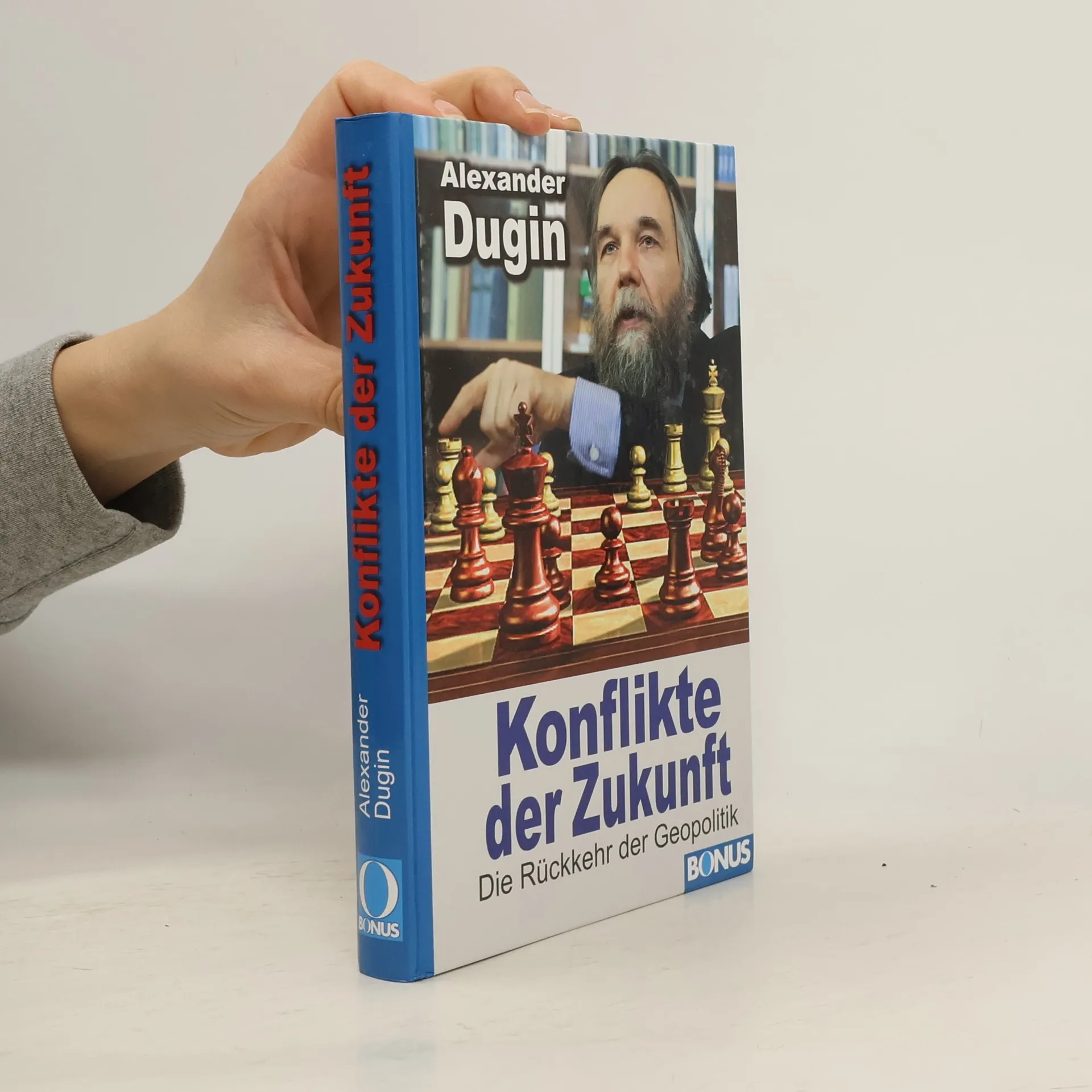
Der russische Politologe und Philosoph Prof. Alexander Dugin gilt weltweit als einer der renommiertesten Experten auf dem Gebiet der Geopolitik. Dem westlichen Ziel eines globalen Liberalismus und Kapitalismus unter der Führung der USA setzt er sein Modell einer multipolaren Weltordnung entgegen. In kriegerischen Konflikten wie dem in der Ukraine oder in Syrien sieht der Inhaber eines Lehrstuhls an der Moskauer Universität das Aufeinanderprallen dieser grundsätzlichen Ideen. Den europäischen Völkern gibt er nur dann eine Zukunft, wenn sie ihre Identität in einem eurasischen Block zusammen mit Rußland bewahren. Die Konflikte der Zukunft haben längst begonnen.
Alexander Dugin Bücher
- Hans Zivers
- Ганс Зиверс
7. Jänner 1962
Aleksandr Gelyevich Dugin ist ein Politikwissenschaftler und Traditionalist, dessen Ideen sich auf die Wiederherstellung der russischen Macht und des russischen Einflusses konzentrieren. Er ist bekannt als einer der führenden Ideologen für die Schaffung eines eurasischen Reiches, das nordatlantischen Interessen entgegenwirken soll. Seine politischen Aktivitäten zielen auf die Wiederherstellung des Russischen Reiches durch die Vereinigung russischsprachiger Gebiete ab. Dugins Werk zeichnet sich durch das Streben nach Wiederherstellung der russischen Dominanz durch territoriale Ambitionen und ideologischen Widerstand gegen westliche Mächte aus.


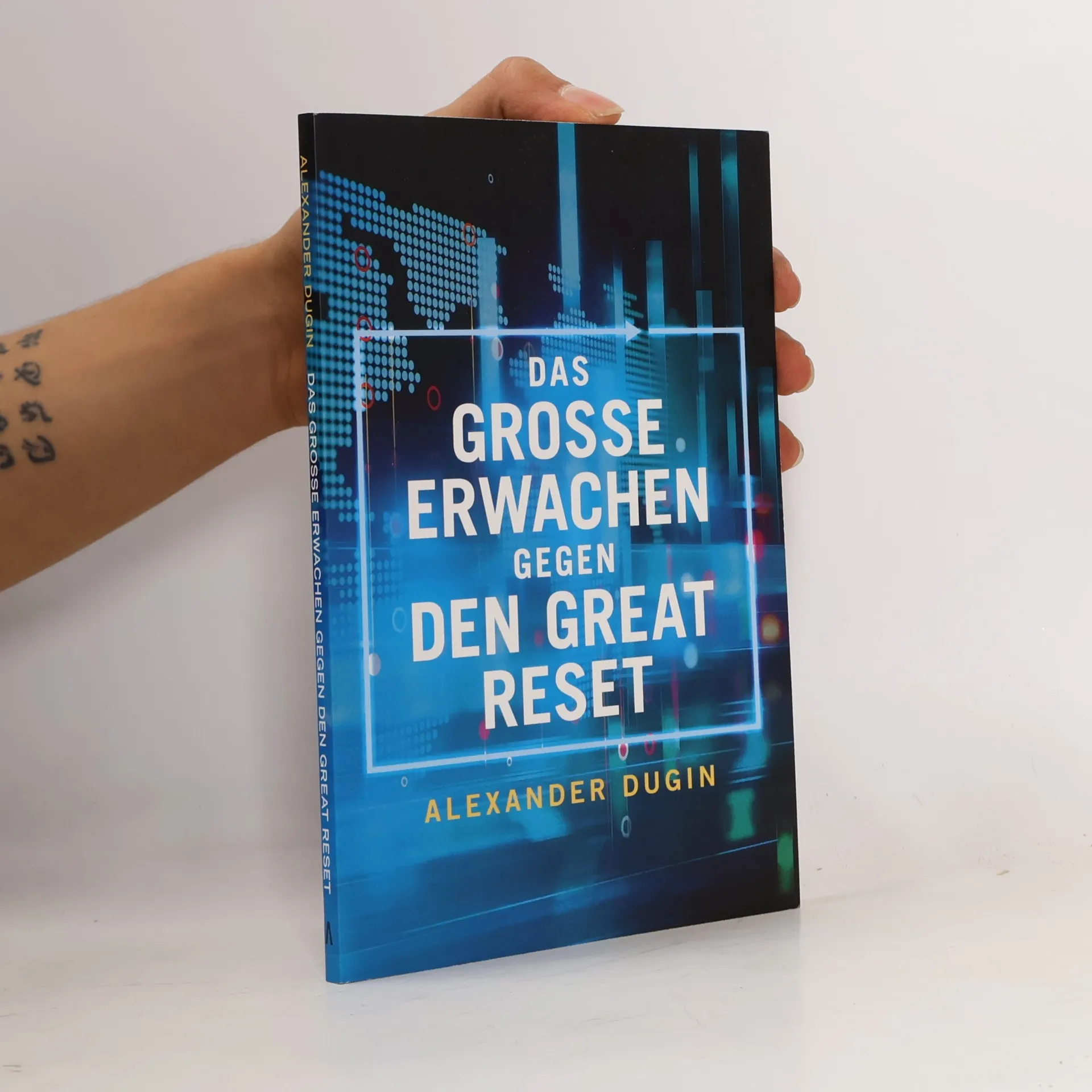

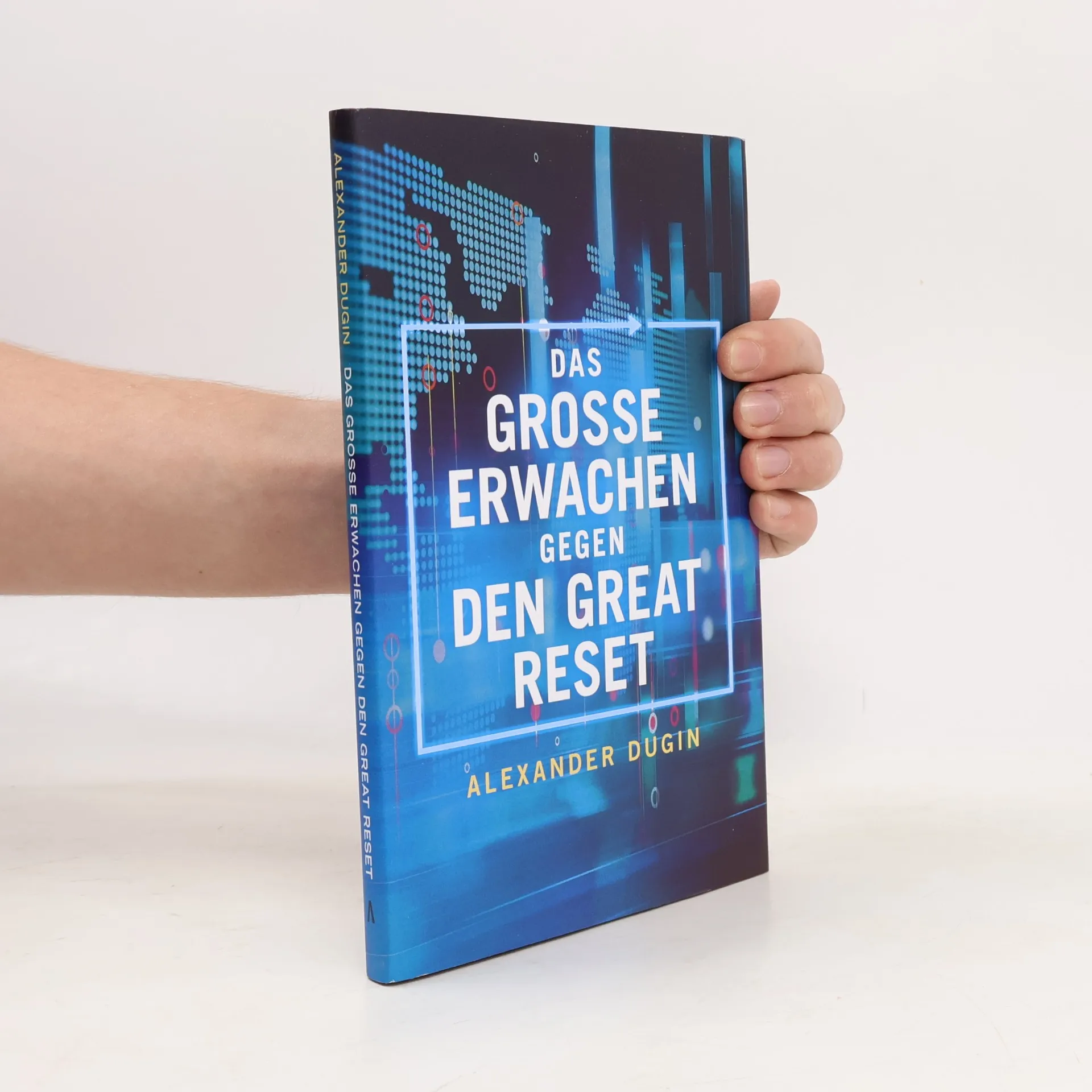
Alexander Dugins Werk ist eine kraftvolle Kritik an Liberalismus und der westlichen politischen Moderne, die er als Zwillingskrankheiten betrachtet. Er mobilisiert die Bewohner des Kernlandes, um gegen die globalen Eliten der Küstenländer zu kämpfen, die ihrer Meinung nach traditionelle Kulturen und Werte durch aggressive Ideologien bedrohen. Dugin fordert zu einem umfassenden Widerstand auf, sowohl theoretisch als auch praktisch, um die bestehenden kulturellen und traditionellen Identitäten zu verteidigen.
Die Vierte Politische Theorie
- 238 Seiten
- 9 Lesestunden
Alle modernen politischen Systeme sind das Ergebnis dreier Ideologien: liberaler Demokratie, Marxismus und Faschismus. Während die letzten beiden gescheitert sind, hat sich die liberale Demokratie als selbstverständlich etabliert. Heute stehen wir am Rand einer postpolitischen Realität, in der die Werte des Liberalismus so tief verwurzelt sind, dass viele sich der ideologischen Einflüsse in ihrem Umfeld nicht bewusst sind. Dies führt zu einer Monopolisierung des politischen Diskurses durch den Liberalismus, der droht, kulturelle Vielfalt und Einzigartigkeit zu vernichten. Alexander Dugin argumentiert, dass es einer vierten Ideologie bedarf, die Elemente der ersten drei aufgreift, aber innovativ bleibt. Diese neue Theorie skizziert keinen detaillierten Plan, sondern einen Rahmen für ihre Entwicklung und die Themen, die sie behandeln muss. Die Vierte Politische Theorie zielt darauf ab, moderne Mittel und Begriffe gegen die Kommerzialisierung einzusetzen, um die Rückkehr kultureller Vielfalt und traditioneller Weltanschauungen zu fördern. Dugin, ein einflussreicher Wissenschaftler und Berater im russischen Kreml, bietet mit diesem Werk eine Einführung in eine Idee, die das Potenzial hat, die politische Zukunft der Welt zu verändern.
Das Große Erwachen gegen den Great Reset
- 126 Seiten
- 5 Lesestunden
Evola von Links!
- 55 Seiten
- 2 Lesestunden
Julius Evola, ein Vertreter der Tradition und Reaktionär, war in seiner Jugend einer der führenden Dadaisten in Italien. Seine Schriften offenbaren einen „Anarchisten von rechts“, dessen antibürgerliche Haltung sich erheblich von der konventionellen politischen Rechten unterscheidet. Der Leser begegnet einem Evola, der scheinbar im Widerspruch zu den reaktionären Standpunkten steht, auf die sein Denken oft reduziert wird. Alexander Dugin, Vordenker der „Bewegung Eurasien“, fordert in seinem Aufsatz eine „Neuentdeckung des Revolutionären“ in Evolas Denken. Dugin hebt hervor, dass der „revolutionäre“ Aspekt in Evolas Schriften stark ausgeprägt ist und als „das Linke“ in seiner Botschaft bezeichnet werden könnte. Falk Liepke diskutiert in seinem Aufsatz „Metaphysisches Weltbild und antibürgerlicher Geist“ die gegen das Establishment gerichteten „linken“ Aspekte von Evolas Denken und fordert eine radikale Umkehr innerhalb der Rechten. Evola selbst kommt in seinem Aufsatz „Unsere antibürgerliche Front“ von 1934 zu Wort, in dem er sich vehement gegen die bourgeoise, fortschrittsgläubige Haltung im damaligen faschistischen Italien wendet. Abgerundet werden diese Texte durch eine Buchrezension mit Anmerkungen zur Marx’schen Kapitalismuskritik.
Nach dem Menschen
Ideologie und Propaganda des Transhumanismus in der Postmoderne
- 150 Seiten
- 6 Lesestunden
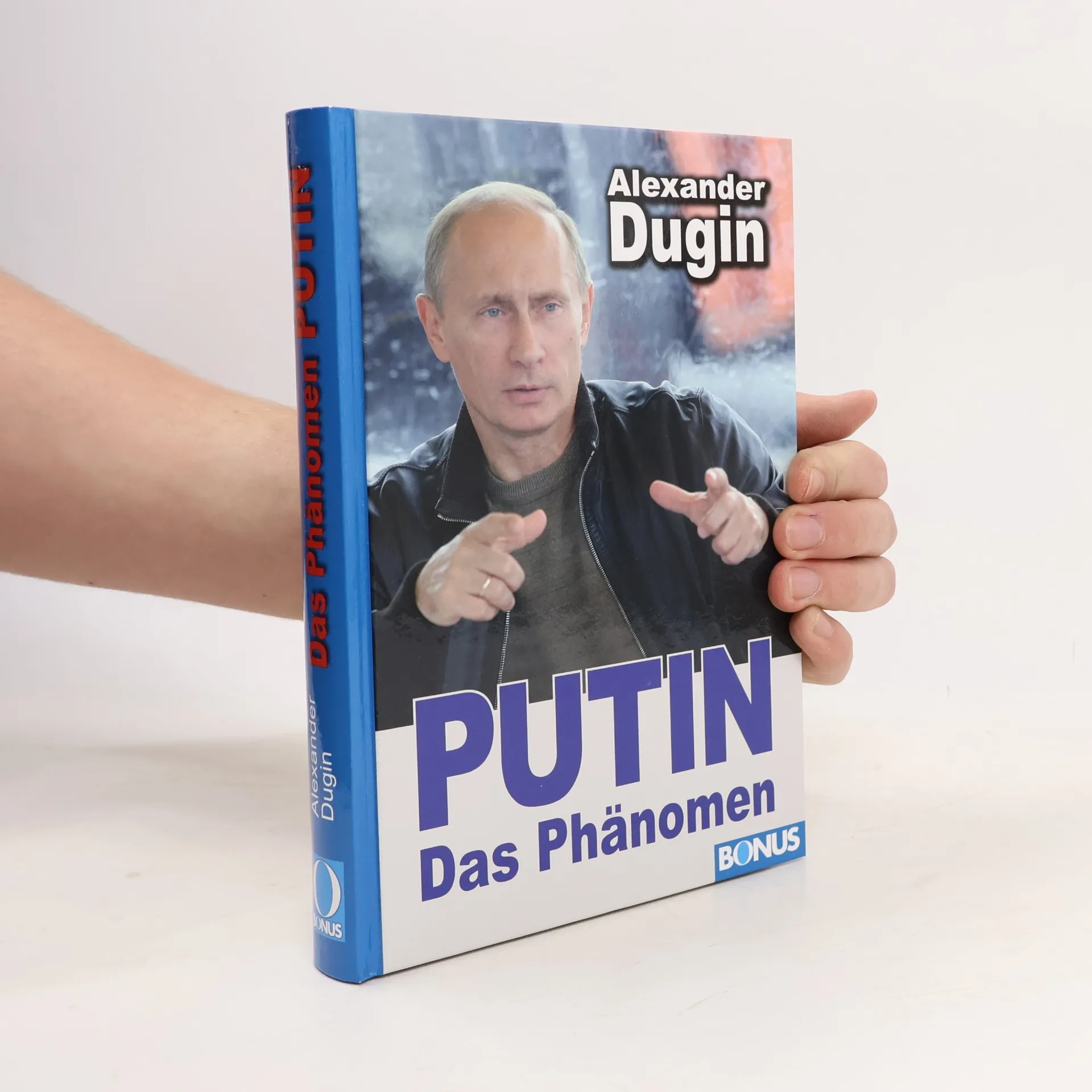
Wer ist Wladimir Putin? Kein derzeit lebender Staatschef spaltet die öffentliche Meinung so sehr wie der russische Präsident. Die meisten westlichen Journalisten und Politiker sehen in ihm einen Diktator und Kriegsherrn, einen Wiedergänger der Zaren und Sowjetführer. Andere wiederum sehen in Putin einen Heilsbringer, einen Widerstandskämpfer gegen den liberalistischen Westen und seine Dekadenz, einen makellosen Helden und Hoffnungsträger für die Welt. Prof. Alexander Dugin, intimer Kreml-Kenner, wortgewaltiger russischer Philosoph und Geopolitik-Vordenker, geht der Frage nach der Herrschaft Putins auf den Grund. Dugins Analyse ist dabei vielschichtig und überraschend. Er sieht bei Putin Licht und Schatten. Wladimir Putin wird nach den soeben gewonnenen Präsidentschaftswahlen weitere sechs Jahre Rußland regieren. Wer also wissen will, wohin die Reise des Landes geht, kommt an diesem Buch nicht vorbei.
Last War of the World-Island
- 170 Seiten
- 6 Lesestunden
Alexander Dugin explores Russia's geopolitical evolution from its roots in Kievan Rus and the Russian Empire, through its Soviet-era prominence, to the current presidency of Vladimir Putin. He positions Russia as the central geopolitical force among land-based civilizations, destined to clash with sea-based powers, historically epitomized by the British Empire and currently represented by the United States and NATO. Dugin argues that Russia must oppose these maritime powers to fulfill its geopolitical destiny. He emphasizes that this conflict transcends mere geopolitics, embodying an ideological struggle: Russia champions traditional values and idealism, while the West embodies liberalism and market-driven principles. After a period of decline in the 1990s, Dugin contends that Putin is steering Russia back on course. However, the journey remains fraught with challenges, as Russia grapples with its traditional identity against the allure of globalism and Westernization, facing constant undermining from adversaries. Dugin asserts that only by adhering to the Eurasian path can Russia genuinely thrive; failure to do so risks relegating it to a subordinate role, allowing liberalism to dominate unchallenged.
Theory of a Multipolar World
- 168 Seiten
- 6 Lesestunden
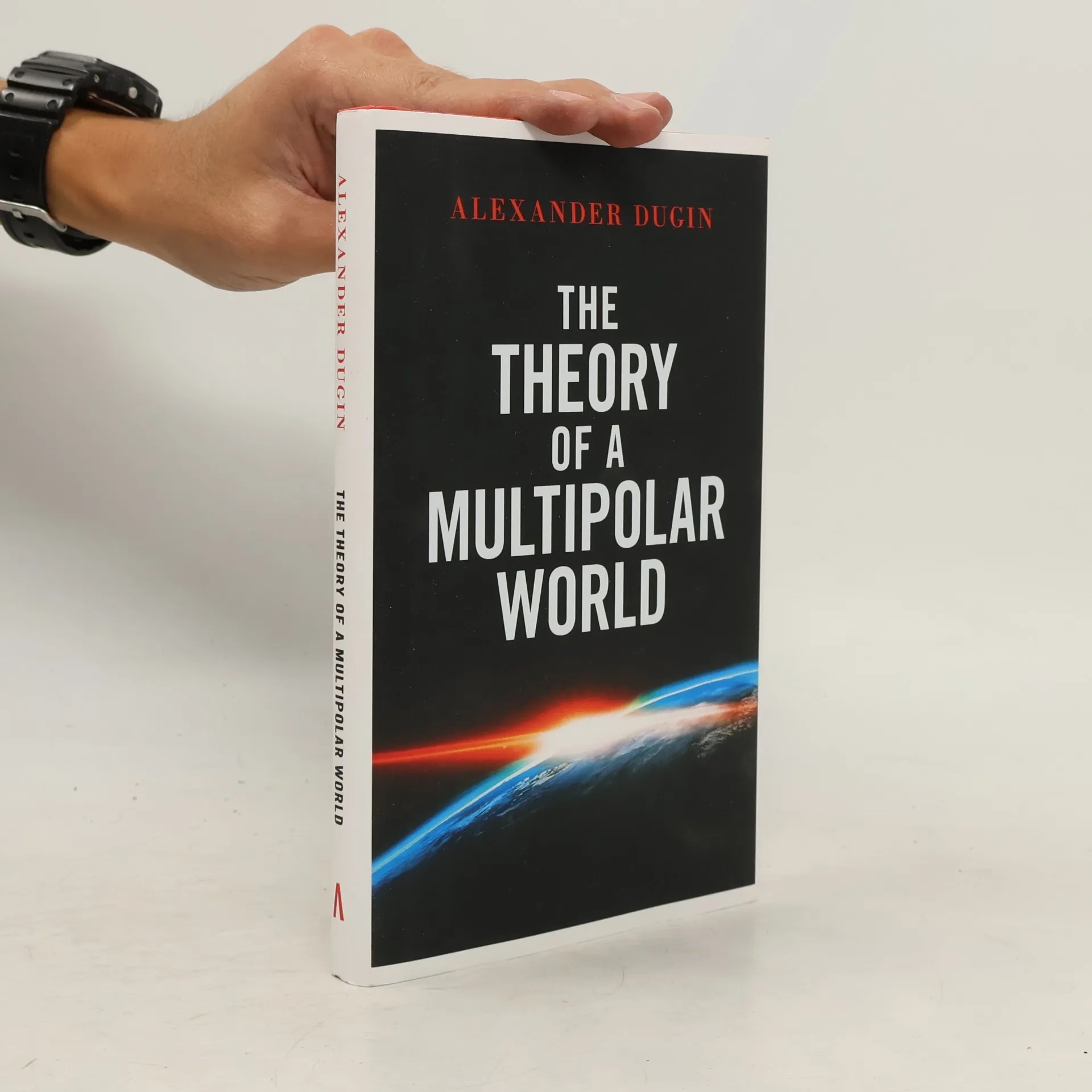
Alexander Dugin's The Theory of a Multipolar World is a cheerful and optimistic view of a future in which humanity will reach its highest development. However, it will not be the uniform humanity pictured by the globalizing and leveling schemers and manipulators. Instead, old artificial borders will be dissolved and new natural divisions installed. Mankind will blossom in its manifold manifestations, namely the distinct civilizations and the ethnoses that breathe their souls into them. Drawing from a variety of philosophies from both the Right and Left, Dugin maps out the immediate goals and ultimate vision of this theory, and what is required to implement it. Multipolarity is the tapestry that creates a myriad of colorful potentialities rather than a single dead-end passage, whither an anonymous human mass is herded to languish till the end of days. According to Dugin, the Westphalian system of the sovereignty of nation-states has long since become obsolete and ceased to function. In its place will be erected a continental system of "large spaces" (in the Schmittian sense), where individuals are integrated in the social whole based on the insoluble bond of kinship and common tradition. It will be a time of high adventure, boundless curiosity and the rediscovery of what it truly means to be different and therefore able to think of unique solutions in lieu of standardized ones.
Eurasian Mission: An Introduction to Neo-Eurasianism
- 222 Seiten
- 8 Lesestunden
According to Alexander Dugin, the twenty-first century will be defined by the conflict between Eurasianists and Atlanticists. The Eurasianists defend the need for every people and culture on Earth to be allowed to develop in its own way, free of interference, and in accordance with their own particular values. Eurasianists thus stand for tradition and for the blossoming variety of cultures, and a world in which no single power holds sway over all the others. Opposing them are the Atlanticists. They stand for ultra-liberalism in both economics and values, stopping at nothing to expand their influence to every corner of the globe, unleashing war, terror, and injustice on all who oppose them, both at home and abroad. This camp is represented by the United States and its allies around the world, who seek to maintain America's unipolar hegemony over the Earth. The Eurasianists believe that only a strong Russia, working together with all those who oppose Atlanticism worldwide, can stop them and bring about the multipolar world they desire. This book introduces their basic ideas. Eurasianism is on the rise in Russia today, and the Kremlin's geopolitical policies are largely based on its tenets, as has been acknowledged by Vladimir Putin himself. It is reshaping Russia's geopolitics, and its influence is already changing the course of world history.
Ethnos and Society
- 250 Seiten
- 9 Lesestunden
In this monograph, Dugin provides an overview of the primary foreign and Russian sources and schools that influenced the establishment of ethnosociology as an independent and original scientific discipline. Dugin offers a profoundly philosophical approach to the categories of the "ethnos," "narod," "nation" and "society," providing clear definitions of these concepts, and expounding a broader ethnosociological taxonomy. For the first time in the field, this work brings a consistent approach to a broad spectrum of knowledge, as well as elucidating various methodologies of ethnosociological analysis, bringing everything together into a single, easily applicable system. This volume is an invaluable manual for those specializing in sociology, philosophy, political science, cultural studies, ethnology, international relations, state, and law, as well as being of interest to those who follow the current developments in the humanities.
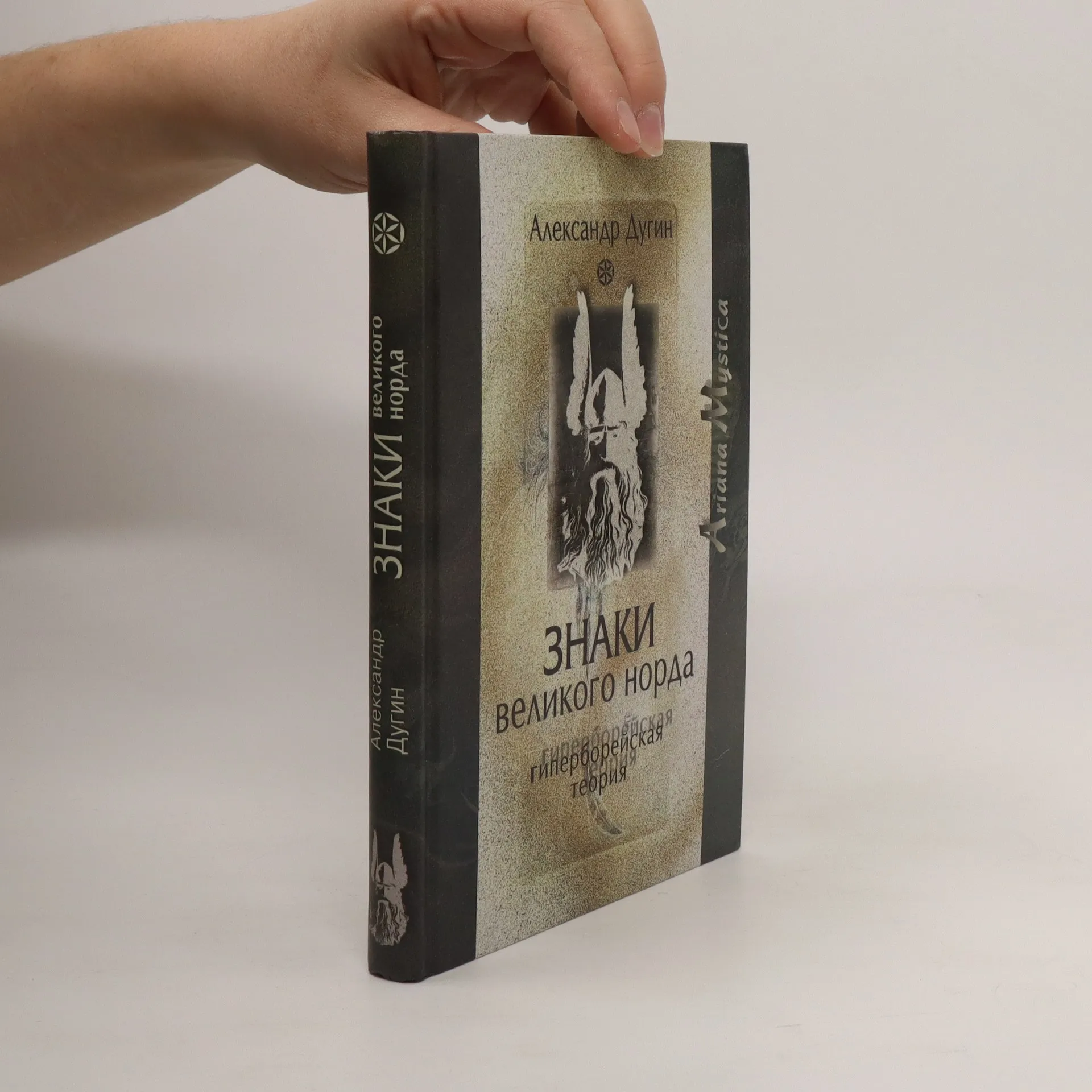
Знаки беликого норда (Znaki Velikogo Norda)
- 313 Seiten
- 11 Lesestunden
Расширенная и дополненная редакция «Гиперборейской теории» — книги, с которой фактически началось изучение нордического эзотеризма в России. Под влиянием этой работы Александра Дугина, доктора философских наук, крупнейшего современного русского специалиста по сакральному, были организованы многочисленные экспедиции на Север в поисках остатков древней цивилизации Гипербореи, а также написаны десятки книг. Александр Дугин обращается к исследованиям немецкого профессора, руководителя загадочной «Аненэрбе», не просто сводя их в доступную компиляцию, но фактически открывая новую страницу в рунологии, сакральной истории и географии. Книга может служить справочником по руническим системам. В качестве дополнения приводится перевод одной из работ Германа Вирта — «Священный Год».