

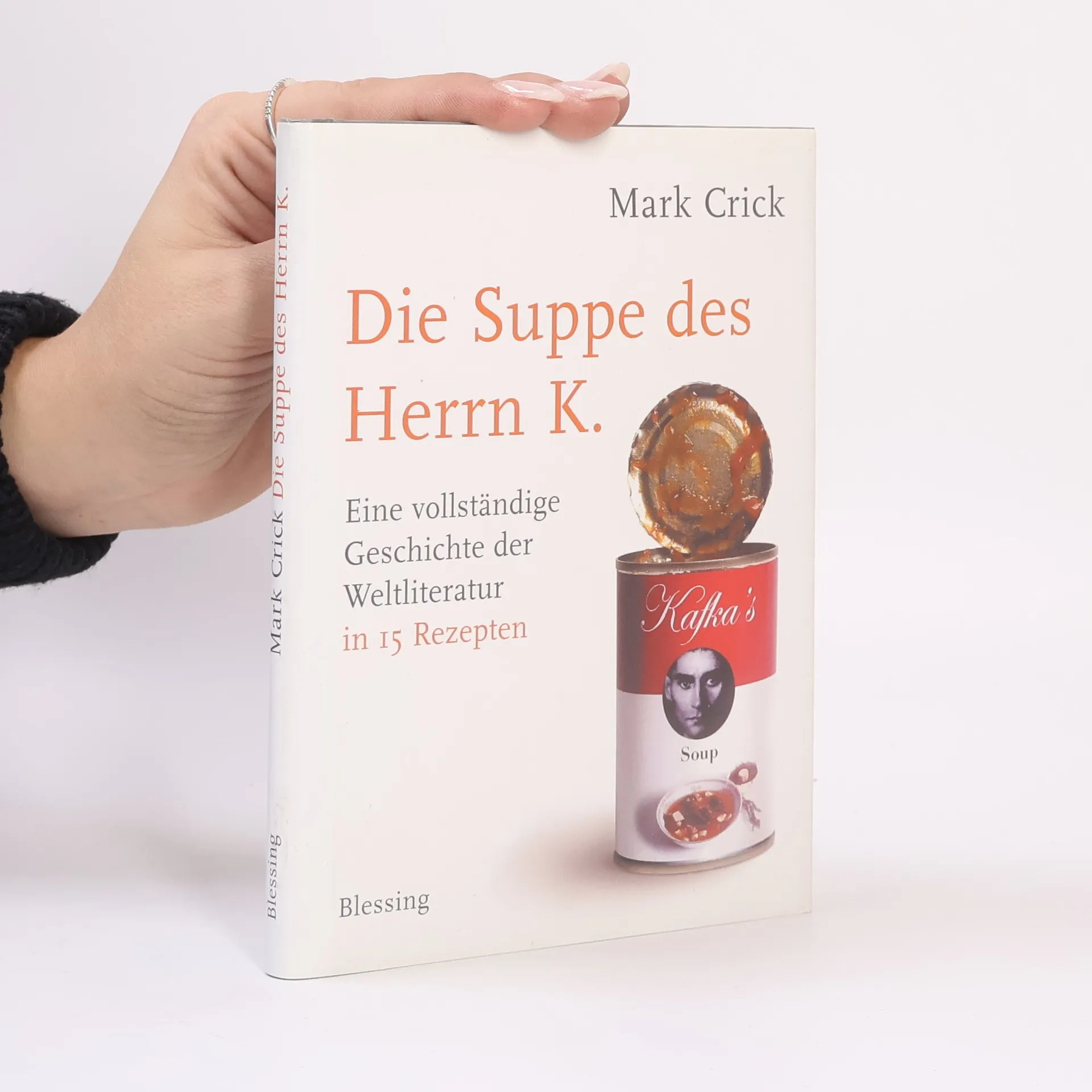
Die weltliche Literatur in 17+1 Rezepten. Mark Crick leiht sich die Stimme berühmter Schriftsteller und kreiert 17 Rezeptgeschichten, die sowohl Liebhaber der Küche als auch Literaturfreunde genießen werden. Enthalten sind die Rezepte: - Lamm mit Dillsoße nach Raymond Chandler - Eier mit Estragon nach Jane Austen - Einfache Miso-Suppe nach Franz Kafka - Schokoladenkuchen nach Irvin Welsh - Tiramisu nach Marcel Proust - Coq au Vin nach Gabriel García Márquez - Risotto mit Pilzen nach John Steinbeck - Gefüllte Hähnchen nach Marquis de Sade - Clafoutis der Großmutter nach Virginia Woolf - Kaninchenstifado nach Homer - Vietnamesisches Hähnchen nach Graham Greene - Zunge nach diepoise nach Jorge Luis Borges - Käsetoast nach Harold Pinter - Zwiebelkuchen nach Geoffrey Chaucer - Reste nach Thomas Mann - Muscheln mit Weißwein nach Italo Calvino - Weihnachts-Pudding nach Charles Dickens - Süßes Kirschkompott nach K.P. Kavafis.
Mark Crick Bücher
Mark Crick ist ein britischer Autor, der für seine literarischen Parodien bekannt ist, in denen er Rezepte und Heimwerkeranleitungen im unverwechselbaren Stil berühmter Schriftsteller neu interpretiert. Sein einzigartiger Ansatz verwandelt alltägliche Aktivitäten in literarische Übungen und bietet den Lesern eine neue Perspektive auf sowohl berühmte Autoren als auch auf alltägliche Aufgaben. Cricks Werk regt zum Nachdenken darüber an, wie Form und Sprache unsere Wahrnehmung der Welt und der Kunst prägen.



Die Feder ist mächtiger als das Schwert, doch gegen einen Schlagbohrer hat sie keine Chance. Während unser Weltkulturerbe zerfällt, sprießen Baumärkte wie Pilze aus dem Boden, und Heimrenovierungssendungen dominieren die Fernsehabende. Was wäre, wenn große Literaten sich nicht nur um Worte, sondern auch um alte Badezimmerkacheln kümmern müssten? Mark Crick entwirft in 14 Parodien Szenarien, in denen unsterbliche Poeten mit den Herausforderungen des Heimwerkens konfrontiert werden. So benötigt die Wanne des jungen Werther, inspiriert von Goethe, dringend Dichtungskitt, während ein alter Mann im Hemingway-Stil gegen die Blümchentapete ankämpft. Bei Sartre spüren wir die Verzweiflung eines Menschen ohne Abflussfrei, und das Montieren eines Lichtschalters wird bei Jelinek zum Protest gegen männliche Elektronikerhände. Diese Renovierungsrevue bietet praxisnahe Erläuterungen zu Werkzeug und Material und ist mit Cricks beeindruckenden Fälschungen großer Künstler illustriert. Alle Geschichten nutzen die humoristische Kluft zwischen dem Dichterolymp und dem Linoleumboden der Realität voll aus und sind selbst dann komisch, wenn bei manchen Meistern eine Bildungslücke sichtbar wird. Ein kreatives Geschenkbuch, das Lust auf Literatur und Mut im Do-It-Yourself-Zeitalter weckt.
I needed a table at Maxim’s, a hundred bucks, and a gorgeous blonde; what I had was a leg of lamb and no clues. I took hold of the joint. It felt cold and damp, like a coroner’s handshake. I took out a knife and cut the lamb into pieces. Feeling the blade in my hand I sliced an onion, and before I knew what I was doing a carrot lay in pieces on the slab. None of them moved. —from “LAMB WITH DILL SAUCE À LA RAYMOND CHANDLER” If you’ve ever wondered what it would be like to make dinner with Franz Kafka, Jane Austen, or Raymond Chandler, this is the chance to find out. Literary ventriloquist Mark Crick presents fourteen recipes in the voices of famous writers, from Homer to Virginia Woolf to Irvine Welsh. Guaranteed to delight anyone in love with food and books, these witty pastiches will keep you so entertained in the kitchen that you’ll be sorry when the guests arrive.
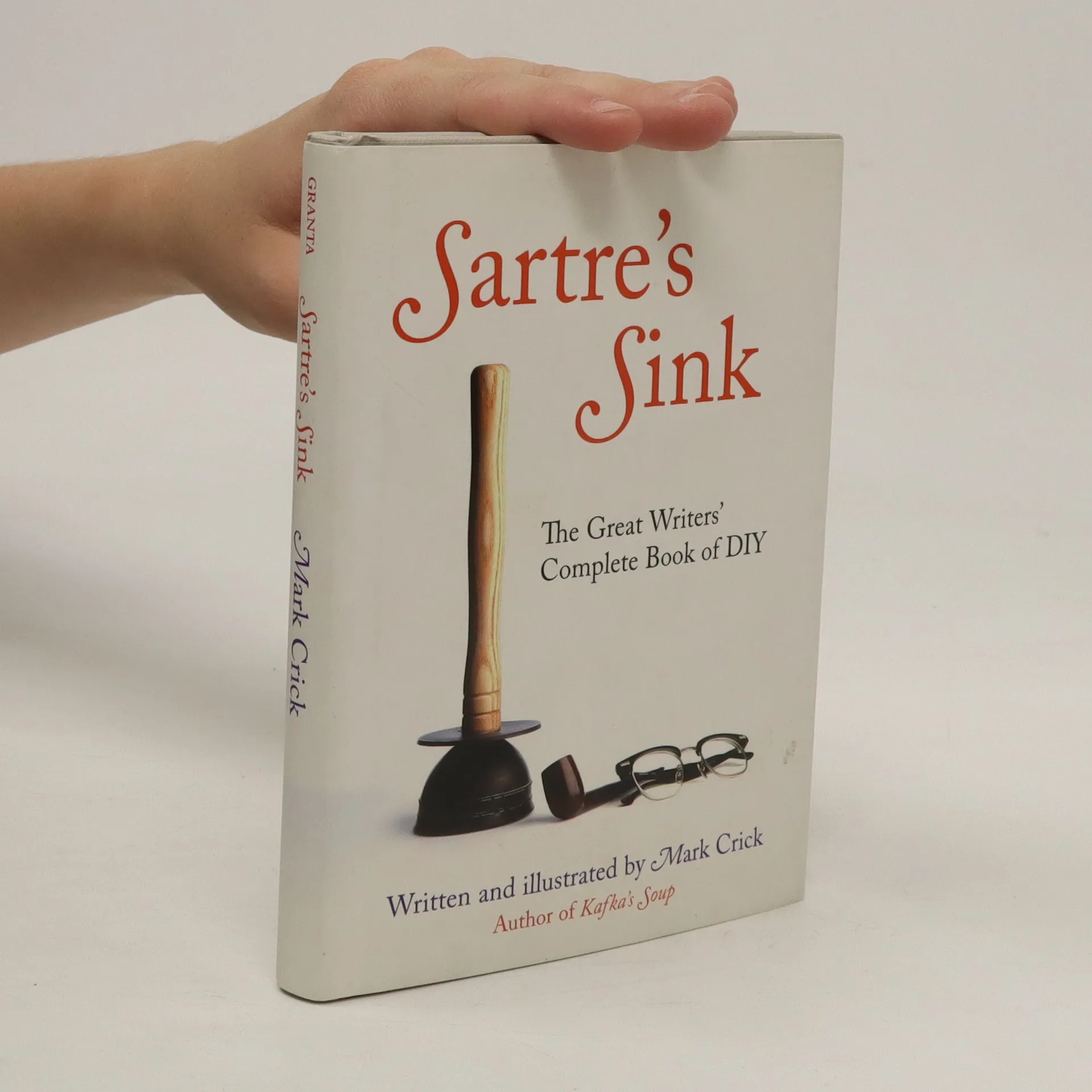
Sartre's Sink
- 108 Seiten
- 4 Lesestunden
For too long DIY books have suffered the neglect of the literary establishment. Finally, here in one volume, are the essential DIY tips of the world's greatest writers. Dostoyevsky tells of a young man employed by an elderly lady to retile her bathroom; Caesar puts up a shelf for his rebellious tribe of adolescenti; the existentialist hero of the Sartre pastiche is both disgusted and nauseated to discover in a blocked sink the revelation of his own condition. We also learn how to repair a dripping tap under Conrad's eyes, replace a window pane with a voyeuristic Milan Kundera, and hang wallpaper under the watchful eye of Mark Twain. Other handy hints include how to: replace a roof tile; remedy a squeaking floor board; remove a carpet stain and bleed a radiator, by writers including Bronte, Shakespeare, Duras, Salinger and Paul Auster. As in the companion book, Kafka's Soup, each piece is illustrated by a famous artist, including da Vinci, Hokusai and Rembrandt.
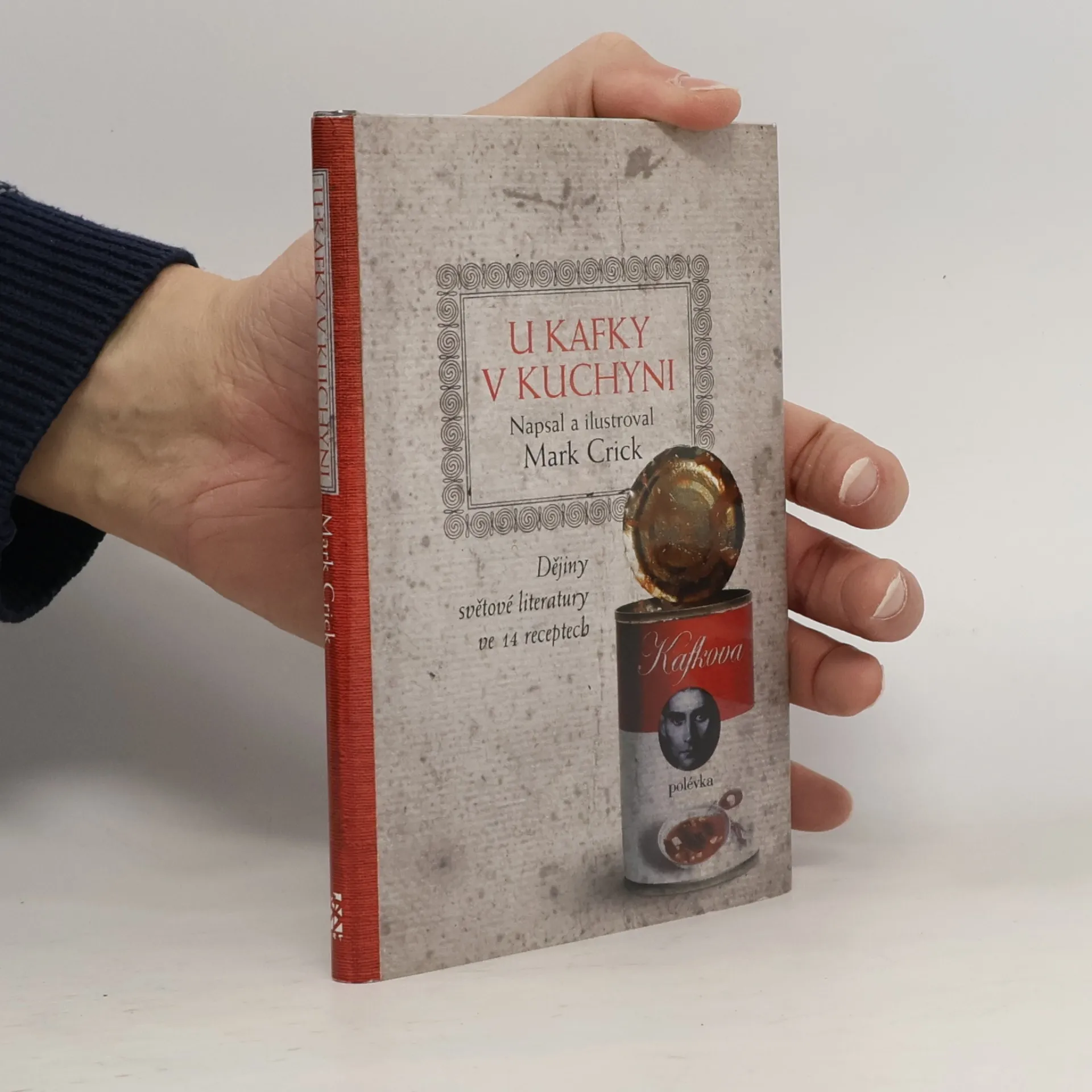
U Kafky v kuchyni. Dějiny světové literatury ve 14 receptech
- 93 Seiten
- 4 Lesestunden
Světová literatura ve 14 receptech: pokud jste si někdy říkali, jaké by to asi bylo jít na večeři k Franzi Kafkovi, Jane Austenové nebo Raymondu Chandlerovi, pak toto je kniha pro vás. Recepty Marka Cricka mají formu literárních hříček, které napodobují styl slavných spisovatelů od Homéra až po Irvina Welshe.