Sinfonie für einen Seevogel
Geschichten und Meditationen des Zhuangzi - Mit e. Vorw. v. Bernardin Schellenberger
- 159 Seiten
- 6 Lesestunden


Thomas Merton war einer der einflussreichsten katholischen Autoren des 20. Jahrhunderts. Als Trappistenmönch war Merton ein gefeierter spiritueller Schriftsteller, Dichter und sozialer Aktivist. Er setzte sich für den interreligiösen Dialog ein und führte tiefgründige Gespräche mit spirituellen Führern verschiedener Traditionen. Seine Schriften befassen sich eingehend mit dem spirituellen Leben, der Kontemplation und der Suche nach Gott in der modernen Welt und bieten den Lesern einen Weg zu tieferem Selbstverständnis und transzendenter Verbindung.




Geschichten und Meditationen des Zhuangzi - Mit e. Vorw. v. Bernardin Schellenberger
Entdecken Sie das Geheimnis der heilsamen Ruhe und finden Sie Zeiten der Stille im Alltag. Diese Neuausgabe umfasst die schönsten Texte des früh verstorbenen Mystikers Thomas Merton.
Thomas Merton war zuerst Dandy in der New Yorker Kunstszene, zog sich dann aber 1941 ins Trappistenkloster Gethesemani in Kentucky zuruck, wurde Monch und in der Folge einer der bedeutendsten spirituellen Schriftsteller der USA. 1966 erhielt er die Einladung, fur eine geplante Bibel-Ausgabe des Time-Life-Verlages eine Einleitung zu schreiben, was er nach anfanglichem Zogern auch tat. Diese Time-Life-Bibel ist nie erschienen, Mertons Einleitung aber wurde postum veroffentlicht und ein grosser Erfolg. Sie erscheint hier erstmals in deutscher Ubersetzung. Thomas Merton, 1915-1968, war einer der bedeutendsten religios-mystischen Schriftsteller der USA. Koprod.: Canstein'sche Bibelanstalt
„Der Moment des Abhebens war ekstatisch... Freude. Wir hoben ab – ich mit christlichen Mantras und einem großen Gefühl des Schicksals, endlich auf meinem wahren Weg zu sein, nach Jahren des Wartens und Zweifelns...“ Mit diesen Worten, datiert auf den 15. Oktober 1968, dokumentierte der verstorbene Pater Thomas Merton den Beginn seiner schicksalhaften Reise in den Orient. Seine Reisen führten ihn von Bangkok über Indien nach Ceylon und zurück nach Bangkok für seinen geplanten Vortrag auf einer Konferenz asiatischer monastischer Orden. Dort bekräftigte er unmissverständlich seine christliche Berufung. Sein letzter Tagebucheintrag wurde am 8. Dezember 1968 verfasst, zwei Tage vor seinem frühzeitigen, unglücklichen Tod.
Christliche Kontemplation war eines der zentralen Anliegen Thomas Mertons, um das er sich in seiner persönlichen, oft schmerzvollen und radikalen Gottessuche zeitlebens bemüht hat. Ein erstes Buch über Kontemplation veröffentlichte er bereits 1949. Die jetzt vorliegende stark erweiterte Fassung beschreibt ausführlich verschiedene Wege und zeigt, wie der Mensch trotz Widrigkeiten in die Kontemplation finden kann. Die Übersetzung von Bernardin Schellenberger – selbst langjähriges Mitglied des Trappistenordens wie Thomas Merton – ermöglicht einen neuen Zugang zu einem der bedeutendsten Texte der neuzeitlichen Mystik.
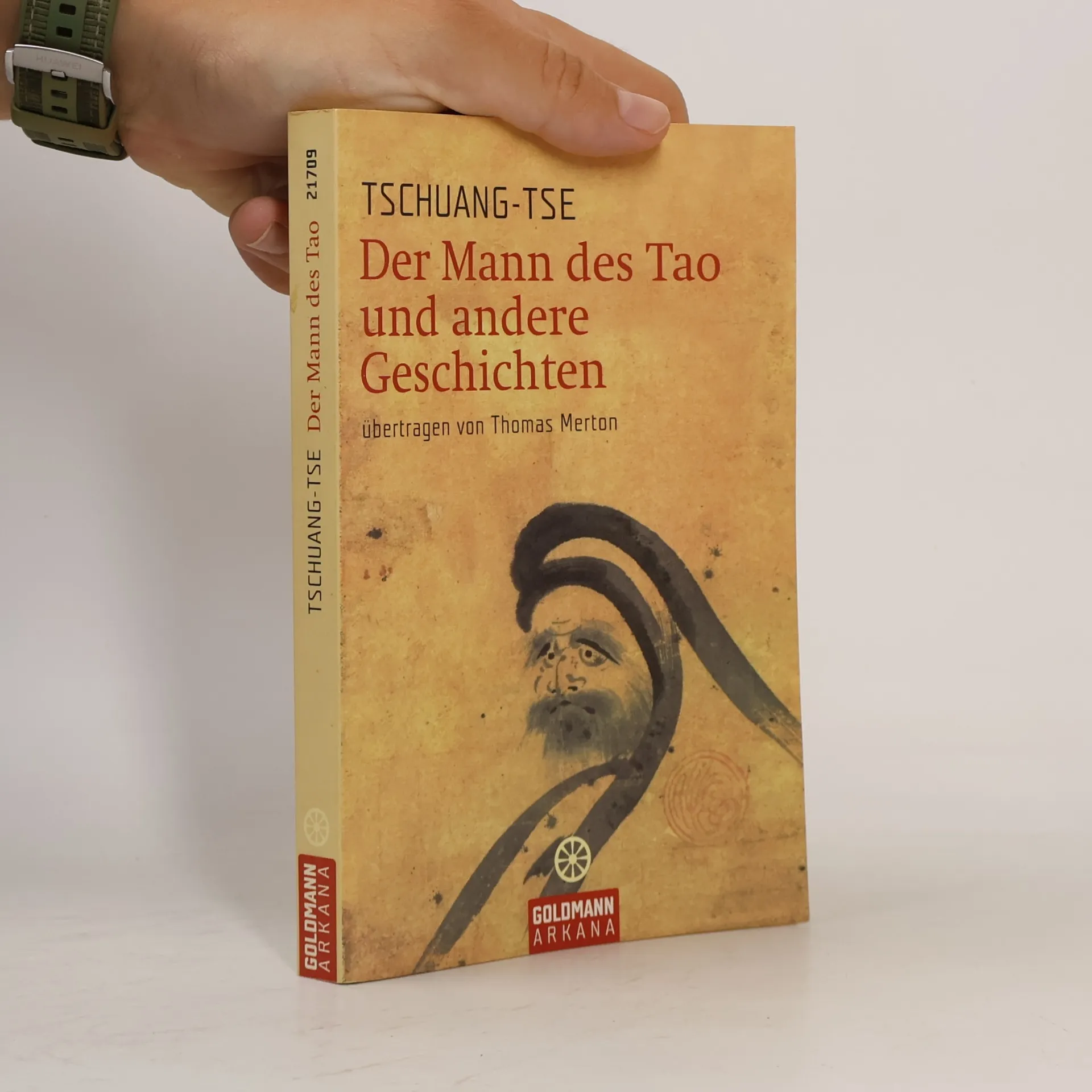
In Gleichnissen und Anekdoten, in kurzen, witzigen und zuweilen paradoxen Geschichten vermittelt Tschuang-Tse seine Weisheit. In seinem einfachen, knappen Stil hat der chinesische Taoist Bilder von überzeitlicher Gültigkeit geprägt, die nun schon bald zweieinhalb Jahrtausende Menschen in ihren Bann gezogen haben. Die vorliegende Fassung des Trappistenmönchs Thomas Merton zeichnet sich durch besondere Eleganz und Verständlichkeit aus.
Mertons Klassiker über die Liebe endlich wieder in ungekürzter Ausgabe Thomas Mertons bekanntes Buch ist ein sehr persönliches Werk, das den Menschen in die Schöpfung einbindet und den urreligiösen Weg der Liebe weist. Die eigenen Erfahrungen und Wandlungen als Mensch und Mönch weisen Wege aus der Isolierung des modernen Menschen in ein universelles Verbundensein. 'Aktion ist die Liebe, die sich nach außen wendet, an andere Menschen. Kontemplation ist die Liebe, die es nach innen zieht, zu ihrem göttlichen Ursprung. Aktion ist der Strom, Kontemplation die Quelle.'
Fesselnde Autobiografie, die es dem Leser ermöglicht, gemeinsam mit dem Autor die stufenartige Reise von den danteischen „Höllen“ der familiären Tragödien der Kindheit, den Verwirrungen eines einsamen Rebellen und den bohemischen Jahren an der Universität zu erleben. Diese führt durch das vor dem Krieg liegende Europa mit seinen inspirierenden Orten und Persönlichkeiten bis hin zur tiefen Seelenfindung, die durch keinen vorübergehenden Schatz befriedigt werden kann. Der Malersohn, ein widerspenstiger Intellektueller, Dichter und Genussmensch, klopft nach einem heftigen inneren Kampf schließlich an die Tür eines Zisterzienserklosters, um dort – zur Überraschung all seiner stürmischen Freunde und zur Inspiration vieler zukünftiger Brüder – bis zu seinem Tod in der Stille zu verweilen.
über den Sinn von Meditationen und Einsamkeit
In Zeiten großer Unsicherheit und Angst stellt sich die Frage, wie man Gott finden kann, während das tägliche Leben von Lärm und Wirrungen geprägt ist. Das Buch erkundet Wege, sich bewusst für die Welt zu entscheiden und spirituelle Orientierung zu finden. Es bietet Perspektiven und Einsichten, die helfen, inmitten des Chaos einen klaren Weg zu erkennen und den Glauben zu stärken.
Christliche Kontemplation war eines der zentralen Anliegen Thomas Mertons, um das er sich in seiner persönlichen, oft schmerzvollen Gottessuche zeitlebens bemüht hat. „Brot in der Wüste“ ist ein Text, ebenso authentisch und radikal wie das Leben Mertons. Thomas Merton setzte sich intensiv mit den Psalmen des Alten Testaments auseinander. Als Mönch betete er sie jeden Tag. Er zeigt, wie das Beten mit den Psalmen uns einen Weg in die Stille, zu Gott und zu uns selbst weisen kann. Die neue Übersetzung von Bernardin Schellenberger – selbst langjähriges Mitglied im Trappistenorden wie Thomas Merton – ermöglicht einen neuen Zugang zu diesem bedeutenden Text der neuzeitlichen Mystik.
Für Thomas Merton ist Meditation der Königsweg, um sich dem Geheimnis Gottes zu nähern. Das stille In-sich-Gehen, der Rückzug und das Atemholen sind für ihn intensive Formen der Gottesbegegnung. Daraus entwickelt sich eine innere Haltung der Dankbarkeit, die selbst das oft ruhelose alltägliche Tun zum Gebet werden lässt. Der Mystiker Merton führt mit diesem inspirierenden Buch den Weg in die Stille und gibt wichtige Impulse für die eigene meditative Praxis.
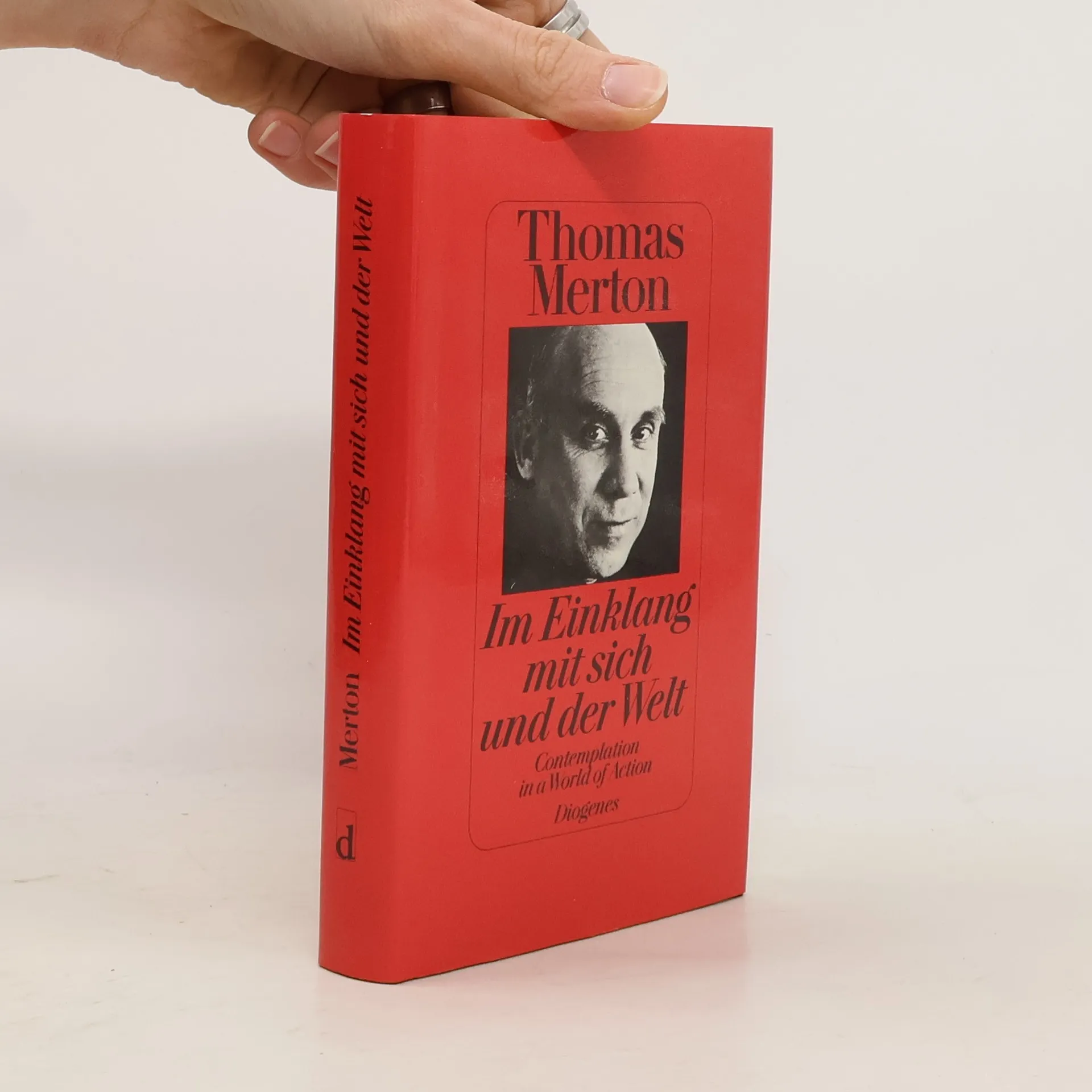
Merton, Thomas. Im Einklang mit sich und der Welt / Contemplation in a World of Action. Mit einer Einführung von Georg Tepe. Zürich, Diogenes Verlag, 1986. 12 x 19cm. 263 Seiten. Gebundene Ausgabe mit dem originalen Schutzumschlag. Sehr guter Zustand. Thomas Merton, 1915 in Frankreich geboren, mit zwanzig Jahren Kommunist, mit dreiundzwanzig Katholik, mit sechsundzwanzig Jahren Trappistenmönch in Kentucky, Grenzgänger zwischen Buddhismus und Christentum, schreibt mit diesem Buch eine Schule der Einsamkeit, deren Lernziel die Selbstbesinnung ist. [Diogenes]
Chuang Tse ist neben Lao Tse der bedeutendste Vertreter der taoistischen Lehre. Er veranschaulichte vor über 2000 Jahren in kurzen Geschichten, Gleichnissen und Anekdoten, Allegorien und Paradoxien, dass wahres Glück und wirkliche Freiheit nur im Verständnis des Tao, des Weges und im Verweilen in der Einheit zu finden sind. So verbreitete Chuang Tse die Ideen Lao Tses - dessen Historizität nicht gesichert ist - und gilt als Wegbereiter einer Lehre, die sich später im Zusammenspiel mit dem Buddhismus zu dem entwickeln sollte, was wir heute als Zen kennen. Thomas Merton verbrachte einige Jahre damit, verschiedene Übersetzungen der chinesischen Klassiker zu studieren, die Chuang Tse zugeschrieben werden und daraus eigene, poetische Bearbeitungen zu erstellen. Das Ergebnis ist diese Sammlung von Texten, die Thomas Merton selbst als persönlichen Favoriten unter den zahlreichen von ihm verfassten Büchern bezeichnete. Seine Heiligkeit der 14. Dalai Lama ist das politische und spirituelle Oberhaupt Tibets. Thomas Merton begegnete ihm während seiner Asien-Reise einige Wochen vor seinem Tod 1968.
Thomas Merton und die Fotografie
Das Buch bietet einen Einblick in Thomas Mertons fotografische Arbeit anhand einer repräsentativen Auswahl seiner eindrücklichen Fotografien. Für Thomas Merton bot die Fotografie Möglichkeit, seine Beziehungen zur Welt und zu Gott zu erkunden und diesen Beziehungen Ausdruck zu verleihen. Er nutzte dabei seine Kamera als ein Werkzeug zur „Einsicht“ und fand zu einer Form der kontemplativen Fotografie. Das Ergebnis sind Aufnahmen, die, ebenso wie seine Prosa und seine Lyrik, hinter die „Schatten und Verkleidungen“ führen, um auf diese Weise das Paradies um uns und in uns wiederzuentdecken.
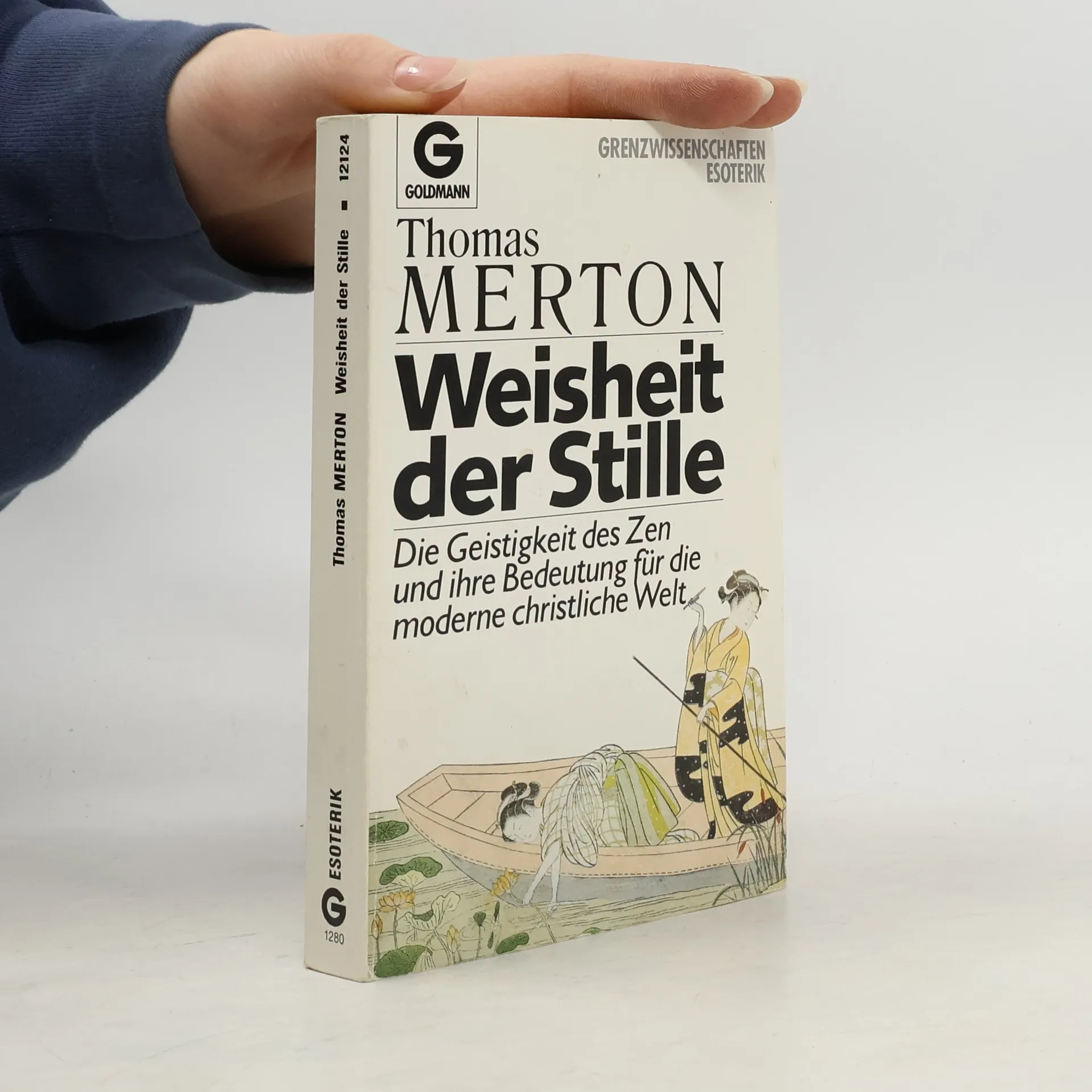
Die Geistigkeit des Zen und ihre Bedeutung für die moderne christliche Welt
The second volume of Thomas Merton's "gusty, passionate journals" (Thomas Moore) chronicles Merton's advancements to priesthood and emergence as a bestselling author with the surprise success of his autobiography, The Seven Storey Mountain. Spanning an eleven-year period, Entering the Silence reflects Merton's struggle to balance his vocation to solitude with the budding literary career that would soon established him as one of the most important spiritual writers of our century.
Thomas Merton was one of the most prolific and provocative letter writers of the twentieth century. His letters (those written both by him and to him), archived at the Thomas Merton Studies Center at Bellarmine University in Louisville, Kentucky, number more than ten thousand. For Merton, letters were not just a vehicle for exchanging information, but his primary means for initiating, maintaining, and deepening relationships. In this expert distillation of Thomas Mertons letters, we are offered a unique lens through which to relive the spiritual and social upheavals of the twentieth century, while encountering wisdom that is still relevant for our world today. Available now in paperback, this book is ideal for parish book groups, retreats, spiritual direction, and as a resource for training lay leaders.
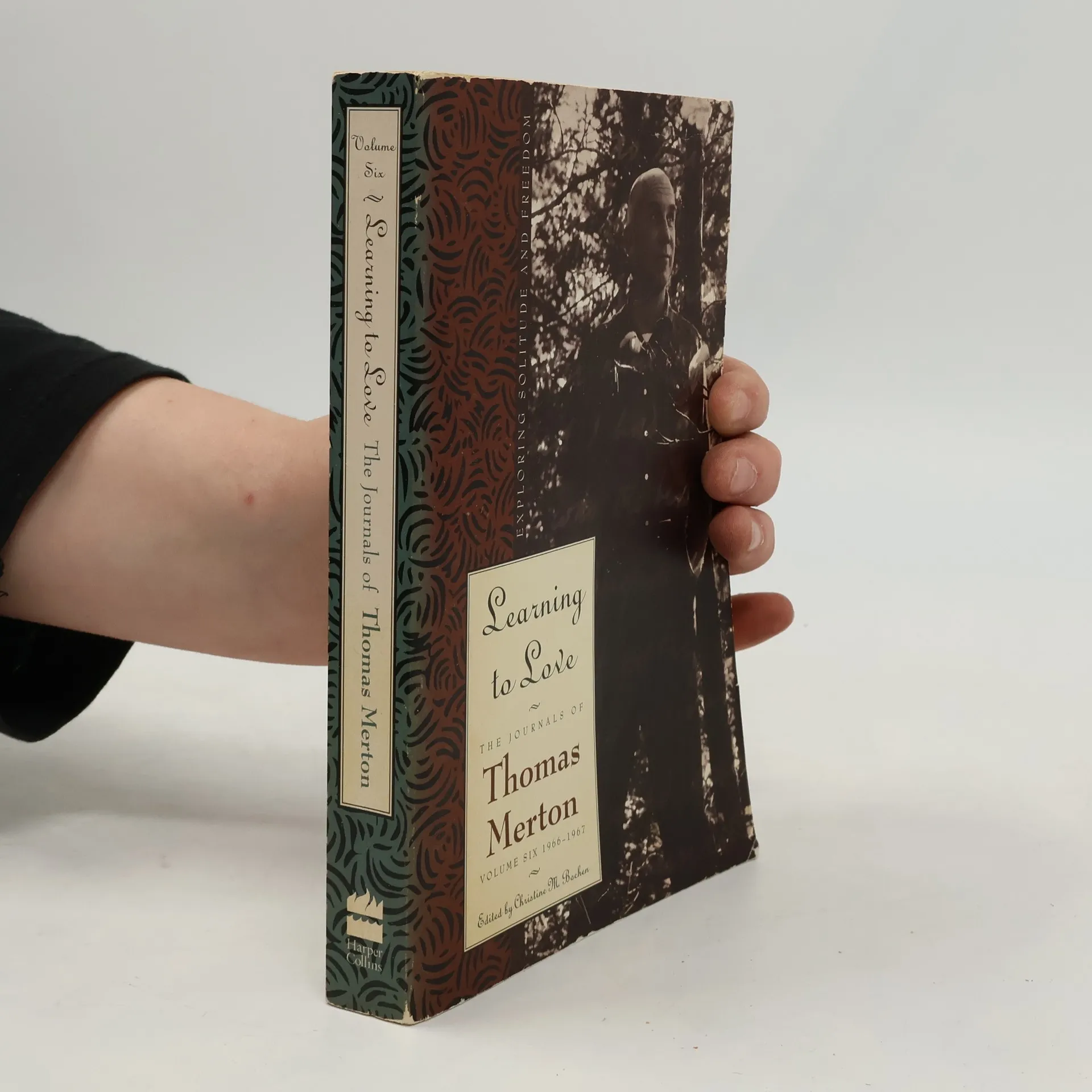
Exploring Solitude and Freedom
Having embraced a life of solitude in his own hermitage, Thomas Merton finds his faith tested beyond his imagination when a visit to the hospital leads to a clandestine affair of the heart. Jolted out of his comfortable routine, Merton is forced to reassess his need for love and his commitment to celibacy and the monastic vocation.This astonishing volume traces Merton’s struggle to reconcile his unexpected love with his sacred vows while continuing to grapple with the burning social issues of the day – including racial conflicts, the war in Vietnam, and the Arab-Israeli conflict – visiting and corresponding with high-profile friends like Thich Nhat Hanh and Joan Baez, and further developing his writing career. Revealing Merton to be ‘very human’ in his chronicles of the ecstasy and torment of being in love, Learning to Love comes full circle as Merton recommits himself completely and more deeply to his vocation even as he recognizes ‘my need for love, my loneliness, my inner division, the struggle in which solitude is at once a problem and a ‘solution’. And perhaps not a perfect solution either’ (11 May, 1967).
The narrative explores the transformative journeys of Merton following the election of a new Abbot, granting him newfound freedom. His travels to California, Alaska, and Southeast Asia lead to profound encounters, including meetings with the Dalai Lama and various monks, fostering a deep spiritual connection. Amidst the backdrop of the turbulent sixties and significant events like the assassinations of key figures, Merton's final year brims with potential and excitement, rendering his accidental death in Bangkok at fifty-three particularly poignant.
Exploring the depth of worship found in the psalms, Merton guides readers on how to engage with these sacred texts to cultivate a profound sense of peace. He emphasizes the importance of surrendering to God's will and fostering unwavering confidence in Him, revealing how the psalter can enrich spiritual life and enhance one's relationship with the divine.
A treasury of wisdom from the influential Christian contemplative, political activist, social visionary, and literary figure. Thomas Merton (1915–1968) was spiritual parent to a generation—and his influence, through his many books, has only increased in the half-century since his death. He was a hermit who maintained a compelling correspondence with some of the most influential thinkers of his age; he was a social and political activist whose ideas had a seminal influence in the world beyond his monastic cloister; and he was a Christian who saw through the boundaries of religious identity in a way that was truly ahead of his time. This collection of short excerpts from his voluminous writings covers all of the famous Trappist monk’s main themes, thus serving as a perfect short introduction to his work in his own words. This book is part of the Shambhala Pocket Library series. The Shambhala Pocket Library is a collection of short, portable teachings from notable figures across religious traditions and classic texts. The covers in this series are rendered by Colorado artist Robert Spellman. The books in this collection distill the wisdom and heart of the work Shambhala Publications has published over 50 years into a compact format that is collectible, reader-friendly, and applicable to everyday life.
Focusing on the multifaceted life of Thomas Merton, this collection offers a compelling introduction to his work, showcasing his role as a Christian contemplative, political activist, and literary figure. The excerpts are thoughtfully arranged into four parts, reflecting the journey of a seeking soul in contemporary society. Merton's writings blend the honesty of Thoreau with the moral insight of Gandhi, making his profound ideas accessible to readers exploring spirituality and social vision.
The Life of a Cistercian Mystic Saint Lutgarde of Aywières
Focusing on the life of St. Lutgarde of Aywieres, this biography by Thomas Merton explores the journey of a Cistercian mystic whose spiritual insights and experiences have largely been overlooked. Merton delves into her profound connection with God and the unique aspects of her mysticism, highlighting her significance within the Christian tradition. This reissued work brings renewed attention to her legacy, inviting readers to discover the depth of her spiritual life and the impact she had on her contemporaries.
Presents a resource for daily prayer and contemplation.
An inspiring gift-edition of poetry and prose from the world's favorite monk-poet
This companion volume to the author's renowned autobiography offers a thorough depiction of a monk's daily life, starting at two in the morning with Matins and concluding after Compline at seven in the evening. It presents an informal exploration of Trappist life, highlighting the influential figures who shaped the Order's spirit over the centuries. The guiding rule of the Trappist or Cistercian Order, rooted in St. Benedict's teachings, emphasizes contemplation above physical austerity. Key elements such as poverty, obedience, silence, sacrifice, and prayer serve to help monks achieve ultimate selflessness, the essence of the Contemplative Life. The author illustrates how this spiritual ideal permeates a monk's existence, infused with his characteristic candor, compassion, and humor. He recounts the 17th-century rule of La Grande Trappe under de Rance, the establishment of Gethsemani Abbey in Kentucky in 1849, and the Order's expansion to eight American foundations. The narrative includes diverse individuals who become Trappist monks, from a Texas cowboy to G.I.s among the newest postulants. A glossary of monastic terms and insights into Trappist sign language enrich this captivating account of a timeless way of life.
Classic writings from the great Zen master in exquisite versions by Thomas Merton, in a new edition with a preface by His Holiness the Dalai Lama.
Exploring the theme of spiritual identity, the book delves into the journey of reclaiming one's true self, emphasizing the disconnect caused by reliance on external validation and success. Merton argues for a deeper understanding of the divine image within us, advocating for a return to authentic spiritual traditions. His insights, drawn from his experiences as a Trappist monk and spiritual thinker, offer a compelling and intelligent perspective on contemporary spiritual concerns, resonating with readers seeking deeper meaning.
This early work by Thomas Merton offers valuable insights on spiritual direction and meditation. Recommended for those interested in spiritual life, it is a classic that is often scarce in its first edition. The book is being republished in high-quality modern editions, preserving the original text and artwork.
Begun five years after he entered the Abbey of Our Lady of Gethsemani, The Sign of Jonas is an extraordinary view of Merton's life in a Trappist monastery, and it serves also as a spiritual log recording the deep meaning and increasing sureness he felt in his vocation: the growth of a mind that finds in its contracted physical world new intellectual and spiritual dimensions.
The best-known Cistercian of the twentieth century reflects on the teaching and life of the most reknown Cistercian of the twelfth century. Three essays written in the 1950s explore the relation of contemplation and action in the monastic vocation and in the life of Christians.
Merton . . . provided a theology of Christian concern and commentary that America and the church in America desperately needs. This book is valuable for an authentic Christian testimony on the tragic years of the 1960's. --Christian Living
A 365 daily with inspirational and provocative selections from the journals of Thomas Merton combined with drawings and photographs by Merton. This volume of daily inspiration from Thomas Merton draws from Merton's journals and papers to present, each day, a seasonally appropriate and thought-provoking insight or observation.Each month will begin with one of Merton's delightful pen-and-ink drawings or one of his elegant black-and-white photographs.
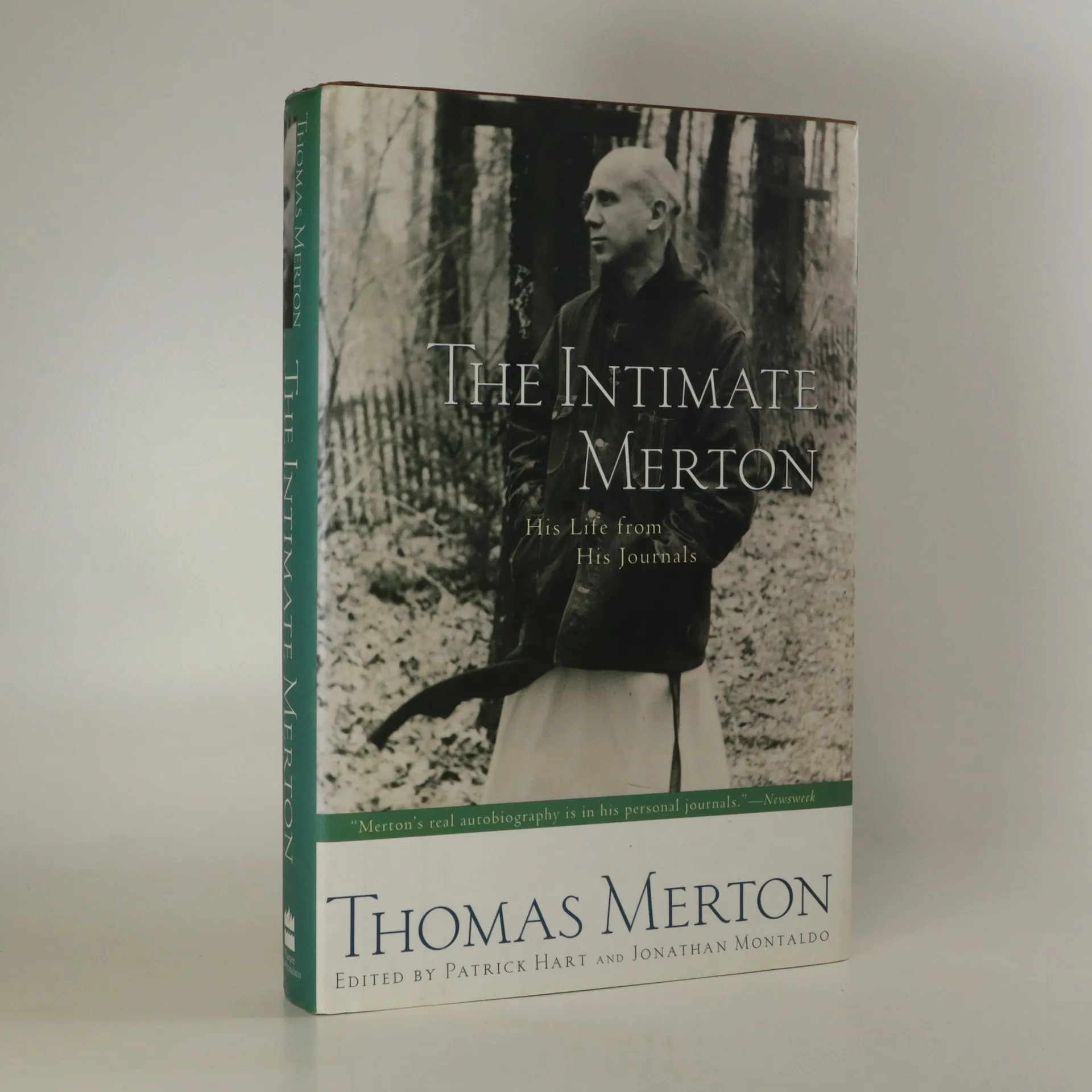
In this diary-like memoir, the essence of Thomas Merton's spiritual journey unfolds through poignant journal entries spanning twenty-nine years. Culled from seven volumes of personal reflections, this work deepens the narrative Merton famously shared in The Seven Storey Mountain. It offers a spiritual autobiography of one of the century's most celebrated monks, revealing the wisdom he gained as an enduring spiritual teacher. Merton candidly addresses life's major challenges, his confrontations with monastic and church hierarchies, and his engagement with diverse religious traditions. His antiwar and civil rights activism further enriches this exploration. The memoir showcases Merton's art of "confession and witness," as he seeks a contemporary, authentic, and global spirituality. From his early days in the monastery to his journey to meet the Dalai Lama, it reveals a life dedicated to the pursuit of meaning, equanimity, and love. The Intimate Merton captures the essence of his journey, highlighting the relevance of his experiences and insights. Merton himself believed that his best writing emerged from his journals, making this collection a profound testament to his spiritual legacy.
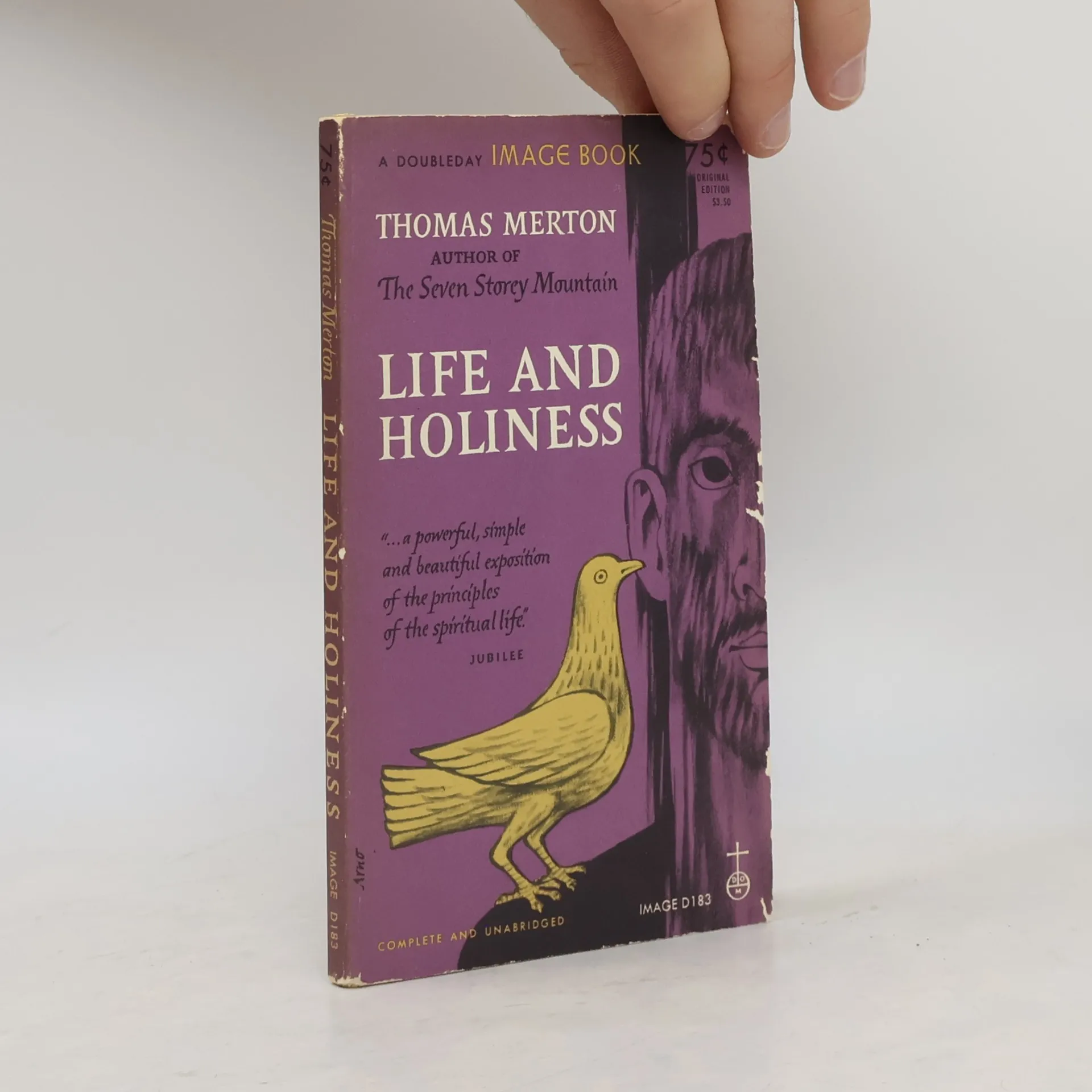
This is Merton's Guide to basic principles of Roman Catholic spirituality for lay and religious aspirants. With a simplicity of language and an intellectual candor that exemplify the purity of his vision, Merton here traces the basic principles of the spiritual life.
Thomas Merton is one of the most influential spiritual figures of the twentieth century. Originally published under the title The Climate of Monastic Prayer, Where Prayer Flourishes is his final work. It is full of accessible and practical teaching for anyone that wants to explore prayer to its full dimensions.
Charged with training young monks at Gethsemani Abbey, Thomas Merton combined his literary genius and his love of the monastic tradition to produce Monastic Orientation Notes as the bases of his classes. In this volume, he treats the many and varied forms of monastic life which preceded, and helped to form, the Rule of Saint Benedict.
"The ascetics of Scete and the Thebaid in the Egyptian Desert have been more often admired than known or understood. Translations by such scholars as Helen Waddell have done much to restore the true perspective. This new selection from the Latin 'Sayings of the Fathers' (Verba Seniorum) has been made by Thomas Merton with a special purpose. It is not only a translation and selection, but a new monastic redaction in the spirit of our own time. Merton has felt free, as a monk, to do what generations of monks before him have done. He has made a wholly independent and original use of material which is the traditional basis of Christian monastic spirituality." -- Dust jacket.
Exploring various religious traditions, the book presents Thomas Merton's insights into early monasticism, Russian Orthodox spirituality, the Shakers, and Zen Buddhism. Merton approaches these subjects with a unique blend of Western directness and deep empathy, reflecting his lived experience within these faiths. He emphasizes a central theme of understanding the diverse paths toward achieving profound religious and metaphysical awareness, highlighting the interconnectedness of different spiritual journeys.
In this set of novitiate conferences from the late 1950s, Thomas Merton provides a vivid and detailed introduction to the traditional pattern and practices of the monastic day during the period immediately preceding the momentous changes that would be introduced in the wake of the Second Vatican Council. Combining practical instruction with spiritual and theological reflection, this fifth volume of Merton's teaching notes brings the reader into the choir and chapter room, scriptorium and cloisters of the Abbey of Gethsemani, and provides insight into the ecclesial, contemplative, paschal, and Trinitarian dimensions of Cistercian life. Patrick F. O'Connell is professor in the departments of English and theology at Gannon University, Erie, Pennsylvania. A founding member and former president of the International Thomas Merton Society, he edits The Merton Seasonal and is coauthor (with William H. Shannon and Christine M. Bochen) of The Thomas Merton Encyclopedia. He has edited four previous volumes of Thomas Merton's monastic conferences for the Monastic Wisdom Cassian and the Fathers; Pre-Benedictine Monasticism; An Introduction to Christian Mysticism; and The Rule of Saint Benedict.
Initiation Into the Monastic Tradition 3 Volume 13
Exploring key themes in Christian mysticism, Thomas Merton offers insights into the integration of theology and spirituality, emphasizing "natural contemplation" as a means to recognize divine presence in creation. He examines the contributions of early Church Fathers, medieval theologians, and Spanish Carmelites, highlighting the significance of apophatic contemplation and the importance of spiritual direction for developing mature contemplatives. These conferences serve as a profound guide for novices seeking to deepen their understanding of the mystical tradition.
At the height of the Cold War, Merton passionately confronts the contradiction between the Gospel of Christ and the acceptance of violence. His work, "Peace in the Post-Christian Era," was initially suppressed by censors but continues to resonate powerfully four decades later, addressing the ongoing relevance of his message in today's world.
The Letters of Thomas Merton and Ernesto Cardenal
The correspondence between Thomas Merton and Ernesto Cardenal reveals their deep commitment to spiritual contemplation intertwined with activism for social justice and human rights. This collection, translated into English for the first time, showcases their poetic exchanges and shared dedication to raising global awareness about pressing social issues, reflecting their courage in risking personal safety and reputation for the greater good.
New edition of Merton's classic introduction to an ancient form of prayer.
First published in 2003 and now available in paperback to celebrate the one hundredth anniversary of Thomas Mertons birth, When the Trees Say Nothing has sold more than 60,000 copies and continually inspires readers with its unique collection of Mertons luminous writings on nature, arranged for reflection and meditation.
Merton, one of the rare Western thinkers able to feel at home in the philosophies of the East, made the wisdom of Asia available to Westerners.
From the back cover:“The only way to find out anything about the joys of contemplation is by experience,”’ writes Thomas Merton. “We must test and see that the Lord is sweet.” In this early writing, unavailable for years, Thomas Merton sets forth the basics of Christian contemplation in the lucid, helpful way which has made him a favorite of millions. He provides a brief guide for the beginner and lets us know what to expect when we begin to move into this essential Christian experience. When you begin the life of contemplation, Merton writes, “you have left the beaten path and are traveling by paths that cannot be charted and measured."
Exploring the essence of monasticism, the book offers a profound meditation on both communal and solitary aspects of monastic life. Written by Thomas Merton, it serves as a passionate defense of the contemplative journey toward God. Merton, drawing from his personal experiences within the monastic tradition, presents a clear and insightful description that highlights the deep beauty and significance of this spiritual path. The work stands out as a classic, reflecting the depth of contemplation and tradition in the pursuit of divine connection.
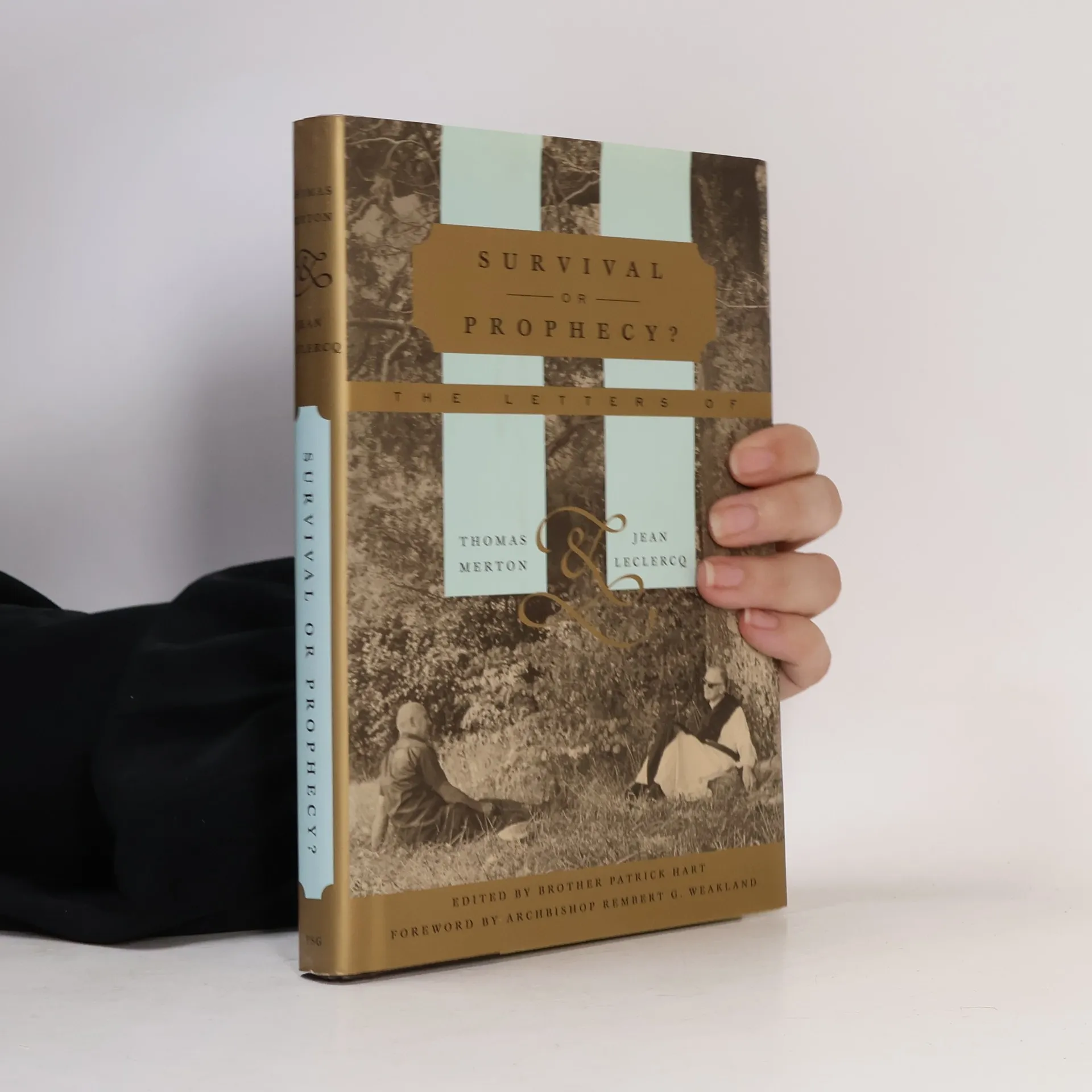
Introduction by Archbishop Rembert G. Weakland.Two monks in conversation about the meaning of life and the nature of solitude.Thomas Merton, the American Trappist monk who wrote The Seven Storey Mountain , spent his entire literary career (1948- 68) in a cloistered monastery in Kentucky. His great counterpart, the French Benedictine monk Jean Leclercq, spent those years traveling relentlessly to and from monasteries worldwide, trying to bring about a long-needed reform and renewal of Catholic religious life.Their correspondence over twenty years is a fascinating record of the common yearnings of two ambitious, holy men. "What is a monk?" is the question at the center of their correspondence, and in these 120 letters they answer it with great aplomb, touching on the role of ancient texts and modern conveniences; the advantages of hermit life and community life; the fierce Catholicism of the monastic past and the new openness to the approaches of other traditions; the monastery's impulse toward survival and the monk's calling to prophecy. Full of learning, human insight, and self-deprecating wit, these letters capture the excitement of the Catholic Church during the run-up to the Second Vatican Council, full of wisdom, full of promise.
A great introduction to the religions of the East by a monk from the West.
Thoughtful and eloquent, as timely (or timeless) now as when it was originally published in 1956, Thoughts in Solitude addresses the pleasure of a solitary life, as well as the necessity for quiet reflection in an age when so little is private. Thomas Merton writes: "When society is made up of men who know no interior solitude it can no longer be held together by love: and consequently it is held together by a violent and abusive authority. But when men are violently deprived of the solitude and freedom which are their due, the society in which they live becomes putrid, it festers with servility, resentment and hate."Thoughts in Solitude stands alongside The Seven Storey Mountain as one of Merton's most enduring and popular works. Thomas Merton, a Trappist monk, is perhaps the foremost spiritual thinker of the twentieth century. His diaries, social commentary, and spiritual writings continue to be widely read after his untimely death in 1968. Librarian note: there is an alternate cover edition of this book here
The first of two volumes showcasing Merton's teaching on scriptural exegesis.
Exploring the intersection of spirituality and psychology, this collection of essays offers profound insights rooted in a monastic setting. Merton emphasizes the journey towards personal growth and the quest for a fully realized identity, advocating for an authentic understanding of oneself. This newly restored edition serves as the first volume in a series that examines the complexities of human existence through the lenses of both psychology and religion. The contemplative life, as described by Merton, represents a transformative path to self-discovery and deeper identity.
This volume features Thomas Merton's teaching notes from his time as novice master at the Cistercian Abbey of Gethsemani, focusing on his detailed examination of Genesis and a series of classes on Exodus. Presented for the first time in a critical edition, it includes a comprehensive introduction and extensive annotations. Merton's insights provide a unique perspective on the spiritual and intellectual contexts of these biblical texts, making it a valuable resource for anyone on a spiritual journey, as noted by biblical scholar Pauline Viviano.
Poet, Trappist monk, religious philosopher, translator, social critic: the late Thomas Merton was all these things. This classic selection from his great body of poetry affords a comprehensive view of his varied and progressively innovative work. Selected by Mark Van Doren and James Laughlin, this slim volume is now available again as a wonderful showcase of Thomas Merton's splendid poetry.
The collection features essays and meditations by Merton that explore the essential role of love in personal growth and understanding. Emphasizing love as a means to uncover profound meaning, value, and identity, the work provides insights into the human experience and the journey of self-discovery. Edited by Naomi Burton Stone and Brother Patrick Hart, it reflects Merton's contemplative wisdom and invites readers to reflect on the transformative power of love in their lives.
Esej proslulého amerického trapisty o mnišství a mnišském povolání v dnešním světě.
Sbírka osobních záznamů a meditací, vzniklých během 5 let, které autor strávil v trapistickém klášteře.
La Femme et la liberté. Le féminisme, la grandeur de son but. La femme intégrale. Par Mme Lydie MartialDate de l'édition 1901Le présent ouvrage s'inscrit dans une politique de conservation patrimoniale des ouvrages de la littérature Française mise en place avec la BNF.HACHETTE LIVRE et la BNF proposent ainsi un catalogue de titres indisponibles, la BNF ayant numérisé ces oeuvres et HACHETTE LIVRE les imprimant à la demande.Certains de ces ouvrages reflètent des courants de pensée caractéristiques de leur époque, mais qui seraient aujourd'hui jugés condamnables.Ils n'en appartiennent pas moins à l'histoire des idées en France et sont susceptibles de présenter un intérêt scientifique ou historique.Le sens de notre démarche éditoriale consiste ainsi à permettre l'accès à ces oeuvres sans pour autant que nous en cautionnions en aucune façon le contenu.
Kniha je jakousi duchovní závětí autora, syntetizující jeho myšlenky o modlitbě a duchovní zkušenosti v neustálé konfrontaci s nejvýznamnějšími duchovními autory od prvních křesťanských staletí až po dnešek. Předností knihy je její všeobecnost, protože není omezena na tu či onu spiritualitu, ale vztahuje se skutečně na křesťanskou modlitbu v samé její podstatě.
John C. H. Wu se svým klasickým dílem patří mezi základní zdroje porozumění vývoje této nesmírně vlivné větve buddhismu jak pro jeho studenty, tak i pro učitele. Kniha Zlatý věk zenu se zabývá významným obdobím duchovních dějin, které následovalo po setkání buddhismu s čínskými filozofiemi, a to především s taoismem. Wu nejprve zkoumá základní zdroje zenových škol založených v šestém století Bódhidharmou a ve století sedmém Chuej-nengem. Dále se zabývá úžasným rozkvětem celého tohoto hnutí podníceným následujícími generacemi čínských mudrců. Tento významný text vysoce ocenilo mnoho učenců zabývajících se dějinami buddhismu, včetně velkého zenového spisovatele dvacátého století, D. T. Suzukiho.
Che cos'è la cultura della pace? Tutte le pratiche non violente sono uguali, o esistono una vera e una falsa non violenza? La non violenza è una mera tattica politica o ha una dimensione spirituale? Qual è l'ambito di esercizio della disubbidienza civile? Molte risposte a queste domande, urgenti e drammatiche, si possono trovare qui, nei testi gandhiani raccolti da Thomas Merton di fronte alla minaccia della guerra nucleare nei primi anni Sessanta. La non violenza, secondo Gandhi, è la legge fondamentale della natura umana, per il suo innato desiderio di pace, ordine, giustizia, libertà e dignità personali. L'esercizio della non violenza richiede lo straordinario coraggio di non temere la morte e di soffrire senza desiderio di vendetta, e si ottiene solo con preghiera, disciplina e fede. La non violenza va esercitata sempre, non è solo non cooperazione con le ingiustizie ma costante rifiuto di qualunque cosa sia inaccettabile per la coscienza. La non violenza esige un comportamento puro e disinteressato, non può essere piegata a fini pragmatici, pena il suo fallimento.
Svědomí, askeze, upřímnost, ticho, samota... autorova hluboká reflexe pilířů duchovního života ukazuje jejich nezbytnost, ale také úskalí sebestřednosti. Duchovní život získává smysl až ve spojení s životy druhých, v integraci do Božího plánu spásy světa.
İnsan doğasının en çok hangi niteliğini beğendiği sorulduğunda, Mahatma Gandhi, hemen yanıtı verdi: "Cesaret." Sonra da ekledi: "Şiddet dışılık asla korkaklara kalkan olarak kullanılmamalıdır. O cesurların silahıdır." Bu kitapta, Gandhi'nin yaşam felsefesini oluşturan şiddet-dışılık (Ahimsa) ve şiddet-dışı direniş (Satyagraha) kavramları, kendi ağzından ve Gandhi hakkında görüşlerini bildiren 20. yüzyılın büyük şahsiyetlerinin konuşma ve yazılarından seçilen bir derlemeyle etraflıca ele alınıp açıklanmıştır. Dünyanın dört bir köşesinden, birçok insan, Mahatma Gandhi'nin 20. yüzyılın en önemli şahsiyeti olduğu konusunda görüş birliğindedir. Yüzyılın militan keşişi Thomas Merton'dan Albert Einstein'e, Nelson Mandela'dan Salman Rushdie'ye kadar birçok ünlü, Gandhi'nin yaşam felsefesini; Hindu Dharma'sı, eski Yunan, modernizm, günümüz uluslararası iş dünyası, ırk ayrımcılığı gibi konularla beraber değerlendirmiştir.
Queste pagine sono semplici appunti per un “viaggio interiore”. “Semplici” perché riconducono alla simplicitas le molteplici e multiformi tensioni che abitano il cuore umano: è qui tratteggiato il percorso che attende ogni uomo alla ricerca della propria unità e del senso dell’esistenza. Appaiono per la prima volta in italiano le preziose riflessioni di un contemplativo cristiano, un mistico capace di attingere cose antiche e cose nuove dalla più schietta tradizione evangelica come dalla sapienza orientale. In un mondo e in una società sempre più frammentati che appiattiscono le differenze nell'omologazione globale, la riscoperta dell’interiorità e della capacità di contemplare la realtà con lo sguardo di Dio costituisce lo strumento indispensabile per imparare a vivere come persone unificate. Thomas Merton (Prades 1915 - Bangkok 1968), monaco trappista e poeta, ha saputo trasformare la sua ricerca contemplativa ed eremitica in un ponte per il dialogo con il mondo moderno e con le religioni orientali. Il diario del suo cammino interiore – La montagna dalle sette balze – lo ha fatto conoscere al grande pubblico dei cinque continenti. Di Merton le nostre Edizioni hanno pubblicato Un vivere alternativo.