Perceval oder die Geschichte vom Gral
- 234 Seiten
- 9 Lesestunden


Chrétien de Troyes gilt als Vater der Artus-Romane und als Schlüsselfigur der westlichen Literatur. Seine im späten 12. Jahrhundert auf Französisch verfassten Werke zeichnen sich durch Gelehrsamkeit und einen Sinn für Dialektik aus, die er vermutlich in Lateinschulen erworben hat. Zugleich offenbaren sie eine herzliche menschliche Anteilnahme, die seinen Charakteren und Situationen Leben einhaucht. Obwohl er Stoffe aus dem keltischen Mythos übernahm und die Handlung in die zeitlose Herrschaft von König Artus verlegte, spiegeln sich darin die Gesellschaft und Sitten seiner eigenen Zeit wider. Sein letztes, unvollendetes Werk führt den geheimnisvollen Gral erstmals in die Literatur ein.

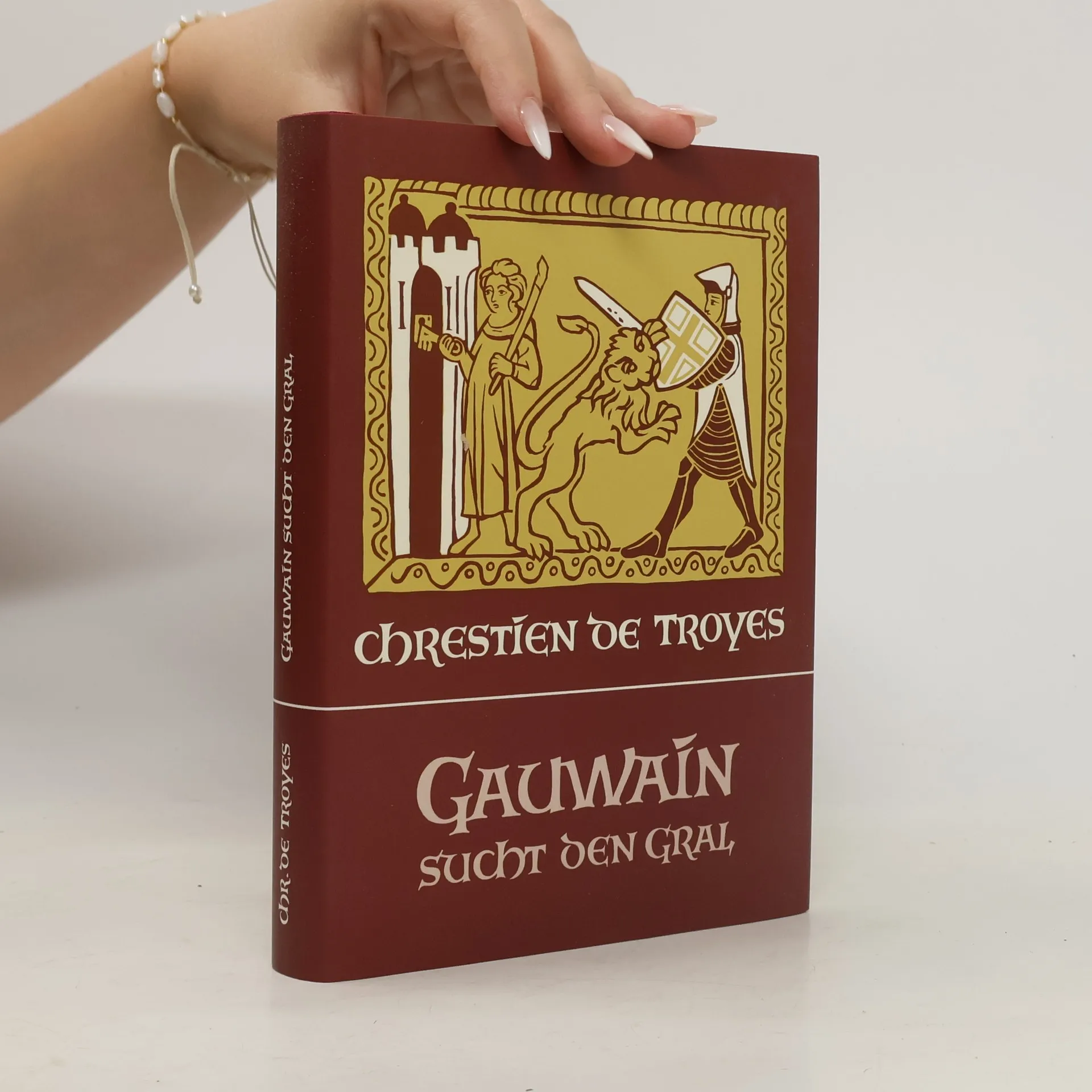
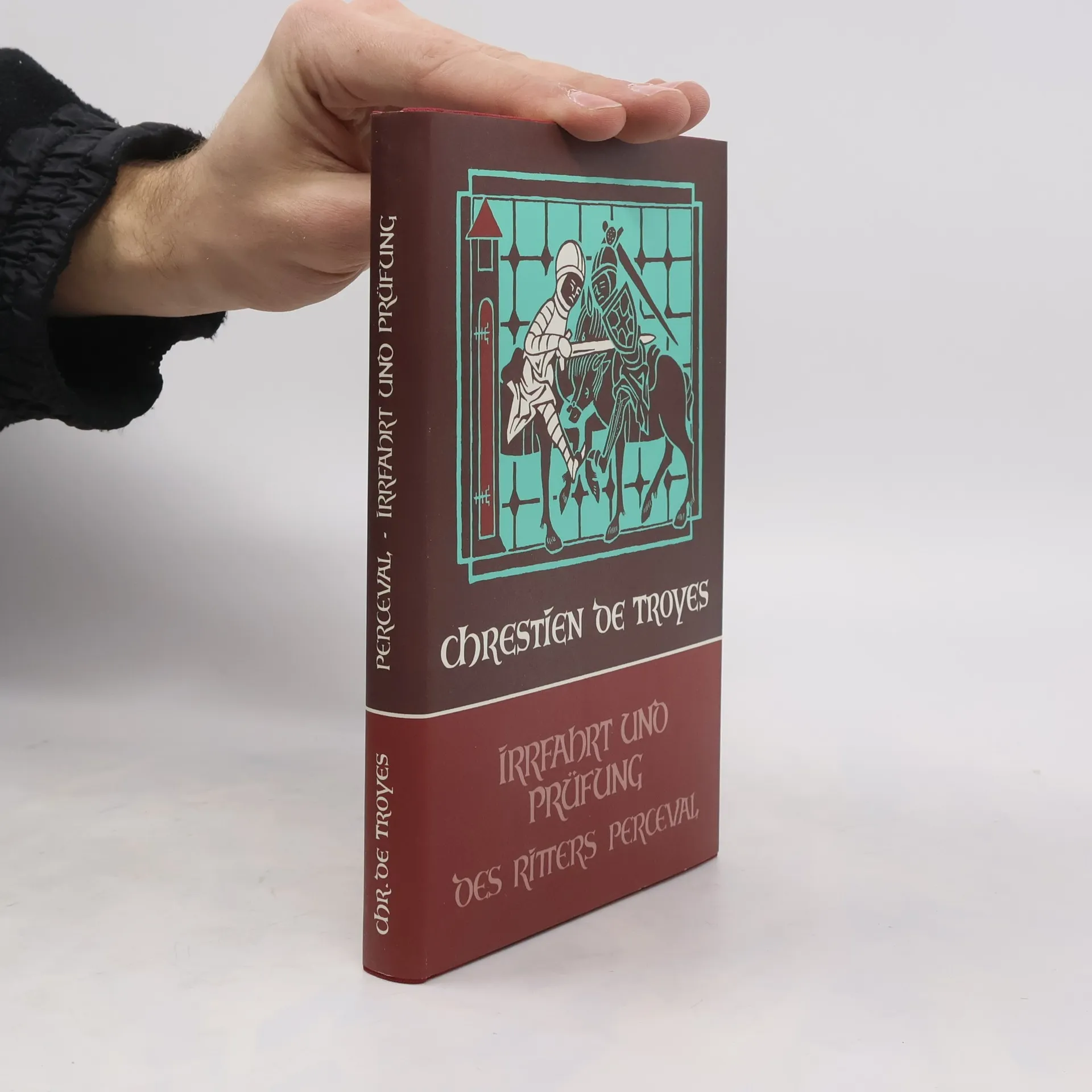
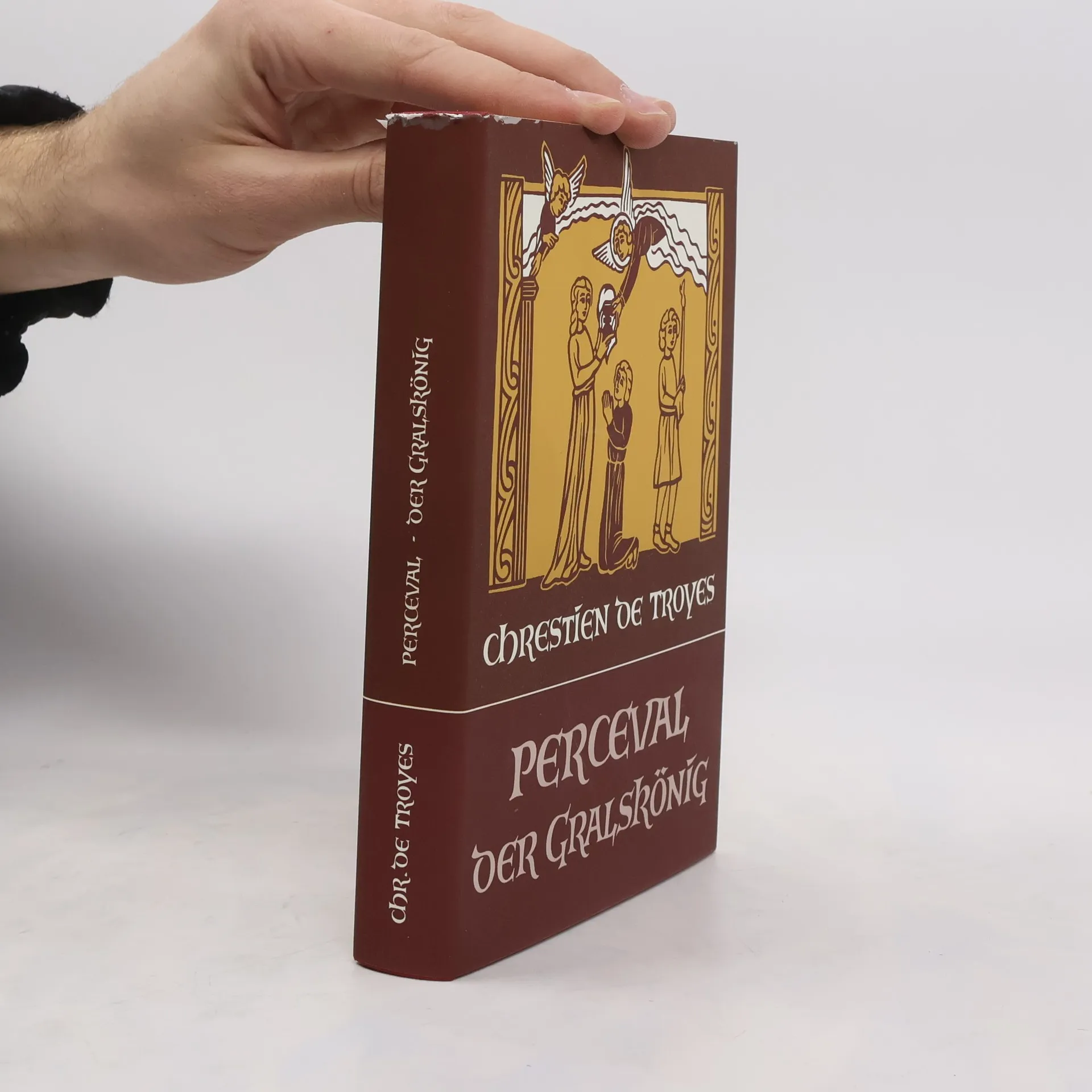
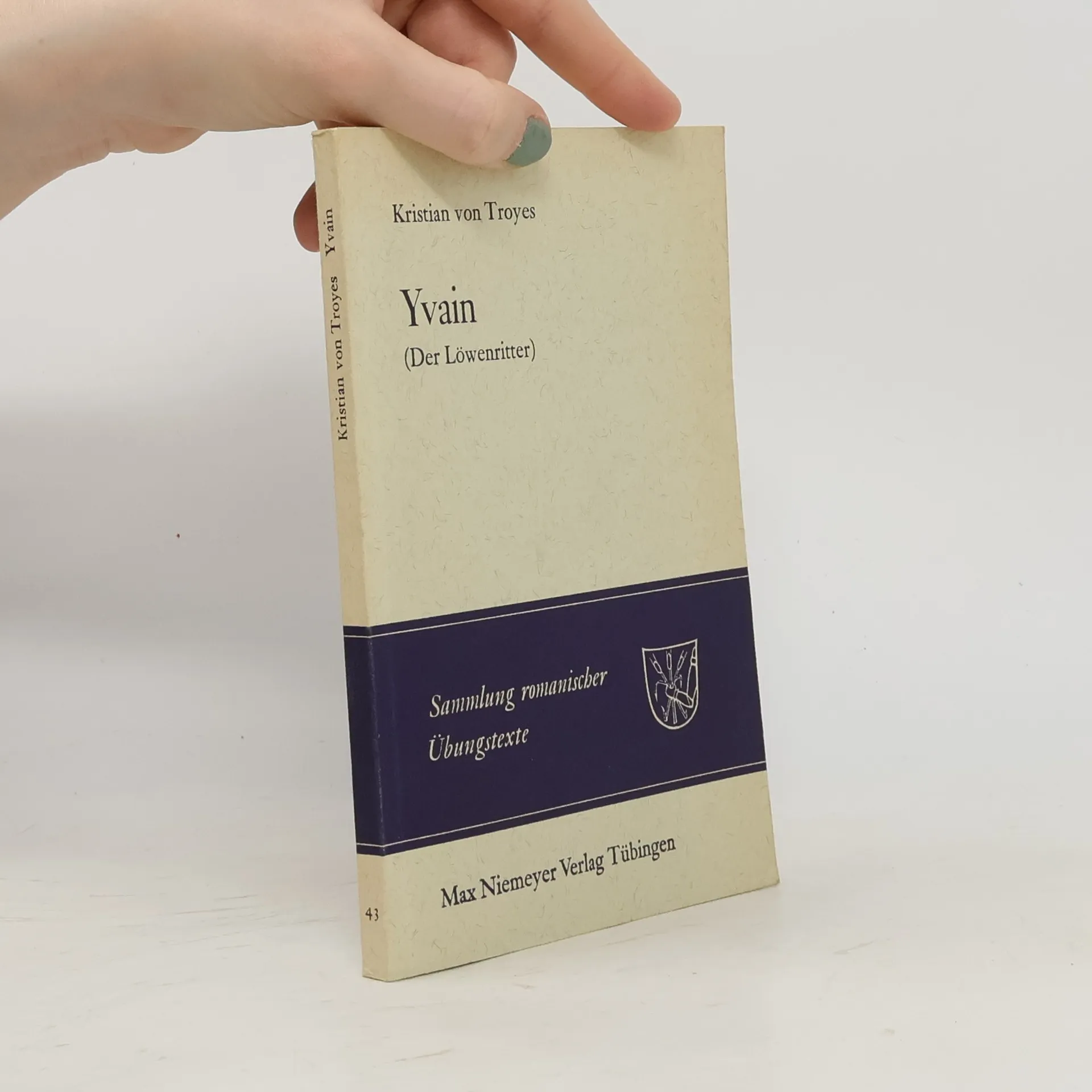
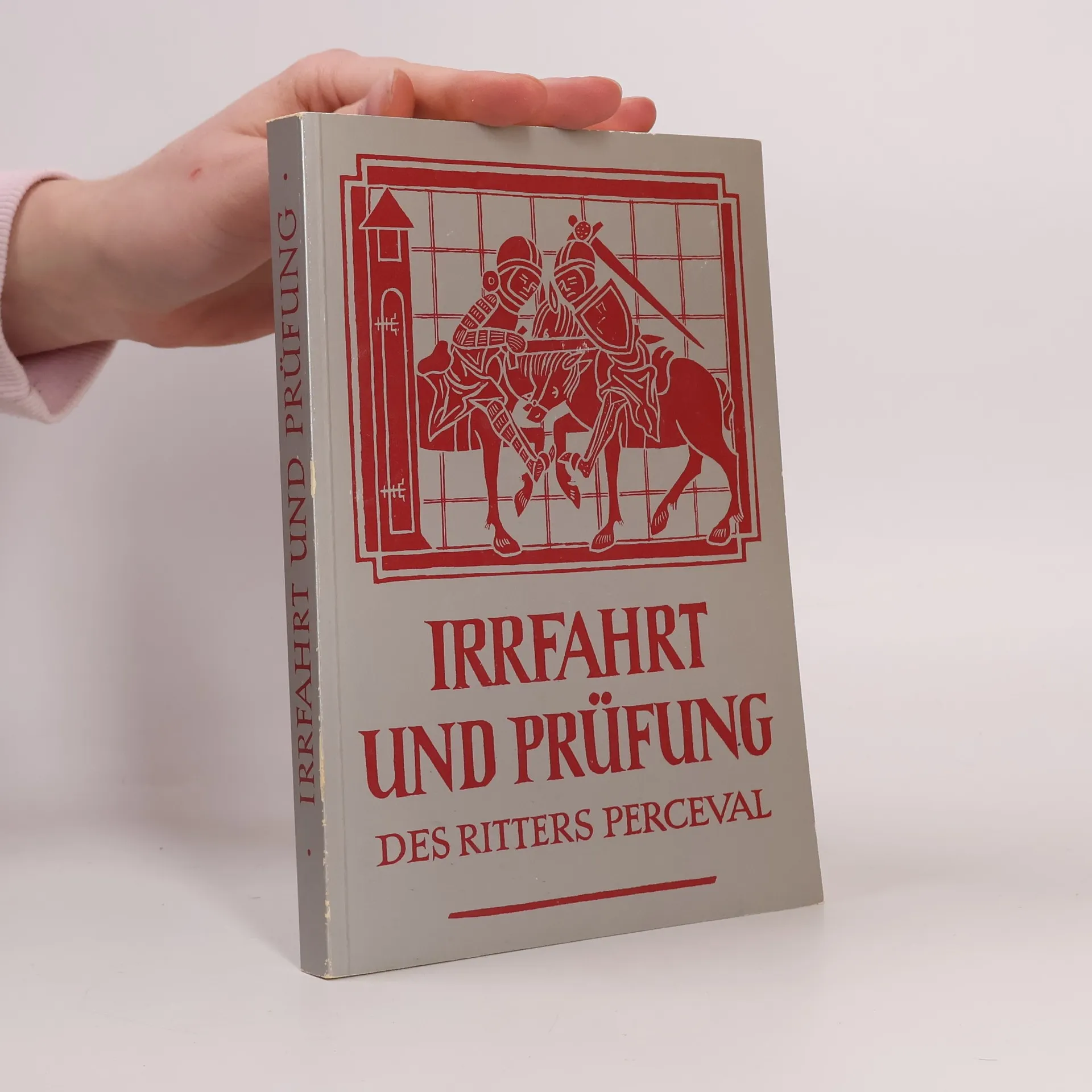
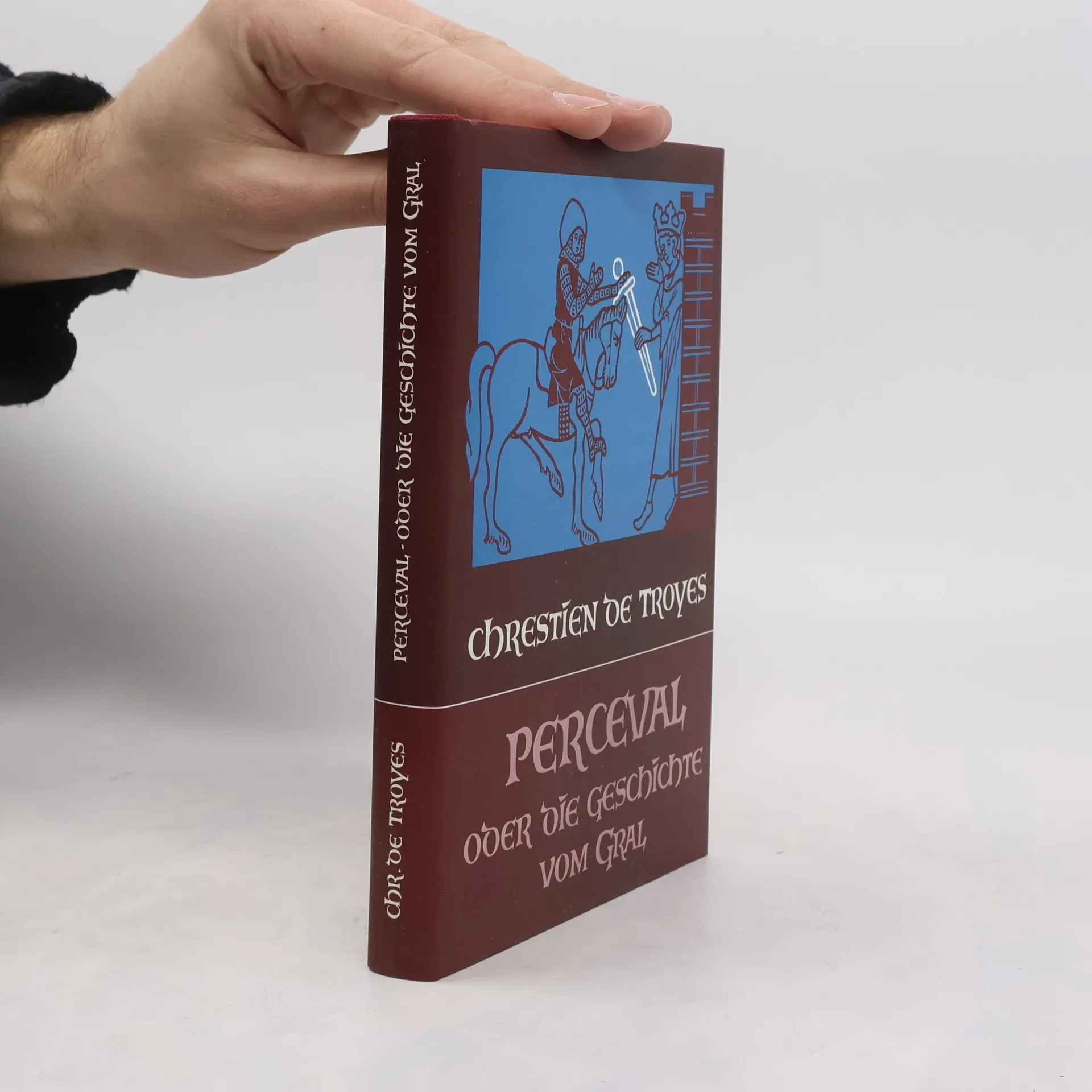
This is the first truely critical edition of Chrétien de Troyes's „Perceval“ and will replace the often inaccurate text of Hilka (1932). This new edition is based on ms. Paris, Bibliothèque Nationale, fr. 12576 (T), but is moderately interventionist in its attempt to approximate more closely to the ipsissima verba of Chrétien; the critical text is accompanied by complete variants from the other manuscripts. The critical apparatus includes full descriptions of all the manuscripts of „Perceval“, an examination of the manuscript transmission of the text, and of the language of the scribe of T and of Chrétien; the notes contain a running commentary on the manuscript tradition and a justification of every emendation made to the text of T. The edition concludes with a full glossary.
Chrétien de Troyes erfindet in Yvain ou le chevalier au lion einen neuen Mythos des Helden, der mit der höfischen Welt des 12. Jahrhunderts verbunden ist. Yvain begibt sich auf eine Quest, die ihn zur ritterlichen Vollkommenheit führt, durch das Fieber des Abenteuers und die Magie des Wunders. Von der zauberhaften Quelle über den schwarzen Wahnsinn bis hin zu den Heldentaten gegen blutrünstige Riesen vollzieht sich eine symbolische Initiation in das Leben und die Liebe mit Hilfe eines Löwen, der eine Schlüsselrolle im Roman spielt. Als bester Ritter der Welt stellt sich Yvain einer neuen Herausforderung. Während der Held in der langen westlichen Tradition oft nur im Tod seine Vollendung findet, wird durch Yvain das Leben gepriesen. Die in der heroischen Figur innewohnende Fatalität, die Tristan in seinem Liebestod annimmt, wird von Yvain exorziert, indem er einen Weg einschlägt, der den tragischen Pessimismus des Schicksals ignoriert und den strahlenden Optimismus des Willens kultiviert. Mit Yvain und seinem Löwen strahlen Sonne, Herz und Verstand auf das Heldentum.
Taking the legends surrounding King Arthur and weaving in new psychological elements of personal desire and courtly manner, Chrétien de Troyes fashioned a new form of medieval Romance. The Knight of the Cart is the first telling of the adulterous relationship between Lancelot and Arthur's Queen Guinevere, and in The Knight with the Lion Yvain neglects his bride in his quest for greater glory. Erec and Enide explores a knight's conflict between love and honour, Cligés exalts the possibility of pure love outside marriage, while the haunting The Story of the Grail chronicles the legendary quest. Rich in symbolism, these evocative tales combine closely observed detail with fantastic adventure to create a compelling world that profoundly influenced Malory, and are the basis of the Arthurian legends we know today.
This translation of Lancelot brings to English-language readers, the fourth of Chretien's five surviving romantic Arthurian poems. This poem was the first to introduce Lancelot as an important figure in the King Arthur legend.
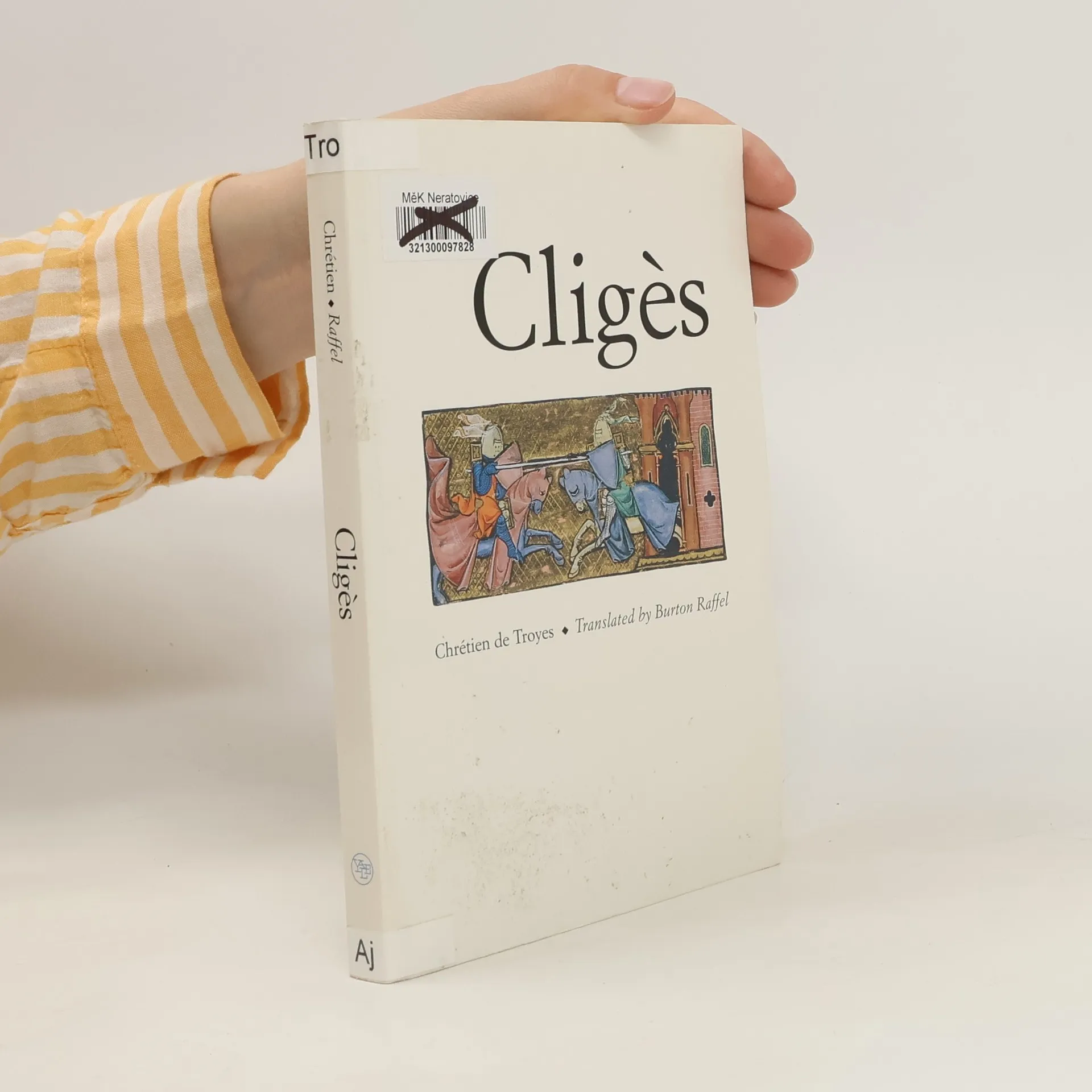
In this translation of Cliges, the second of five surviving Arthurian poems by 12th-century French poet Chretien de Troyes, Burton Raffel captures the original. In this poem, Chretien creates his most artful plot and paints the most starkly medieval portraits of any of his romances.
Published in 1987: Erec and Enide, the first of five surviving Arthurian romantic poems by a twelfth-century French poet, narrates a vivid chapter from the legend of King Arthur. Inhaltsverzeichnis 1. Introduction, by William W. Kibler. 2. Select Bibliography. 3. Erec and Enide. 4 Textual Notes. 5. Index to Old French Terms. Appendix A: Line-Number Comparisons with Foerster's and Roques' Editions. Appendix B: Lines Added to Guiot's Text. Appendix C: Non-Emendation Changes to Roques' Text.
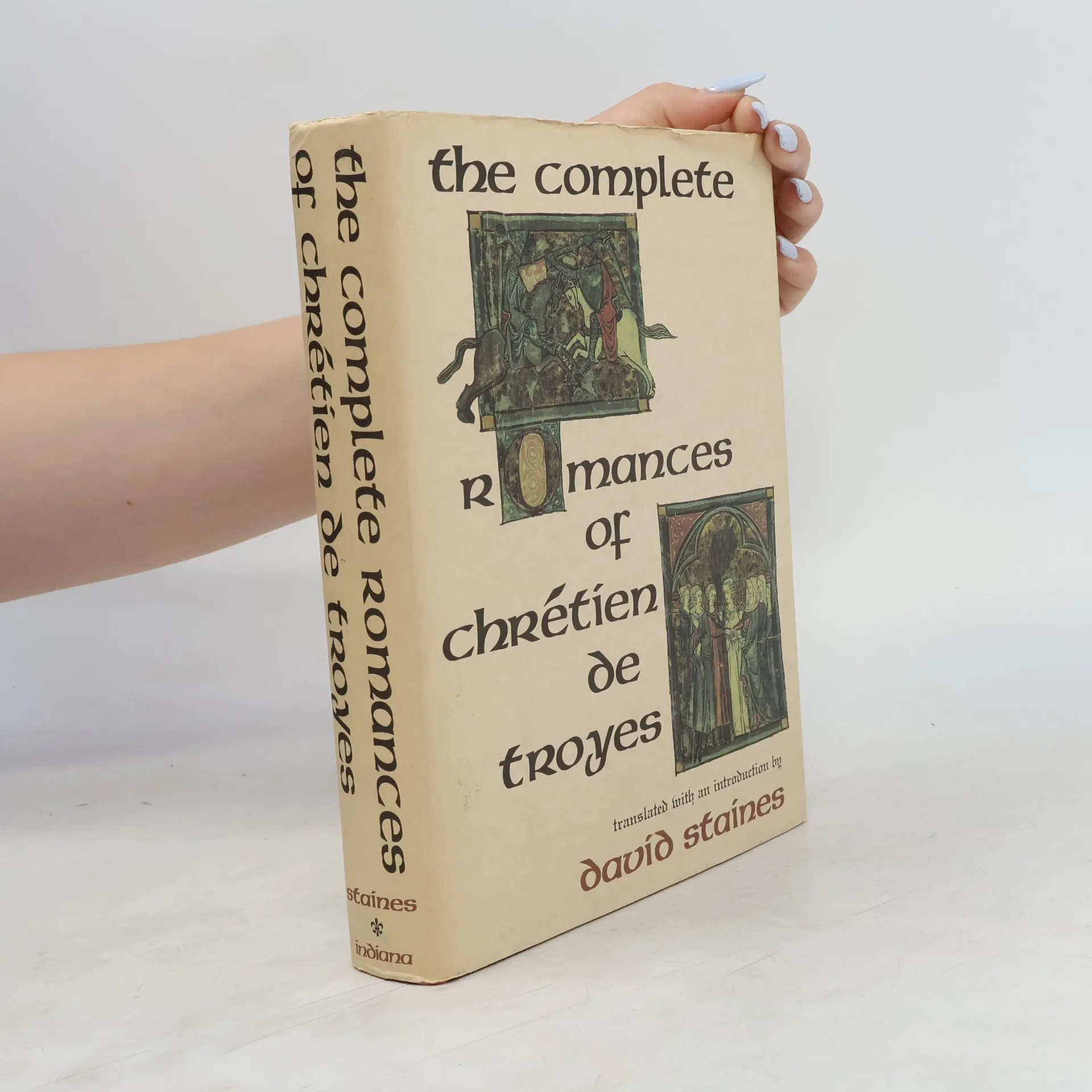
"[A]n eminently readable text, done clearly and accurately... it gives as good an idea as a translation can of the complexity and subtlety of Chrétien's originals.... [T]his translation should attract a wide audience of students and Arthurian enthusiasts." Speculum "[A] significant contribution to the field of medieval studies [and] a pleasure to read." Library Journal "These are, above all, stories of courtly love and of knights tested in their devotion to chivalric ideals (with passion and duty often at odds); but they are also thrilling wonder stories of giants, wild men, tame lions, razor-sharp bridges and visits to the Other World." Washington Post Book World "This tastefully produced book will be the standard general translation for many years to come." Choice "... an excellent rendering of the texts... an eminently readable text, done clearly and accurately in an English style that presents few infelicities and that is just slightly more formal than that of Kibler's... it gives as good an idea as a translation can of the complexity and subtlety of Chretien's originals... The text is provided by a translator who understands the spirit as well as the letter of the original and renders it with style... this translation should attract a wide audience of students and Arthurian enthusiasts... " Speculum
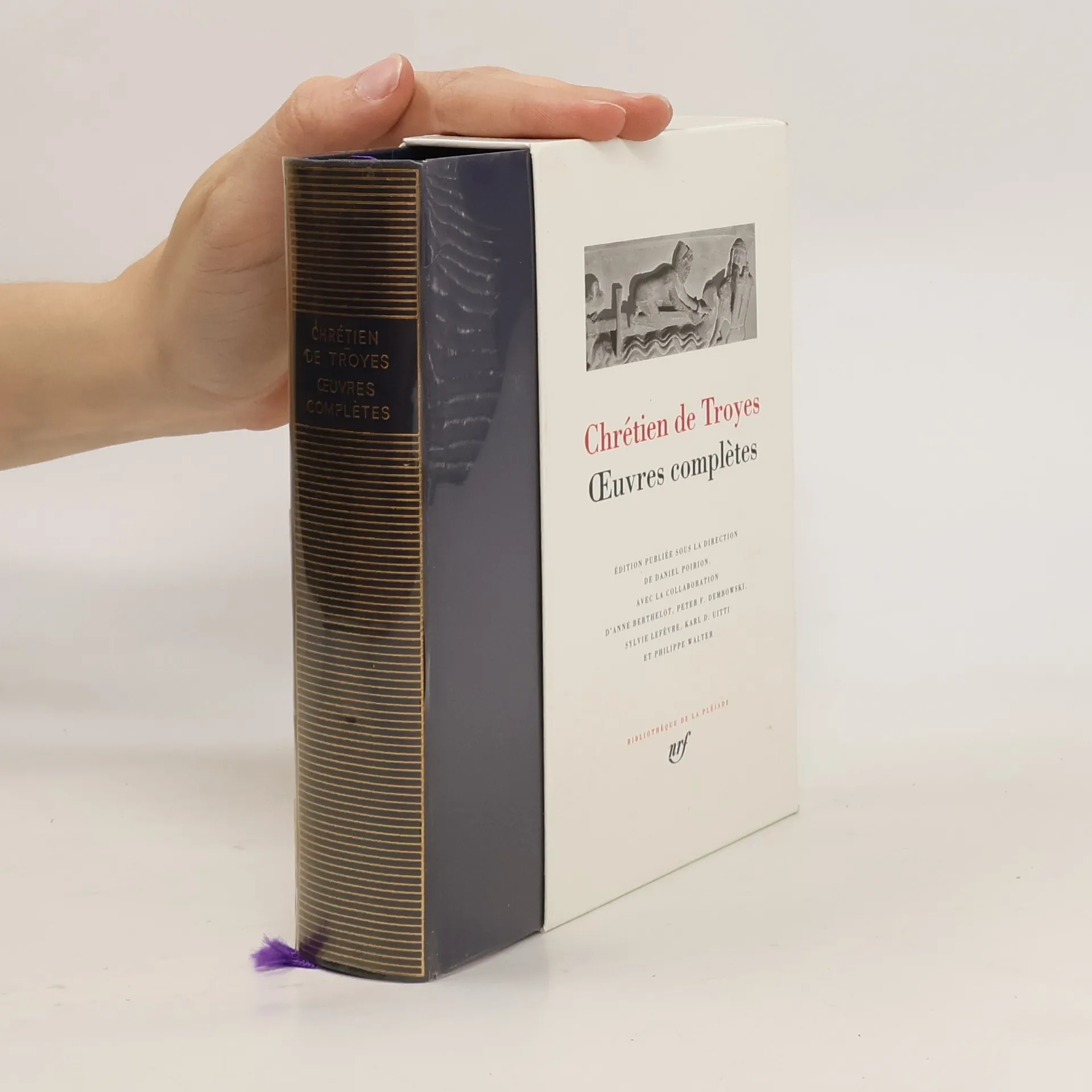
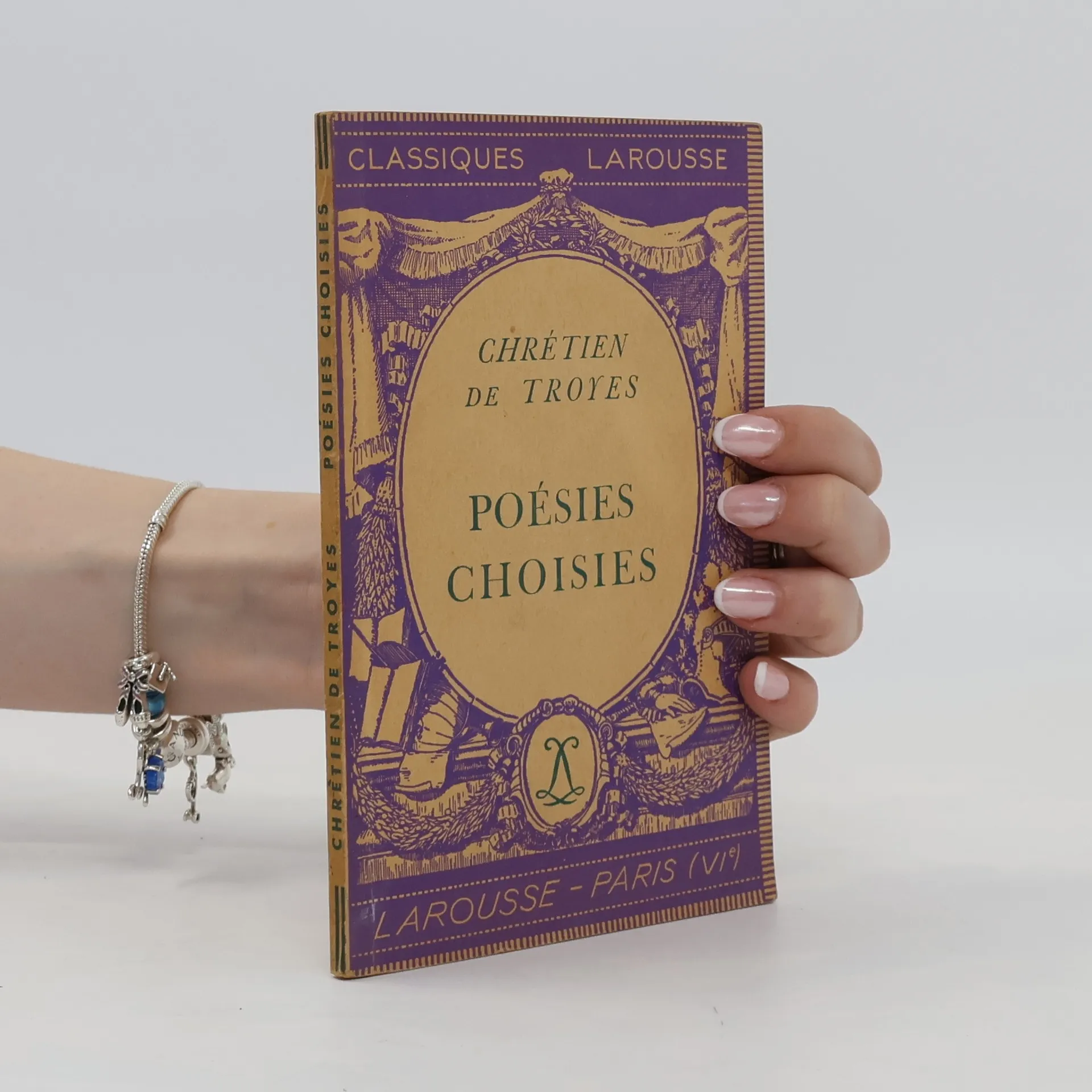
Premier écrivain de l'histoire de notre littérature : le premier sous le nom duquel on ait placé plusieurs ouvrages mis «en roman», c'est-à-dire en français, et qui forment une œuvre. Fondateur d'un art de conter et d'un univers à conter, autour d'un roi, Arthur, d'une cour que résume un symbole, la Table Ronde, et de quelques héros auxquels s'identifier pour se perdre dans un éternel hier. Faiseur de mythes, créateur d'un objet religieusement mis en scène et aussitôt retiré, interdit, rendu à jamais désirable, le Graal. Poète de la beauté, du désir, de la joie, de l'amour qui tantôt brille comme l'or des cheveux d'une reine, découverts par Lancelot sur un peigne qui fait signe au bord du chemin, tantôt revêt aux yeux de Perceval, réconcilié avec Dieu au soir du Vendredi saint, les éblouissantes couleurs du sacré. Un poète, un maître, un fondateur, un écrivain : tel est Chrétien de Troyes. Du reste, de sa vie, de son visage, on ignore tout. On sait seulement ceci : il vécut à la fin du XIIe siècle dans la première ville de Champagne, et il laisse cinq des dix romans les plus importants de son époque, un style à imiter, des modèles à admirer, des questions à résoudre, de quoi réveiller l'enfant qui est en nous, et rêver pendant toute une vie d'homme.
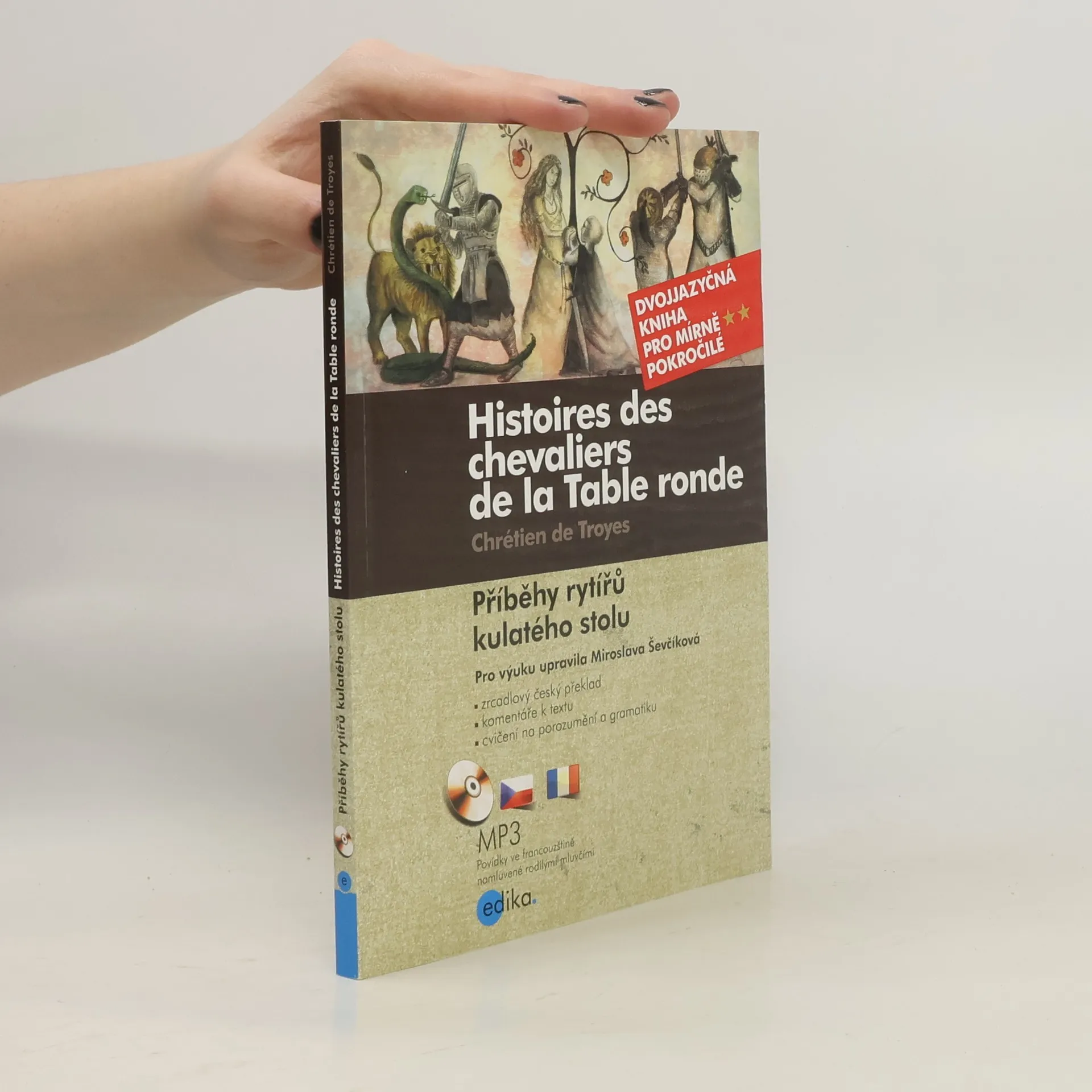
V dvojjazyčné knize najdete zjednodušené verze románů od francouzského středověkého básníka a trubadúra Chrétiena de Troyes. První z nich, Lancelot aneb Rytíř s károu, vypráví o lásce nejznámějšího rytíře Artušova dvoru, Lancelota, k manželce samotného krále, Ginevře. Co zvítězí v tomto souboji: oddanost svému králi, či vášeň k překrásné dámě? K tématu lásky se autor obrací i v dalším románu, Yvain aneb Rytíř se Lvem, tentokrát se ale jedná o lásku manželskou. Aby si ji rytíř zasloužil, musí odolat mnoha překážkám a projít skrze velká utrpení. Dvojjazyčná kniha pro mírně pokročilé.
Brand NEW. We ship worldwide
Appele a combattre aux cotes du roi Arthur, Yvain le chevalier fait a son epouse Laudine le serment de revenir au bout d'un an. Mais il manque a sa promesse et perd son amour. Fou de douleur, il erre inlassablement et, en chemin, sauve de la mort un lion qui devient son fidele ami. Cependant, loin d'avoir oublie celle qu'il aime, il va tout tenter pour la retrouver et reconquerir son coeur.
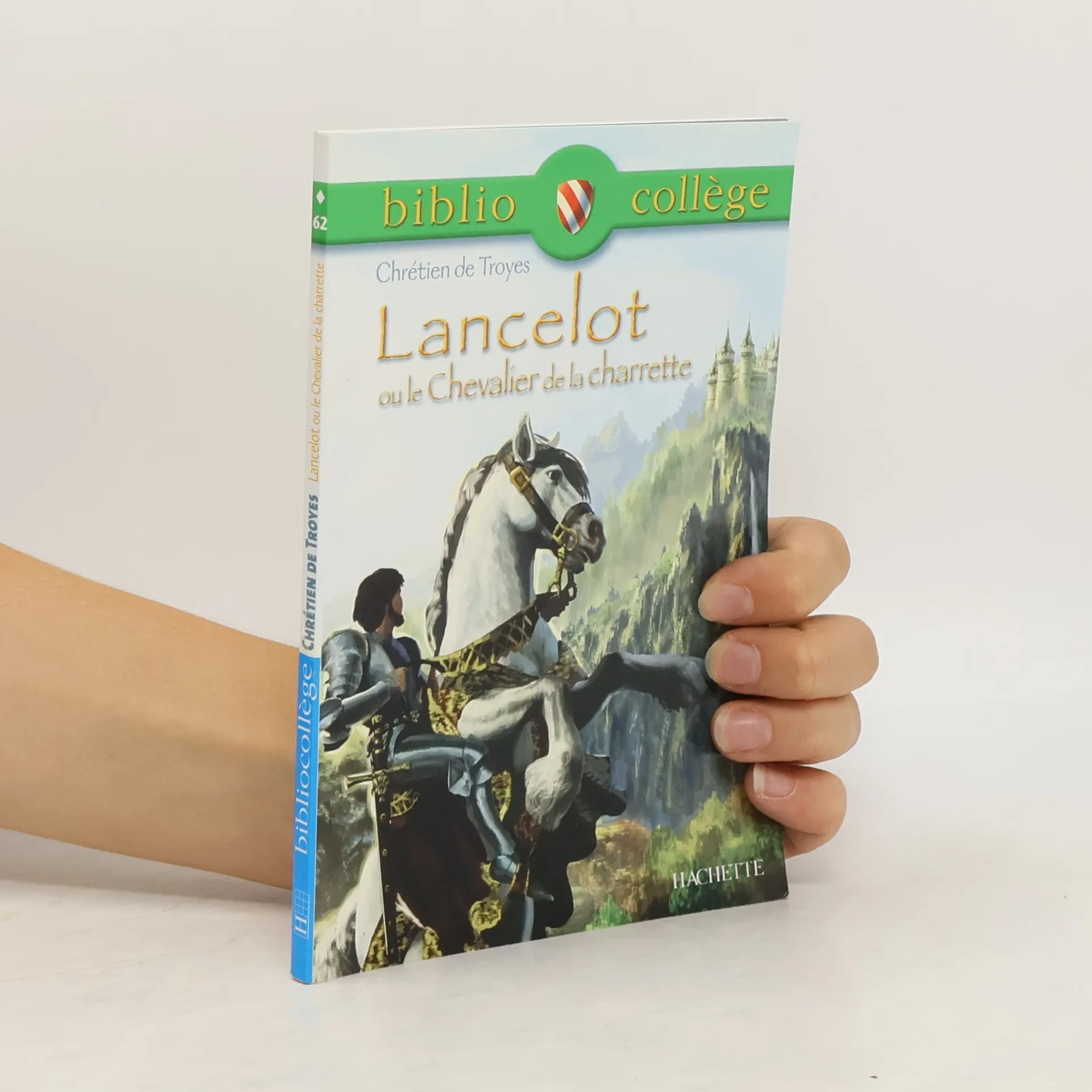
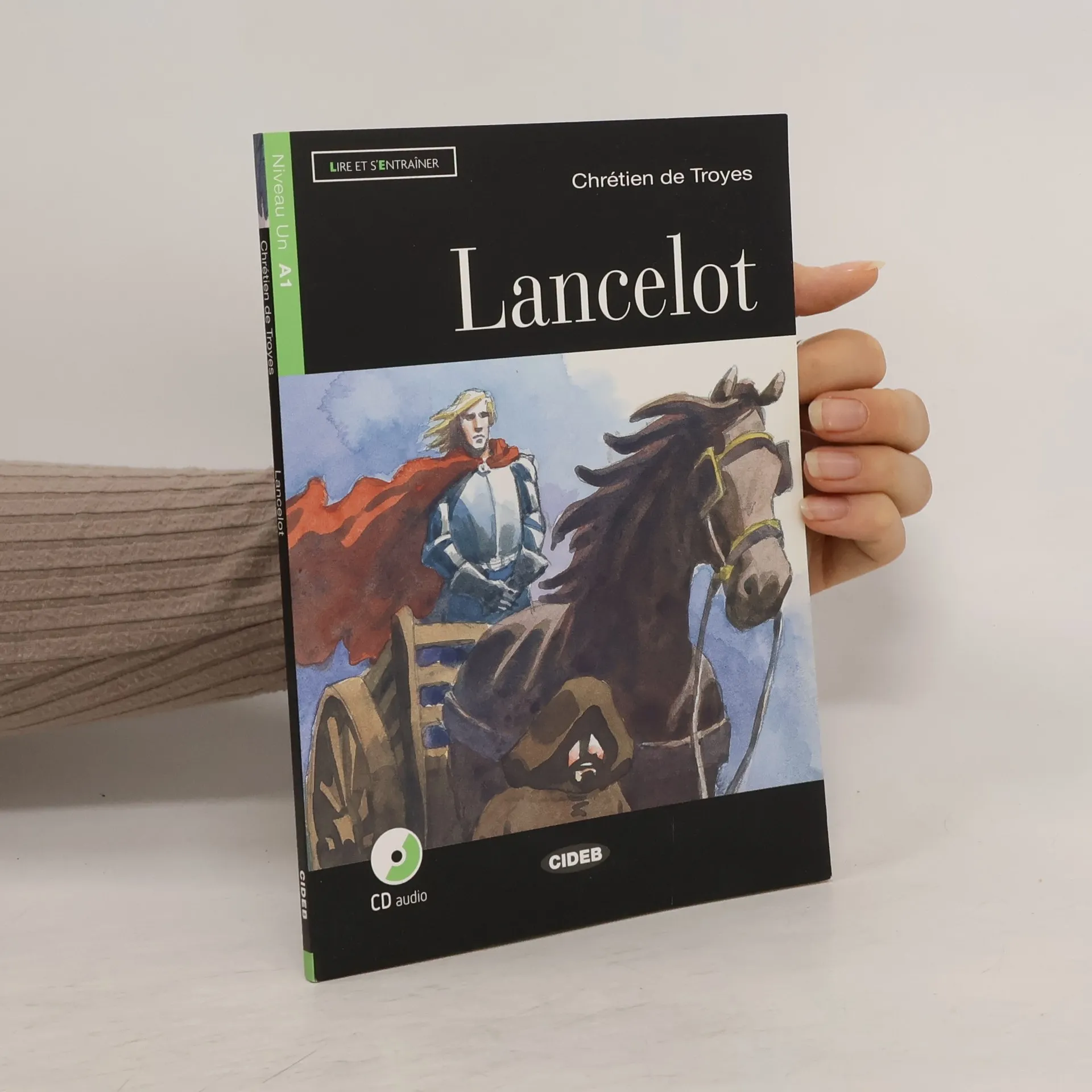
Lancelot ou le Chevalier de la Charrette was composed in the late 12th century by Chrétien de Troyes and finished by Godefroi de Lagny (from the text: «Le clerc Godefroi de Lagny a achevé La Charrette. Mais que personne ne lui reproche d'avoir continué le travail de Chrétien, car il l'a fait avec le complet accord de Chrétien qui l'a commencé.»: traduction de Daniel Poirion in Chrétien de Troyes, Œuvres complètes, Gallimard, La Pléiade, 1994, p. 682). It was finished around 1180 (sources: The Princeton Charrette Project at Princeton University and The Charrette Project 2 at Baylor University) This poem was the first to introduce Lancelot as one of the leading figures in the King Arthur legend. It describes the adulterous relationship between Lancelot and Guinevere, the wife of King Arthur - and the willingness of Lancelot to submit to the humiliation of being transported in the cart, the shameful vehicle used to carry men to their death on the gallows, in order to discover news of the abducted Queen Guinevere.
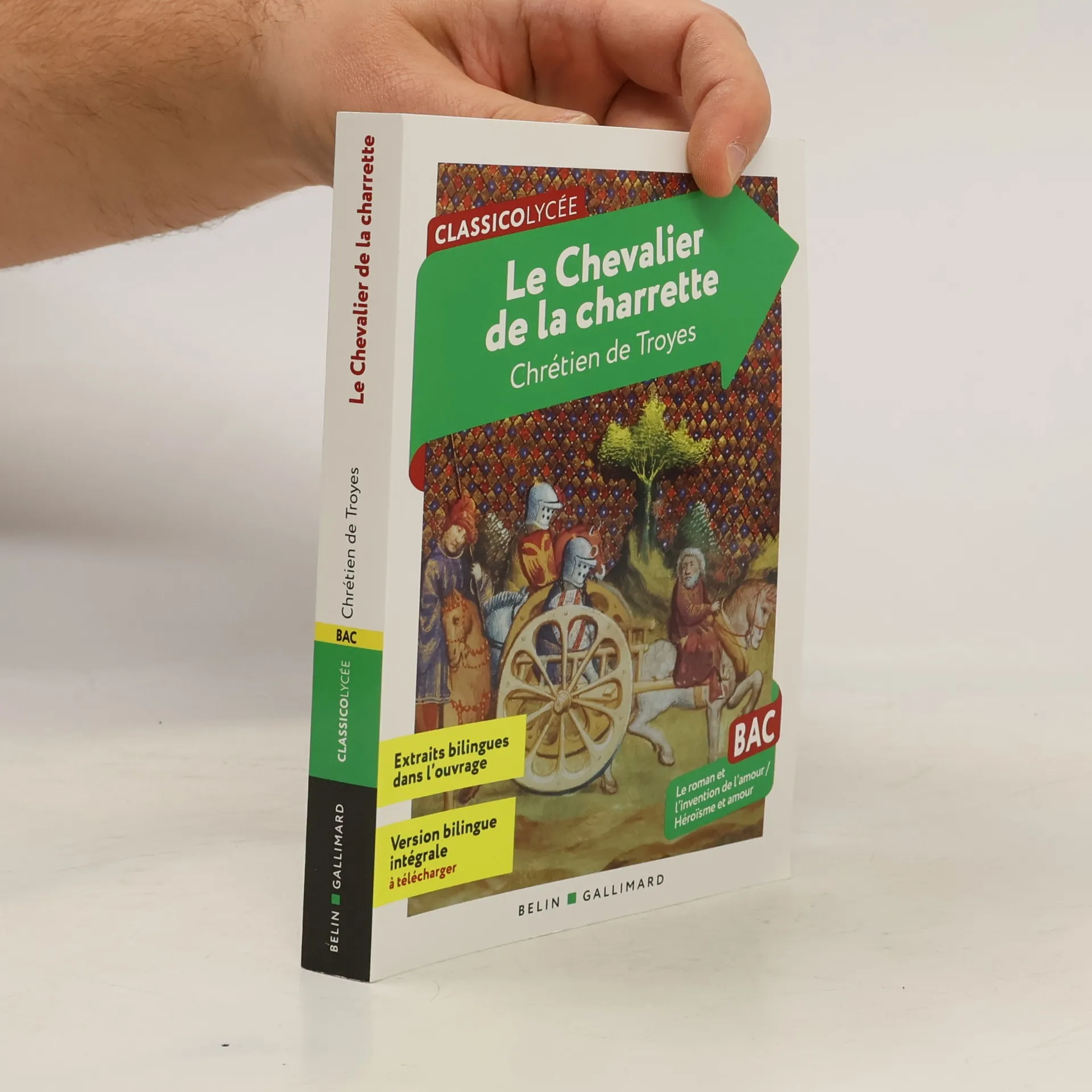
LÉGENDE Le chevalier Lancelot va-t-il risquer le déshonneur pour sauver sa dame, la belle Guenièvre, et monter sur la charrette infamante des condamnés? Vous le découvrirez en lisant cette version adaptée du roman de Chrétien de Troyes. Grammaire: le superlatif, les verbes ‘vouloir’ et ‘pouvoir’, les pronoms interrogatifs, les adjectifs démonstratifs … Compétences: préparer et jouer une conversation téléphonique, défendre ses idées et opinions, écrire un bref message, tel qu’un courriel, analyser des cartes postales … Dossiers Comment on devient chevalier? La vie au château Les fêtes Les Cours d'Amour Les grandes Dames du Moyen Âge Les mystères de la Table ronde
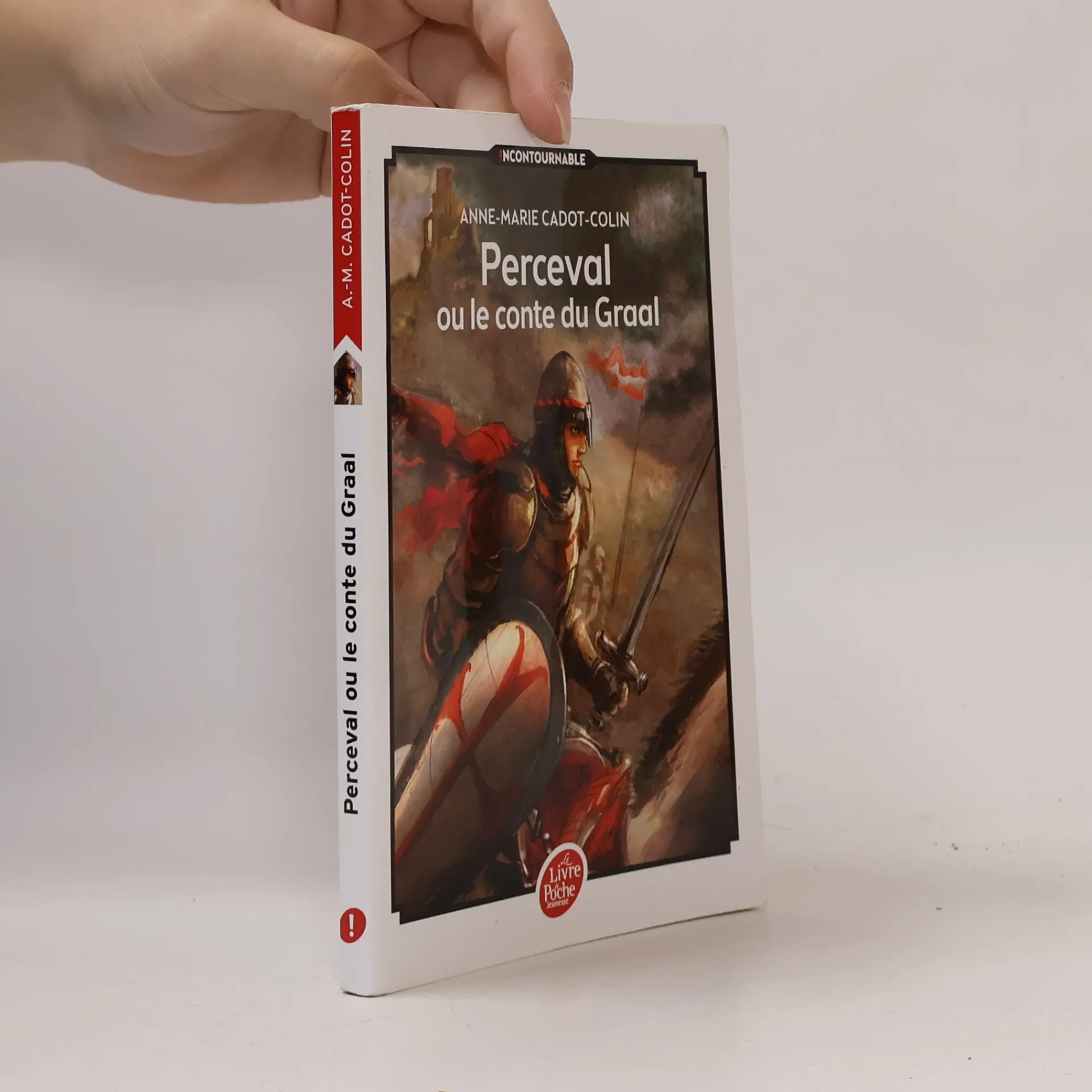
Un jeune Gallois naïf, ignorant jusqu'à son nom, élevé dans la profonde Forêt Déserte, devient un vaillant chevalier et prend place autour de la Table ronde, parmi les compagnons du roi Arthur. Il a pour nom Perceval. Mais, outre ses aventures périlleuses et ses exploits chevaleresques, son vrai destin est celui de la quête du Graal...
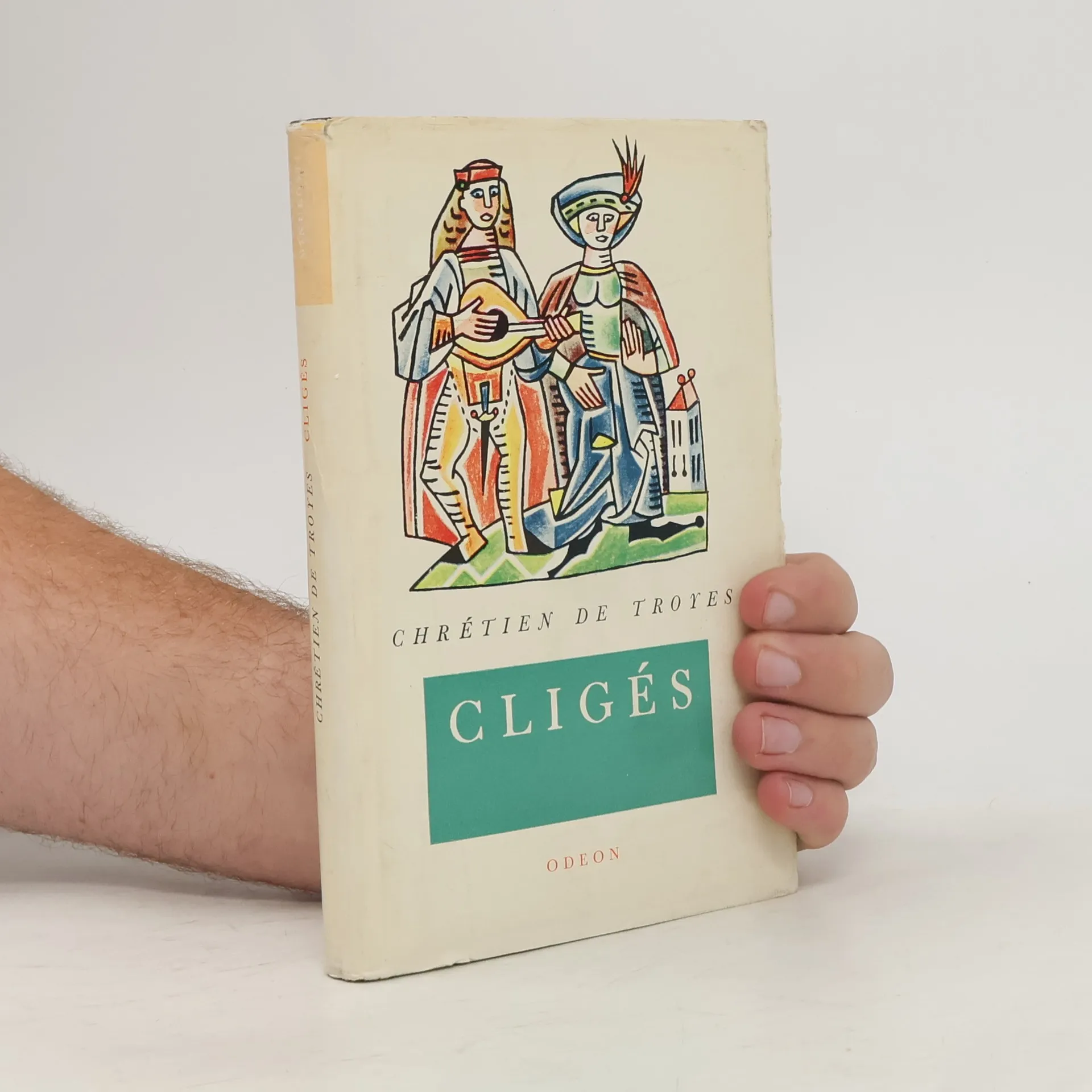
Rytířský veršovaný román francouzského básníka z 12. století (považovaného za zakladatele románu). Příběh o Cligésovi, synovi rytíře z družiny krále Artuše. Román má dvě části. V prvé se vypráví o osudech Cligésova otce před narozením syna. Druhá část, hlavní jádro celého románu, je milostným příběhem Cligése a Fenície, milenců, kteří se po zdolání mnoha protivenství a dramatických dobrodružství šťastně dostanou. Příběh, který se odehrává v Cařihradu, Anglii, Řecku a Německu, zavádí nás do středověké šlechtické společnosti.
Le Roman et l'Invention de l'Amour / Héroïsme et Amour
Lancelot, le plus fidèle des chevaliers d'Arthur, se lance dans une quête périlleuse pour délivrer la reine Guenièvre. Par amour, il transgresse les codes de la chevalerie en acceptant l'humiliation de la charrette. Cette traduction, fidèle au texte de Chrétien de Troyes et accessible aux élèves de 1ºº, révèle toute la force du roman courtois.
Extraits choisis
Lancelot ou le Chevalier de la Charrette was composed in the late 12th century by Chrétien de Troyes and finished by Godefroi de Lagny (from the text: «Le clerc Godefroi de Lagny a achevé La Charrette. Mais que personne ne lui reproche d'avoir continué le travail de Chrétien, car il l'a fait avec le complet accord de Chrétien qui l'a commencé.»: traduction de Daniel Poirion in Chrétien de Troyes, Œuvres complètes, Gallimard, La Pléiade, 1994, p. 682). It was finished around 1180 (sources: The Princeton Charrette Project at Princeton University and The Charrette Project 2 at Baylor University) This poem was the first to introduce Lancelot as one of the leading figures in the King Arthur legend. It describes the adulterous relationship between Lancelot and Guinevere, the wife of King Arthur - and the willingness of Lancelot to submit to the humiliation of being transported in the cart, the shameful vehicle used to carry men to their death on the gallows, in order to discover news of the abducted Queen Guinevere.
Suivi d'un groupement « Héros et héroïnes » - Texte intégral - Cahier photos & ateliers
En lien avec le thème « Héros, héroïnes, héroïsme » du programme de français en 5 e , le très beau roman de Chrétien de Troyes dans une adaptation d’Anne-Marie Cadot-Colin. Avec de nombreux compléments, dont un cahier photos couleurs.Le romanYvain, l’un des chevaliers les plus prestigieux de la cour du roi Arthur, s’illustre dans des combats héroïques et rassemble toutes les qualités du preux chevalier.Ses prouesses permettront-elles à Yvain, aidé de son lion, de regagner l’amour de Laudine, sa dame ?Les compléments pédagogiques• Des lectures actives au fil du texte, avec des propositions d’ateliers.• Des repères sur le récit, son genre et ses registres.• Un parcours de lecture analytique en 8 étapes.• Un groupement de documents : « Héros et héroïnes de l’Antiquité à nos jours », incluant un cahier photos• Une enquête documentaire sur l’idéal chevaleresque au Moyen Âge.
Le roman et l'invention de l'amour / Héroïsme et amour
Engagé dans une quête périlleuse pour délivrer la reine Guenièvre, Lancelot doit affronter des défis qui mettent à l'épreuve son courage et son amour. Écrit au XIIe siècle, ce roman courtois offre un regard précieux sur la société médiévale, ses valeurs, ses rituels et ses représentations de l'héroïsme.
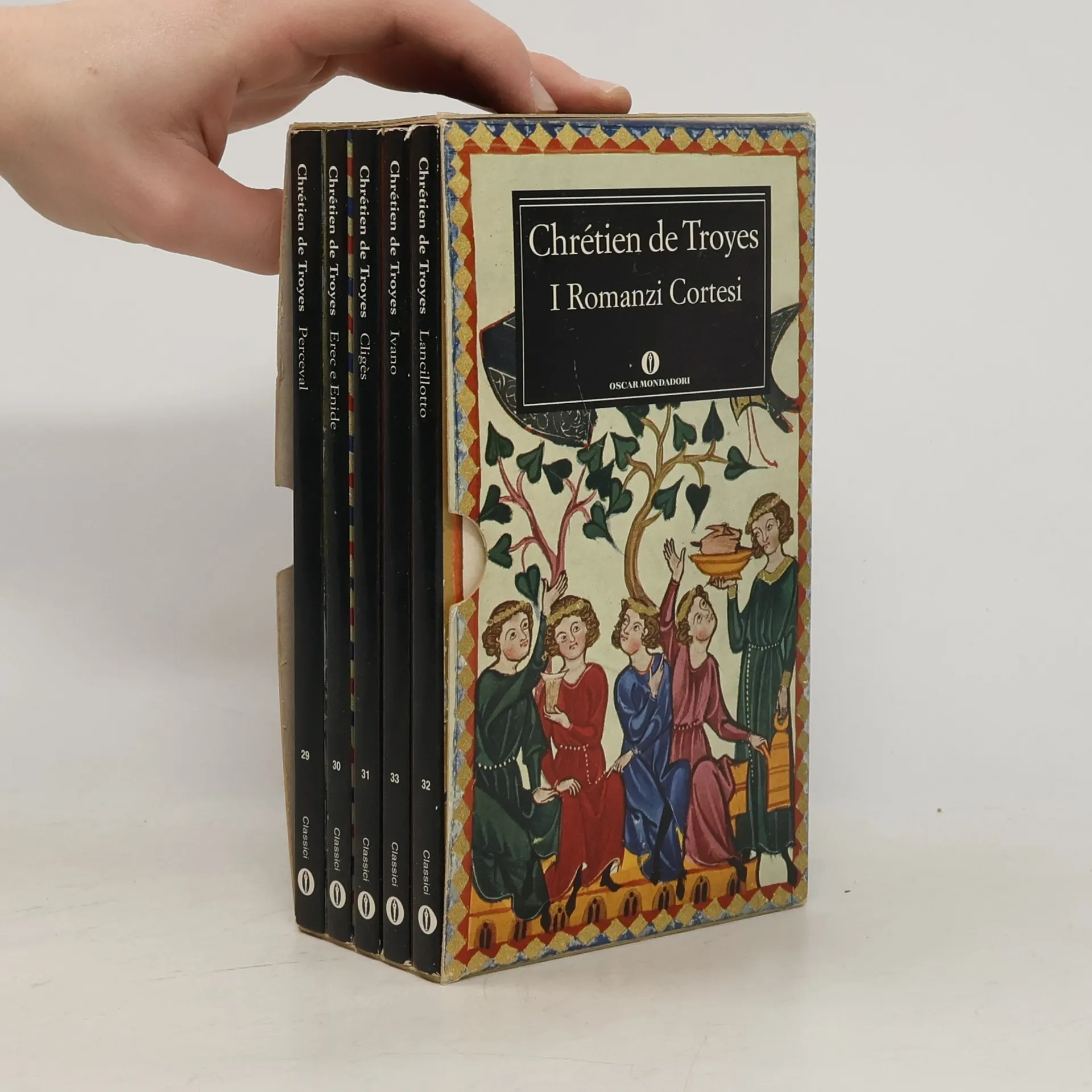
Chrétien de Troyes, attivo alle corti di Champagne e di Fiandra tra il 1160 e il 1190, viene considerato il più grande poeta del Medioevo occidentale prima di Dante. Tra le sue mani il romanzo arturiano divenne una forma superiore di narrativa cortese, un'incarnazione originalissima in cui il poeta fuse i propri concetti etici con l'imitazione dei poeti latini, l'eredità delle chansons de geste e dei romanzi antichi con una ricca messe di miti e di motivi che affondano le proprie radici nel sostrato celtico della Bretagna insulare e continentale.