Alterations
- 240 Seiten
- 9 Lesestunden
"A semi-autobiographical middle-grade graphic novel about a Canadian-Chinese boy who feels invisible at home and in school but longs to stand out"--


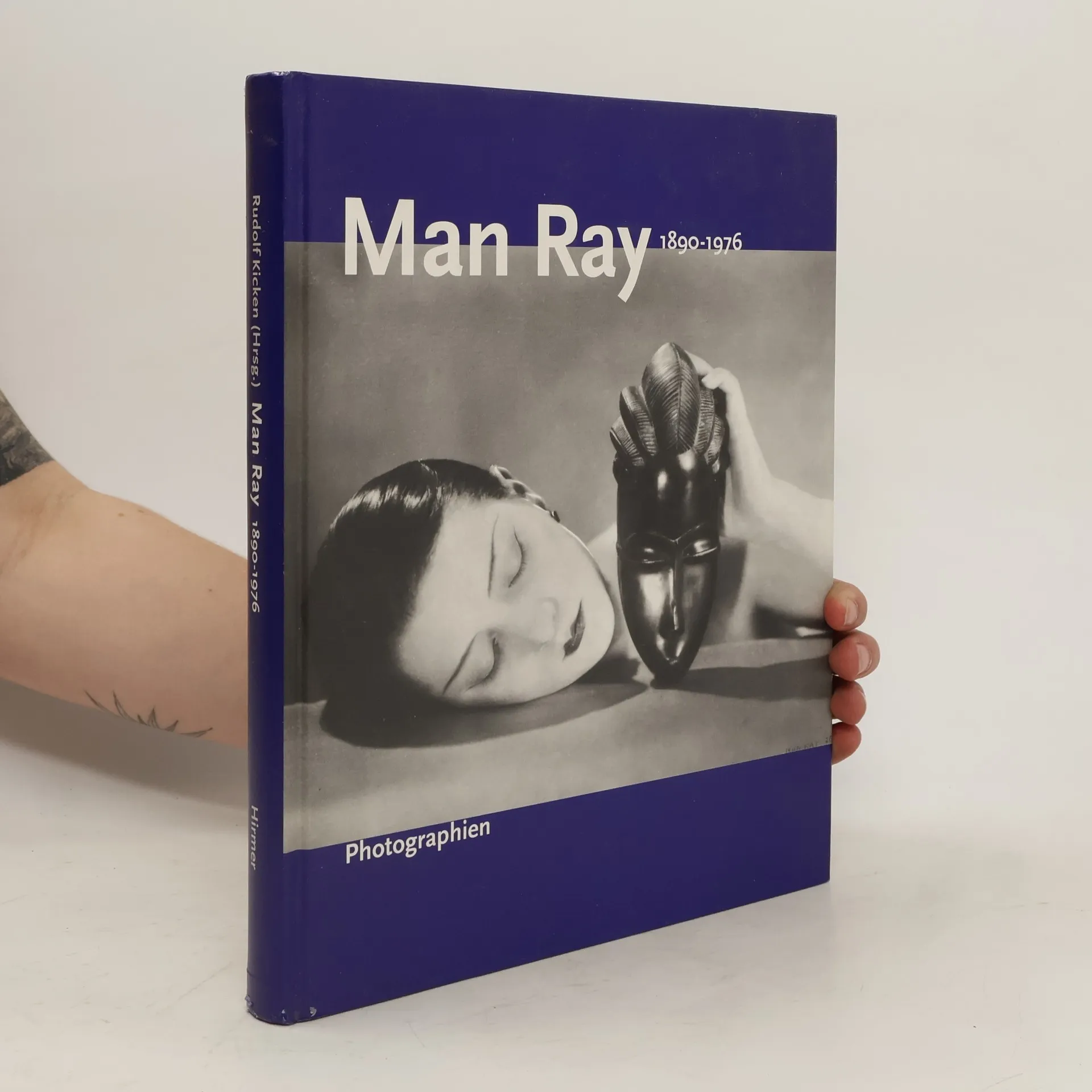
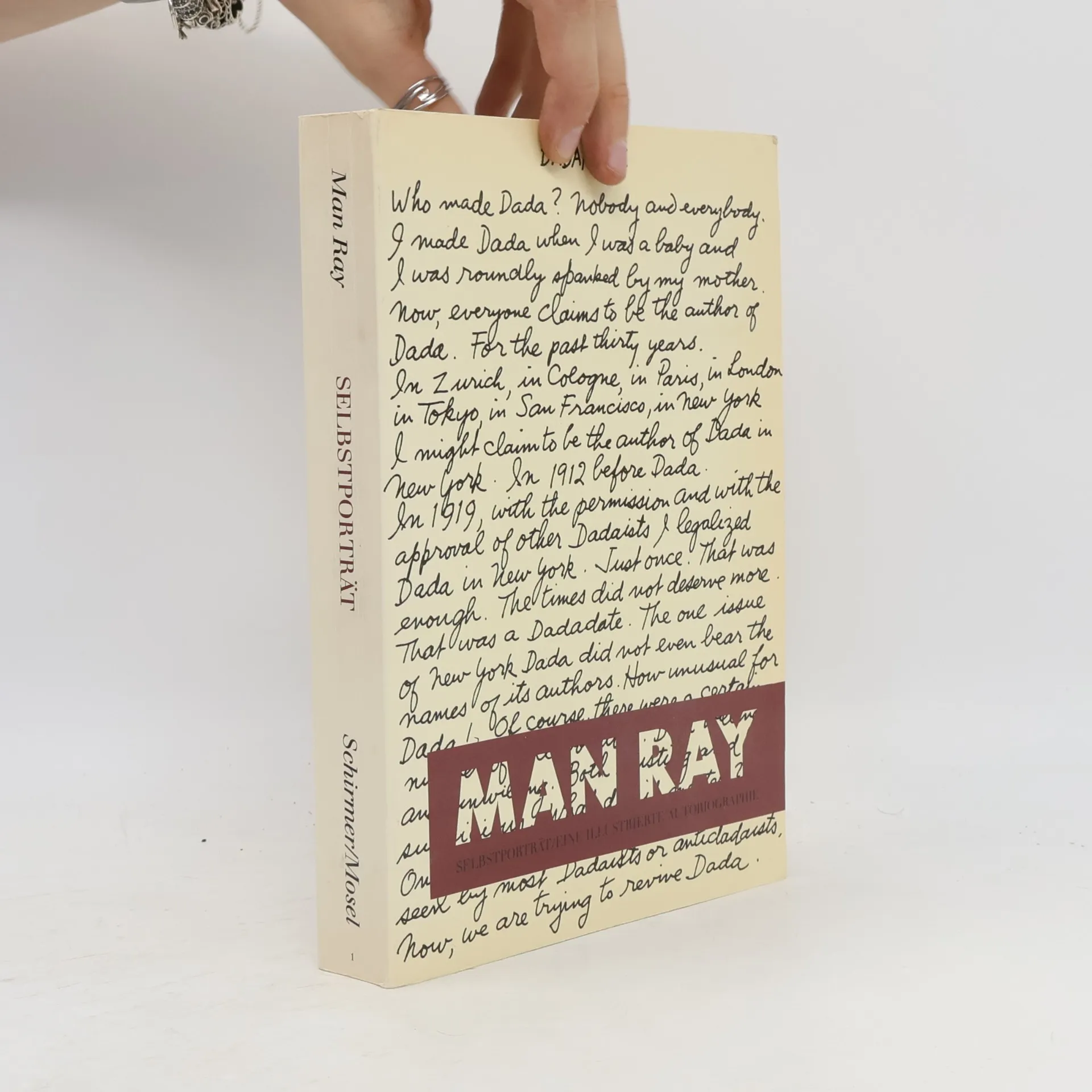
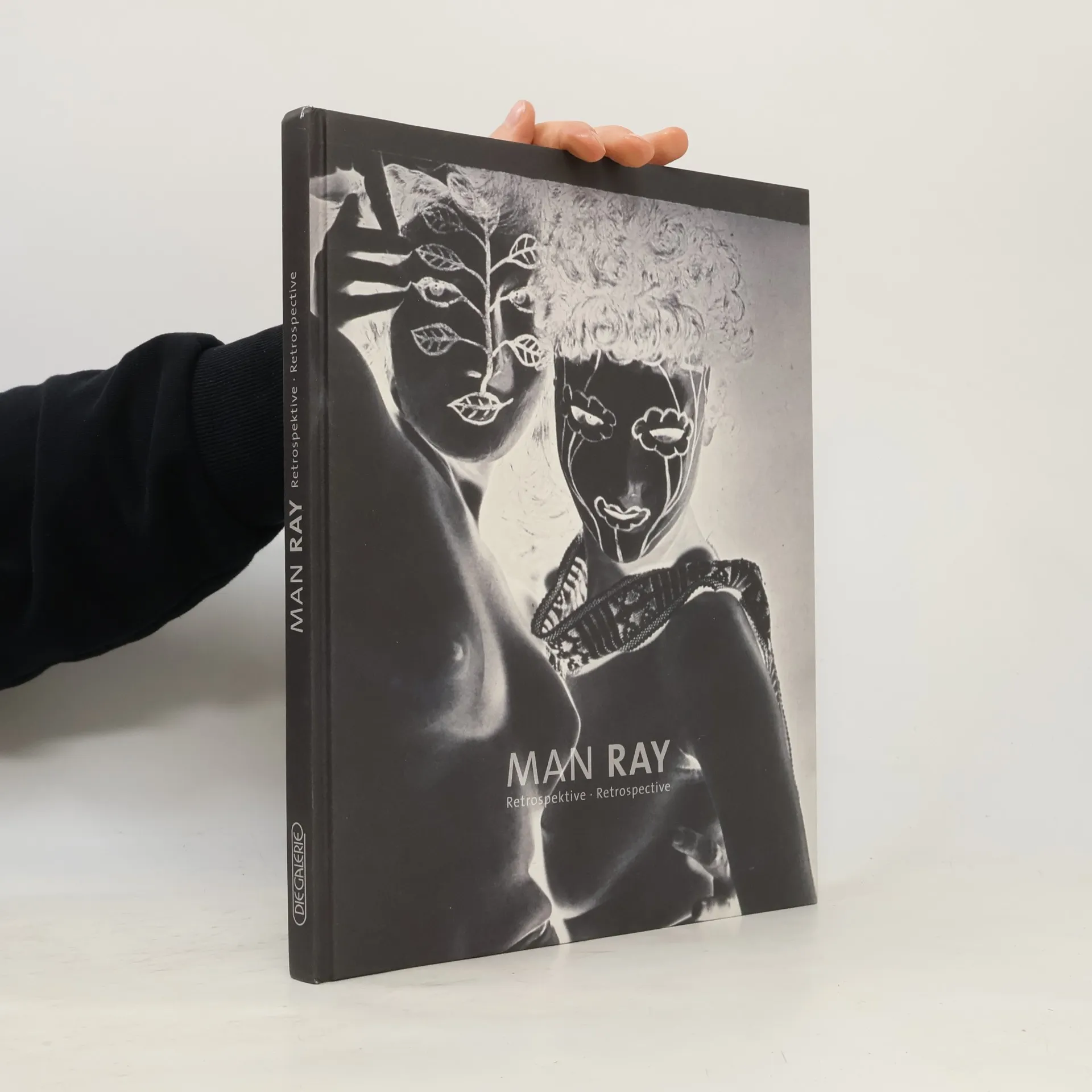
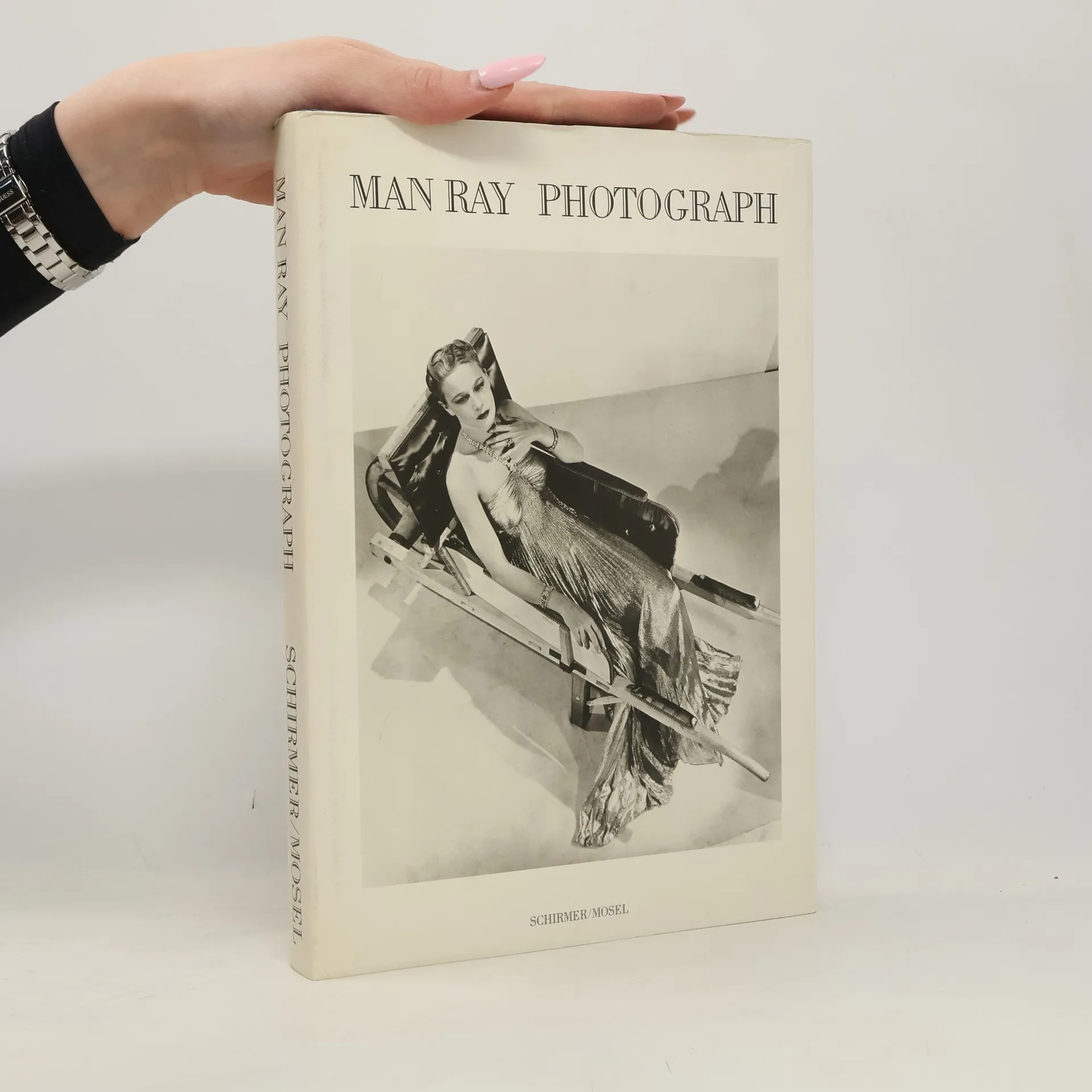
Man Ray war ein amerikanischer Künstler, der einen Großteil seiner Karriere in Paris verbrachte. Obwohl seine Verbindungen zum Dadaismus und Surrealismus informell waren, leistete er bedeutende Beiträge zu beiden Bewegungen. Am bekanntesten für seine avantgardistische Fotografie, sah er sich selbst vor allem als Maler und schuf bedeutende Werke in verschiedenen Medien. Seine künstlerische Intelligenz und sein Streben nach Vergnügen und Freiheit inspirierten ihn, die Grenzen des künstlerischen Ausdrucks zu erforschen und festigten seinen Platz als einer der einflussreichsten Künstler des 20. Jahrhunderts.



"A semi-autobiographical middle-grade graphic novel about a Canadian-Chinese boy who feels invisible at home and in school but longs to stand out"--
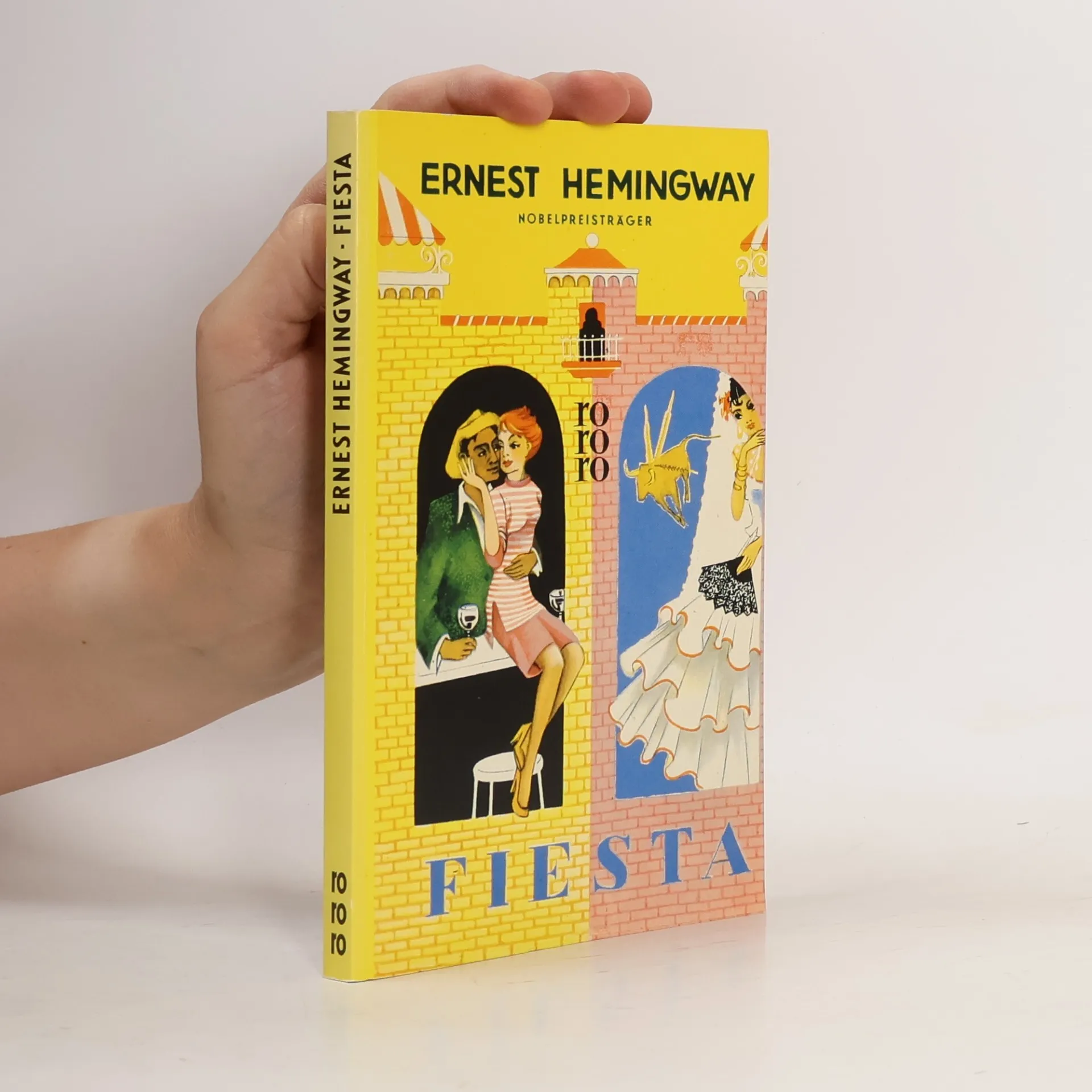
Ernest Hemingways frühester Roman „Fiesta“ aus dem Jahre 1926 ist der „verlorenen Generation“ des Ersten Weltkrieges gewidmet. Die Figuren dieses Romans leben unter der heißen sonne Frankreichs und Spaniens als Außenseiter des bürgerlichen Lebens, nachdem sie den Krieg überlebt haben, den ihre Väter verursachten. Hemingways Gestalten erfahren ein Leben in hektischer Buntheit, dessen Fragwürdigkeit sich in der letztlichen Einsamkeit der Menschen offenbart. Durch die Erlebnisse an der Front vom Tod körperlich und seelisch gezeichnet, haben sie mit der Unfähigkeit zu lieben ihre Zukunft verloren.
When American-born Surrealist Man Ray died in 1976, he left behind thousands of photo negatives, mostly portraits taken in his studio after his arrival in Paris in 1921. The Centre Georges Pompidou, which has owned them since the mid-1990s, has duly catalogued the collection of negatives and is now in a position to bring out what is an encyclopedic publication in the best sense of the term. It attests both to Man Ray s ability as a portrait photographer and to the quality of his archive as a monument to cultural history. The catalog features 500 portraits, each of which is explained in a short commentary. Since Man Ray's clientele was made up of members of Dadaist and Surrealist circles, of artists and painters, of writers and US emigrants of the Lost Generation, of aristocrats, and paragons of the worlds of fashion and theater, the book is at the same time a marvelous Who's Who and an indispensable reference work for a broad range of different historians and scholars of the 20th century.
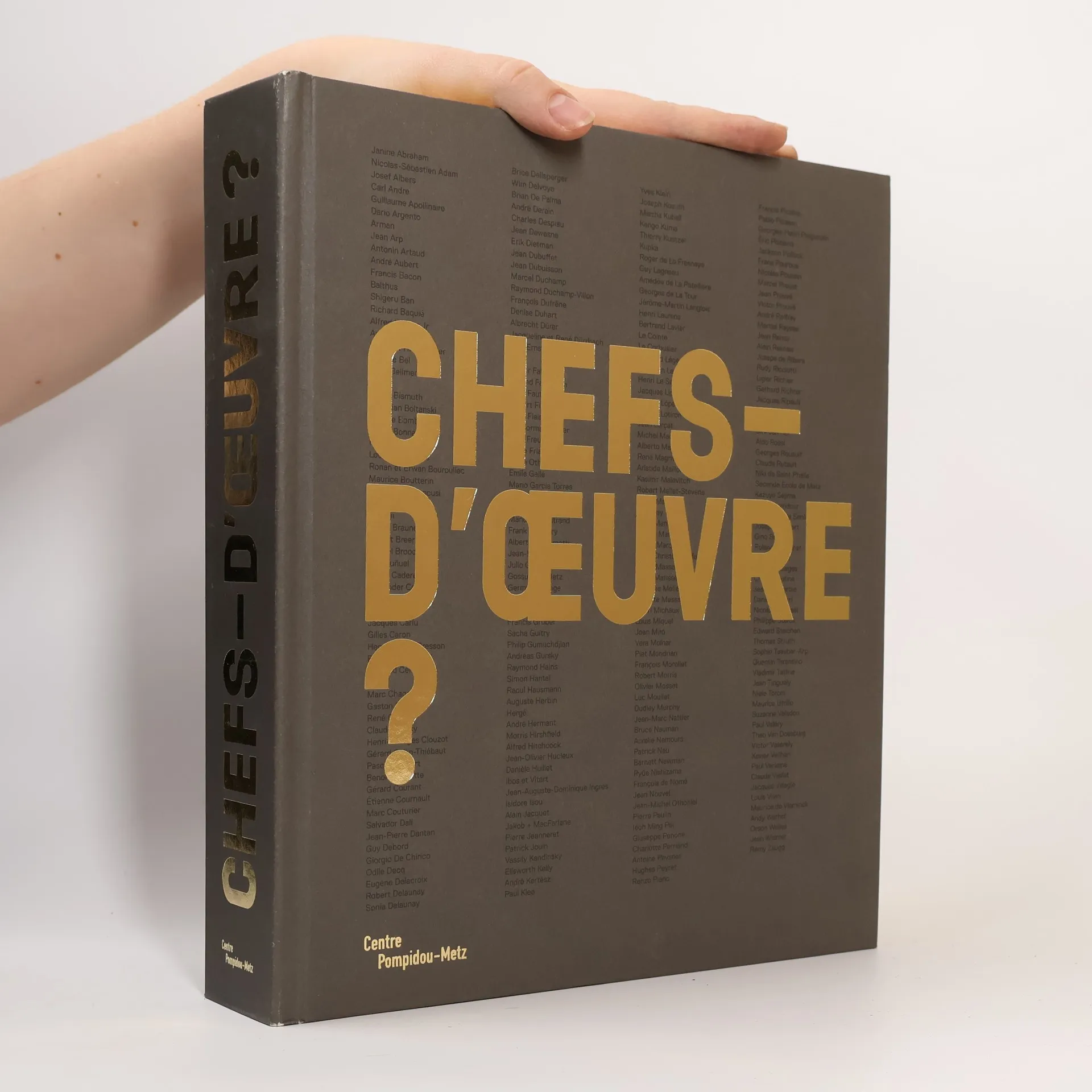
Chefs d'uvre L'exposition d'ouverture du centre Pompidou-Metz.
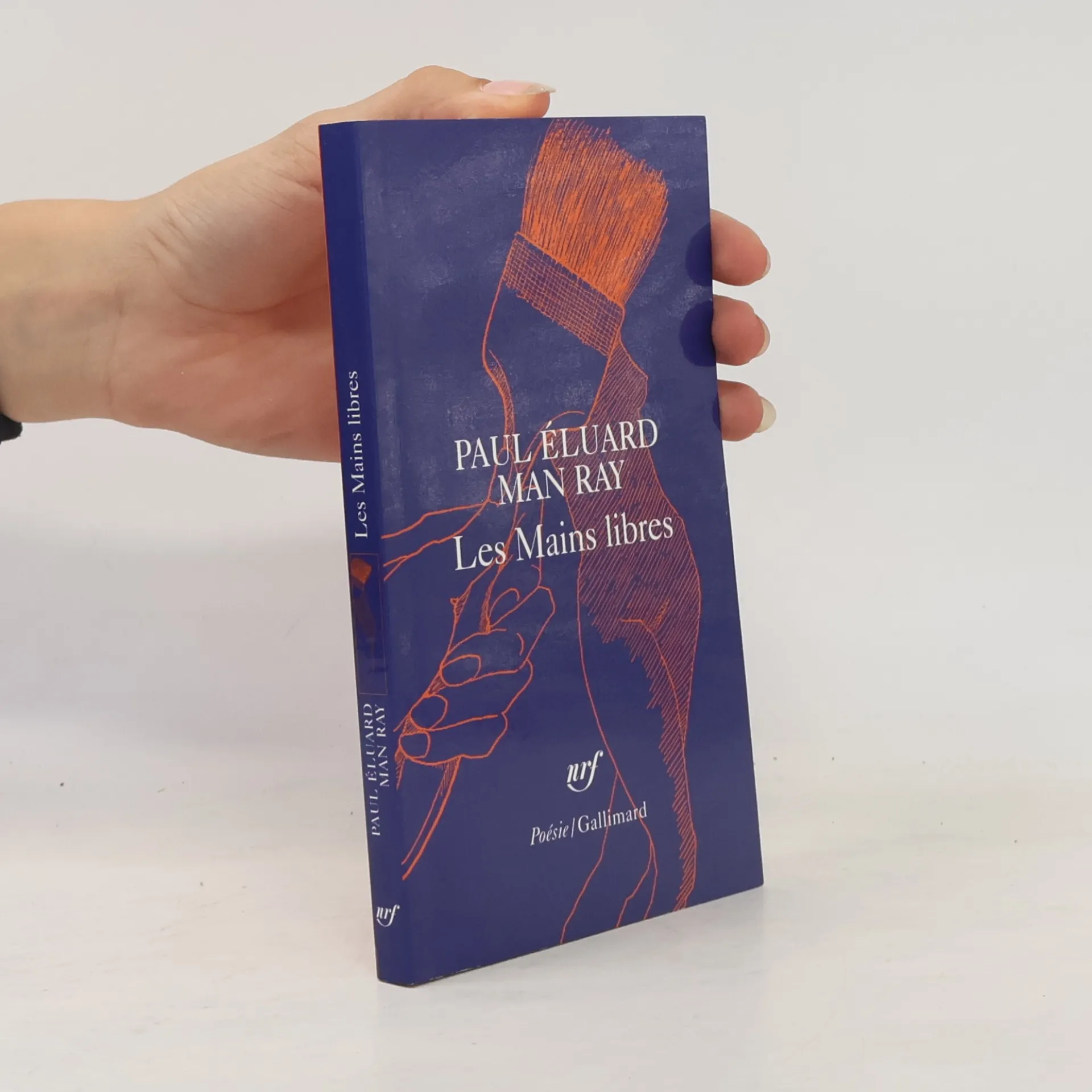
Ce recueil est un modèle de complicité artistique, les deux auteurs engendrant une oeuvre qui exige que les dessins de l'un et les poèmes de l'autre demeurent indissociables. Renversant l'ordre habituel des choses, Paul Éluard avait d'ailleurs tenu à préciser sur la page de titre du manuscrit de travail des Mains libres que c'était lui, le poète, qui avait "illustré" les dessins de Man Ray. En fait d'illustrations, les textes entrent plutôt en résonance intuitive avec les propositions graphiques : on dirait face à face des traits et des mots qui, tous, ont finalement fonction d'embarcadères et prennent un malin plaisir à jouer de l'égarement ou à décupler les destinations imprévues. Toutes les pages de ce livre témoignent d'une intuition active et partagée, toujours en mouvement, toujours éclairante. Deux artistes, avec leurs armes propres, y découvrent leur champ commun. Ils ont les mains libres, mais avec, en plus, le bonheur d'être ensemble.
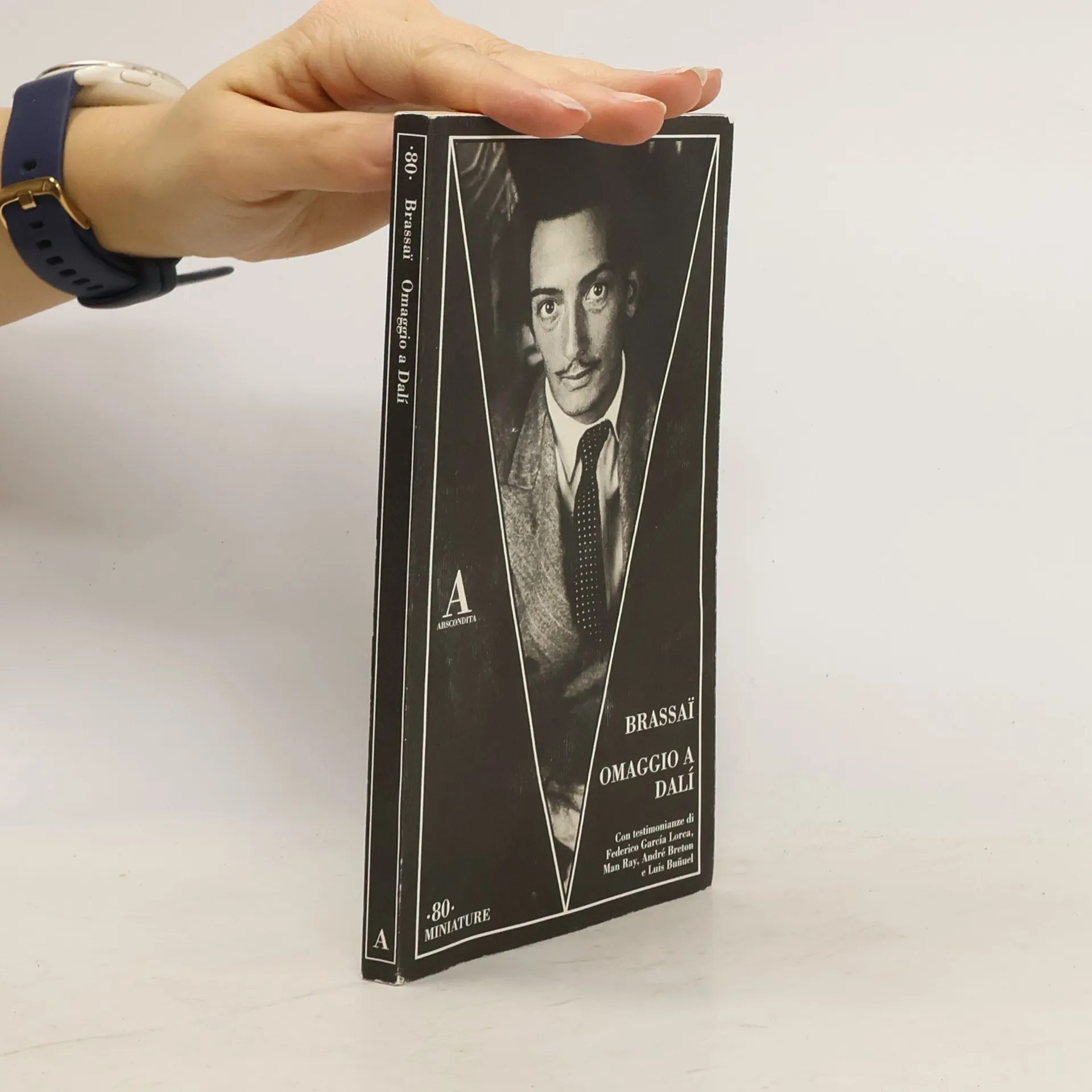
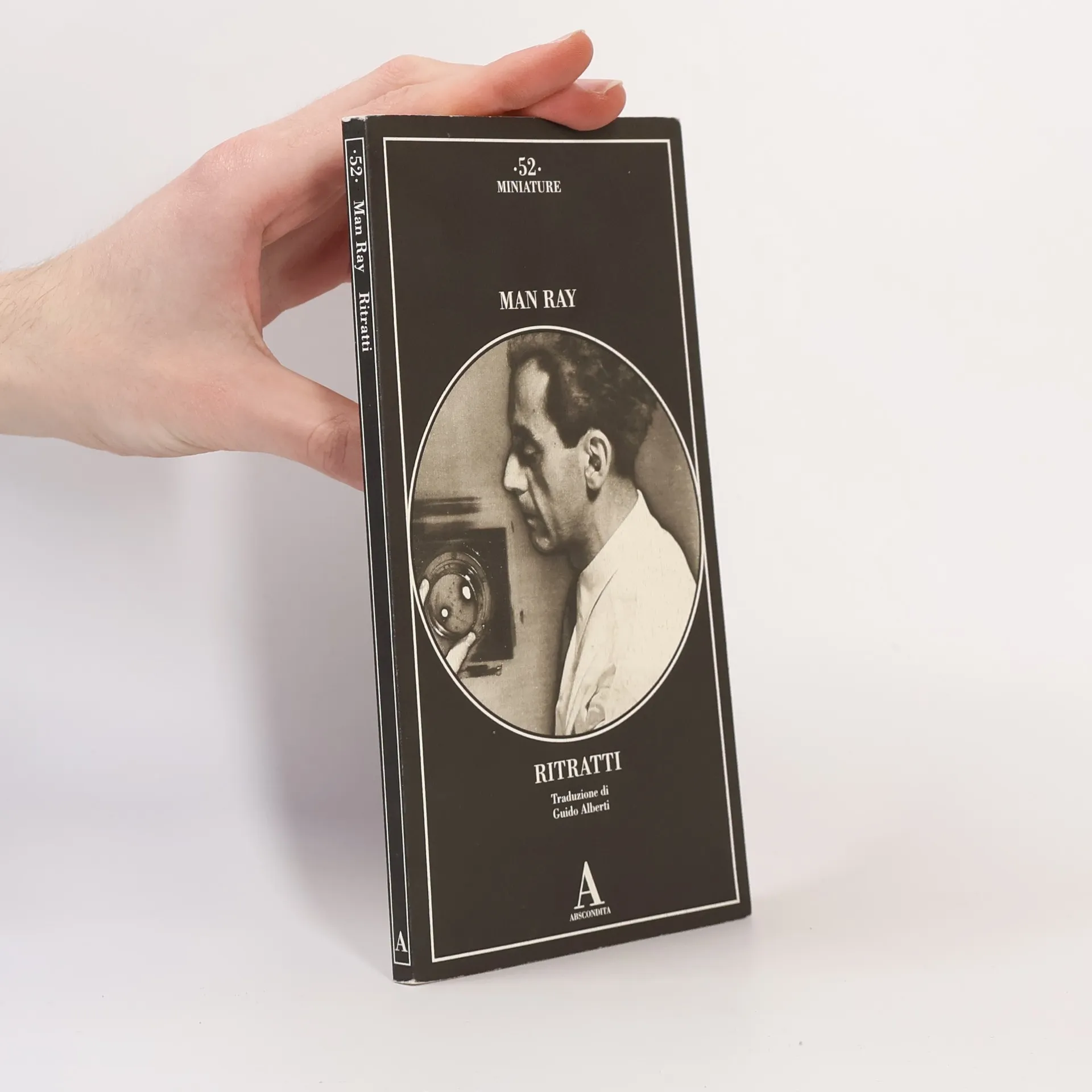
Realizzando i ritratti delle personalità qui raccolte - da Picasso a Virginia Woolf, da Jean Cocteau a Henry Miller, da T. S. Eliot a Luis Bunuel, fino a modelle o attrici sconosciute - il fotografo si è interessato esclusivamente al volto dei suoi modelli, senza tener conto della loro situazione o della loro celebrità, né della maggiore o minore simpatia che potevano personalmente ispirargli. Quando in seguito ha potuto fare una più approfondita conoscenza di alcune delle persone ritratte, i suoi sentimenti nei loro confronti si sono precisati, poco importa come. Per esprimere questo interesse l'autore è ricorso a un giochetto un tempo in voga fra i surrealisti: ha attribuito un venti quando era in perfetta sintonia con la personalità e nutriva per la sua fotografia un apprezzamento senza riserve. Partendo da questa base, ha quindi classificato ciascun soggetto e ciascuna immagine da zero a venti. Il lettore può modificare a suo piacimento tali valutazioni. Anche il breve commento con cui l'autore ha accompagnato ogni ritratto, e che a suo avviso caratterizza il modello, esprime un giudizio del tutto personale. Esso non deve in nessun caso esser considerato come definitivo.
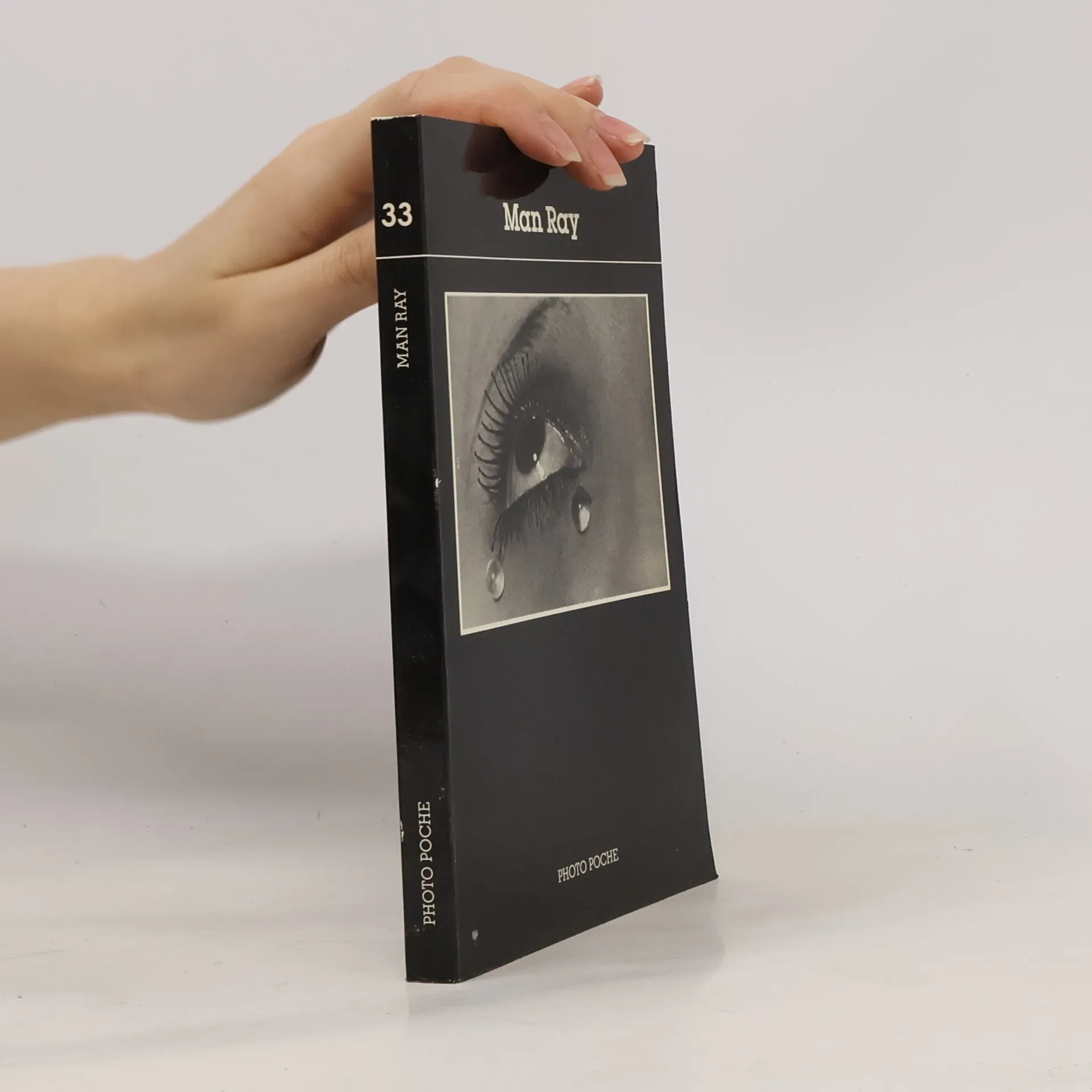
Man Ray found the surreal in the commonplace, particularly in the female form, and this has made his photography some of the world's most accessible and his ubiquitous La Violin d'Ingres creates a cello from a woman's torso with the addition of curliqued vents inked on her sides; his classic image of shining cinematic tears glistening on a powdered cheek has been tucked into mirror frames all over the world. This collection of more than 130 pictures dated between 1920 and 1950 covers not only Ray's work as one of the world's leading avant-garde artists--he was a tireless experimenter who participated in the Cubist, Dadaist and Surrealist art movements--but also his commercial work. It includes fashion photography and advertising images; portraits of many artists, including Marcel Proust, Marcel Duchamp and Andre Breton; and a portfolio of 26 Femmes. Art dealer Giorgio Marconi, who met May Ray in 1966 in Milan, contributes an insightful interview.
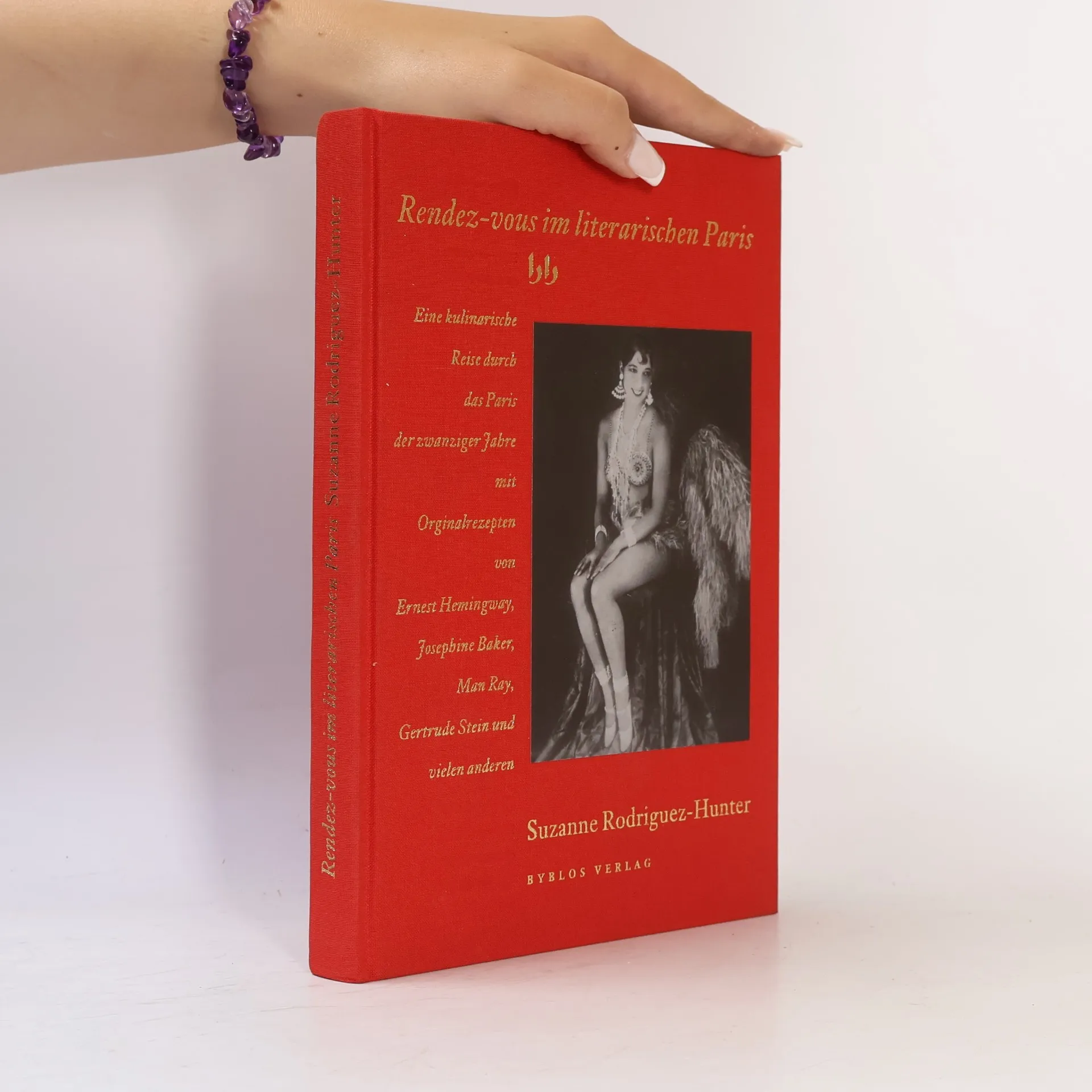
Eine kulinarische Reise durch das Paris der zwanziger Jahre mit Originalrezepten von Ernest Hemingway, Josephine Baker, Man Ray, Gertrude Stein und vielen anderen
Masterful collection of 60 works by a supreme artist with an unerring ability to capture his subject’s personality on film. Revealing portraits of Jean Cocteau, Salvador Dalí, Ernest Hemingway, Virginia Woolf, James Joyce, Gertrude Stein, Pablo Picasso and many other luminaries. New English translations of Introduction and captions.
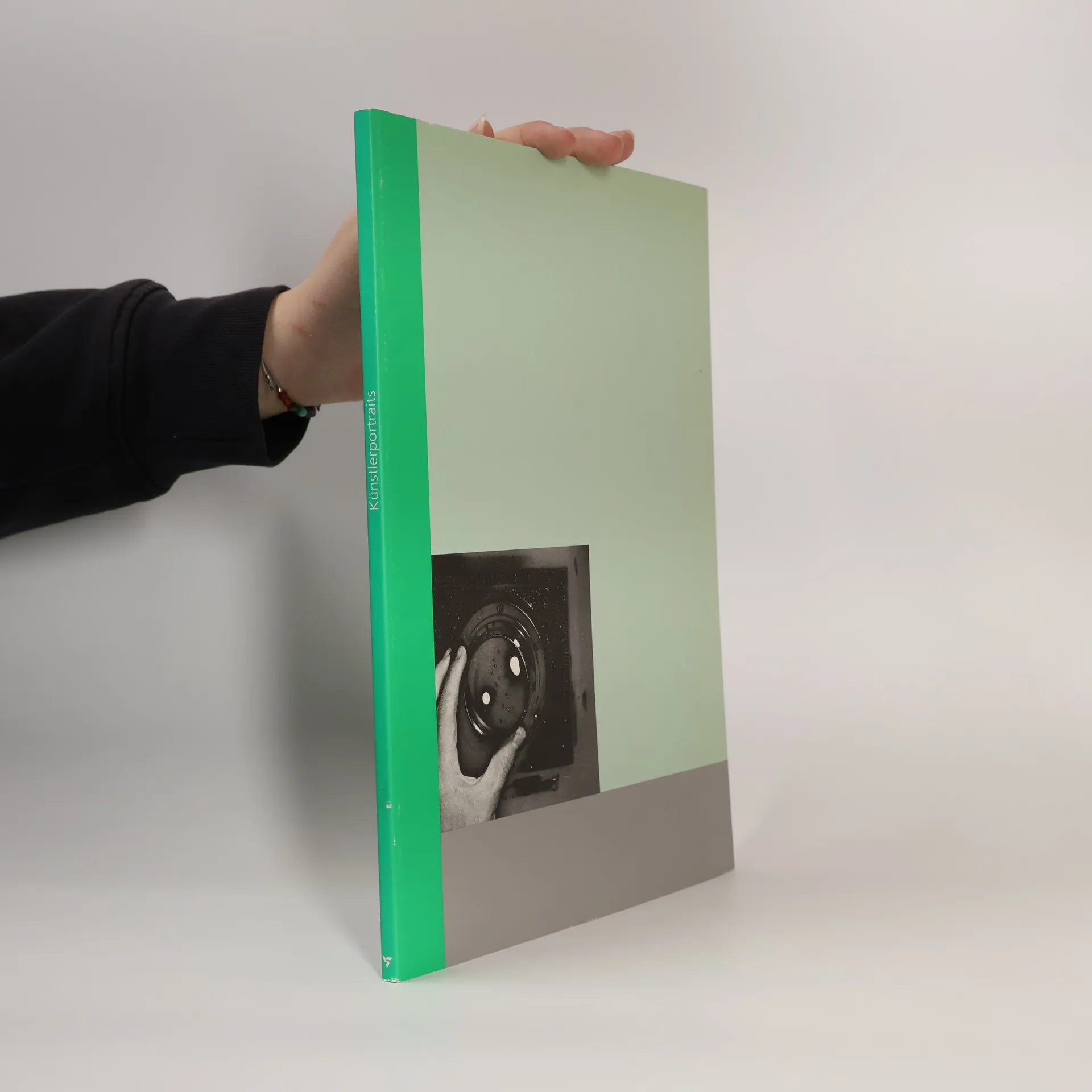
Herausgegeben Von Rudolf Kicken ; Mit Texten Von Wendy Grossman ... [et Al.]. Catalog Of An Exhibition Held Sept. 19, 1996-jan. 26, 1997 At Kunsthaus Wien. Includes Bibliographical References (p. 263).
Lié au surréalisme, Man Ray s'est joué de la technique photographique comme du sens caché des images. Il participera à la mutation des valeurs esthétiques.
Dada represents artistic free-thinking. Man Ray (1890–1976), an American photographer, painter, designer, sculptor, and filmmaker, arrived in Paris in 1921, where he was inspired by the irrationality of Dada and the surreal vision of Surrealism. He created striking images that transform perceptions of reality. This volume features a rich selection of his works from the 1920s and 30s, reproduced on coated stock to preserve their dramatic impact. Ray's innovative techniques included over and underexposure, shooting through fabrics, superimposing images, and focusing on minute details. He embraced the artificiality and strangeness that arose from breaking conventional presentation modes. The photographs are organized into five categories: general subjects (still lifes, landscapes, etc.), female figures (mainly nudes), women's faces (including Gertrude Stein), celebrity portraits (Ray, Dalí, Picasso, and others), and rayographs, which are "cameraless" compositions. Ray's photographs challenge conventional aesthetics and remain significant in the art world.