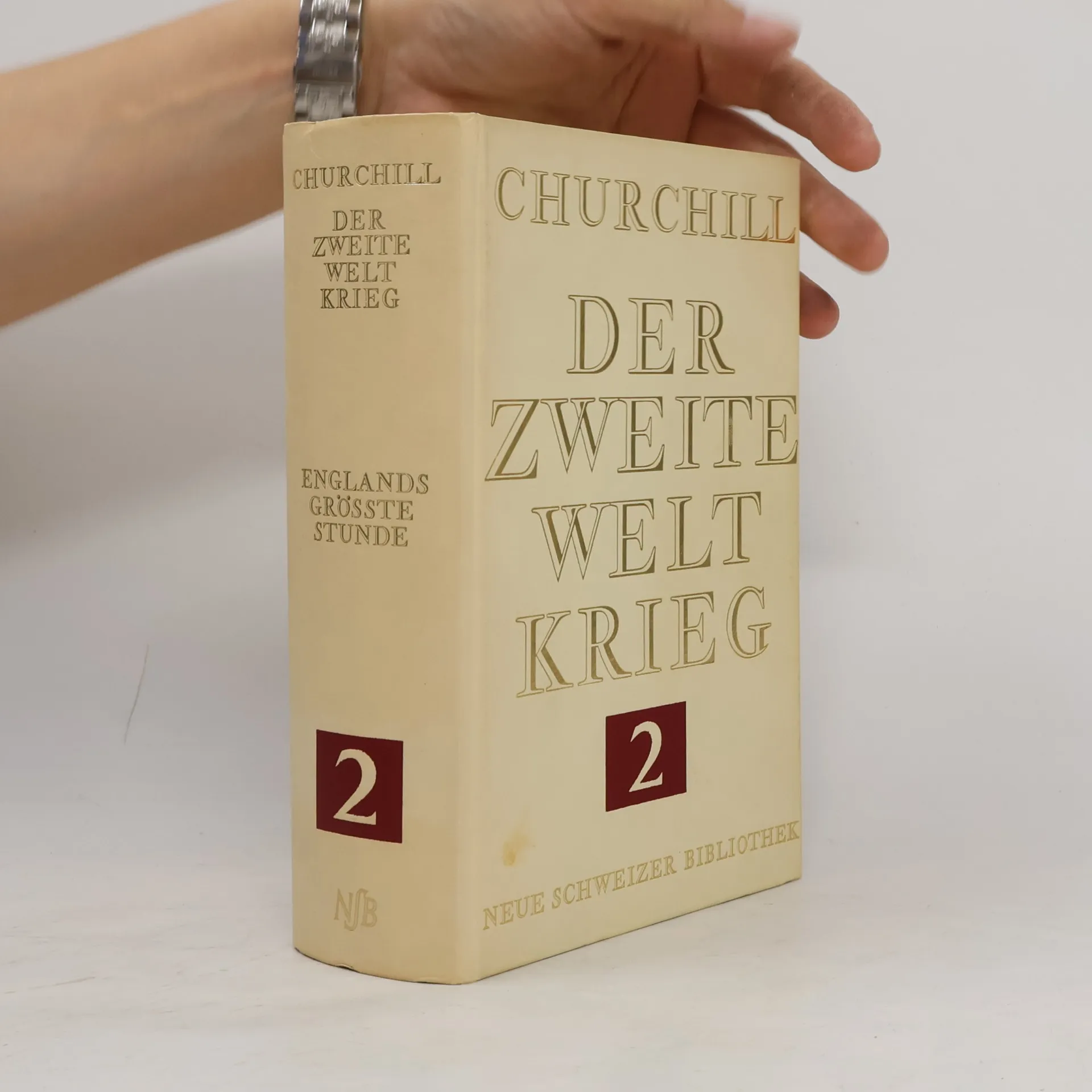
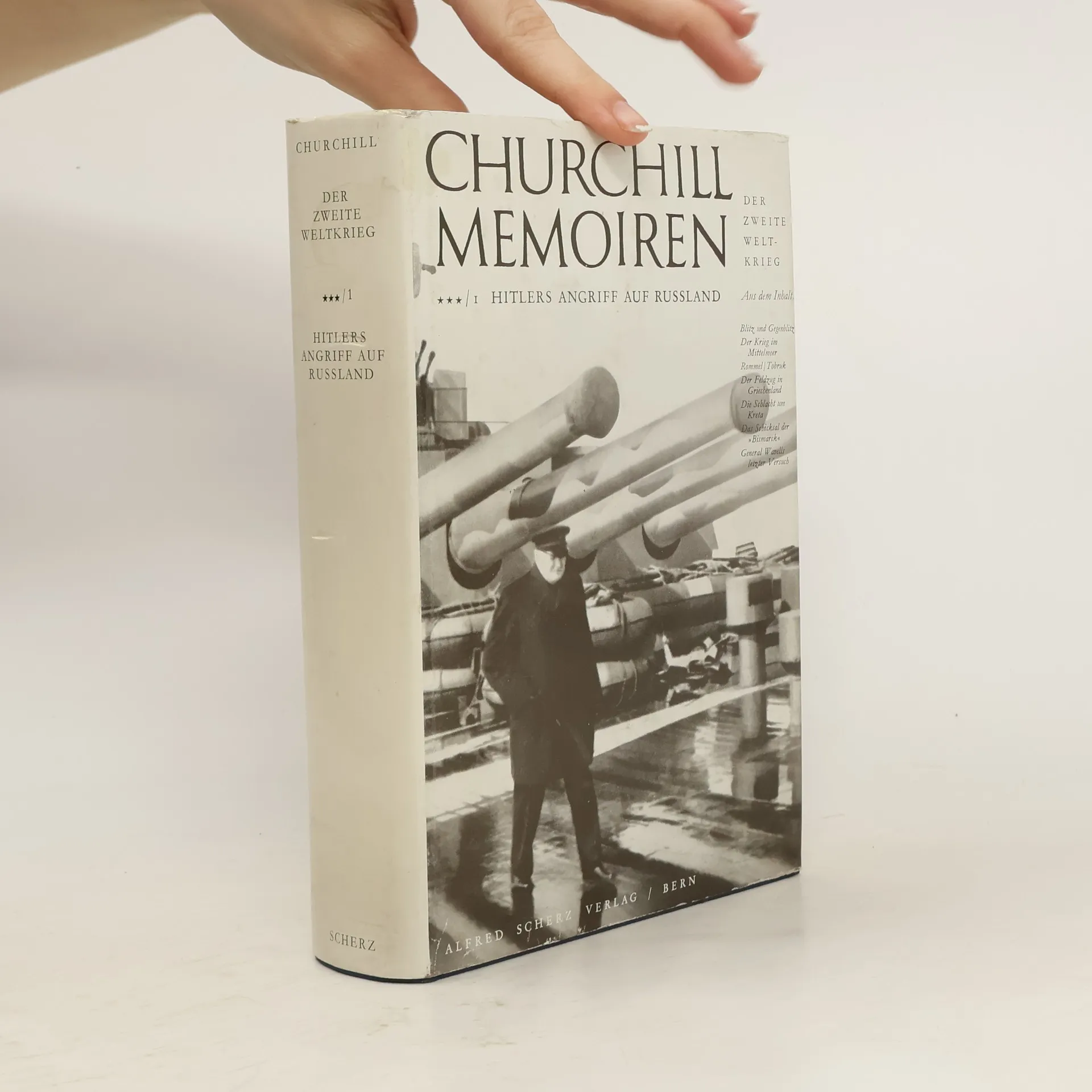
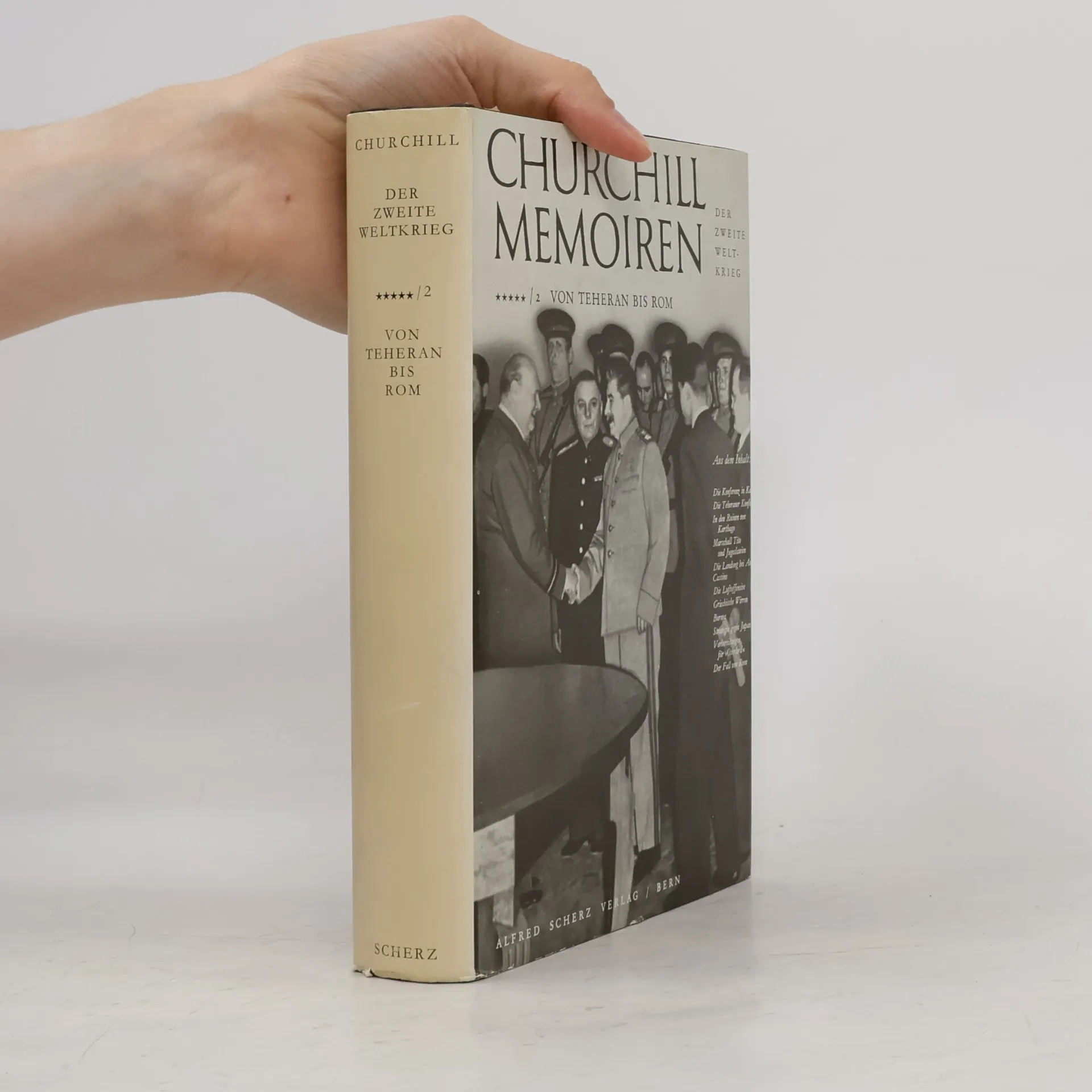
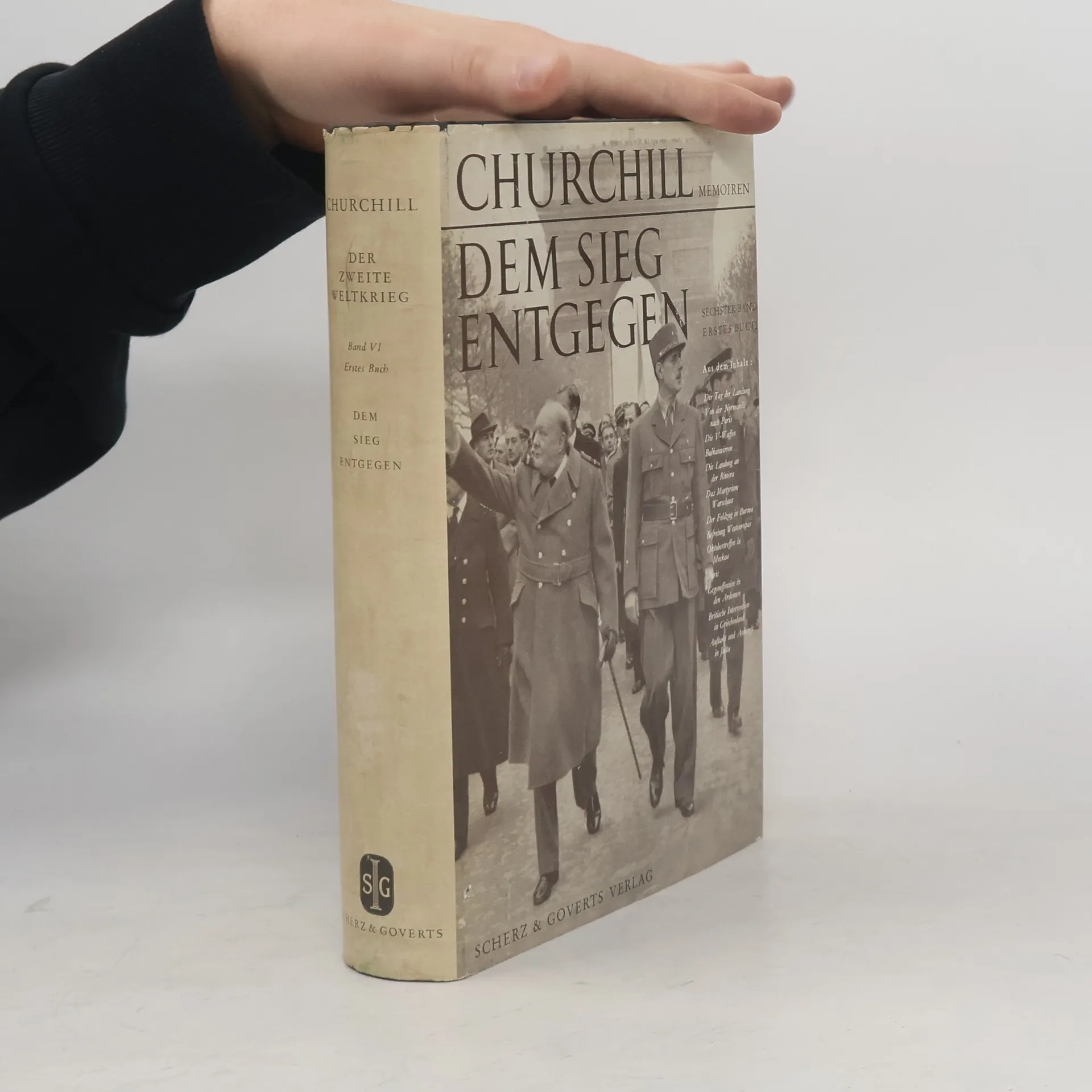
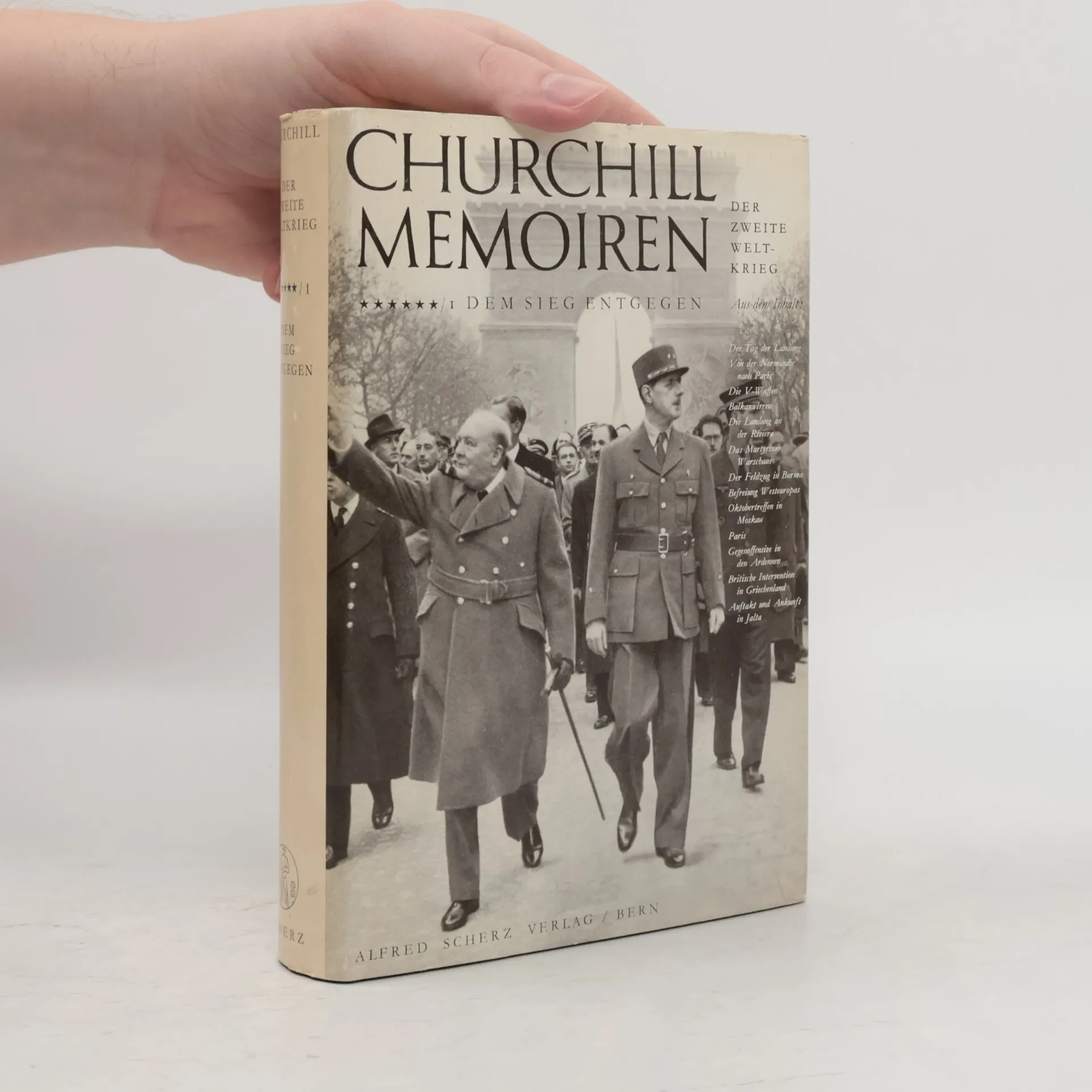
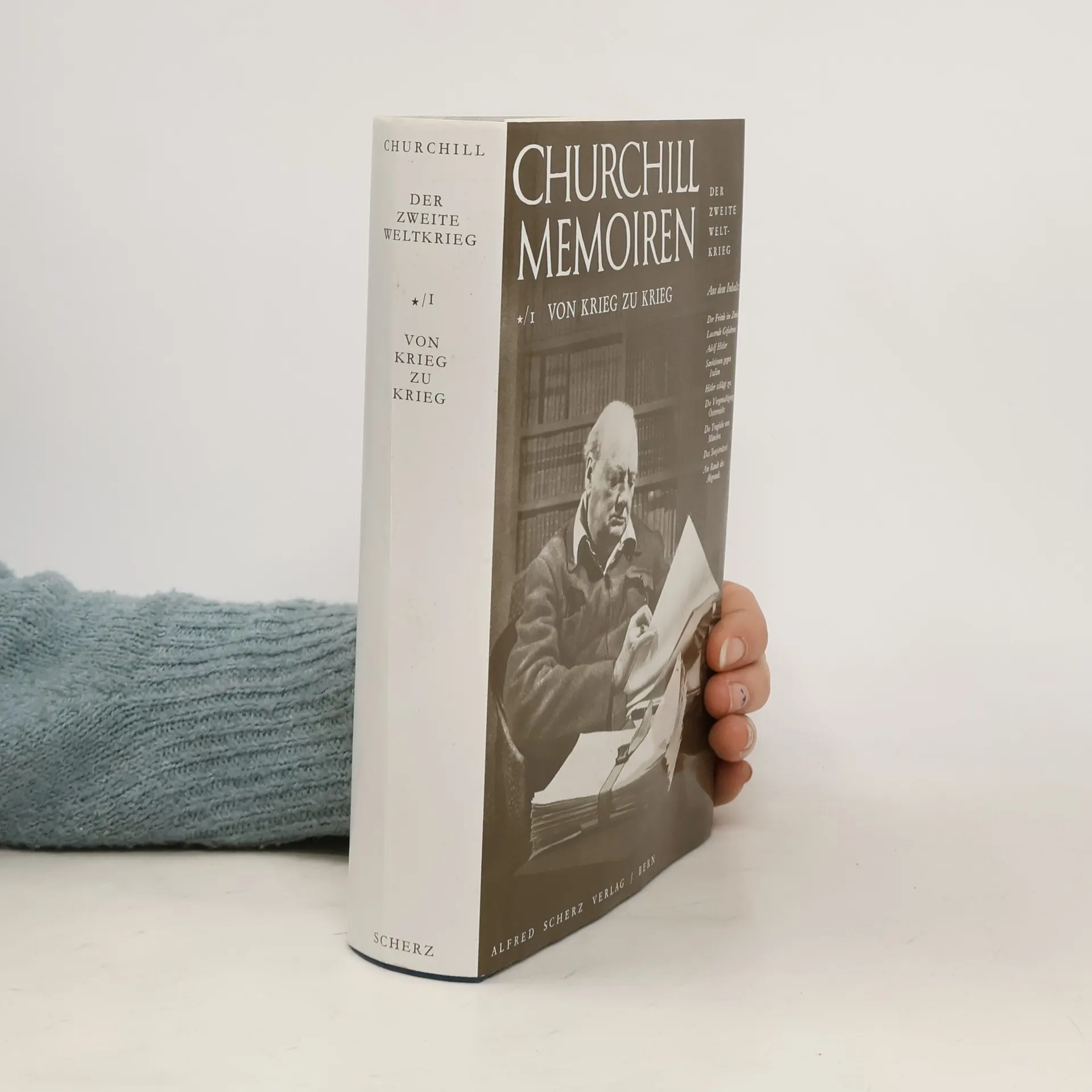
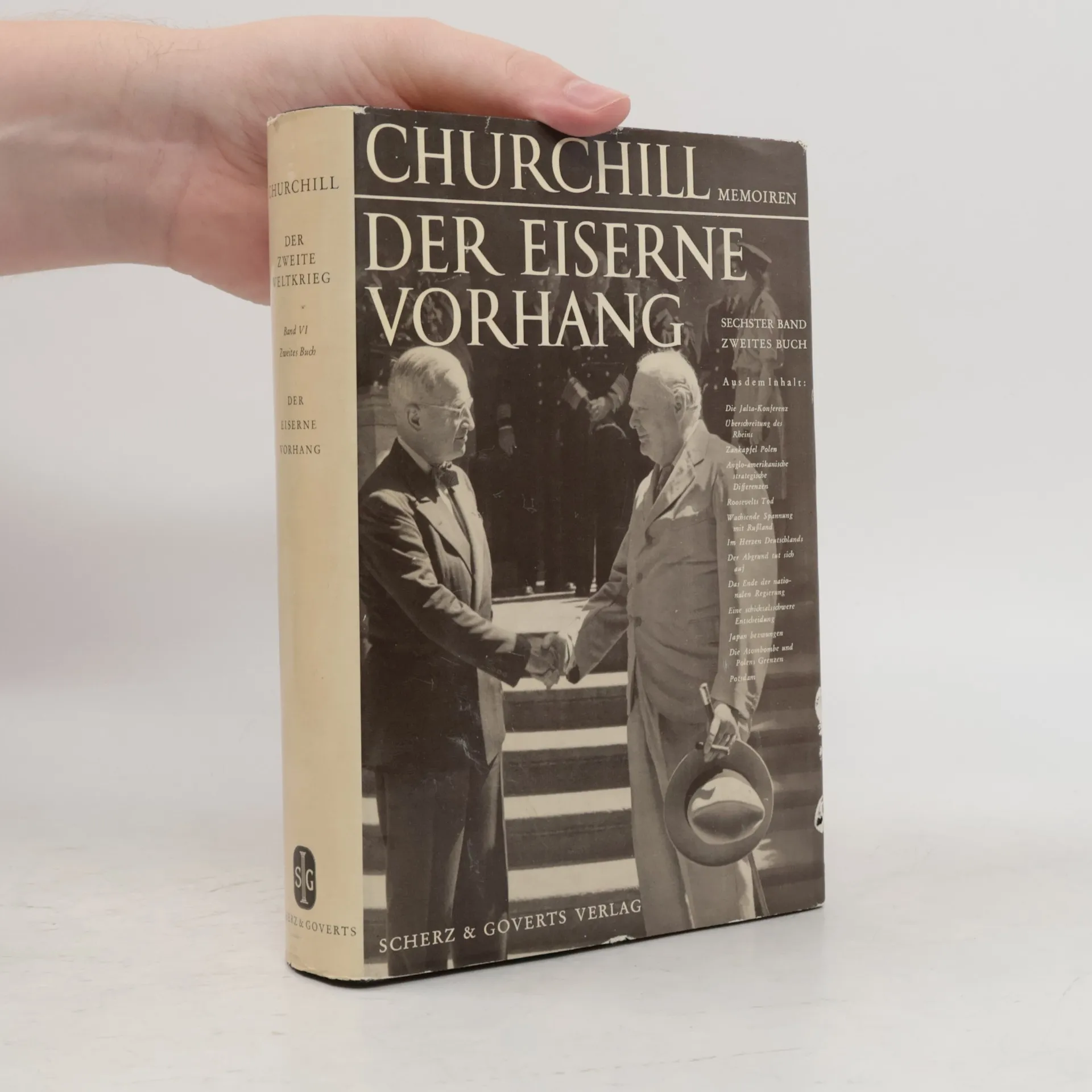
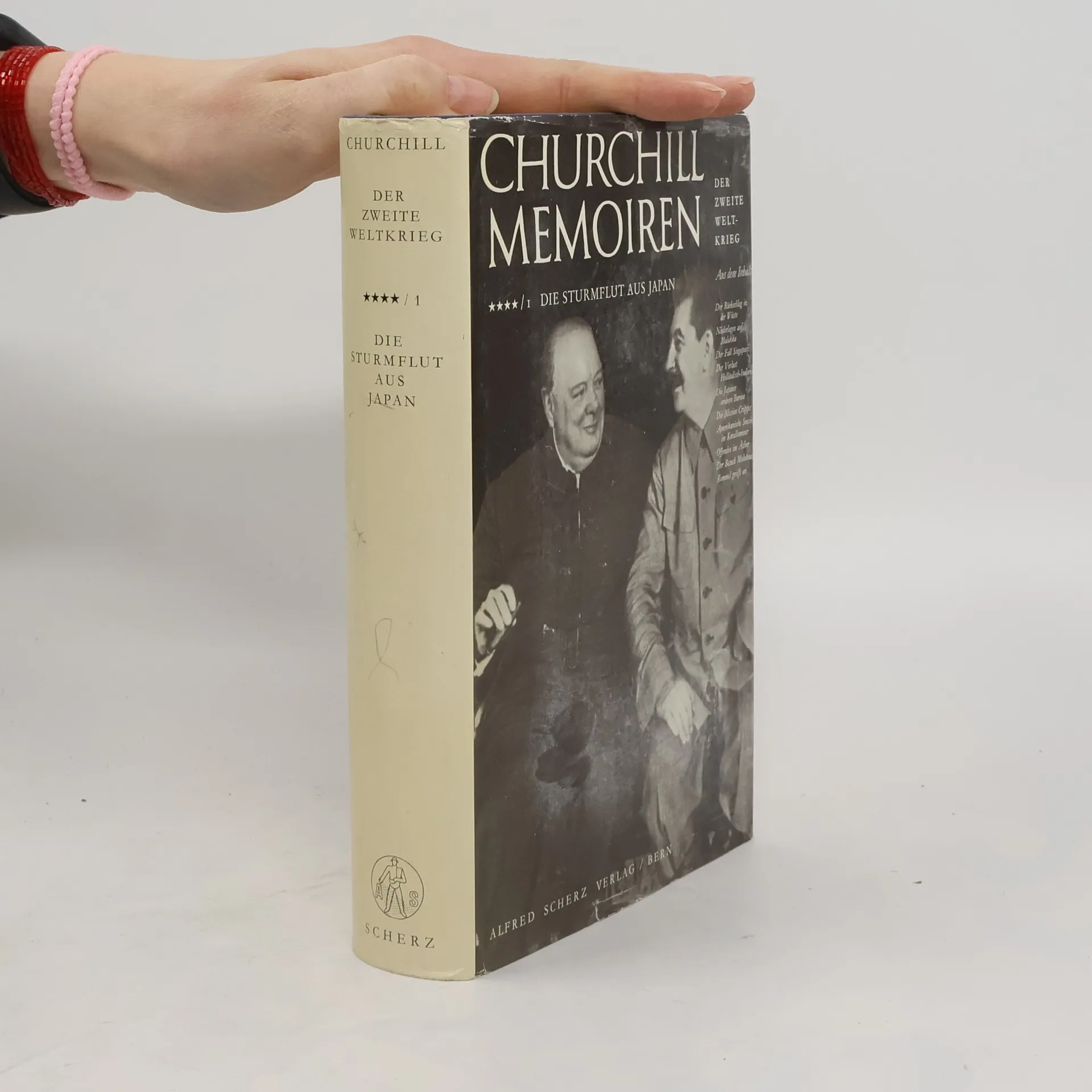
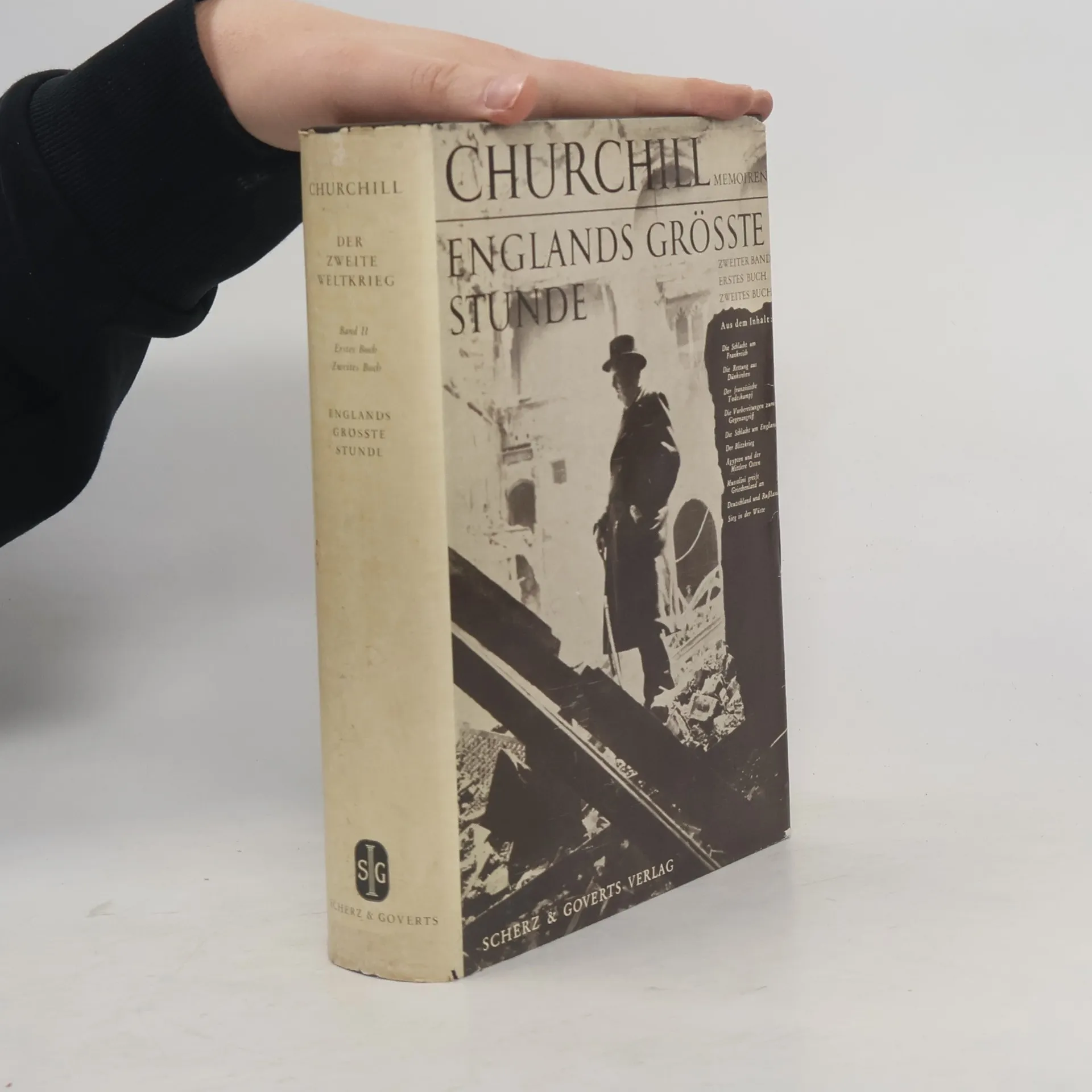
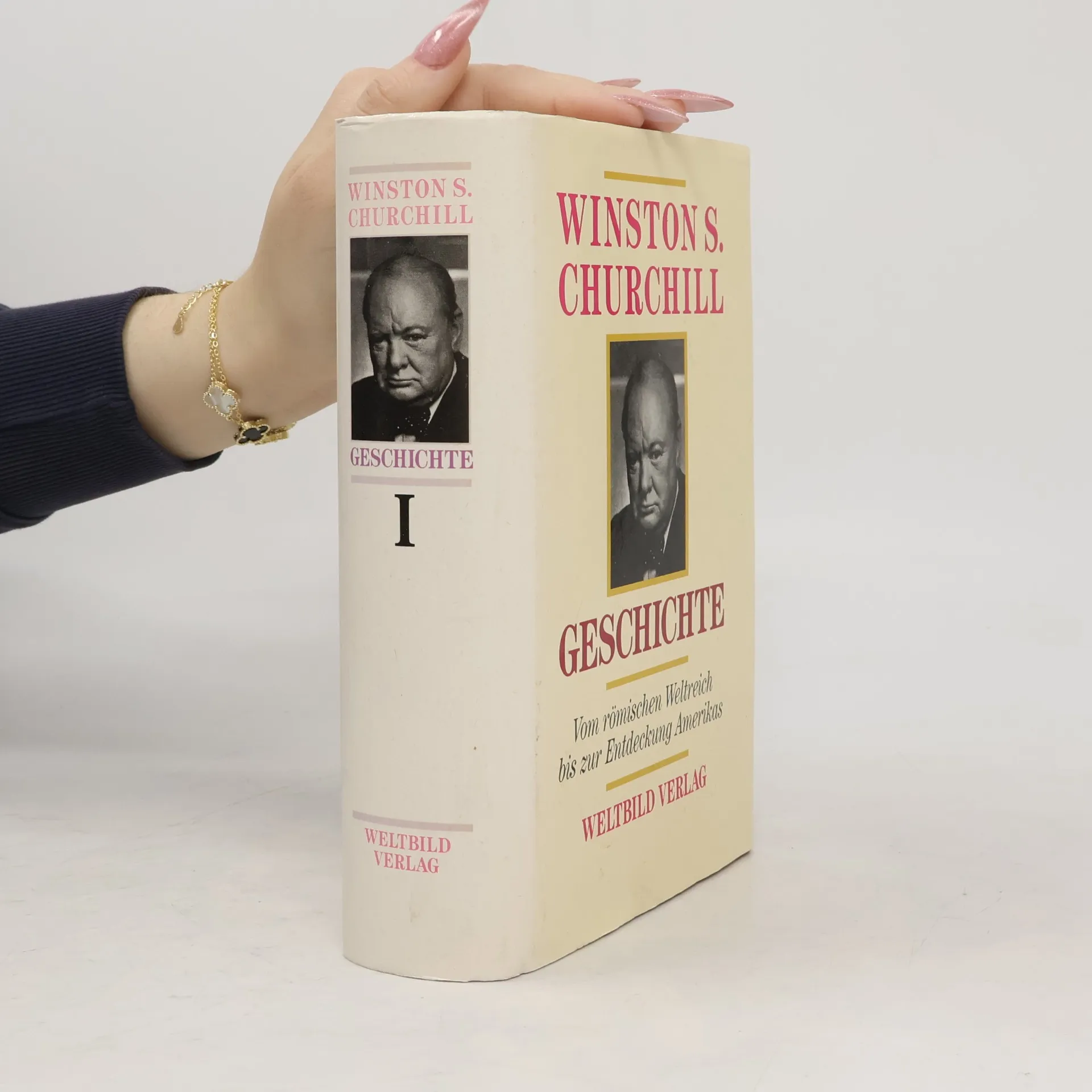
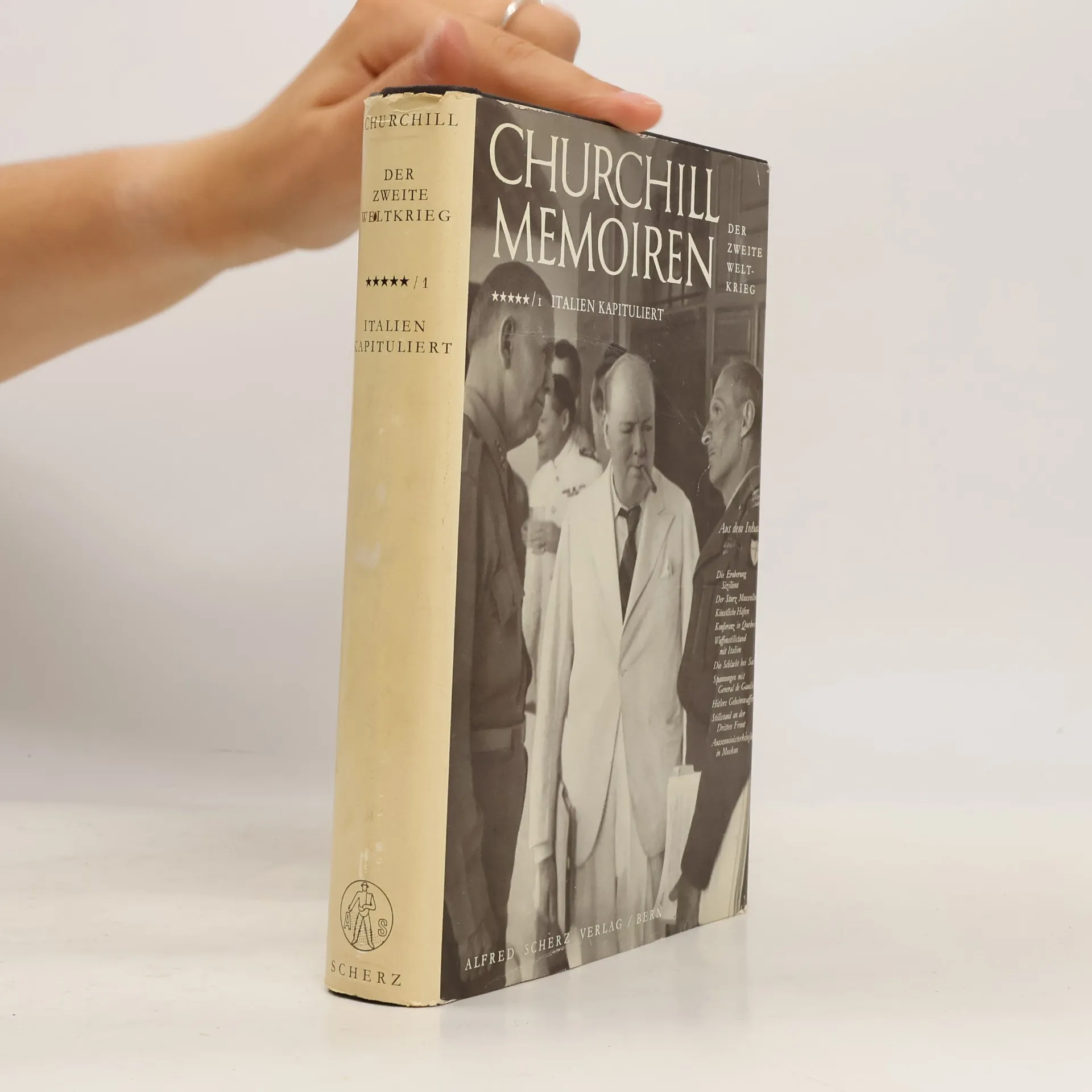
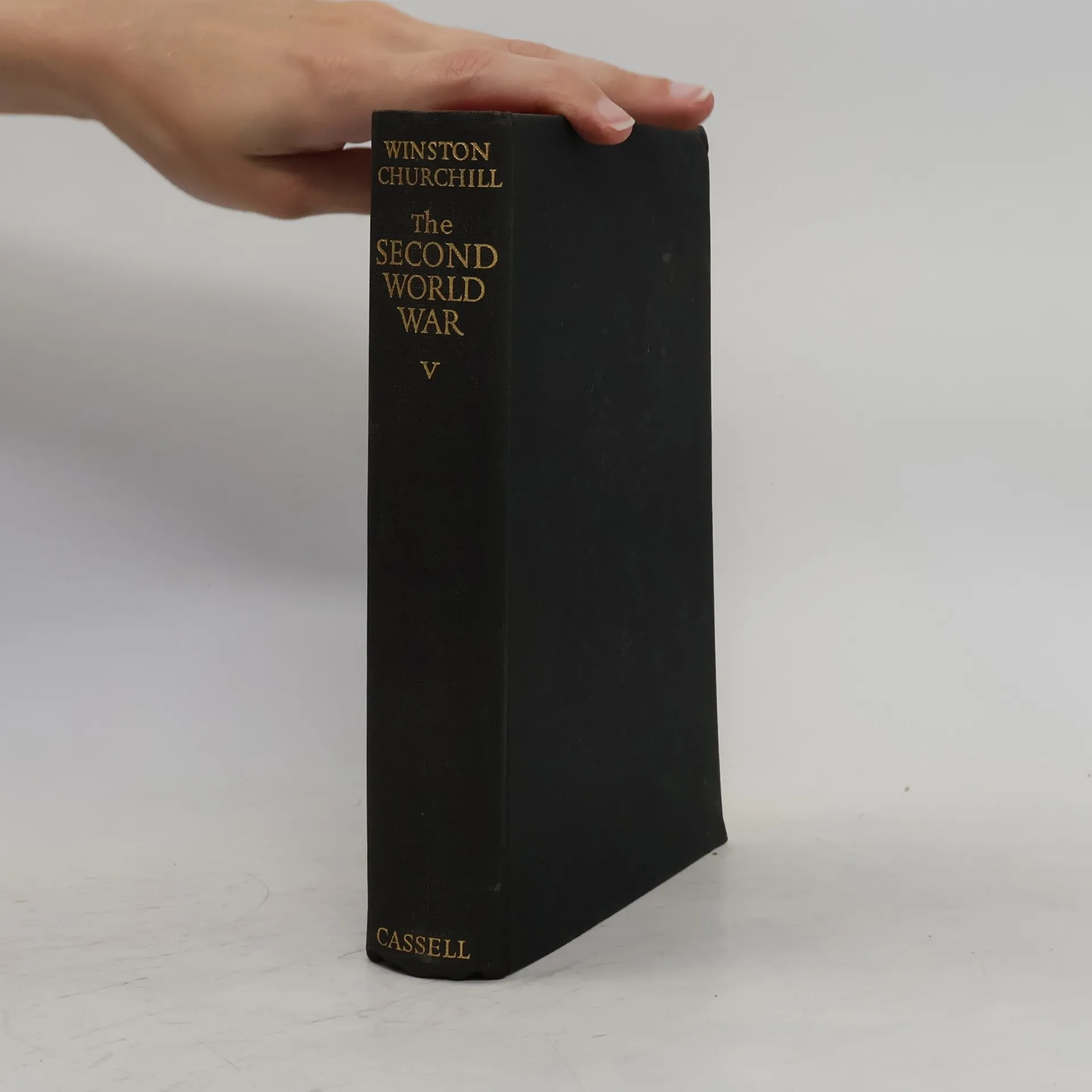
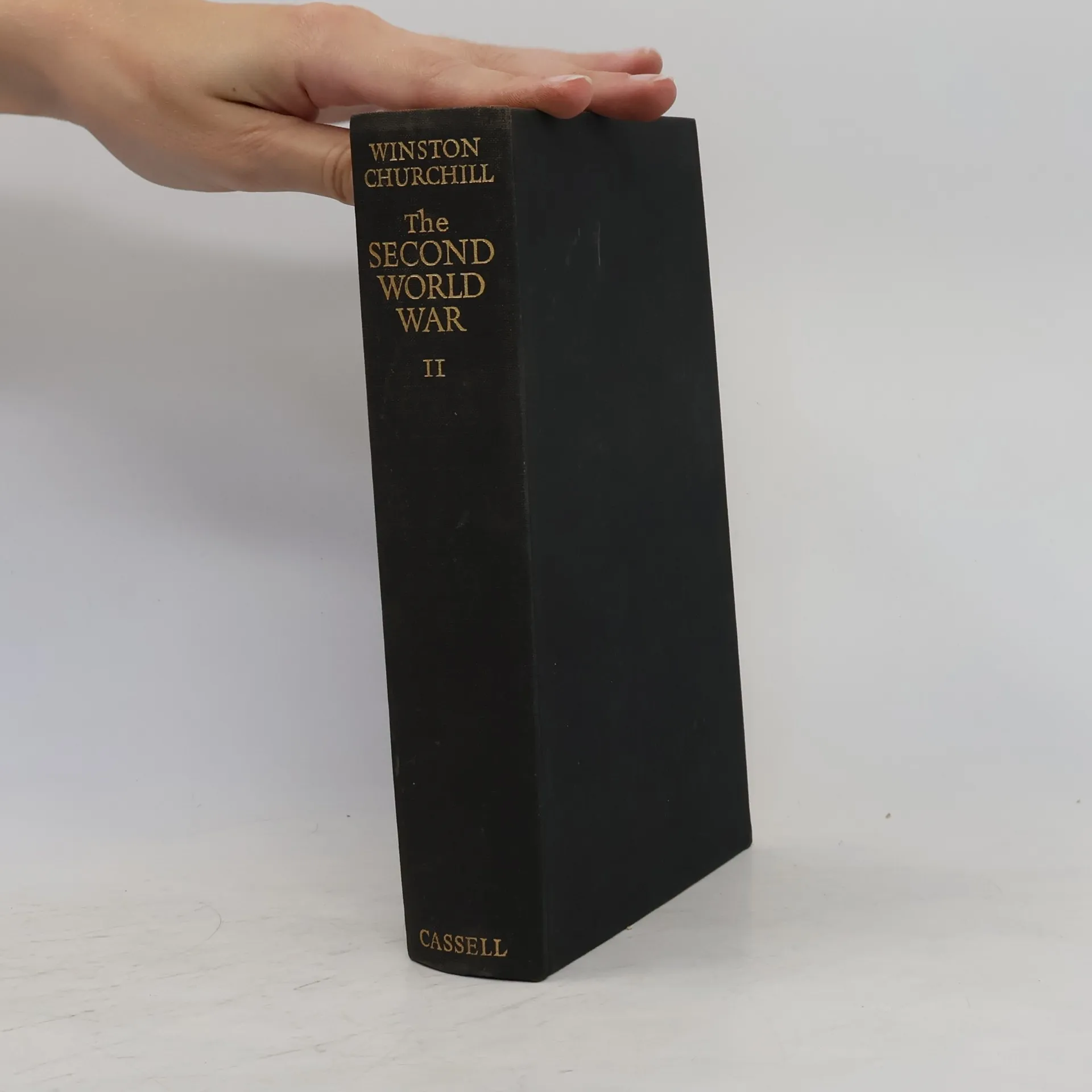
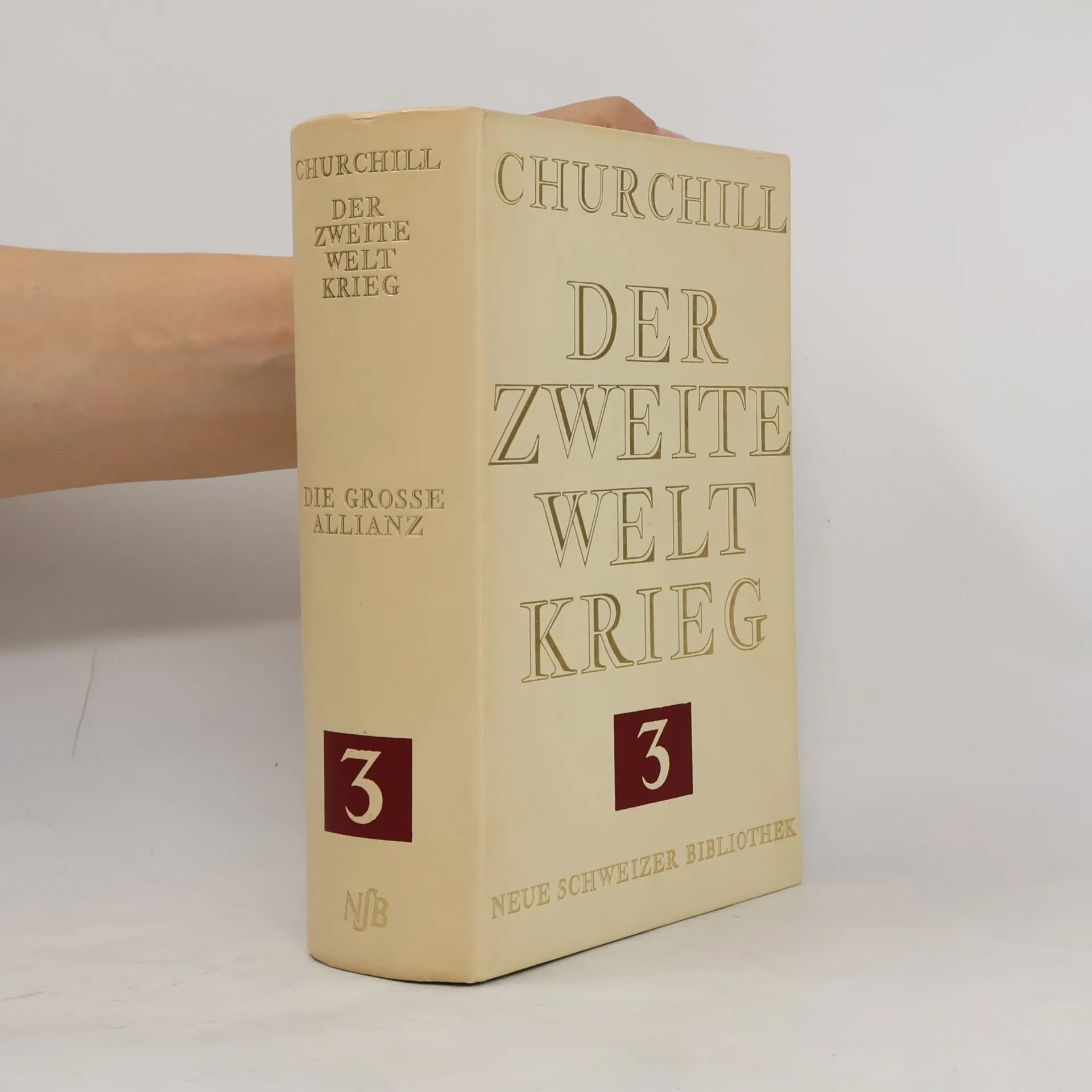
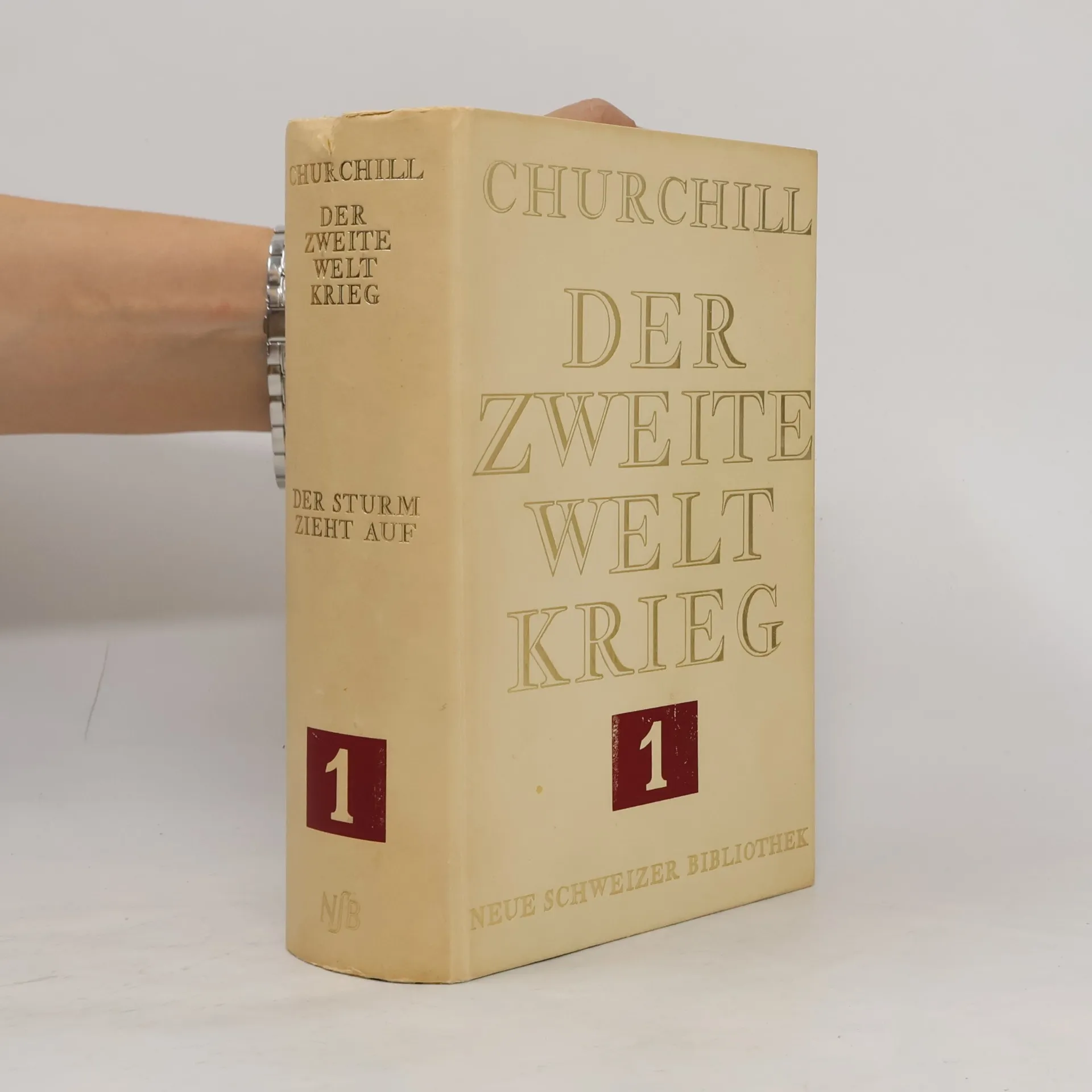
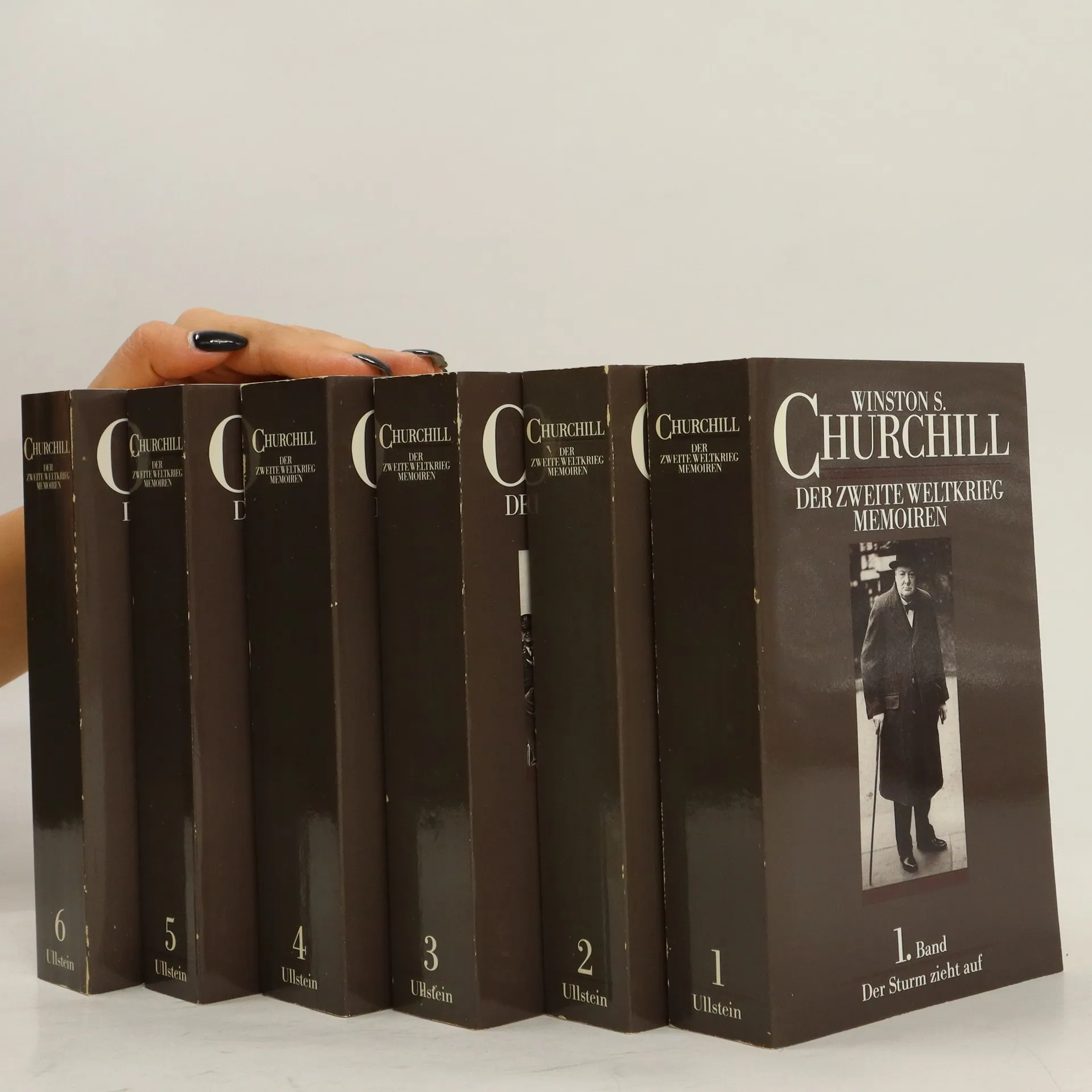
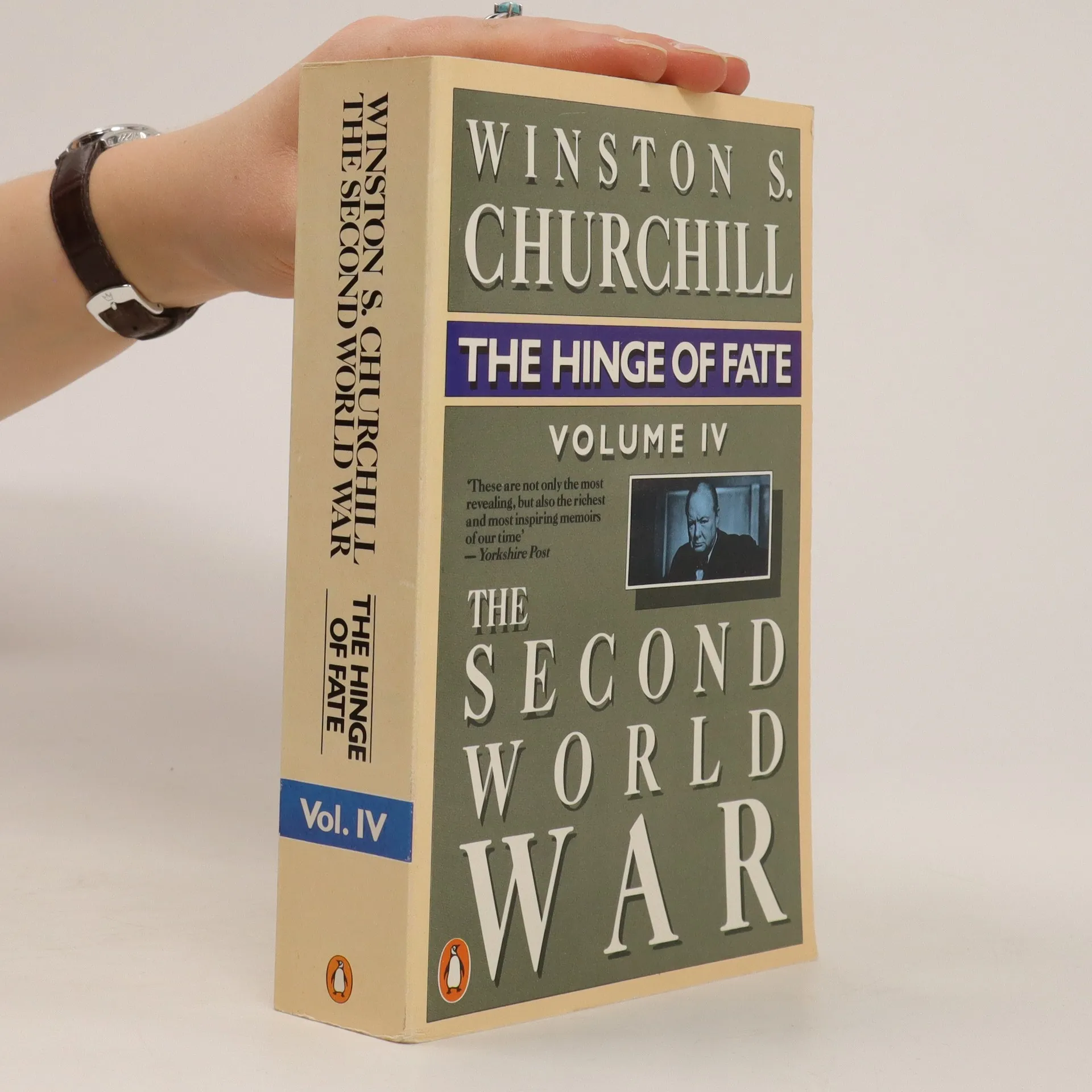
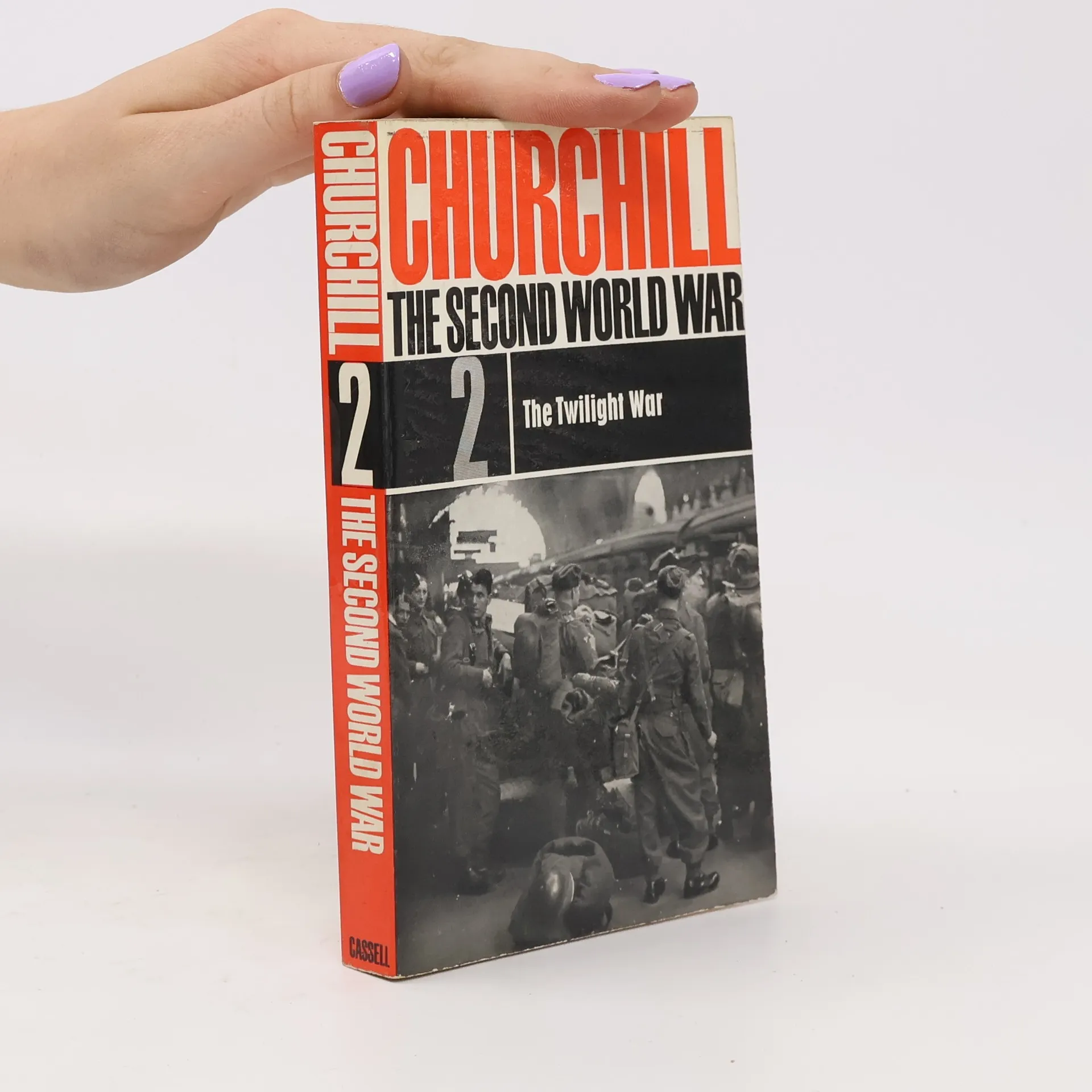
Dieser Band beschreibt, wie die Briten ihren Kampf inmitten von Schwierigkeiten fortsetzten, bis die Sowjetunion und die Vereinigten Staaten in den großen Konflikt hineingezogen wurden. Er behandelt militärische Operationen auf dem Balkan, im Mittelmeer, in Afrika und im Nahen Osten sowie die deutsche Invasion der Sowjetunion und den Eintritt der Vereinigten Staaten in den Krieg nach dem japanischen Angriff auf Pearl Harbor, und zwar im Zeitraum von November 1940 bis Dezember 1941.
Winston Churchill Bücher
30. November 1874 – 24. Jänner 1965
Dieser angesehene Staatsmann, Redner und Stratege ist bekannt für seinen unbezwingbaren Geist und seine leidenschaftliche Verteidigung von Freiheit und Demokratie. Sein literarisches Schaffen, das mit dem Nobelpreis für Literatur ausgezeichnet wurde, zeugt von meisterhafter Beherrschung historischer und biographischer Darstellungen. Durch seine Essays und historischen Werke entführt er den Leser in die komplexen politischen und militärischen Landschaften seiner Zeit. Sein Stil ist sowohl formell als auch eindringlich, durchdrungen von überzeugender Rhetorik und tiefem Einblick in die menschliche Verfassung.

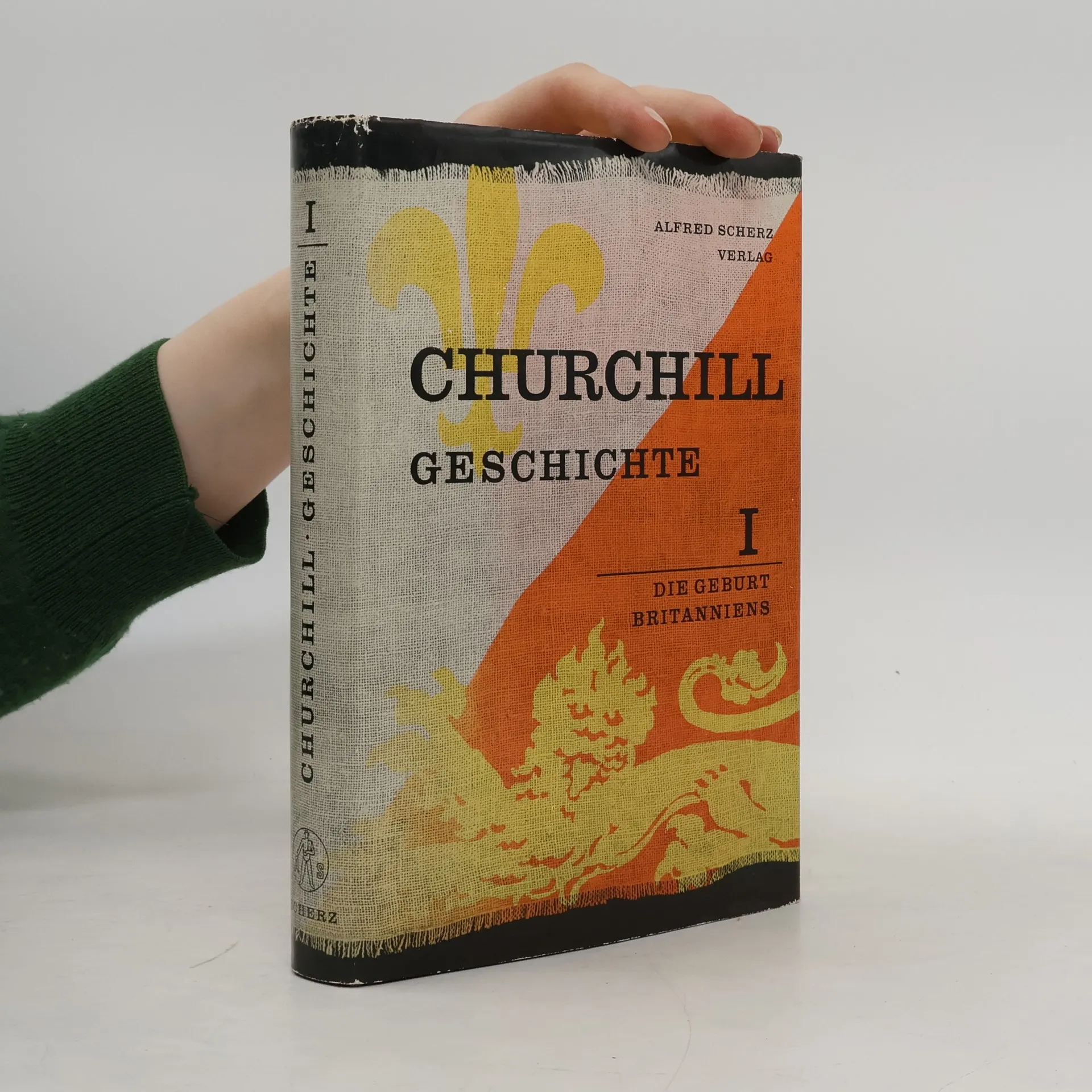
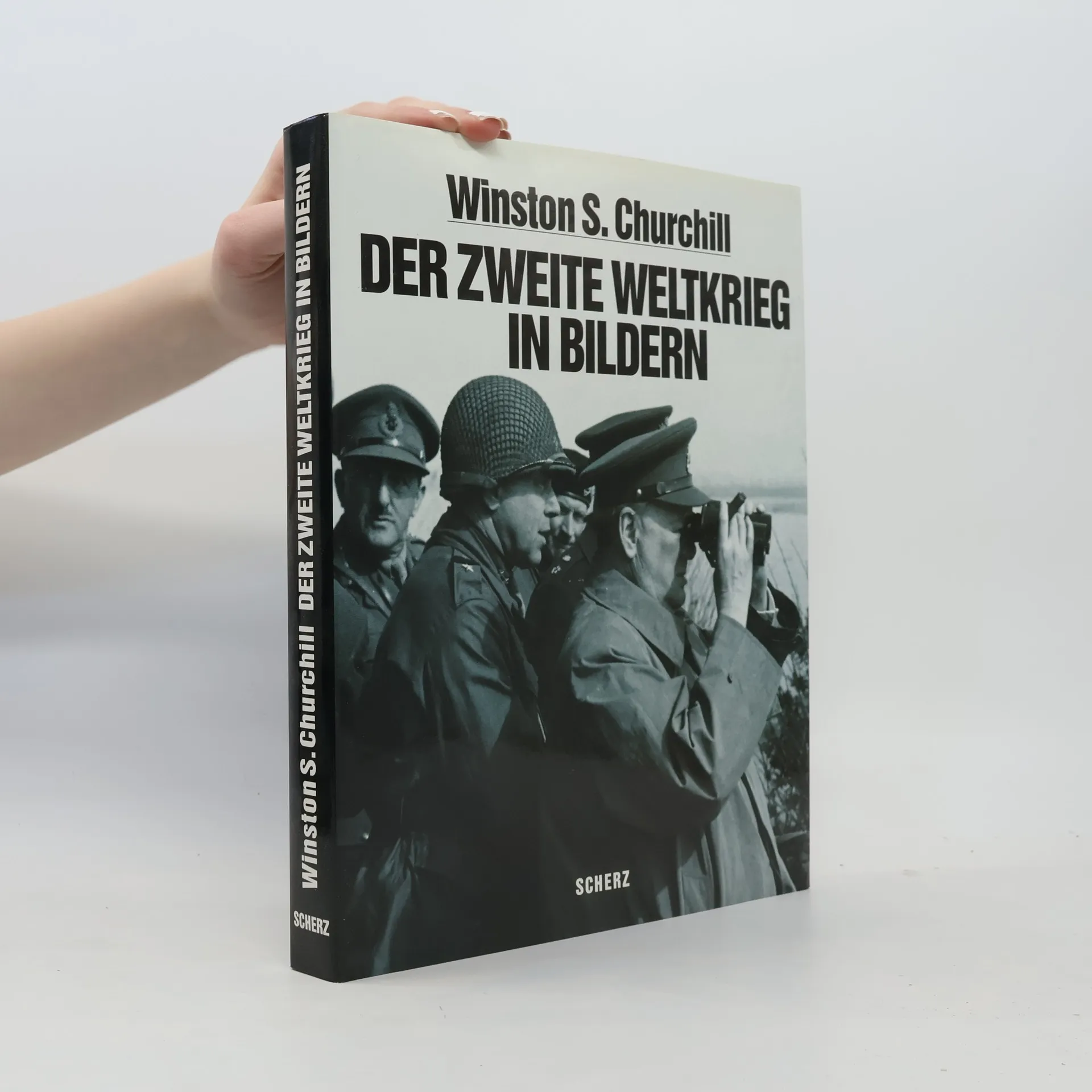
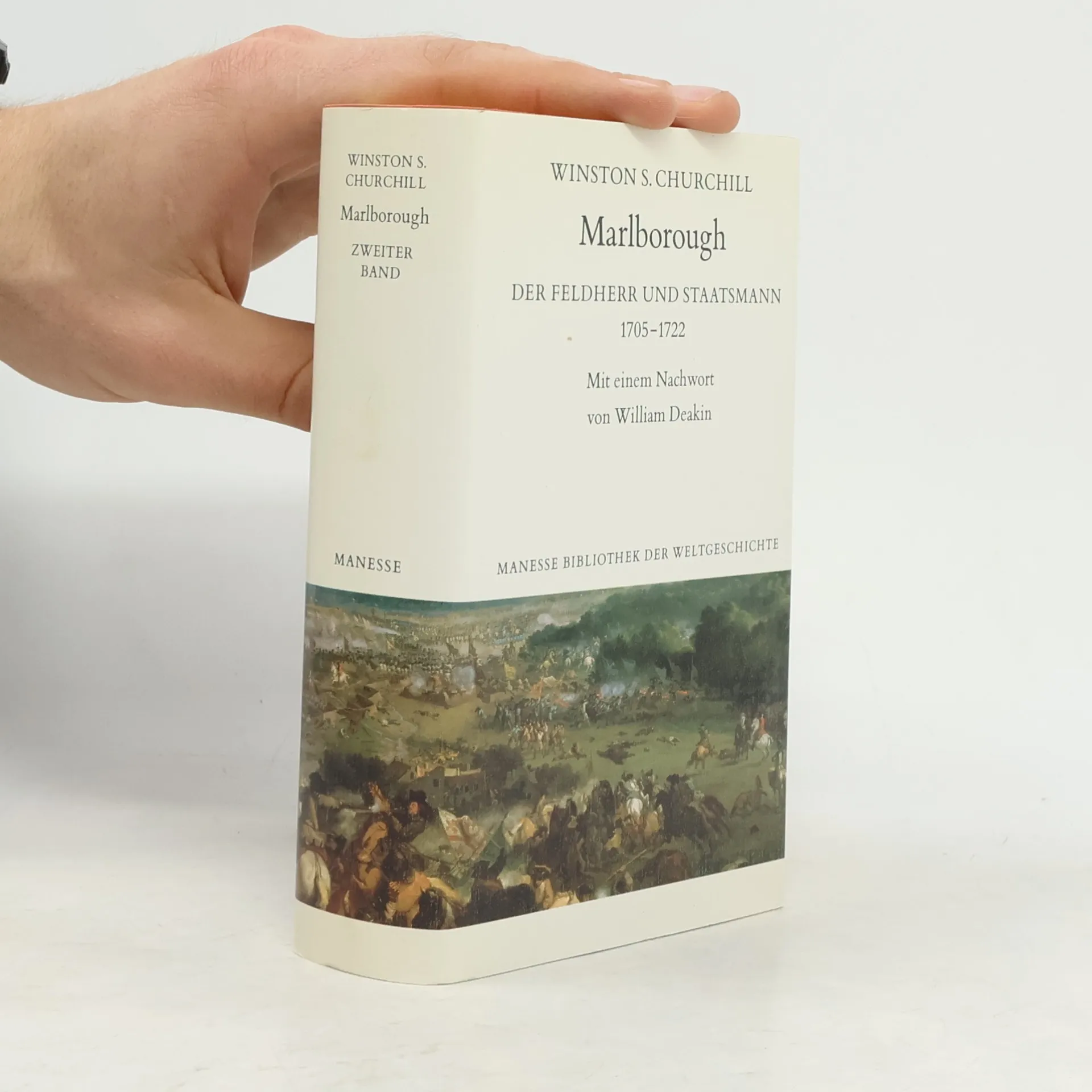
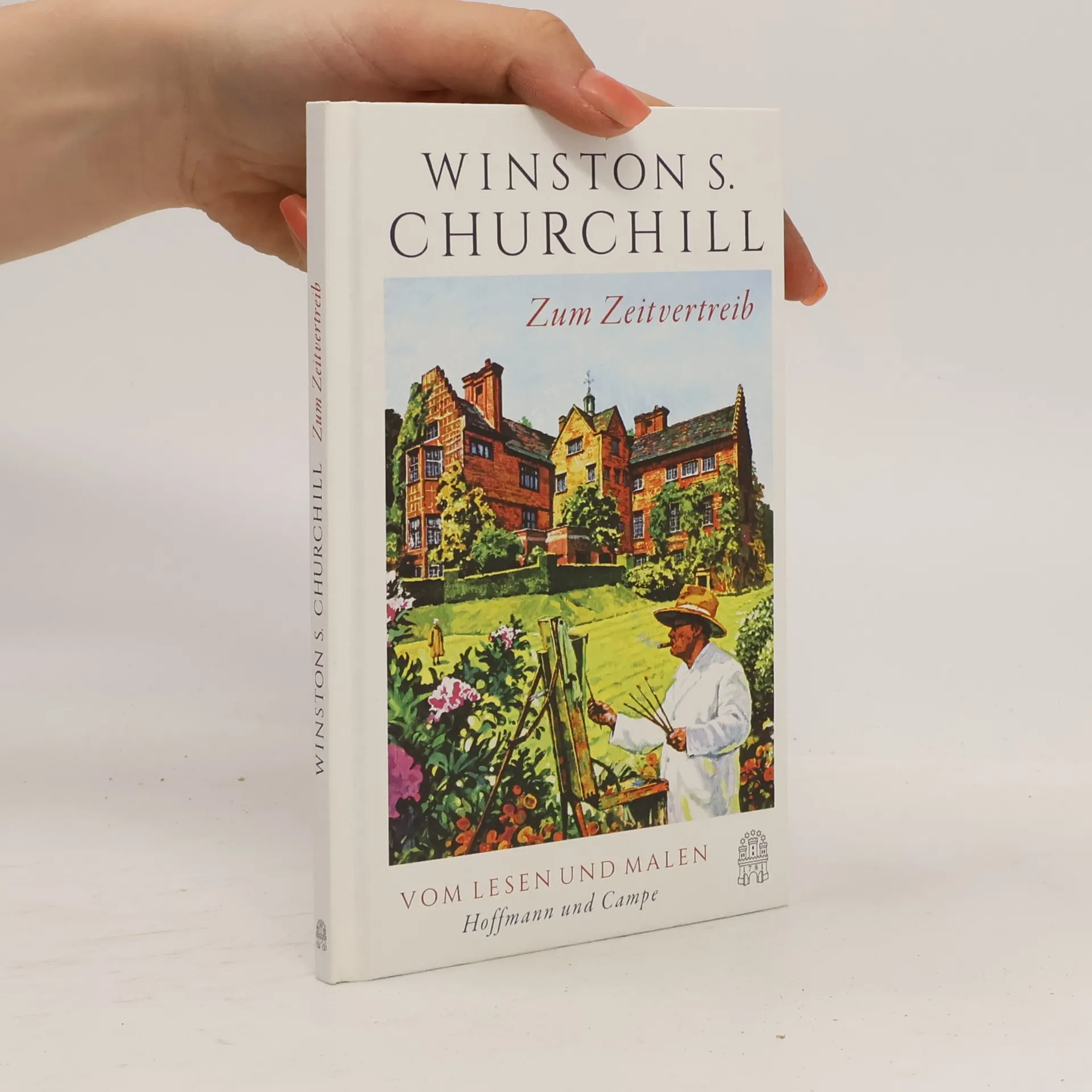
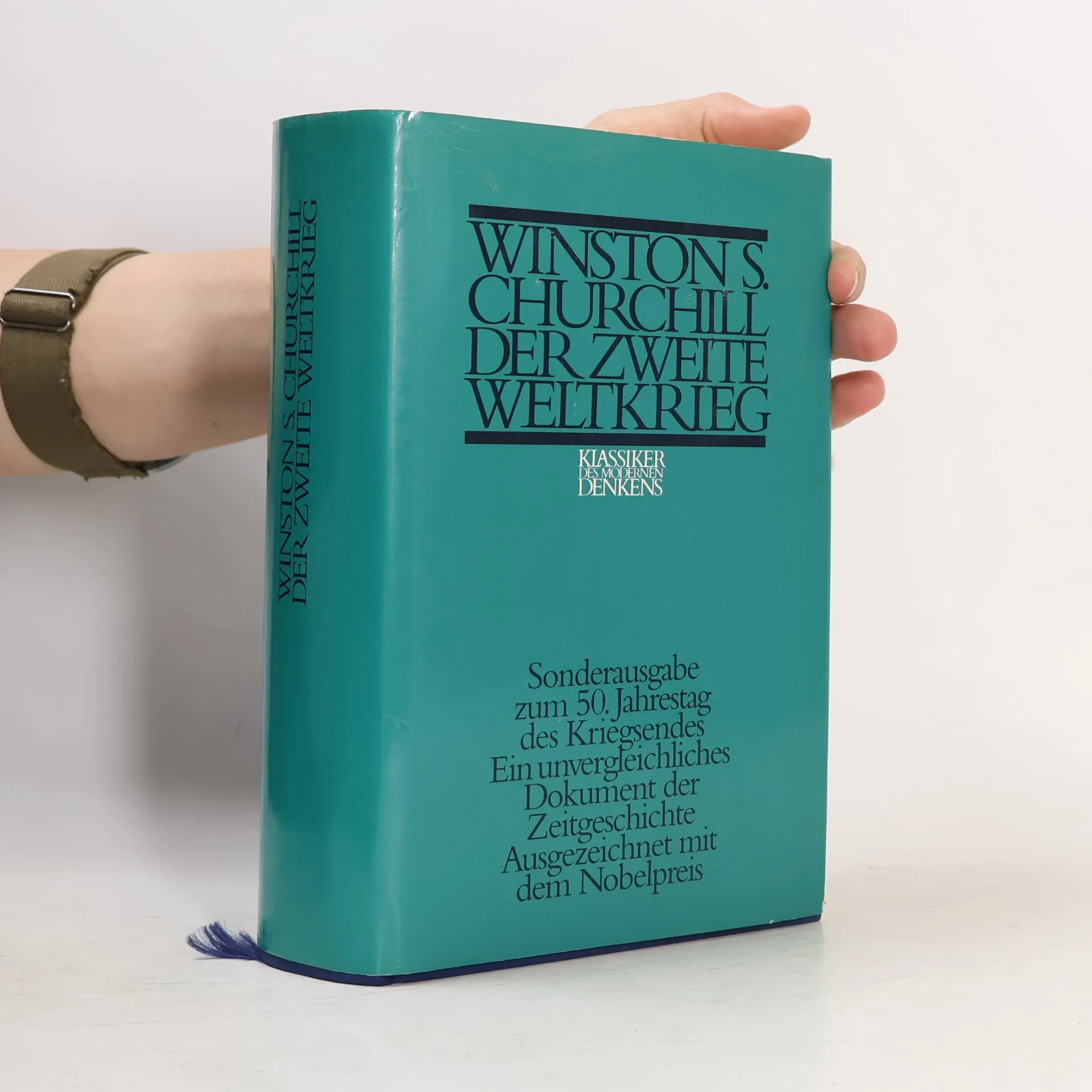
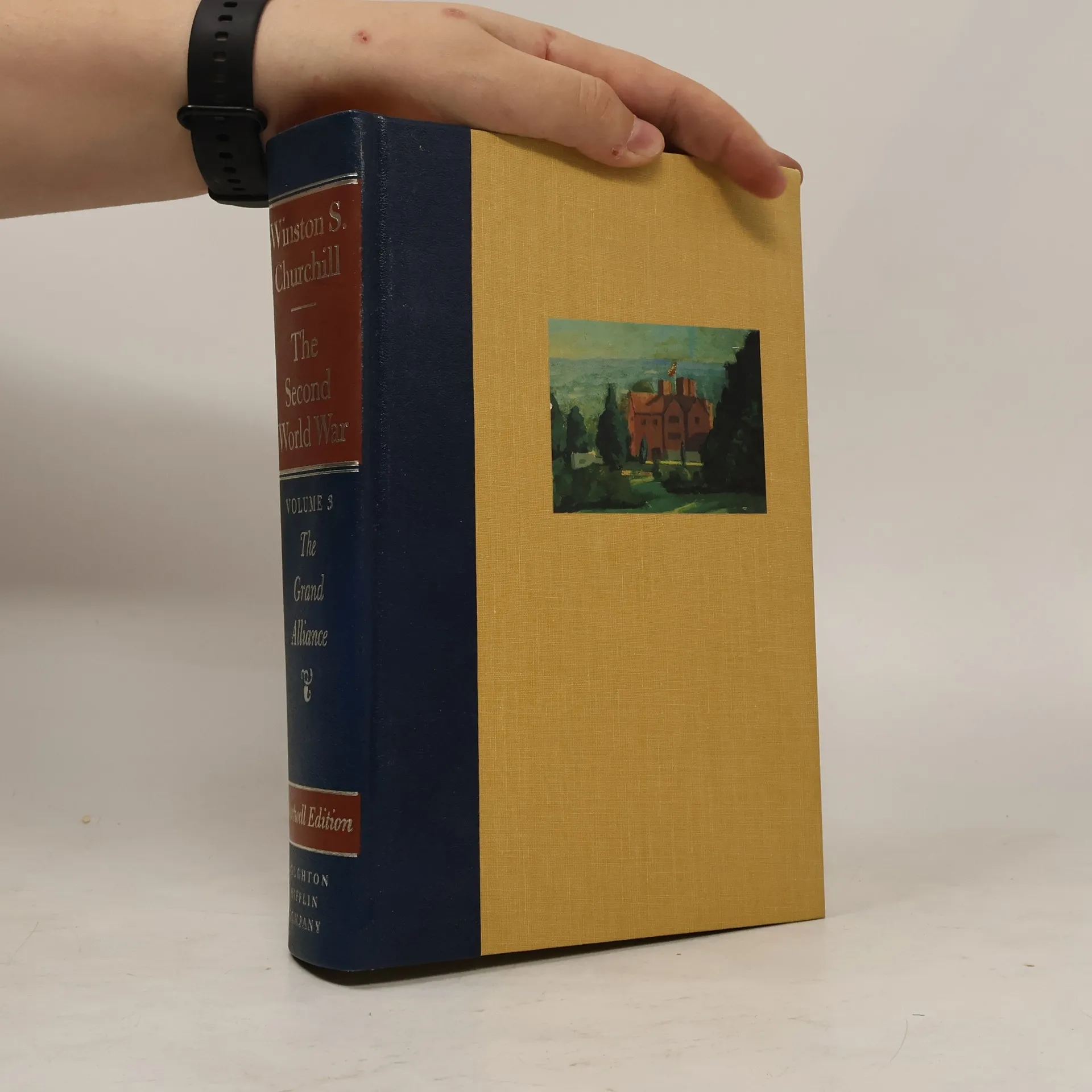
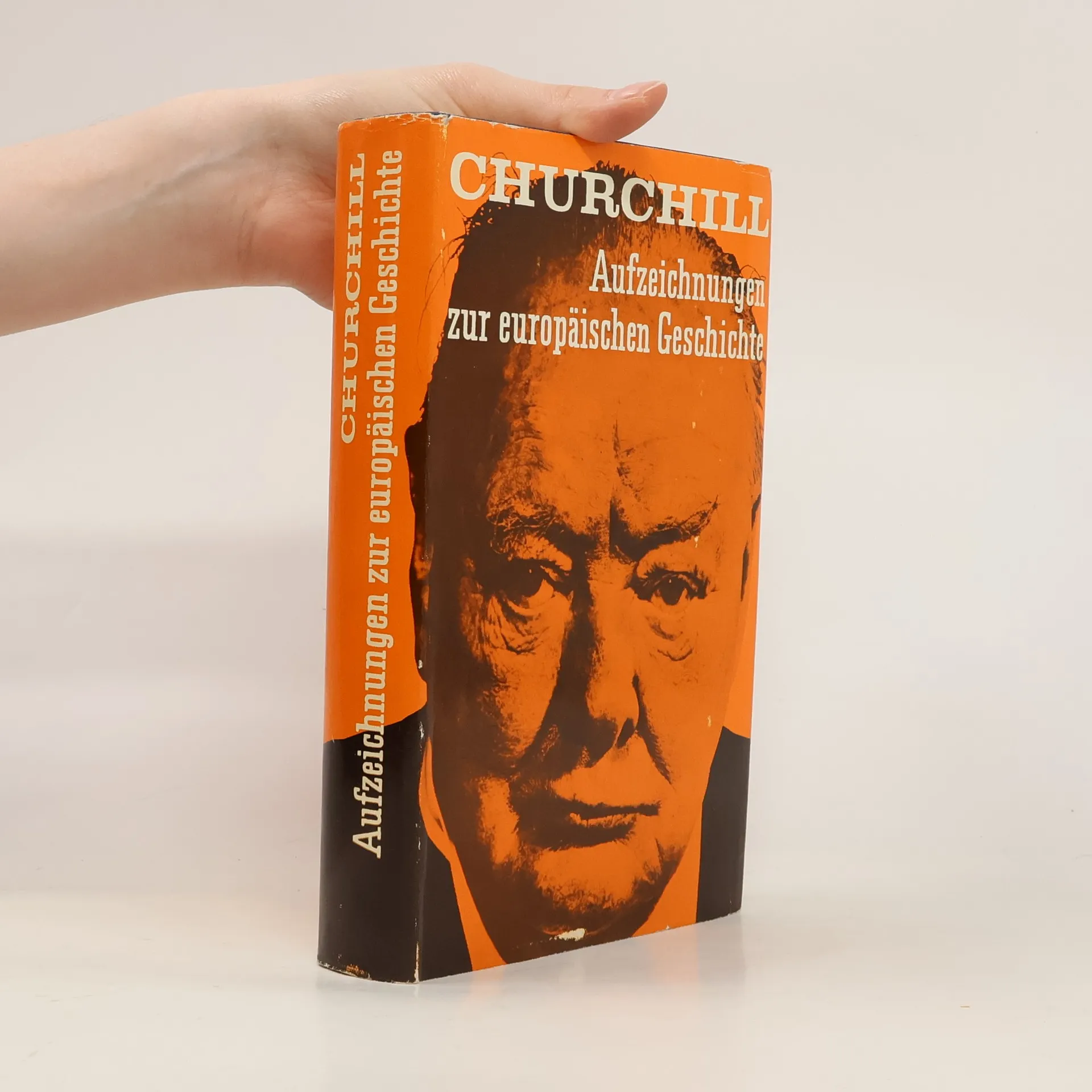
Am Ende seines langen Lebens als der wohl prominenteste britische Staatsmann hat Sir Winston Churchill nach dem Kriege ein 12bändiges Memoirenwerk verfasst, aus dem er - für ein breites Publikum - eine einbändige Ausgabe ableitete. Diese ergänzte er 1957 durch einen Epilog "Der 'kalte Friede' und unsere Zukunft". Für sein Memoirenwerk hat er 1953 den Literaturnobelpreis erhalten.
Zum Zeitvertreib. Vom Lesen und Malen
- 64 Seiten
- 3 Lesestunden
Winston Churchill liebte Lesen und Malen. Bücher waren für ihn unverzichtbar, und er las nach Lust und Laune. In der Malerei fand er Trost und Stärke, fernab des öffentlichen Drucks. Er betrachtete die Maler als glücklich, da sie niemals einsam sind.
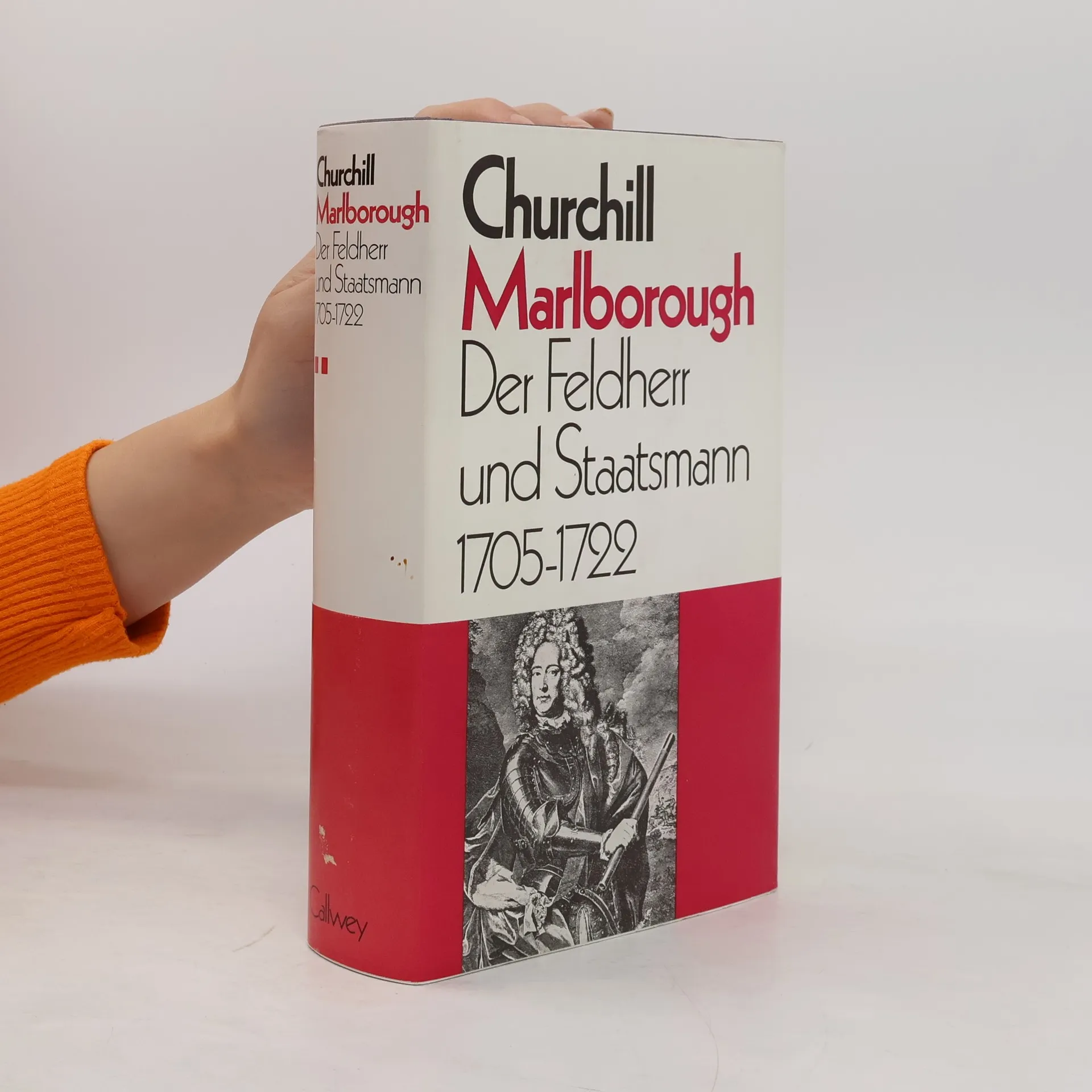
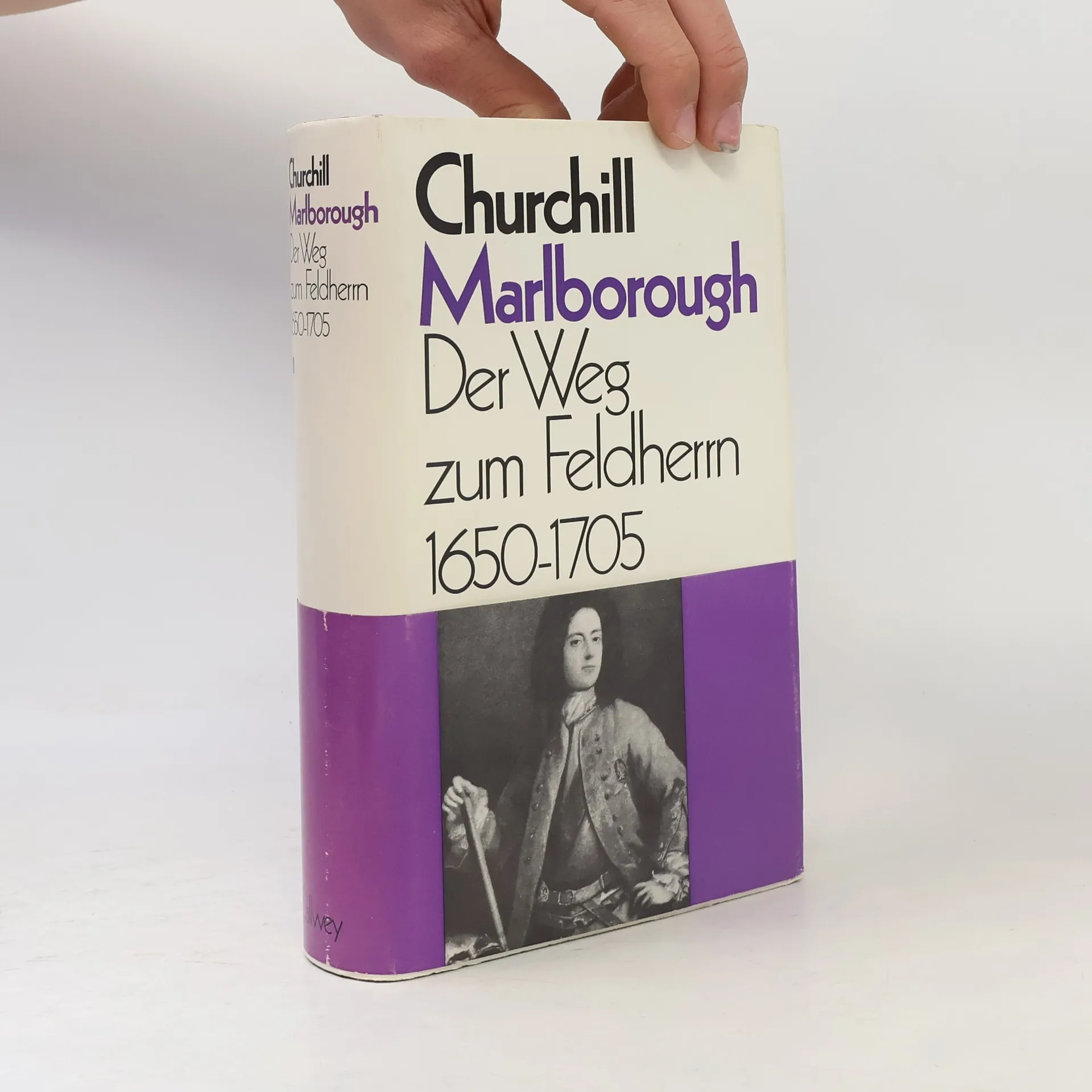
Marlborough 1-2
- 1083 Seiten
- 38 Lesestunden
Der Zweite Weltkrieg in Bildern
- 328 Seiten
- 12 Lesestunden
Inhaltsübersicht: 1. Verstehen und Loslassen, 2. Die verwirrte Generation, 3. Alter, dein Name ist Weib, 4. Körper und Geist im mittleren Alter, 5. Wie nahe die Nächsten?, 6. Das dunkle Mittelalter, 7. Renaissance, Liteatur, Quellennachweis.
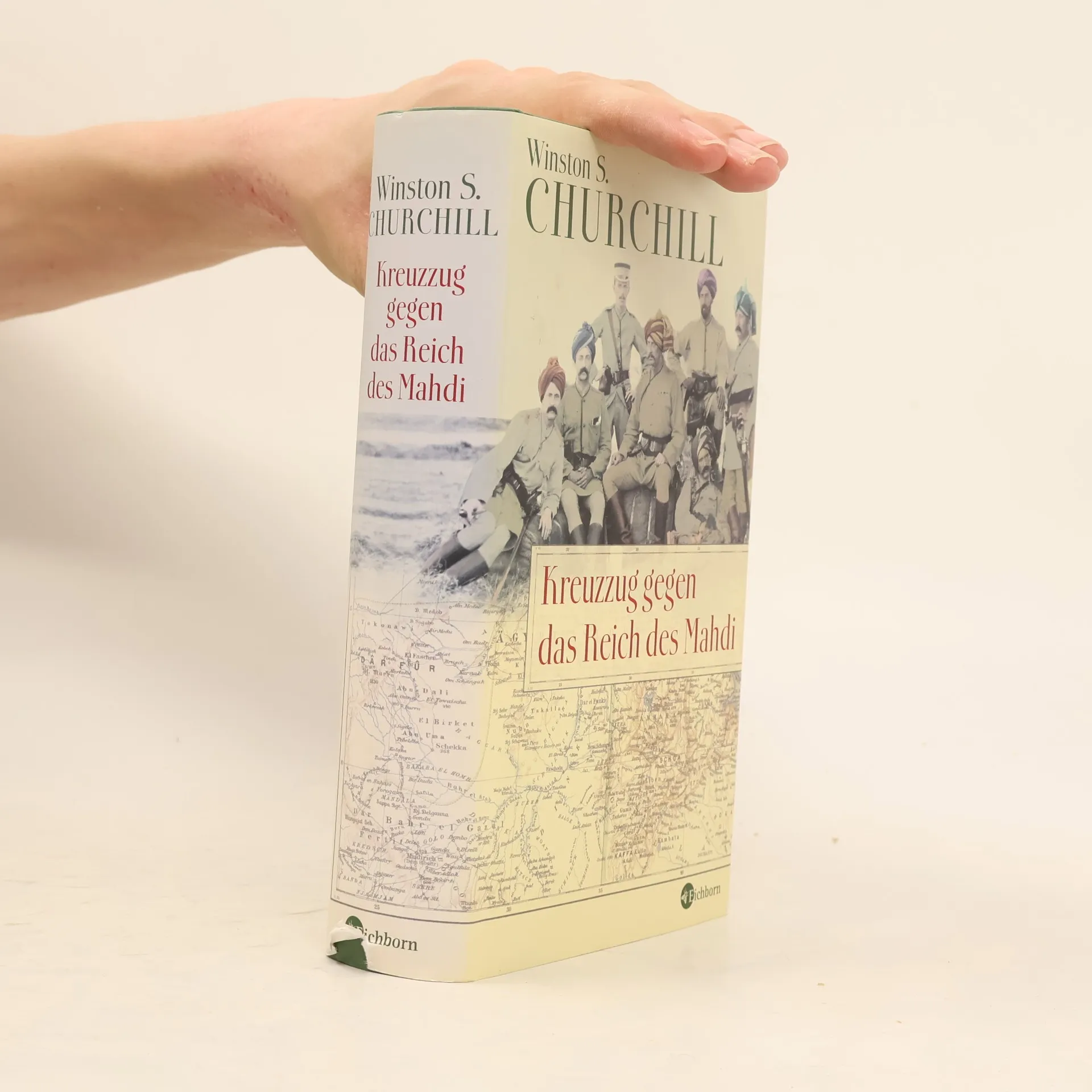
Erstmals auf deutsch: Winston Churchill beleuchtet die Anfänge des modernen politischen Islam und den Wüstenkrieg gegen das Mahdi-Reich. Der Aufstand des Mahdi (1881-1885) zeigt den Islam als radikale politische Kraft und militanten Fundamentalismus. Mohammed Ahmed, der Mahdi, erobert den Sudan und gründet ein islamisches Kalifat. Er belagert Khartum, wo General Charles Gordon, der britische Kommandeur, sich verschanzt hat. Nach 352 Tagen fällt die Stadt, und Gordon wird getötet – eine historische Demütigung für die Briten. Erst über ein Jahrzehnt später gelingt es den Briten, sich zu rächen und das Kalifat zu besiegen. Der ägyptisch-britische Feldzug unter Herbert Kitchener (1896-1898) nutzt moderne Technologie gegen die arabischen Reiterarmeen und markiert den Beginn einer neuen Ära industrieller Kriegsführung in Nordafrika. Churchill, damals 24 Jahre alt, führt eine Kavallerieschwadron und dokumentiert den Feldzug sowie die politischen Verhältnisse und die Mentalität der Gegner. Mit bemerkenswerter Unvoreingenommenheit kritisiert er die Fehler der Engländer im Umgang mit dem unterworfenen Gegner und thematisiert die Quelle des religiösen Fanatismus. Die erste deutsche Ausgabe von Churchills Werk, herausgegeben von Georg Brunold, vergleicht verschiedene Textversionen und stellt auch brisante Teile der ursprünglichen Fassung wieder zur Verfügung, die Churchill selbst strich, als er in die Politik ging.
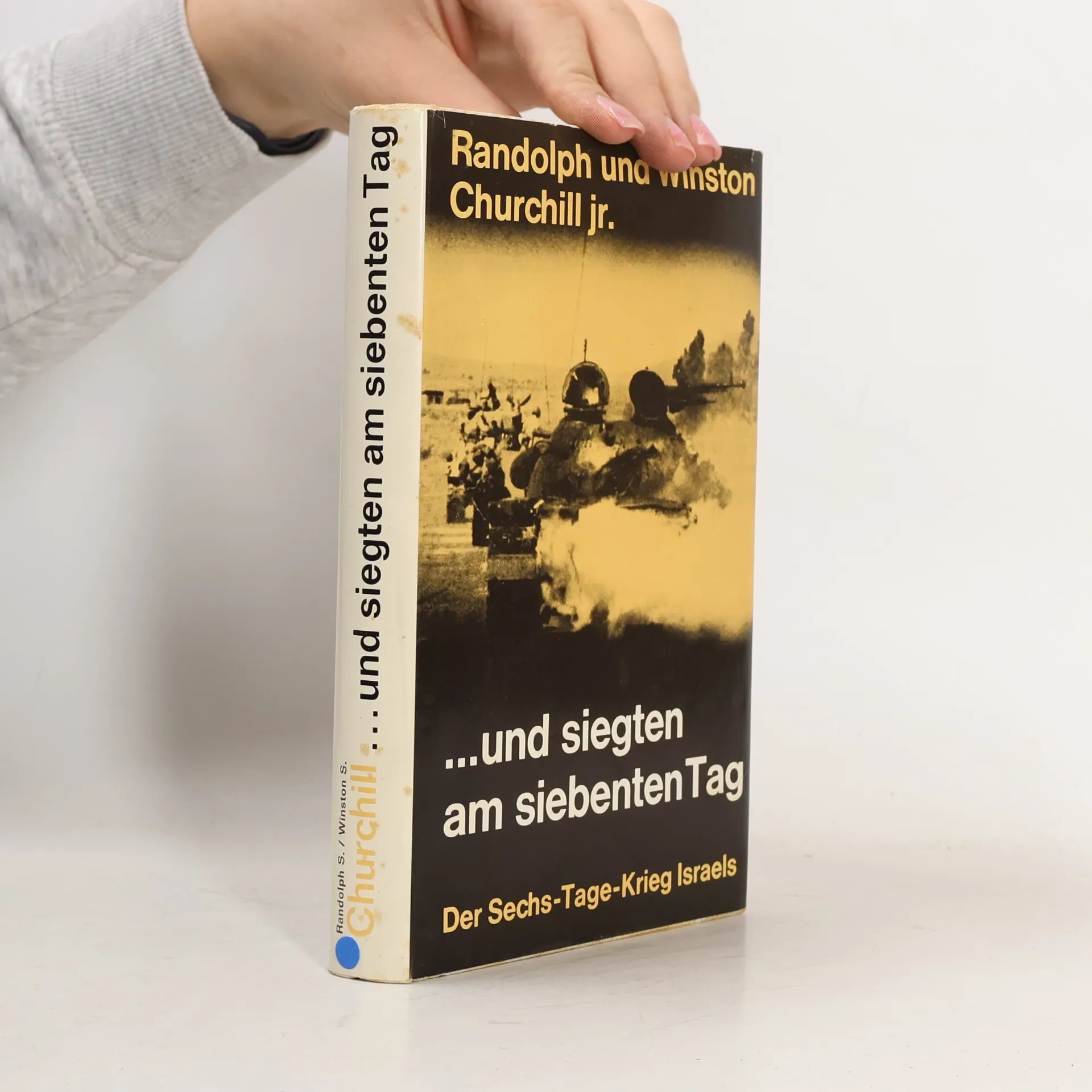
Geboren in Chequers während der Bombenangriffe 1940, umfasst die Kindheit von Winston S. Churchill, dem Enkel des britischen Kriegsführers, sowohl das vom Blitz gezeichnete London als auch sonnigere Friedenszeiten in Großvaters Heimat Chartwell. Seine Erinnerungen beinhalten seinen Vater, Randolph Churchill, einen brillanten Journalisten, der als Politiker scheiterte, und seine Mutter, das sprühende Zentrum eines angesehenen Freundeskreises. Vor allem zeigt er uns Winston, den berühmtesten Engländer des Jahrhunderts, als liebevollen und verspielten Großvater, unterstützt durch bislang unveröffentlichte Familienbriefe. Als Kriegsberichterstatter berichtete er über Konflikte im Jemen, im Kongo und in Borneo. Er nahm an Luftangriffen in Vietnam teil und berichtete über den Nahostkrieg von 1967. Als leidenschaftlicher Pilot beschreibt er seinen 20.000 Meilen langen Flug mit einem einmotorigen Flugzeug um Afrika, Begegnungen mit Kaiser Haile Selassie und das Essen von Krokodilfleisch mit Albert Schweitzer im Äquatorialdschungel. In diesem Buch verbindet Winston S. Churchill Familienerinnerungen mit den Abenteuern eines jungen Mannes, der darauf brennt, die Welt zu sehen.
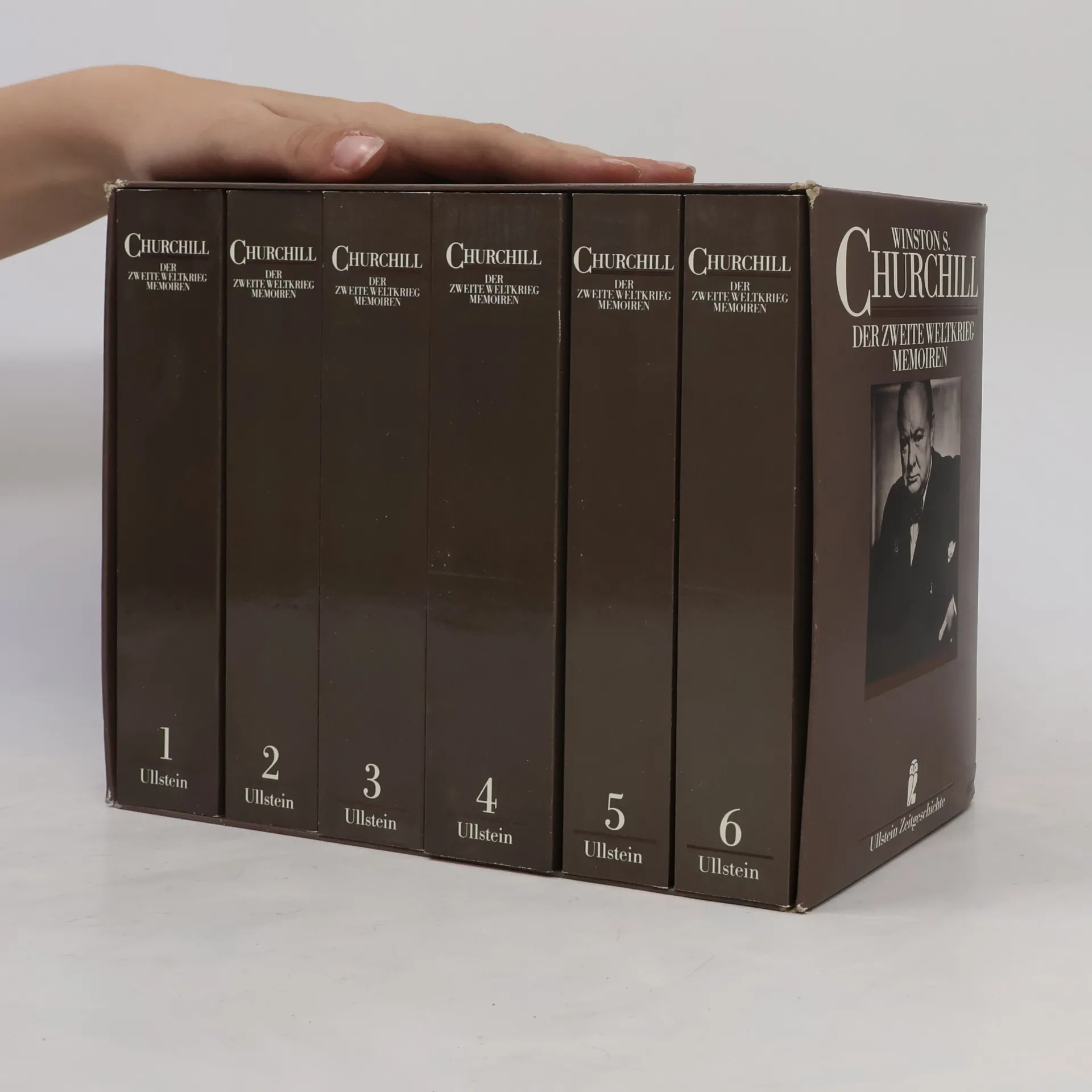
Der Zweite Weltkrieg
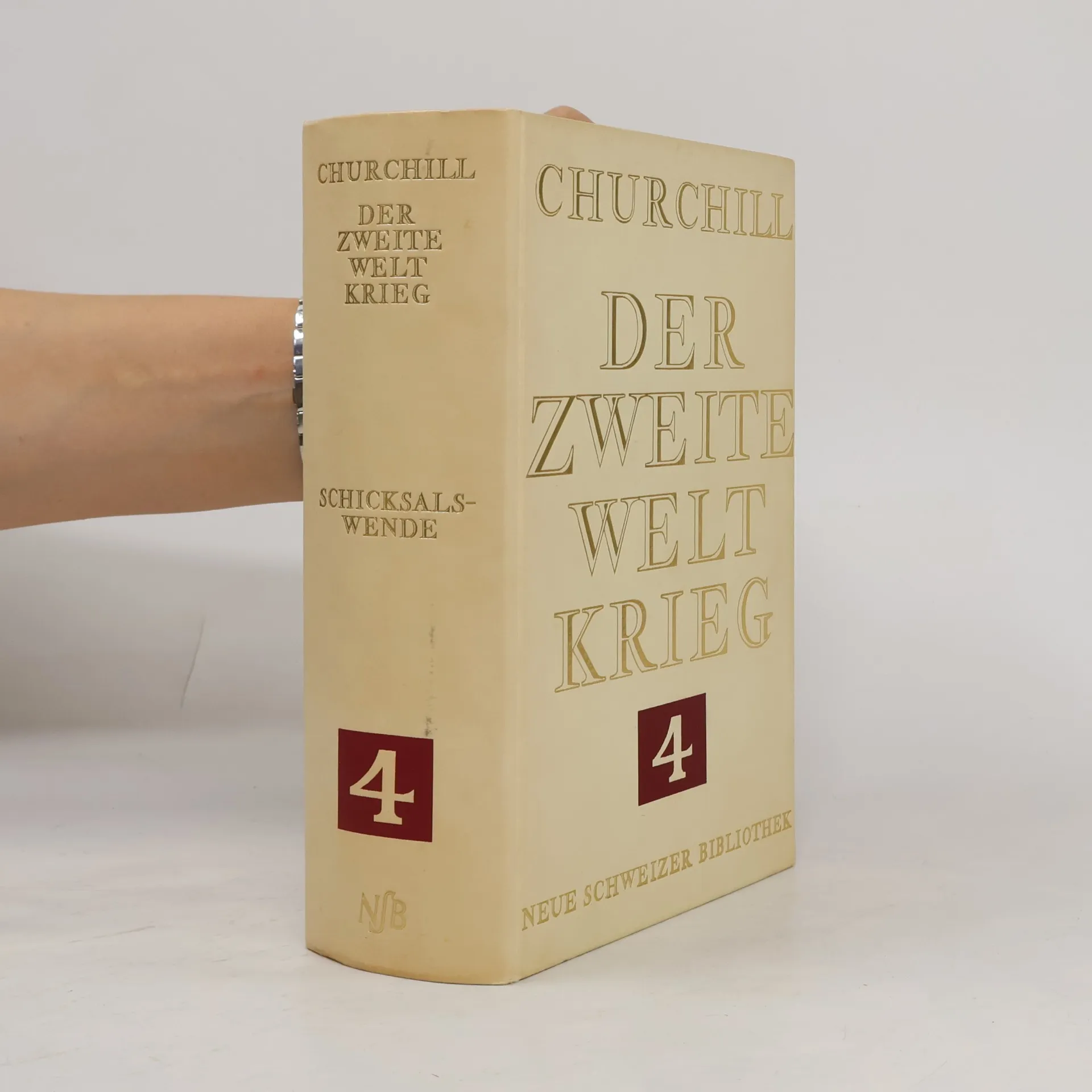
Schicksalswende. Bd. 4
Nobelpreis 1951-1953
Lagerkvist, Mauriac, Churchill
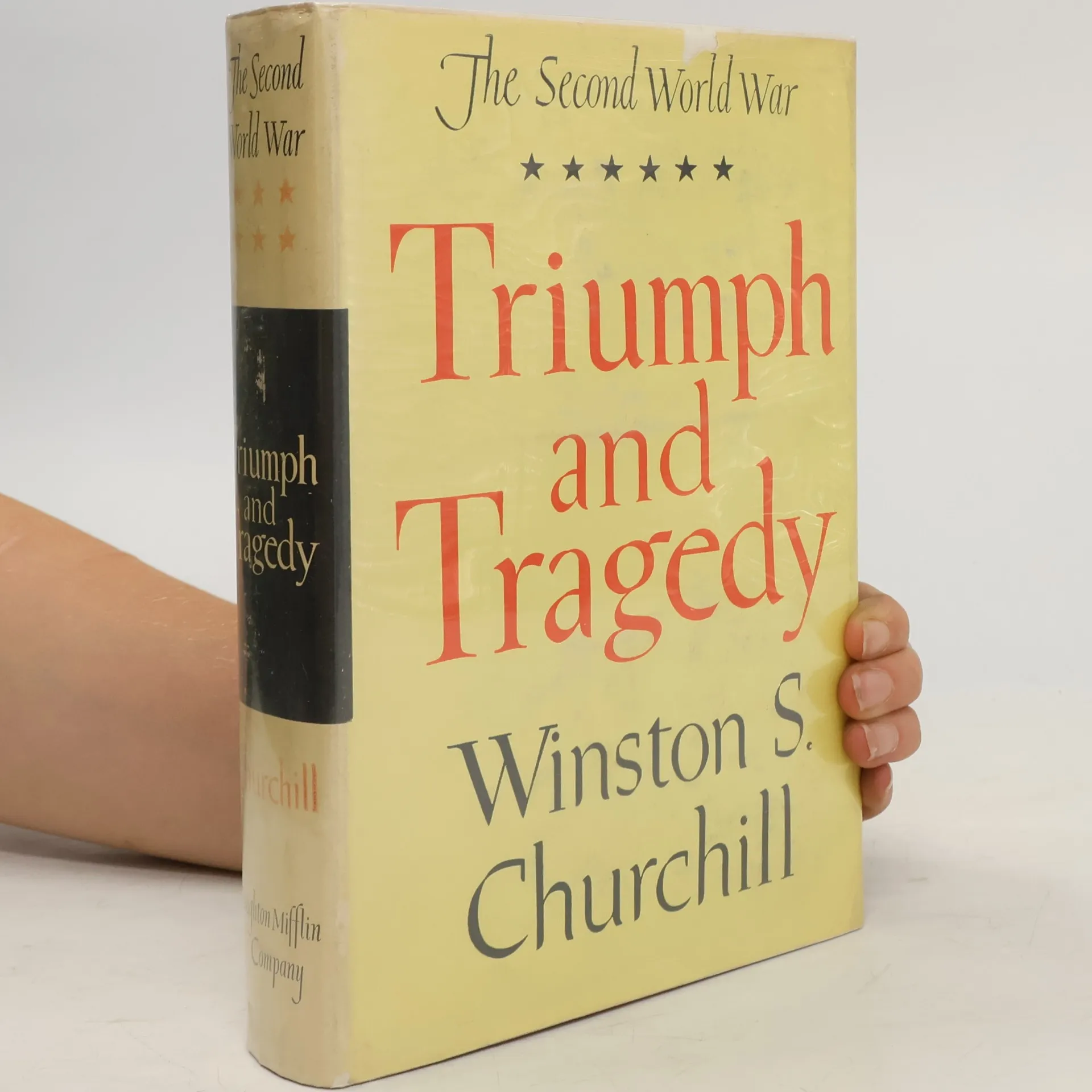
Der Zweite Weltkrieg
Triumph und Tragödie
Reader's Digest Auswahl Bücher
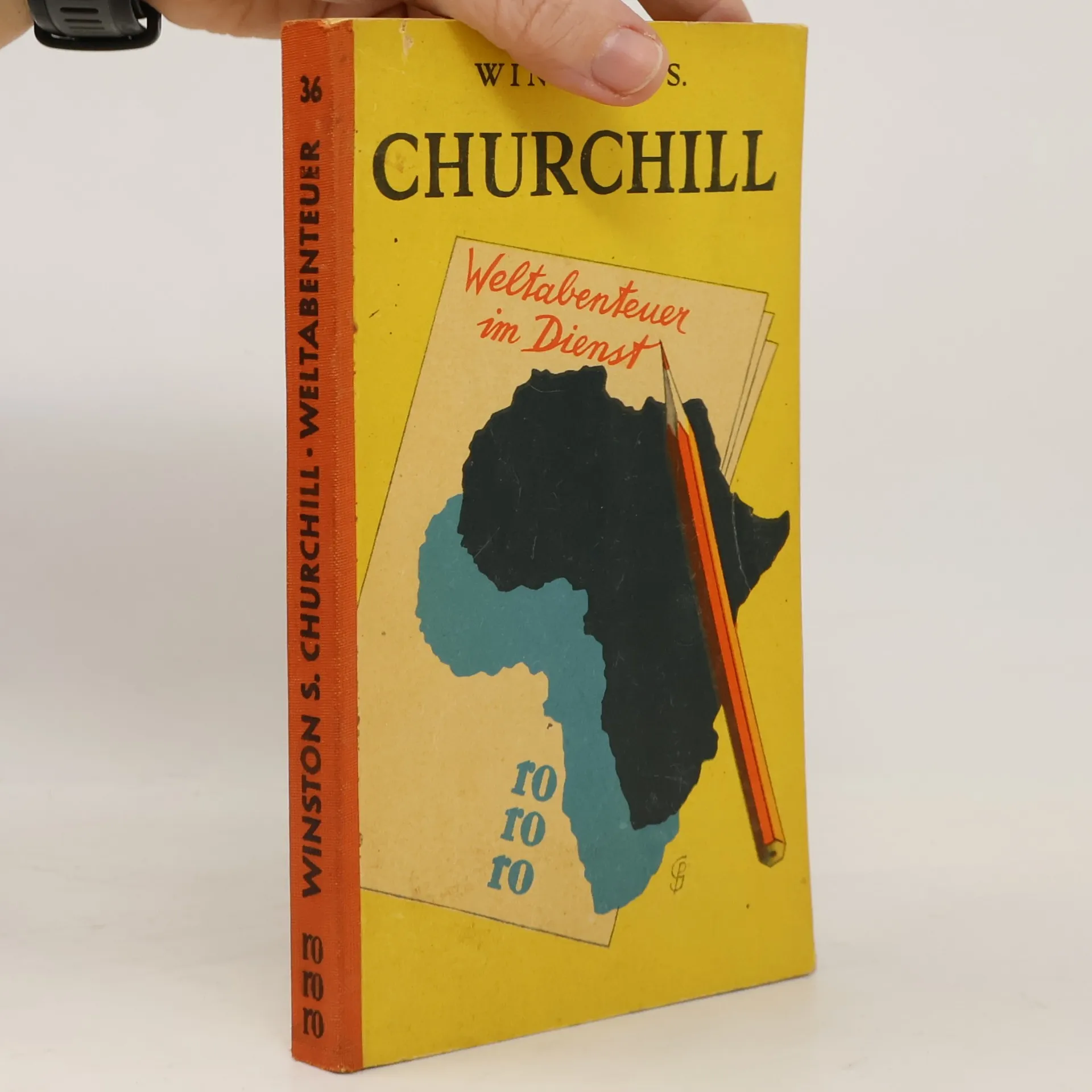
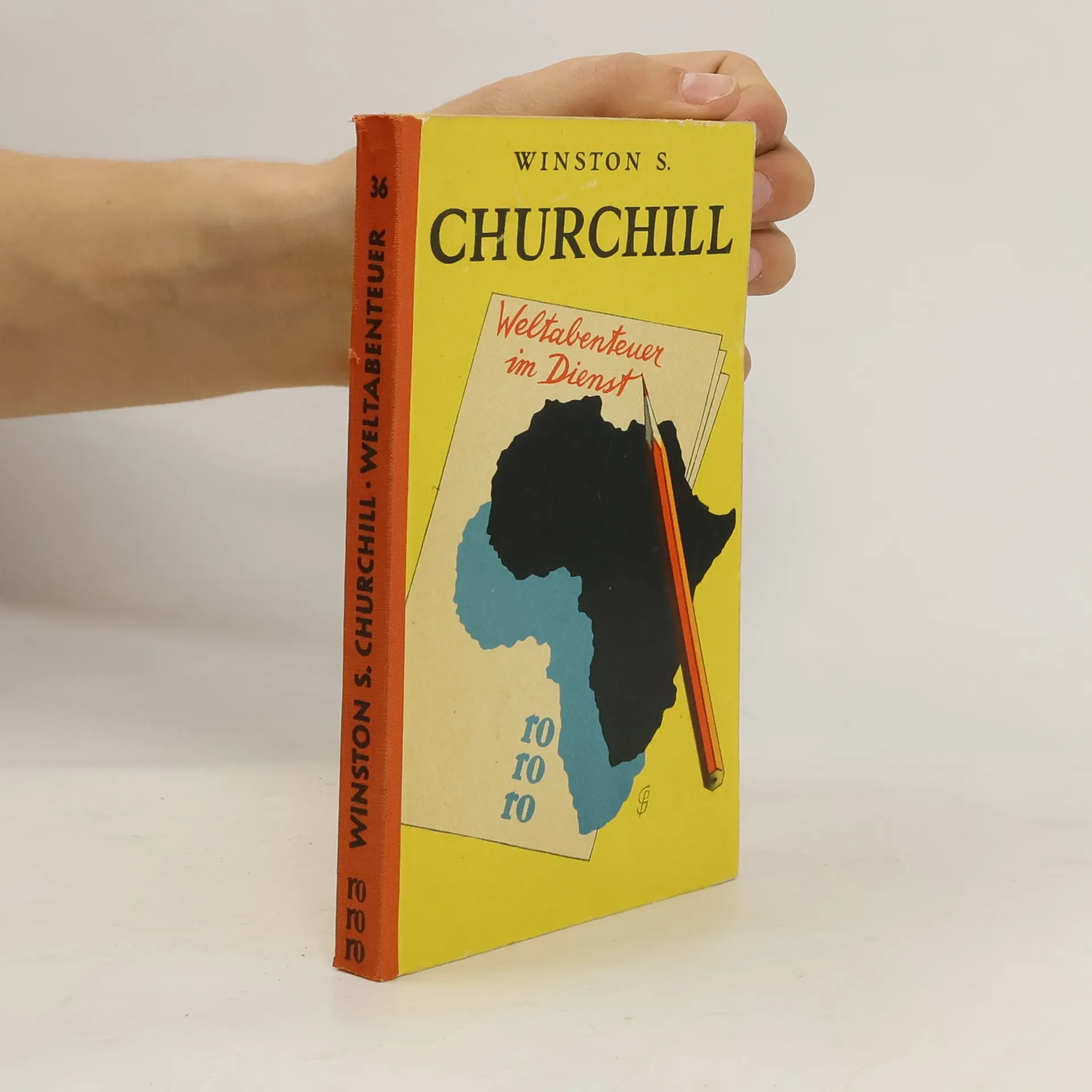
Die Brücken von Toko-Ri. Allein im Grossen Haus. Weltabenteuer im Dienst. Und Nicht Als Ein Fremder
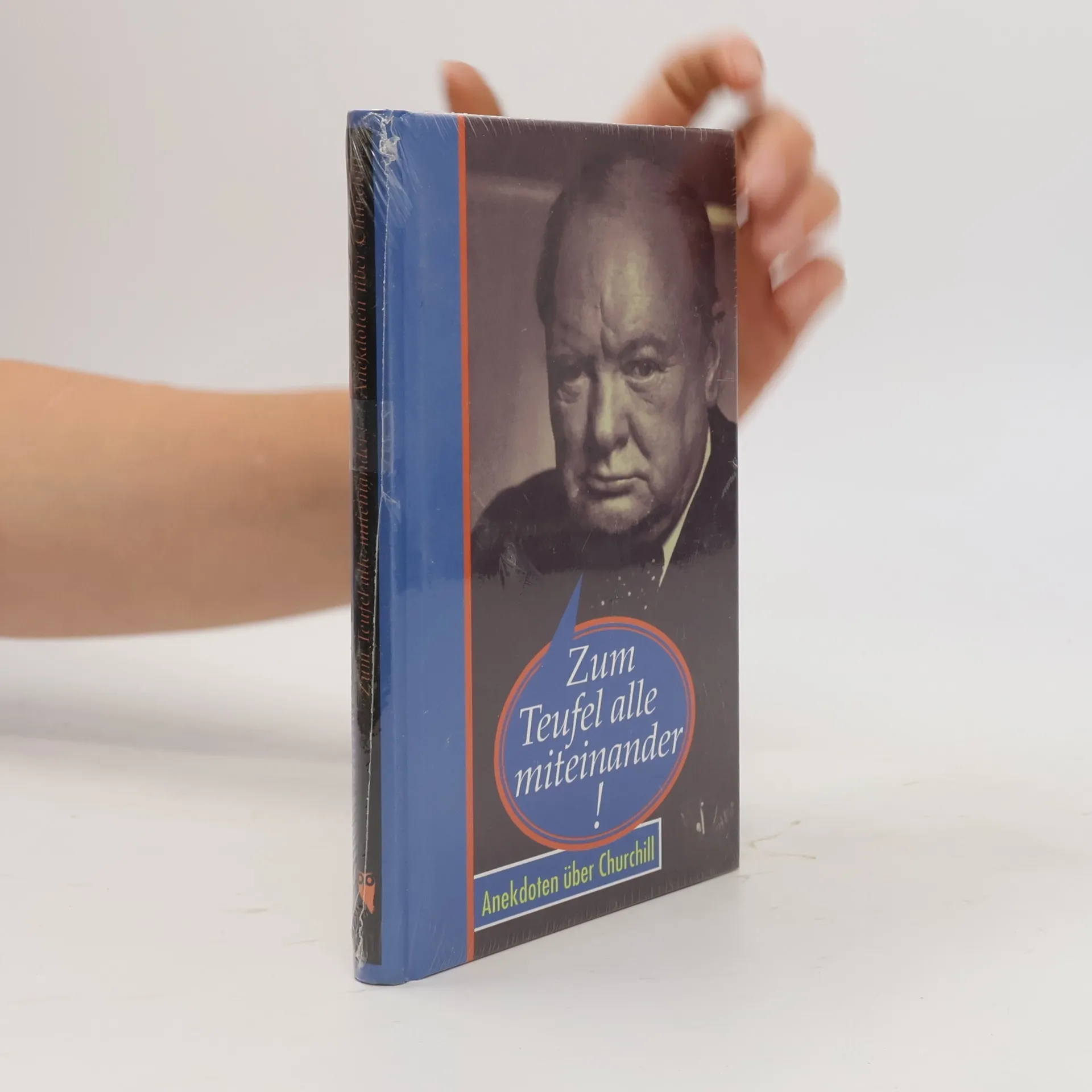
Diese Sammlung von Sprüchen und Anekdoten zeigt Winston Churchill in seiner ironisch-verspielten Seite. Sie umfasst Themen wie Politik, Krieg, Europa und Humor, und beleuchtet seinen Wortwitz und seine Schlagfertigkeit, trotz seiner Sprachschwierigkeiten. Legendäre Aussagen und Geschichten machen ihn unvergesslich.
GROßE ZEITGENOSSEN ist eine Sammlung von Essays über 21 Männer, die Winston S. Churchill als bedeutende Persönlichkeiten seiner Zeit betrachtete. Das zentrale Thema ist eine Gruppe britischer Staatsmänner, die im späten 19. und frühen 20. Jahrhundert herausragten – Balfour, Chamberlain, Rosebery, Morley, Asquith und Curzon. Weitere Persönlichkeiten, die wir durch Churchills Augen kennenlernen, sind George Bernard Shaw, Hindenburg, Lawrence von Arabien, Marschall Foch, Leon Trotzki, Phillip Snowden, Clemenceau und König Georg V. Churchills langjährige Bekanntschaft mit Weltführern gab ihm eine einzigartige Perspektive, um die Akteure auf der internationalen Bühne zu betrachten. Seine Einschätzungen funkeln ebenso wie seine eigenen Qualitäten, die warm aus diesen Porträts strahlen.
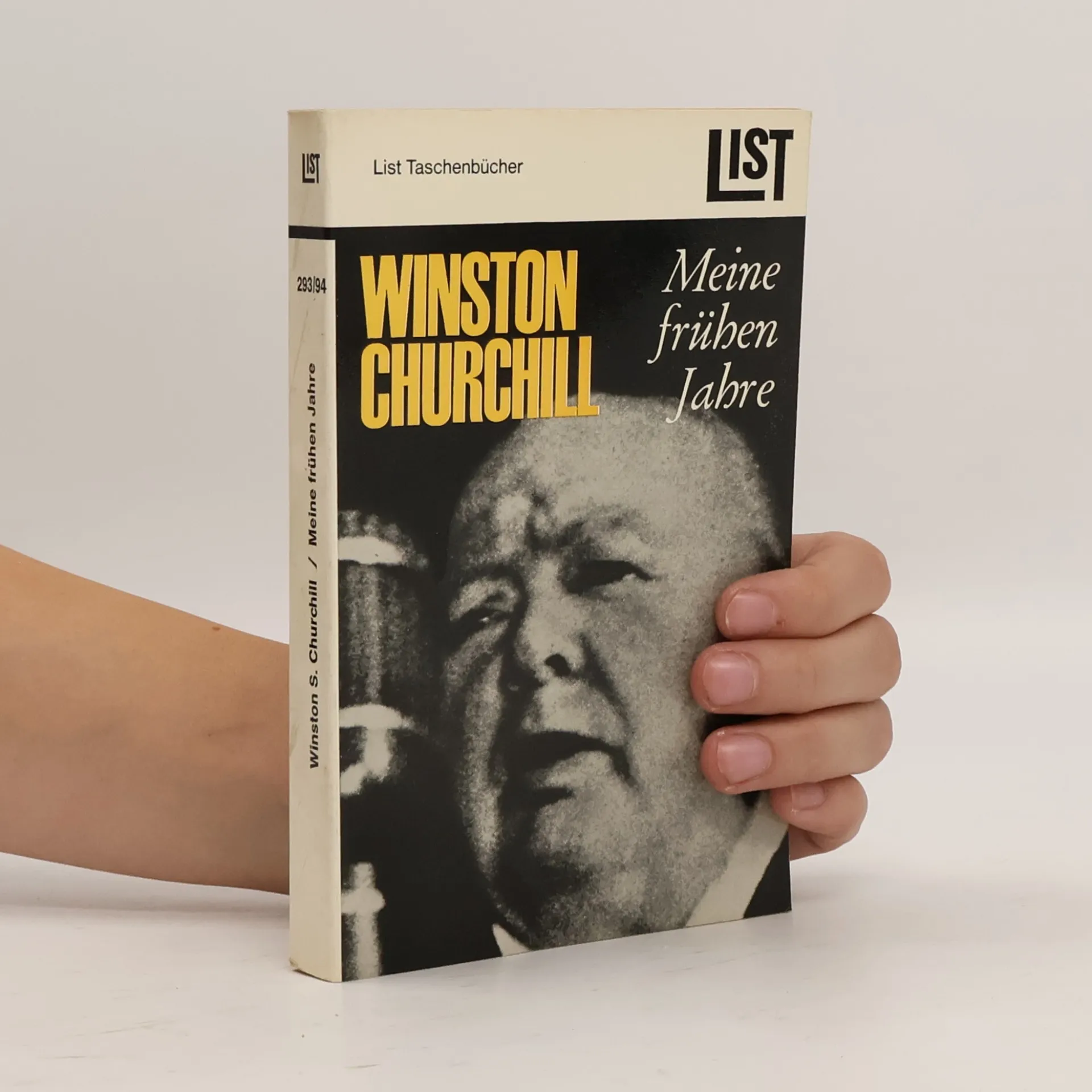
»Ich hatte einen herrlichen Monat – ich habe ein Häuschen gebaut und ein Buch diktiert: 200 Ziegelsteine und 2000 Wörter am Tag«, erzählte Churchill Stanley Baldwin über seine Parlamentsferien 1928. In diesem Werk wird die Erzählfreude des Autors auf jeder Seite spürbar: Churchills Erinnerungen an seine ersten dreißig Lebensjahre, aus einer »jeweils meinem Lebensalter angemessenen Sichtweise« geschrieben. Churchill beschönigt nichts – weder seine schlechten schulischen Leistungen noch seine peinliche Kriegsbegeisterung an der Militärakademie. Sein Bericht liest sich lebendig, ehrlich und aufschlussreich. Der Nobelpreisträger für Literatur versetzt sich in sein jüngeres Ich wie in eine Romanfigur, und die Misserfolge des jungen Winston sowie seine waghalsige Flucht vor den Buren ergeben einen echten Abenteuerroman, verfasst mit typischem Churchill-Witz und einer Prise Ironie. Zudem zeichnet der bedeutendste Staatsmann des 20. Jahrhunderts das Bild eines verschwundenen Zeitalters: Er betrachtet die politischen Ereignisse seiner Jugend und die Kriege, an denen er als Soldat und Kriegsberichterstatter teilgenommen hat, mit den Augen eines Zeitgenossen. Eine unverzichtbare Lektüre für alle, die Churchill und seine Zeit besser verstehen möchten.
Reden in Zeiten des Krieges
- 384 Seiten
- 14 Lesestunden
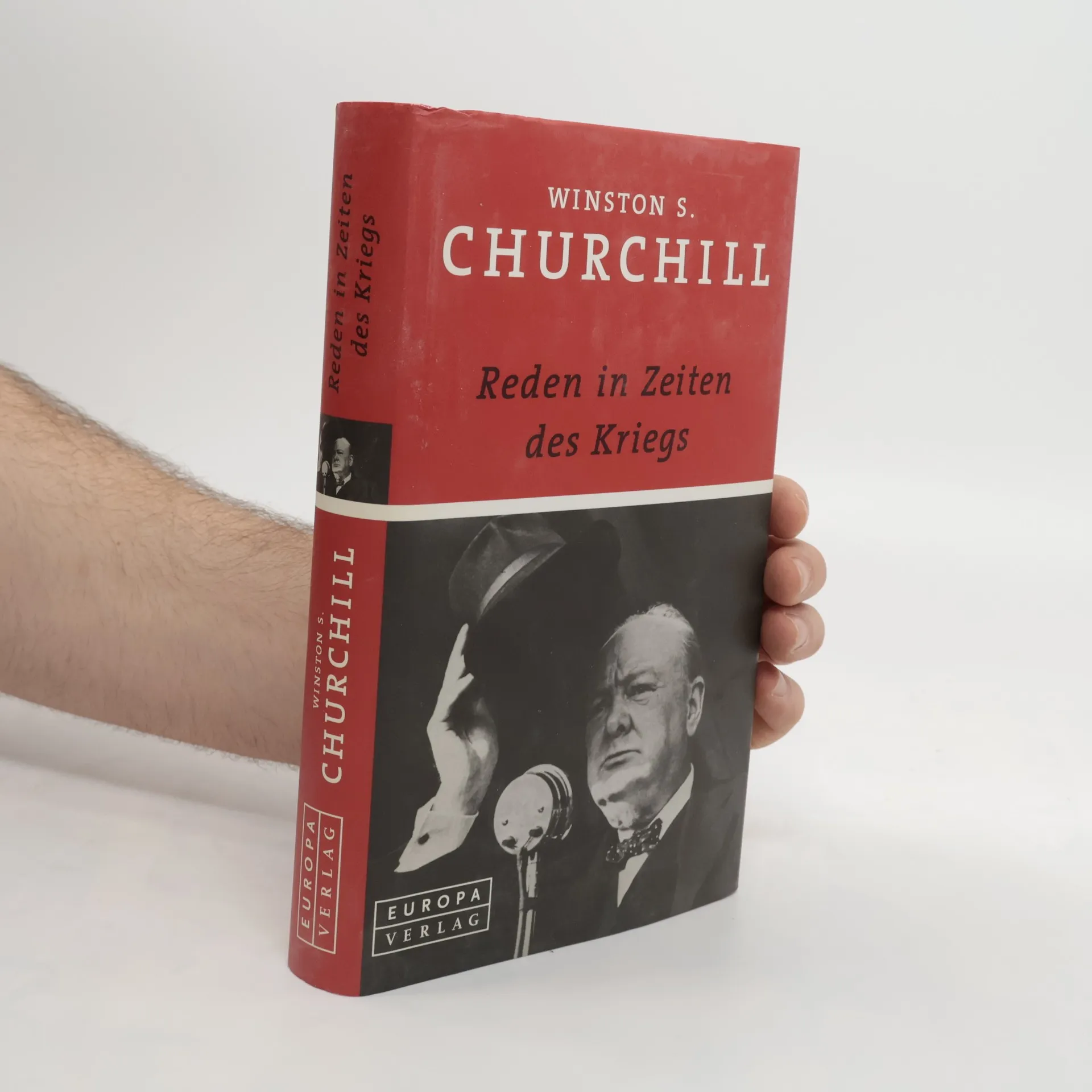
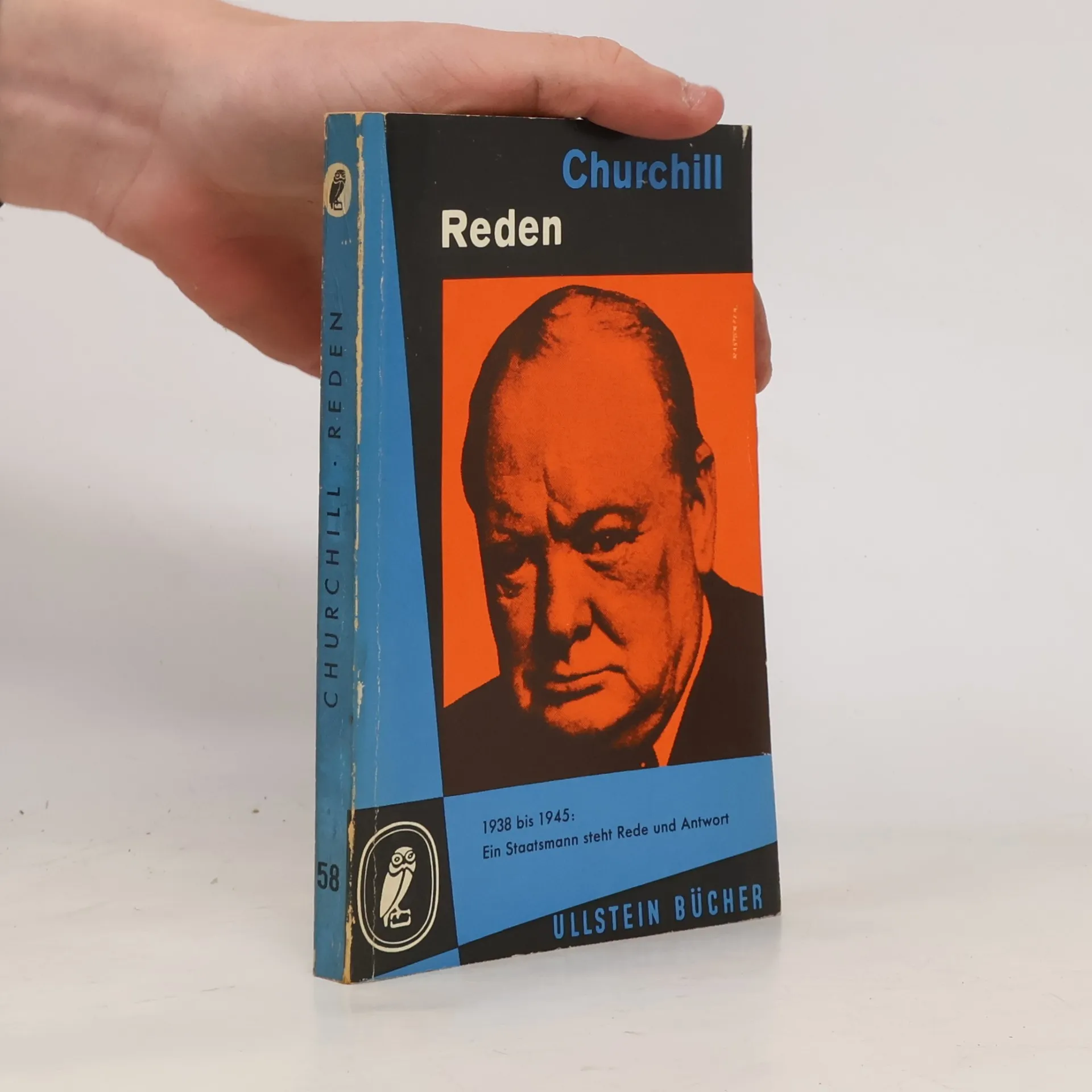
"Reden in Zeiten des Krieges" präsentiert Churchills rednerisches Werk, das Kampfgeist, Toleranz und Humor vereint, und beleuchtet den dramatischen Verlauf des Zweiten Weltkriegs. Zudem enthält es erstmals Churchills „Zürcher Rede“ von 1946, die ihn zur Ikone der Europabewegung machte.
Reden in Zeiten des Kriegs
- 318 Seiten
- 12 Lesestunden
Sir Winston Churchill (1874 – 1965) war ein bedeutender britischer Staatsmann, ein Krieger, Volkstribun, ein kluger und romantischer Reaktionär, ein mit dem Nobelpreis ausgezeichneter Schriftsteller – und nicht zuletzt ein begnadeter Redner. Der Band „Reden in Zeiten des Kriegs" bietet einen Querschnitt durch das rednerische Werk Churchills, das von Kampfgeist und Toleranz, von Ehrlichkeit und Traditionsbewusstsein, von Fortschrittlichkeit und Humor zeugt – und durch den dramatischen Verlauf des Zweiten Weltkriegs, so dass sich die schwersten Jahre in der Geschichte Europas vor dem Leser ausbreiten. Erstmals enthält dieser Band auch Churchills „Zürcher Rede" von 1946.
Churchill Memoiren
Italien kapituliert
Reden in Zeiten des Krieges
- 320 Seiten
- 12 Lesestunden
Sir Winston Churchill gehört zu den Männern des 20. Jahrhunderts. Er war ein bedeutender britischer Staatsmann, ein Krieger, ein Volkstribun, ein kluger und romantischer Reaktionär, ein mit dem Nobelpreis ausgezeichneter Schriftsteller - und nicht zuletzt ein begnadeter Redner. Der Band „Reden in den Zeiten des Kriegs“ bietet einen Querschnitt einerseits durch das rednerische Werk Churchills, das von Kampfgeist und Toleranz, von Ehrlichkeit und Traditionsbewusstsein, von Fortschrittlichkeit und Humor zeugt - und andererseits durch den dramatischen Verlauf des Zweiten Weltkriegs, so dass sich die schwersten Jahre in der Geschichte Europas vor dem Leser ausbreiten. Das direkte, das hoffende, klagende und warnende Wort Churchills ist und bleibt ein höchst eindrückliches und literarisches Zeitdokument.
Churchill Memoiren
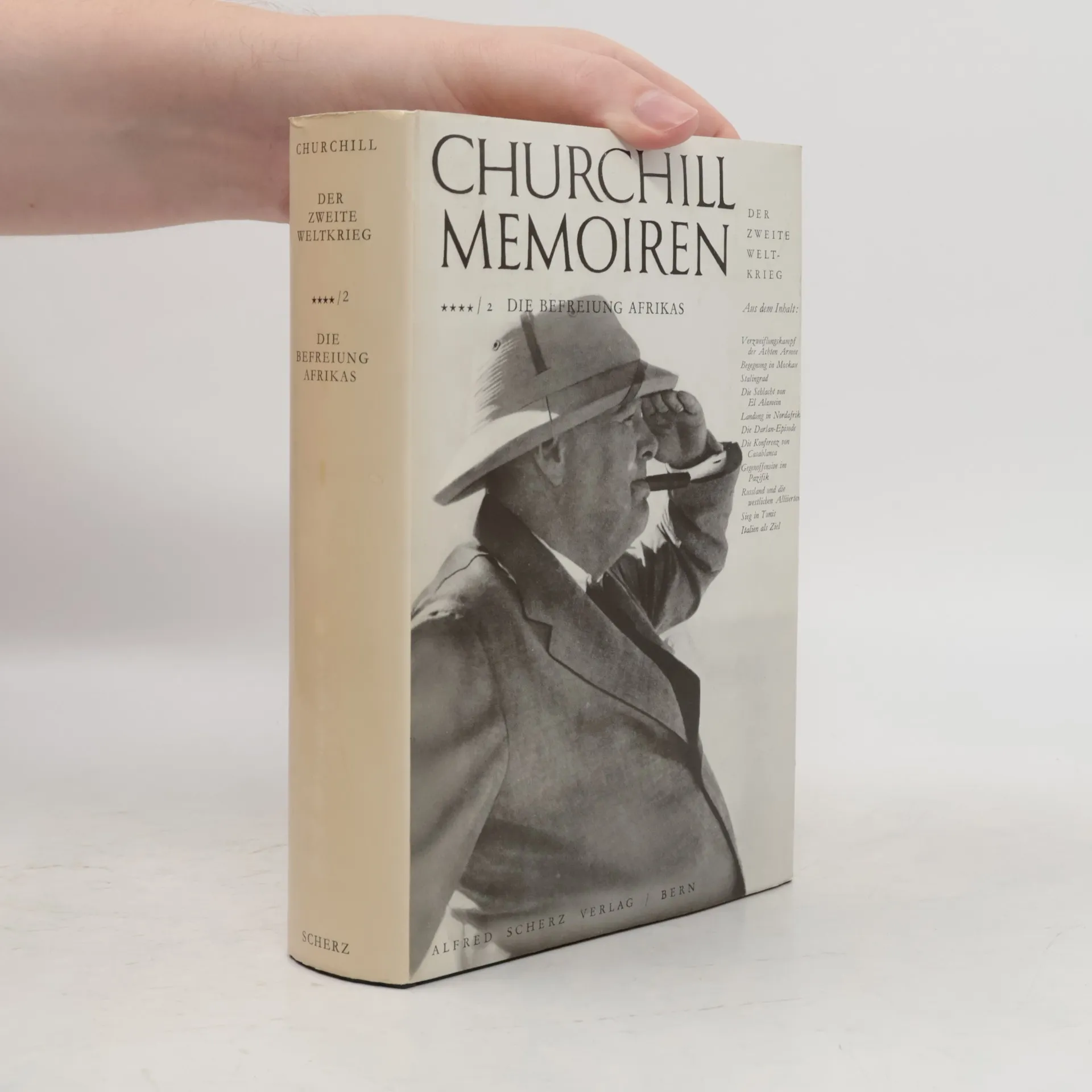
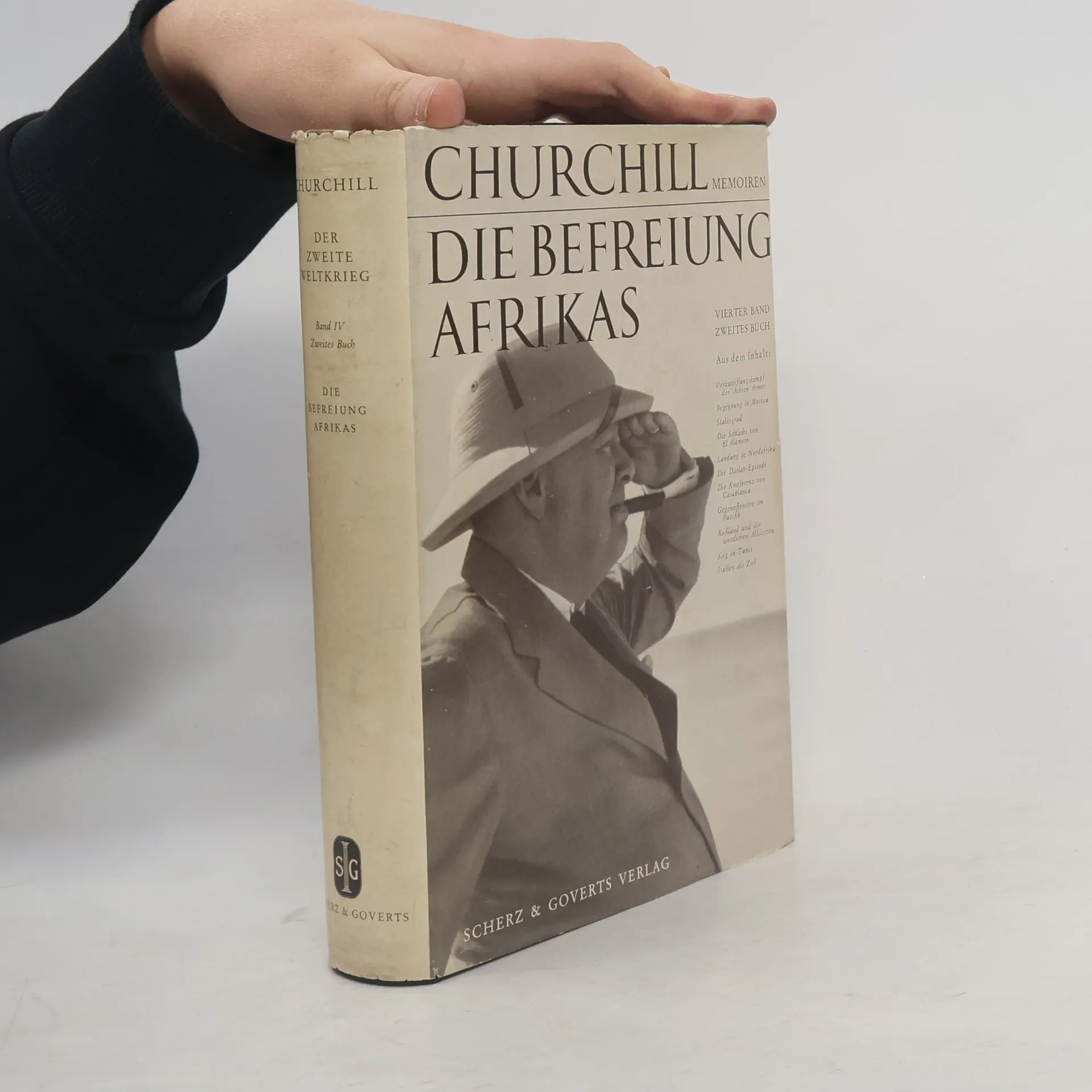
Der zweite Weltkrieg, 4. Band, 2. Buch. Die Befreiung Afrikas
Zum Teufel alle miteinander!
- 125 Seiten
- 5 Lesestunden
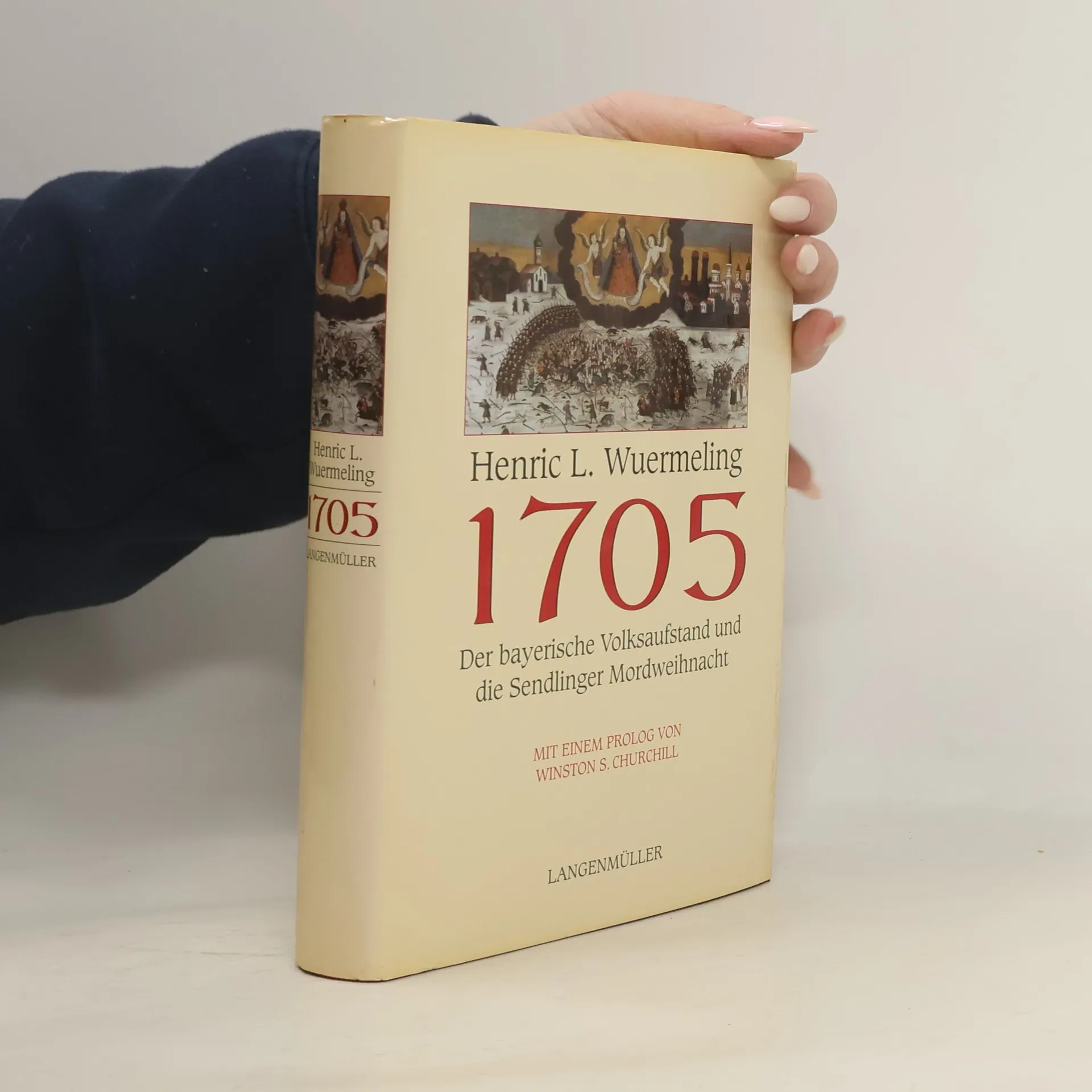
1705 - Der bayerische Volksaufstand
- 336 Seiten
- 12 Lesestunden
Die erste Revolution der Neueren Geschichte fand in Bayern statt - 1705. Wenn man von Votivbildern aus jener Zeit das Wort "Revolution" übernimmt, so fand die erste Revolution der Neueren Geschichte nicht 1776 in den USA oder 1789 in Frankreich, sondern am 25. Dezember 1705 in Bayern statt. Mitten in der heiligen Nacht. Henric L. Wuermeling erzählt die Geschichte dieses Volksaufstands, minutiös rekonstruiert aus Tagebüchern, Verhören, Aktennotizen und Augenzeugenberichten. Der bayerische Volksaufstand richtete sich zunächst gegen die fremden Besatzungstruppen im eigenen Land. Von der damals eine Million Einwohner zählenden Bevölkerung Bayerns beteiligten sich etwa 100 000 an dem Aufstand, 40 000 nahmen an dem Sternmarsch nach München teil und 10 000 wurden Opfer dieses Aufstands, der ganz Bayern erschütterte. Da aber diese Revolution mißglückte, blieb ihr die Sprengkraft versagt. Die alliierten Truppen des Heiligen Römischen Reiches Deutscher Nation blieben als Besatzungsmacht die Sieger. Der Autor stellt der Legende die historische Wahrheit gegenüber. Es handelte sich nicht um einen "Bauernaufstand", es war vielmehr ein "Bayernaufstand".
Am Ende seines langen Lebens als der wohl prominenteste britische Staatsmann hat Sir Winston Churchill nach dem Kriege ein 12bändiges Memoirenwerk verfasst, aus dem er - für ein breites Publikum - eine einbändige Ausgabe ableitete. Diese ergänzte er 1957 durch einen Epilog "Der 'kalte Friede' und unsere Zukunft". Für sein Memoirenwerk hat er 1953 den Literaturnobelpreis erhalten.
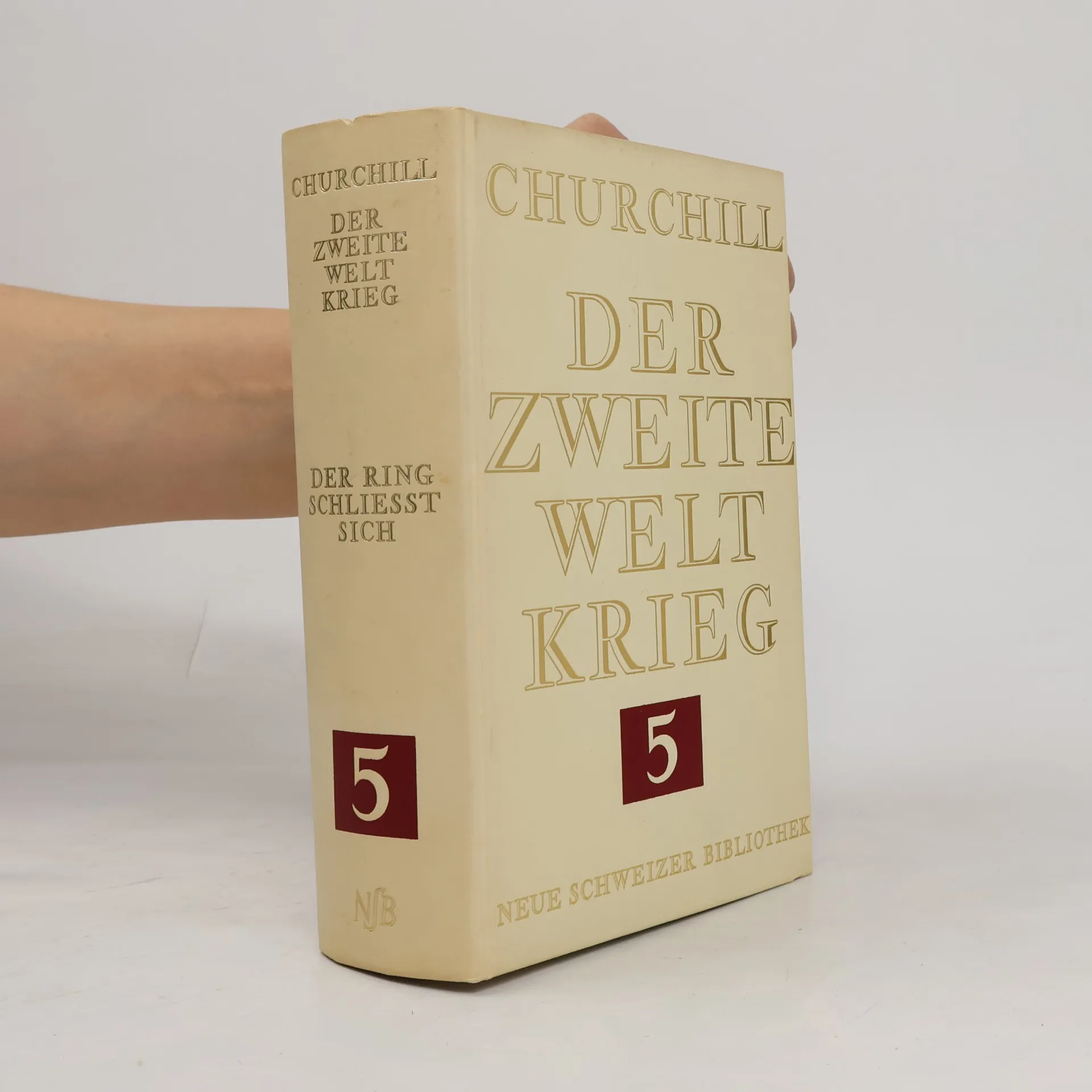
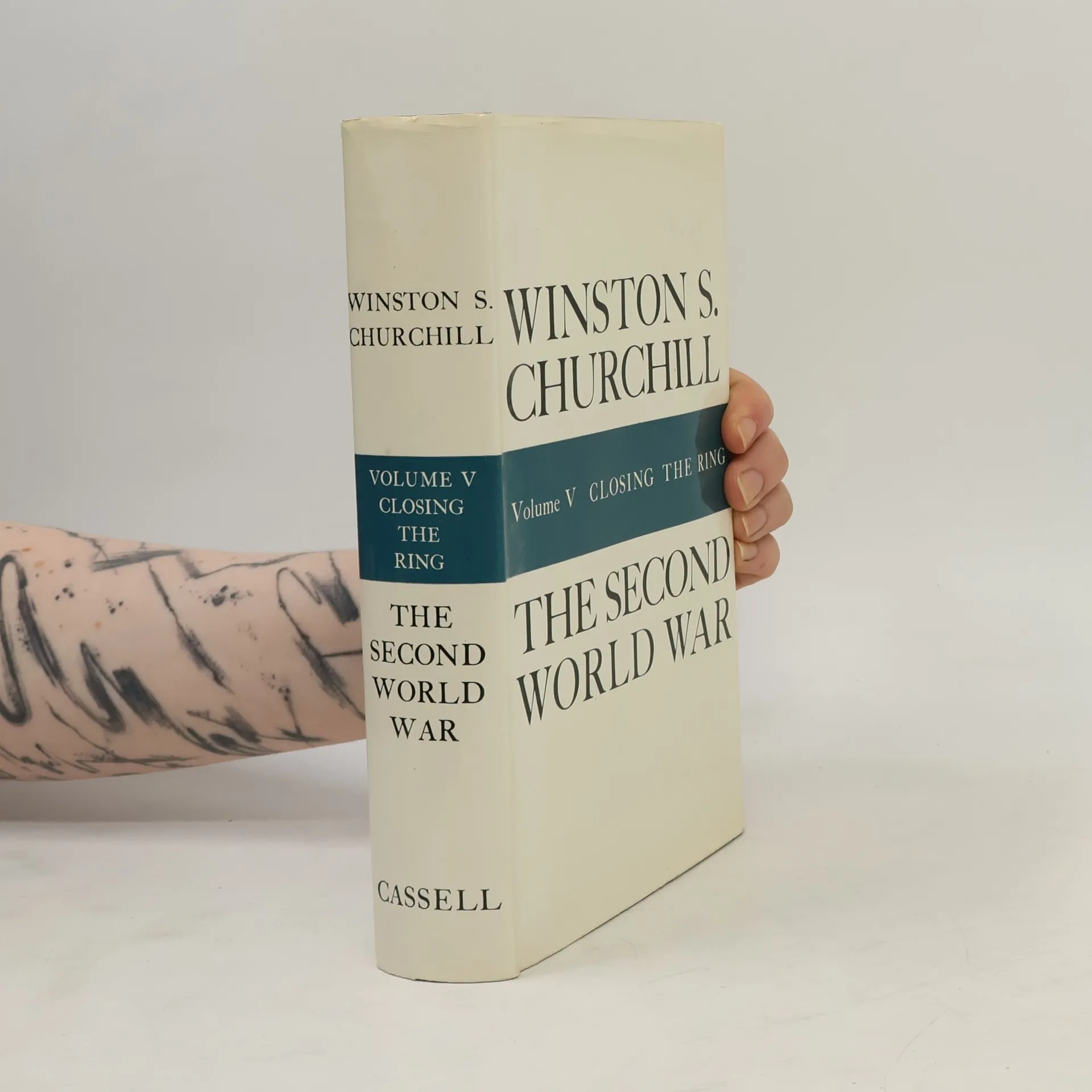
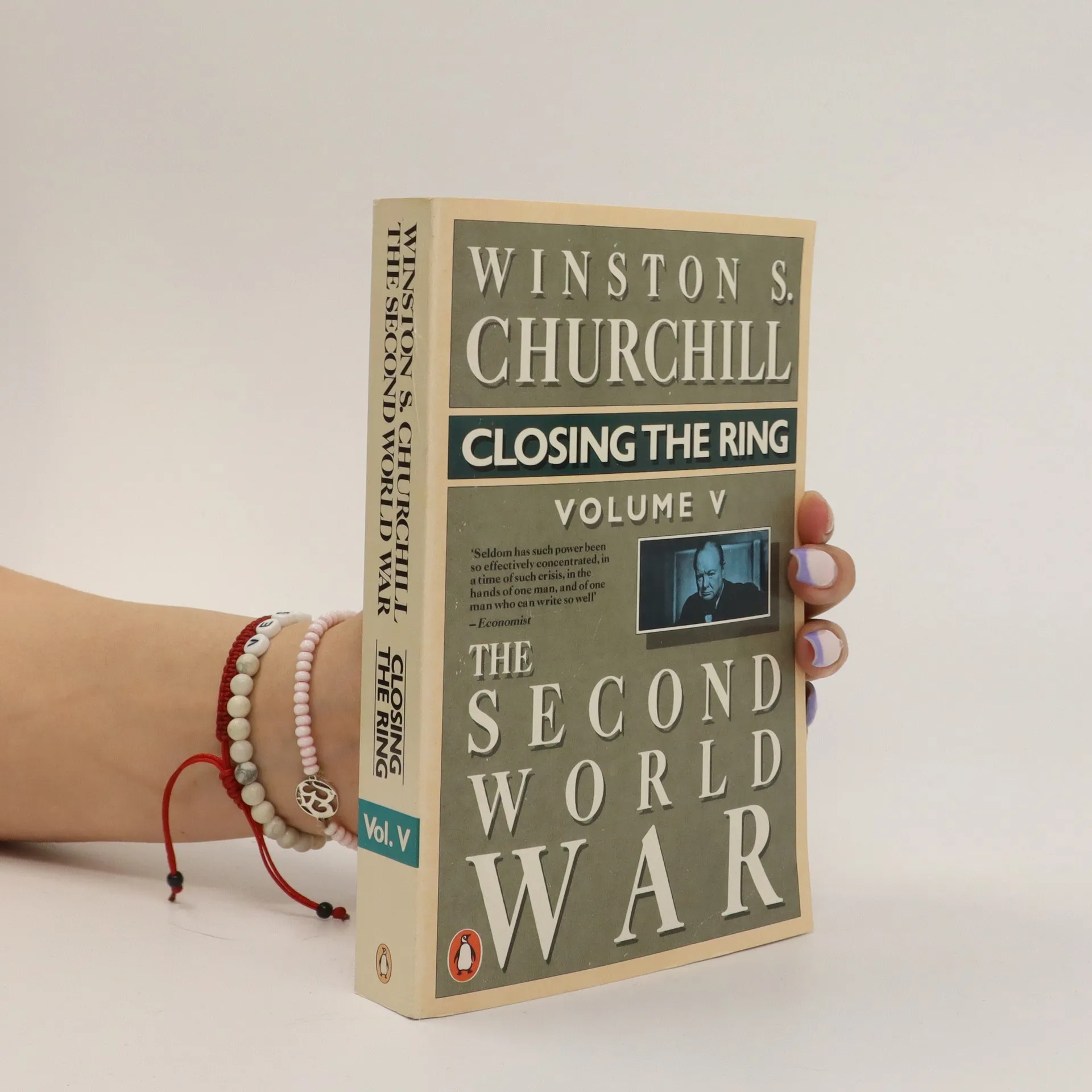
The Second World War: Closing the Ring, volume V.
- 592 Seiten
- 21 Lesestunden
Closing the ring covers the decisive twelve months between June 1943 and June 1944. Command of the seas had returned to Allied hands, the U-boats were mastered and the Luftwaffe beaten. These achievements made possible the 'closing of the ring' which was to extinguish Axis resistance and eventually end the war. The danger was no longer defeat but stalemate. Russian armies were driving the German invaders back into their own country, Italy was freed from the fascist yoke and Africa was cleared. However, before the Allies lay the formidable task of invading the aggressors in their own land. Frankly and unreservedly, Sir Winston Churchill reveals the tensions and divergences of opinions concerning how best to achieve this among the three great partners, Britain, USA and Russia.
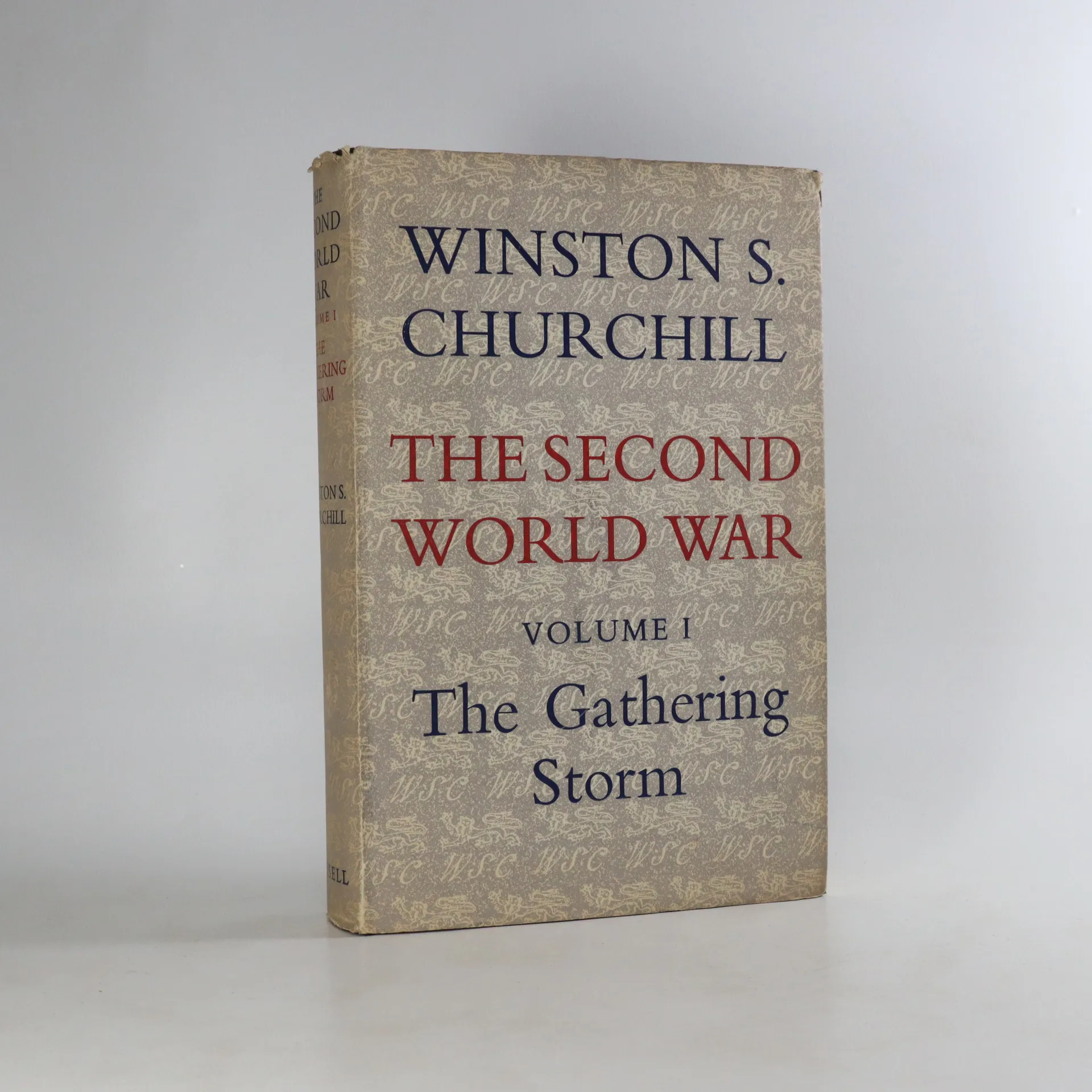
Winston Churchill was not only a statesman and leader of historic proportions, he also possessed substantial literary talents. These two factors combine to make The Gathering Storm a unique work. The first volume of Churchill's memoirs, this selection is broken into two parts. The first, From War to War, consists of Churchill's critical observations on the settlement of World War I and its place in the causes of the Second World War. The second volume contains letters and memoranda from the British government--of which Churchill was part--as the country plunged unprepared into war. This stands as the best of history: written as it was made, by the man who made it.
Druhá světová válka II.
Jejich nejskvělejší hodina
Paměti jednoho z největších státníků našeho století.
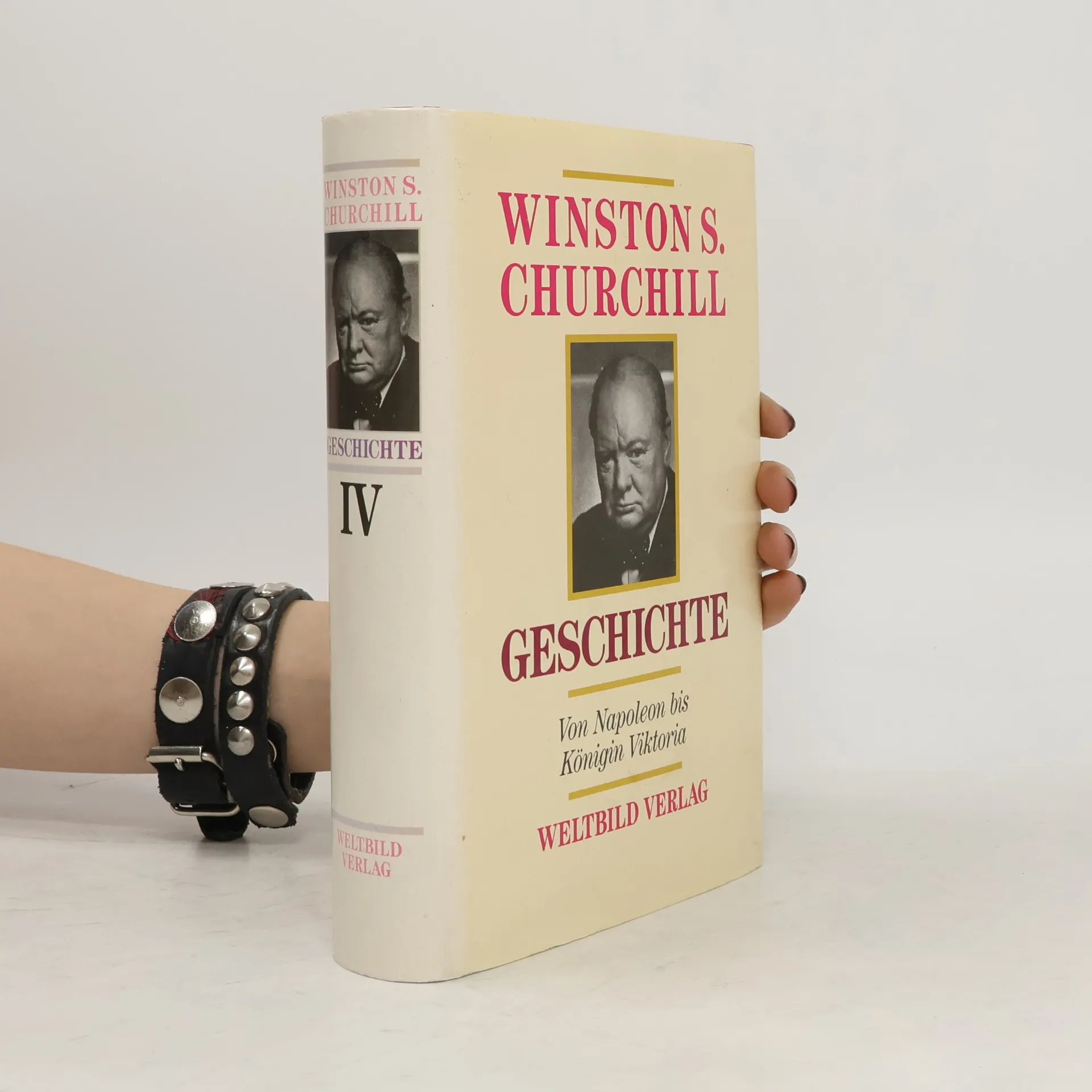
"This history will endure; not only because Sir Winston has written it, but also because of its own inherent virtues - its narrative power, its fine judgment of war and politics, of soldiers and statesmen, and even more because it reflects a tradition of what Englishmen in the hey-day of their empire thought and felt about their country's past." The Daily Telegraph Spanning four volumes and many centuries of history, from Caesar's invasion of Britain to the start of World War I, A History of the English-Speaking Peoples stands as one of Winston Churchill's most magnificent literary works. Begun during Churchill's 'wilderness years' when he was out of government, first published in 1956 after his leadership through the darkest days of World War II had cemented his place in history and completed when Churchill was in his 80s, it remains to this day a compelling and vivid history. The Great Democracies is the fourth and final volume of Churchill's history. Here, Churchill reaches the modern era. For Britain, this was the high Victorian era of Palmerston, Gladstone and Disraeli, an age of free trade and imperialism as the British spread to Africa, Australia and New Zealand. Meanwhile the fledgling republic in America endured the great crisis of the Civil War to take its first steps on the road to becoming the world superpower that endures to this day.
Covers the problems confronted by Churchill as he becomes Prime Minister, the Battle of France, the story of Dunkirk, the Battle of Britain, and the rebuilding of England's Army
The Crisis
- 486 Seiten
- 18 Lesestunden
Set against the backdrop of St. Louis, Missouri, this historical novel explores the tensions and events leading up to the American Civil War. Through the perspectives of prominent local citizens, the narrative delves into the conflicting loyalties between Northern and Southern forces, highlighting the complexities of the era. The author weaves a rich tapestry of historical detail, immersing readers in the critical moments that shaped the conflict.
History of the English Speaking Peoples - 4: The Great Democracies
- 403 Seiten
- 15 Lesestunden
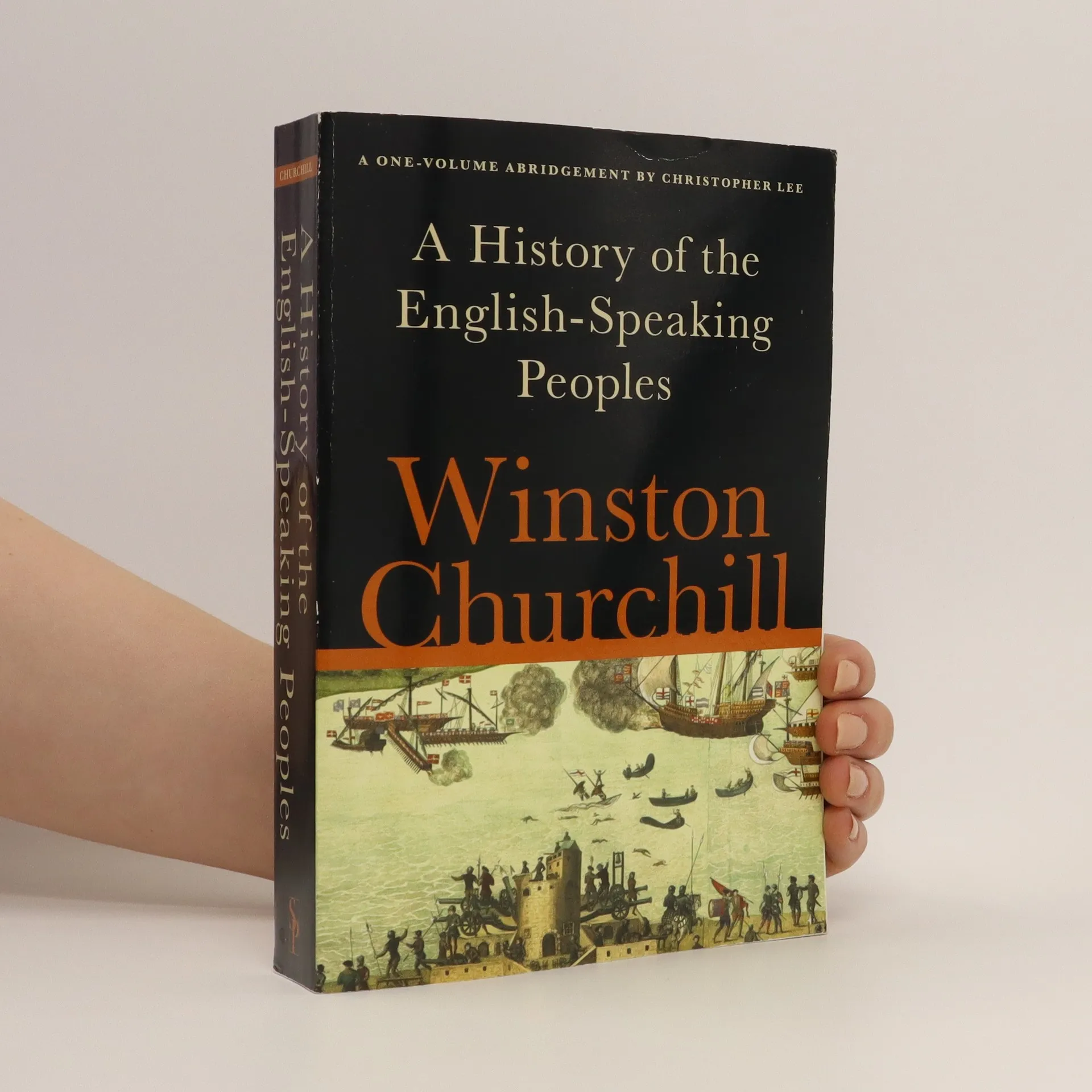
A History of the English-Speaking Peoples
- 656 Seiten
- 23 Lesestunden
An authoritative survey of the history of English-speaking peoples throughout the world combines intriguing, closely observed biographical profiles—of Alfred the Great, Victoria, Joan of Arc, Lincoln, and other notables—with an account of the key events and issues of the era. The narrative commences fifty-five years before the birth of Christ, when Julius Caesar famously “turned his gaze upon Britain,” and concludes in the year 1900. The beginnings of Parliament, the Church, and the monarchy are all analyzed alongside this comprehensive abridgment.
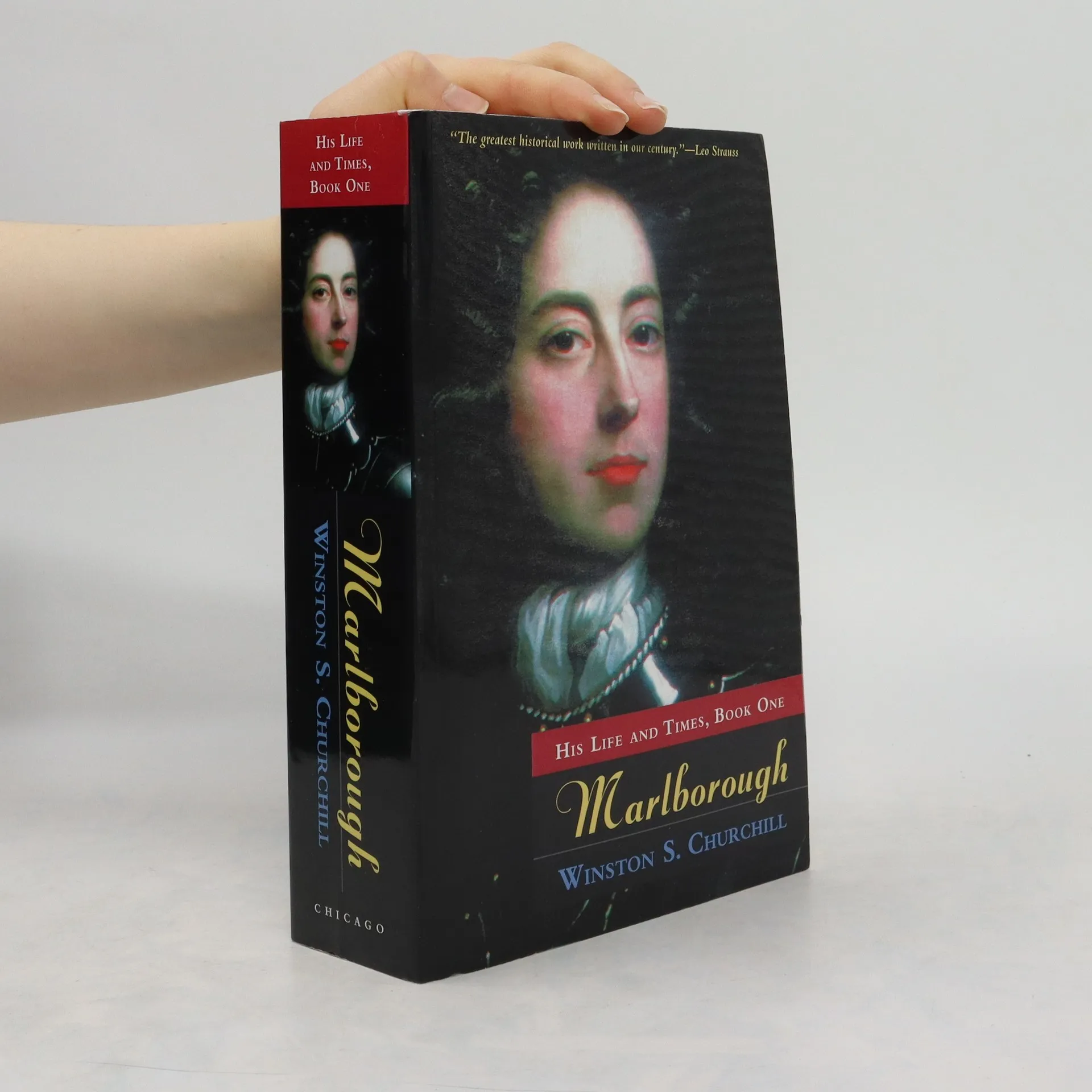
Focusing on the life of John Churchill, the Duke of Marlborough, this work offers a blend of homage and historical insight from his descendant, Sir Winston Churchill. It delves into the remarkable military and political achievements of one of England's greatest commanders, providing a personal perspective on his legacy and influence.
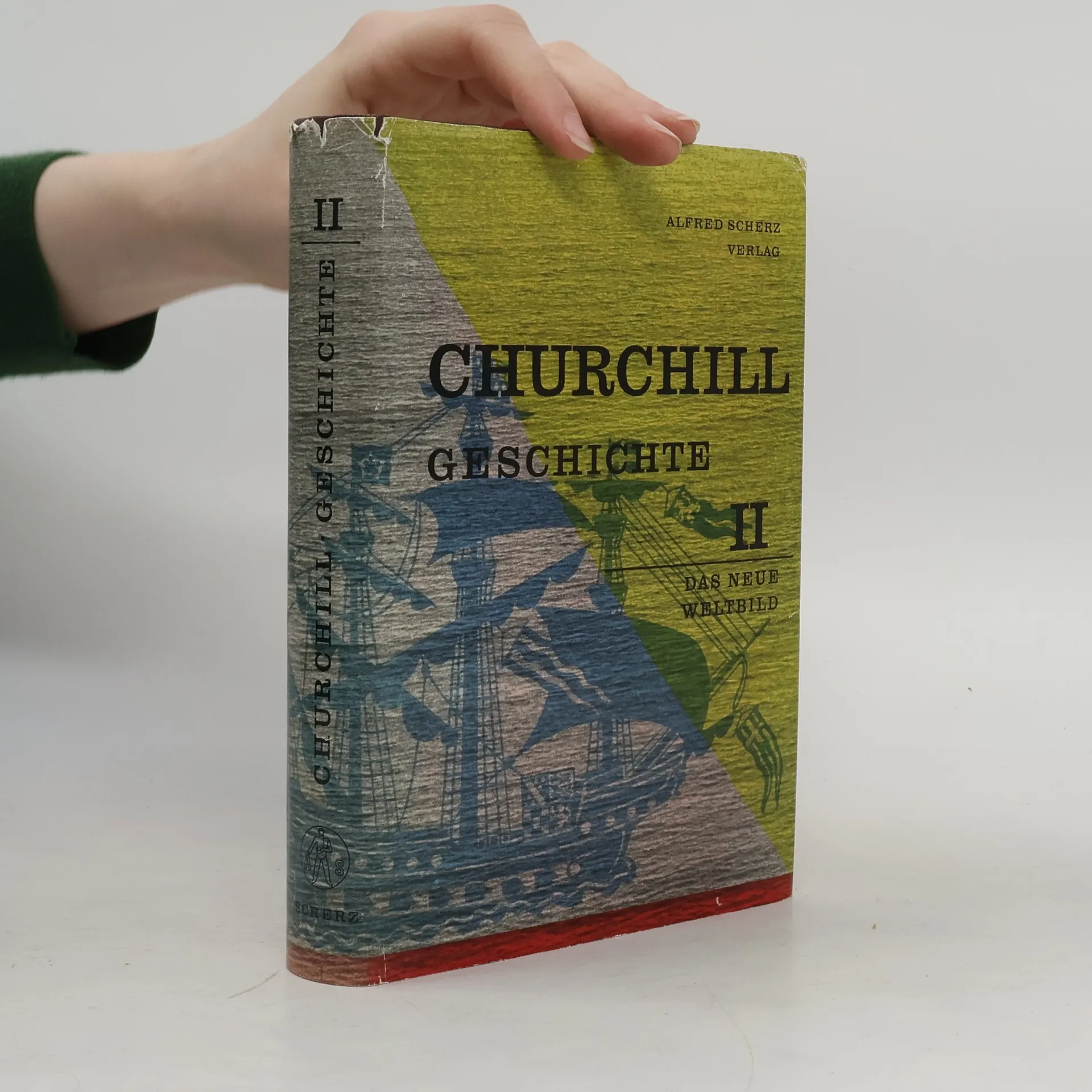
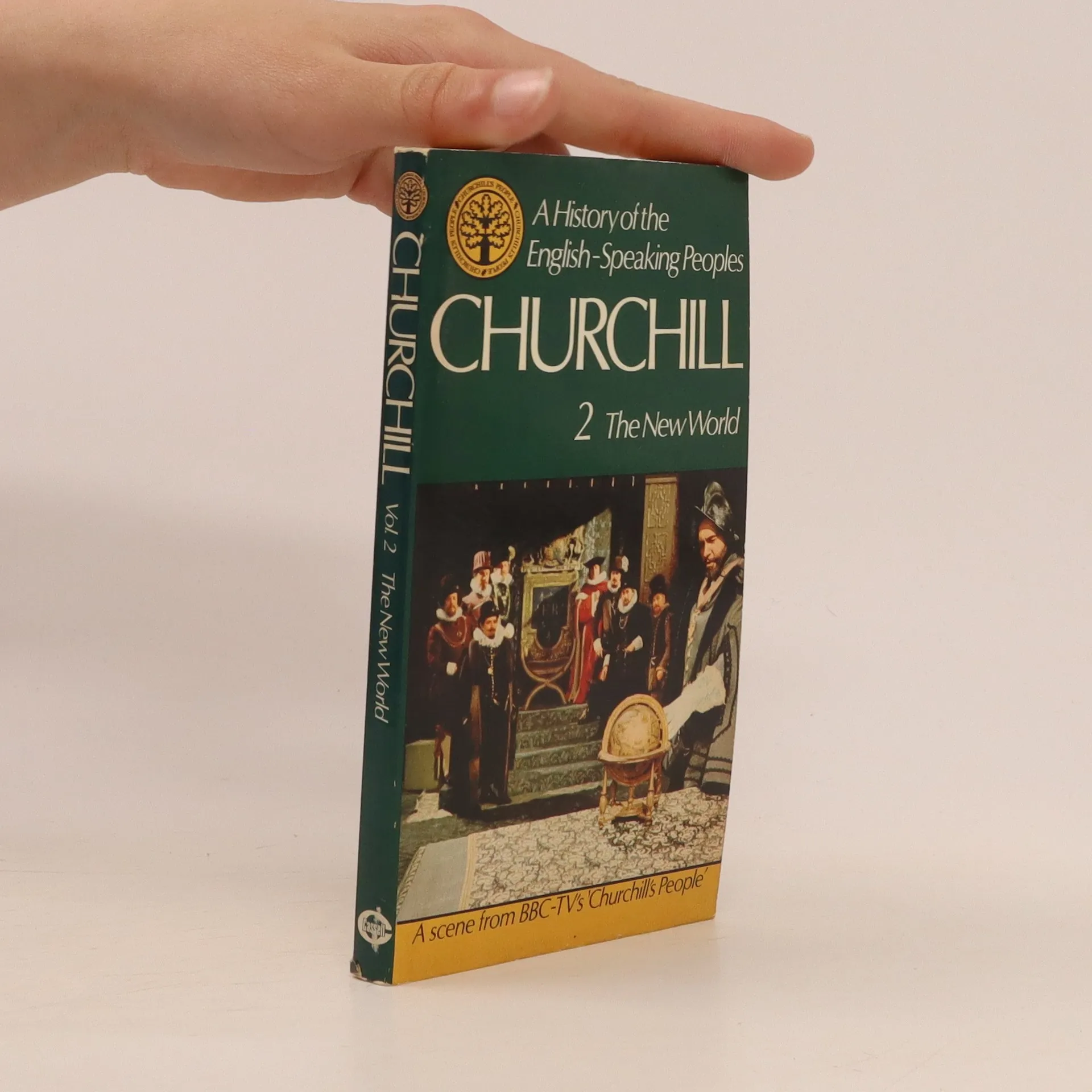
A History of the English-speaking peoples. Volume 2
The New World
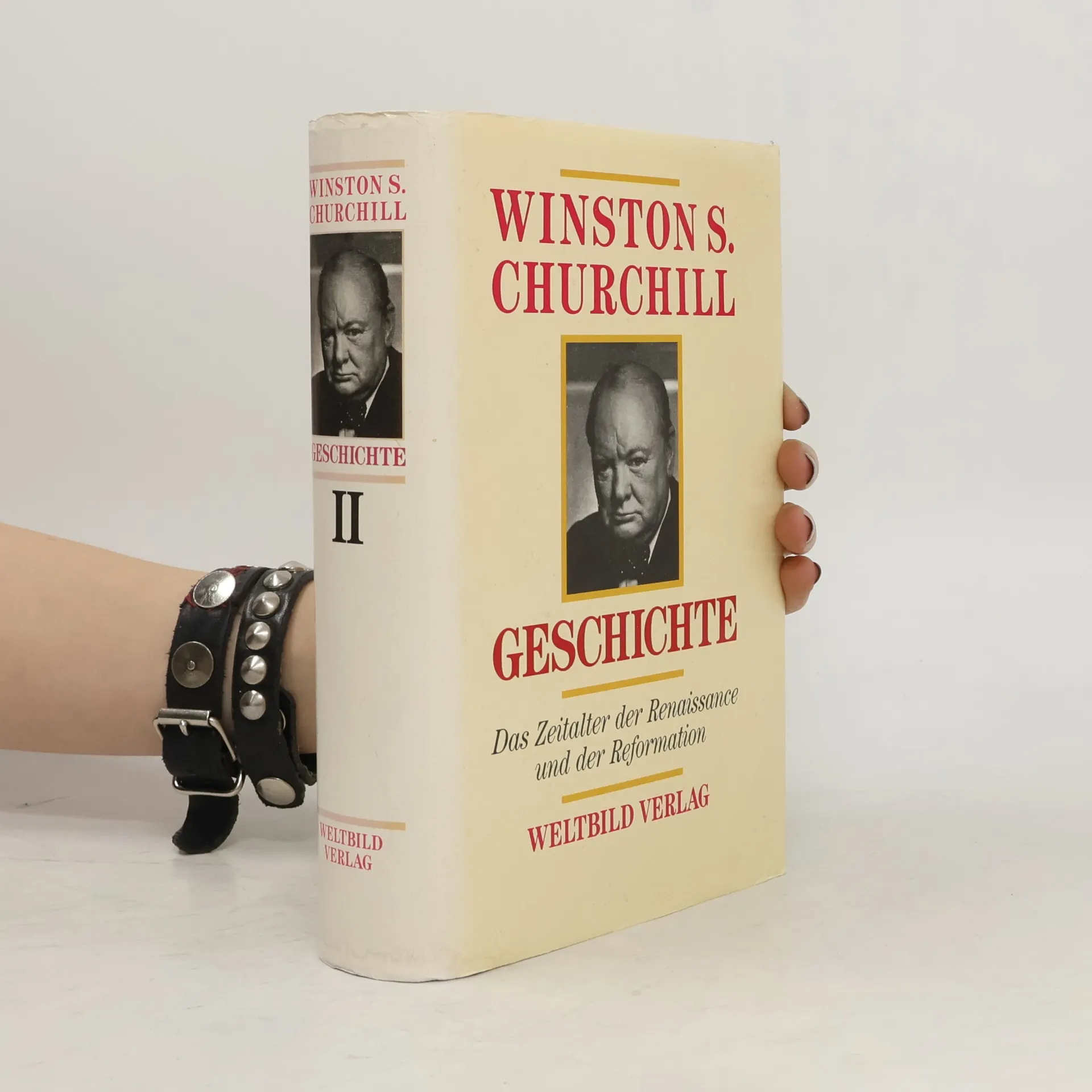
"This history will endure; not only because Sir Winston has written it, but also because of its own inherent virtues - its narrative power, its fine judgment of war and politics, of soldiers and statesmen, and even more because it reflects a tradition of what Englishmen in the hey-day of their empire thought and felt about their country's past." The Daily Telegraph Spanning four volumes and many centuries of history, from Caesar's invasion of Britain to the start of World War I, A History of the English-Speaking Peoples stands as one of Winston Churchill's most magnificent literary works. Begun during Churchill's 'wilderness years' when he was out of government, first published in 1956 after his leadership through the darkest days of World War II had cemented his place in history and completed when Churchill was in his 80s, it remains to this day a compelling and vivid history. The second volume - The New World - explores the emergence of Britain on the world stage and a turbulent period at home: from Henry VIII's break with Rome and the English Reformation to the fending off of the Spanish Armada and the schism between parliament and crown that led to the civil war, the fall and rise of the monarchy and the rule of Oliver Cromwell. The book also covers the historic journey of the 'Mayflower' that saw the English-speaking peoples' arrival in the Americas.
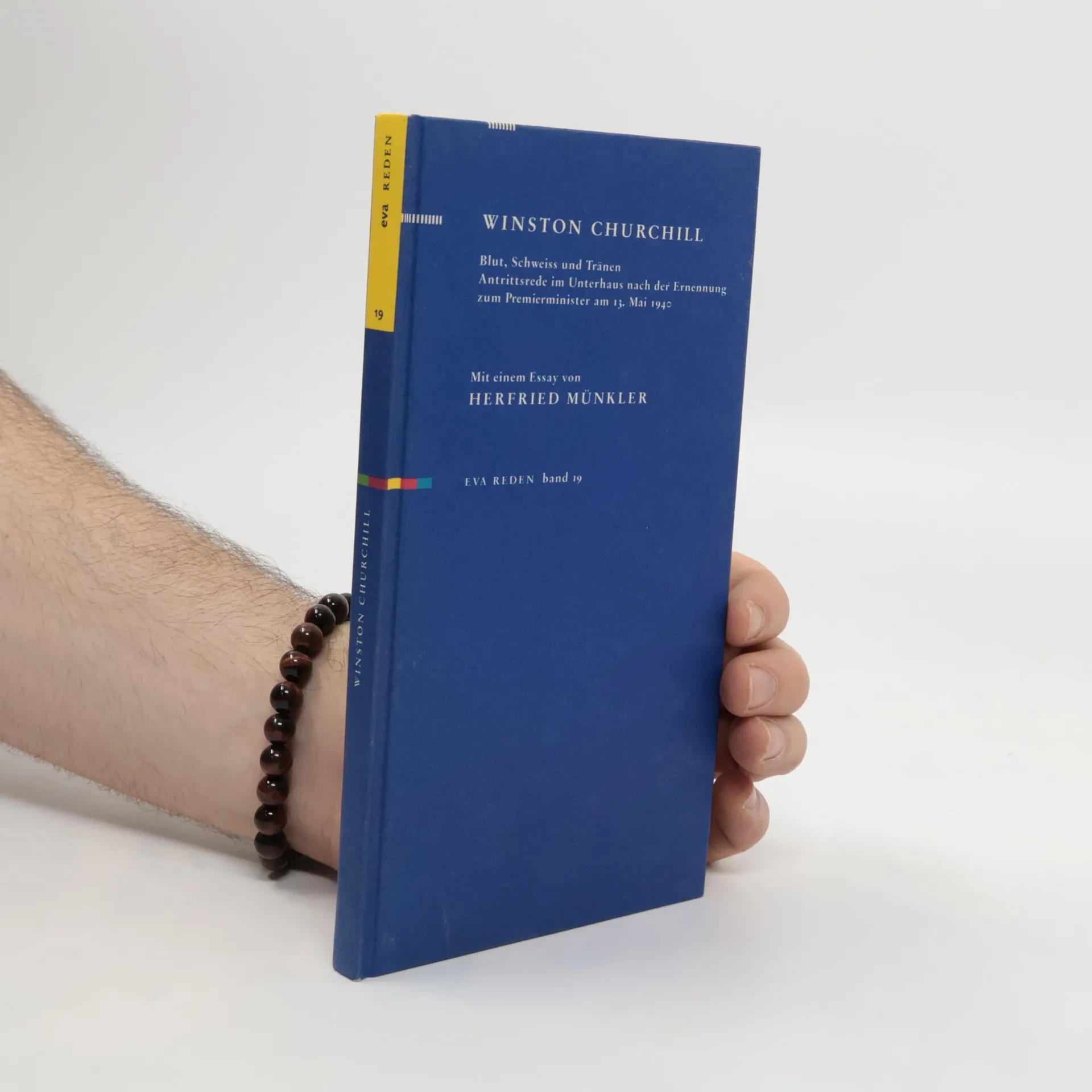
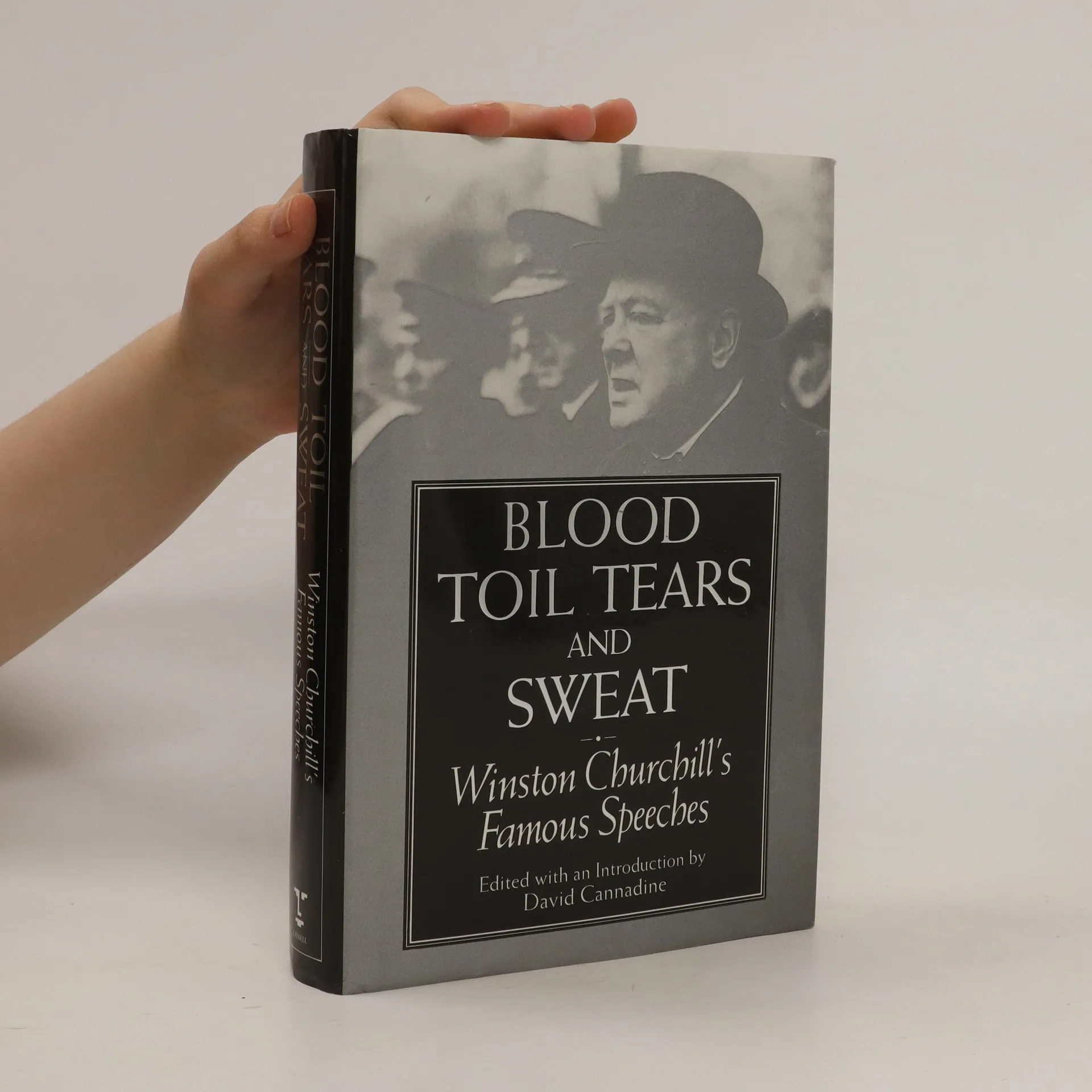
Blood, Toil, Tears and Sweat : Winston Churchill's Famous Speeches
- 355 Seiten
- 13 Lesestunden
With a superb series of specially selected illustrations, & a pithy introduction to each speech by Cannadine, this collection gives an unforgettably vivid picture of Churchill the orator in action. His voice may be silenced, but his words still speak.
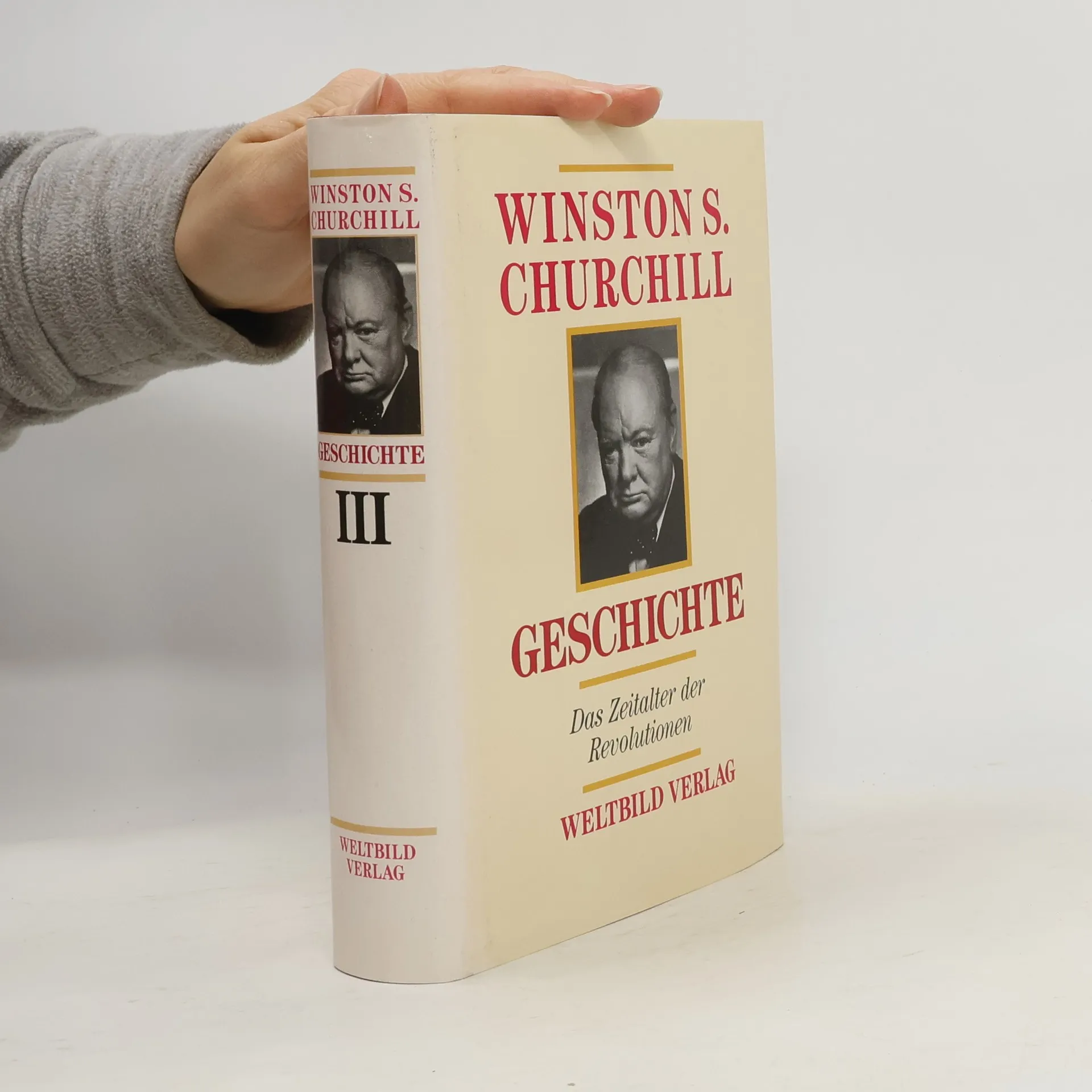
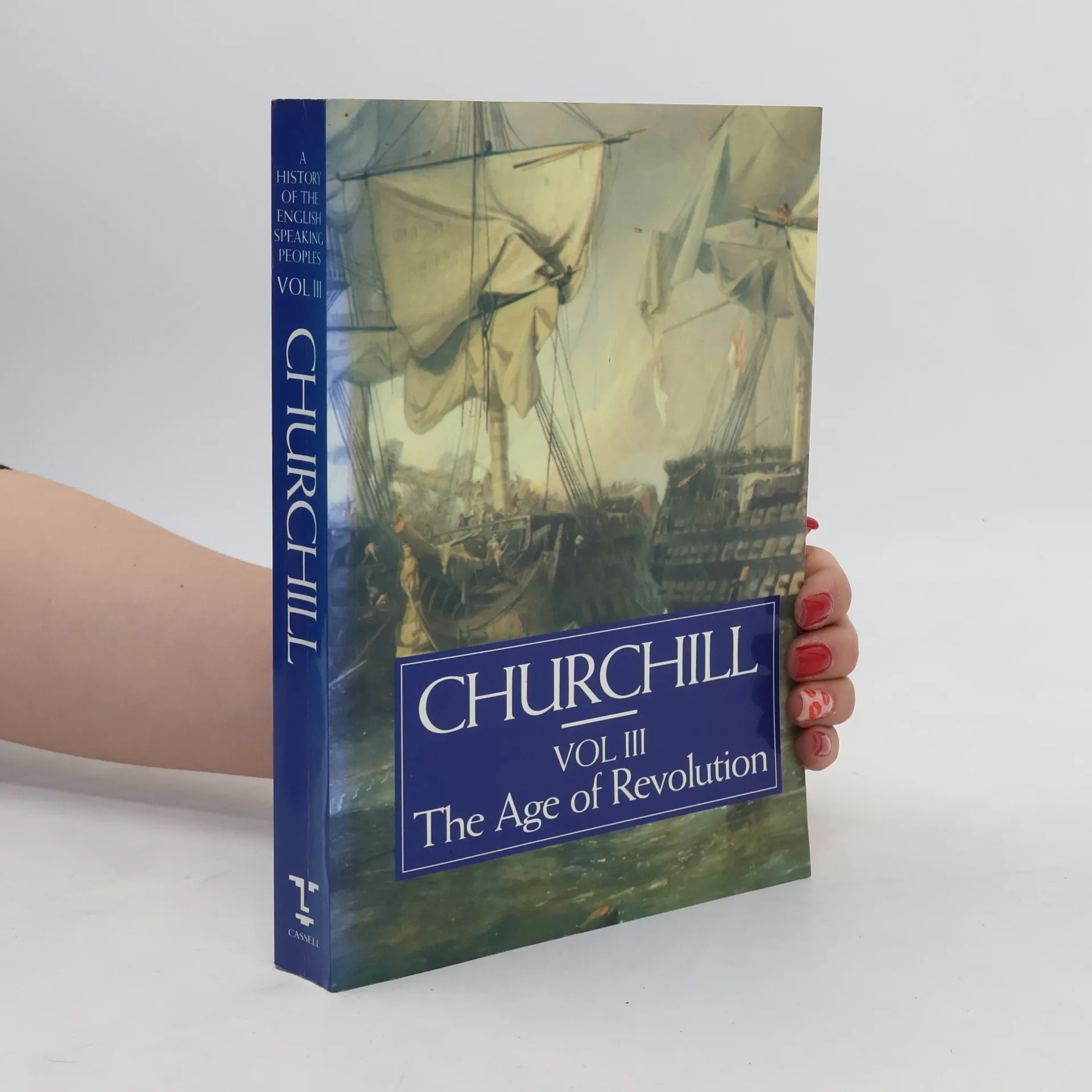
The Age of Revolution III.
- 352 Seiten
- 13 Lesestunden
Sir Winston Churchill's classic History of the English-Speaking Peoples; with an introduction by Andrew Roberts, author of Eminent Churchillians
Originally published: London: Thornton Butterworth Ltd., 1939.