

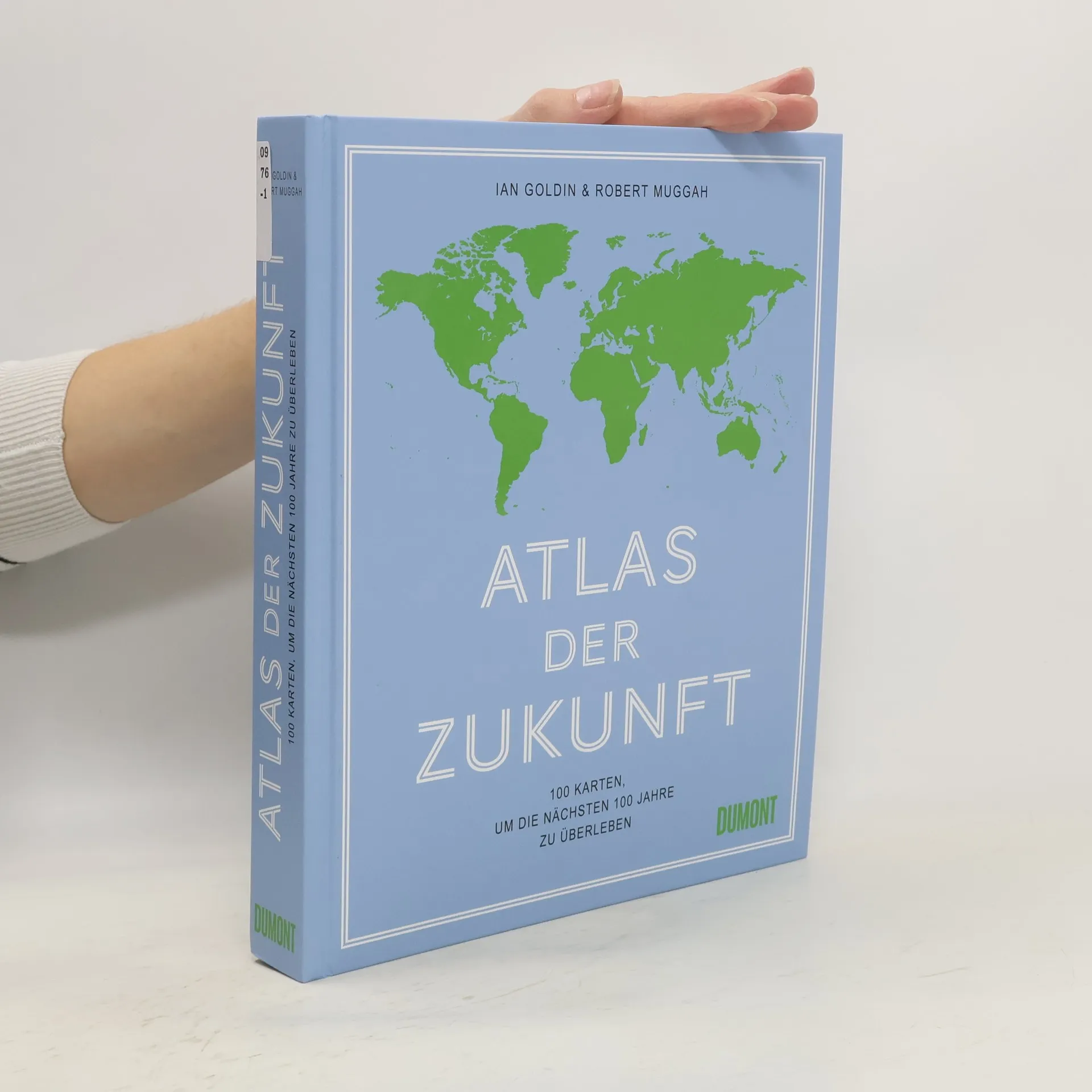
Das Leben auf unserer Welt hat sich in den letzten Jahrzehnten deutlich verändert, 2020 besonders weitreichend, und viele Umbrüche kommen noch auf uns zu. Unsere gewohnten Landkarten, sowohl die im Kopf als auch die physischen, sind nicht mehr zweckdienlich. Nicht die Aufgliederung in Staatsgebiete, sondern die Darstellung von grenzüberschreitenden Aspekten wird die Zukunft der Kartografie bestimmen und für das gemeinsame Handeln nützlich sein. Auf der Grundlage jahrzehntelanger Forschung kombinieren Ian Goldin und Robert Muggah Satellitenbilder und Projektionen mit ihren aufschlussreichen Analysen. Sie offenbaren viele tiefgreifende Ungleichheiten, die für die Menschheit essenziell werden, wenn die großen Themen wie z. B. Globalisierung, Klima, Verstädterung, Geopolitik, Migration, Ernährung und Bildung nicht angegangen werden. Der ›Atlas der Zukunft‹ ermöglicht einen umfassenden Blick auf globale Trends, die unsere Welt neu gestalten. Dieses Buch bietet eine Aussicht nicht nur auf die Heraus- forderungen, vor denen wir stehen, sondern auch darauf, wie wir sie mit den richtigen Daten und Informationen in den Griff bekommen können.
Ian Goldin Bücher
Ian Goldin ist Professor an der Universität Oxford in England und konzentriert sich auf Globalisierung und Entwicklung. Als Direktor der Oxford Martin School erforscht er dringende globale Herausforderungen. Seine Arbeit befasst sich mit den komplexen gesellschaftlichen und wirtschaftlichen Veränderungen, die unsere Welt prägen, und bietet aufschlussreiche Perspektiven auf mögliche Zukünfte. Goldin bemüht sich, innovative Lösungen für eine nachhaltigere und gerechtere globale Gesellschaft zu finden.

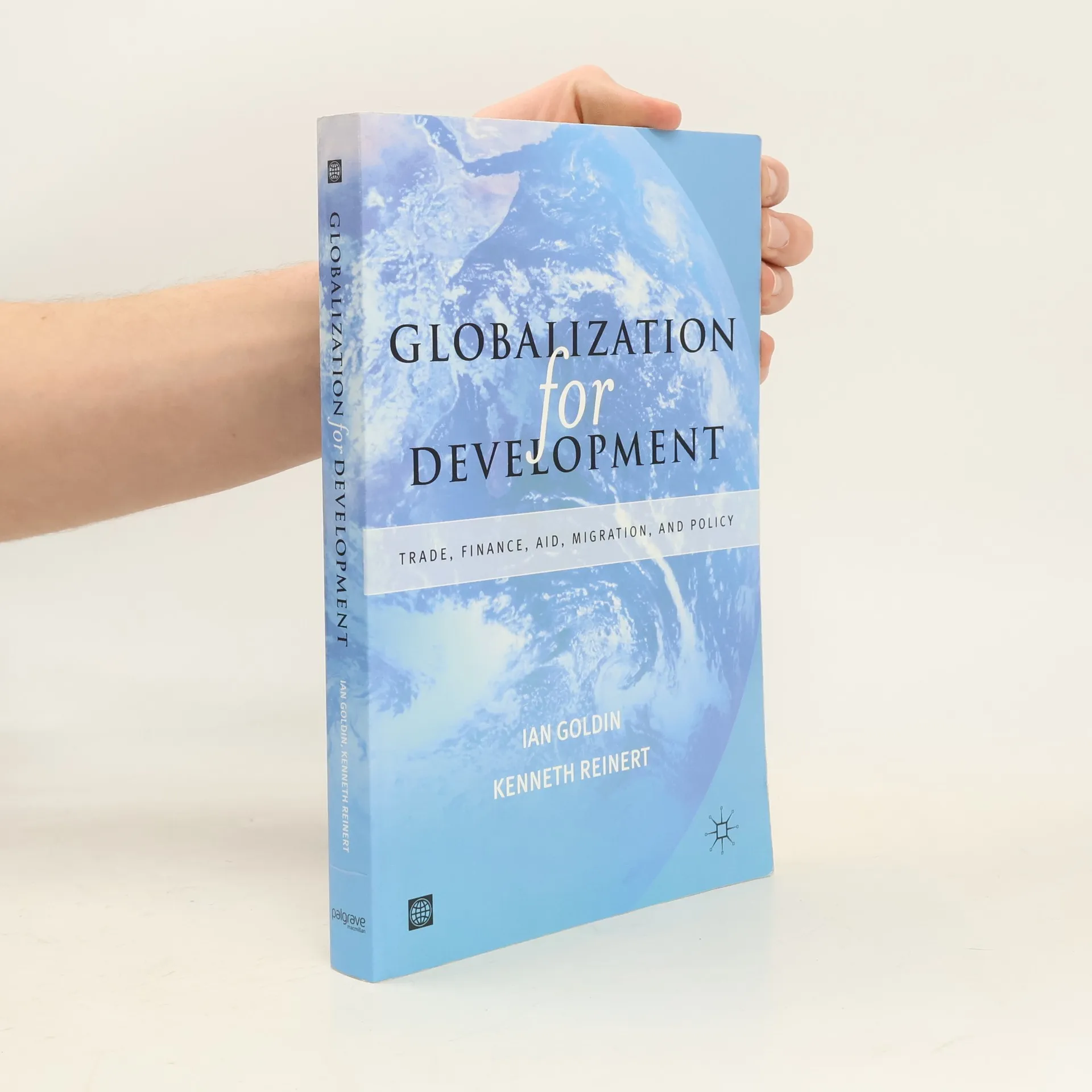
Globalization and its relation to poverty reduction and development is not well understood. The book identifies the ways in which globalization can overcome poverty or make it worse. The book defines the big historical trends, identifies main global flows—trade, finance, aid, migration, and ideas—and examines how each can contribute to undermine economic development. By considering what helps and what does not, the book presents policy recommendations to make globalization more effective as a vehicle for shared growth and prosperity. It will be of interest to students, researchers and anyone interested in the effects of globalization in today’s economy and in international development issues.
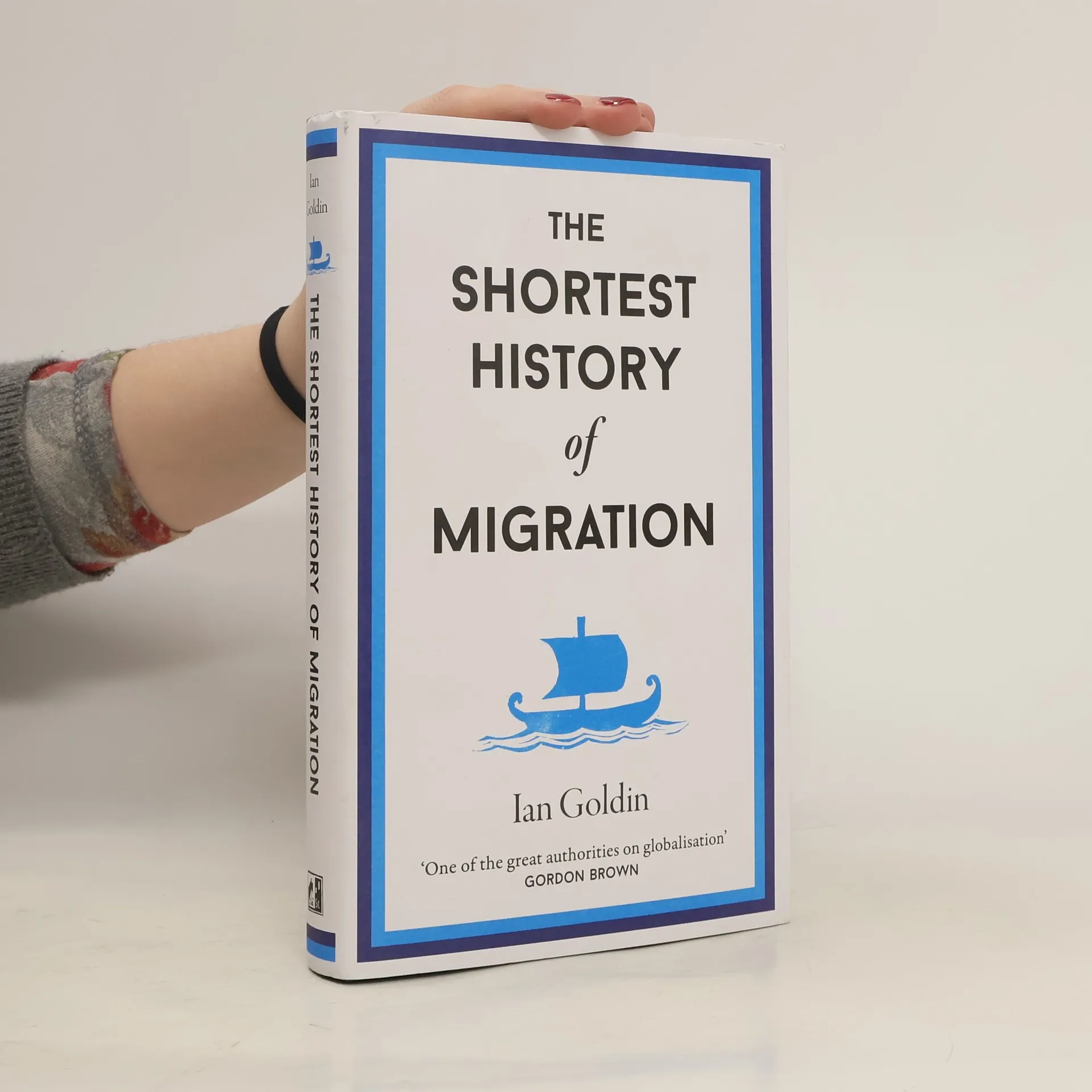
From our earliest wanderings to the rise of the digital nomad, here is the story of human migration.For hundreds of thousands of years, the ability of Homo sapiens to travel across vast distances and adapt to new environments has been key to our survival as a species. Yet this deep migratory impulse is being tested as never before. By building ever stronger walls and raising barriers to progress, governments are harming the lives of migrants and threatening the future well-being of our societies.In The Shortest History of Migration, a visionary thinker tells a story of the movement of peoples that spans every age and continent and goes to the heart of what makes us human. Drawn from ancient records and the latest genetic research, it recounts strange, terrible and uplifting tales of migrants past and present, examining the legacies of empire, slavery and war.Finally, Goldin turns his attention to today's world, bringing together the evidence of history with the most recent data to suggest how we might create a more humane future -- one that allows us to reap the tremendous benefits that migration can offer.
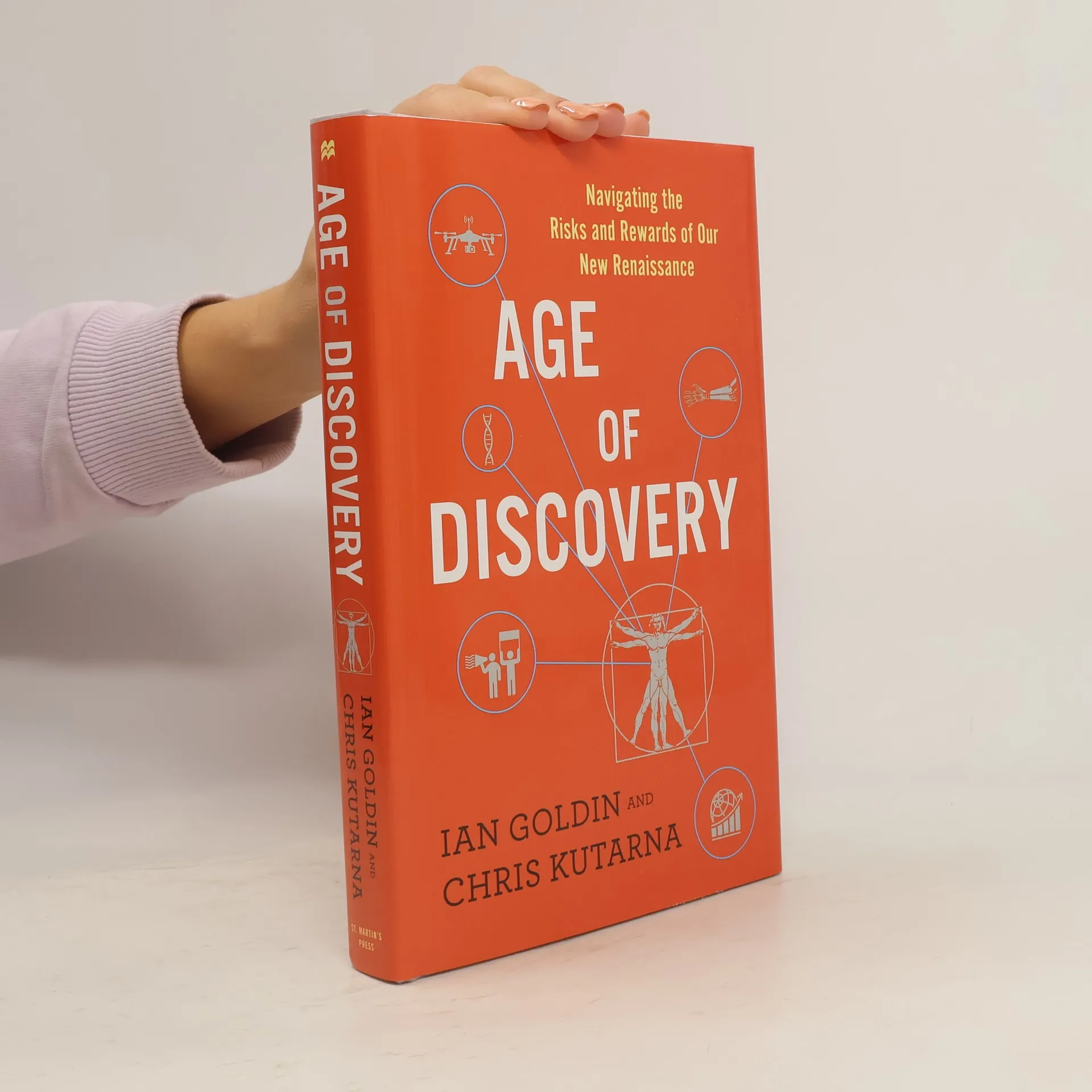
Ian Goldin and co-author Chris Kutarna define the present day as a New Renaissance - a rare moment of flourishing genius and risk that promises to reshape all our lives. Da Vinci, Columbus, Copernicus, Luther, Gutenberg. These names recall an era in which an unprecedented rush of discovery and disruption broke through long-standing barriers and broke down equally long-standing powers. This rush entangled the whole world politically, economically and intellectually, and reshaped society. Now, the same forces that converged 500 years ago to spark genius and upend social order -great leaps in science, trade, migration, technology, education and health - are once again present, only stronger and more widespread. In Age of Discovery , Ian Goldin and Chris Kutarna show how we can draw courage and wisdom from the last Renaissance in order to fashion our own golden age out of this New Renaissance. Whether we’re seized by Gutenberg or Zuckerberg; the discovery of the Americas or the rise of China; copperplate or silicon etching; the Bonfire of the Vanities or the rise of ISIS; the spread of syphilis or the Ebola pandemic - a Renaissance moment, then and now, forces humanity to give its best just when the stakes are highest. Age of Discovery navigates the crises of our time and helps us all define a legacy that the world will still celebrate half a millennium from now.
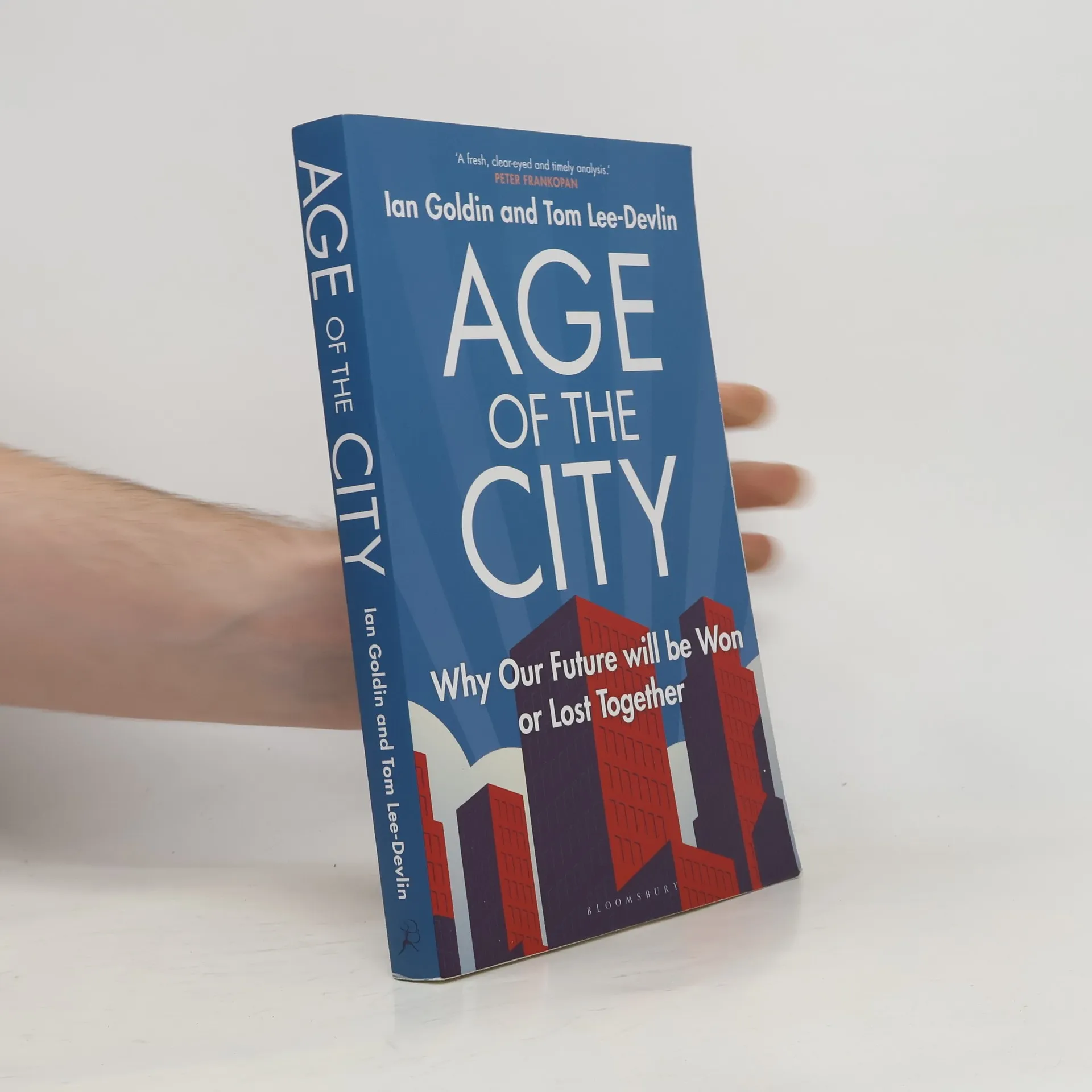
Age of the City
- 257 Seiten
- 9 Lesestunden
Visionary Oxford professor Ian Goldin and The Economist's Tom Lee-Devlin show why the city is where the battles of inequality, social division, pandemics and climate change must be faced.From centres of antiquity like Athens or Rome to modern metropolises like New York or Shanghai, cities throughout history have been the engines of human progress and the epicentres of our greatest achievements. Now, for the first time, more than half of humanity lives in cities, a share that continues to rise. In the developing world, cities are growing at a rate never seen before.In this book, Professor Goldin and Tom Lee-Devlin show why making our societies fairer, more cohesive and sustainable must start with our cities. Globalization and technological change have concentrated wealth into a small number of booming metropolises, leaving many smaller cities and towns behind and feeding populist resentment. Yet even within seemingly thriving cities like London or San Francisco, the gap between the haves and have-nots continues to widen and our retreat into online worlds tears away at our social fabric. Meanwhile, pandemics and climate change pose existential threats to our increasingly urban world.Professor Goldin and Tom Lee-Devlin combine the lessons of history with a deep understanding of the challenges confronting our world today to show why cities are at a crossroads – and hold our destinies in the balance.
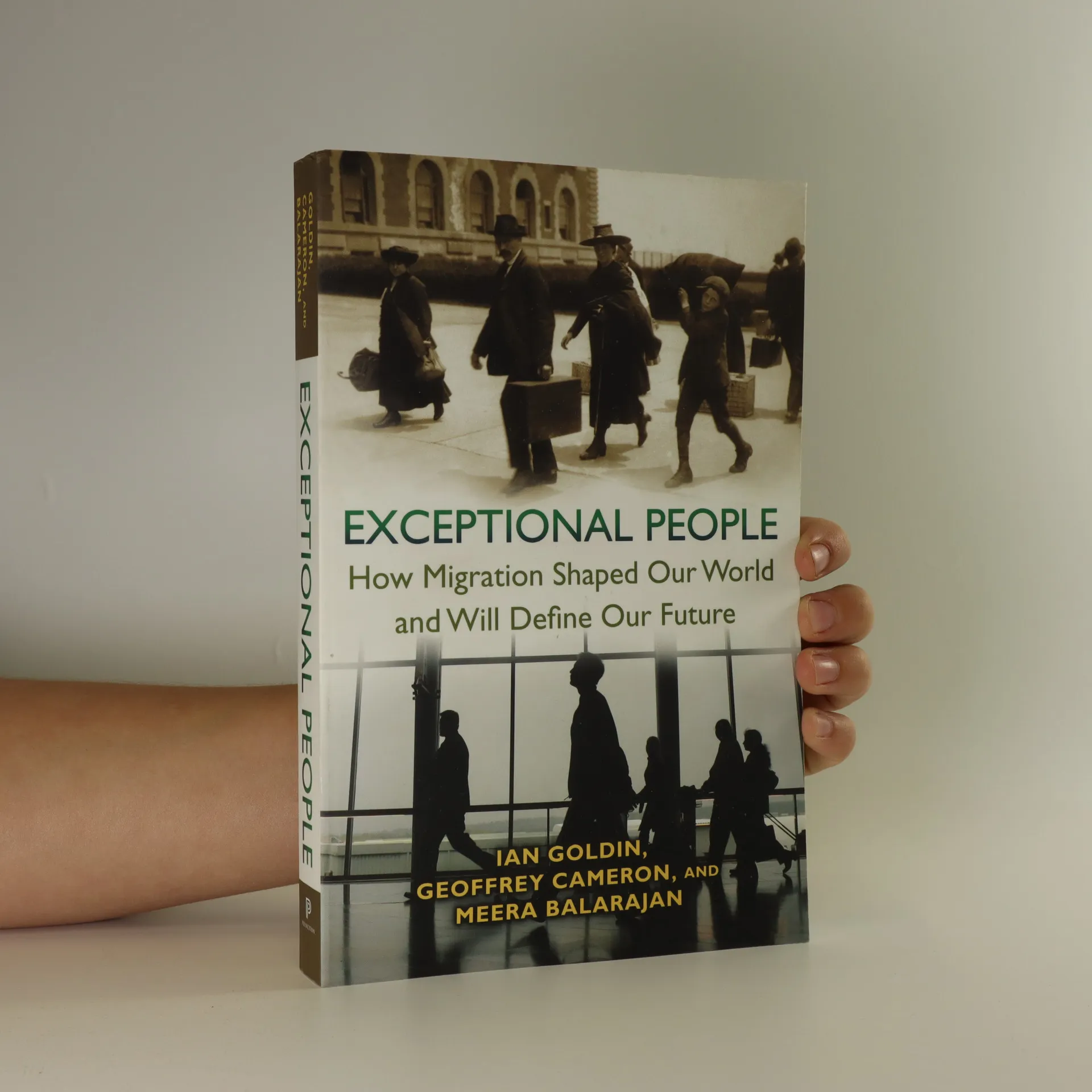
Exceptional people. How migration shaped our world and will define our future
- 371 Seiten
- 13 Lesestunden
Throughout history, migrants have driven human progress, sparking innovation, spreading ideas, alleviating poverty, and establishing a global economy. As the world becomes increasingly interconnected, the number of people motivated to migrate will rise. This book examines the significant benefits of this trend for both countries and migrants. It challenges the notion that increased migration is undesirable, advocating for governance approaches that embrace international mobility. The authors delve into the historical significance of human migration, tracing its impact from the first migrations out of Africa to the present day, highlighting how the exchange of ideas and technologies has enriched communities and fueled economies. They illustrate how migrants connect markets, fill labor shortages, and enhance social diversity, while also providing individuals an escape from poverty, human rights violations, and oppressive regimes. Despite these advantages, current migration policies are often rooted in misconceptions and fears about the long-term effects of migration. The authors argue that future policies will crucially shape societies' ability to harness migration's benefits while managing its risks. This book serves as a guide for robust debate and action, outlining the history and current state of international migration while offering practical recommendations to ensure that everyone can benefit from its inevitable growth.
Rescue
- 336 Seiten
- 12 Lesestunden
An optimistic vision of the future after Covid-19 by a leading professor of globalisation at the University of Oxford.
Je planeta Země už plná?
- 336 Seiten
- 12 Lesestunden
„Počet obyvatel zatěžuje naši planetu a ta je jen stěží schopna nás uživit...“ Tento výrok, přisuzovaný Tertullianovi z 2. století, varoval před kolapsem populace, tehdy čítající přibližně 190 milionů lidí. Dnes, po 40 letech, jsme dosáhli 7 miliard, avšak tempo růstu se zpomaluje. Počet obyvatel není jediným faktorem, který určuje, zda je Země přeplněná. Žijeme v „globální vesnici“, kde čelíme problémům jako změny klimatu, nedostatek vody a potravin, využívání neobnovitelných zdrojů a migrace. Jaké etické důsledky má růst populace? Je spotřeba bohatých udržitelná? Může být tato úroveň rozšířena na všechny? Jaký je aktuální stav Země a jak se změní s rostoucí populací a příjmy? Co mohou jednotlivci, firmy a vlády udělat pro zmírnění negativních dopadů a využití pozitivních aspektů populačního růstu? Na tyto otázky odpovídají akademici z různých oborů na Oxford Martin School, kteří se zabývají současností i budoucností naší planety.

