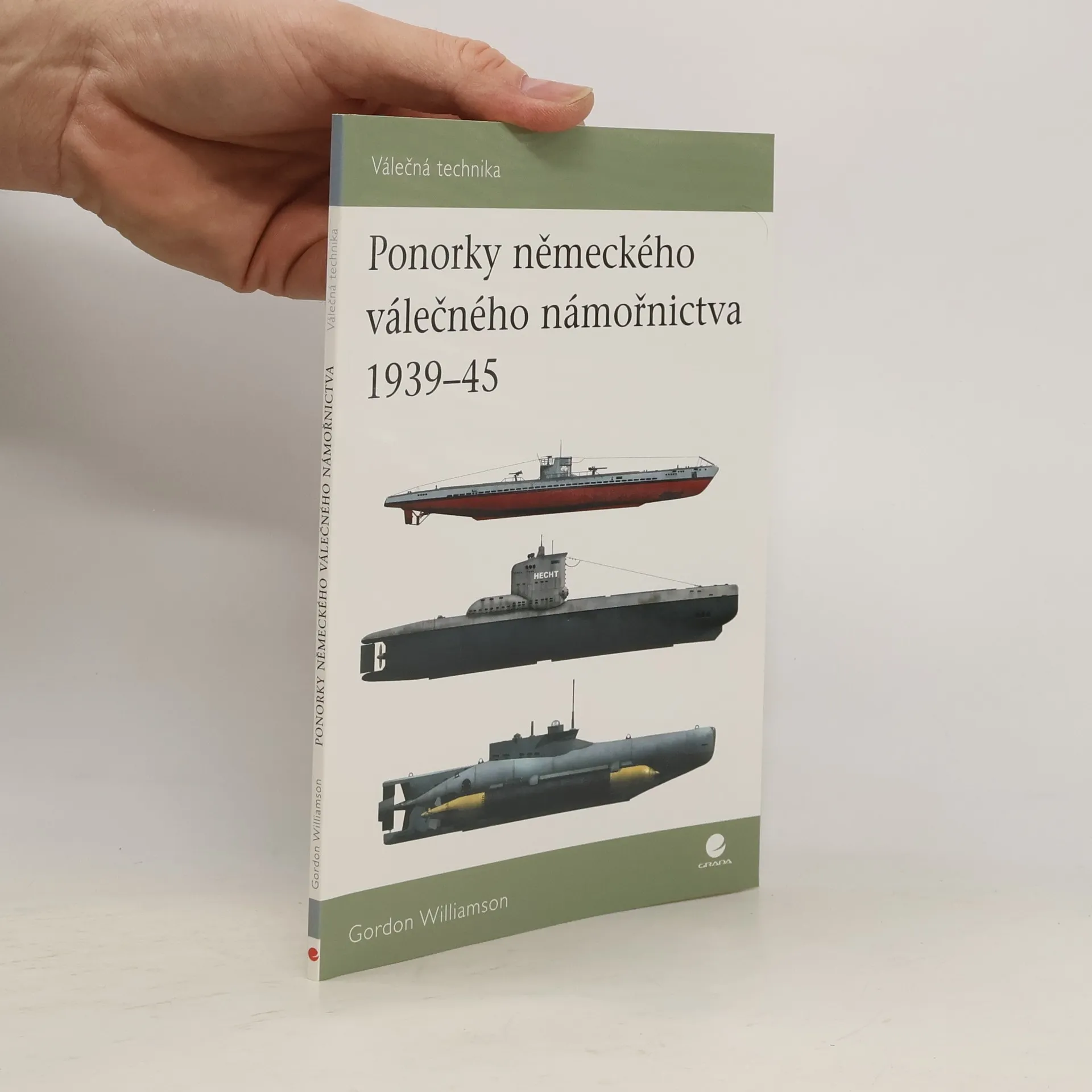
A complete illustrated study of the German Kriegsmarine throughout World War II. Hamstrung at first by the terms of the Treaty of Versailles, during the 1930s, the German Navy underwent a program of rearmament in defiance of the restrictions, building modern warships under limitations which forced technological innovation. Submarines were strictly prohibited by the treaty, and yet, following years of covert development, they became one of the Kriegsmarine's most deadly weapons. Blooded in the Spanish Civil War, the surface ships of the Kriegsmarine went on to play a crucial role in the opening salvoes of World War II during the invasions of Poland and Norway, although serious losses here set back plans for the invasion of Britain, and by the end of the war, only a handful of surface vessels remained to be divided up among the Allies. From the beginning of the war, but especially after the fall of France, the dreaded and extraordinarily successful U-boats stalked the Atlantic, threatening vital British shipping convoys and choking off the lifeline of munitions and supply from the US. Once Italy and Japan entered the war, German naval operations expanded to the Mediterranean and the Indian Ocean. This highly illustrated volume is a comprehensive study of the German Navy throughout the war, from pocket battleships to torpedo boats.
Gordon Williamson Reihenfolge der Bücher (Chronologisch)

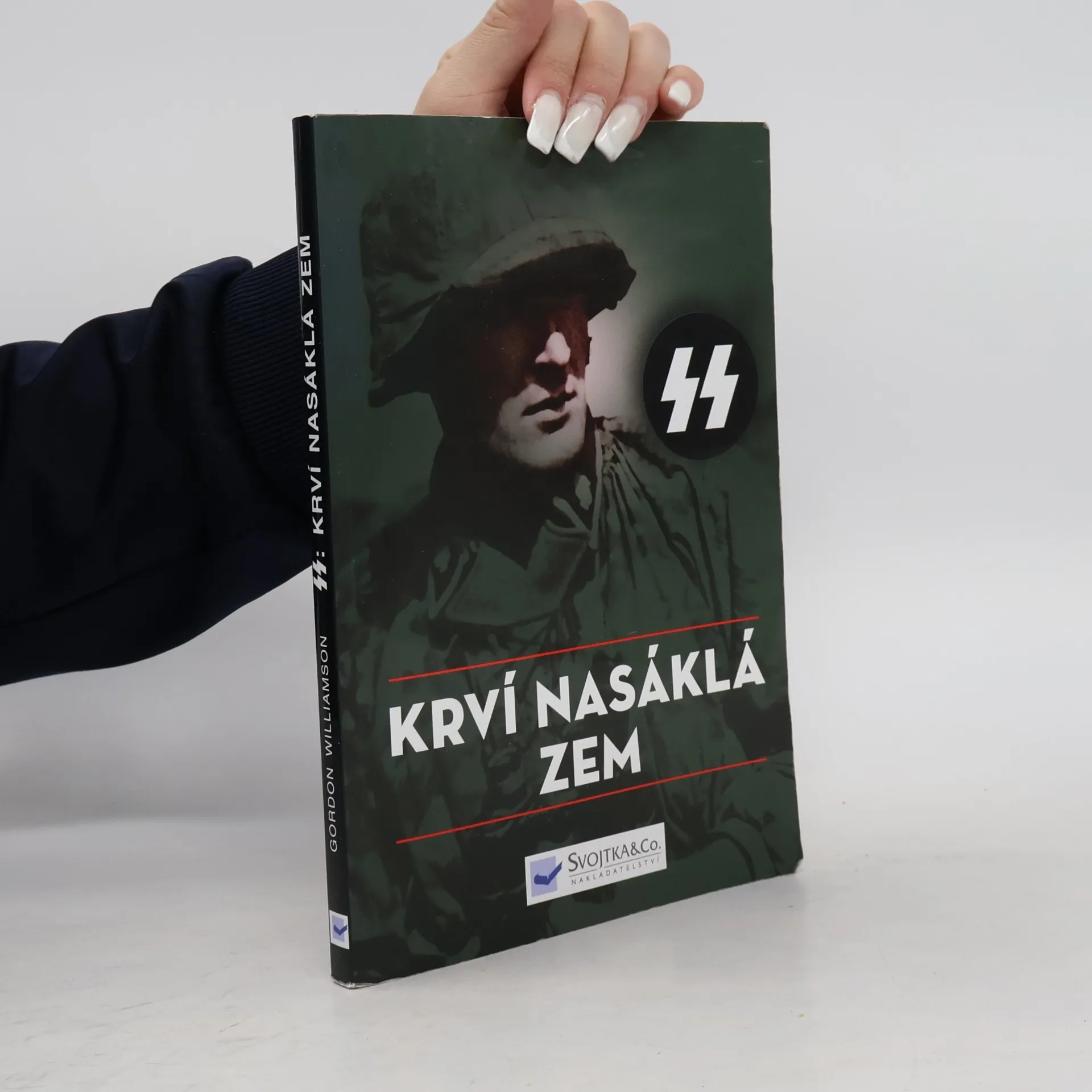
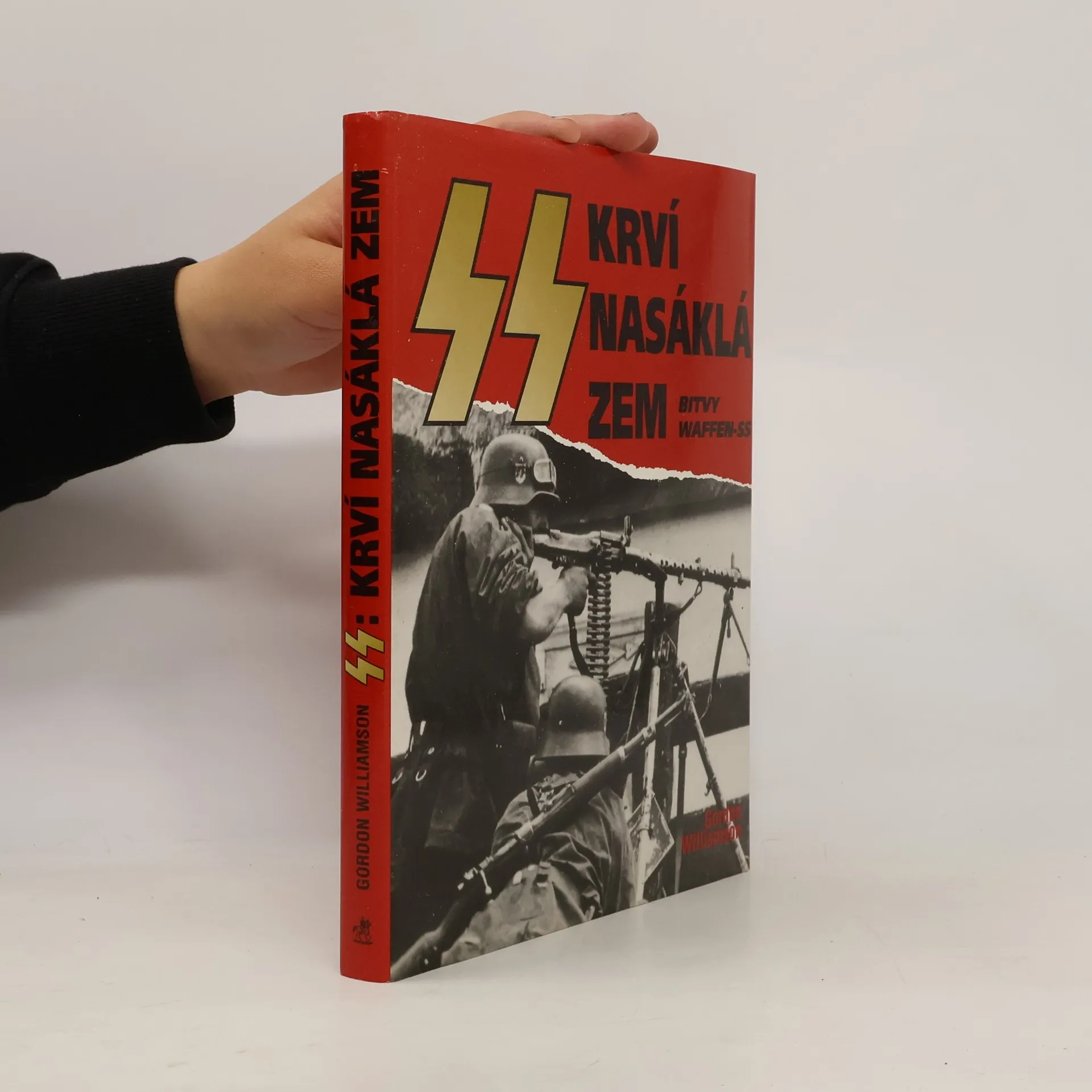
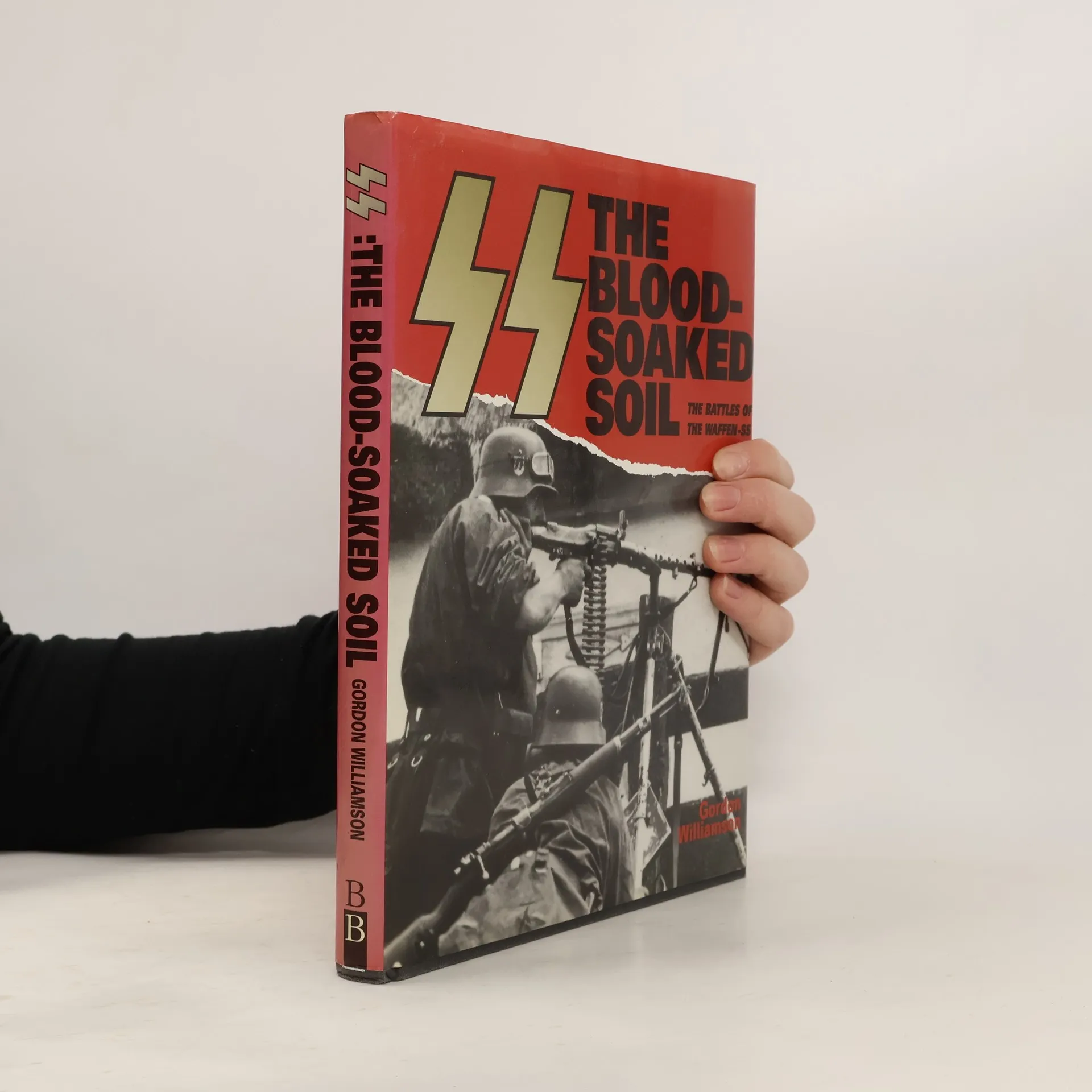
SS: krví nasáklá zem
- 192 Seiten
- 7 Lesestunden
Tato kniha se zabývá jednou z nejsmutněji proslulých vojenských organizací - Waffen-SS. Pojednává o výcviku vojáků, pustošivých bojích na východní frontě, zvěrstvech na bojišti i v zázemí, ale také o vyčerpávajících bojích v posledních letech války. To vše a mnohem více popisuje autor v této jedinečné, bohatě obrazově dokumentované publikaci.
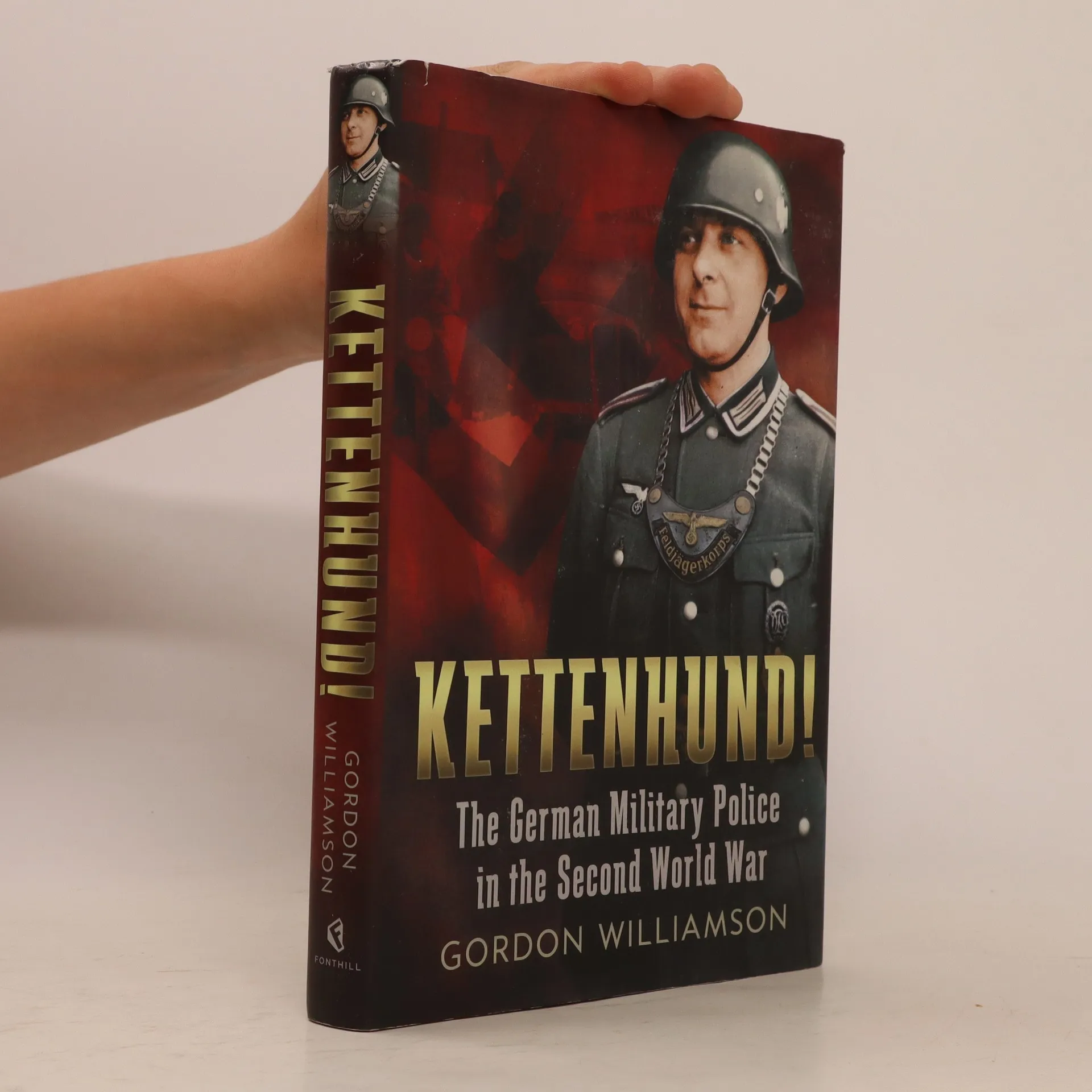
In almost every army in the world, the military police rank amongst those who are least liked by other soldiers despite the essential duties that they carry out, often being amongst the first in and last out in any theatre of war. In the German armed forces, opinions of the military police were those of fear and distrust, so great were the powers held by these troops. Germany created a plethora of different branches of what were termed 'Ordnungstruppe' ('Troops for Maintaining Order'). Many wore a distinctive metal plate around the neck, leading to their nickname 'Kettenhund' or 'Chain Dogs'. Despite being involved in the brutal treatment of partisans, their skills were so much appreciated by the Allies that on Germany's surrender, Wehrmacht military police units were allowed to remain in post to assist in controlling the vast number of disarmed German troops. Supplemented with previously unpublished photographs, Kettenhund! - The German Military Police in the Second World provides a detailed study of the organisation of these units and the distinctive uniforms and insignia they wore.
E-Boat vs MTB
- 80 Seiten
- 3 Lesestunden
During WWII, German E-Boats were so active in the English Channel that the narrow stretch of water became known as 'E-Boat Alley'. To counter the threat of these E-Boats, Britain brought its coastal forces to bear - flotillas of small Motor Torpedo and Gun Boats (MTBs and MGBs) and Motor Launches (MLs). As the Germans sought to maintain their supremacy in Channel waters, they continued to develop their E-Boat designs to accommodate more armor and more firepower. Rather than matching the newer E-Boats for armament, the British developed several types to fulfill the varied roles for which the Kriegsmarine were attempting to use the E-Boat. This book details this developing conflict, examining the evolution of the boats involved, and covering the their battles from fights in the Thames estuary to the build-up for D-Day.
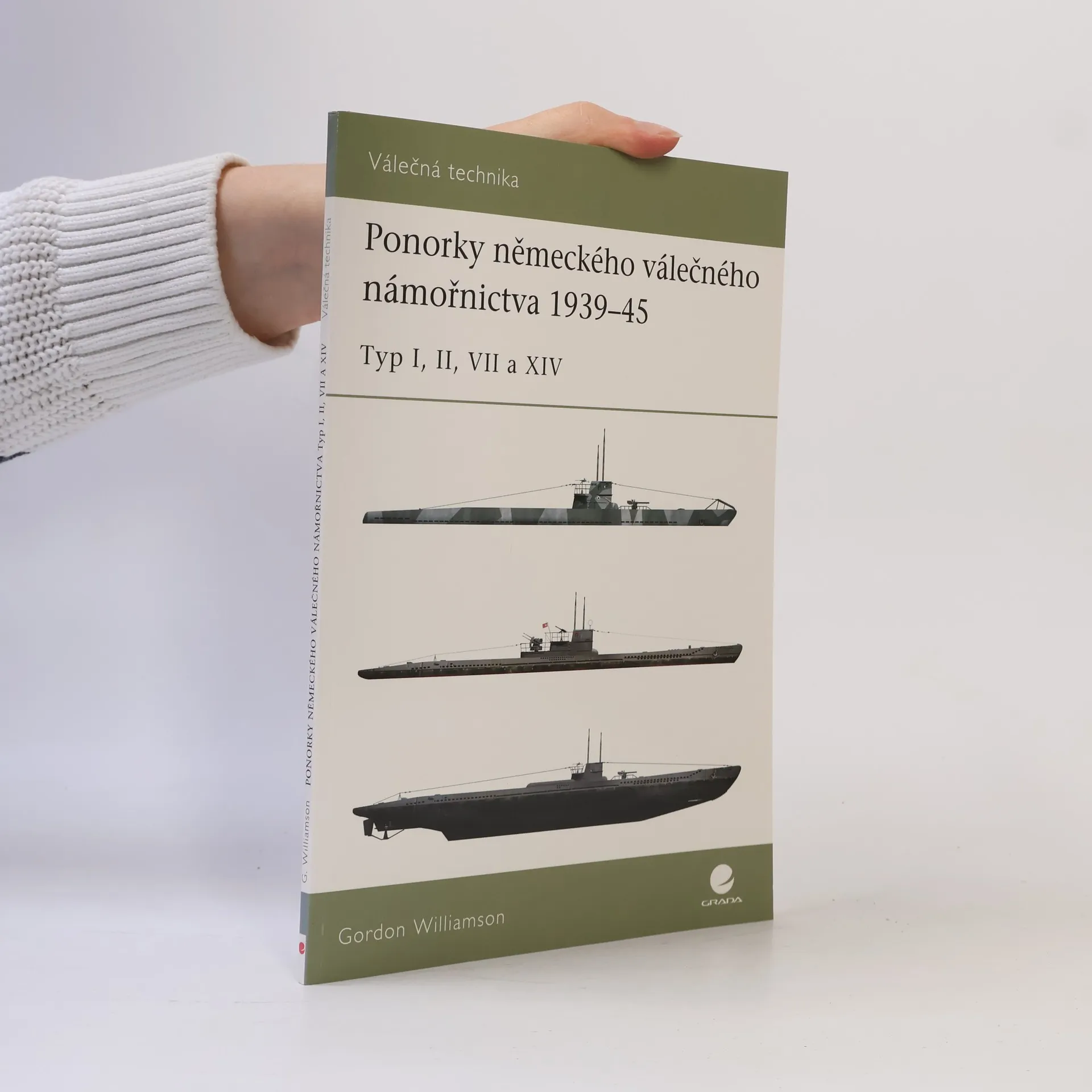
Ponorky německého válečného námořnictva 1939-45. Typ I, II, VII a XIV
- 48 Seiten
- 2 Lesestunden
Podtitul: Typ I, II, VII a XIV. Tento svazek je součástí dvoudílné práce, věnované německým ponorkám z období druhé světové války. Nabídne čtenáři podrobný popis vývoje této zbraně, jak se ubíral od porážky Císařského námořnictva přes zákaz výroby ponorek v Německu, zmíněný v dohodě o příměří z roku 1918 a následně zakotvený ve versailleské mírové smlouvě, a jejich tajný vývoj prostřednictvím "krycí" firmy v Nizozemsku až k vyvrcholení tohoto procesu, kterým se v roce 1935 stalo vytvoření první ponorkové flotily. V pasáži, věnované historii bojového nasazení ponorek, jsou zmíněny příklady lodí typu VII A, VII B, VII D, VII E a VII F, hlavní pozornost se však soustřeďuje na hlavní a nejrozšířenější typ VII C. Zájemce o tento druh zbraně zde nalezne srovnání se standardními spojeneckými ponorkami a zmínky o přednostech i slabinách německých lodí, jakož i taktice vedení ponorkové války. Z anglického vydání „New Vanguard 51: Kriegsmarine U-boats (1)“ v Osprey Publishing Ltd. Midland House, West Way, Botley, Oxford 2002 přeložil PhDr. Vladimír Pilát. První vydání.
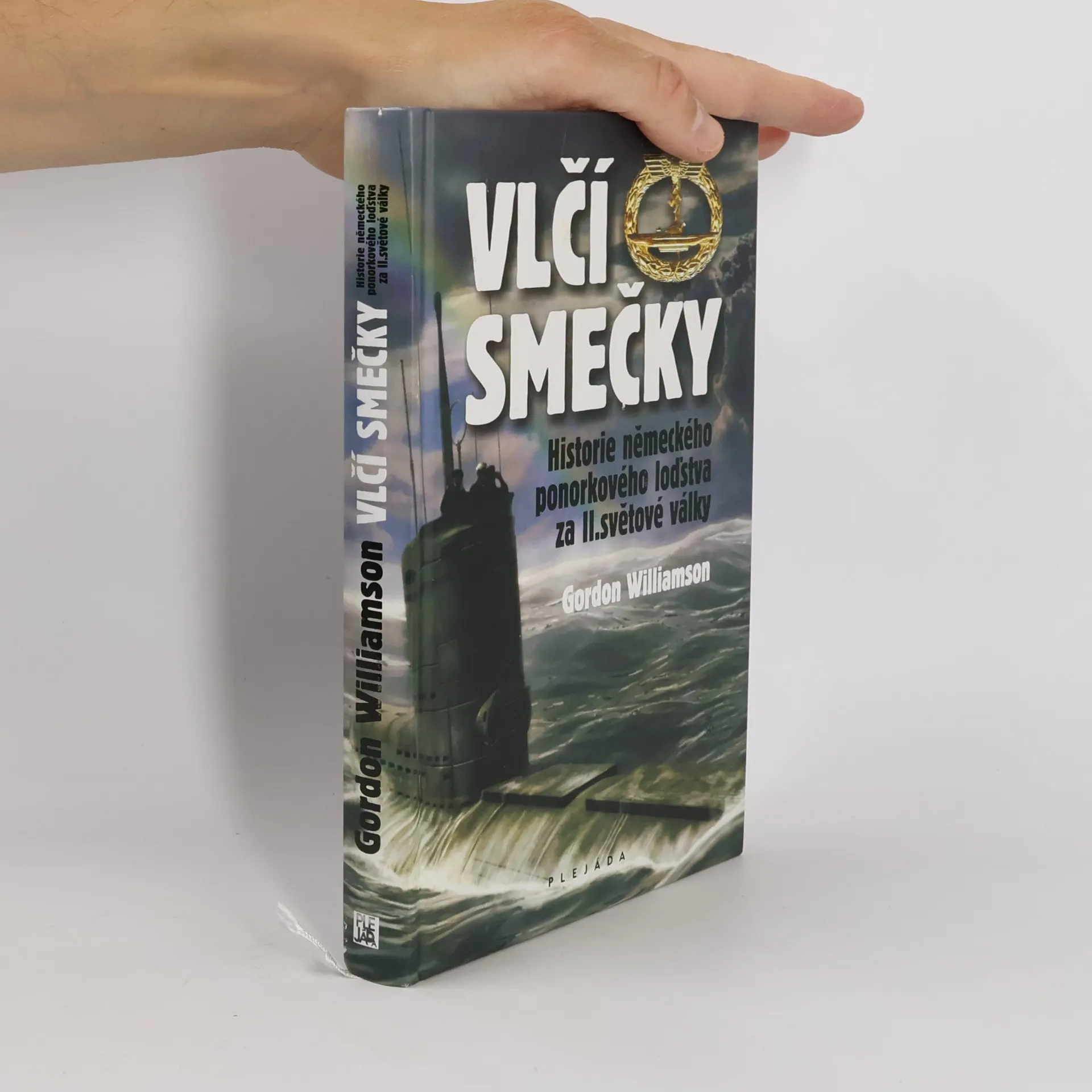
Vlčí smečky: Historie německého ponorkového loďstva za II. světové války
- 306 Seiten
- 11 Lesestunden
Je cosi zlověstného na zbrani, která může operovat nepozorována a jejíž přítomnost se ohlašuje až mohutnou explozí a plameny, jež pošlou nic netušící oběť do hlubin oceánu. Jen málo elitních vojenských formací obětovalo za 2. světové války tolik svých členů jako německé ponorkové námořnictvo. Odhady jejich ztrát se pohybují od 75 do 80 procent. Ačkoli některé historické práce se snaží snižovat význam německého ponorkového loďstva, často je připomínán Churchillův výrok: "Jediná věc, která mě během války skutečně děsila, byla hrozba ponorek." Pouze málo ze složek německého Wehrmachtu bylo natolik úspěšných jako právě "šedí vlci" - ponorkové námořnictvo pod velením velkoadmirála Karla Dönitze.
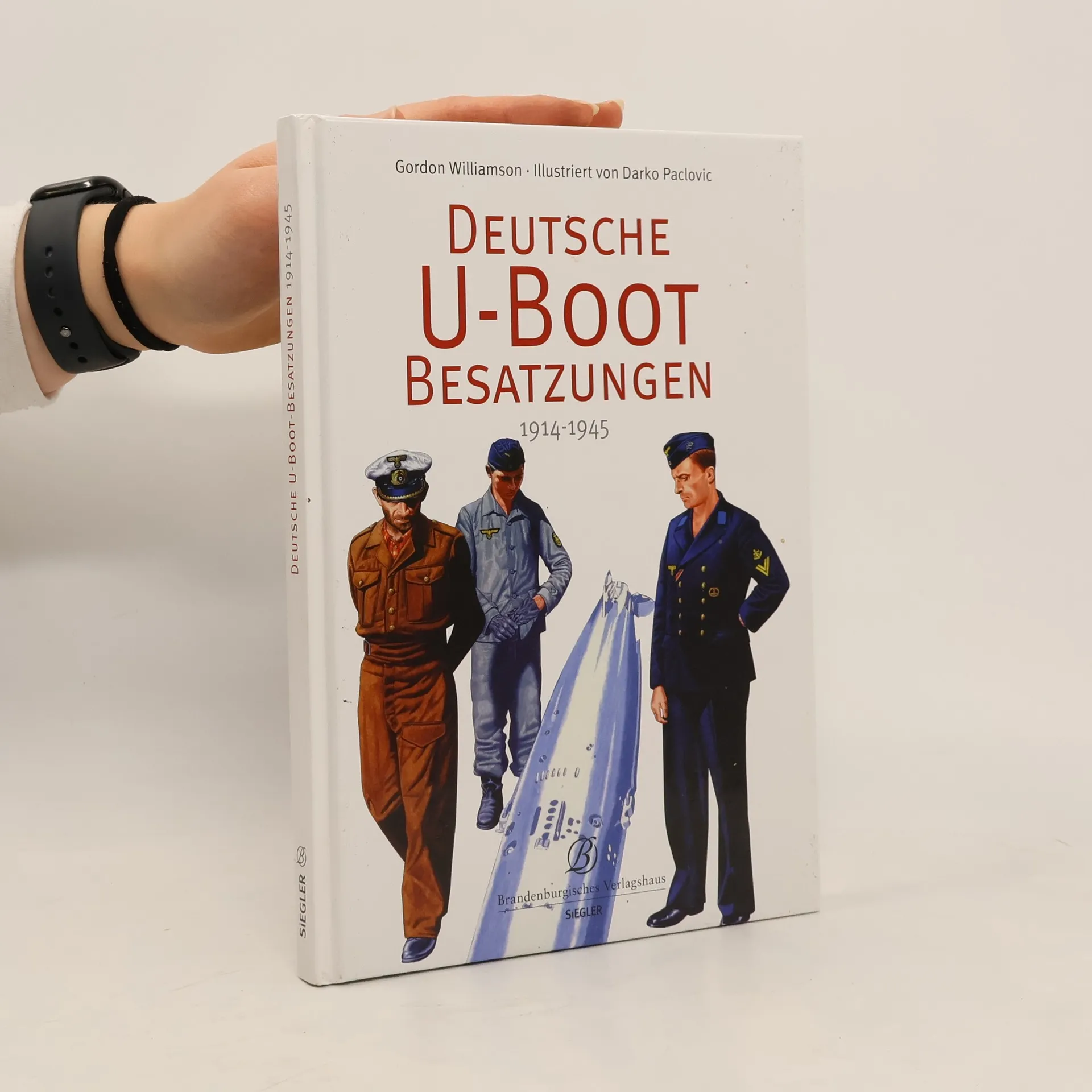
Deutsche U-Boot-Besatzungen 1914–1945
- 124 Seiten
- 5 Lesestunden
Ponorky německého válečného námořnictva 1939-45 (2)
- 48 Seiten
- 2 Lesestunden
Kniha poutavě líčí vývoj ponorek pro potřeby Kriegsmarine, jejich postupné zdokonalování od pouhých ponorných člunů s malým akčním rádiem a primitivním vnitřním uspořádáním až po skutečné ponorky, které vydržely dlouho pod hladinou, pluly dostatečně rychle, byly vybaveny patřičnou výzbrojí a pro spojenecké konvoje se staly skutečným nebezpečím. Cesta k těmto vyspělým ponorkám byla však příliš složitá a naštěstí pro spojence byly nasazeny příliš pozdě.
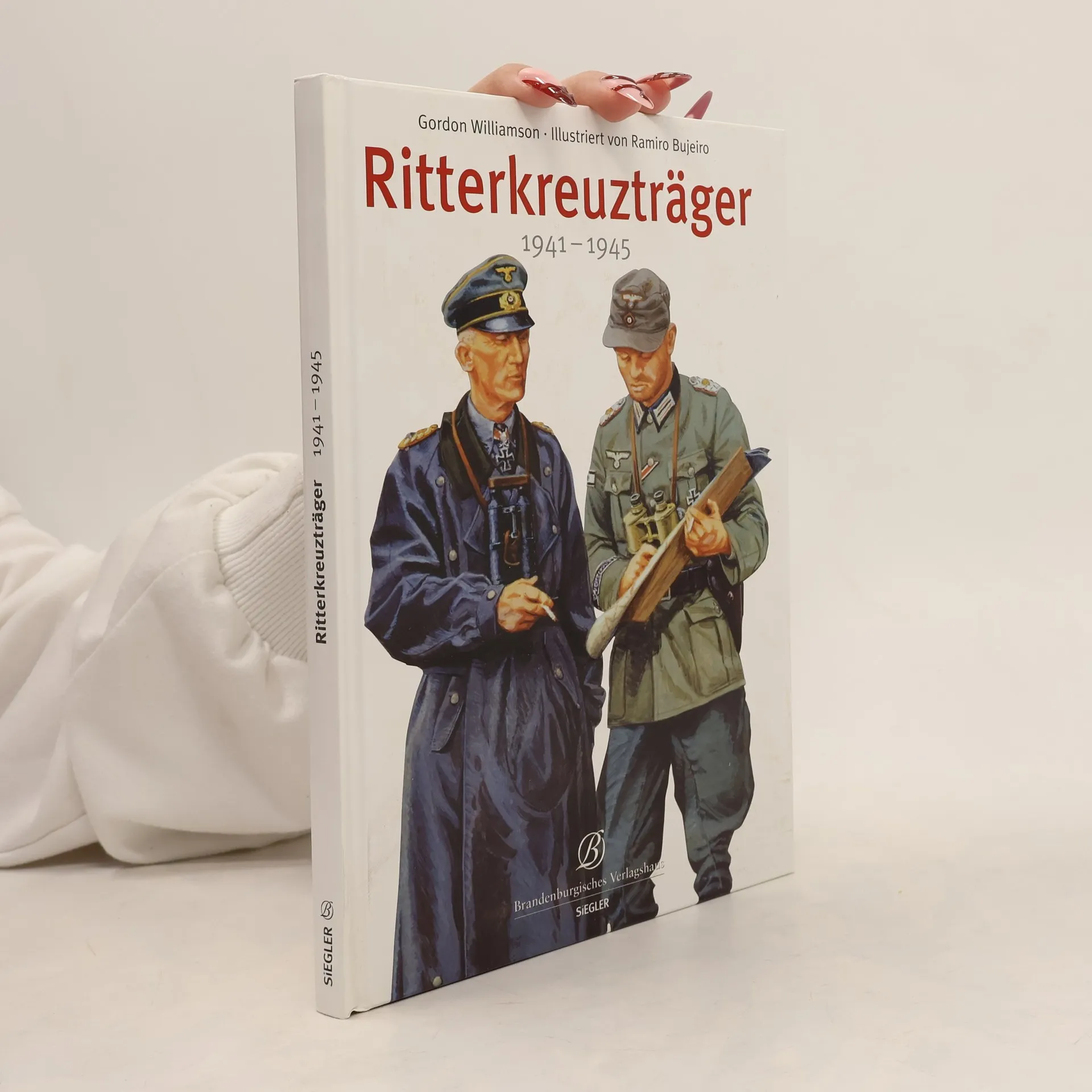
Am 21. Juni und am 28. September 1941, als die Wehrmacht die Grenzen der Sowjetunion überschritt, führte Hitler zwei weitere Stufen über dem Ritterkreuz des Eisernen Kreuzes mit Eichenlaub in Anerkennung für Tapferkeit und Verdienste in der Truppenführung ein: Das Eichenlaub mit Schwertern und das Eichenlaub mit Schwertern und Brillanten. Die erste Auszeichnung wurde nur an 159, die zweite sogar nur an 27 ausgewählte Soldaten, Seeleute und Piloten der etwa 15 Millionen in den deutschen Streitkräften dienenden Soldaten verliehen. Der erste Teil dieses Buches beschreibt und illustriert eine Auswahl der Schwertenträger- vom oft verwundeten Frontoffizier bis zu Hitlers Schwager, von einem Interoffiziers-Fliegerass bis zum kommandierenden General der gewaltigsten Panzerformation, die jemals an der Ostfront zusammengezogen wurde. Im zweiten Teil werden sämtliche der 27 Männer, die die Auszeichnung Eichenlaub mit Schwertern und Brillanten verliehen bekommen haben, vorgestellt. Von Fliegerassen und U-Boot-Kommandanten, vom jüngsten General der Wehrmacht und den ganzen Armeen kommandierenden Feldmarschällen- inklusive des Offiziers, für den sich Hitler eine sprichwörtlich einzigartige Version der Auszeichnung ausdenken musste, die den Träger sogar noch von den Brillantenträgern abhob.
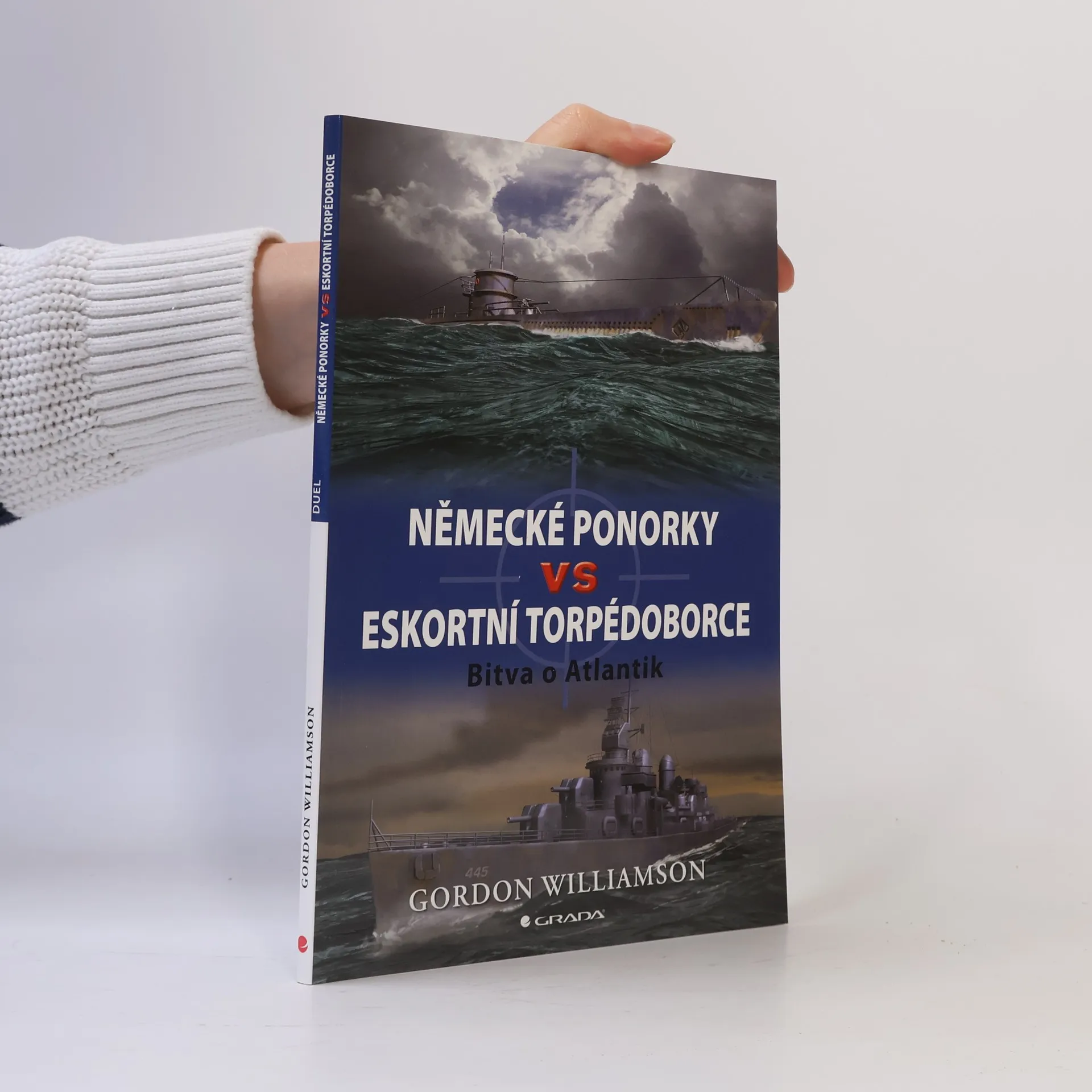
Německé ponorky vs eskortní torpédoborce. Bitva o Atlantik
- 80 Seiten
- 3 Lesestunden
Historie fascinujícího souboje lodí, které měly sloužit jako ochrana konvojů, zásobujících Velkou Británii během druhé světové války, a německých ponorek, které se postupně z malých plavidel vyvinuly ve skutečné zabijáky. Jak pravil Churchill, nepřátelské ponorky byly jedinou věcí, které ho děsily. Autor se v knize zaměřil jak na technickou stránku strojů, výzbroj a výstroj, tak také na nesmírně obtížný život posádek, jejichž ztráty byly na obou stranách děsivé. Napínavé líčení vzájemného střetávání doprovázejí unikátní dobové fotografie a statistické analýzy. Z anglického vydání „Duel 3: U-boats vs Destroyer Escorts. The Batle of the Atlantic“ v Osprey Publishing Ltd. Midland House, West Way, Botley, Oxford 2007 přeložil PhDr. Jaroslav Hrbek. První vydání.
Publikace nezaujatě zkoumá historii SS: původ této organizace, její jednotky, zápasy, legie neněmeckých dobrovolníků, četné nevojenské úseky historie a klíčové postavy. Kniha obsahuje více než 300 barevných a černobílých fotografií, ilustrací a map.
Waffen SS
- 199 Seiten
- 7 Lesestunden
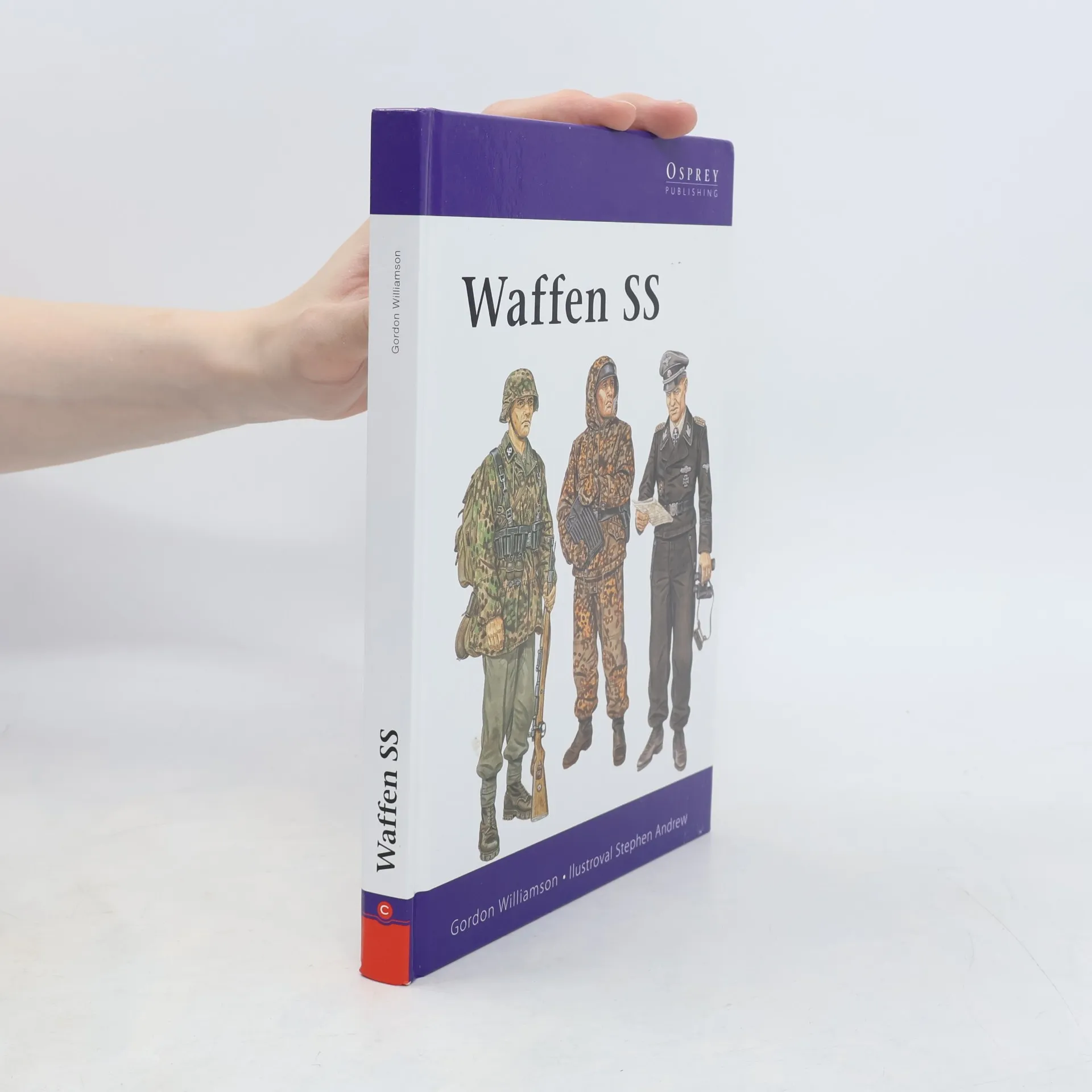
Publikace předního britského nakladatelství v oboru military literatury Osprey mapuje historii, strukturu, výzbroj, uniformy, vnitřní řád a bojové nasazení Waffen SS v průběhu celé druhé světové války, včetně jednotek zahraničních dobrovolníků. Obsahuje velké množství podrobně komentovaných fotografií. Výzbroj, oděv a výstroj jsou popsány a vyobrazeny na barevných obrázcích. V době vypuknutí války v roce 1939 bylo ozbrojených jednotek v rámci tehdejších tzv. SS-Verfügungstruppe jen pár a z vojenského hlediska byly málo významné. Po bojových zkušenostech na Západě a zejména v prvním roce ruské kampaně se ale pohled na možnosti využití těchto jednotek změnil, a tím se odstartovalo i období intenzivního růstu nyní již Waffen SS. Dřívější zábrany postupně padly a v období od počátku roku 1943 do jara 1945 se rozrostla bojová sestava Waffen SS z 8 na 38 divizí. V této knize podrobně poznáte vznik a vývoj všech těchto divizí, seznámíte se s jejich uniformami, insigniemi a osobním vybavením jejich důstojníků a mužstva. Nechybí ani popis bojového nasazení.
Zbraně SS
- 220 Seiten
- 8 Lesestunden
Ucelený a objektivní přehled Waffen SS. Problematika ozbrojené složky německé národně socialistické strany, jednotek SS, patří mezi nejsledovanější témata dějin 20. století na celém světě a od počátku devadesátých let minulého století také u nás. České knihy na dané téma by již vytvořily vcelku služnou knihovničku, většinou se však jedná o historii jednotlivých vyšších jednotek a jejich bojovou činnost na frontách druhé světové války. Touto knihou se však našemu čtenáři dostává do rukou ucelený a objektivní přehled o Zbraních SS, vysoce kontroverzní a zároveň elitní složce německých ozbrojených sil za druhé světové války.
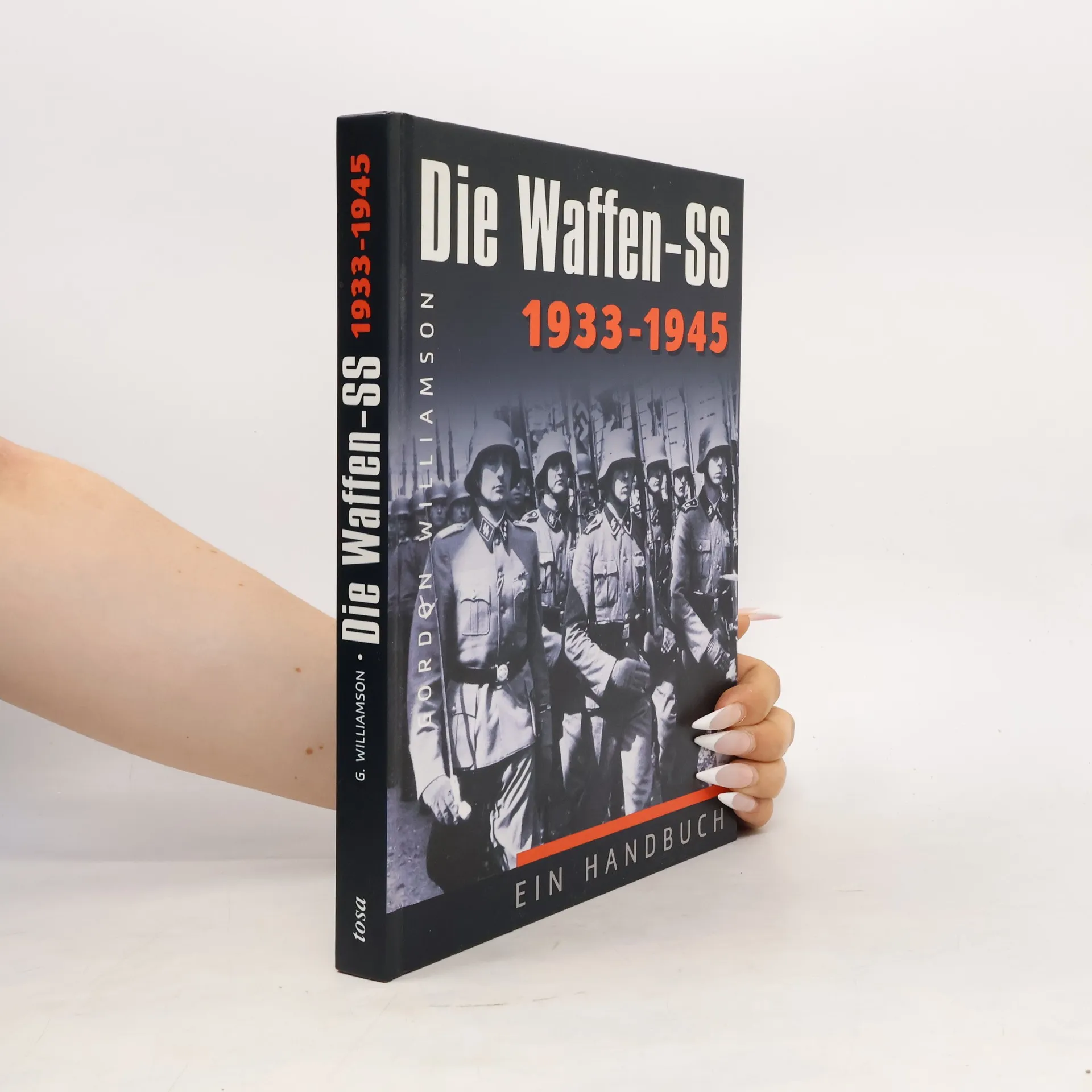
Die Waffen-SS 1933 - 1945
- 255 Seiten
- 9 Lesestunden
Ursprünglich aus Hitlers persönlichem Leibwächter entstanden, wurde die Waffen-SS (bewaffnete SS) als vierter Teil der Wehrmacht erweitert und galt als die harte Elite der deutschen Streitkräfte. Bekannt als Hitlers 'Asphalt-Soldaten' kämpften sie an allen wichtigen Fronten, insbesondere im Osten gegen die Sowjetunion und in der Normandie nach 'Overlord'. Bis zum Ende des Krieges konnte die Waffen-SS fast vierzig Felddivisionen mit nahezu einer Million Soldaten vorweisen. Gordon Williamson beschreibt die Organisation, Ausrüstung, Taktiken und Persönlichkeiten der Waffen-SS im Zweiten Weltkrieg. Eine Chronologie skizziert die wichtigsten Ereignisse in der Geschichte der Waffen-SS von der Gründung ihrer Vorgängerorganisation, der SS-Verfügungs-truppe, bis Mai 1945. Der Autor reiste nach Deutschland, um zahlreiche überlebende ehemalige Waffen-SS-Soldaten zu interviewen, und korrespondierte mit vielen anderen, um Augenzeugenberichte über ihre Kriegserfahrungen zu erhalten. Das Handbuch ist mit einer reichhaltigen Auswahl an bisher unveröffentlichten Fotografien illustriert, die überwiegend aus privaten Sammlungen stammen und von inszenierten Studioaufnahmen bis zu unveröffentlichten Schnappschüssen und von Bildern vom Schlachtfeld bis zu Actionaufnahmen von Kriegsberichterstattern reichen.
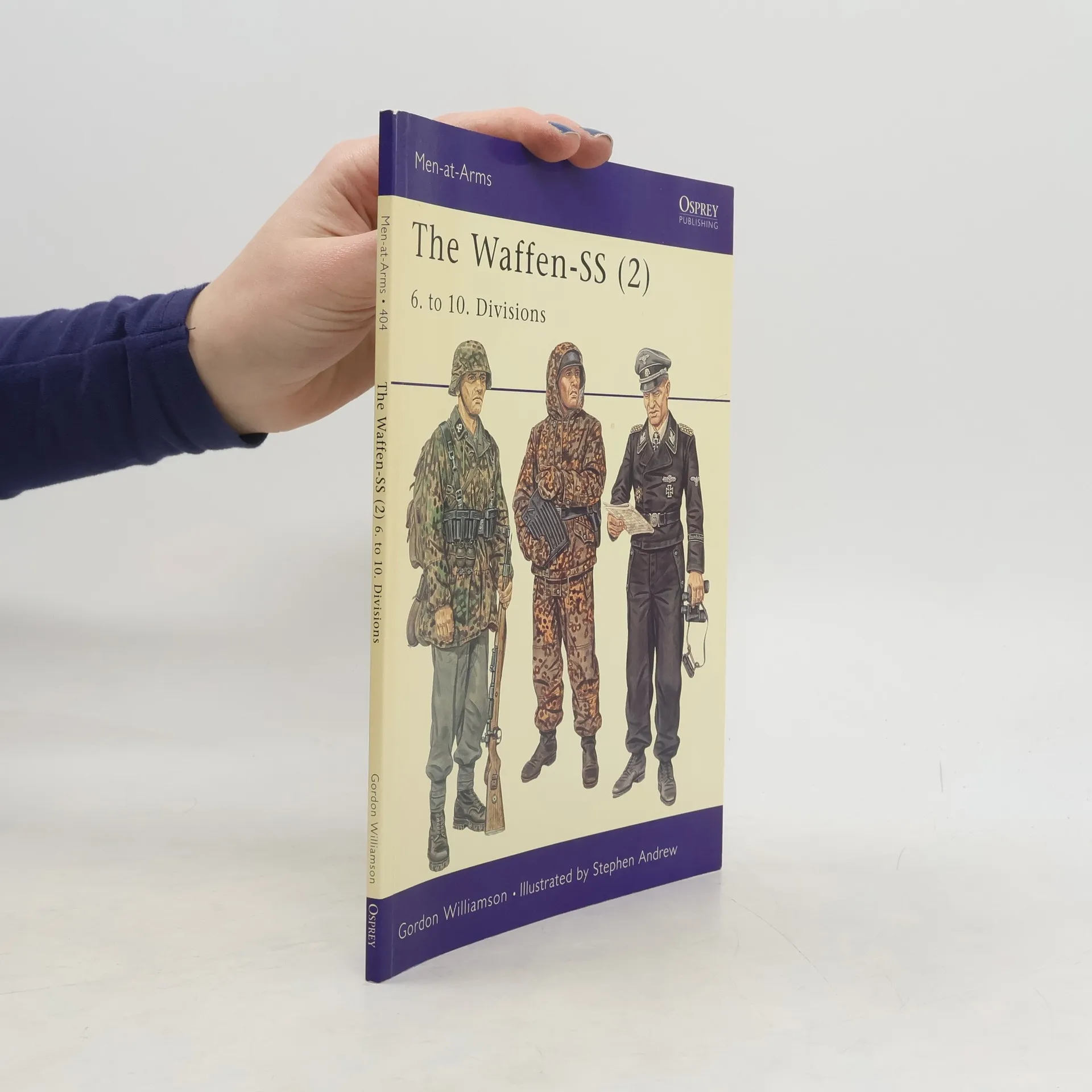
The military branch of the Nazi SS security organisation grew by the end of World War II (1939-1945) from a handful of poorly regarded infantry battalions in 1939, into a force of more than 30 divisions including units of every type. Their battlefield reputation varied widely, from the premier armoured divisions which formed Germany's utterly reliable spearheads on both main fronts, to low quality 'anti-partisan' units. The divisions covered in this second of four titles include the first mountain and cavalry units, and two of the remarkable new Panzer divisions raised in the great 1943 expansion. Illustrated with rare photographs from private collections, the text details their organisation, uniforms and insignia, and summarises their battle record.
Gebirgsjager: German Mountain Trooper 1939-45
- 64 Seiten
- 3 Lesestunden
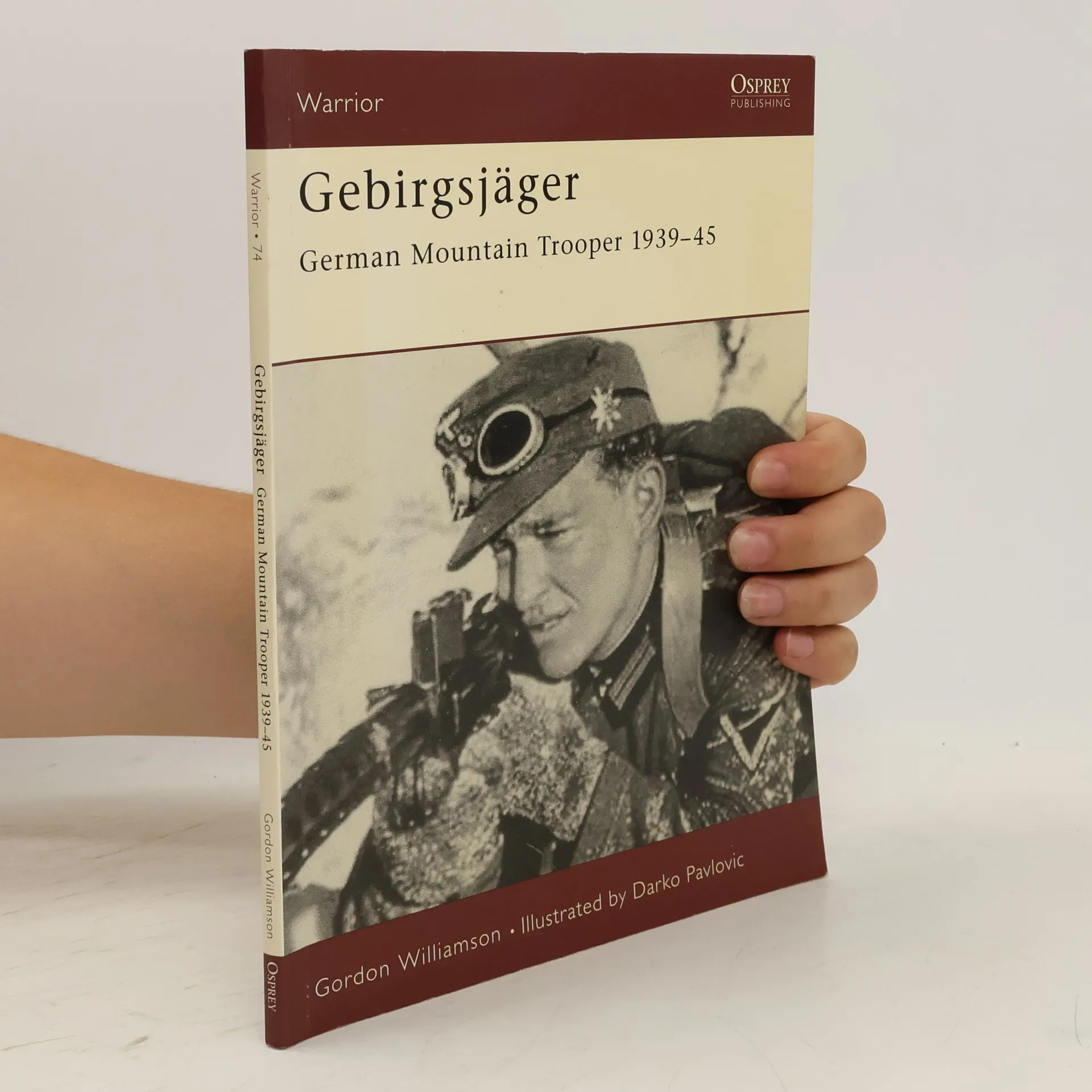
Few branches of the German armed forces were represented on so many fronts as the mountain infantrymen, or Gebirgstruppen. From the Blitzkrieg campaigns of 1940, through the invasions of the Balkans and Russia and the North African campaign, to the defence of the Reich 1944-45, the Gebirgsjäger earned a reputation for reliability and courage. Typically each trooper was a supremely fit individual: the need to cover difficult terrain in full kit, without the back-up of a motorised baggage train, demanded this. This new volume examines the recruitment, training, and combat experiences of the common Gebirgsjäger.
U-boat bases and bunkers 1941 - 45
- 64 Seiten
- 3 Lesestunden
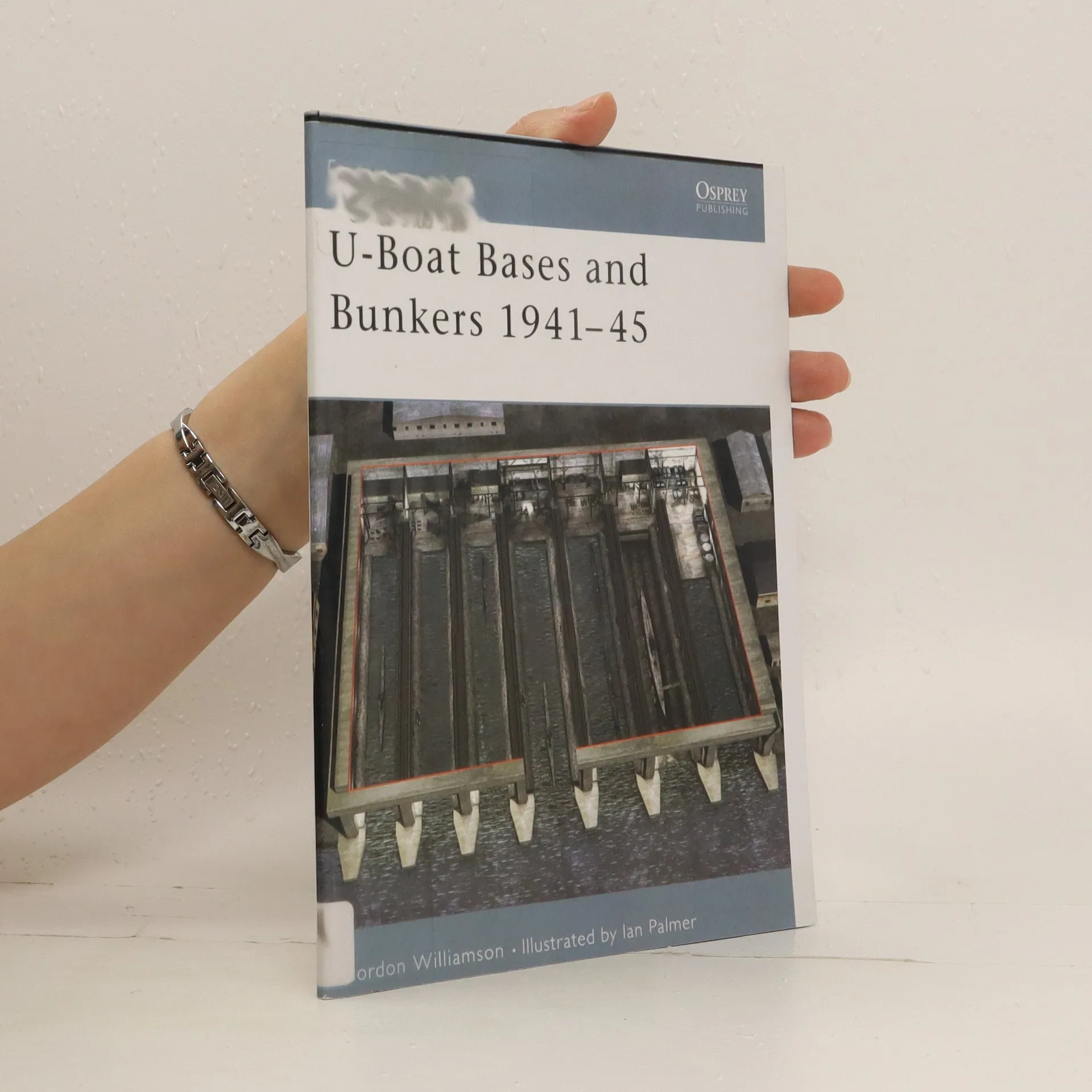
This work takes a look at the formidable U-boat bases and bunkers built on the French coast in Norway and Germany, and also focuses on the huge "Valentin" factory complex at Bremen, which manufactured the new type XXI electro-boats.
Kriegsmarine U-boats 1939-1945
- 48 Seiten
- 2 Lesestunden
This volume on Germany's World War II U-boats traces their development through the early U-boats of the Kaiser's navy, the prohibition on Germany having U-boats following the Armistice in 1918 and the subsequent Treaty of Versailles to the formation of the 1st U-boat Flotilla in 1935.
German E-boats, 1939 - 45
- 48 Seiten
- 2 Lesestunden
Germany was well-served in World War II by her Navy's smaller vessels, in particular the U-boats and the S-boats. Known to the Allies as "E-boats" (E being indicative of "Enemy"), this volume examines the sterling duties and achievements of the E-boats.
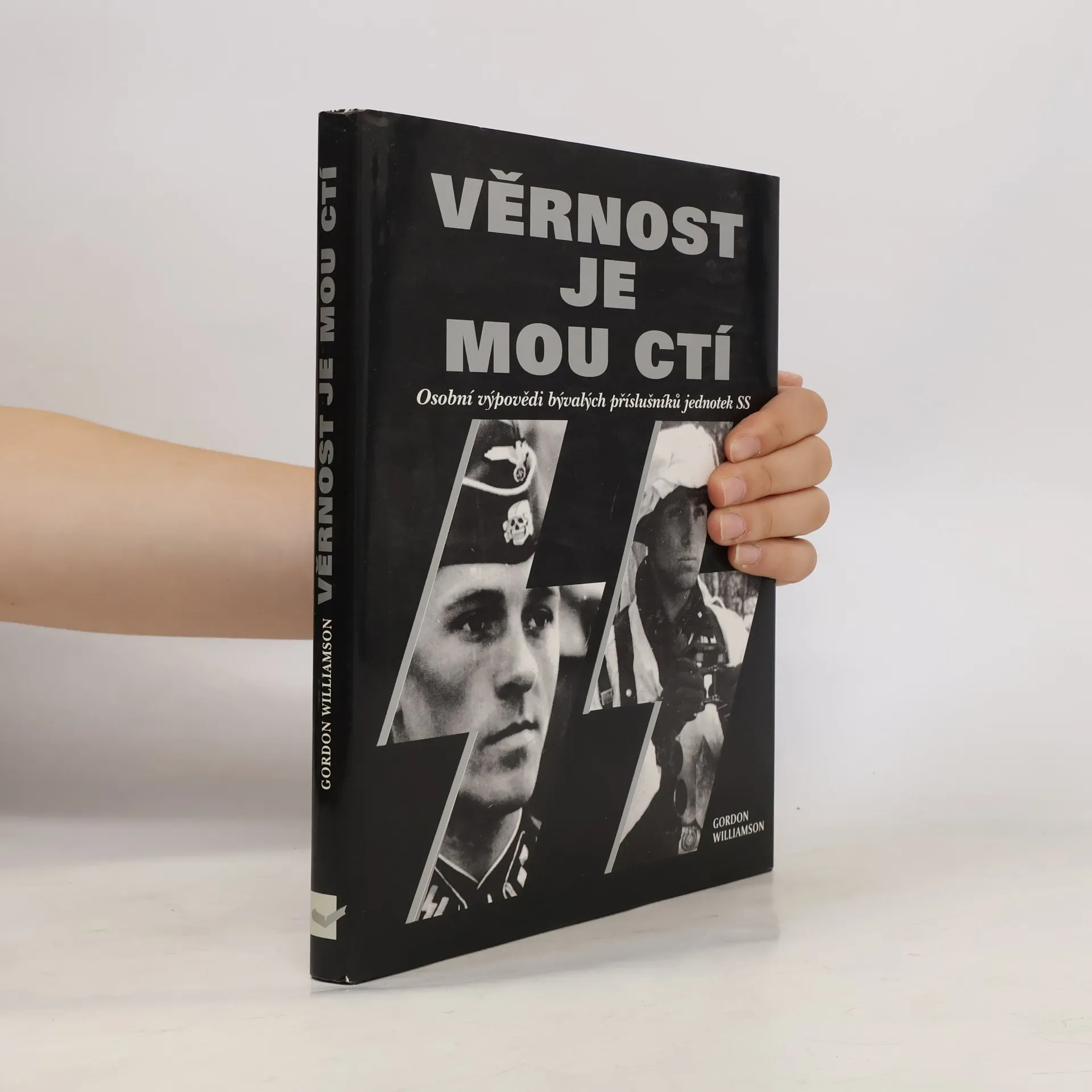
Osobní výpovědi bývalých příslušníků SS. "Věrnost je mou ctí" popisuje příběhy jednotlivců, kteří nosili znaky SS na svých uniformách. "Věrnost je mou ctí" je dokument zachycující myšlenky a činy vojáků Waffen SS, kteří bojovali ve 2. světové válce. Veteráni všech hodností a národností z divizí SS vyprávějí své válečné příběhy. Příběhy krátké, ale pro ně nezapomenutelné. Osobní výpovědi vojáků východní i západní fronty napříč celým obdobím války. Kniha není plná jen příběhů, ale je členěná do 9 hlavních kapitol, přičemž u každé je krátký úvod než je dán prostor pro osobní výpovědi vojáků. Kniha je tištěna na křídovém papíře a doplněna velkým množstvím fotografií.
Krví nasáklá zem : bitvy Waffen-SS
- 192 Seiten
- 7 Lesestunden
Jednotky "Waffen SS" byly jednou ze čtyř složek německých ozbrojených sil - wehrmachtu. Vojáci, patřící do jednotlivých divizí, byli nejhorlivějšími propagátory nacistických myšlenek a obdivovateli führera. Kniha je svoji podstatou vyjádřením neskonalého autorova obdivu "statečným hochům" v "nejslavnějších bojových akcích jednotek SS ve zbrani"
This book covers the SS from conception through to the end of WW2. Much of the commentary is of an extremely general nature, and few areas are addressed specifically. Every page contains a black and white photograph pertaining to the chapter, and all pictures are non offensive.
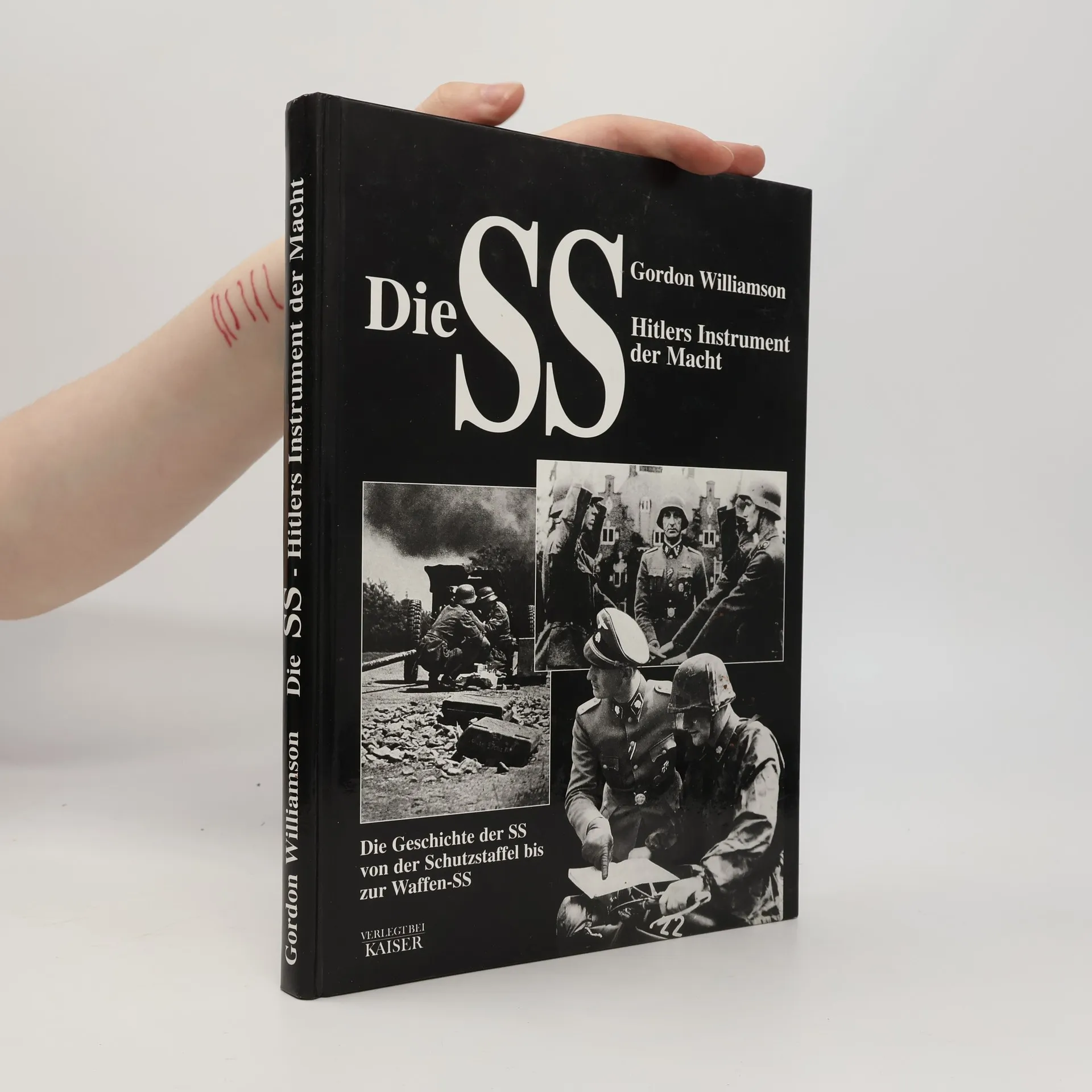
Die SS
- 256 Seiten
- 9 Lesestunden
Zu Beginn bestand Hitlers persönliche Leibwache, die SS, nur aus wenigen Männern, entwickelte sich jedoch zu einem vielköpfigen Ungeheuer mit vielfältigen Aufgaben. Sie war verantwortlich für die innere Sicherheit, die sie mit gnadenloser Härte durchsetzte, und setzte die rassistische Politik der Nationalsozialisten um. Zudem leitete die SS die Konzentrationslager und fungierte ab 1936 bis kurz vor Kriegsende als offizieller Nachrichtendienst des Reiches. Die meisten verbinden ihren Namen mit den Kampfeinheiten der Waffen-SS, die Ende 1944 über 900.000 Mann umfassten und in verschiedenen Regionen, darunter Polen und die Sowjetunion, kämpften. Diese umfassende Arbeit untersucht die SS als Hitlers Privatarmee, die entscheidend für die innere Sicherheit im Dritten Reich war. Alle Aspekte der SS werden beleuchtet: ihre Entstehung, Einheiten, Kämpfe, Fremdenlegionen und die bedeutenden Persönlichkeiten wie Heinrich Himmler und Sepp Dietrich. Auch die Gräueltaten an Gefangenen und Zivilisten sowie die Rolle der SS in den Konzentrationslagern werden eingehend behandelt. Ergänzt wird das Werk durch 220 Farb- und Schwarzweißfotos, viele aus privaten Sammlungen, sowie 25 Karten.
Book by Williamson, Gordon