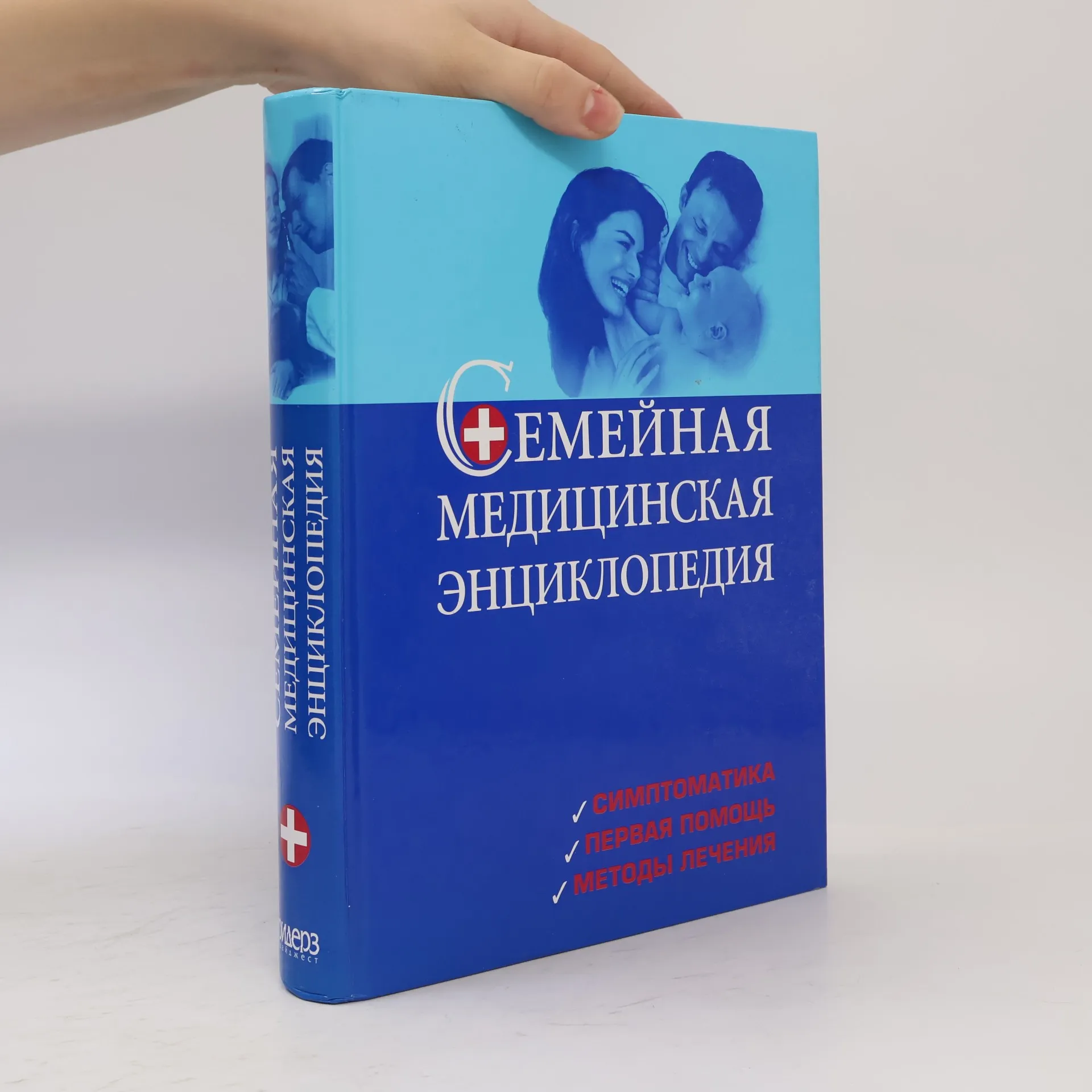
Семейная медицинская энциклопедия
Симптоматика, первая помощь, методы лечения


Richard Long verfasst düstere, spannende und psychologisch tiefgründige übernatürliche Horror- und Thrillergeschichten, die Mythologie, Wissenschaft und Mysterien zu fesselnden Erzählungen verbinden. Seine Prosa ist geschickt und klar, sie transportiert den Leser gekonnt zwischen den Psychen der Charaktere und bietet eine intelligente, selbstbewusste und oft amüsante Auseinandersetzung mit erschreckenden Elementen. Longs Erzählweise ist meisterhaft, bewegend, tiefgründig und rasant, mit Passagen, die als poetisch beschrieben werden können. Leser, die seine einzigartige Mischung aus Makabrem, literarischer Tiefe und einem Hauch von schwarzem Humor schätzen, werden seine Werke mit Spannung erwarten.

Симптоматика, первая помощь, методы лечения
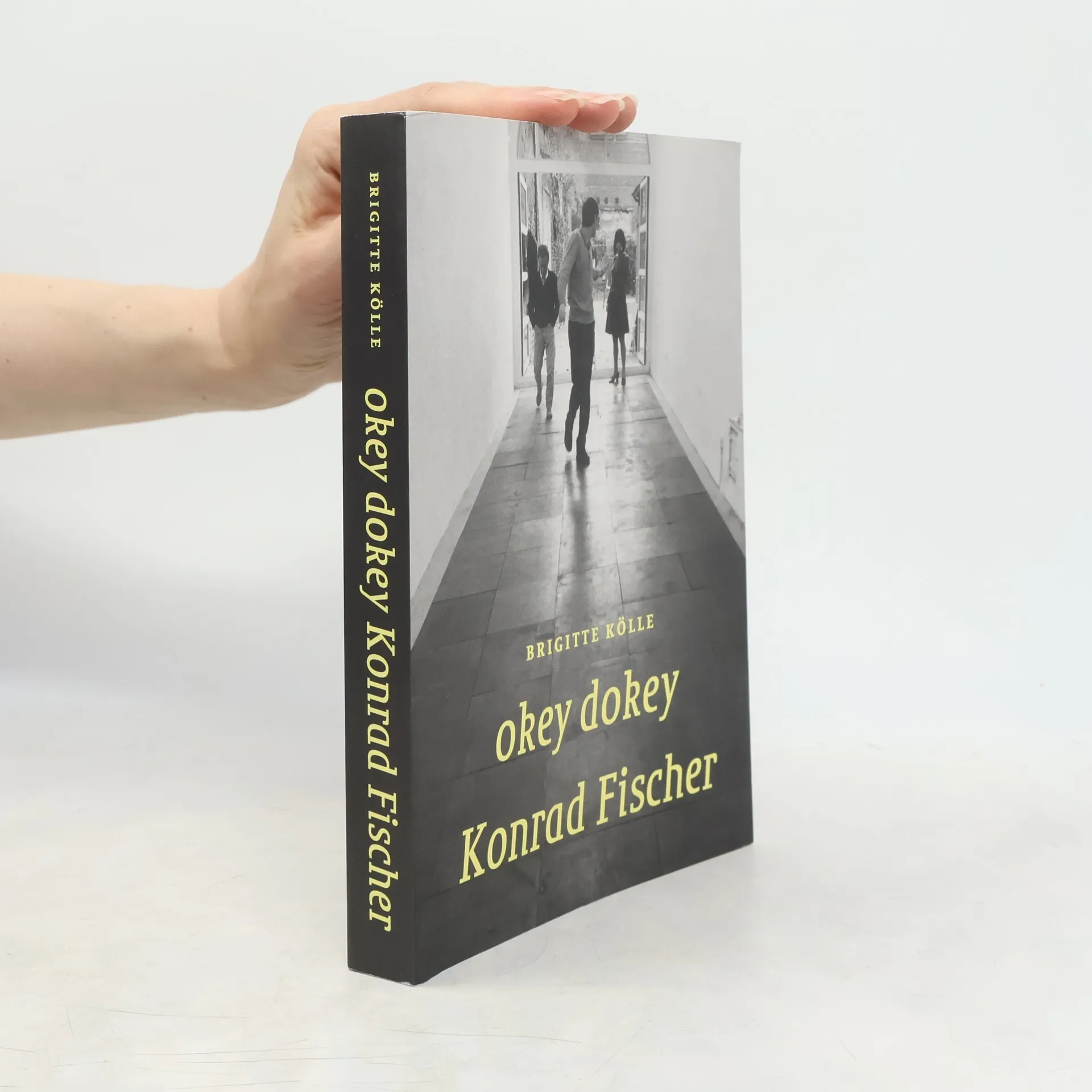
Konrad Fischer is internationally regarded as one of the most important gallerists of the post-war period. He founded his Düsseldorf gallery in 1967, immediately showing American artists such as Bruce Nauman and Carl Andre, for the first time in Europe. This volume explores the gallery’s history through unpublished photographs and interviews.
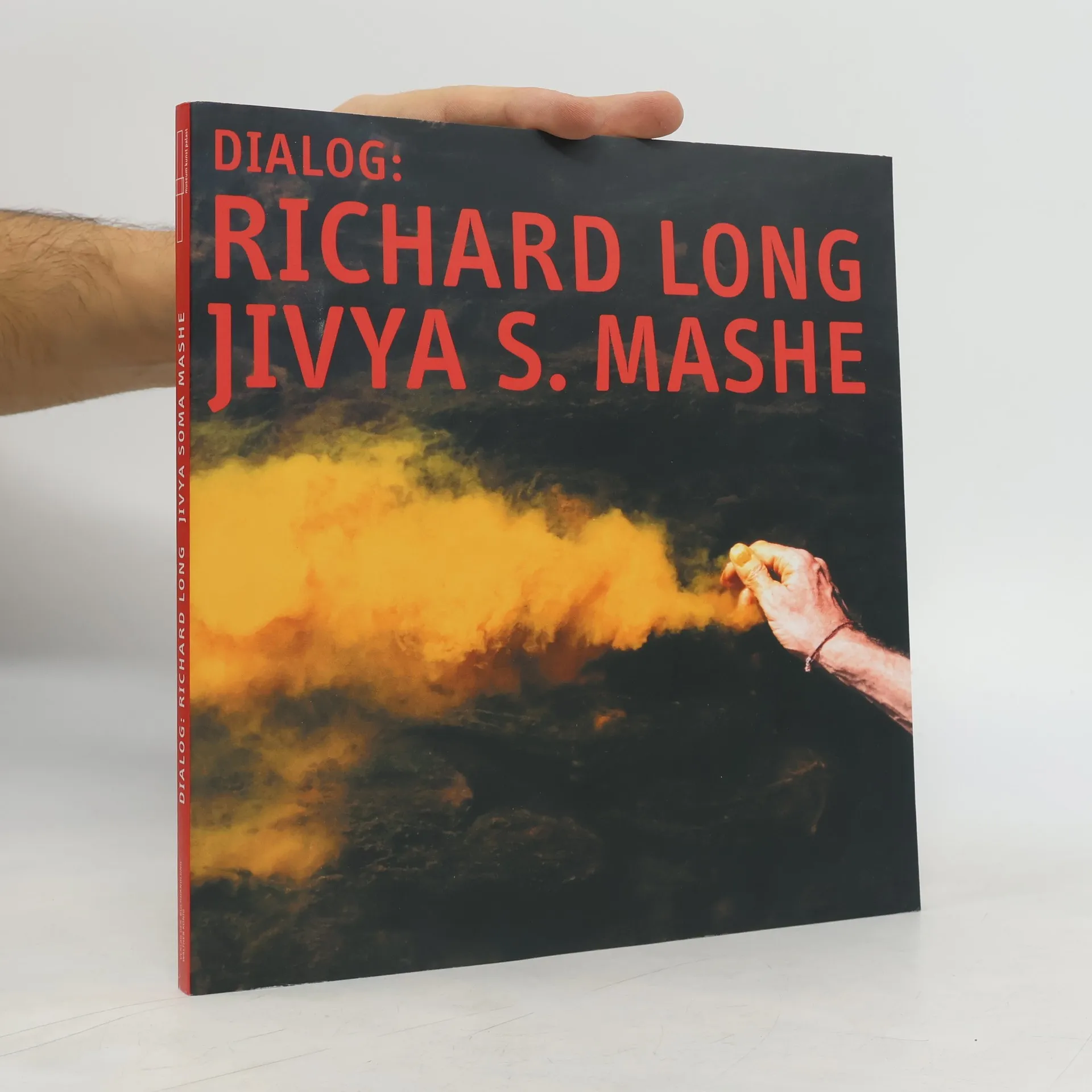
For the past four decades, a resilient strand of contemporary art has emerged, where artists embrace the natural environment as their context and inspiration, distinct from traditional landscape painting. This work showcases six significant contemporary artists who engage with the landscape, utilizing natural materials and processes. Their methods emphasize observation and reflection rather than intrusion, setting them apart from the American Land Art movement. Herman de Vries, Chris Drury, Ian Hamilton Finlay, Nikolaus Lang, Richard Long, and Giuseppe Pennone, while not belonging to a specific school, share a deep empathy for nature and a commitment to working outside urban modernist contexts. Interviews with the artists, conducted by William Furlong, reveal diverse motivations and striking similarities in their concerns and methods. An introductory essay by Mel Gooding situates these artists within historical and contemporary frameworks, discussing others like Josef Beuys and Andy Goldsworthy. This richly illustrated book addresses the need for more information on a field of contemporary art that, despite its warm reception, often remains inaccessible to the public due to its character and remote locations. It is essential reading for those interested in contemporary European art and will appeal to anyone drawn to the natural environment.
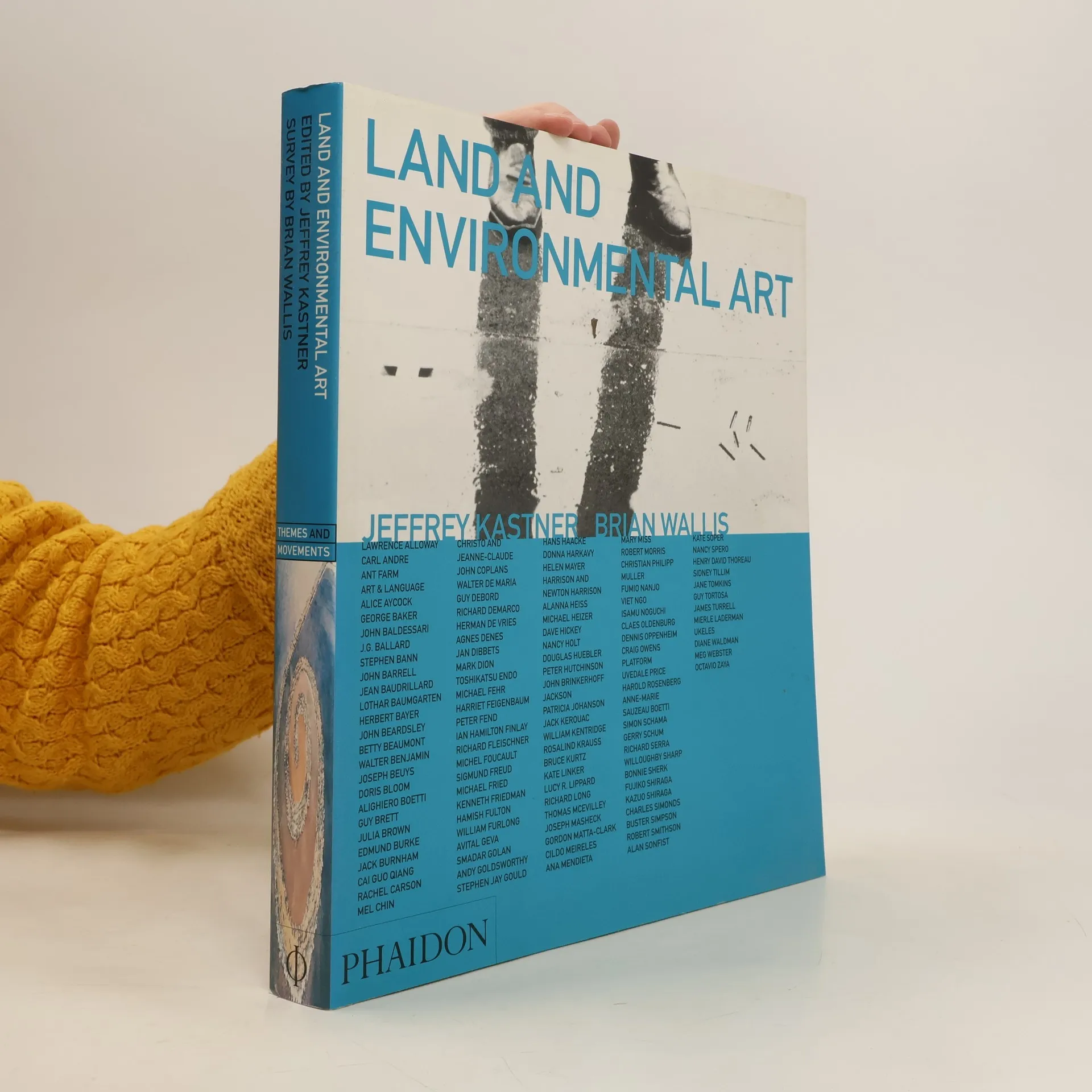
The definitive survey of Land Art and contemporary environmental art, now available in paperback
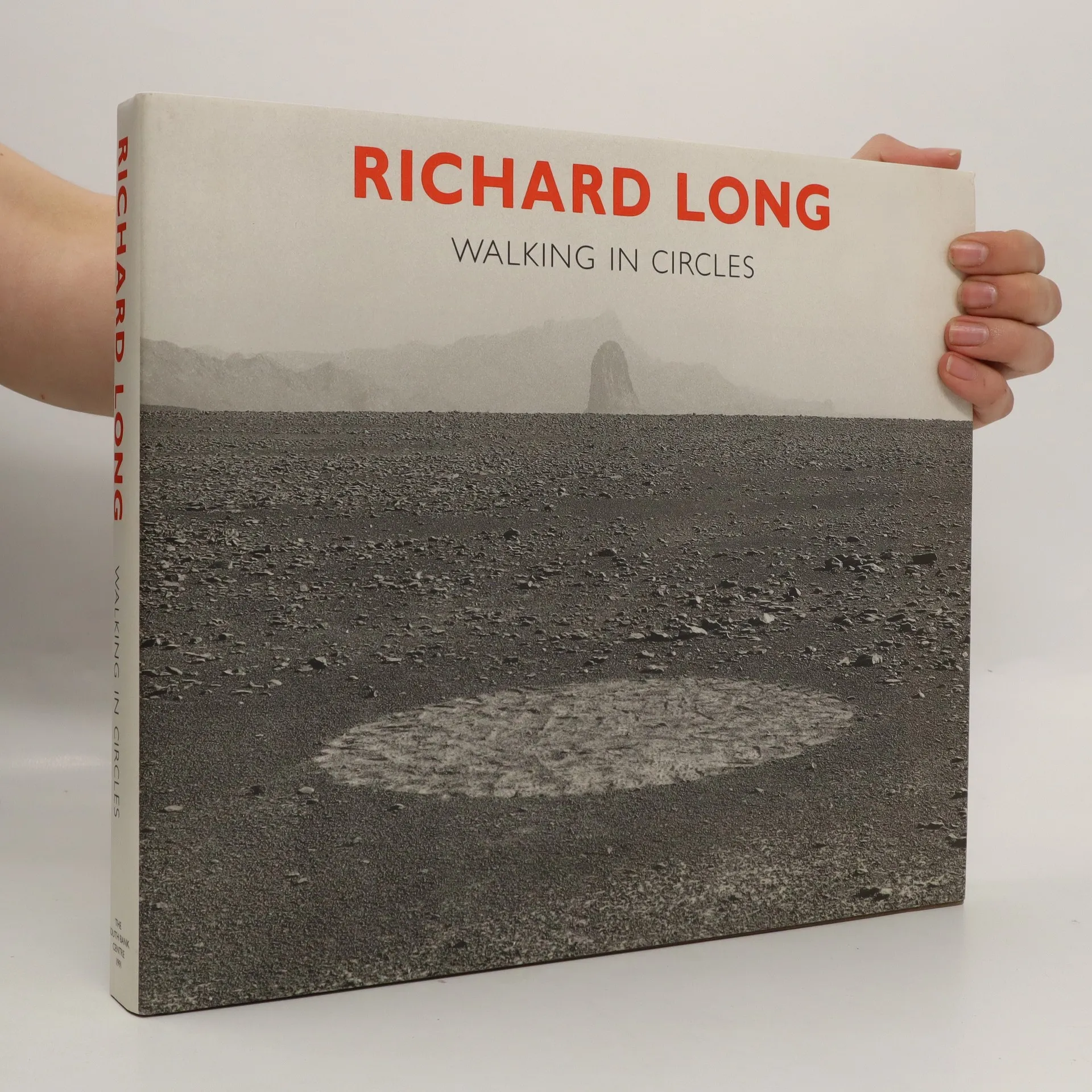
Published to accompany the exhibition held at the Hayward Gallery, the South Bank Centre, London, 14 June - 11 August 1991