
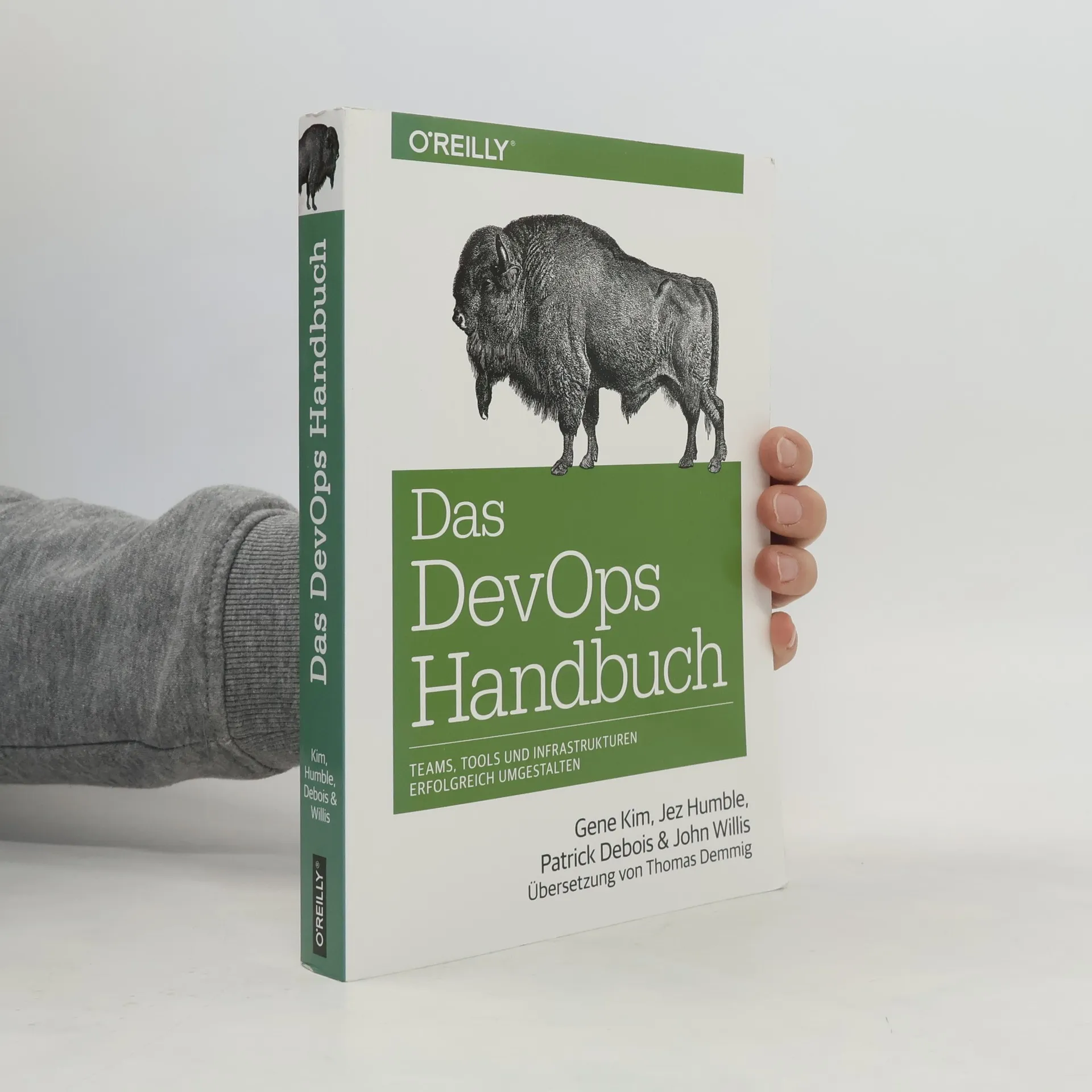



Bill Palmer wird überraschend zum Bereichsleiter der IT-Abteilung eines Autoteileherstellers befördert und muss nun eine Katastrophe nach der anderen bekämpfen. Gleichzeitig läuft ein wichtiges Softwareprojekt und die Wirtschaftsprüfer sind auch im Haus. Schnell wird klar, dass »mehr Arbeiten, mehr Prioritäten setzen, mehr Disziplin« nicht hilft. Das ganze System funktioniert einfach nicht, eine immer schneller werdende Abwärtsspirale führt dazu, dass das Unternehmen kurz vor dem Aus steht. Zusammen mit einem weitsichtigen Aufsichtsratsmitglied fängt Bill Palmer an, das System umzustellen. Er organisiert Kommunikation und Workflow zwischen Abteilungen neu, entdeckt und entschärft Flaschenhälse und stimmt sich mit dem Management besser ab. Er schafft es damit, das Ruder herumzureißen. Das Buch zeigt, wie neue Ideen und Strategien der DevOps-Bewegung konkret umgesetzt werden können und zum Erfolg führen - und liest sich dabei wie ein guter Wirtschaftskrimi!..
Gene Kim Bücher
Gene Kim konzentriert sich darauf, wie IT-Organisationen von 'gut zu großartig' transformieren. Seine Leidenschaft für IT-Betrieb, Sicherheit und Compliance zeigt sich in seiner Arbeit, die Wege zur Exzellenz erforscht. Kim ist bekannt für seinen Fokus auf Best Practices und kontinuierliche Verbesserung in IT-Umgebungen. Sein Ansatz unterstreicht die Bedeutung transformativen Denkens für die Erzielung überlegener Leistung.


Projekt Unicorn
Der Roman. Über Entwickler, Digital Disruption und das Überleben im Datenzeitalter
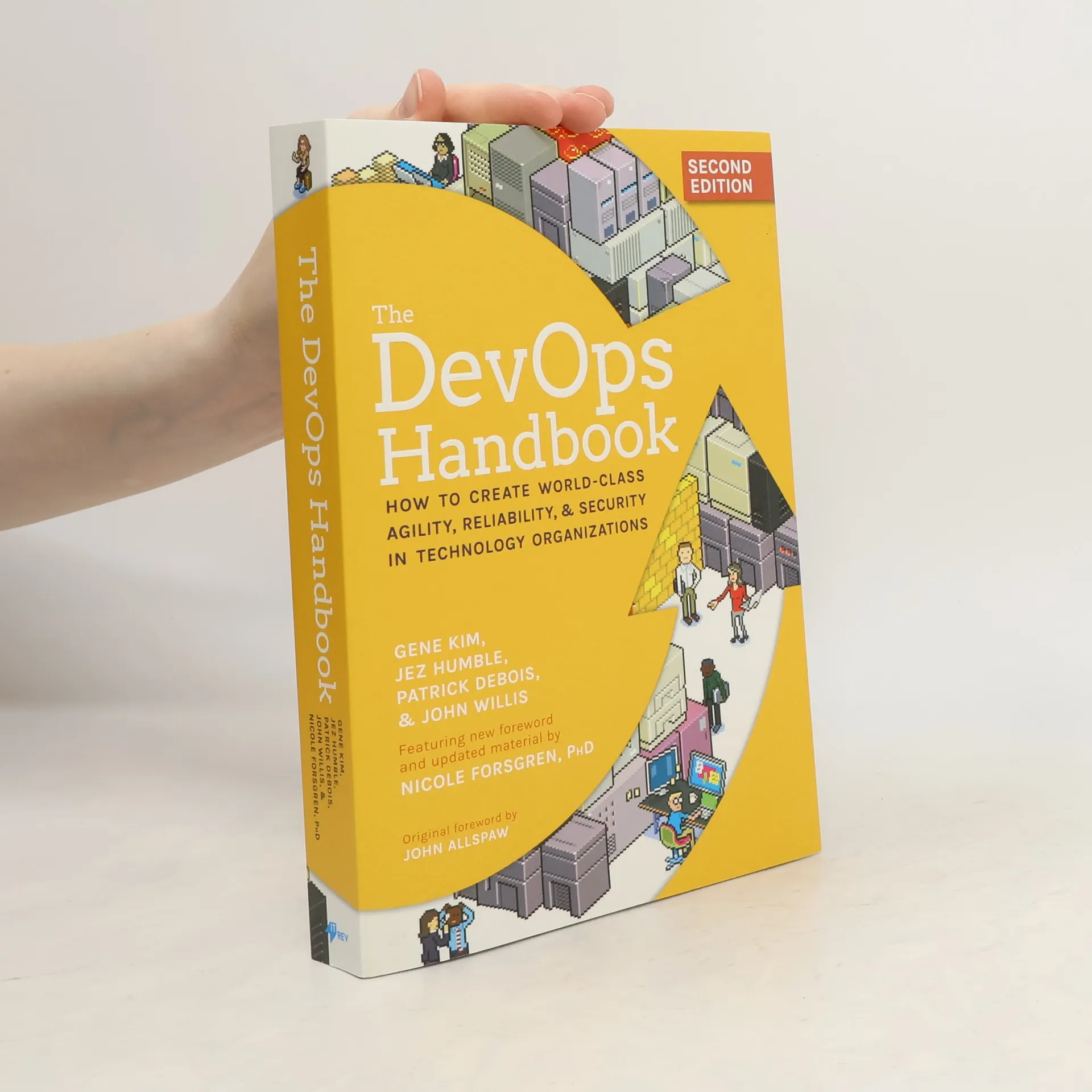
Effektives IT-Management ist entscheidend für die Wettbewerbsfähigkeit von Organisationen. Viele Manager in softwarebasierten Unternehmen kämpfen, ein Gleichgewicht zwischen Agilität, Zuverlässigkeit und Sicherheit zu finden. Im Gegensatz dazu liefern High-Performer wie Google und Amazon regelmäßig hunderte bis tausende Codeänderungen pro Tag. Diese Unternehmen setzen auf DevOps-Prinzipien. Die Autoren dieses Handbuchs zeigen, wie die DevOps-Philosophie praktisch umgesetzt werden kann, um Unternehmen zu transformieren. Sie erläutern spezifische Tools und Techniken, die helfen, Software schneller und sicherer zu entwickeln. Zudem werden Maßnahmen vorgestellt, die die Zusammenarbeit zwischen Abteilungen verbessern, die Arbeitskultur fördern und die Profitabilität steigern können. Wichtige Themen sind: die Drei Wege, die grundlegenden Prinzipien der DevOps-Methoden; Strategien zur DevOps-Transformation, einschließlich Wertketten und Veränderungsmuster; die Beschleunigung des Arbeitsflusses von Dev zu Ops durch optimale Deployment-Pipelines und automatisierte Tests; die Verstärkung von Feedback-Schleifen und die Sichtbarkeit von Telemetriedaten; sowie die Förderung einer Just Culture, um kontinuierliches Lernen im Unternehmen zu ermöglichen.
Increase profitability, elevate work culture, and exceed productivity goals with this updated and expanded edition of the definitive handbook for DevOps.More than ever, the effective management of technology is critical for business competitiveness. For decades, technology leaders have struggled to balance agility, reliability, and security. The consequences of failure have never been greater―whether it's the healthcare.gov debacle, cardholder data breaches, or missing the boat with Big Data in the cloud.And yet, high performers using DevOps principles, such as Google, Amazon, Facebook, Etsy, and Netflix, are routinely and reliably deploying code into production hundreds, or even thousands, of times per day.Following in the footsteps of The Phoenix Project, The DevOps Handbook shows leaders how to replicate these incredible outcomes, by showing how to integrate Product Management, Development, QA, IT Operations, and Information Security to elevate your company and win in the marketplace.
Bill has 90 days to fix a behind-schedule IT project, or his entire department will be outsourced. Fortunately, he has the help of a prospective board member, whose "Three Ways" philosophy might just save the day.
Does technology actually matter? And how can we apply technology to drive business value? For years, we've been told that the performance of software delivery teams doesn't matter-that it can't provide a competitive advantage to our companies. Through four years of groundbreaking research, Dr. Nicole Forsgren, Jez Humble, and Gene Kim set out to find a way to measure software delivery performance-and what drives it-using rigorous statistical methods. This book presents both the findings and the science behind that research. Readers will discover how to measure the performance of their teams, and what capabilities they should invest in to drive higher performance.
This highly anticipated follow-up to the bestselling title The Phoenix Project takes another look at Parts Unlimited, this time from the perspective of software development.
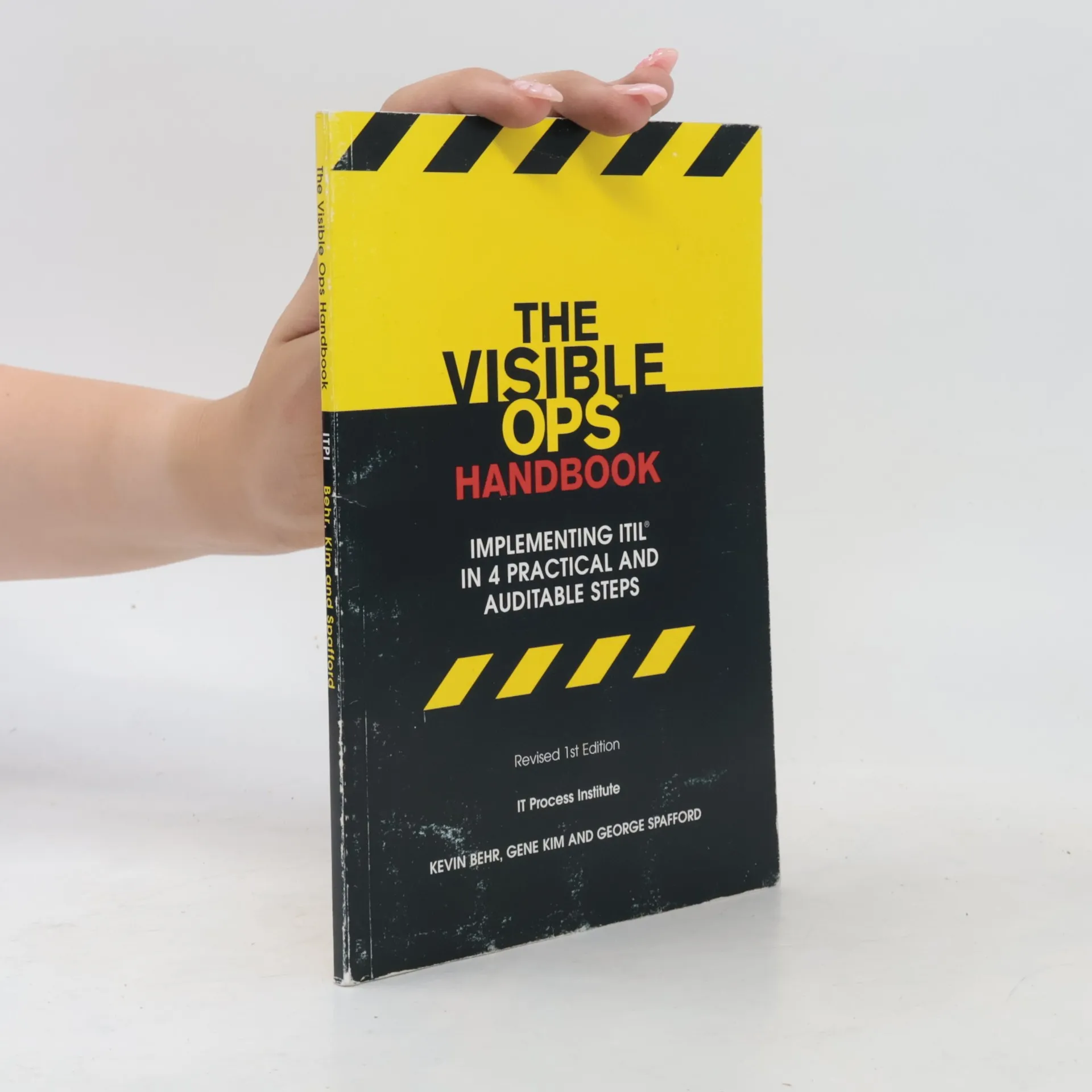
The Visible Ops Handbook
- 112 Seiten
- 4 Lesestunden
Project to Product
- 272 Seiten
- 10 Lesestunden
In the Age of Software, will your business dominate and maintain relevance--or will it become a digital relic?As tech giants and startups disrupt every market, those who master large-scale software delivery will define the economic landscape of the 21st century, just as the masters of mass production defined the landscape in the 20th. Unfortunately, business and technology leaders are woefully ill-equipped to solve the problems posed by digital transformation. At the current rate of disruption, half of S&P 500 companies will be replaced in the next ten years. A new approach is needed. In Project to Product, Value Stream Network pioneer and technology business leader Dr. Mik Kersten introduces the Flow Framework--a new way of seeing, measuring, and managing software delivery. The Flow Framework will enable your company's evolution from project-oriented dinosaur to product-centric innovator that thrives in the Age of Software. If you're driving your organization's transformation at any level, this is the book for you.
Gene Kim and Steven J. Spear, DBA, combine their decades of experience and research to offer a new business dynamic in the digital age.