

Was bedeutet Freiheit heute, jenseits einer neoliberalen Marktfreiheit, die auf persönliche Interessen abzielt? Philip Pettit, ein führender zeitgenössischer Philosoph, entwickelt in seinem fesselnden Werk ein Freiheitsverständnis, das ein Leben ohne Beherrschung in den Mittelpunkt stellt. Für ihn bedeutet Freiheit, sein eigener Herr zu sein, anderen auf Augenhöhe zu begegnen und den Einfluss anderer nicht fürchten zu müssen. Dies hat weitreichende soziale, ökonomische und politische Implikationen. Pettit verfolgt die republikanische Idee der Freiheit von ihren Wurzeln in der Römischen Republik über die Florentiner Renaissance bis hin zur englischen und amerikanischen Revolution. Er nutzt diese historische Perspektive, um aktuelle Probleme anzugehen. Im sozialen und ökonomischen Bereich plädiert er für umfassende sozialstaatliche Interventionen, starke Arbeitnehmerrechte und den Schutz kleiner Unternehmen vor großen Konzernen. In der Demokratie schlägt Pettit innovative Ansätze vor, um Bürger nicht nur durch Wahlen, sondern auch durch „Kontestationen“ von Mehrheitsentscheidungen zu stärken. In der internationalen Politik argumentiert er, dass Staaten, die ihre Bürger vor Beherrschung schützen, nicht selbst Opfer mächtigerer Akteure werden dürfen. Ein unverzichtbarer Leitfaden für die Herausforderungen des 21. Jahrhunderts.
Philip Pettit Bücher
Philip Pettit ist ein irischer Philosoph und politischer Theoretiker, der eine Version des staatsbürgerlichen Republikanismus in der politischen Philosophie vertritt. Seine Arbeit untersucht die Verflechtung verschiedener philosophischer Bereiche und zeigt, wie Erkenntnisse aus einer Disziplin Lösungen für Probleme in anderen, scheinbar unterschiedlichen Gebieten bieten können. Pettits Ideen haben politische Reformen beeinflusst, und sein umfangreiches Werk ist Gegenstand fortlaufender akademischer Auseinandersetzung.


On the People's Terms
- 352 Seiten
- 13 Lesestunden
According to republican theory, we are free persons to the extent that we are protected and secured in the same fundamental choices, on the same public basis, as one another. But there is no public protection or security without a coercive state. Does this mean that any freedom we enjoy is a superficial good that presupposes a deeper, political form of subjection? Philip Pettit addresses this crucial question in On the People's Terms. He argues that state coercion will not involve individual subjection or domination insofar as we enjoy an equally shared form of control over those in power. This claim may seem utopian but it is supported by a realistic model of the institutions that might establish such democratic control. Beginning with a fresh articulation of republican ideas, Pettit develops a highly original account of the rationale of democracy, breathing new life into democratic theory.
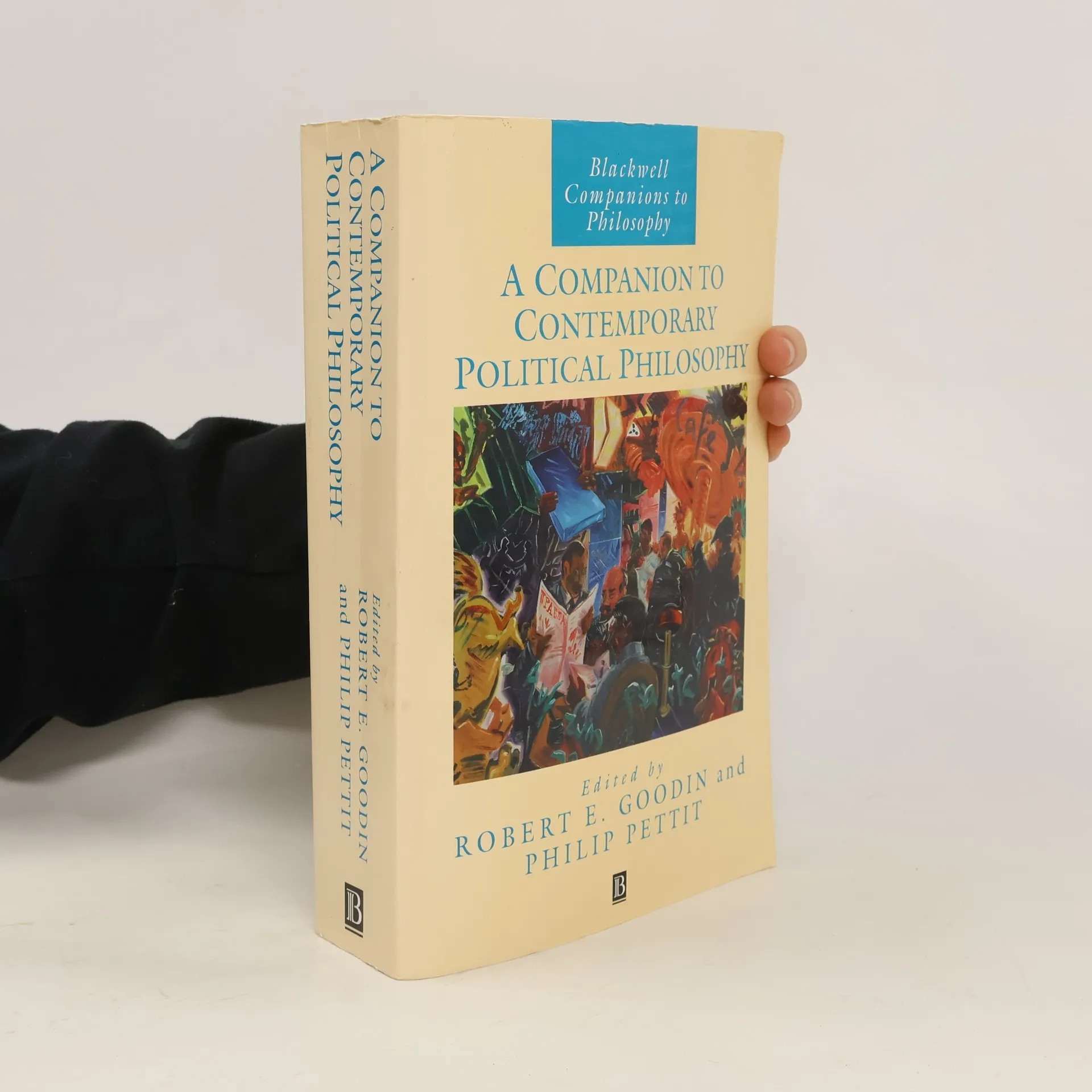
A Companion to Contemporary Political Philosophy
- 704 Seiten
- 25 Lesestunden
An essential reference for anyone interested in this dynamic field, the new edition of A Companion to Contemporary Political Philosophy is the most current and comprehensive resource available.
"In this work, the prominent political philosopher Philip Pettit embarks on a massive undertaking to offers major new accounts of the foundations of the state and the nature of justice. In doing so Pettit builds a new theory of what the state is and what it ought to be, addresses the normative question of how justice serves as a measure of the success of a state, and the way it should operate in relation to its citizens and other people"--
To know the nature of any phenomenon or practice, it is often a good idea to learn about how it might have emerged or might have been constructed. Pettit offers an account of how morality might have emerged, without any planning, in a society with language but without any properly ethical concepts or practices. The conjectural history that it documents serves a philosophical purpose, for it directs us the role that morality plays in human life and the nature of morality that enables it to play that role. --From publisher description
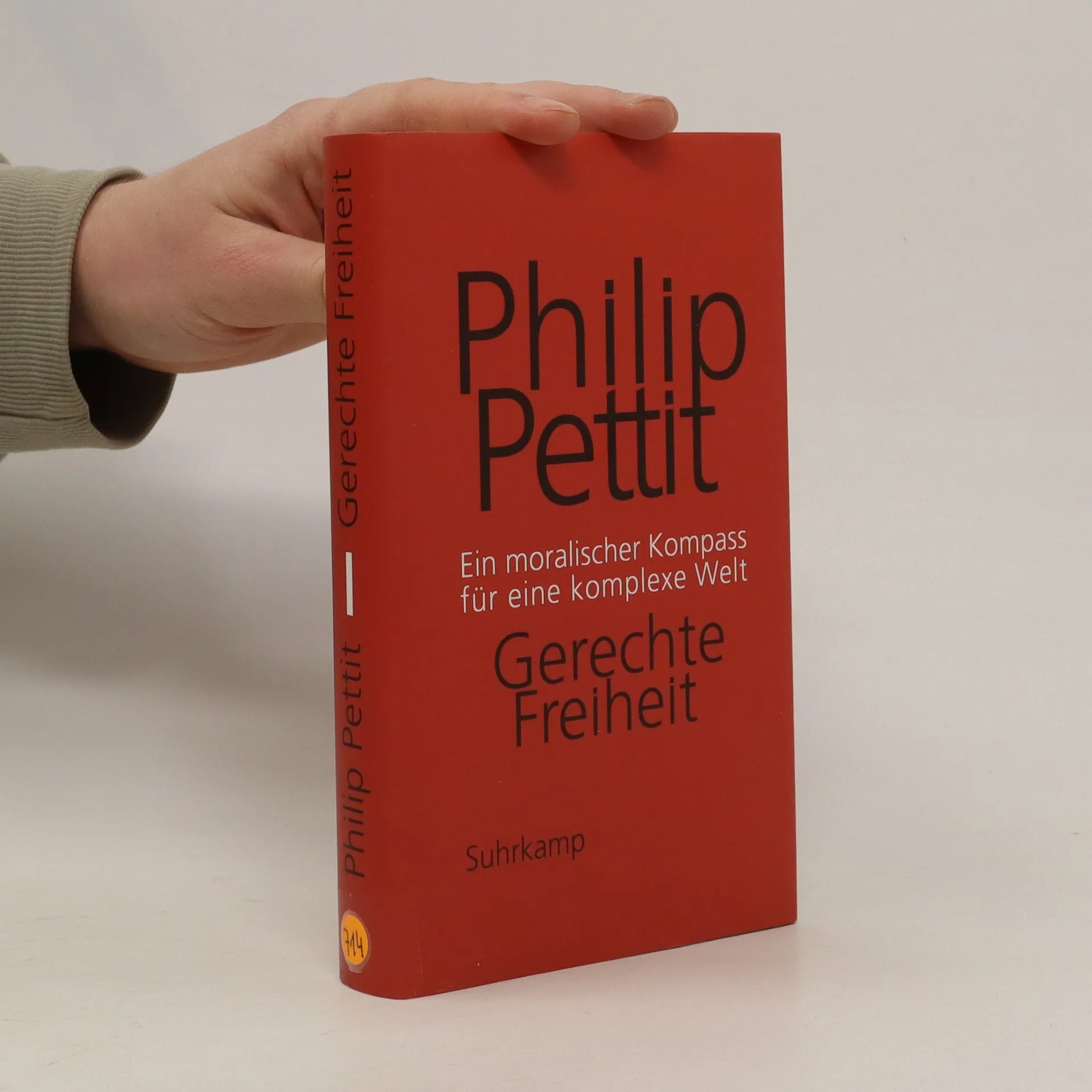
Just freedom: a moral compass for a complex world
- 258 Seiten
- 10 Lesestunden
Freedom, in Philip Pettit's provocative analysis, requires more than just being let alone. In Just Freedom, a succinct articulation of the republican philosophy for which he is renowned, Pettit builds a theory of universal freedom as nondomination. Seen through this lens, even societies that consider themselves free may find their political arrangements lacking. Do those arrangements protect people's liberties equally? Are they subject to the equally shared control of those they protect? Do they allow the different peoples of the world to live in equal freedom? With elegant, user-friendly tests of freedom--the eyeball test, the tough luck test, and the straight talk test--Pettit addresses these questions, laying out essential yardsticks for policymakers and concerned citizens alike. An invitation to join in a program that would better articulate and realize justice in our social, democratic, and international lives, Just Freedom offers readers an essential starting place for the world's thorniest problems.
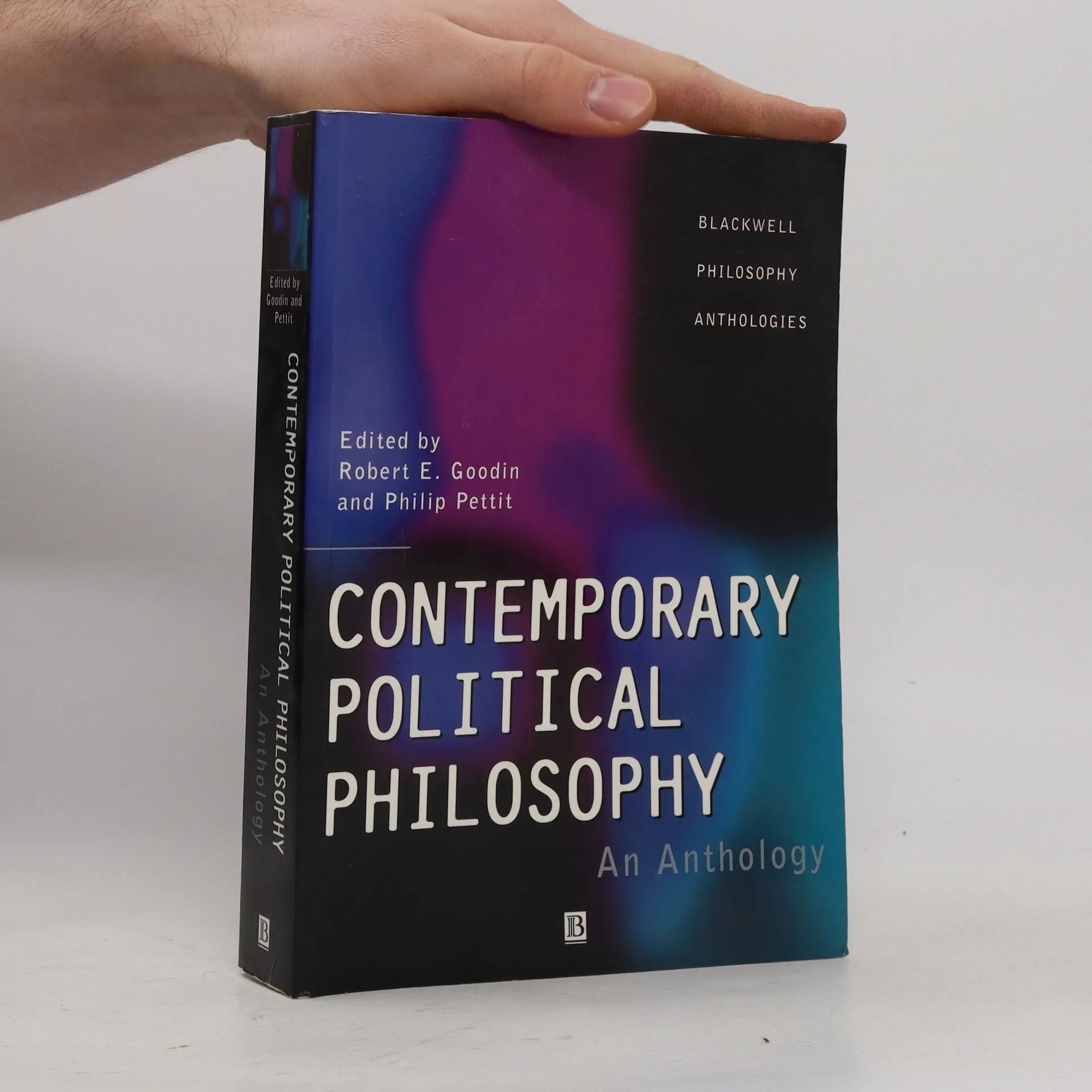
Contemporary Political Philosophy. An Anthology
- 648 Seiten
- 23 Lesestunden
This monumental volume provides the most comprehensive and authoritative collection of the essential primary readings in post-war political philosophy.
