Brahms composed these part songs for female chorus in 1860 while acting as Director of the Hamburg Women's Choir. Each song lasts around 3 minutes, and is accompanied by an ensemble of harp with two horns (a unique combination for Brahms). Texts are by Ruperti, Shakespeare, Eichendorff and 'Ossian' (with English translations by Jean Lunn). This is the vocal score, containing the harp (or piano) accompaniment and horn cues for rehearsal purposes. Instrumental accompaniment parts are available separately. * Manufacturer EP6617-HN1 * Horn I
Johannes Brahms Reihenfolge der Bücher (Chronologisch)
7. Mai 1833 – 3. April 1897
Johannes Brahms war ein Komponist, dessen Musik aus tiefem Humanismus und Agnostizismus schöpfte. Er ließ sich von Natur, Literatur und Philosophie inspirieren, wobei seine Werke durch kunstvollen Aufbau und Tiefe bestechen. Brahms lehnte Antisemitismus ab und war bekannt für seine Großzügigkeit und Zugänglichkeit. Seine Musik, oft mit Meistern wie Bach und Beethoven verglichen, beeinflusste eine ganze Komponistengeneration.


Clara Schumann Johannes Brahms
- 656 Seiten
- 23 Lesestunden
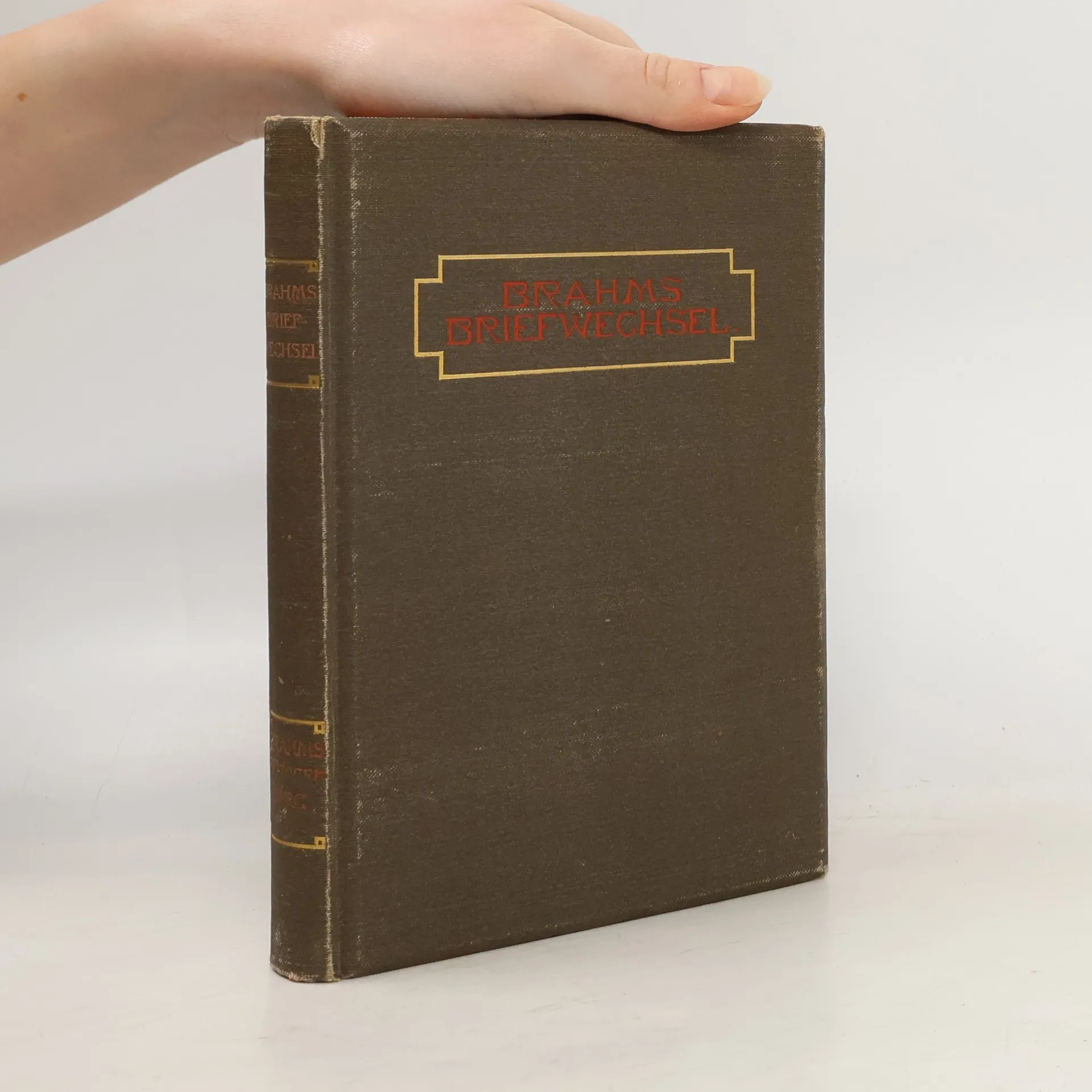
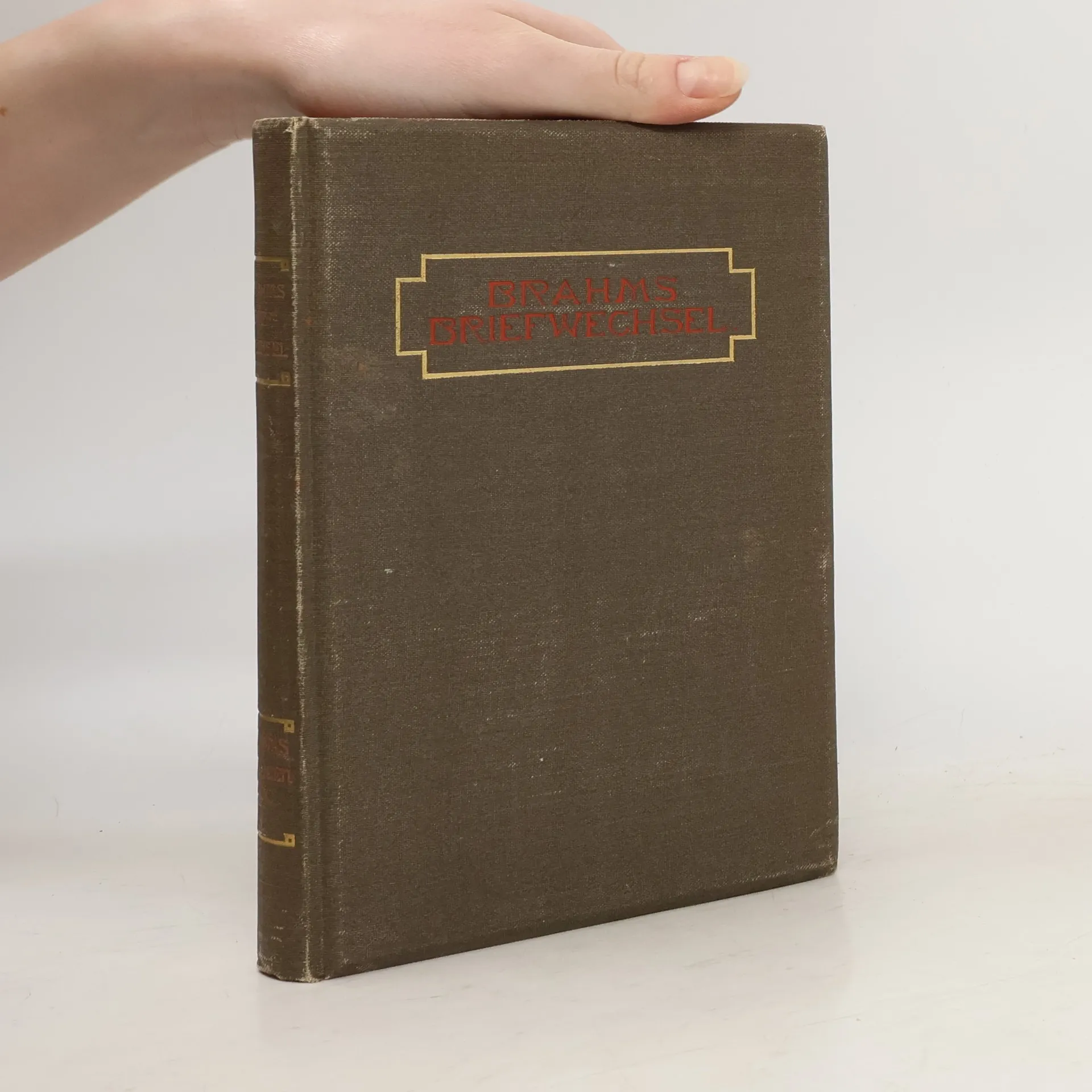
Clara Schumann (1819-1896) war eine bewunderte Pianistin und die Frau von Robert Schumann. Nach Roberts Tod pflegte Johannes Brahms eine enge Freundschaft mit Clara, die jedoch unerwidert blieb. Berthold Litzmann, ein Germanist, veröffentlichte eine dreibändige Biografie über Clara und edierte ihren Briefwechsel mit Brahms.
Hungarian Dances for Violin and Piano, Nos. 11--21
- 999 Seiten
- 35 Lesestunden
Brahms, Johannes - Hungarian Dances 11-21 Book 2 for Violin and Piano - Arranged by Joachim
Studien-Editionen: Klavierkonzert Nr. 2 B-Dur op. 83
Urtext - Besetzung: Orchester
- 192 Seiten
- 7 Lesestunden
Ein deutsches Requiem in Karlsruhe
- 64 Seiten
- 3 Lesestunden
Eulenburg Audio+Score 19. Symphony no. 3 in F major. Op. 90
- 106 Seiten
- 4 Lesestunden
(Schott). Vorwort * I. Allegro con brio * II. Andante * III. Poco Allegretto * IV. Allegro
Sonata op. 38 E minor for cello and piano Edited from the original edition by Hans-Christian Müller / arrangement of the cello part by Bernhardt Stockman / Fingering of the piano part by Detlef Kraus.
Bärenreiter Werkeinführungen: Johannes Brahms, Ein deutsches Requiem
- 148 Seiten
- 6 Lesestunden
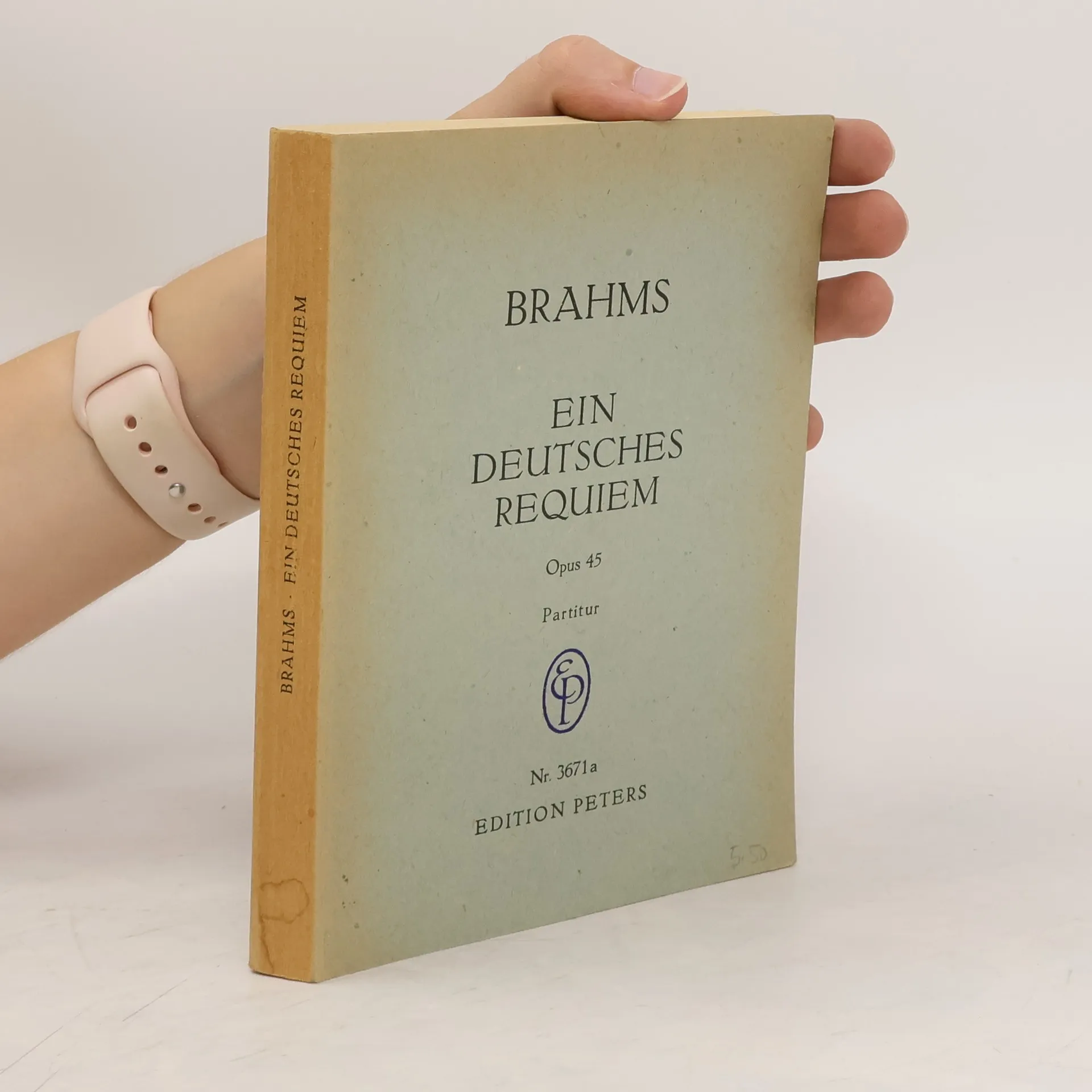
Brahms löste sich von vielem, als er „Ein deutsches Requiem“ schrieb: von der traditionellen liturgischen Form, vom üblichen lateinischen Text, von der inhaltlichen Ausrichtung der Missa pro defunctis. Stattdessen stellte er biblische Texte zusammen, die die Vergänglichkeit des Menschen drastisch schildern, aber auch viele tröstende Worte zum Klingen bringen. Sven Hiemke eröffnet in seiner Werkeinführung die Perspektive auf Brahms’ Intention, ein Requiem für die Lebenden zu schreiben, auf seine Inspiration durch Trauermusik alter Meister und Zeitgenossen, und auf die Frage, inwiefern Brahms’ eigene Religiosität das „deutsche Requiem“ beeinflusste. Es folgen ein Überblick über die Konzeption des Gesamtwerks und die anschauliche Vorstellung der einzelnen Sätze. Ein Kapitel zu Rezeption und Bearbeitungen des Werkes rundet das Taschenbuch ab.
Sonata
- 120 Seiten
- 5 Lesestunden
Scherzo, Ballades, Rhapsodien und Tanze
- 130 Seiten
- 5 Lesestunden
Fantasien, Intermezzi und Klavierstücke
- 116 Seiten
- 5 Lesestunden
Briefe der Freundschaft
- 311 Seiten
- 11 Lesestunden
Der Briefwechsel zwischen Johannes Brahms und Klaus Groth umfasst über 80 Briefe und Postkarten. Auf den ersten Blick ist sowohl der Umfang des Briefwechsels wie das Zustandekommen dieser Freundschaft verwunderlich - auf der einen Seite der bedeutende Komponist, auf der anderen der Schriftsteller aus der Provinz. Doch die gemeinsame familiäre Herkunft aus Dithmarschen ist Bindeglied und atmosphärische Basis zugleich für diese sich mit zunehmender Dauer intensivierende Freundschaft.
German Requiem in Full Score
- 208 Seiten
- 8 Lesestunden
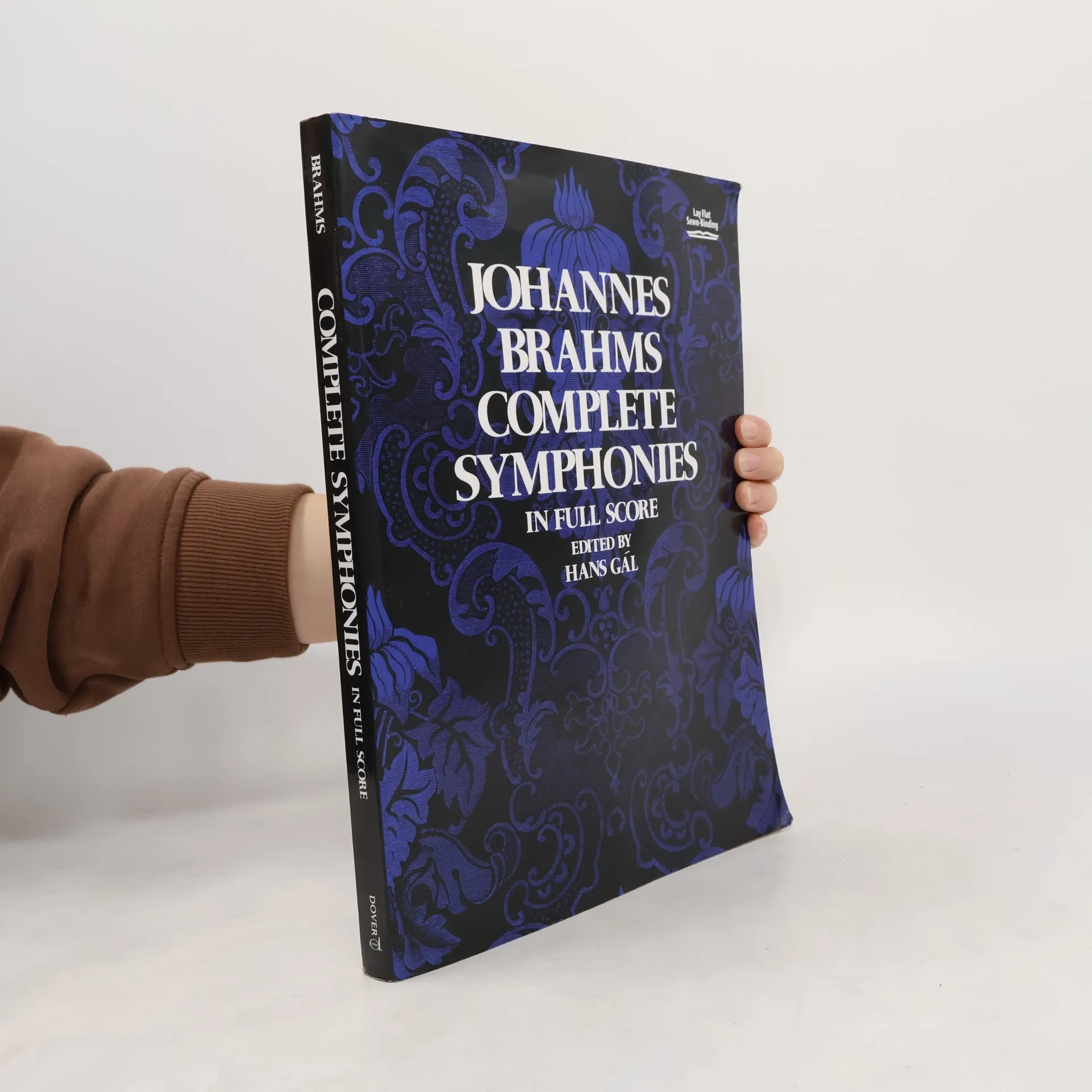
This edition of Brahms' greatest, most ambitious vocal work is reprinted from the definitive edition of the composer's works, prepared by Breitkopf & Härtel of Leipzig. Inexpensive but sturdily constructed to provide years of pleasurable use, this full score combines all the musical parts in a clear, readable format, with wide margins, large noteheads, and many other helpful features.Brahms conducted the first major performance of the German Requiem in Bremen Cathedral in April 1868. The occasion — attended by many distinguished musicians, among them Clara Schumann — provided the 34-year-old composer with his first great public success. Scored for mixed chorus, solo voices, and full orchestra, the Requiem reflects Brahms' virtuosic grasp of nineteenth-century vocal technique as well as the polyphonic vocal traditions of the previous three centuries. Above all, it radiates Brahms' stalwart individuality, technical mastery, and stirring emotional appeal, which were soon to secure his unique position in the musical world. More than a century after its debut, this masterpiece of choral music is one of the most performed and recorded works in the repertoire of religious music.
Sinfonie Nr. 1[eins]
- 243 Seiten
- 9 Lesestunden
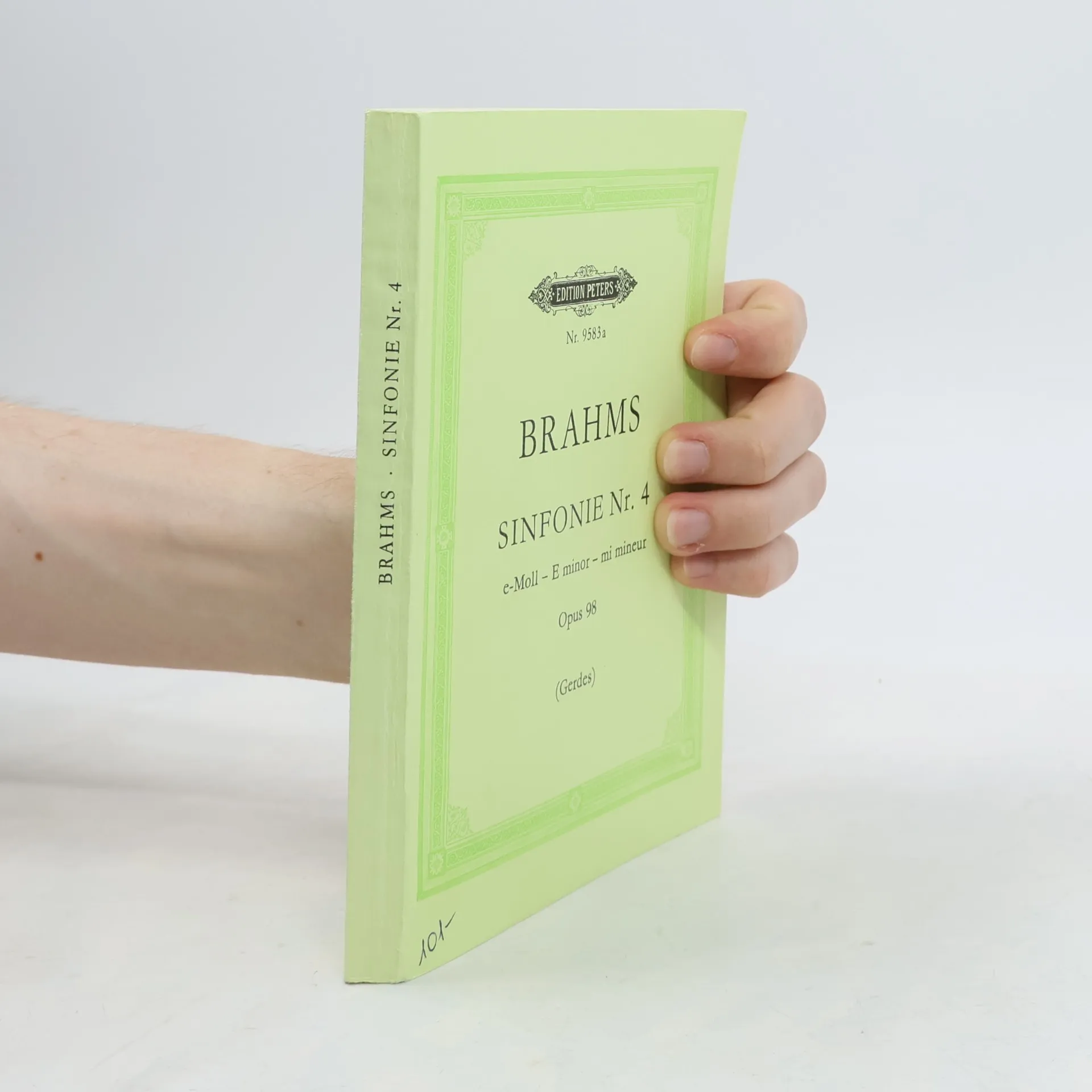
Brahms Sinfonie Nr.4
e-Moll - E minor - mi mineur Opus 98
Rüdiger Görner, geboren 1957, studierte Germanistik, Geschichte, Anglistik und Philosophie an der Universität Tübingen sowie am University College, University of London. Seit 1981 lebt er als Literaturwissenschaftler, Schriftsteller und Kritiker in London. Von 1997 bis 2004 hatte er eine Professur für German Literature an der Aston University in Birmingham inne und war von 1999 bis 2004 Direktor des Institute of Germanic Studies sowie Gründer des Ingeborg-Bachmann Centre for Austrian Literature an der University of London. Seit 2004 ist er Professor für neuere deutsche Literatur und Gründungsdirektor des Centre for Anglo-German Cultural Relations am Queen Mary College, University of London. Görner hat zahlreiche Publikationen zu Literatur und Musik verfasst, darunter Werke über Thomas Mann, Rilke, Nietzsche und Mozart.
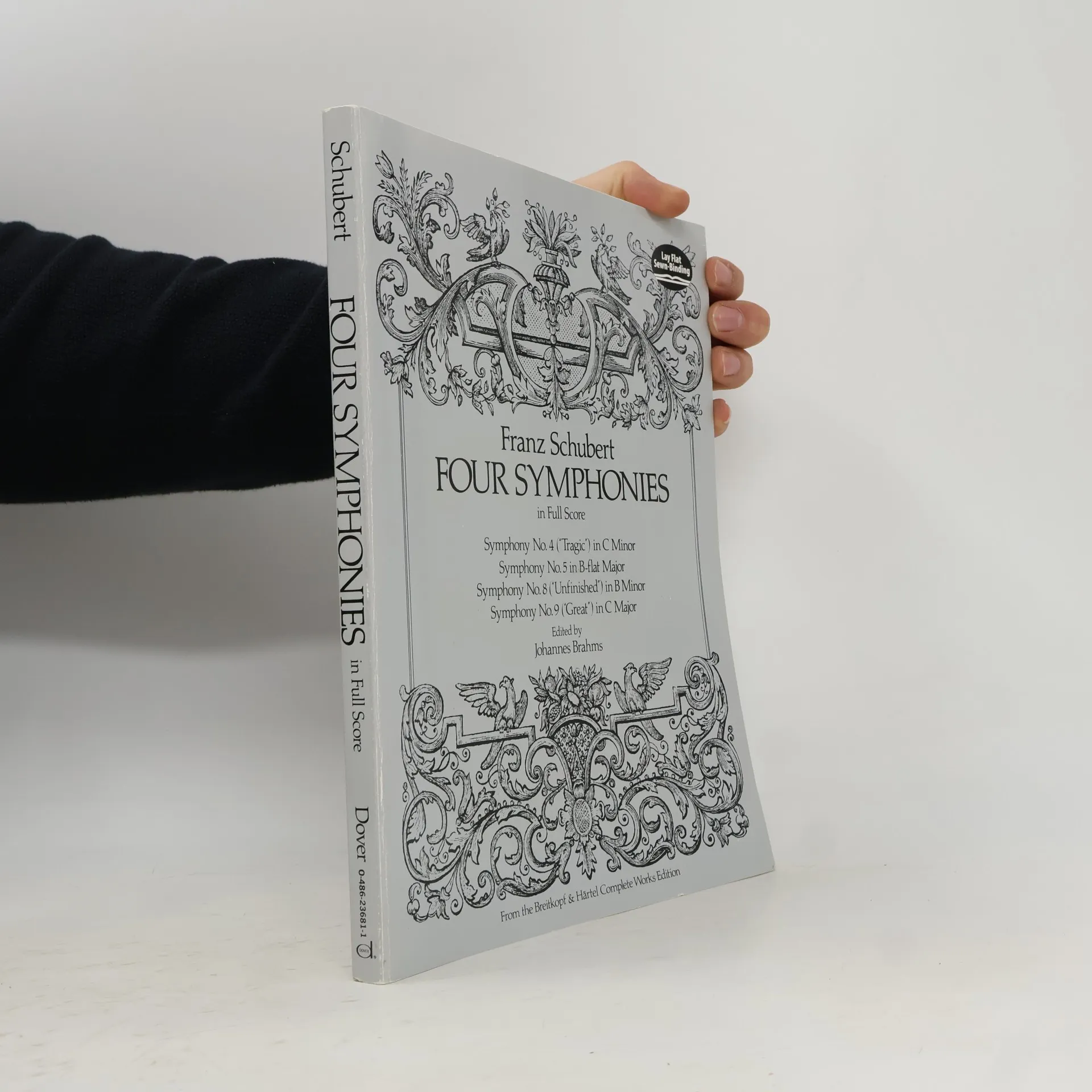
Four Symphonies in Full Score - From the Breitkopf & Härtel Complete Works Edition
- 272 Seiten
- 10 Lesestunden
In 1978 the music world commemorated the 150th anniversary of Schubert's death, and his great symphonies were widely played and recorded. In this one volume are Schubert's four most popular and most often played symphonies in full score, including the Symphony No. 9, which, according to Grove's Dictionary, is "universally admitted to be his greatest masterpiece." The symphonies are reproduced complete and unabridged from the famous and scholarly Breitkopf & Härtel series, a large and eminently readable edition, and are edited by Brahms. No other single-volume edition of these works is currently available.Included in this book Symphony No. 4 ("Tragic") in C MinorSymphony No. 5 in B-flat Major (also known as "Symphony without Trumpets and Drums")Symphony No. 8 ("Unfinished) in B MinorSymphony No. 9 ("Great) in C MajorThe music has been reproduced in a size large enough to be read easily, with large noteheads, wide margins (for notes, annotations, etc.), and on opaque paper with sturdy, sewn bindings. Pages lie flat and will not fall out. The edition is practical for almost any use, whether as a study guide, a reference, or simply a companion for your greater musical enjoyment.
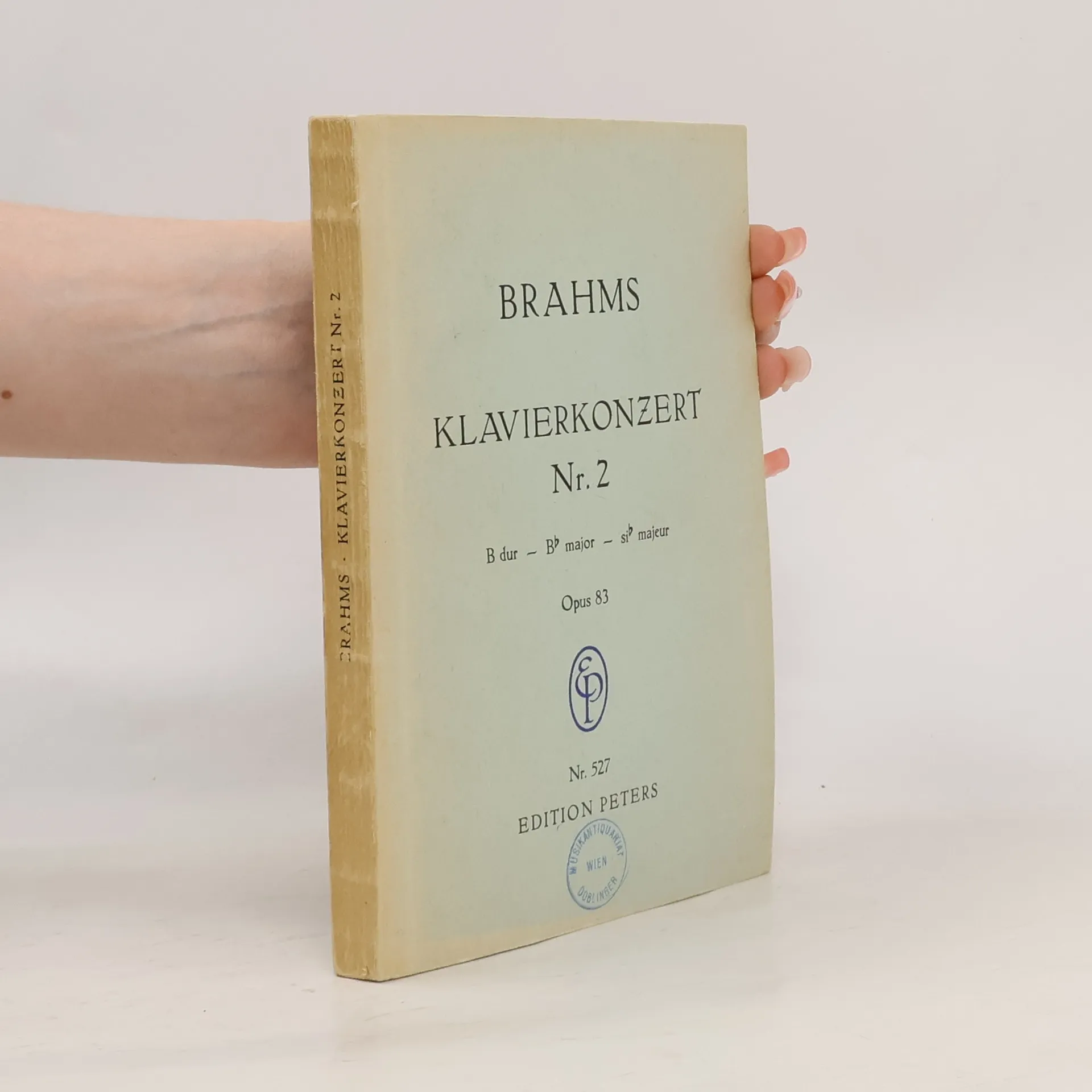
Klavierkonzert Nr. 2
B-Dur op. 83
Brahms was a master of musical structure, especially in his 4 symphonies. This text presents full orchestral scores of No. 1 in C. Minor, Op. 68; No. 2 in D Major, Op. 73; No. 3 in F Major, Op. 90; and No. 4 in E Minor, Op. 98.
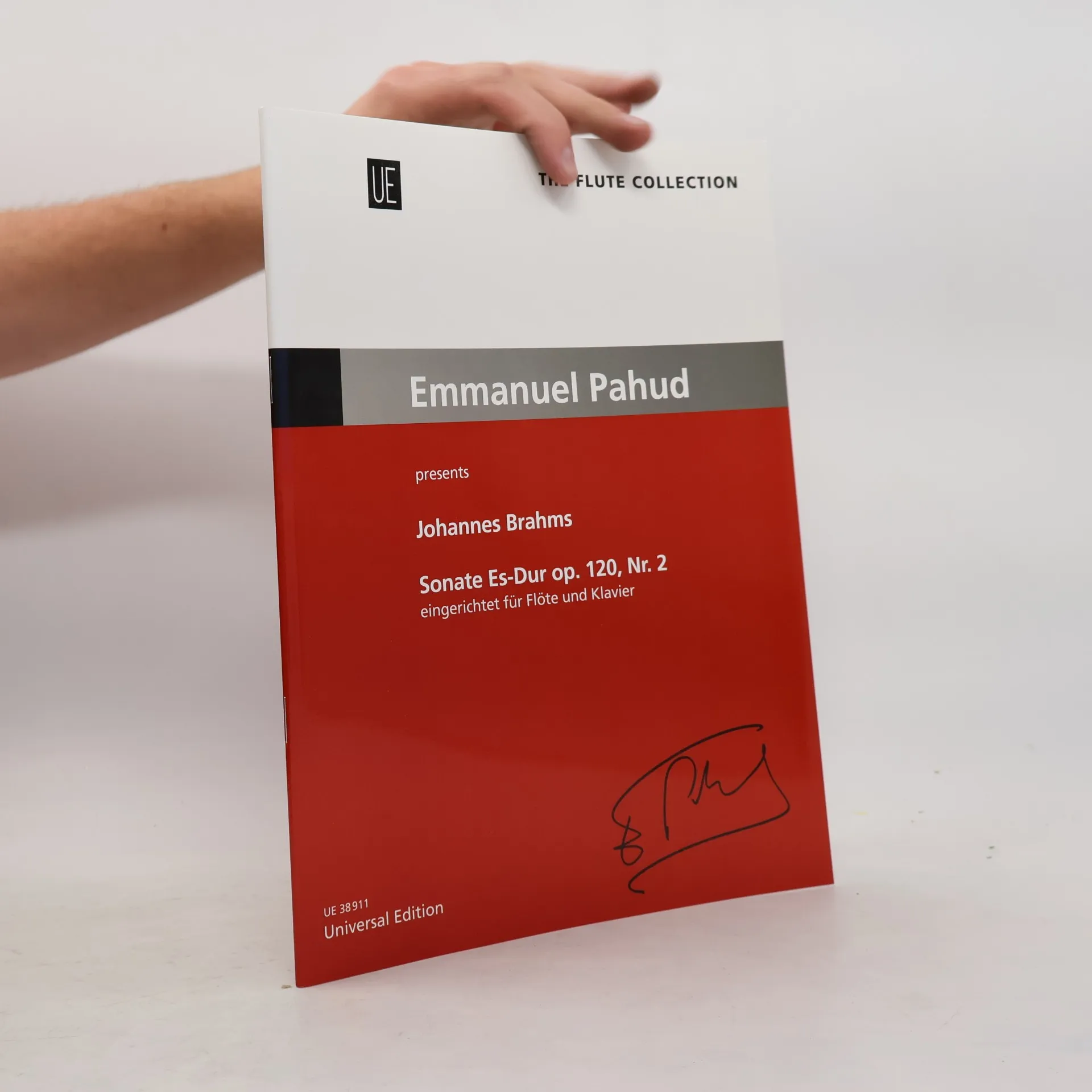
The Flute Collection: Sonate Es-Dur op. 120 Nr. 2
Eingerichtet für Flöte und Klavier - Partitur



![Sinfonie Nr. 1[eins]](https://rezised-images.knhbt.cz/1920x1920/57189573.webp)