
Gratis Versand in ganz Österreich
Bookbot

Victor Serge

    Victor Serge war ein russischer Revolutionär und frankofoner Schriftsteller, dessen Leben vom Exil geprägt war. Sein Werk zeichnet sich durch eine scharfe und kritische Auseinandersetzung mit politischen und sozialen Kämpfen aus, wobei er stets seinen sozialistischen Idealen treu blieb, auch wenn er den sowjetischen Regime kritisierte. Serge's Schriften, die von Haftzeiten und einem Leben ohne Heimat geprägt waren, bieten eine einzigartige Perspektive auf Themen wie Freiheit, Macht und Identität, geformt durch intensive persönliche und historische Erfahrungen.

    Memoirs Of A Revolutionary
    Leo Trotzki
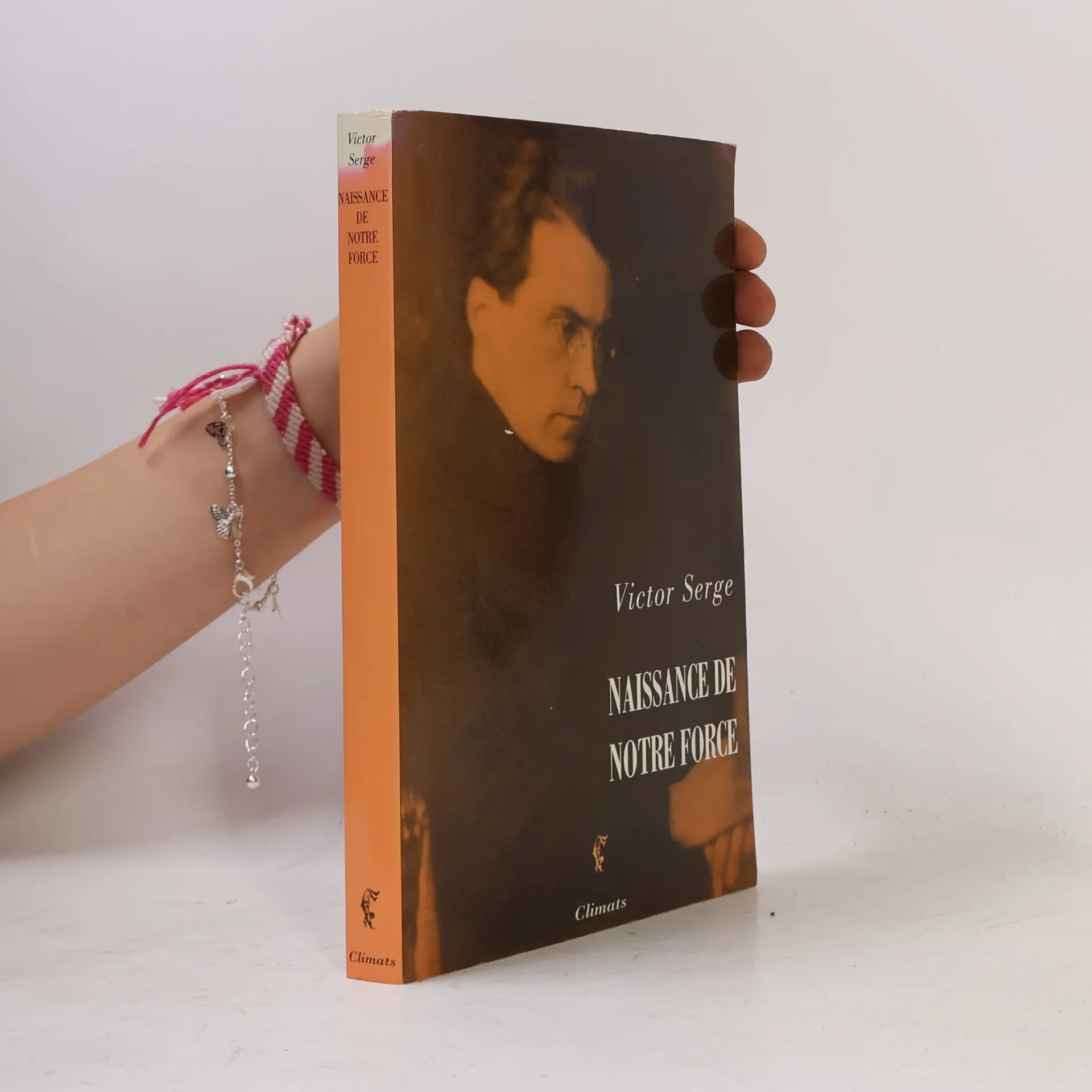
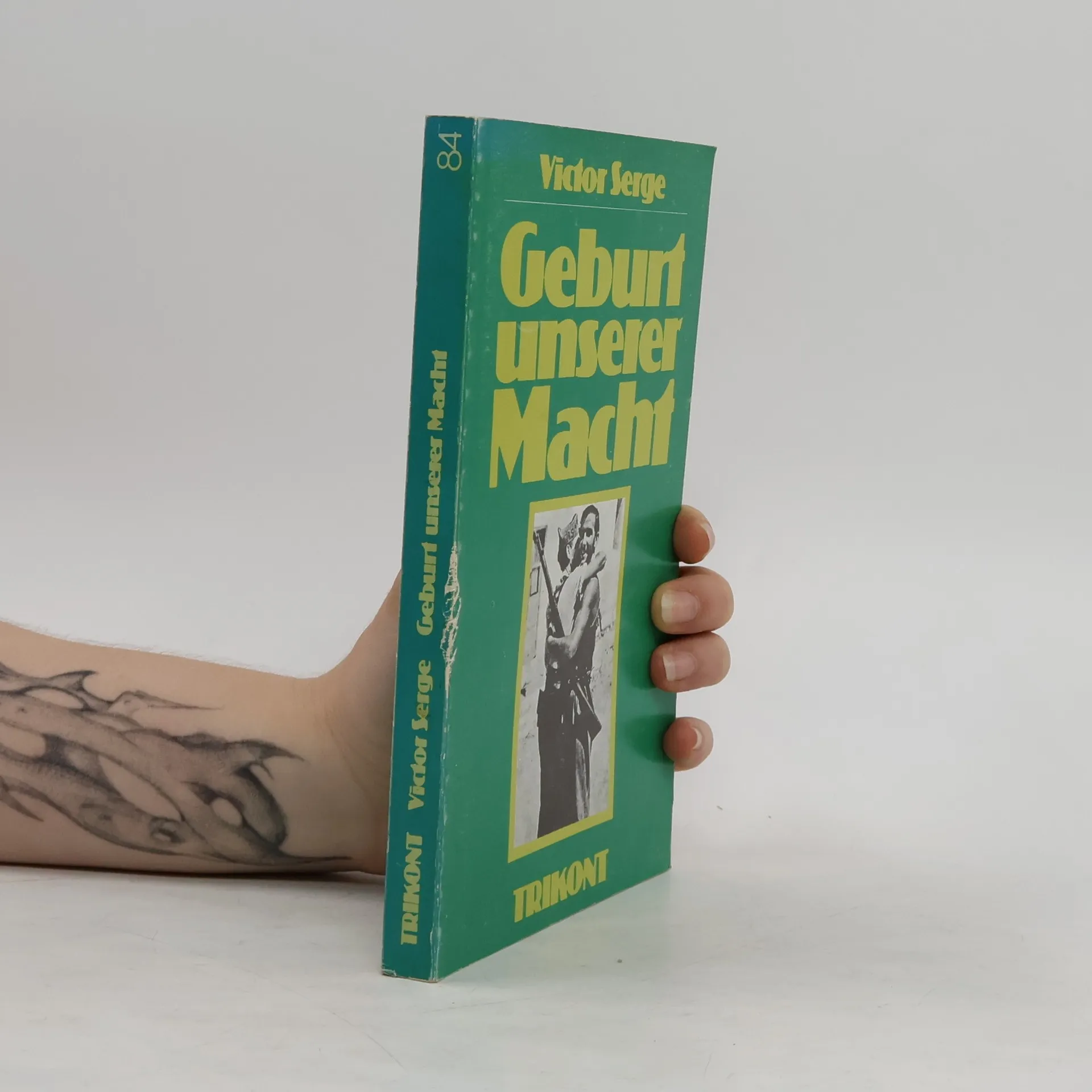
    Geburt unserer Macht
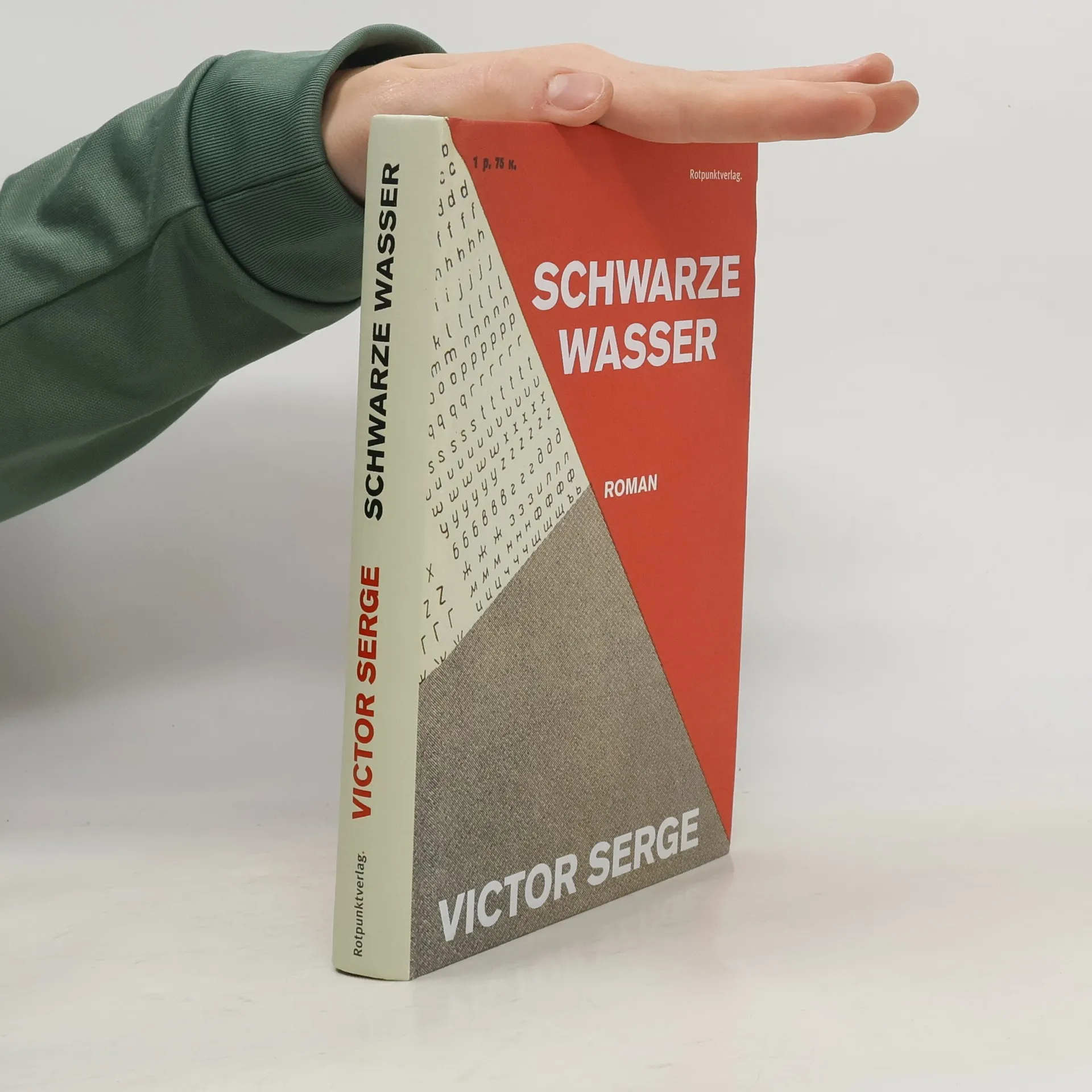
    Schwarze Wasser
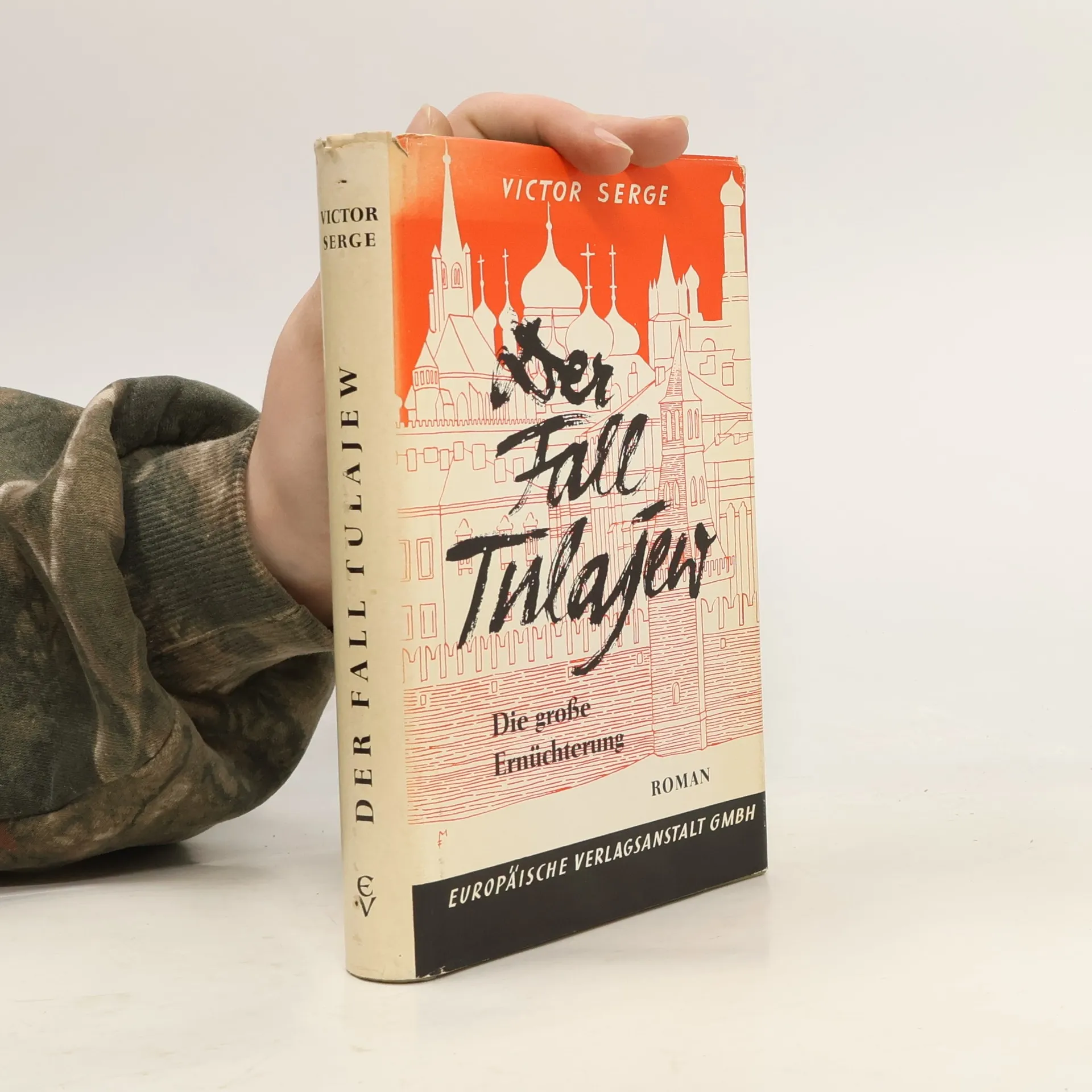
    Die große Ernüchterung
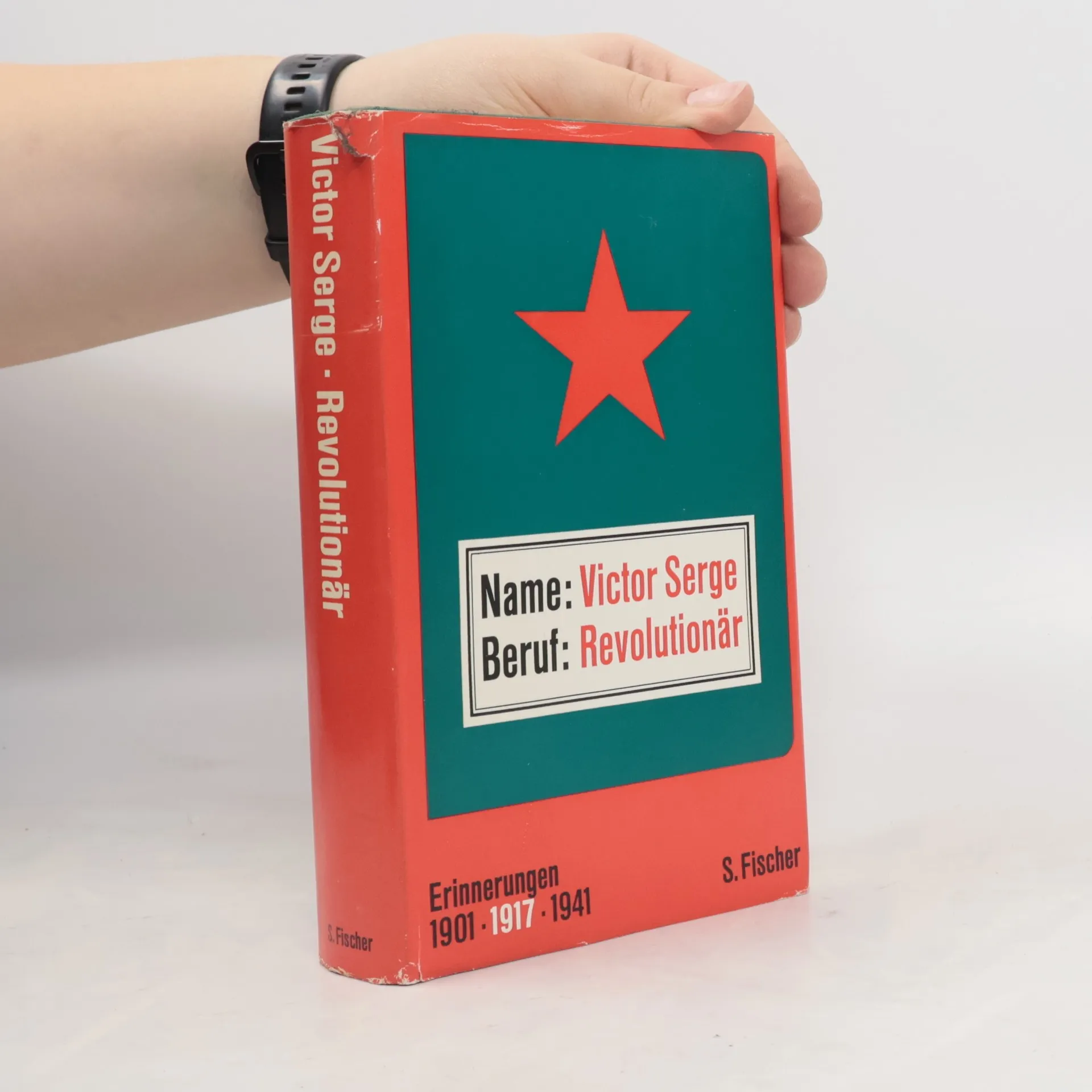
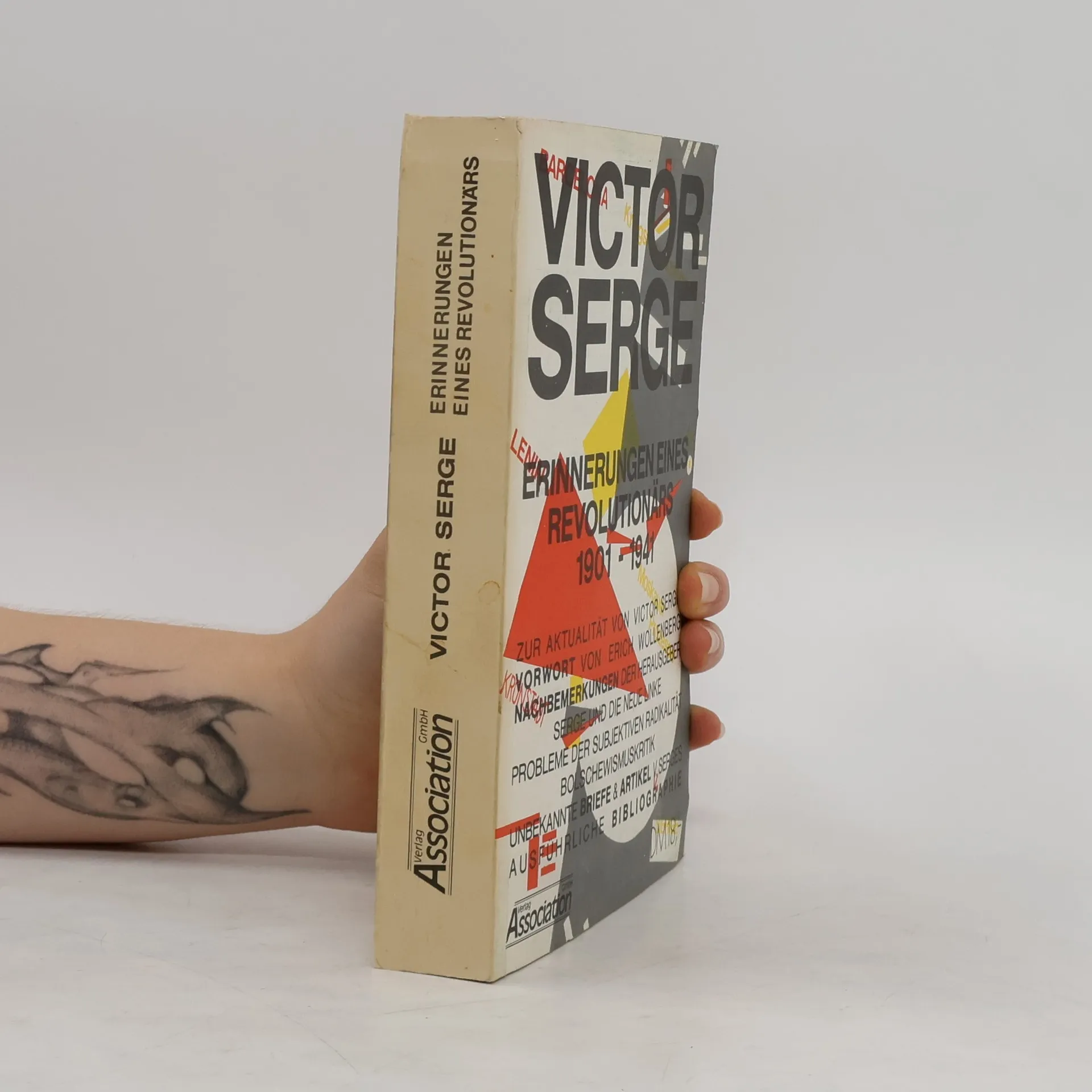
    Erinnerungen eines Revolutionärs
    • Die späten dreißiger Jahre in der Sowjetunion: Joseph Stalin und seine Gefolgsmänner begehen mit der Verfolgung, Verhaftung und Exekution der kommunistischen Genossen, die als mutmaßliche Gegner der stalinistischen Herrschaft eingestuft werden, dem Großen Terror, eines der größten Verbrechen des 20. Jahrhunderts. Hier setzt Serges Roman an und erzählt von Menschen, die diesem Zirkel der Willkür und Gewalt ausgeliefert waren. Der junge Kostja aus Moskau gelangt in den Besitz eines Colts. Zufällig sieht er nachts Oberst Tulajew vom Zentralkomitee, mitverantwortlich für Massendeportationen und politische Säuberungen. Getrieben von dem Wunsch nach Gerechtigkeit fällt ein Schuss, Tulajew stirbt noch an Ort und Stelle. Kostja läuft durch den Schnee davon und entkommt, erleichtert und mit gutem Gewissen. Mit dieser Tat wird nun in dem repressionsgebeutelten Staat eine Lawine von Ereignissen ungeahnten Ausmaßes losgetreten. Das Zentralkomitee nutzt den Mord, um weitere unliebsame Funktionäre, Parteimitglieder und Genossen loszuwerden. Der Mord wird bald als „der Fall Tulajew“ im ganzen Land bekannt und zeigt als Reaktion eine sich ins Hysterische steigernde bürokratische Untersuchung, die sich bis in die tiefsten Provinzen ausweitet. Keiner ist seiner Funktion oder gar seines Lebens sicher, nicht einmal hochrangige Funktionäre.

      Die große Ernüchterung
    • Kostrow, Historiker, Parteiaktivist, wird verhaftet. Er weiß nicht, was ihm vorgeworfen wird. Kostrow beginnt seinen Weg durch die verschiedenen Stationen des Stalin’schen Repressionsapparates, bis er sich schließlich verbannt in einem entlegenen Ort am Fluss 'Schwarze Wasser' im Ural wiederfindet. Dort trifft er auf andere Verbannte, die alle auf ihre Art zum System Stalins in Opposition stehen, die meisten überzeugte Revolutionäre. Serge kennt Stalins System der Dreißigerjahre aus eigener Erfahrung. Der Absurdität der Verfolgung vermeintlicher Oppositioneller kommt er hier auch mit den Mitteln der Tragikomik bei. Er schildert das Leben in der kargen russischen Tundra in eindringlichen, geradezu poetischen Bildern. In einem von physischem und psychischen Terror geprägten Klima lässt Serge Liebe und menschliche Solidarität gedeihen. Der Roman endet mit einer geglückten Flucht und lässt damit auch Hoffnung zu. Victor Serges Schwarze Wasser aus dem Jahr 1939, vor Koestler und lange vor Solschenyzin erschienen, gilt nicht nur als der erste Gulag-Roman – hier liegt auch ein ergreifendes Stück Weltliteratur in der kongenialen Übersetzung von Eva Moldenhauer erstmals auf Deutsch vor.

      Schwarze Wasser
    • Ich habe in diesem Buch versucht, das Portrat eines Mannes zu zeichnen und eine wahrheits-gemaBe, wenn auch stark gekuzte Schilderung seines Lebens zu geben.. Leo Dawidowitsch Totzki hatte wahrend der vierundvierzig Jahre, von 1896 bis 1940, so sehr an so vielen und so wichtigen Ereignissen Anteil, Dab seine Biographie oft mit der Geschichte seiner Zeit zusammenfallt. Es ist mir nicht moglich gewesen, alle Aspekte der russischen Revolution wiederzigenem. am deme er beteiligt war; dazu hatte ich die vollstandige Geschichte einer Periode con etwa funfzehn Geschichte einer Periode con etwa funfzehn Jahren schreiben mussen, die con gewaltigen und komplizierten Kampfen erfullt war.

      Leo Trotzki
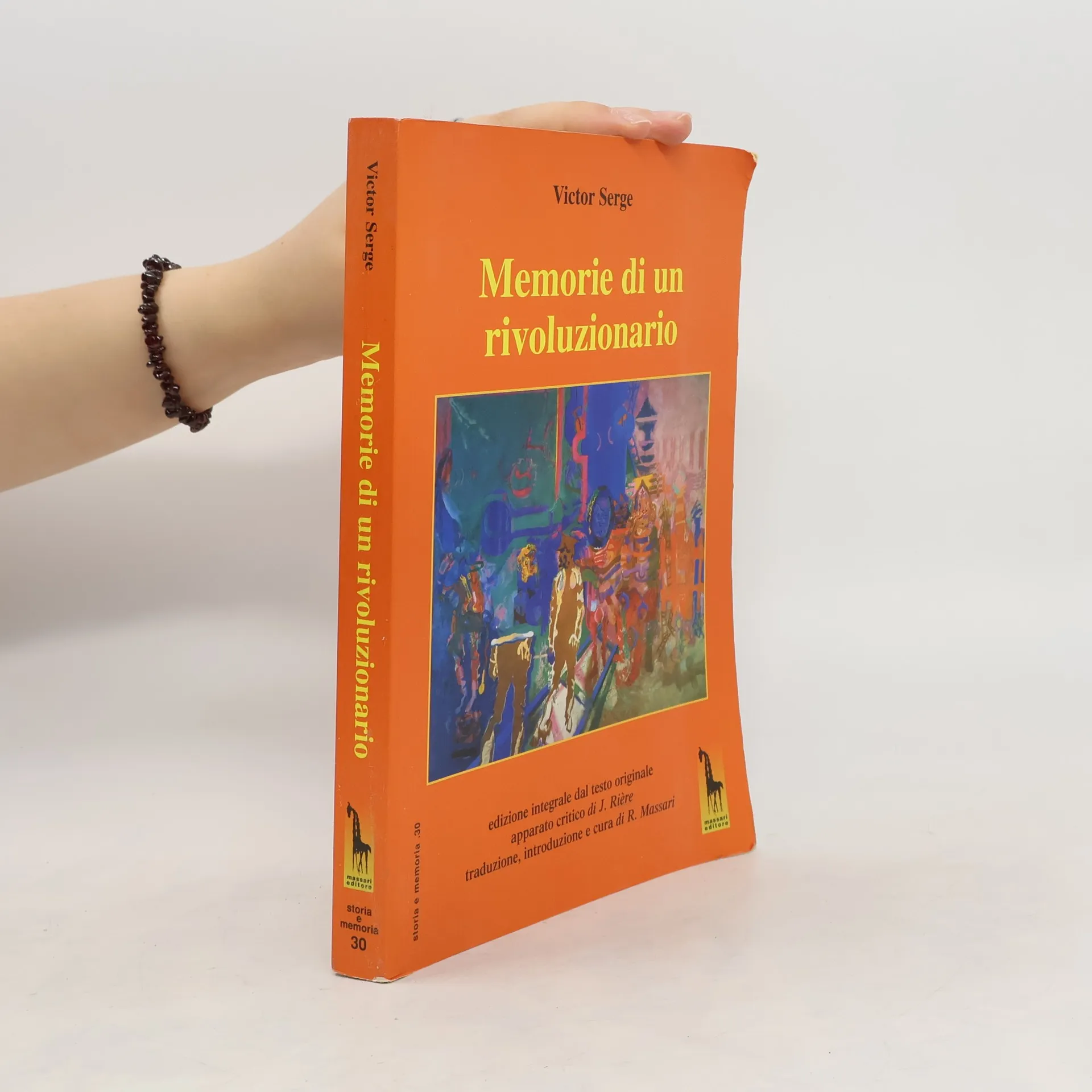
    • Memoirs Of A Revolutionary

      • 521 Seiten
      • 19 Lesestunden
      4,5(152)Abgeben

      A New York Review Books Original Victor Serge is one of the great men of the 20th century —and one of its great writers too. He was an anarchist, an agitator, a revolutionary, an exile, a historian of his times, as well as a brilliant novelist, and in Memoirs of a Revolutionary he devotes all his passion and genius to describing this extraordinary—and exemplary—career. Serge tells of his upbringing among exiles and conspirators, of his involvement with the notorious Bonnot Gang and his years in prison, of his role in the Russian Revolution, and of the Revolution’s collapse into despotism and terror. Expelled from the Soviet Union, Serge went to Paris, where he evaded the KGB and the Nazis before fleeing to Mexico. Memoirs of a Revolutionary recounts a thrilling life on the front lines of history and includes vivid portraits not only of Trotsky, Lenin, and Stalin but of countless other figures who struggled to remake the world. Peter Sedgwick’s fine translation of Memoirs of a Revolutionary was abridged when first published in 1963. This is the first edition in English to present the entirety of Serge’s book.

      Memoirs Of A Revolutionary
    • A story of displacement and resistance during the early days of the Nazi occupation of France. Last Times, Victor Serge’s epic novel of the fall of France, is based—like much of his fiction—on firsthand experience. The author was an eyewitness to the last days of Paris in June 1940 and joined the chaotic mass exodus south to the unoccupied zone on foot with nothing but his manuscripts. He found himself trapped in Marseille under the Vichy government, a persecuted, stateless Russian, and participated in the early French Resistance before escaping on the last ship to the Americas in 1941. Exiled in Mexico City, Serge poured his recent experience into a fast-moving, gripping novel aimed at an American audience. The book begins in a near-deserted Paris abandoned by the government, the suburbs already noisy with gunfire. Serge’s anti-fascist protagonists join the flood of refugees fleeing south on foot, in cars loaded with household goods, on bikes, pushing carts and prams under the strafing Stukas, and finally make their way to wartime Marseille. Last Times offers a vivid eyewitness account of the city’s criminal underground and no less criminal Vichy authorities, of collaborators and of the growing resistance, of crowds of desperate refugees competing for the last visa and the last berth on the last—hoped-for—ship to the New World.

      Last Times
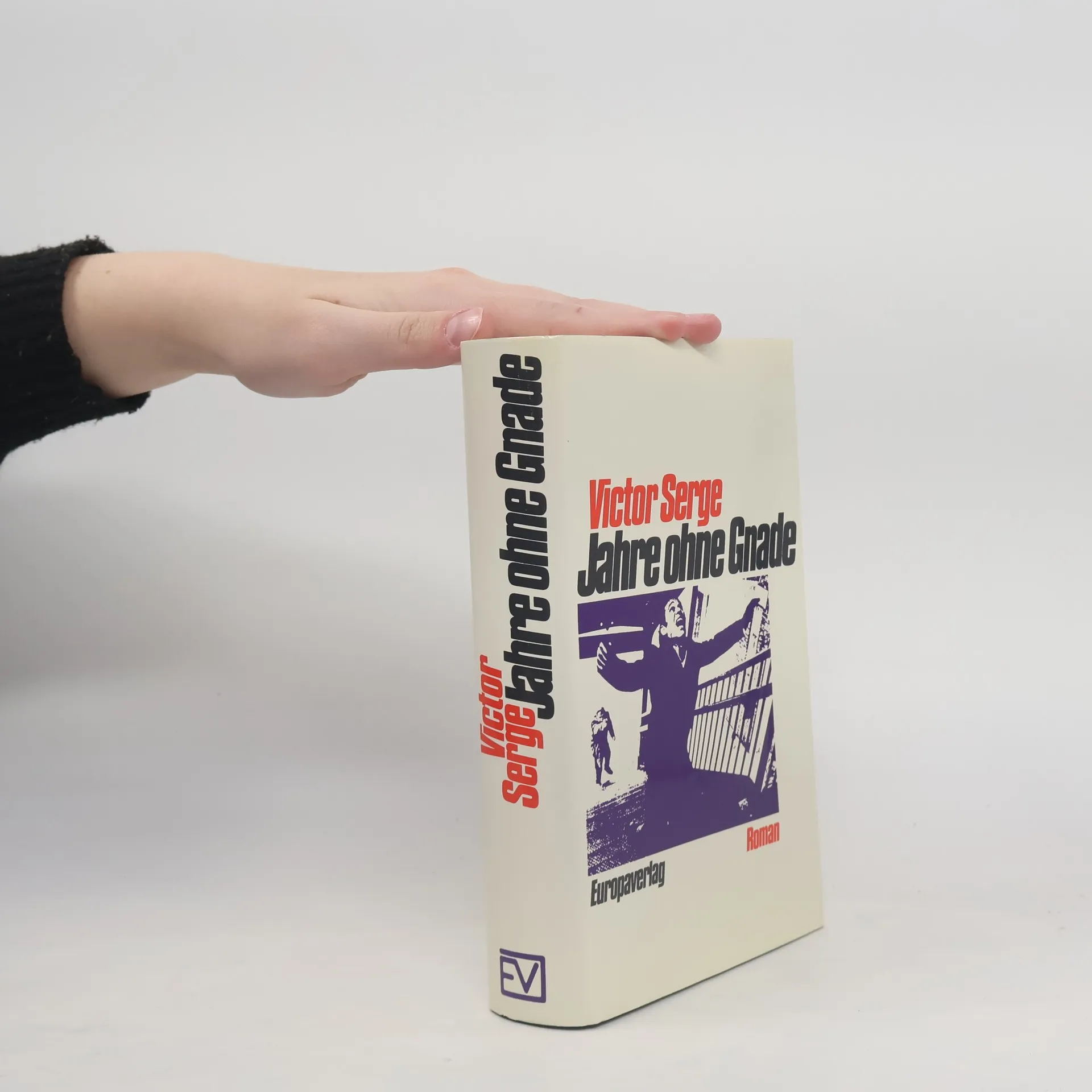
    • Unforgiving Years is a thrilling and terrifying journey into the disastrous, blazing core of the twentieth century. Victor Serge’s final work, here translated into English for the first time, is at once the most ambitious, bleakest, and most lyrical of this neglected major writer’s works.The novel is arranged into four sections, like the panels of an immense mural or the movements of a symphony. In the first, D, a lifelong revolutionary who has broken with the Communist Party and expects retribution at any moment, flees through the streets of prewar Paris, haunted by the ghosts of his past and his fears for the future. Part two finds D’s friend and fellow revolutionary Daria caught up in the defense of a besieged Leningrad, the horrors and heroism of which Serge brings to terrifying life. The third part is set in Germany. On a dangerous assignment behind the lines, Daria finds herself in a city destroyed by both Allied bombing and Nazism, where the populace now confronts the prospect of total defeat. The novel closes in Mexico, in a remote and prodigiously beautiful part of the New World where D and Daria are reunited, hoping that they may at last have escaped the grim reckonings of their modern era.A visionary novel, a political novel, a novel of adventure, passion, and ideas, of despair and, against all odds, of hope, Unforgiving Years is a rediscovered masterpiece by the author of The Case of Comrade Tulayev.

      Unforgiving Years