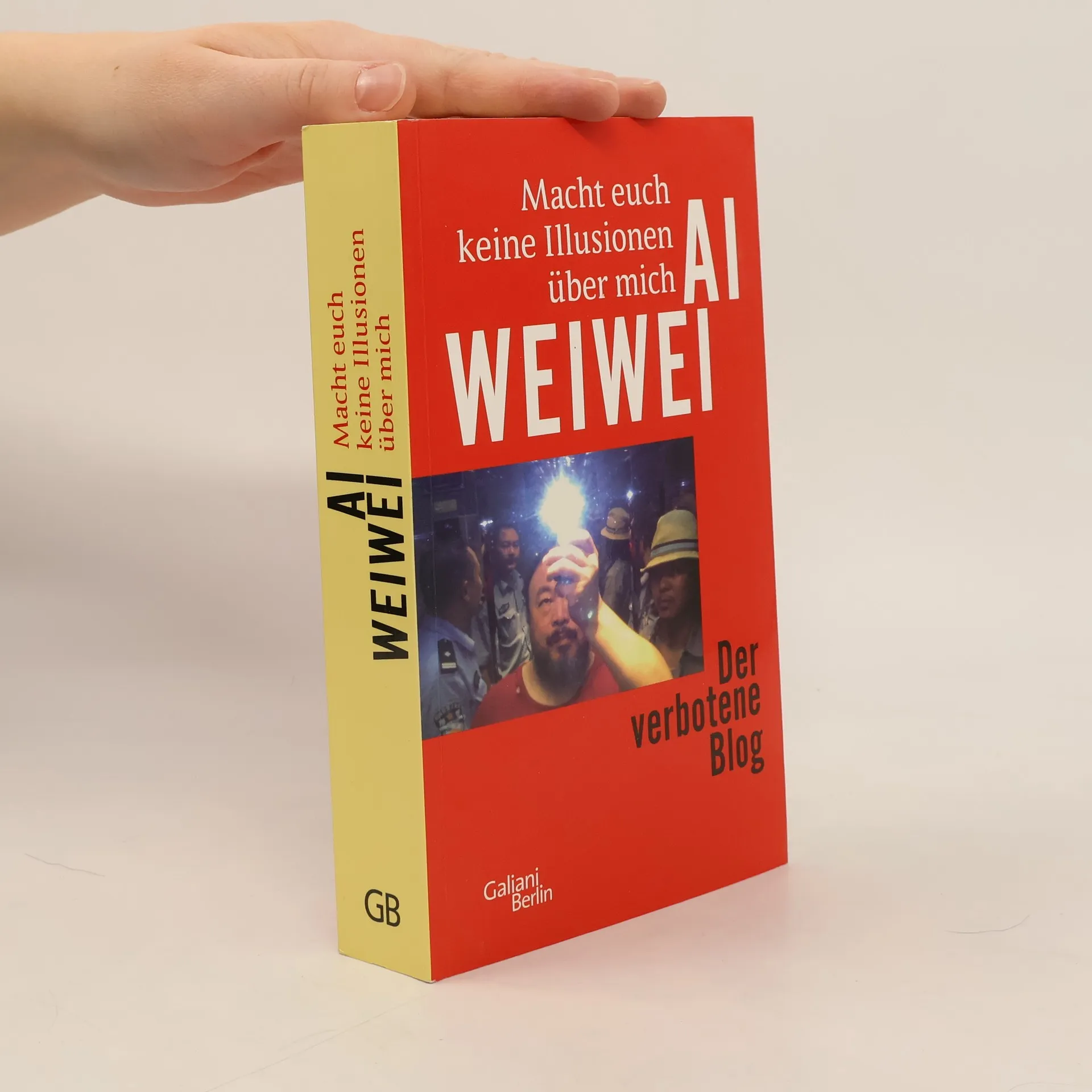
Der Revolution beim Wachsen zusehen. Ai Weiweis verbotener Blog erstmals auf Deutsch: einer der spannendsten Texte über modernes China und ein ergreifendes Dokument wachsender Wut und Widerstands. Ai Weiwei, Ikone des Kampfes für Meinungsfreiheit und Menschenwürde, dokumentierte fast vier Jahre lang seine Erfahrungen im Internet. Er bietet einen einzigartigen Einblick in sein geliebtes Heimatland, das er mit zunehmender Skepsis betrachtet: SARS, Milchpulverskandal, Olympische Spiele, Korruption, Organhandel und der Umgang mit dem Gedenken an das Tiananmen-Massaker - all dies stößt ihm sauer auf. Nach einem verheerenden Erdbeben, bei dem viele durch minderwertige Bauweise starben, beginnt er, öffentlich nach den Verantwortlichen zu fragen und die Bevölkerung zur Selbstorganisation aufzurufen. Dabei wird er zweimal zusammengeschlagen. Sein Blog, der seine Wut widerspiegelt, wird 2009 von den Behörden gesperrt und alle Einträge gelöscht. Eine geplante Buchausgabe in China wird zurückgezogen. Trotz allem twittert er weiter. 2011 wird er unter fadenscheinigen Gründen verhaftet. Ein amerikanischer Verlag erarbeitete mit ihm eine Buchausgabe, die nun erstmals auf Deutsch vorliegt. Der Kampf um seinen Blog steht exemplarisch für den Kampf ums Internet in China und bietet spannende persönliche Zeugnisse, die das Potenzial zum Klassiker engagierter Literatur haben.
Ai Weiwei Bücher
Mahjong
- 360 Seiten
- 13 Lesestunden
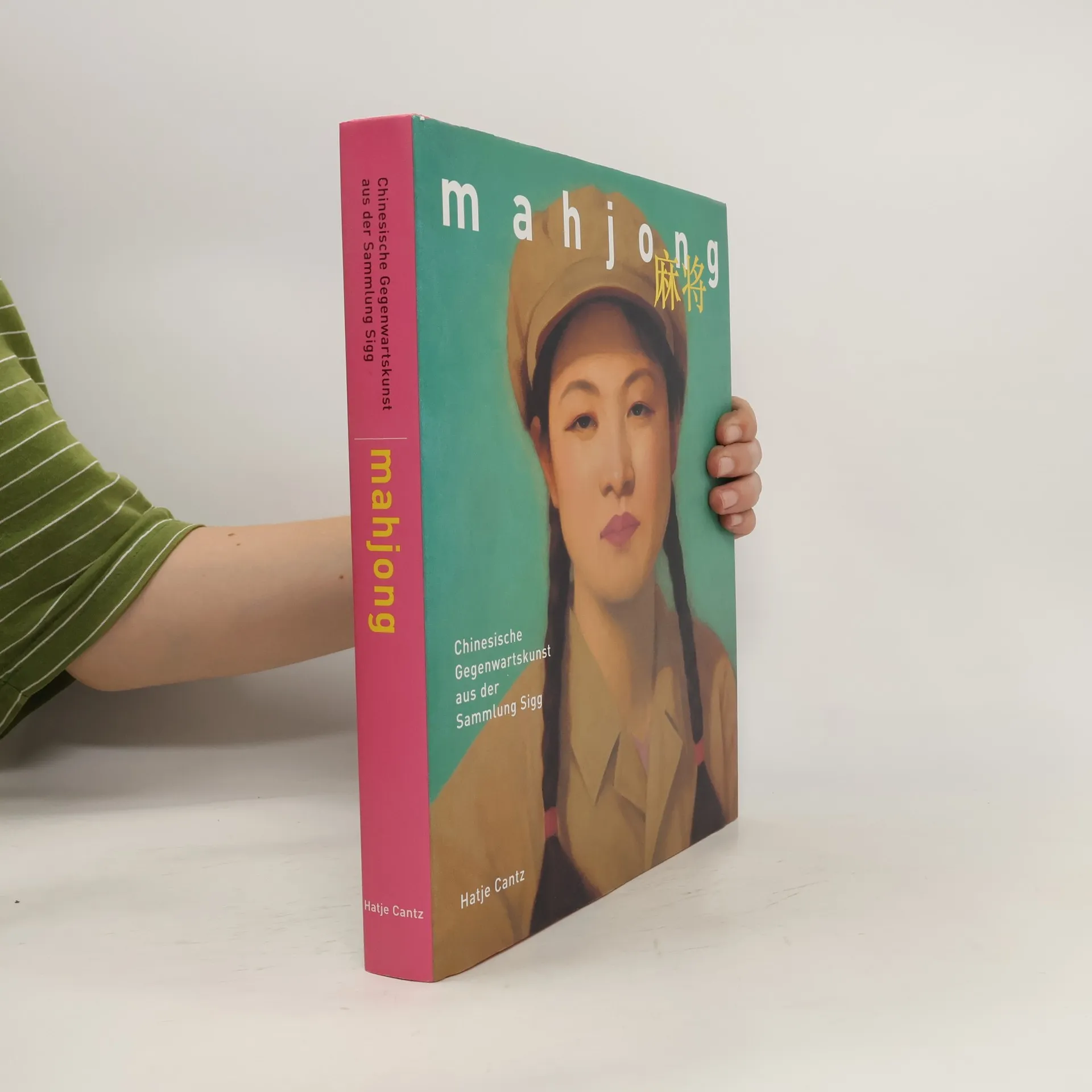
China boomt. Nach der wirtschaftlichen Liberalisierung ist auch die Kunstszene des Landes geradezu explodiert. Der Schweizer Sammler Uli Sigg, ehemaliger Botschafter in Peking, hat die rasante Entwicklung seit den 1980er Jahren begleitet und besitzt mit mehr als 1 200 Arbeiten von über 80 Künstlern mittlerweile die weltweit größte Sammlung zeitgenössischer chinesischer Kunst. Das prachtvolle Buch zeigt über 200 von Siggs Gemälden, Zeichnungen, Skulpturen, Fotografien, Videoarbeiten und Installationen sowie Kuriositäten wie Maoplakate auf großformatigen Farbabbildungen. Neben berühmten Werken wie Ai Weiweis Han-Vase mit Coca-Cola-Logo, den Glatzköpfen von Fang Lijun oder Xu Bings gänzlich erfundene Kalligrafien bietet es eine einzigartige Gelegenheit zur Entdeckung von im Westen noch weitgehend unbekannten Künstlern. Insider kommentieren den spannenden Überblick über das Kunstschaffen in China. (Englische Ausgabe ISBN 978-3-7757-1613-0) Ausstellungen: Kunstmuseum Bern 13.6.-16.10.2005 · Hamburger Kunsthalle 15.9.-18.2.2007
Die Chinesin Mei-Li wartet vergeblich in ihrer Hochzeitsnacht im Jahre 1920 auf ihren geliebten Jing-Ming. Erst am nächsten Morgen erfährt sie die schreckliche Wahrheit. Nicht Jing-Ming ist sie versprochen worden, sondern dessen Bruder, einen gelähmten, zeugungsunfähigen Blinden
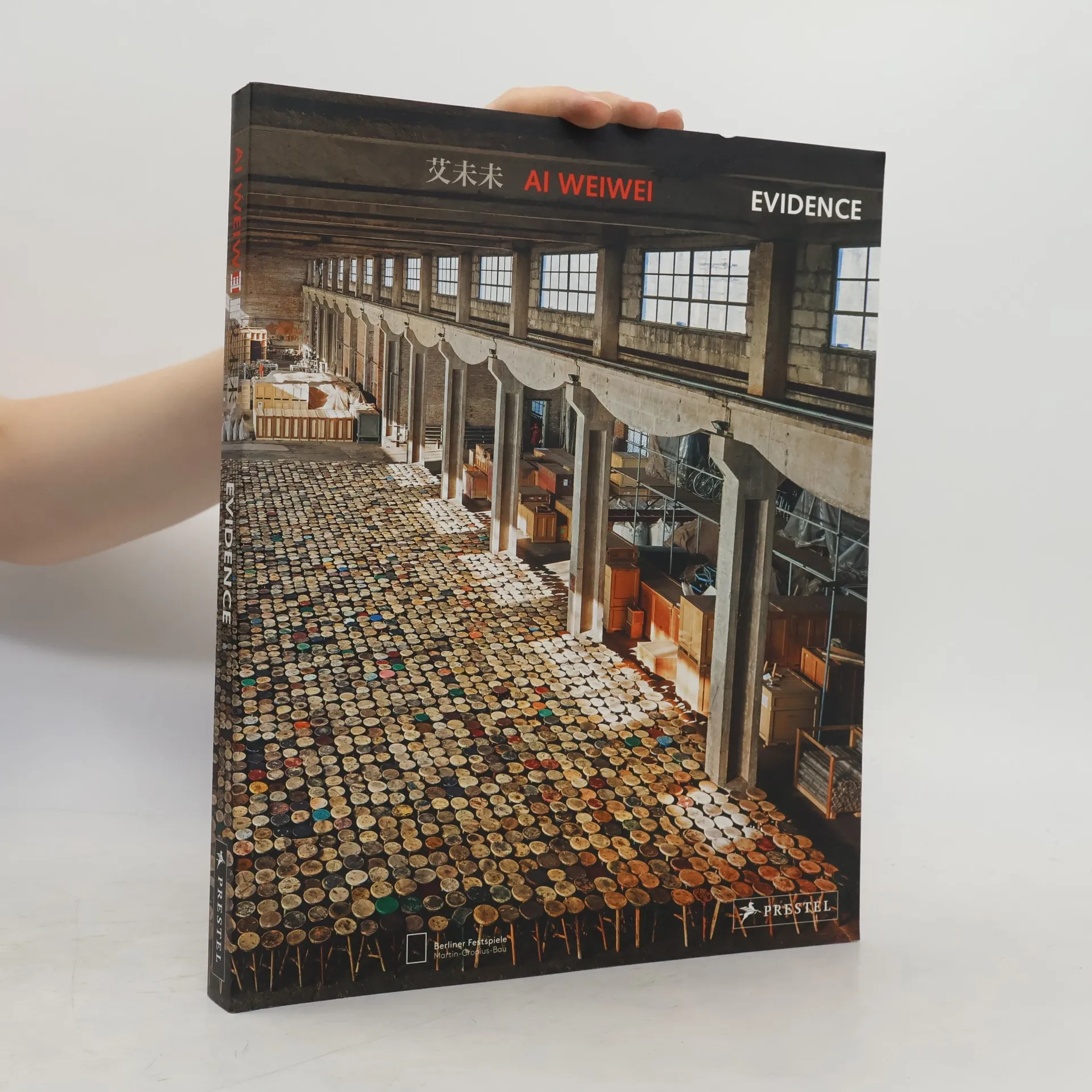
Ai Weiwei - Evidence
- 223 Seiten
- 8 Lesestunden
Frauen, die die Kontrolle über ihr eigenes Leben haben, sind kraftvolle Akteurinnen für andere Frauen. Evidence handelt von vier Frauen, die einen Weg finden, sich gegenseitig zu helfen, um erschütternde Umstände und dunkle Orte zu überwinden. Die Frauen sind stark und die Geschichte ist kraftvoll mit einem sehr niedrigen Maß an absichtlicher Gewalt. Die Erzählung ist weitreichend und spielt in Boston, Massachusetts; New York, New York; Tucson, Arizona und Paris, Frankreich. Jede Frau in dieser Geschichte ist eine eigene Person, vollständig in sich selbst und kann daher von sich selbst geben, um ihrer "Schwester" zu helfen. Evidence ist mutig und integer. Dies ist eine Geschichte für jede Frau.
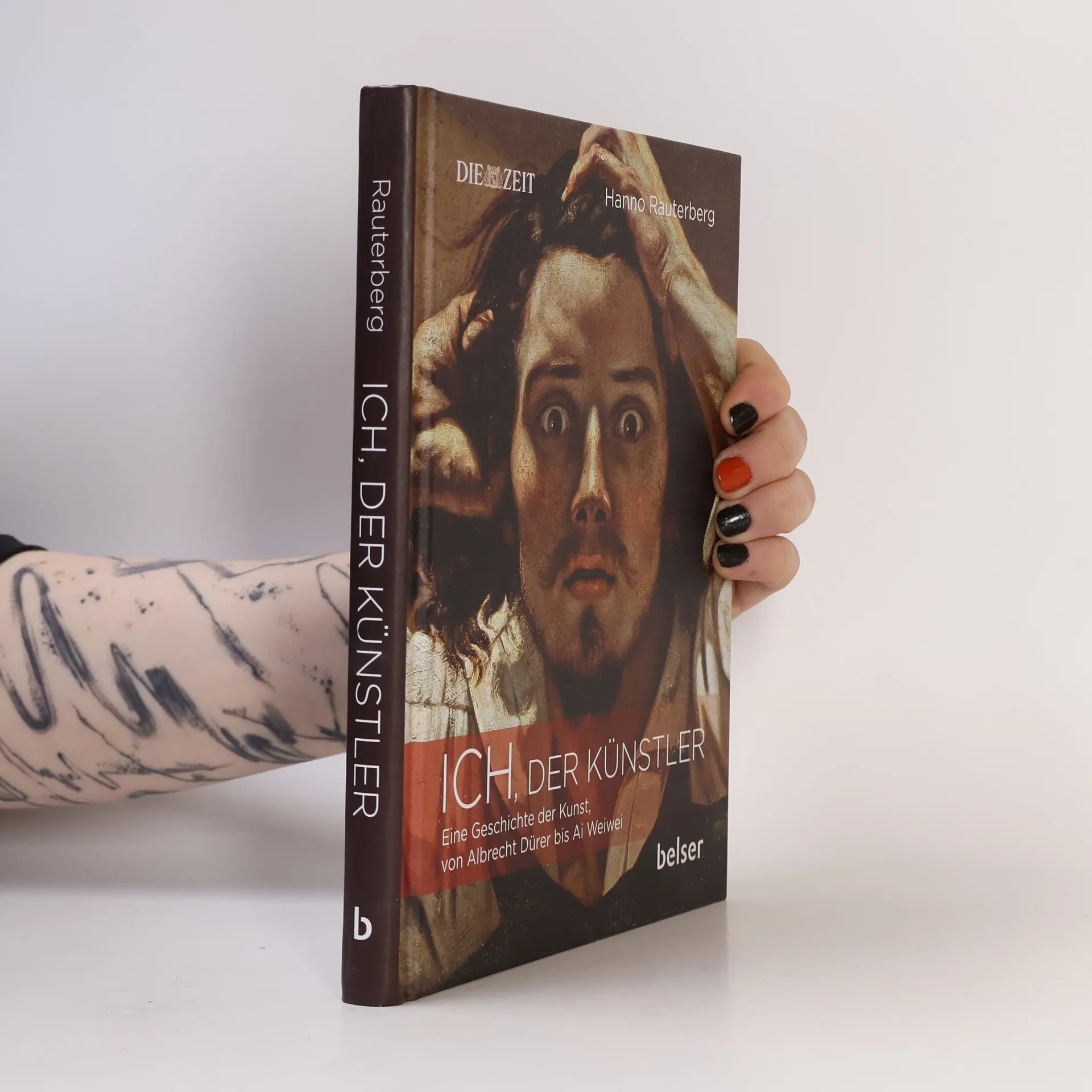
Der Kunstkritiker Hanno Rauterberg (DIE ZEIT) unternimmt einen einzigartigen Gang durch die Geschichte der Kunst und stellt deren Protagonisten ins Zentrum: die Künstler. Ihre subjektive Sicht auf die Welt, ihr Ringen um den besten Ausdruck für ihre Empfindungen und die Anliegen ihrer Zeit bilden die Basis für die unzähligen Meisterwerke, die wir in den Museen und Galerien bestaunen können. Rauterbergs brillante Texte bringen uns auf ungeahnte Weise die Alten Meister wie Leonardo, Giorgione oder Caravaggio ebenso nahe wie die wichtigsten Künstler der Gegenwart – Joseph Beuys, Damien Hirst oder Gerhard Richter.
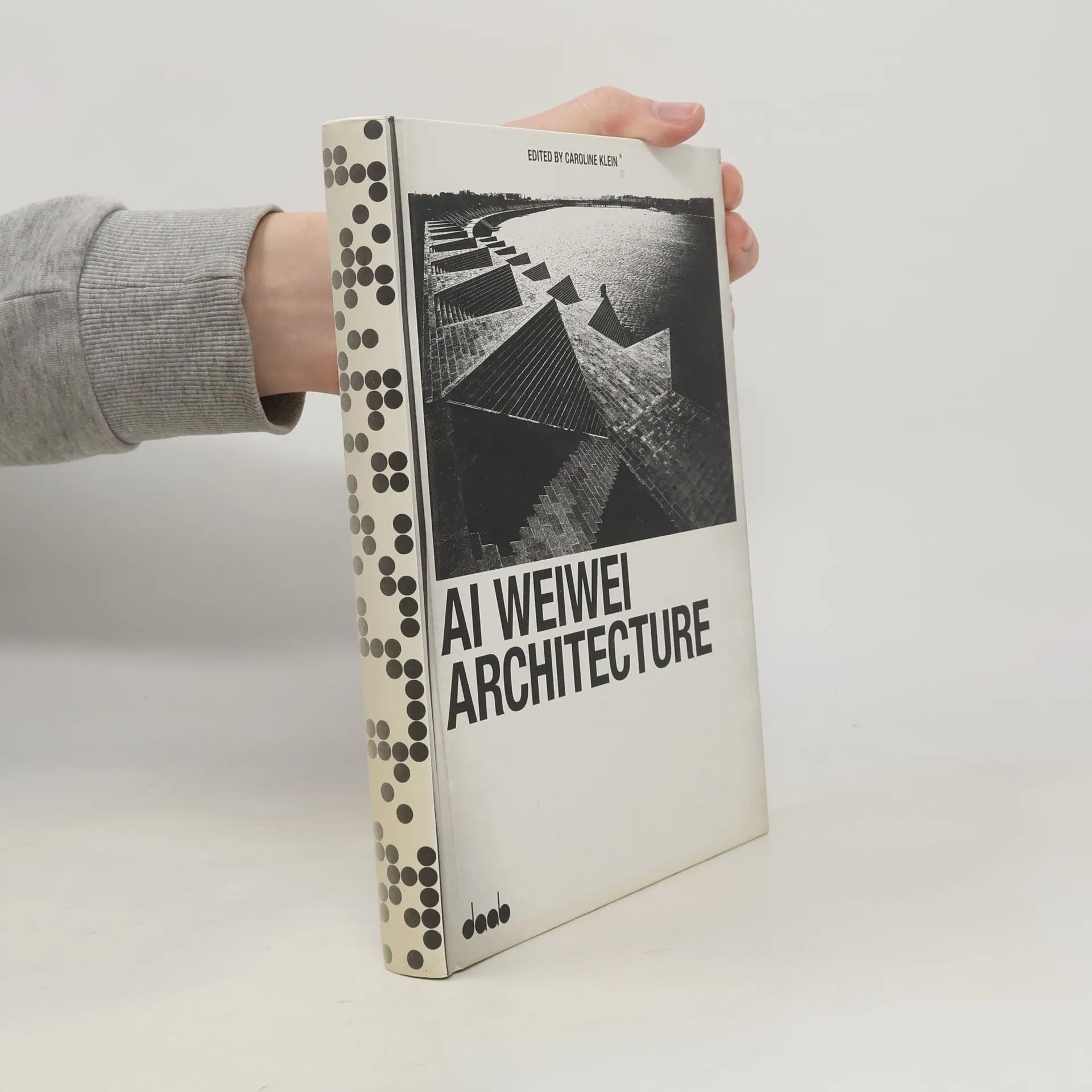
Ai Weiwei, born in the Socialist People's Republic of China, is one of the most important artists of the present global art scene. For his provocative political opinion he had been taken under house detention - he plant a celebration for the official governmental demolition of his Studio. His creations are based on the idea to provoke discussions about their content. For example, he spread about 150 tons of porcelain sunflower seeds on the floor of the Tate Modern in London to remind especially young Chinese people of propagandistic pictures which show Mao Tse-tung in the middle of sunshine and sunflower seeds. The daab-book embraces some of the astonishing works of the exceptional artist.
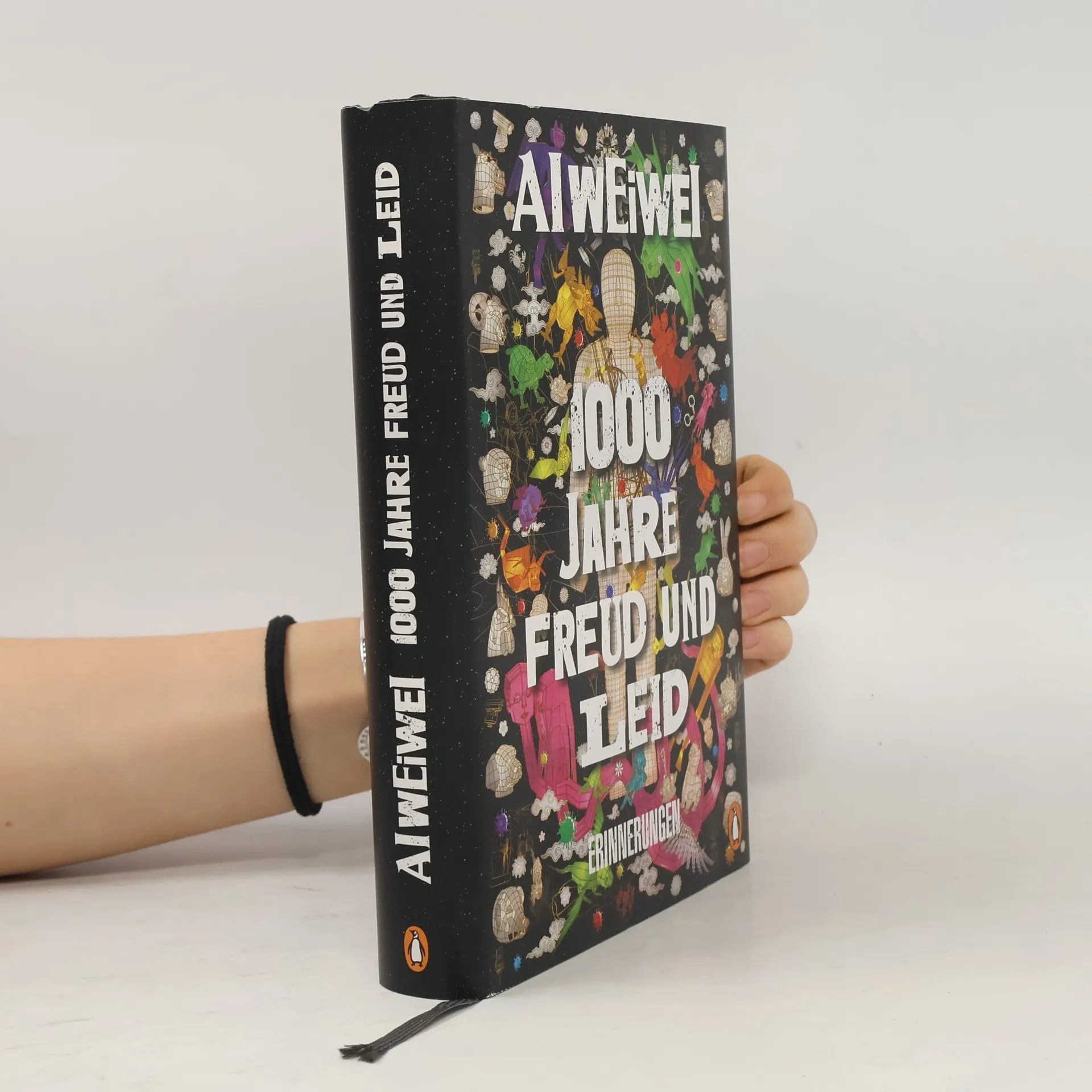
1000 Jahre Freud und Leid
Erinnerungen
Einer der größten Künstler unserer Zeit erzählt sein Leben vor dem Hintergrund der Geschichte Chinas. Ai Weiwei, ein bekannter Künstler, schildert erstmals seinen außergewöhnlichen Werdegang und die Geschichte seiner Familie in China. Schon als Junge erlebte er die Verbannung und Demütigung seines Vaters Ai Qing, der einst ein Vertrauter Maos und Chinas einflussreichster Dichter war, aber während der Kulturrevolution als „Rechtsabweichler“ gebrandmarkt wurde. Diese Erfahrungen prägten Ai Weiweis Schaffen und seine politischen Überzeugungen. Er beschreibt die schwierige Entscheidung, seine Familie zu verlassen, um in den USA Kunst zu studieren, wo er unter anderem mit Allen Ginsberg Freundschaft schloss und künstlerische Inspiration fand. Offen erzählt er von seinem Aufstieg zum Star der internationalen Kunstwelt, der aufgrund seiner Menschenrechtsaktivitäten zunehmend ins Visier des chinesischen Regimes geriet, das ihn 2011 mehrere Monate inhaftierte. Die sehr persönlichen und vom Künstler selbst illustrierten Erinnerungen bieten nicht nur einen fesselnden Einblick in Ai Weiweis Leben und Arbeiten, sondern sind auch eine Mahnung, die Meinungsfreiheit immer wieder zu verteidigen. Zeitgleich erscheint eine deutsche Ausgabe von Gedichten seines Vaters Ai Qing.
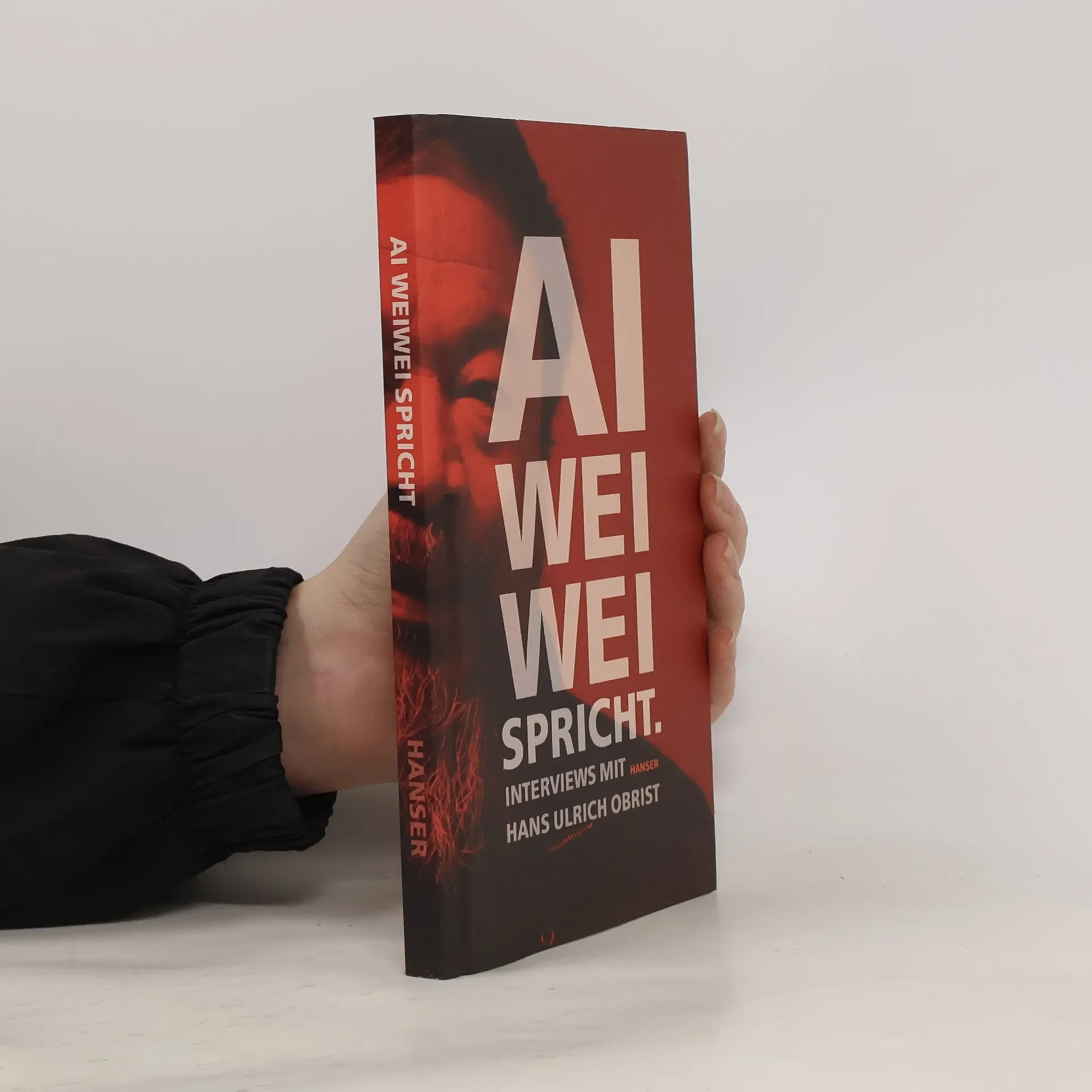
Ai Weiwei verkörperte schon vor seiner Verhaftung den Traum von einem anderen China. Im Gespräch mit Hans Ulrich Obrist entwickelt er seine künstlerischen und politischen Überzeugungen, vor denen sich das Regime in Peking so sehr fürchtet. In fünf Interviews erzählt er von seinem Weg aus der chinesischen Isolation nach New York, von seinen ersten Begegnungen mit der westlichen Kunst und wie er im Laufe der Jahre sein Repertoire von der Zeichnung über die Skulptur und das Design bis hin zur Architektur erweitert hat. Ai Weiweis Kunst ist politisch. Dieses Buch gibt einem großen Künstler, den die chinesische Regierung zum Schweigen bringen will, die Stimme zurück.
In diesem wunderschön illustrierten grafischen Memoir untersucht der legendäre Künstler Ai Weiwei die Verbindung zwischen künstlerischem Ausdruck und intellektueller Freiheit durch den chinesischen Tierkreis. Als Kind im Exil während der Kulturrevolution hatte Ai Weiwei nur begrenztes Lesematerial und war auf von der Regierung genehmigte Comics angewiesen. Trotz ihrer politischen Propaganda war er von der Fähigkeit der Künstler fasziniert, Gedanken über Kunst und Menschlichkeit durch grafisches Geschichtenerzählen zu vermitteln. Inspiriert von den zwölf Zeichen des chinesischen Tierkreises und ihren zugehörigen Eigenschaften verbindet Ai Weiwei alte chinesische Folklore mit persönlichen Geschichten aus seinem Leben, seiner Familie und seiner Karriere. Die Erzählung wechselt fließend durch die Zeit und spiegelt Erinnerungen und unsere Beziehung dazu wider. Während die Leser die wunderschön illustrierten Seiten erkunden, entdecken sie nicht nur Ai Weiweis persönliche Geschichte und den soziopolitischen Kontext seiner Kunst, sondern auch eine philosophische Untersuchung der Selbstentdeckung durch Kunst und Meinungsfreiheit. Nachdenklich und politisch lädt dieses Memoir die Leser ein, Ai Weiweis Reflexionen über Kunst, Zeit und unsere gemeinsame Menschlichkeit immer wieder zu betrachten.
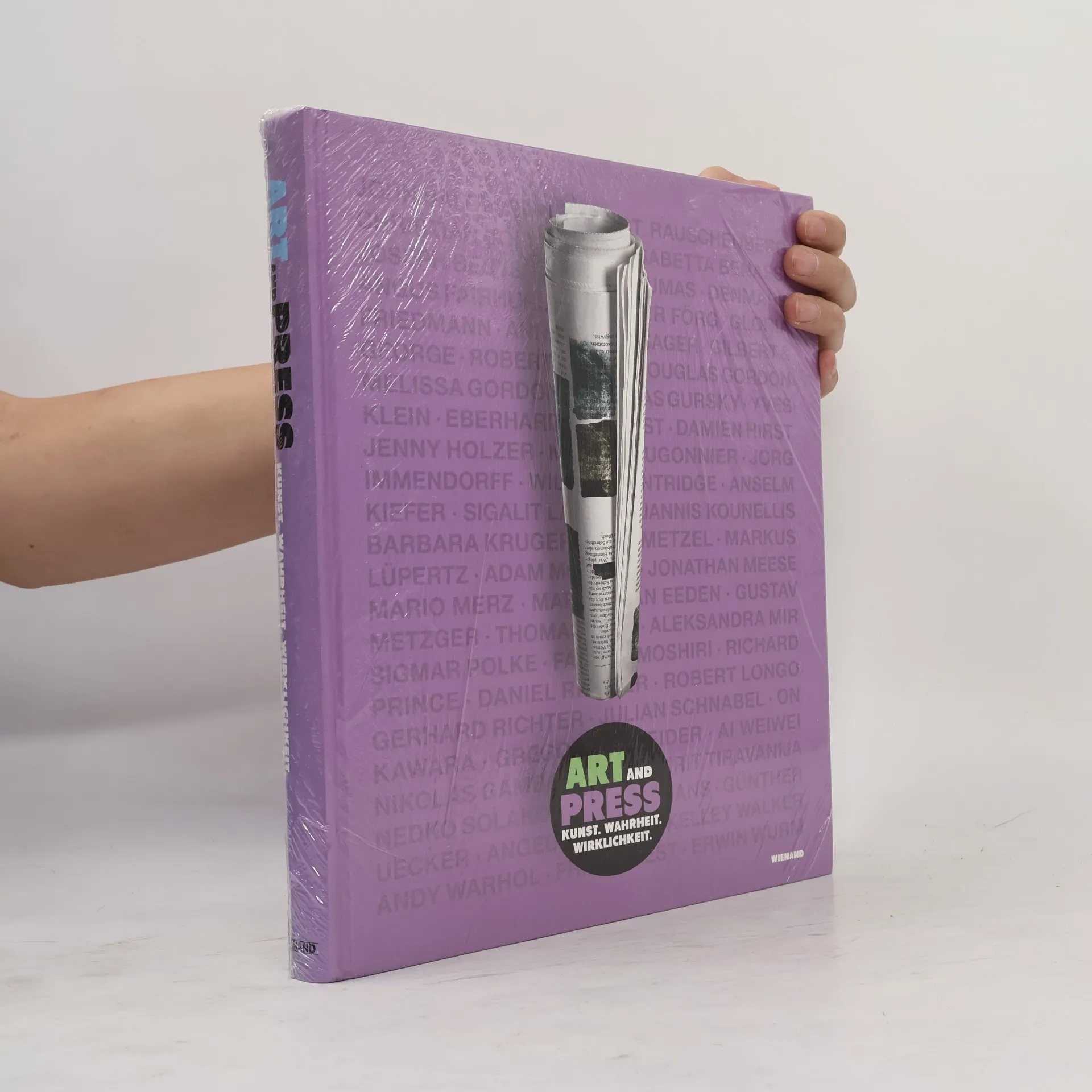
Was verbindet Presse und Bildende Kunst? Wie beeinflusst die Zeitung unsere Gesellschaft? Wie gehen Künstler mit diesem Medium um? Und welche gegenseitige Einflussname existiert zwischen Kunst und Zeitung? Auf diese spannenden Fragen gibt der opulente Band „Art and Press“ ausführliche Antworten. Bildreich und detailgenau beleuchtet der Katalog die faszinierenden Positionen von namhaften Gegenwartskünstlern wie Christian Boltanski, Andreas Gursky, Eberhard Havekost, Anselm Kiefer, Barbara Kruger, Rirkrit Tiranvanija, Daniel Richter, Gerhard Richter, Franz West und vielen anderen. Ein historischer Überblick bis ins frühe 19. Jahrhundert – zu sehen sind Werke von Honoré Daumier, Paul Cézanne, Pablo Picasso, Max Beckmann und anderen – rundet das bis heute aktuelle Thema gelungen ab.
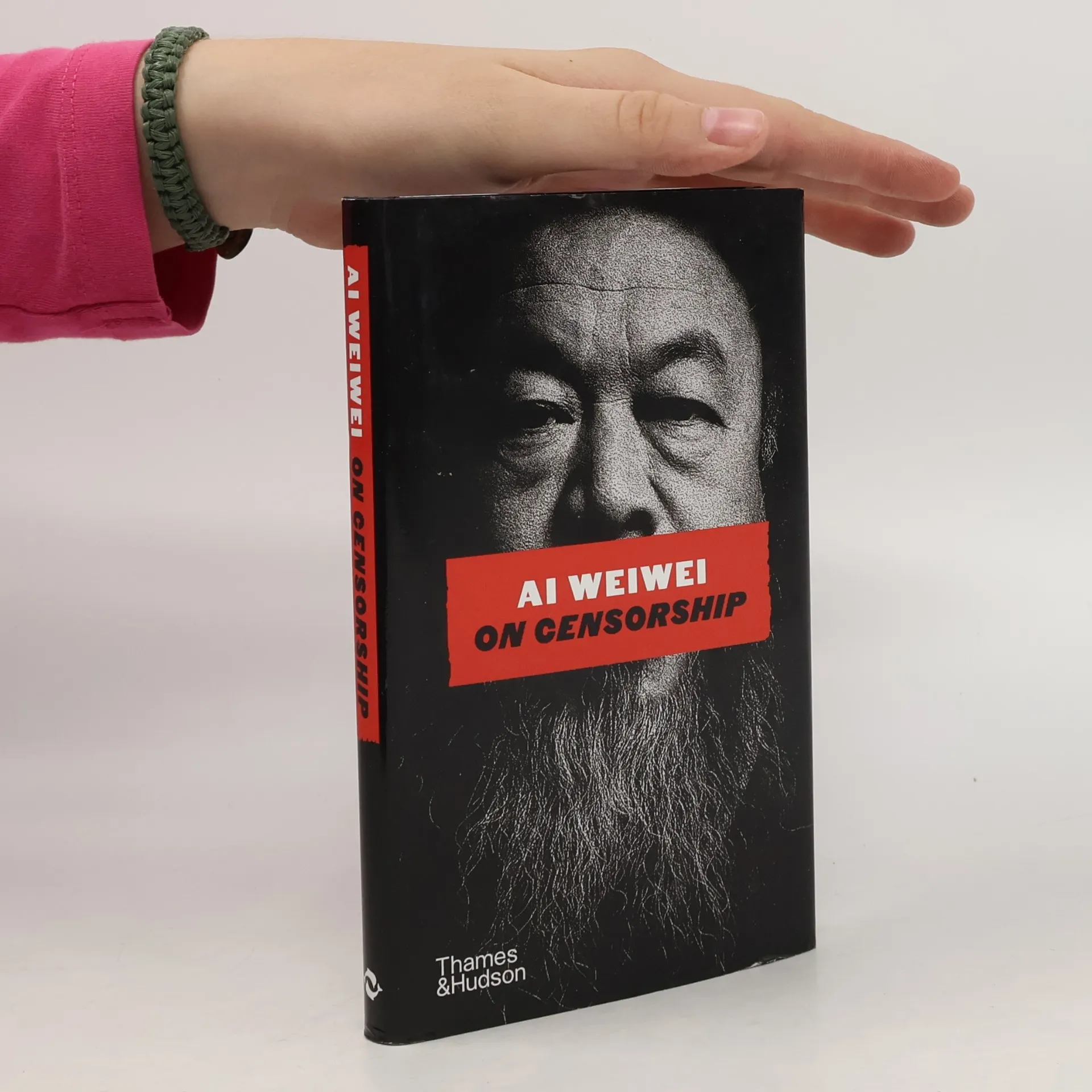
Über Zensur
- 128 Seiten
- 5 Lesestunden
Unsichtbar, invasiv und weitgehend unbemerkt schleichen sich weiche Formen der Zensur in unsere demokratische Welt ein. Zensur ist eine globale Kraft, die sowohl von kommerziellen Interessen als auch politischen Agenden angetrieben wird. Ai Weiwei - Künstler, Aktivist und eine der einflussreichsten kulturellen Persönlichkeiten der Welt - hat ihre Macht aus erster Hand erfahren. In seinem Buch ruft er zu freier Meinungsäußerung auf in einem Zeitalter, das von Big Data, Massenüberwachung und neuen Kontrolltechnologien geprägt ist. Ai Weiwei zeigt, wie Zensur sowohl in der offenen Propaganda und Zensur autoritärer Regime als auch subtil innerhalb demokratischer Strukturen fortbesteht. Und wie internationale Unternehmen, kulturelle Institutionen, soziale Medien und sogenannte Ideologien der "Freiheit" einen fruchtbaren Boden für neue, heimtückischere Unterdrückungsmaßnahmen geschaffen haben. Klar wird: Zensur gibt es nicht nur in China, sondern auch in sogenannten liberalen Demokratien wie Deutschland.
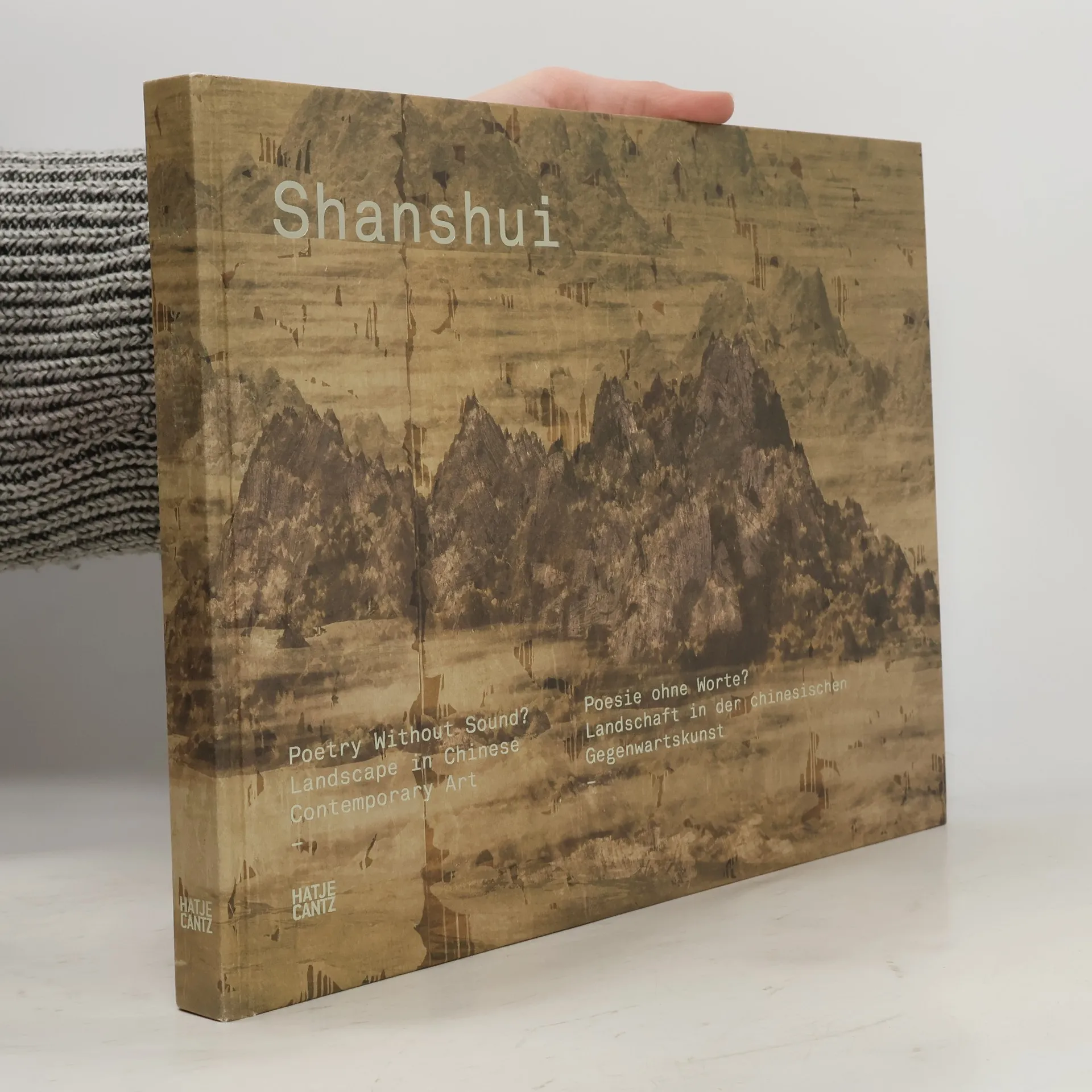
The Chinese ideogram for landscape-- shanshui --is a compound of the symbols for mountain and water. Even in contemporary Chinese art, which seems so dominated by the figure, there are numerous references to these elements. This publication explores the aesthetic arc from historical shanshui paintings to the art of today.
Interlacing
- 495 Seiten
- 18 Lesestunden
Ai Weiwei is a conceptual artist, highly critical of society and dedicated to the creation of and friction between realities. As an architect, sculptor, photographer, blogger, twitterer, interview artist and political activist, Weiwei acts as a seismograph for current social problems, and blends the boundaries between art and life. Interlacing presents the complexity of Weiwei's oeuvre through blogs, critical essays and hundreds of photographs. Ai Weiwei was born in 1957 and studied at the Beijing Film Academy. In 1978 he co-founded the artist collective The Stars and in 1981 studied under Sean Scully at Parsons School of Design in New York. In 1997 Weiwei co-founded China Art Archives & Warehouse (CAAW), and in 1999 he opened his studio in Caochangdi. An artist of international acclaim with a particular interest in architecture, Weiwei was instrumental in the design of Beijing's famous 'bird's nest' Olympic stadium.
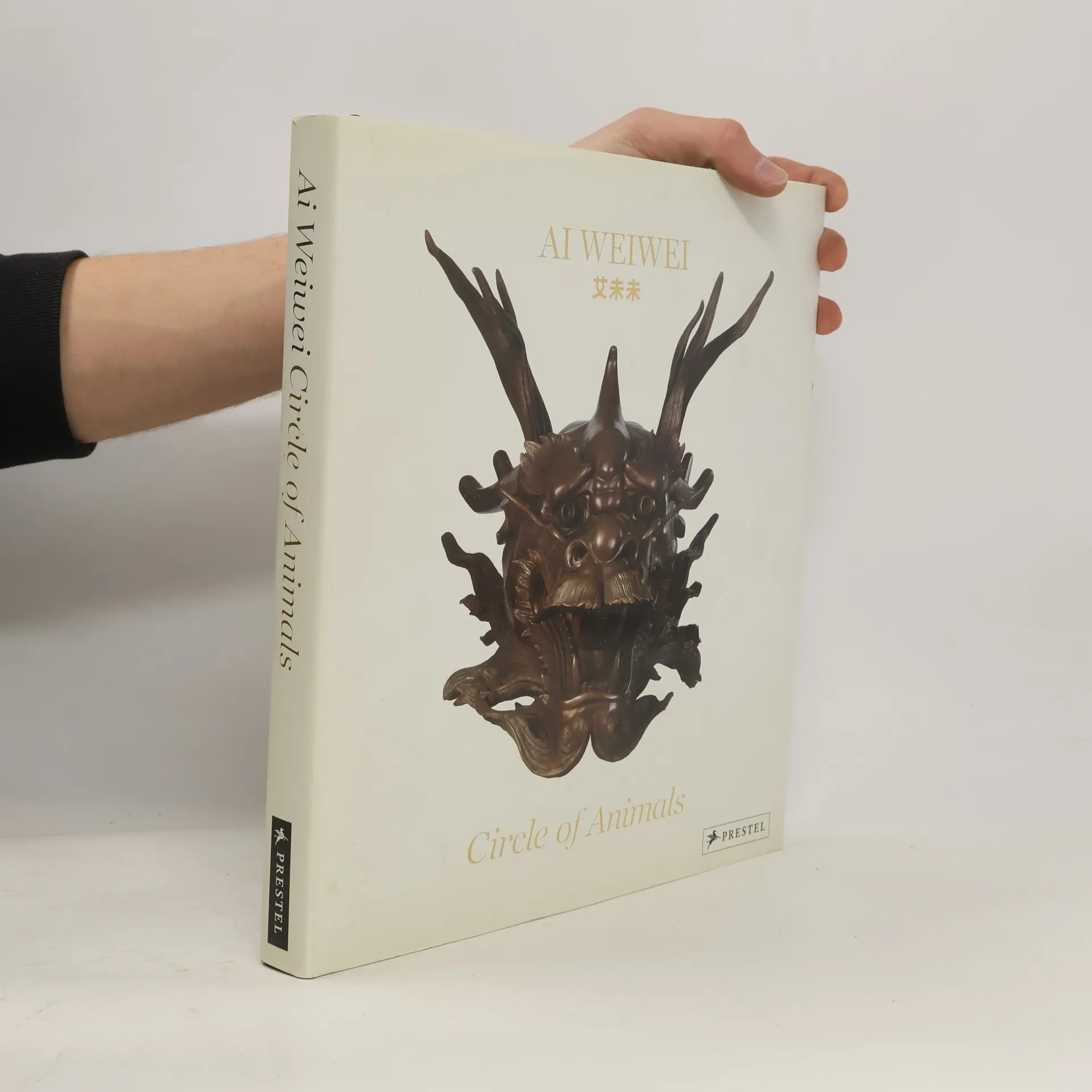
Circle of Animals
- 186 Seiten
- 7 Lesestunden
From its fascinating historic origins to its contemporary symbolic significance, every aspect of Ai Weiwei's beautiful and monumental work of art is explored in this illustrated volume that also guides readers through the highlights of the artist's career
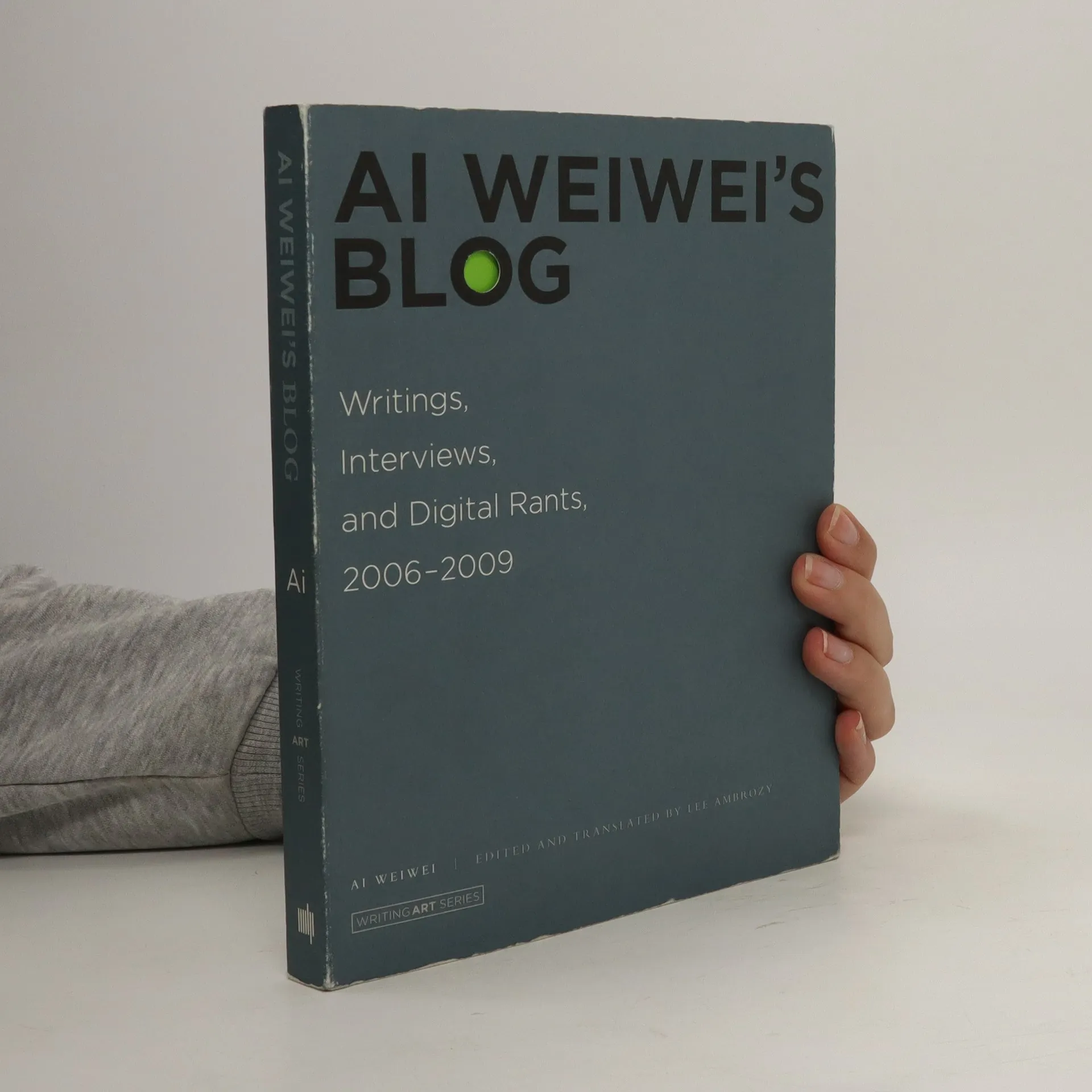
Ai Weiwei's Blog
- 336 Seiten
- 12 Lesestunden
Ai Weiwei opened his blog in 2006 and over the course of three years shared his views through comments on the Chinese social situation, strong criticisms of the government, reflections on art and architecture, and autobiographical writings. He commented on the terrible Sichuan earthquake (publishing a list of the children who died in the collapse of schools due to "public construction made of tofu scraps"), reminisced about Andy Warhol and the East Village art scene, and humorously recounted being accused of tax fraud by the Ministry of Public Security. Suddenly, in June 2009, the blog was blocked by Chinese authorities. This volume collects the writings and images published online by the artist, providing the most complete public documentation of the original blog in Chinese, a testament to the artist's passion, genius, arrogance, anger at injustices, and his vision of China.
Humanity
- 153 Seiten
- 6 Lesestunden
Praise for Ai Weiwei's Weiwei-isms: Here is a man who understands how to get messages to people. His expertise in artful dissemination is the 21st-century equivalent of Andy Warhol's brilliant populism.... [E]pigrammatic, pungent, uncompromising.--Peter Aspden, Financial
The Membranes
- 168 Seiten
- 6 Lesestunden
First published in Taiwan in 1995, The Membranes is a classic of queer speculative fiction in Chinese. Chi Ta-wei weaves dystopian tropes-heirloom animals, radiation-proof combat drones, sinister surveillance technologies- into a sensitive portrait of one young woman's quest for self-understanding.
Conversations
- 224 Seiten
- 8 Lesestunden
Ai Weiwei is one of the world's most acclaimed artists and dissidents. This book presents him in conversation with theorists, critics, journalists, and curators about key moments in his life and career. These wide-ranging conversations flow between topics such as his relationship with China, the meaning of citizenship, moving his studio to Lesbos to be on the front lines of the migrant crisis, how to make art, and technology as a tool for freedom or oppression. Ai opens up about his relationship to his father as a poet and as a dissident forced into hard labor in a small village after the Cultural Revolution. He conjures up scenes from his long relationship with New York: dropping out of Parsons because he couldn't afford tuition, making portraits in Washington Square Park as an undocumented immigrant in the 1980s, taking photos for the New York Times at demonstrations in Tompkins Square Park, and returning to set up the Good Fences Make Good Neighbors project across the city. These candid, spontaneous conversations reveal why Ai Weiwei has become such a major force in contemporary art and political life.
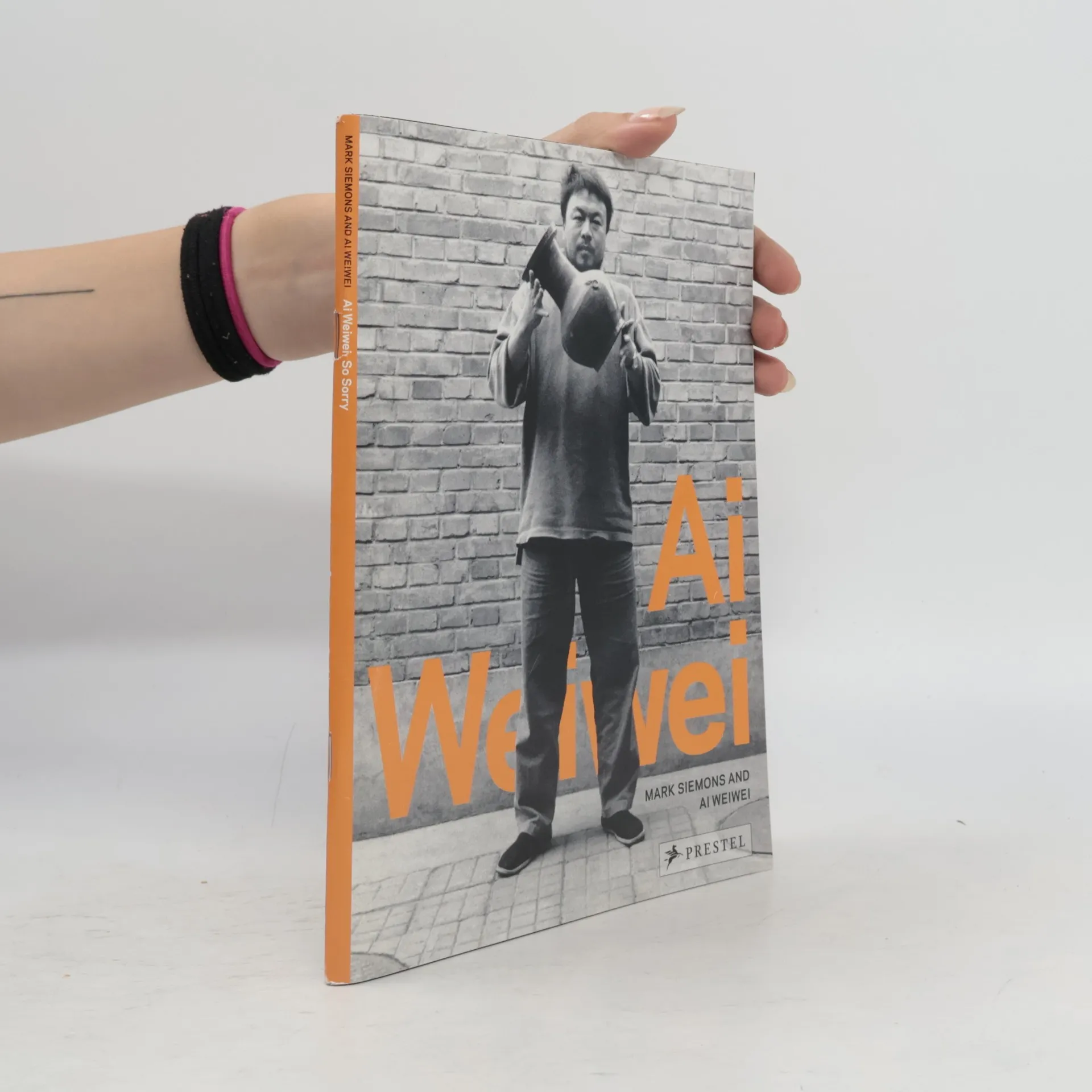
Ai Weiwei - So Sorry
- 117 Seiten
- 5 Lesestunden
SEINE BRANDNEUEN ARBEITEN, POLITISCHEN STATEMENTS, BLOGS UND VIDEO WORKS Er kämpft gegen das Unrecht in seinem Land und gibt den Schwachen und Zerbrochenen eine Stimme: Ai Weiwei gilt als der bedeutendste chinesische Künstler der Gegenwart und ist der bekannteste Repräsentant für regimekritische Kunst aus China. Jetzt wird Ai Weiwei mit einer großen Einzelausstellung im Haus der Kunst in München gewürdigt. Dieses Buch zeigt nicht nur alle Exponate der Ausstellung, sondern auch Fotomaterial sowie Texte des Künstlers, politische Statements und Ausschnitte seiner blogs.
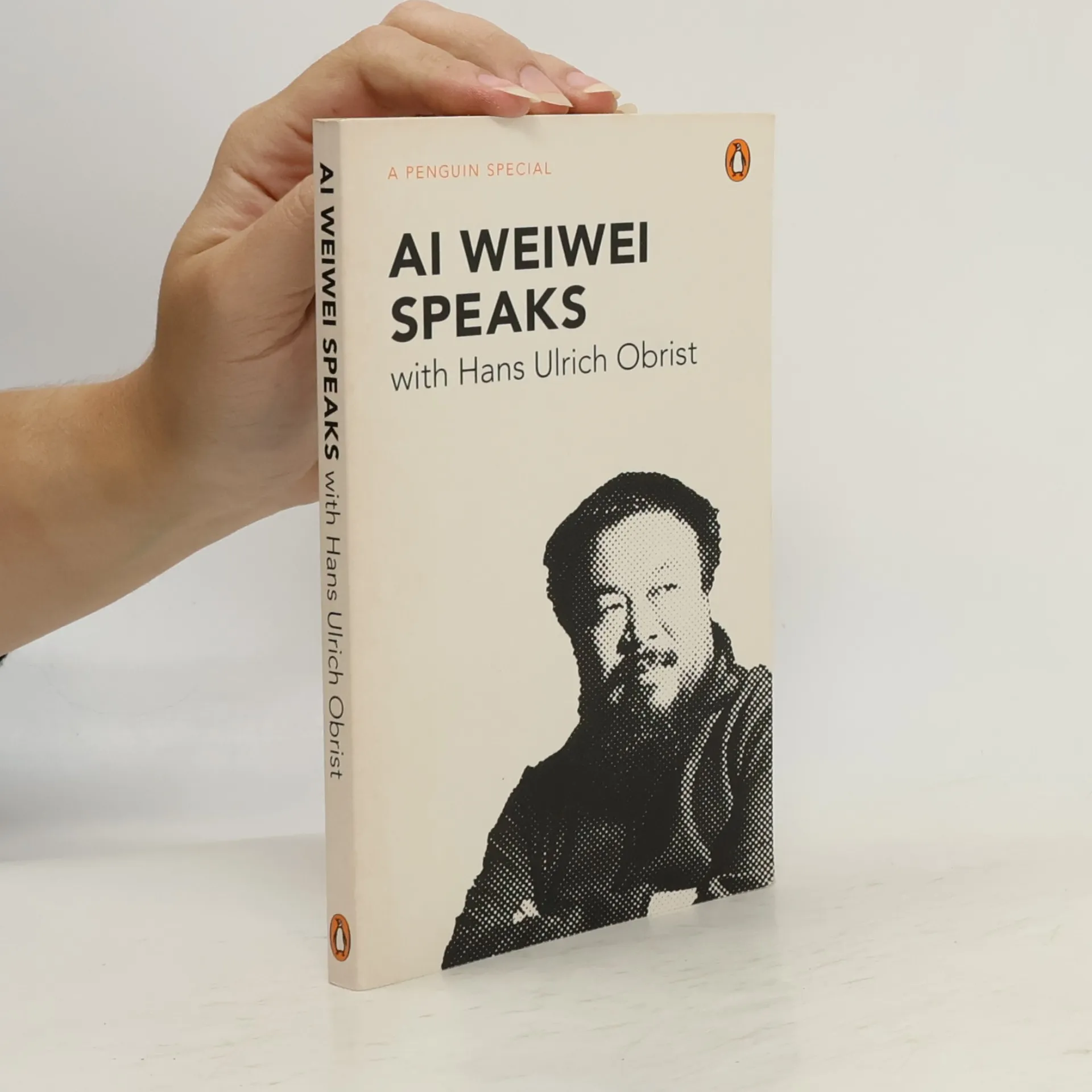
Ai Weiwei Speaks
- 176 Seiten
- 7 Lesestunden
A new edition of conversations between the artist Ai Wei Wei and curator Hans Ulrich Obrist, coming up to the present day Ai Weiwei - artist, architect, curator, publisher, poet and urbanist - extended the notion of art and is one of the world's most significant creative and cultural figures. In this series of interviews, conducted over several years with the curator Hans Ulrich Obrist, he discusses the many dimensions of his artistic life, ranging over subjects including ceramics, blogging, nature, philosophy and the myriad influences that have fed into his work. He also talks candidly about his father, his childhood spent in exile and his criticism of the Chinese state. Together, these extraordinary discussions are an essential reminder of the need for personal, political and artistic freedom.
Ai Weiwei speaks with Hans Ulrich Obrist
- 128 Seiten
- 5 Lesestunden
'If artists betray the social conscience and the basic principles of being human, where does art stand then?' Ai Weiwei - artist, architect, curator, publisher, poet and urbanist - extended the notion of art and is one of the world's most significant creative and cultural figures. In this series of interviews, conducted over several years with the curator Hans Ulrich Obrist, he discusses the many dimensions of his artistic life, ranging over subjects including ceramics, blogging, nature, philosophy and the myriad influences that have fed into his work. He also talks candidly about his father, his childhood spent in exile and his criticism of the Chinese state. Together, these extraordinary discussions give a unique insight into the outstanding complexity of Ai Weiwei's thought and work, and are an essential reminder of the need for personal, political and artistic freedom.
Journey to Heal
- 64 Seiten
- 3 Lesestunden
Focusing on the themes of resilience and healing, this image book showcases natural wonders alongside human emotions, offering inspiration for those facing life's challenges. It celebrates the courage of individuals who continue to persevere through adversity, encouraging readers to find opportunities for healing and growth in their own journeys.
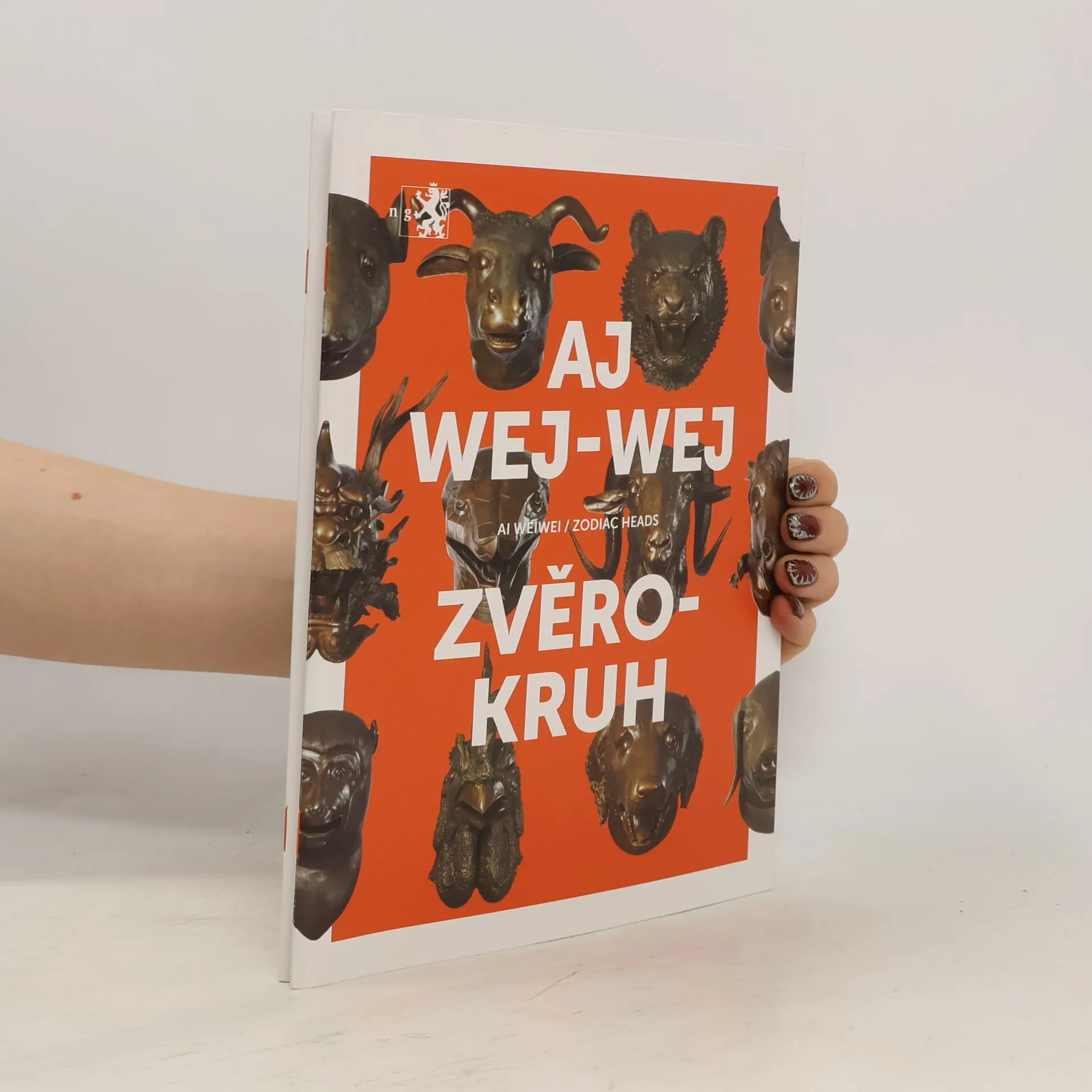
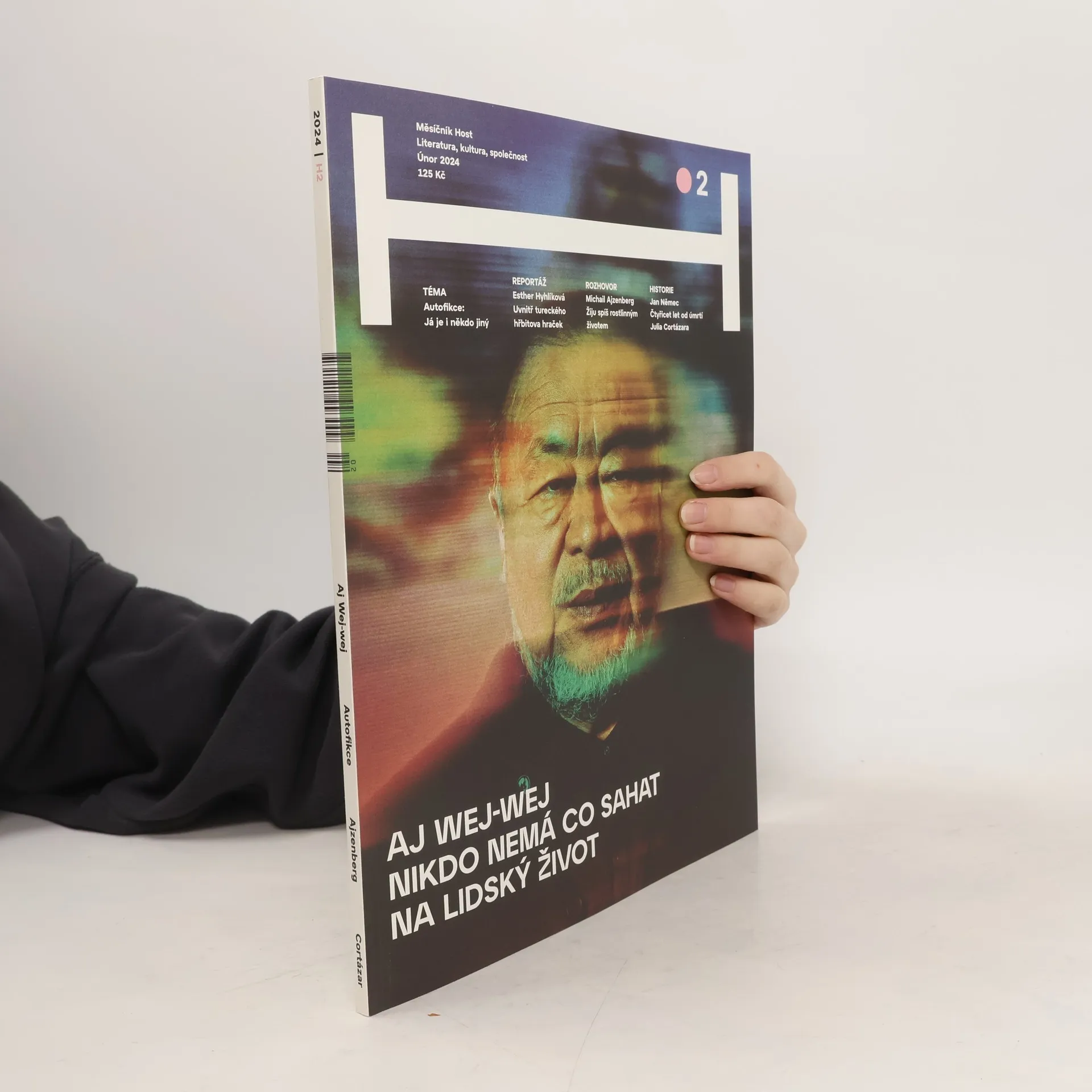
Aj Wej-wej : zvěrokruh. Ai Weiwei : zodiac heads
- 52 Seiten
- 2 Lesestunden
Ai Weiwei on Censorship: A Sunday Times Bestseller (Pocket Perspectives)
- 88 Seiten
- 4 Lesestunden
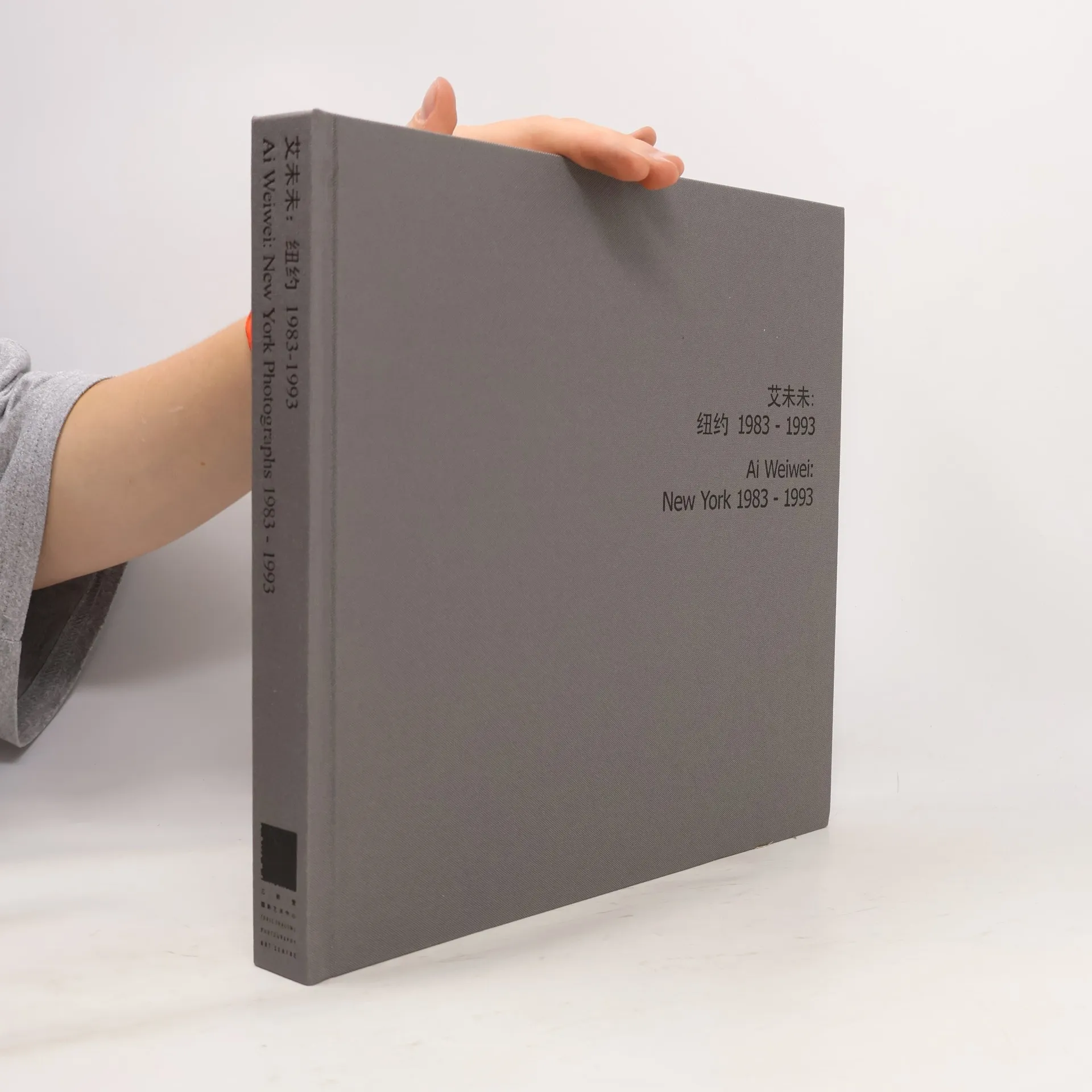
This selection of 227 photographs taken by Ai Weiwei (born 1957) during his early years living on New York City’s Lower East Side between 1983 and 1993, provides invaluable insights into the formative years of China’s most celebrated and controversial contemporary artist. The photographs document Ai Weiwei’s own development as an artist and public figure in New York, as well as the transformation of the East Village from a desolate scene of urban blight into a desirable residential neighborhood, also capturing along the way significant events such as the Tompkins Square Park riots and the AIDS epidemic. Over four years in preparation, and published here for the first time, these photographs are edited and digitized from a massive trove of more than 10,000 photographs from Ai Weiwei’s New York years, and collectively constitute a visual autobiography of this formative period in his life.
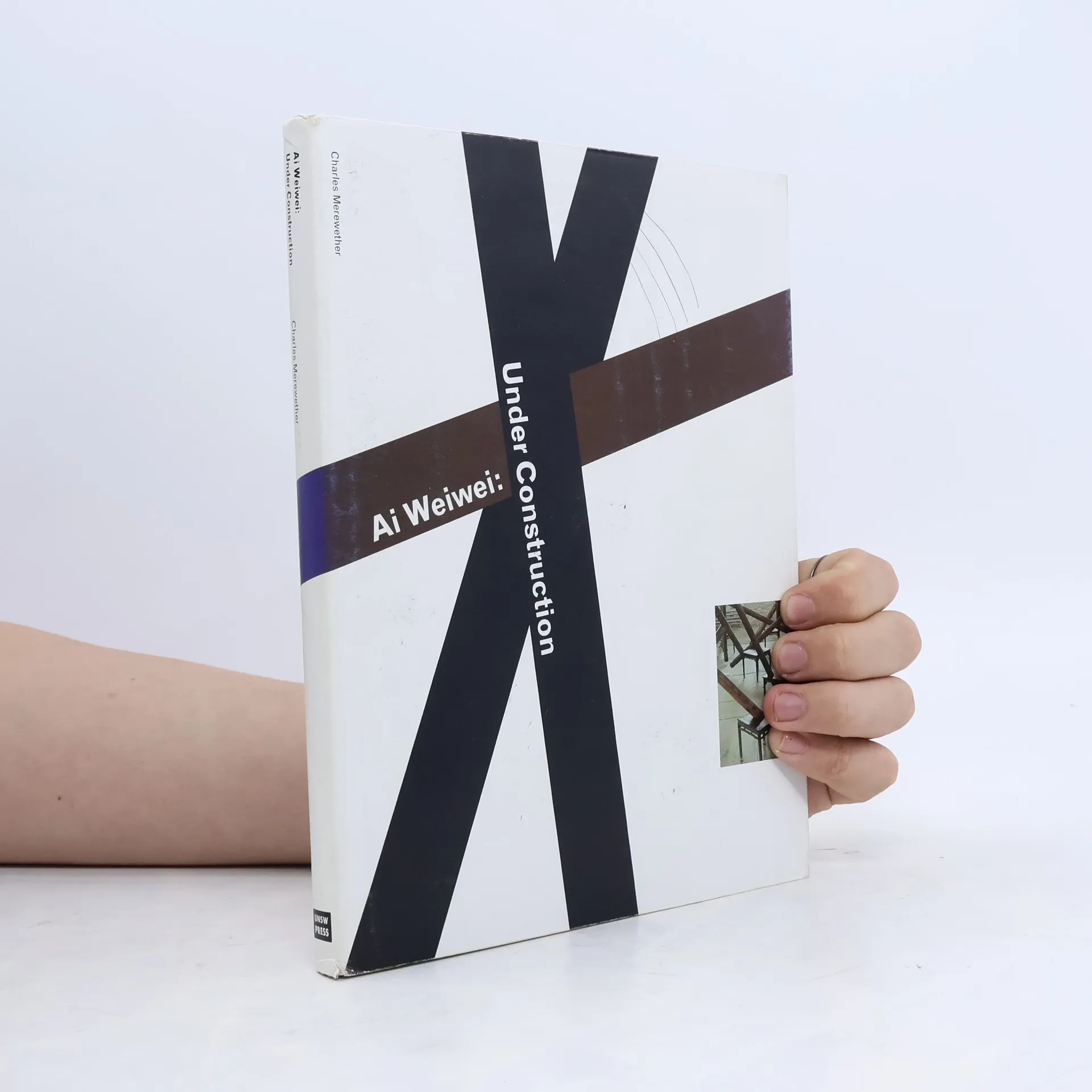
This scholarly exhibition catalogue explores the ways in which renowned Chinese Conceptualist Ai Weiwei raises questions about cultural violence and history. The work is looked at in the context of a country where future possibilities are shaped by the opposing forces of ruin and production, patrimony and erasure--the logic of ruins in reverse.
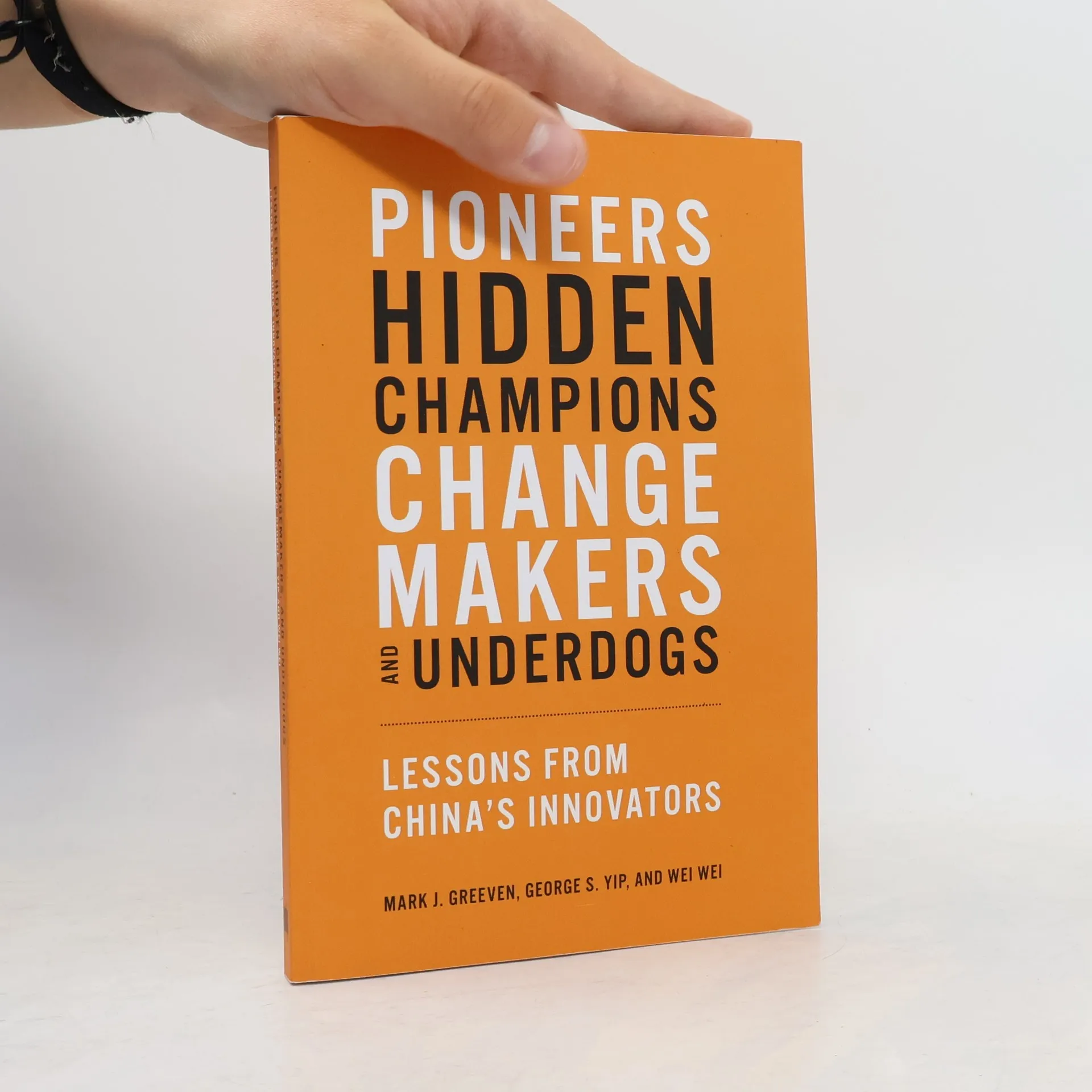
Pioneers, Hidden Champions, Changemakers, and Underdogs
Lessons from China's Innovators
- 216 Seiten
- 8 Lesestunden
This book provides an insider's perspective on China's emerging global innovators. While major companies like Alibaba and Huawei continue to excel through innovation, a wave of younger entrepreneurs is ready to make their mark internationally. The authors, experts in Chinese innovation, categorize innovators into four groups: pioneers (well-known global giants), hidden champions (niche market leaders), underdogs (technology-driven firms with valuable intellectual property), and changemakers (new companies that drive digital disruption and cross-industry innovations). They explore the types of innovations these firms pursue—whether product, process, or business model—along with their competitive strategies and innovation drivers. Six distinct innovation methods are identified, such as swarm innovation, which involves collective opportunity pursuit, and rapid centralized decision-making. The book also examines how these innovators expand globally, whether by establishing international R&D networks or exporting disruptive business models. Through numerous examples from various companies, including Alibaba, Haier, and Mobike, the authors provide valuable insights into what positions China as a formidable competitor in the global market.
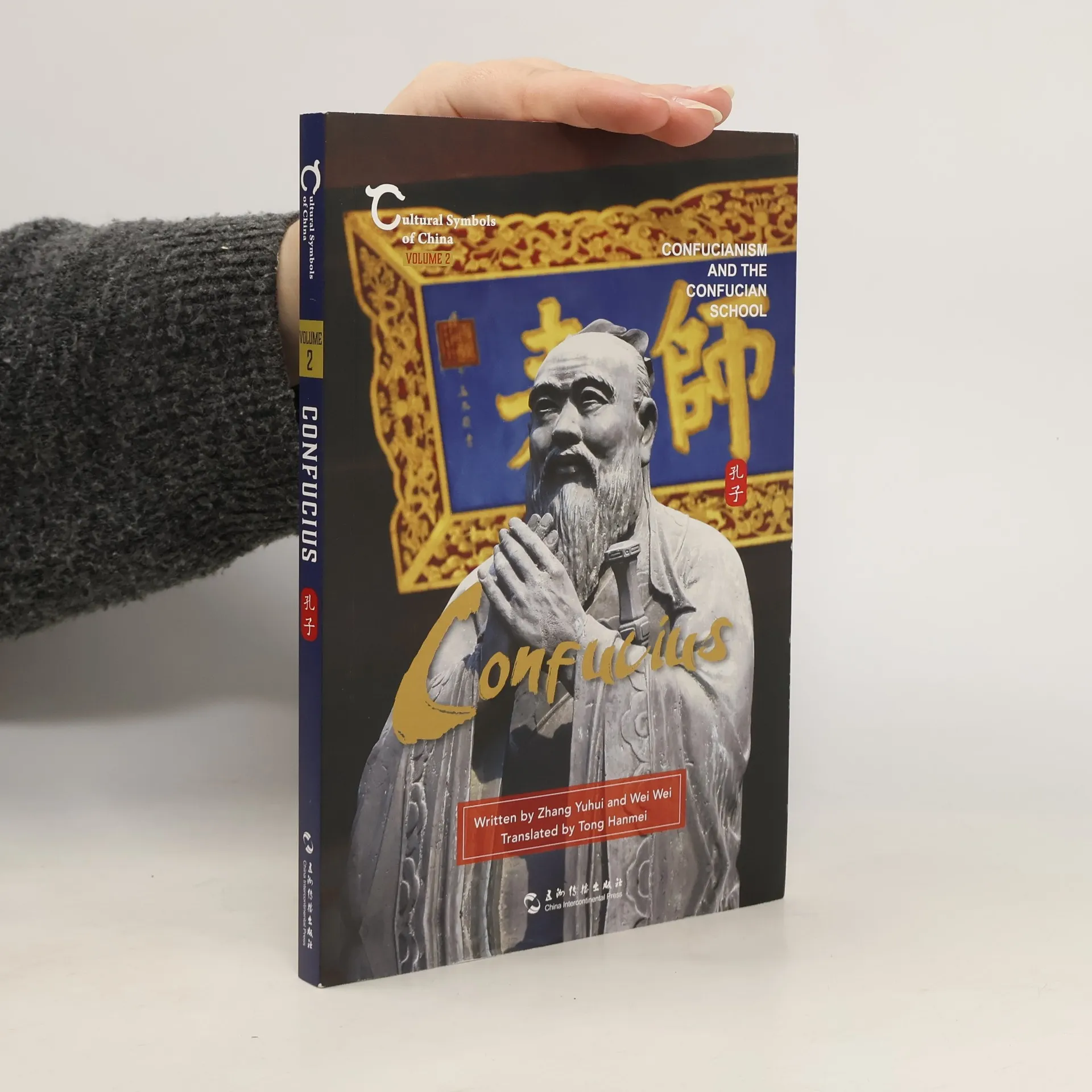
Cultural Symbols Of China - 2: Confucius
Confucianism And The Confucian School
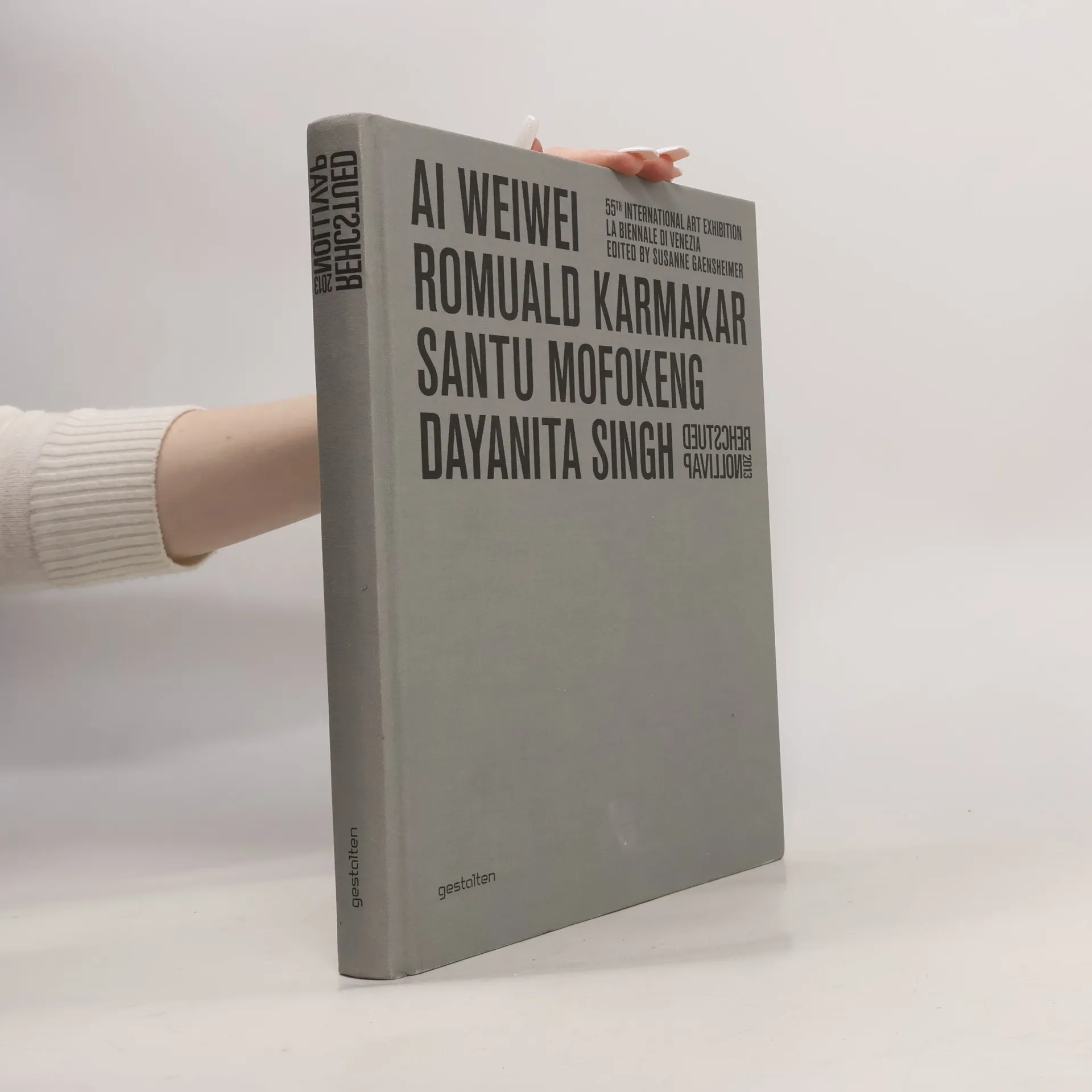
Ai Weiwei, Romuald Karmakar, Santu Mofokeng, Dayanita Singh
- 239 Seiten
- 9 Lesestunden
The international art event La Biennale di Venezia will take place for the fifty-fifth time from June 1 through November 24, 2013. For this occasion, Germany is not only switching pavilions with France, but is also showing artworks that focus on themes of intercultural and intellectual transference. Susanne Gaensheimer, director of Frankfurt's MMK Museum für Moderne Kunst, has curated a selection of work for Germany's pavilion in the building of the French pavilion by Chinese conceptual artist and regime critic Ai Weiwei, the German-French filmmaker Romuald Karmakar, the South African photographer Santu Mofokeng, and the Indian photographer Dayanita Singh. With the selection of these artists, Gaensheimer is continuing her transnational curatorial approach from 2011 that presented Germany as playing an active role in a complex, global structure that benefits from international exchange.0Exhibition: La Biennale di Venezia, German Pavillion, Italy (1.6.-24.11.2013).
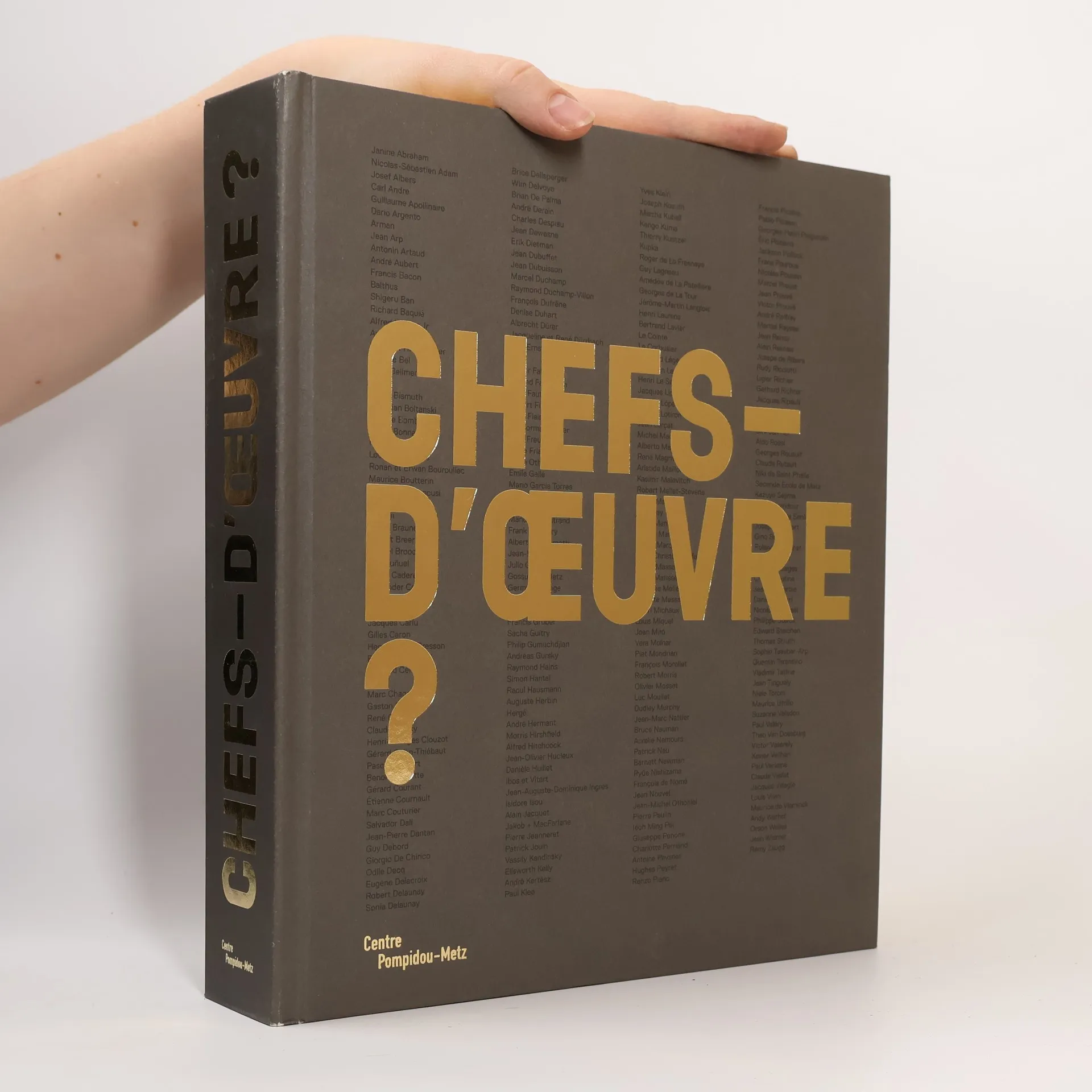
Chefs-d'œuvre ?
- 570 Seiten
- 20 Lesestunden
Chefs d'uvre L'exposition d'ouverture du centre Pompidou-Metz.
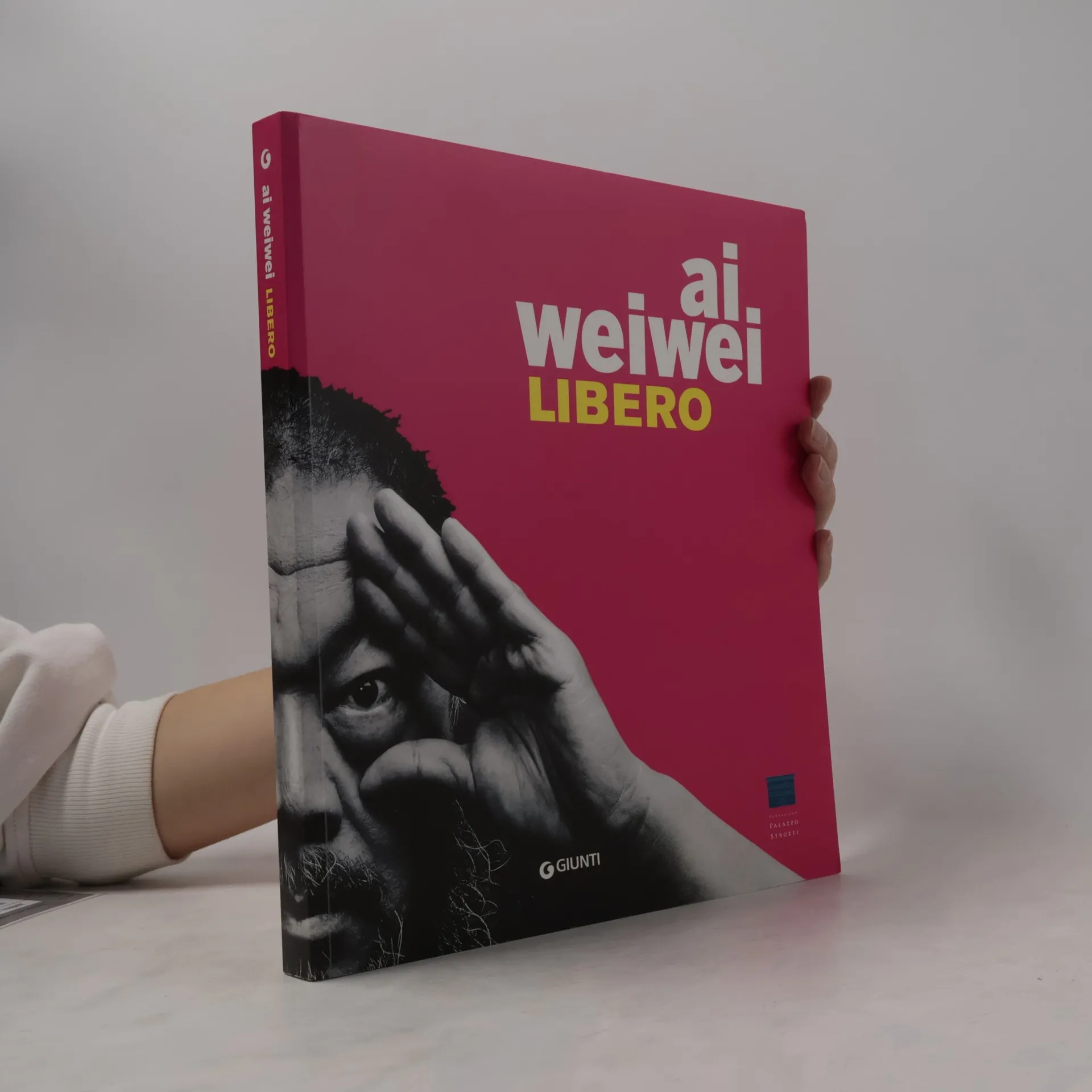
Ai Weiwei. Libero-Ai Weiwei. Palazzo Strozzi. Ediz. italiana
- 208 Seiten
- 8 Lesestunden