Die Begeisterung für den vi- und den Vim-Editor ist ungebrochen. Die plattform-unabhängigen Texteditoren besitzen jedoch so viele Befehle, dass man sie sich kaum alle merken kann. Der Autor Arnold Robbins hat die wichtigsten Befehle für vi und Vim - aber auch für Clones wie vile, elvis und nvi - in dieser praktischen Befehlsreferenz zusammengefasst.
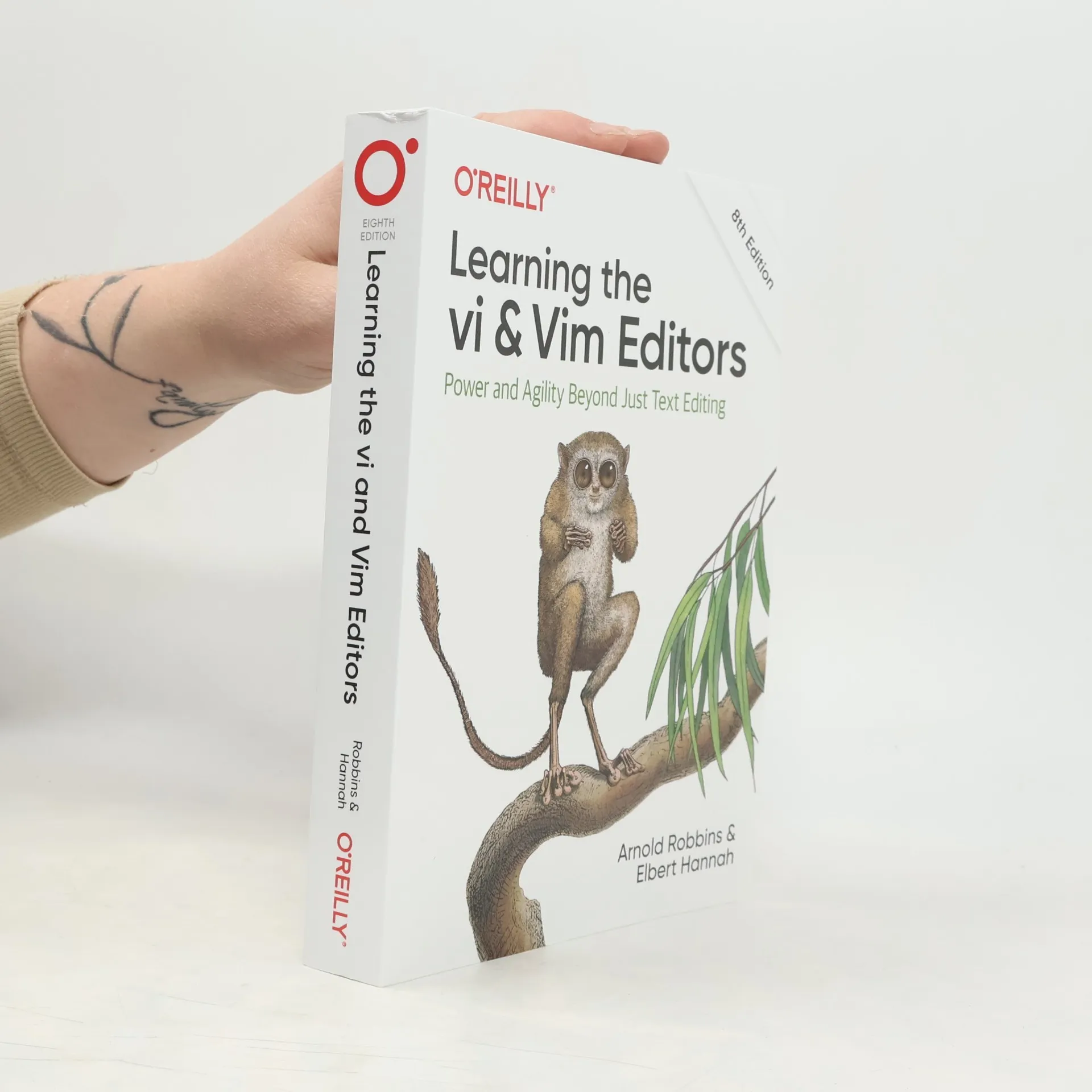
vi and its derivatives are perhaps the most important family of text editors in the programming community. With this updated guide, Unix and Linux users will learn text editing basics for both vi and Vim ("vi improved") before moving onto advanced editing tools for each editor. Authors Elbert Hannah and Arnold Robbins cover the latest major releases of Vim, including 8.0 and 8.2. Whether you're a programmer or computer analyst or you work with browsers or command-line interfaces, you'll examine multi-window editing, global search and replacement, power tools for programmers, and how to write interactive macros and scripts to extend the editor-all in the easy-to-follow style that's made this book a classic. Go beyond the basics to learn which vi commands fit your specific needs Learn advanced vi tools that shift some of the editing burden to the computer Explore Vim tools that provide major improvements over vi Examine Vim's multi-window editing feature, a significant upgrade over vi Use Vim scripts to customize and tailor Vim to suit your needs Look at Vim in modern GUI environments with Graphical Vim (gvim)
Shell scripting skills never go out of style. It's the shell that unlocks the real potential of Unix. Shell scripting is essential for Unix users and system administrators-a way to quickly harness and customize the full power of any Unix system. With shell scripts, you can combine the fundamental Unix text and file processing commands to crunch data and automate repetitive tasks. But beneath this simple promise lies a treacherous ocean of variations in Unix commands and standards. Classic Shell Scripting is written to help you reliably navigate these tricky waters.Writing shell scripts requires more than just a knowledge of the shell language, it also requires familiarity with the individual Unix why each one is there, how to use them by themselves, and in combination with the other programs. The authors are intimately familiar with the tips and tricks that can be used to create excellent scripts, as well as the traps that can make your best effort a bad shell script. With Classic Shell Scripting you'll avoid hours of wasted effort. You'll learn not only write useful shell scripts, but how to do it properly and portably.The ability to program and customize the shell quickly, reliably, and portably to get the best out of any individual system is an important skill for anyone operating and maintaining Unix or Linux systems. Classic Shell Scripting gives you everything you need to master these essential skills.
In this thoroughly revised edition, author and gawk lead developer Arnold Robbins describes the awk language and gawk program in detail, shows you how to use awk and gawk for problem solving, and then dives into specific features of gawk.
Der Zeichenstrom-Editor sed und die Programmiersprache awk sind zwei klassische Unix-Tools zur Bearbeitung von Textdateien. Ihre Fähigkeiten zur Mustererkennung mit regulären Ausdrücken ermöglichen es Programmierern und Systemadministratoren, Editieraufgaben für eine oder mehrere Dateien zu automatisieren. Wiederkehrende Abläufe und Konvertierungen können mit sed und awk so einfacher und schneller erledigt werden. sed & awk - kurz & gut ist eine kompakte Referenz zu sed, awk und zur Mustererkennung mit regulären Ausdrücken. Die zweite Auflage geht darüber hinaus auf die Neuerungen in gawk, der GNU-Version von awk ein. Dieser Band der O'Reilly Taschenbibliothek enthält unter anderem: * einen Überblick über die Kommandozeilen-Syntax von sed und awk * eine Alphabetische Zusammenfassung der awk-Befehle, einschließlich nawk und gawk Version 3.1 * Ausführungsprofile mit gawk * Koprozesse und Sockets mit gawk * Internationalisierung mit gawk * eine Aufzählung weiterer Informationsquellen zu sed und awk
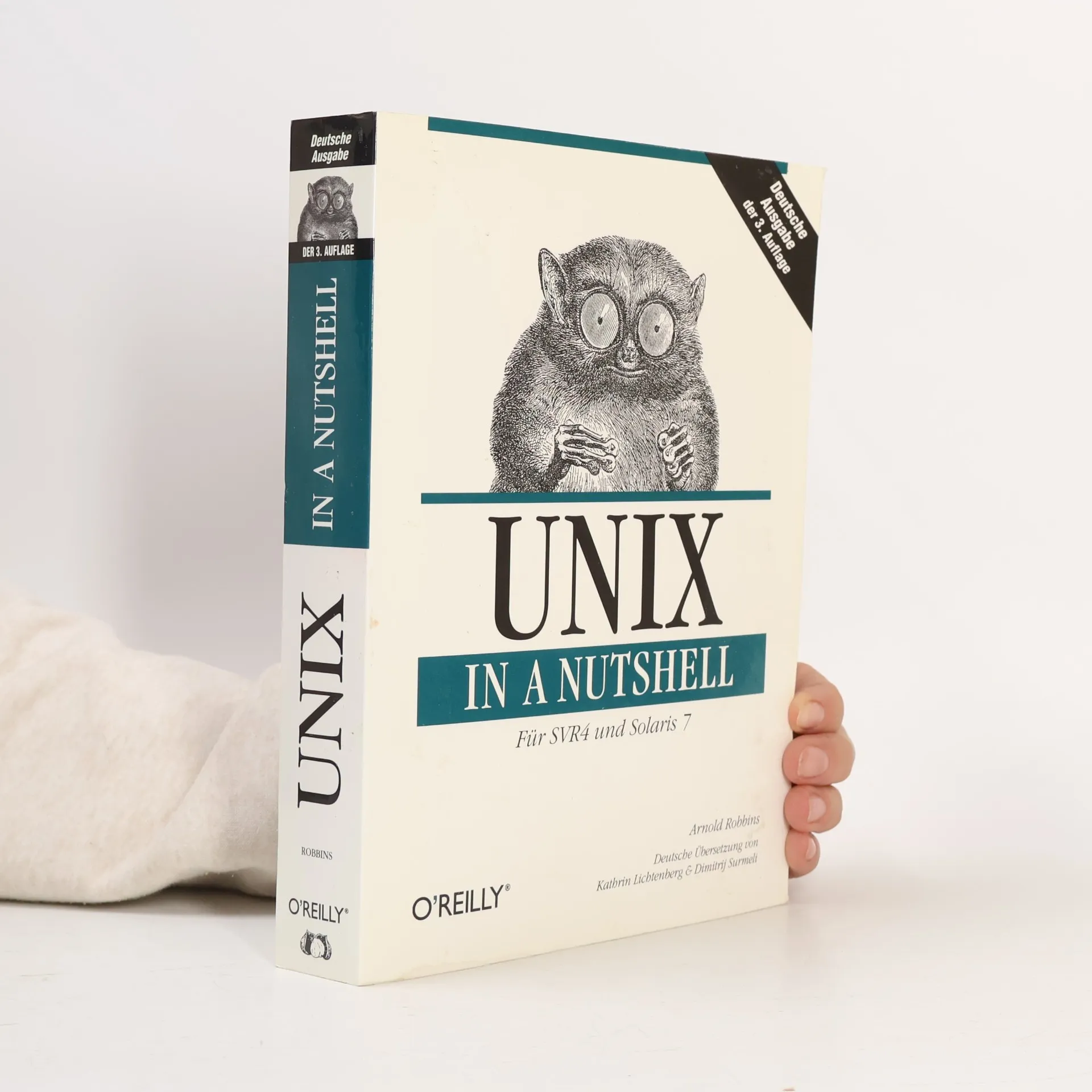
Der Bestseller UNIX in a Nutshell ist eine vollständige Referenz allerUNIX-Kommandos und -Optionen, die jeweils ausführlich beschrieben und durchviele Beispiele in ihrer Anwendung illustriert werden. Die 3. Auflage behandeltSystem V Release 4 und Solaris 7 und wurde um 60 neue Kommandos, eineausführliche Dokumentation der Korn Shell und Erläuterungen zu RegulärenAusdrücken sowie zum Editieren von Text (einschließlich neuester Informationenzu Emacs) erweitert.Der Inhalt im einzelnen: Sechzig neue Unix-Befehle Shell-Syntax (sh, csh sowie die 1988er- und 1993er-Versionen von ksh) ReguläreAusdrücke vi- und ex-Befehle sowie aktualisierte Informationen über Emacs sed- und awk-Befehle troff und damit verwandte Befehle und Makros, mit einem neuen Abschnitt über refer make, RCS- (Version 5.7) und SCCS-Befehle Veraltete Befehle
Die vorliegende Referenz bietet einen schnell zugänglichen Überblick über Optionen und Befehle von vi und ex, Befehlszeilen-Optionen, Shortcuts im Eingabemodus, reguläre Ausdrücke sowie Optionen der vi-Klone nvi, elvis, vim und vile und deren Erweiterungen. Damit wird sowohl der Einstieg in die Textbearbeitung mit vi erleichtert, als auch dem erfahrenen Anwender die Möglichkeit geboten, vi im Arbeitsalltag effizienter zu nutzen. vi-Editor - kurz & gut ist die ideale Ergänzung zu dem Titel Textbearbeitung mit dem vi-Editor, in dem Linda Lamb und Arnold Robbins detailliert in den Umgang mit vi und seinen Klonen einführen.
Für geübte Benutzer ist der vi ein leistungsfähiges Werkzeug. Eine gute Dokumentation ist jedoch unverzichtbar. Das Buch ist ein vollständiges Referenzwerk zum Thema vi. vi-Neulingen verhilft es zu einem schnellen Einstieg, und selbst langjährige vi-Benutzer können ihre Fähigkeiten, diesen leistungsfähigen Editor effizient zu verwenden, durch die Lektüre des Buches optimieren. Es handelt sich um die ergänzte und aktualisierte Übersetzung der 6. Auflage von Learning the vi Editor. Unter anderem werden folgende Themen behandelt: - Grundlagen der Textbearbeitung mit vi - Fortgeschrittene Editierwerkzeuge - Befehls-Shortcuts - Globales Suchen und Ersetzen - Konfiguration der Textbearbeitungsumgebung - Der ex-Editor - Die vi-Klone nvi, elvis, vim und vile - vi und das Internet
In Sed & Awk, Dale Dougherty and Arnold Robbins describe two text manipulation programs that are mainstays of the UNIX programmer's toolbox. This new edition covers the Sed and Awk systems as they are now mandated by the POSIX standard.