Das Ewige im Vergänglichen
- 190 Seiten
- 7 Lesestunden


Frithjof Schuon war ein Philosoph und Metaphysiker, der als Autorität für Religion und Spiritualität und als führender Vertreter der Perennialistischen Schule anerkannt ist. Sein Werk konzentriert sich auf das Konzept einer ewigen Religion (Religio Perennis) und bietet eine Kritik des modernen akademischen Relativismus. Schuon formulierte einen tiefen Glauben an ein absolutes Prinzip, Gott, als Lenker des Universums, wobei er die Verbindung zwischen diesem göttlichen Prinzip und der Menschheit durch Offenbarung betonte. Während seine wichtigsten metaphysischen Werke auf Französisch verfasst wurden, widmete er sich in späteren Jahren auch der Poesie auf Deutsch.

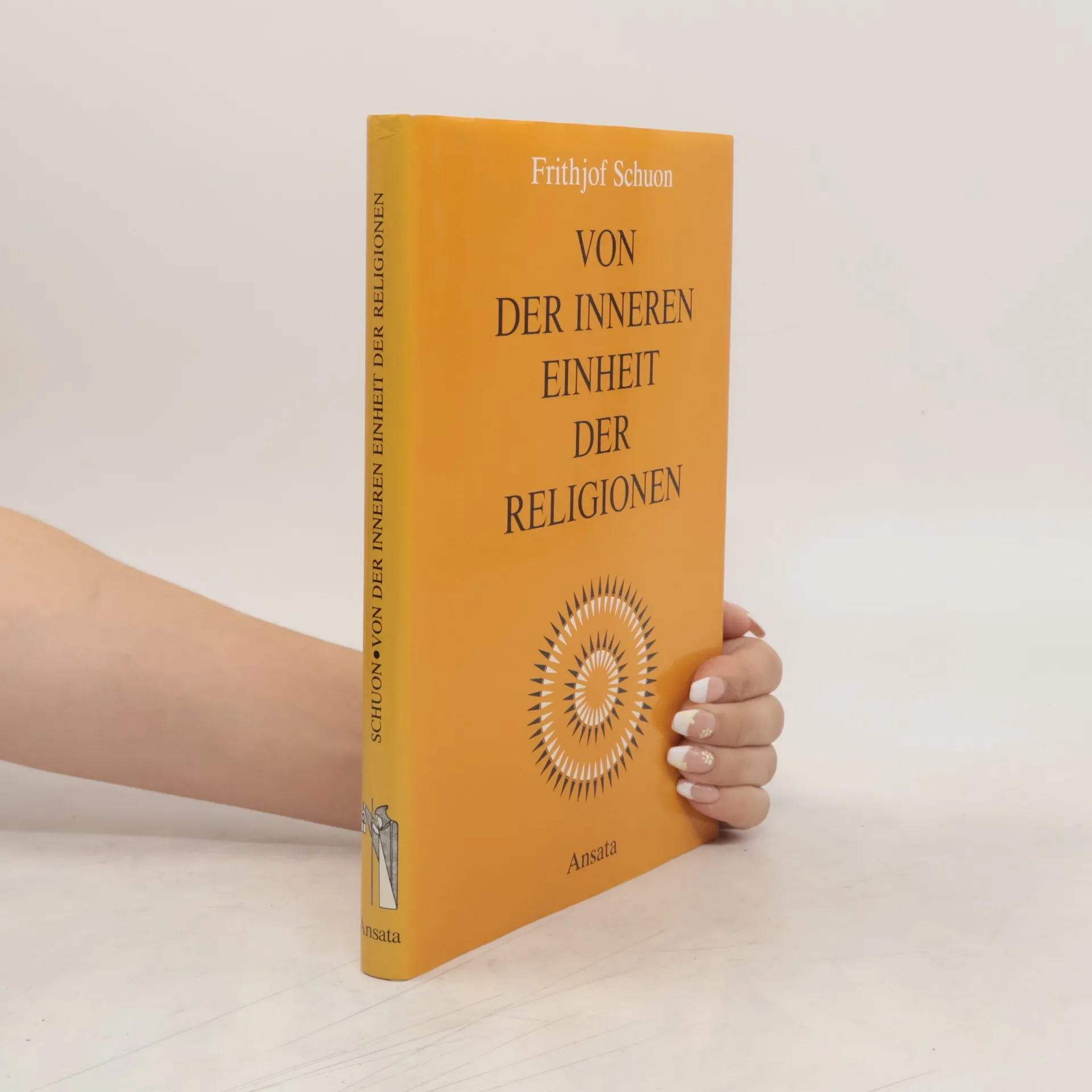
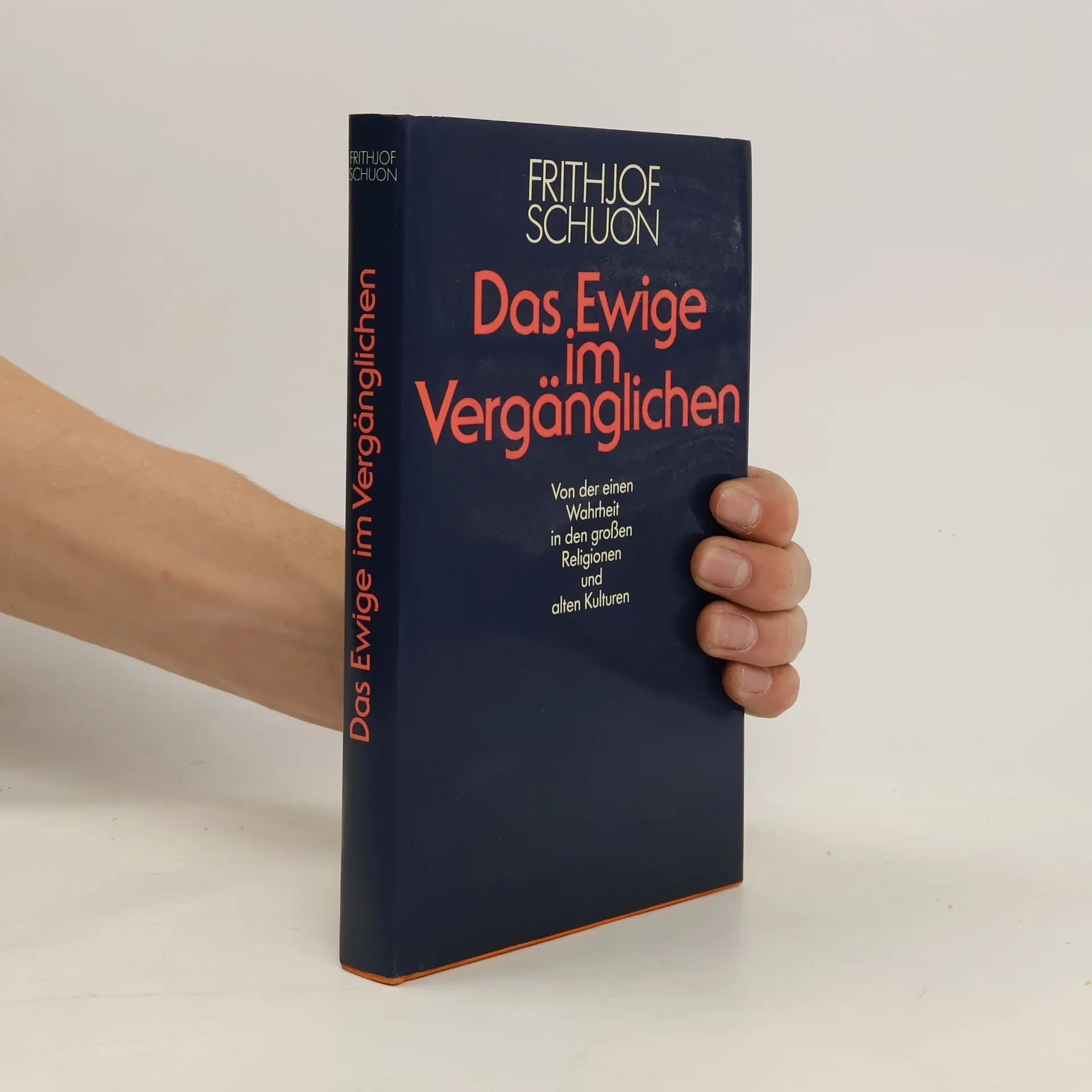
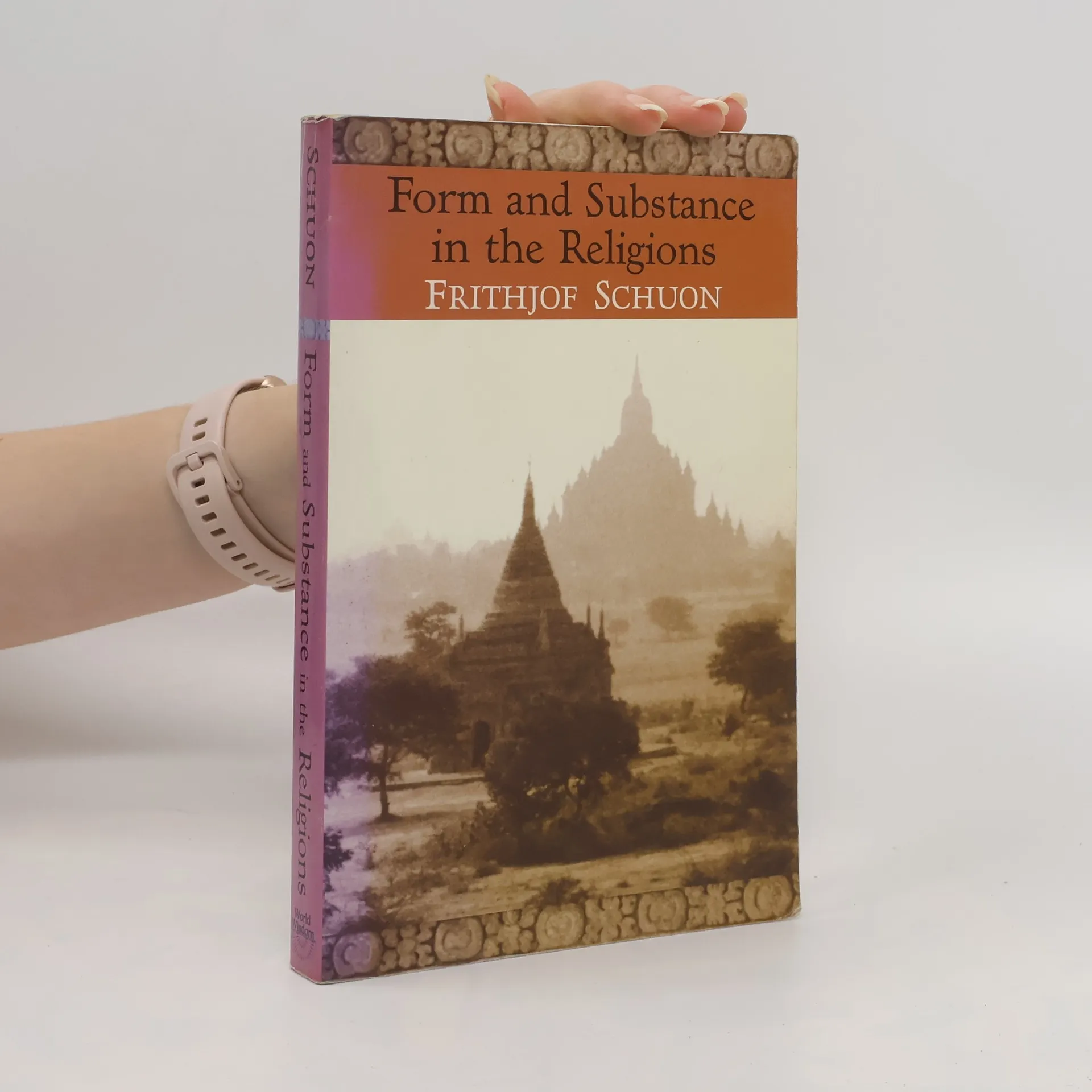
Von der menschlichen Seite aus gesehen, sind die gro Wer Schuons anspruchsvollen, aber stets logischen Ausfhrungen folgt, wird sehr bald einem Verfasser begegnen, der aus einer wahrhaft zyklischen Sendung heraus dem Leser gleichsam ein Pfingsterlebnis beschert, nmlich den Aufstieg aus der Vielheit der Formensprache in der Welt der Religion zur Einheit der paradiesischen oder adamischen Ursprache: als Form und Inhalt, Gestalt und Gehalt, Wort und Bedeutung noch unmittelbar eins waren. Welche weiten Wege der Leser dabei durchwandert, mag eine Wiedergabe des Inhaltsverzeichnisses zeigen: Vom inneren Wesen der Idee - Von den Grenzen der Exoterik - Erscheinungsweisen der Esoterik - Von den Formen der Kunst - Grundzge der Metaphysik - Von den Grenzen der Glaubensverbreitung - Der Dreiklang der monotheistischen Offenbarung - Christentum, Islam und Buddhismus.
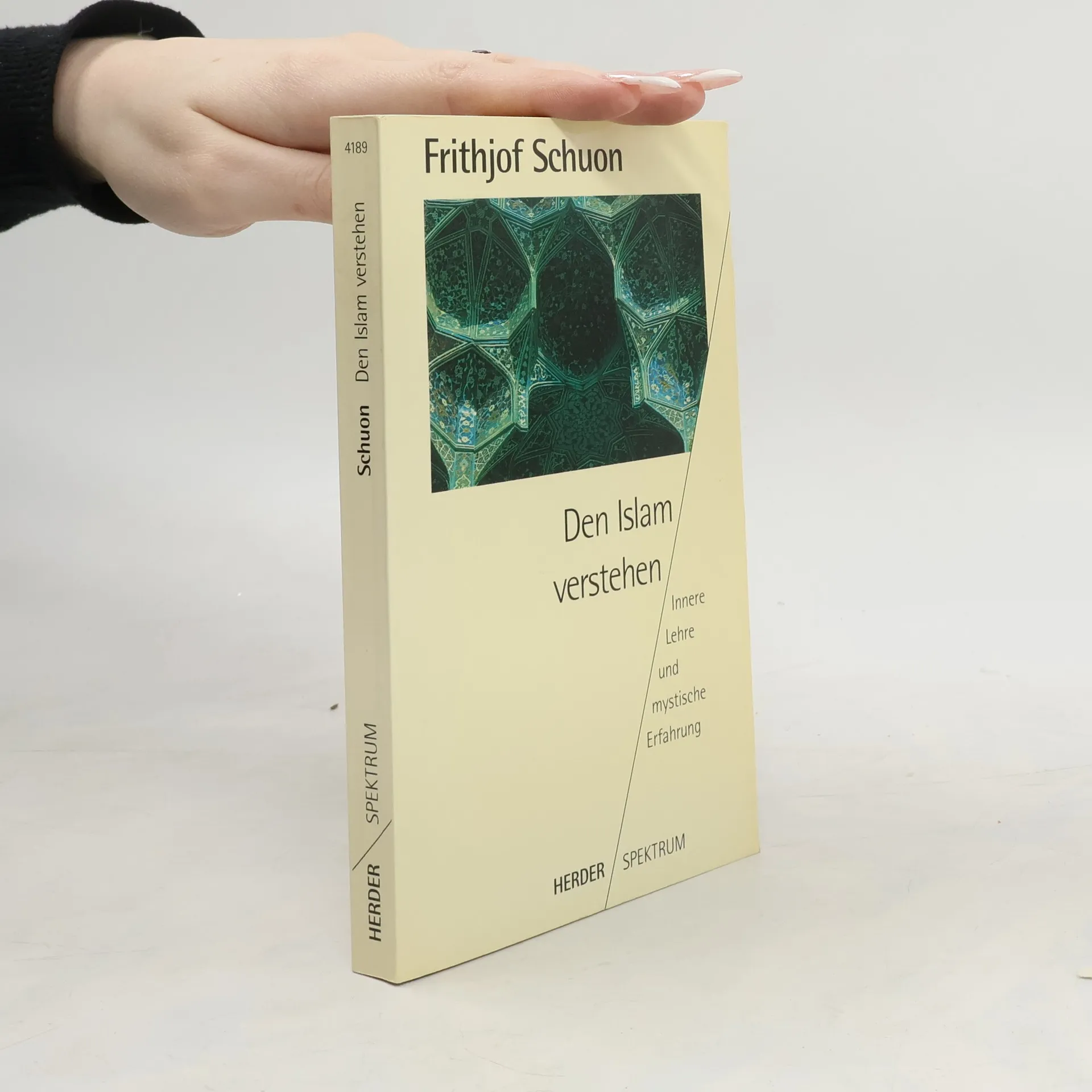
Dieses Werk beleuchtet den wesentlichen Aspekt der islamischen Perspektive und situierte diese Tradition in ihrer wahren äußeren Dimension sowie ihrem Ausdruck des Göttlichen. Um die Grundlagen des islamischen Glaubens darzulegen, werden vier wesentliche Elemente betrachtet: die Natur und Perspektive des Muslims, die koranische Lehre und die Funktion des Korans, die Rolle des Propheten und der Sufismus.
A collection of aphorisms on metaphysics and spirituality by a world authority on comparative religion and hermeneutics. This is the first English publication of a collection of youth journals, displaying the themes of his later work with unique vigour and intensity. A profound blend of the most evocative poetry and the most demanding metaphysics.
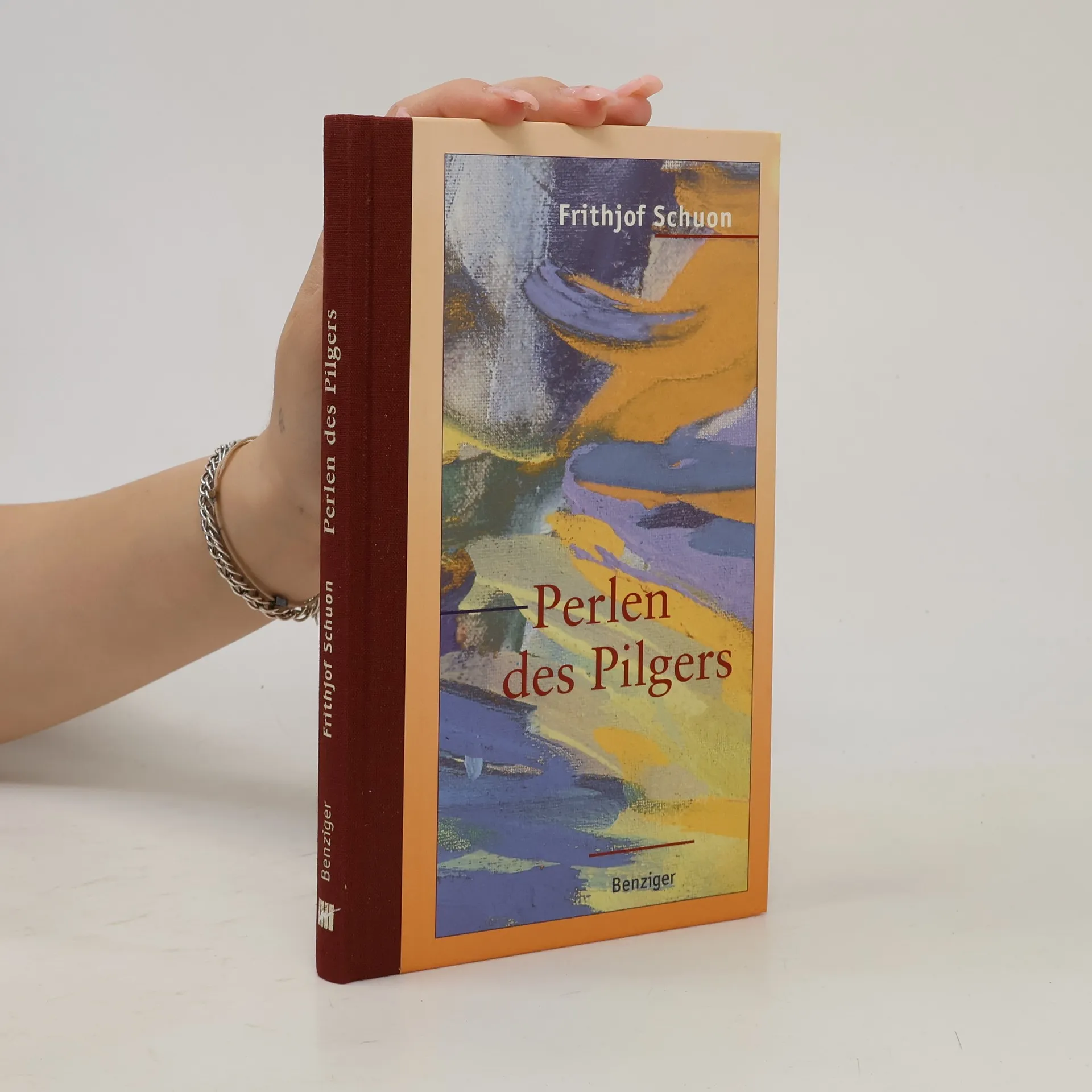
Eine Sammlung von kurzen, juwelenartigen Auszügen aus Schuons Hauptwerken, die das Wesen spiritueller Wahrheiten hervorruft.
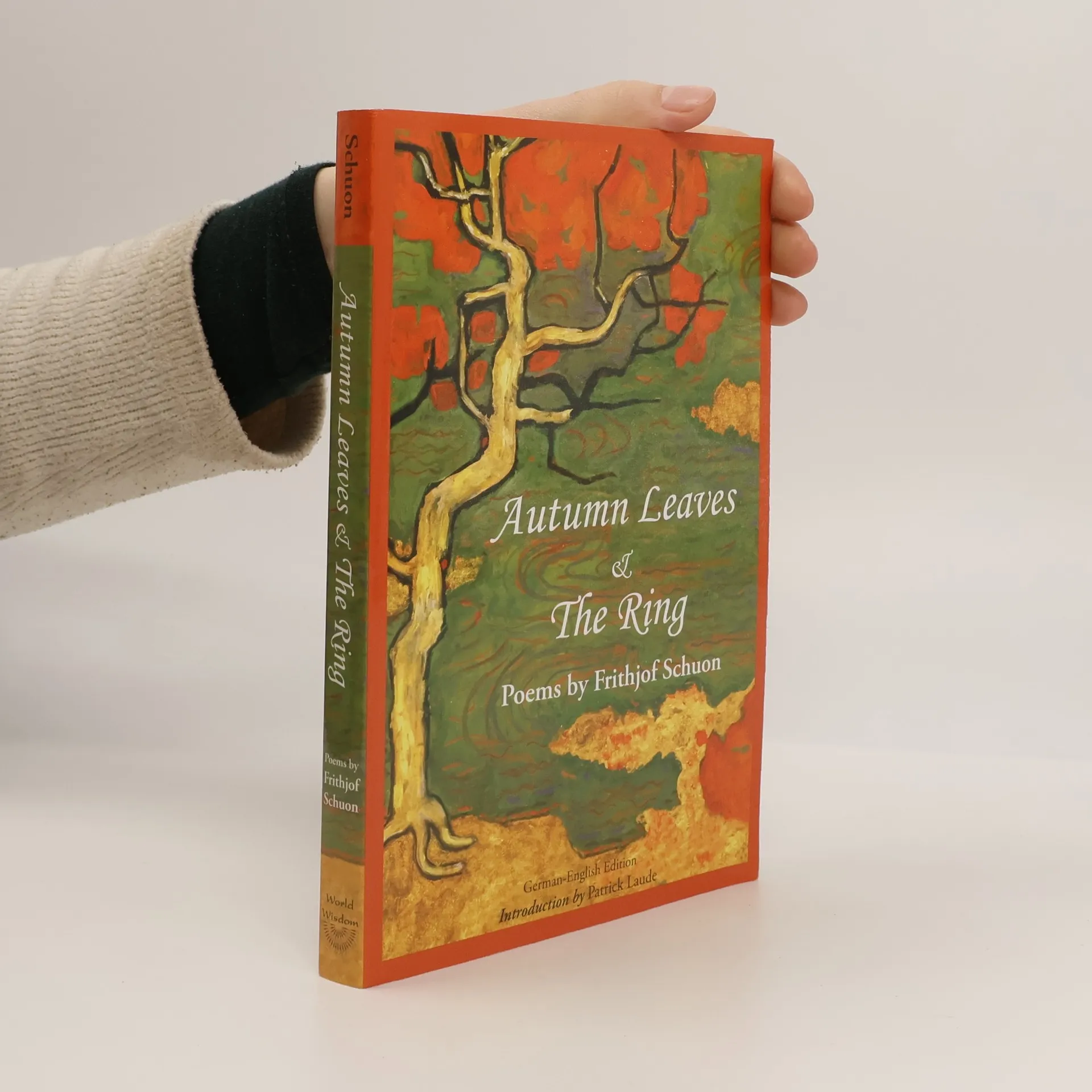
Poems by Frithjof Schuon - German-English Edition - Introduction by Patrick Laude
This book contains two collections, Autumn Leaves and The Ring, and is offered here for the first time in a bilingual English-German edition. The various sections Beauty, Human Questions, Doctrine, Recollections, Images, and the Soul. In these poetic teachings Schuon speaks directly to the reader, expressing every conceivable subtlety of spiritual and moral counsel. They comfort and inspire the reader to cultivate inner beauty and seek a deeper consciousness of the presence of God.
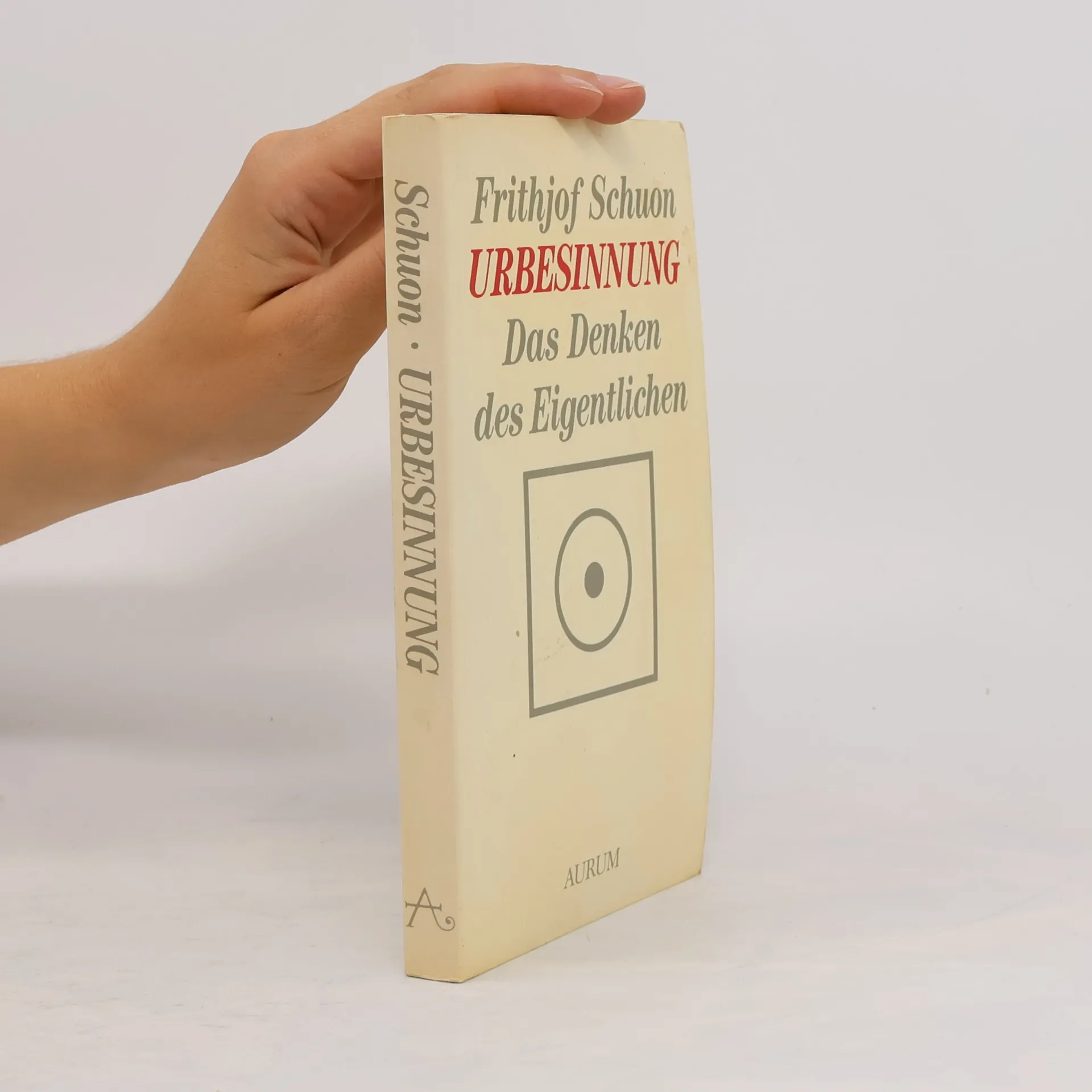
This work emphasizes the importance of recognizing and affirming the transcendent reality, providing a balanced perspective on its significance. It challenges readers to restore a true sense of proportion in their understanding of existence, encouraging a deeper exploration of what lies beyond the material world. Through thoughtful insights, it invites contemplation on the nature of reality and the spiritual dimensions of life.
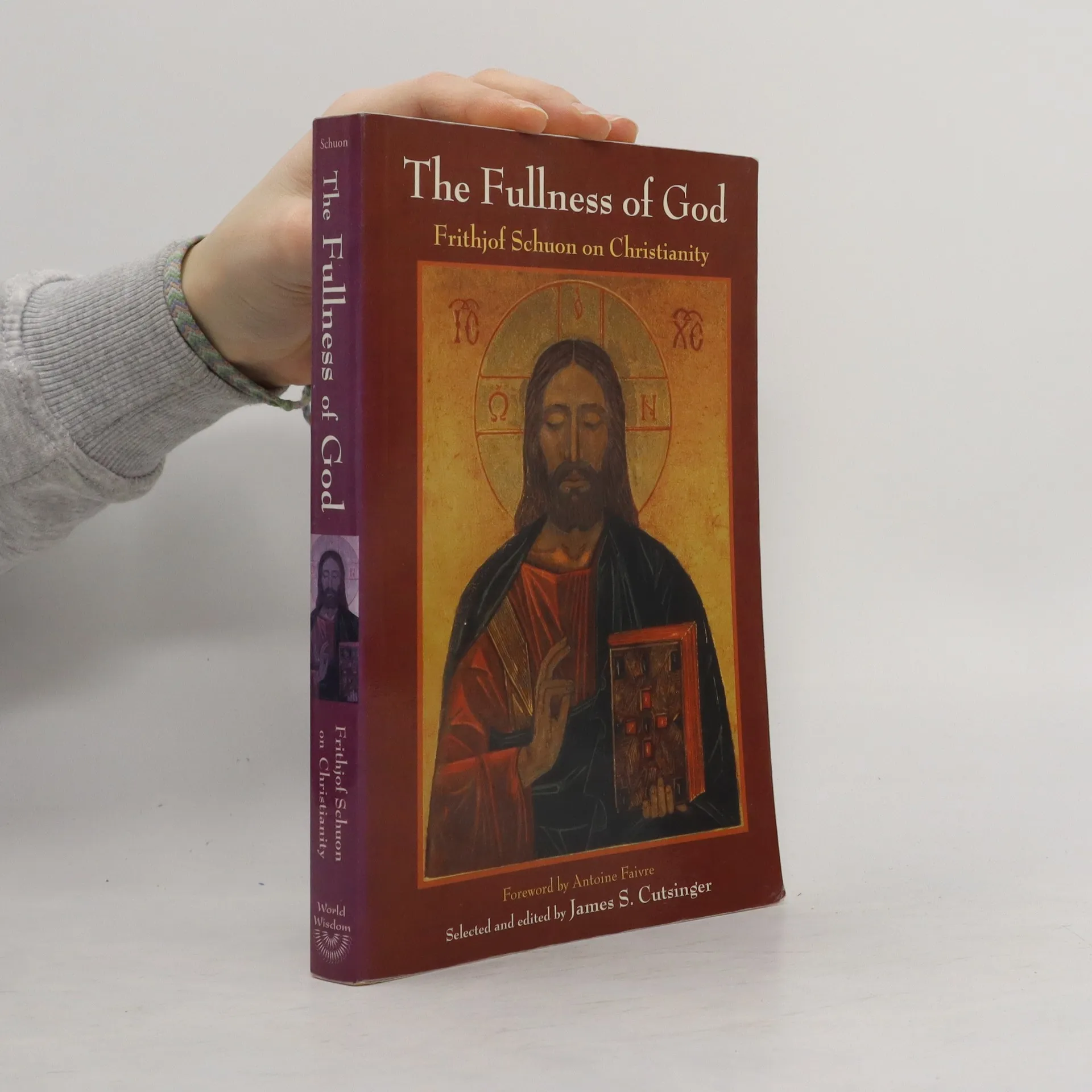
For the first time, this book collects from Schoun's vast corpus his writings on Christianity, including selections from his personal correspondence and other previously unpunblished materials.
Frithjof Schuon (1907 - 1998), narodený v Bazileji a prevažne píšuci po francúzsky, patrí medzi kľúčových predstaviteľov perennializmu, spolu s Reném Guénonom, Titom Burckhardtom a Anandom Coomaraswamym. Autor takmer tridsiatich kníh, Schuon sa zaoberal náboženstvom, metafyzikou, spiritualitou a umením. Bol súfijským šejkom, básnikom a maliarom. Profesor S. H. Nasr ho opisuje ako metafyzika, teológa a filozofa, ktorý sa venoval komparatívnemu štúdiu náboženstiev a duchovnému vodcovstvu. Kniha O transcendentnej jednote náboženstiev z roku 1948 je jeho prvým významným dielom, ktoré ho uviedlo do povedomia záujemcov o duchovné tradície. V nej predstavuje dva základné princípy: univerzálnosť a vnútornú neohraničenosť božského Princípu, ktorý transcenduje pojmové výrazy, a ekonómiu náboženských zjavení v ich rozdielnosti a komplementárnosti. Schuon prekonáva náboženský exkluzivizmus, pričom uznáva jeho dočasnú legitímnosť. Na rozdiel od synkretizmu iných autorov, jeho prístup vychádza z metafyzických právd, osvetľujúc podstatnú jednotu za zdanlivou protikladnosťou rôznych ortodoxných učení. Poznanie tejto jednoty nevyžaduje odmietnutie odlišností, ale umožňuje ich integráciu do skutočnej syntézy, ktorá chráni ich originálnosť. Dielo Frithjofa Schuona sa slovenskému čitateľovi predstavuje po prvý raz, pričom súčasťou prekladu je aj štúdia o jeho živote a diele od J.-B. Aymarda.
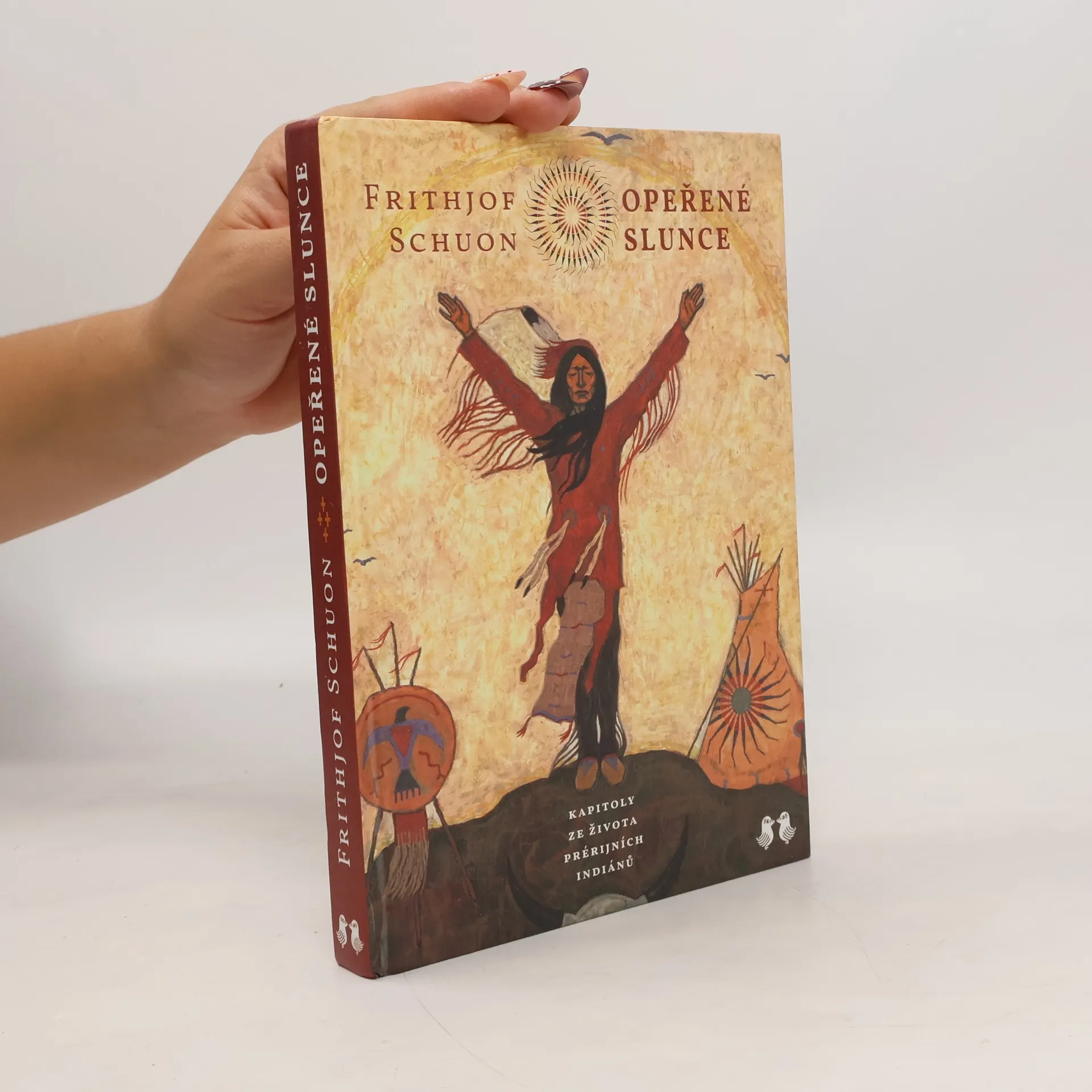
Opeřené slunce je pocta Indiánům. Jedná se o soubor textů nabízejících vhled do těch nejzajímavějších aspektů tradic prérijních indiánů doplněných autorovými obrazy a zápisky z cest po indiánských rezervacích v letech 1952 a 1963. Schuonovy eseje však nejsou v žádném případě pouhým popisem obřadů, to by nebyl Schuon. Jeho pronikavý intelekt podniká cesty překračující a spojující kontinenty a náboženství – srovnáváním indiánských tradic s hinduismem, šintoismem, islámem, buddhismem a v neposlední řadě i s křesťanstvím dospívá k překvapivým závěrům. Neklouže však po povrchu, jeho teze nejsou laciné, naopak: jeho psaní je naplněno pokorou a hlubokým pochopením toho nejzákladnějšího božského principu. Čtenář brzy pochopí, že Schuon nebyl jen srovnávacím religionistou, ale mystikem v pravém slova smyslu.