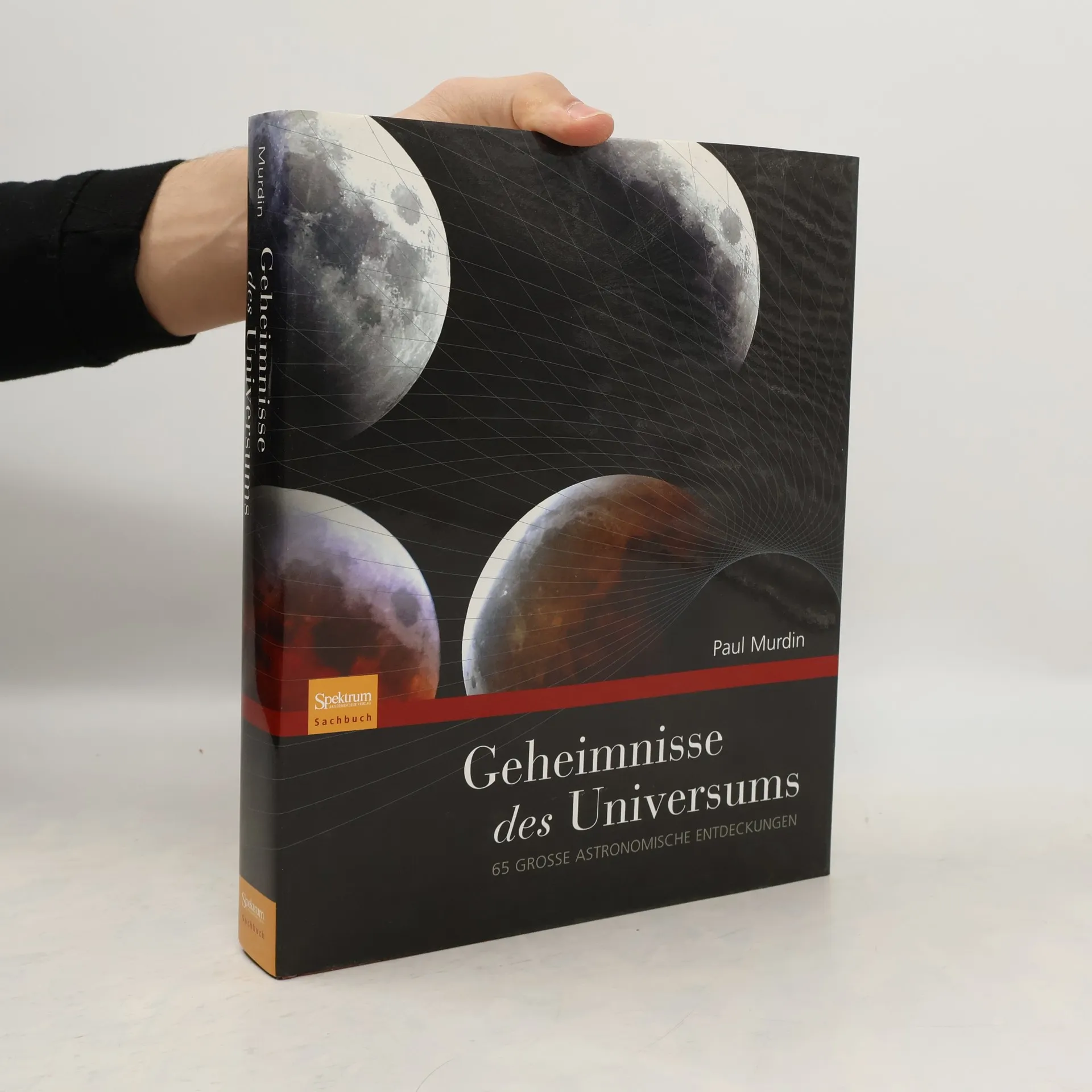
Die Astronomie stellt grundlegende Fragen über das Universum und unseren Heimatplaneten Erde. Seit 25.000 Jahren sucht der Mensch nach Erklärungen für kosmische Phänomene. In einer Zeit bemerkenswerter astronomischer Entdeckungen entwickeln sich die Beobachtungs- und Forschungstechniken ständig weiter, wodurch das Universum seine Geheimnisse nach und nach offenbart. Paul Murdin, ein angesehener Astronom, erzählt die Geschichten von Pionieren, die Rätsel wie die Form der Erde, die Existenz von Pluto, die Relativitätstheorie und Phänomene wie schwarze Löcher und dunkle Materie gelöst haben. Mit jedem neuen Durchbruch veränderte sich unser Blick auf das Universum, von der Erde über den Nachthimmel bis zu den unermesslichen Weiten des Alls. Murdin erklärt die Wissenschaft hinter diesen Entdeckungen klar und beschreibt die Leidenschaft, Anstrengungen und glücklichen Zufälle, die damit verbunden sind. Der historische und kulturelle Kontext sowie die internationale Zusammenarbeit in der Astronomie werden deutlich. Grafiken veranschaulichen komplexe Prinzipien, während ein Glossar und eine Zeittafel helfen, Begriffe und Entwicklungen einzuordnen. Über 500 beeindruckende Bilder, darunter Fotografien, Satellitenaufnahmen, historische Drucke und künstlerische Impressionen, dokumentieren 65 bedeutende astronomische Entdeckungen und den menschlichen Wissensdrang sowie technische Innovationen auf dem Weg zu unserem heutigen Verständnis des
Paul Murdin Bücher



Heute geben GPS-Geräte jederzeit unsere exakte Position an. Aber: Keine Positionsbestimmung ohne Nullpunkt! Ein solcher wurde erst vor 350 Jahren festgelegt, als französische Wissenschaftler den Pariser Meridian bestimmten - den Grundstein für die präzise Vermessung der Welt. Paul Murdin nimmt uns mit auf die abenteuerlichen Expeditionen der Forscher und berichtet von den vielfältigen Hindernissen, die sie im Wettstreit um die Maße der Welt überwinden mussten.
Flammendes Finale
- 276 Seiten
- 10 Lesestunden
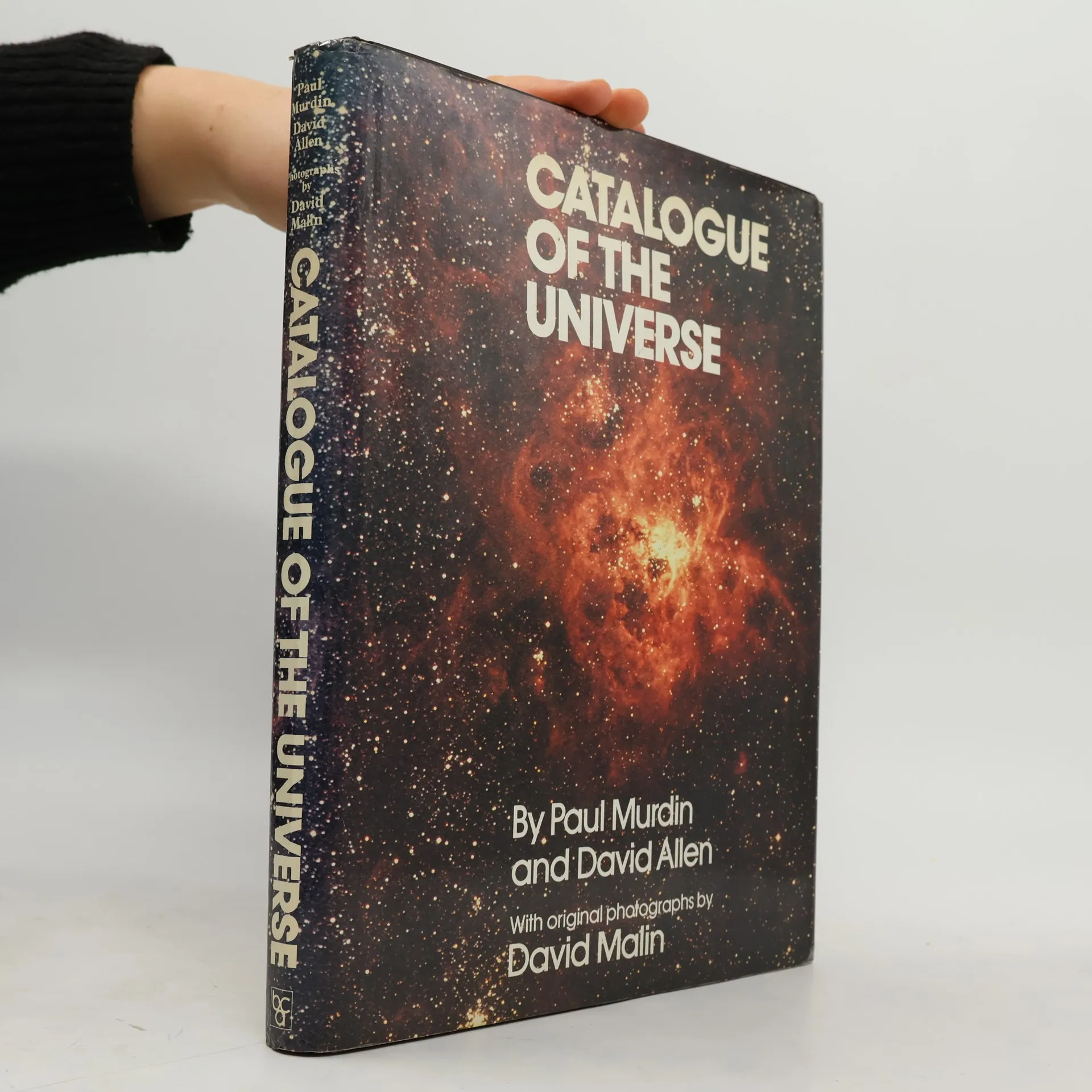
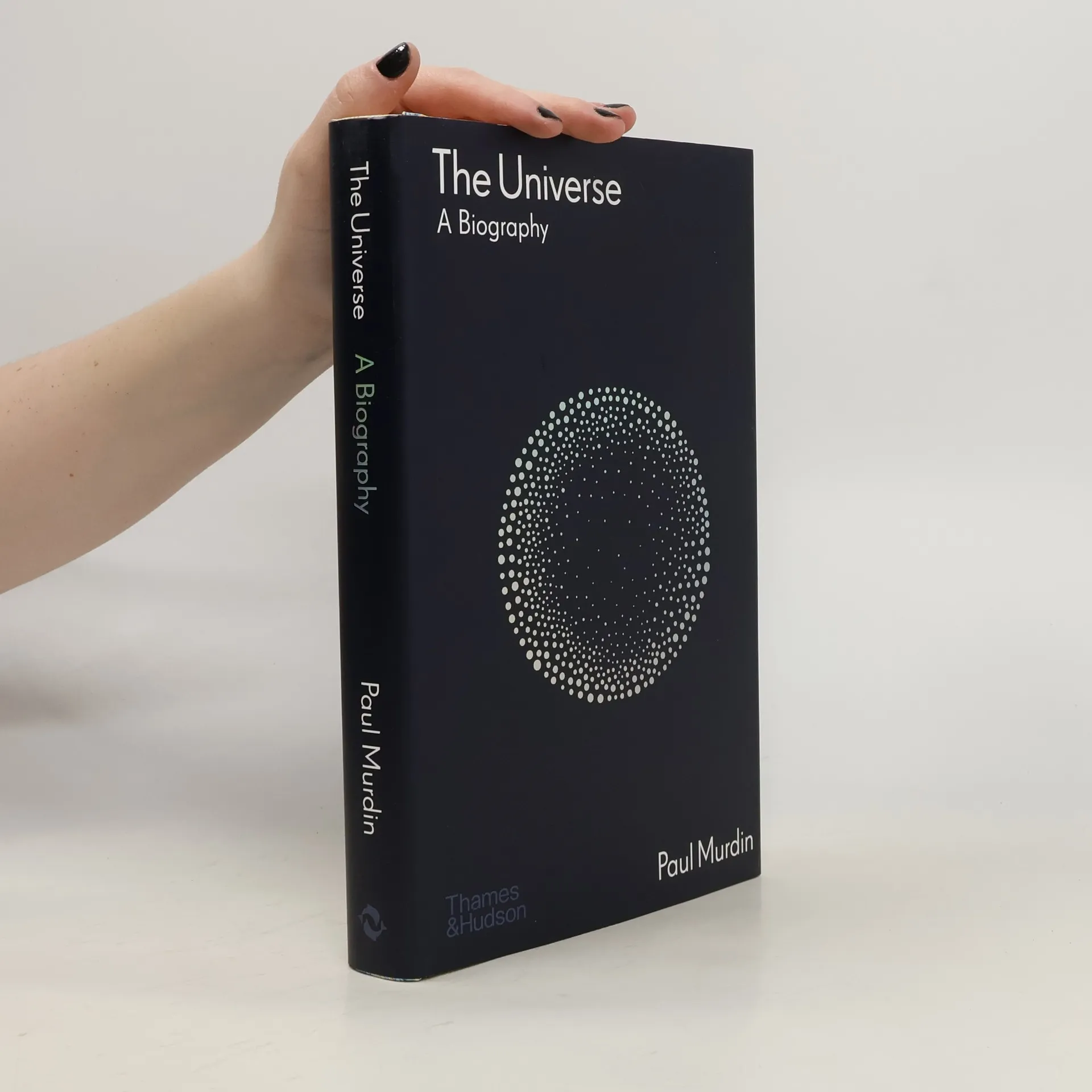
Exploring the vast timeline of the Universe, this book narrates its evolution from the initial moments of the Big Bang to contemporary times and beyond. It presents a compelling narrative that captures the complexities and wonders of cosmic development, making intricate scientific concepts accessible and engaging for readers.
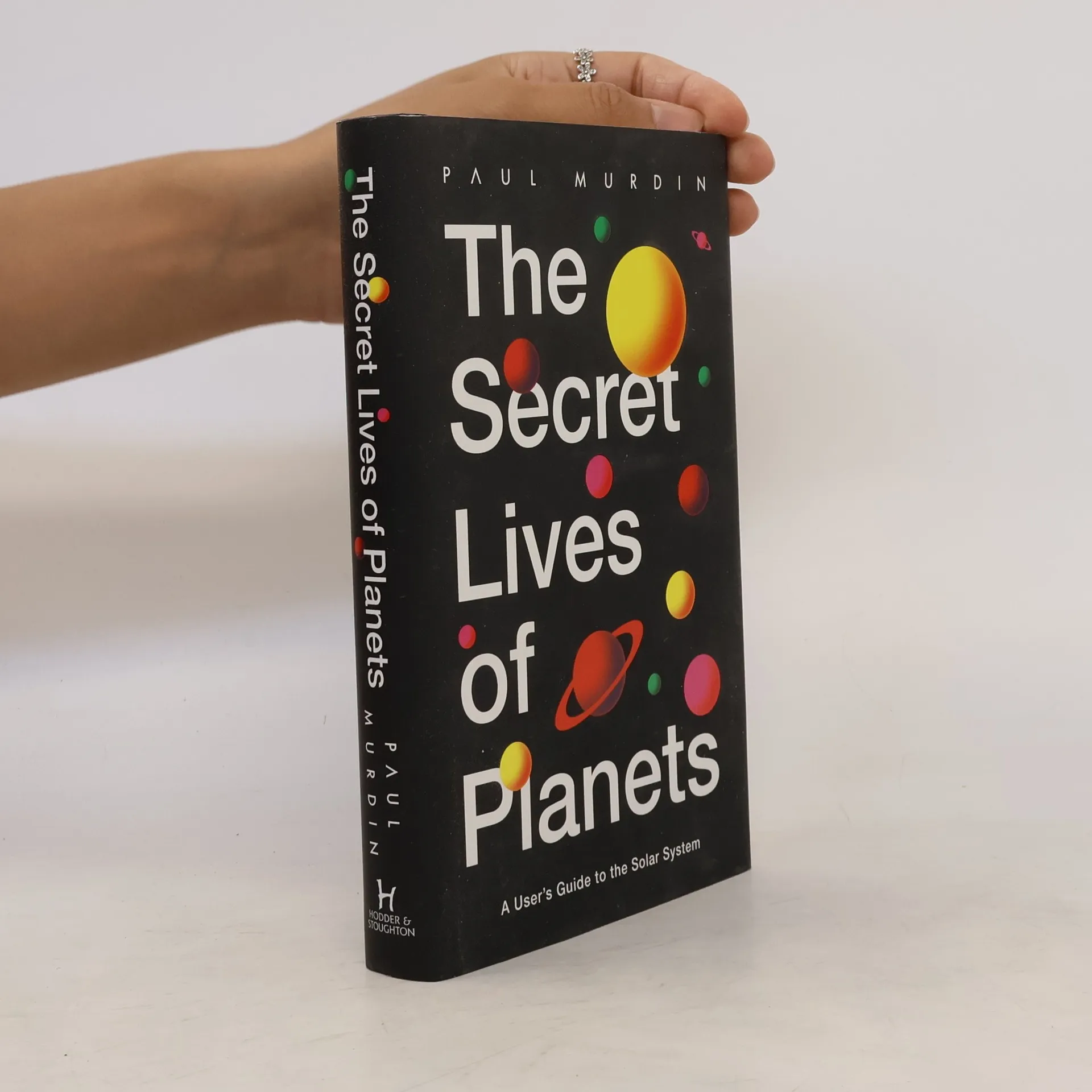
The Secret Lives of Planets : a User's Guide to the Solar System
- 288 Seiten
- 11 Lesestunden
We have the impression that the solar system is perfectly regular like a clock, or a planetarium instrument. On a short timescale it is. But, seen in a longer perspective, the planets, and their satellites, have exciting lives, full of events - for example, did you know that Saturn's moon, Titan, boasts lakes which contain liquid methane surrounded by soaring hills and valleys, exactly as the earth did before life evolved on our fragile planet? Or that Mercury is the shyest planet? Or, that Mars' biggest volcano is 100 times the size of Earth's, or that its biggest canyon is 10 times the depth of the Grand Canyon, or that it wasn't always red, but blue? The culmination of a lifetime of astronomy and wonder, Paul Murdin's enchanting new book reveals everything you ever wanted to know about the planets, their satellites, and our place in the solar system
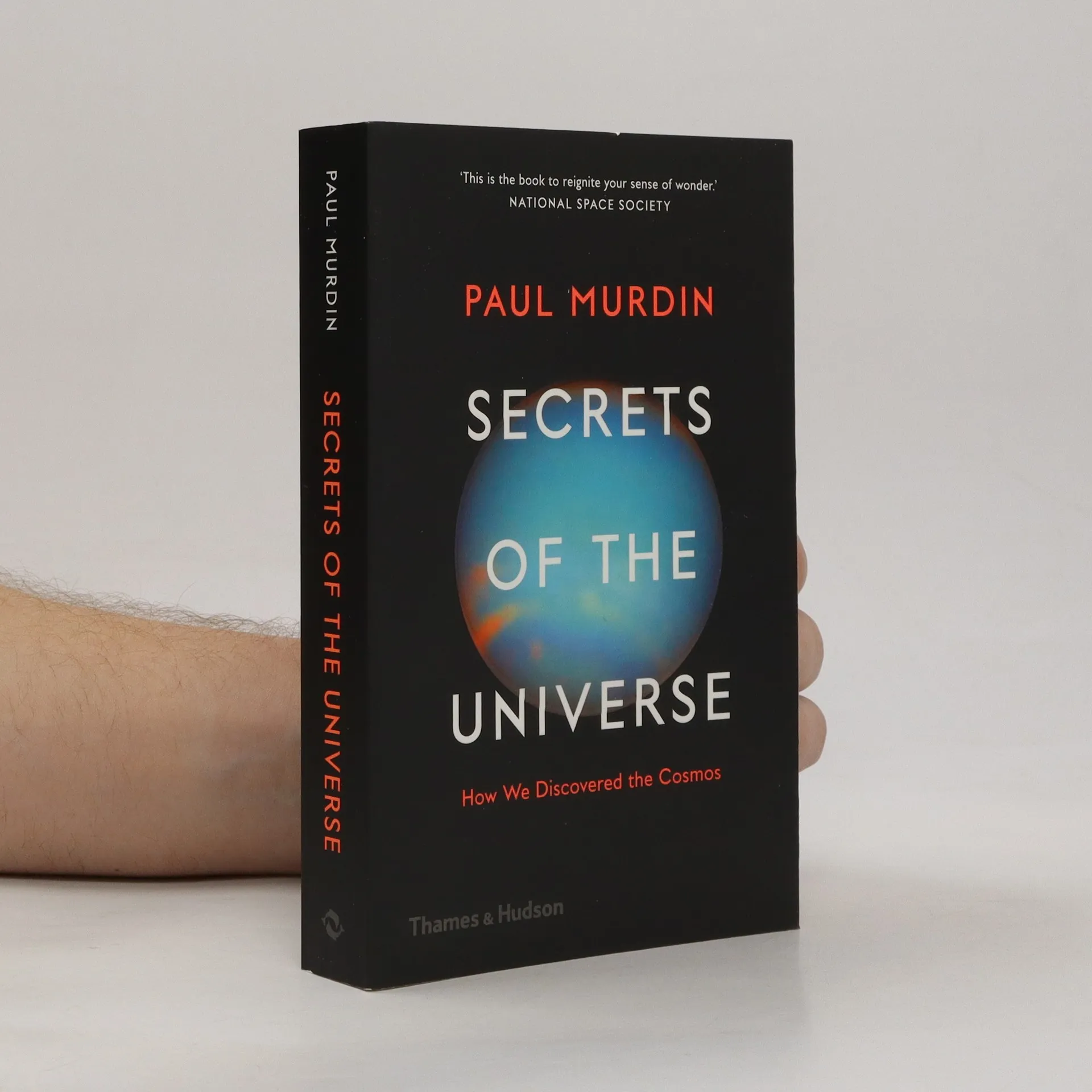
Secrets of the Universe
- 352 Seiten
- 13 Lesestunden
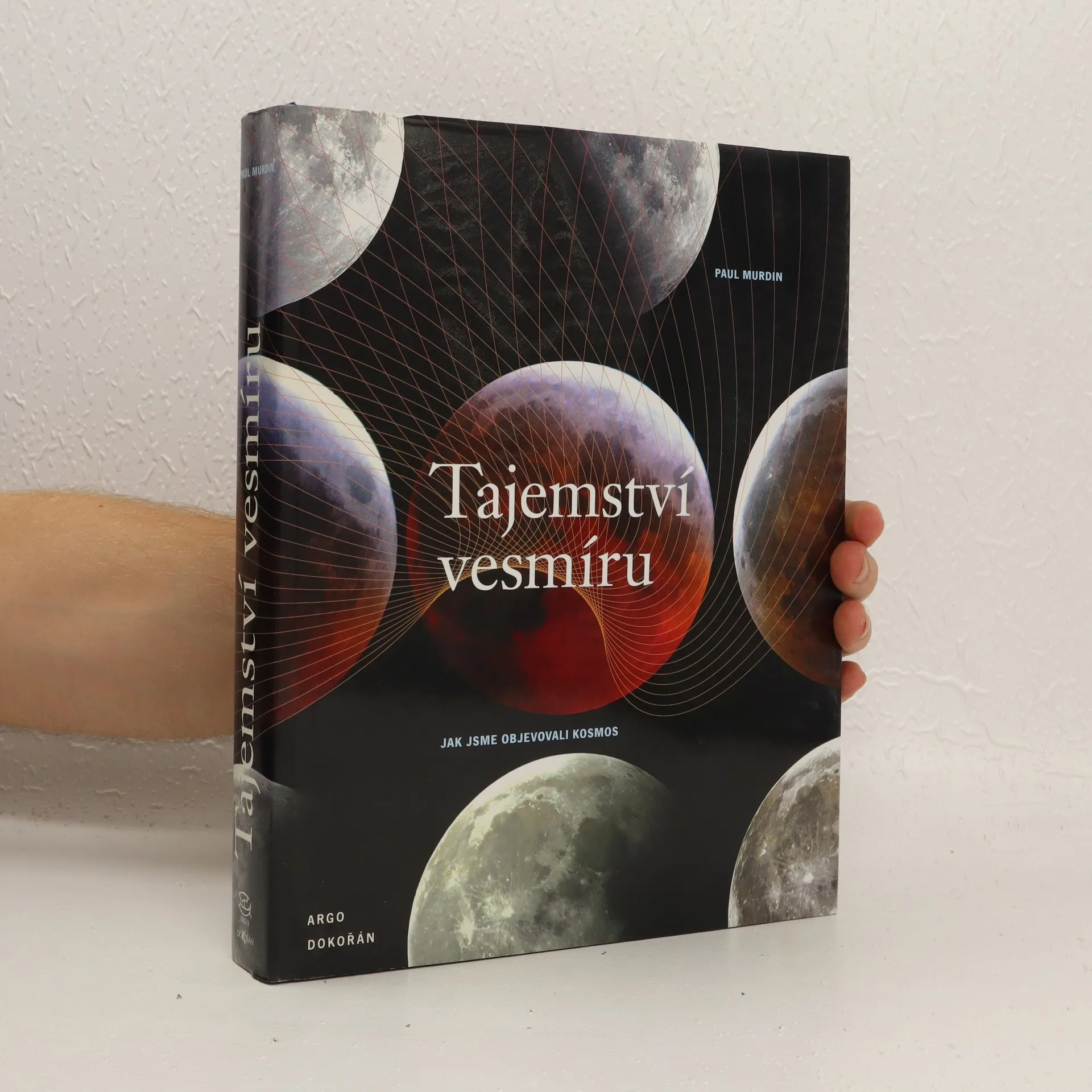
How did our universe come to exist? Why do stars shine? Is there life beyond the Earth? For millennia, humans have looked to the celestial sphere to explain the cosmos,first recording the movements of the Moon 25,000 years ago. Since the Enlightenmentand the dawn of the space age, scientists have been unravelling cosmic mysteries, andraising astonishing new questions for future generations to answer. Today we live inan age of unprecedented astronomical revelation, from the discovery of water on Marsto the detection of gravitational waves and the first photograph of a black hole. World-renowned astronomer Paul Murdin explains the science behind these discoveries, along with the passions, strugglesand quirks of fate that made them some of the most intriguing dramas of their times,demonstrating how human ingenuity and technological innovation have expandedour knowledge of the Universe beyond anything our ancestors - even as recently asa generation ago - could ever have imagined.
Královnin náhrdelník Díl I.
Paměti lékařovy VI.
Pokračování Pamětí lékařových .Bývalá služebná Andrei de Taverney Nicol, se zaplete do podvodu s náhrdelníkem pro královnu. Podvodníci zneužijí zamilovaného Ludvíka de Rohan, který je ochoten pro svou lásku ke královně učinit cokoli.
L'histoire de l'astronomie
- 124 Seiten
- 5 Lesestunden
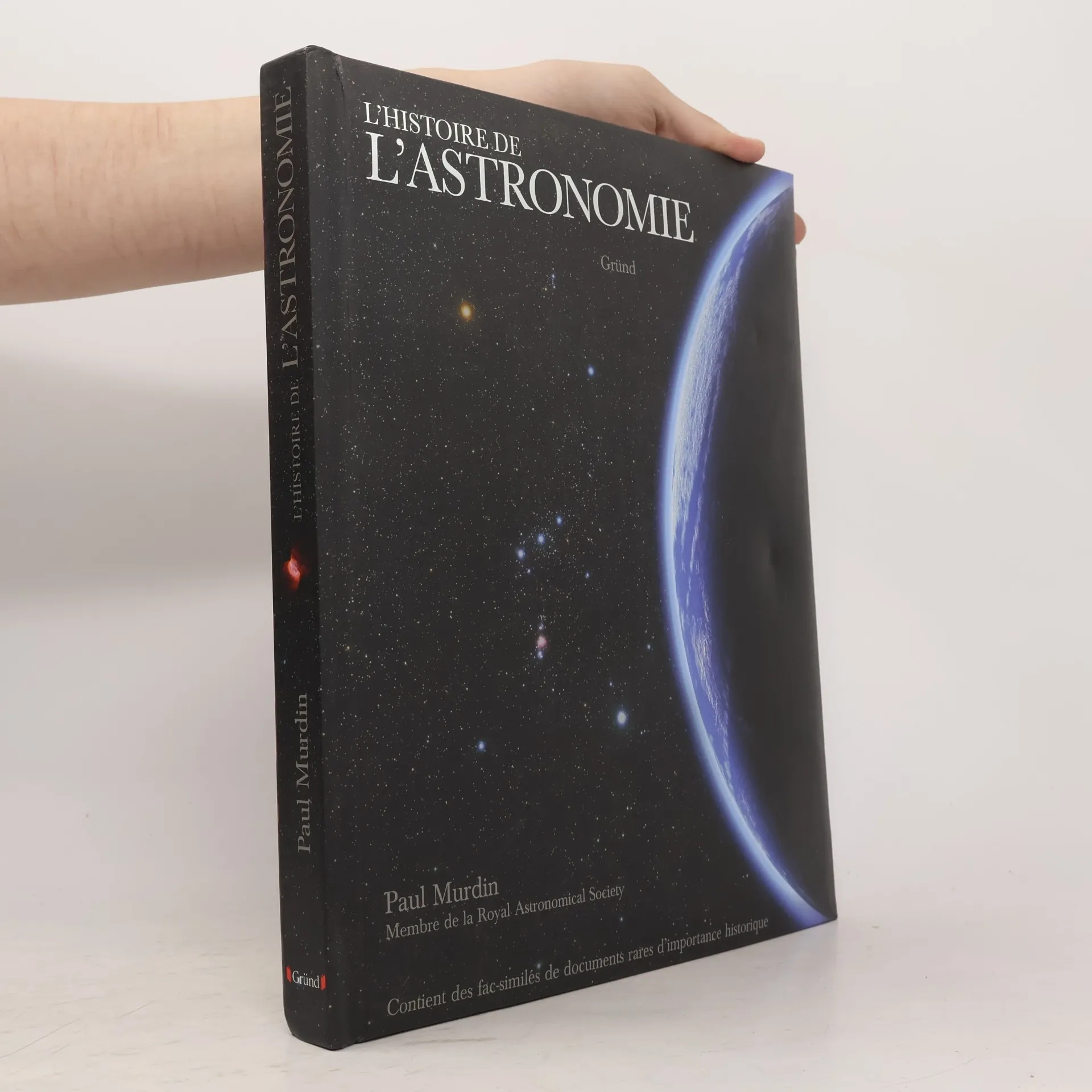
Depuis la nuit des temps, les hommes regardent avec émerveillement et crainte le ciel étoilé. Dès l’âge de pierre, ils ont associé aux positions aléatoires des étoiles des figures dans lesquelles ils ont projeté leurs conceptions des dieux. C’est sur ces bases superstitieuses que s’est développée la science de l’astronomie. Dans cette Histoire de l’Astronomie, le professeur Paul Murdin, astronome de renommée mondiale, nous emmène dans un voyage retraçant l’évolution de notre compréhension de l’Univers. Nous y découvrons que les astronomes ont toujours exploité les techniques les plus avancées de leur époque afin d’analyser les plus infimes messages de lumière ou d’autres rayonnements des lointains corps célestes. Il y a près d’un demi-siècle, l’humanité laissait ses premières empreintes dans la poussière lunaire ; aujourd’hui, nous continuons d’envoyer dans l’espace des satellites et des sondes dans le même but de percer les mystères de l’univers.