Wolfgang Tillmans: Reader präsentiert erstmals systematisch die Beiträge des Künstlers als Denker, Autor und Gesprächspartner, der sich in vielfältigen kreativen Ausdrucksformen für aktuelle Themen einsetzt. Seit Beginn seiner Karriere hinterlässt Tillmans sowohl auf der gedruckten Seite als auch an der Wand Eindruck, indem er Texte und Bilder in Magazinbeiträgen verwebt und seine fotografische Praxis reflektiert. Diese Anthologie vereint Texte und Interviews aus über drei Jahrzehnten, darunter unveröffentlichte Materialien sowie Reproduktionen von Magazinprojekten und Künstlerbüchern, und bietet einen chronologischen Überblick über Tillmans' Gedanken zu Fotografie, Musik, Nachtleben, Astronomie, Spiritualität, Politik und Aktivismus. Die Quellen sind vielfältig: Gespräche aus Ausstellungskatalogen werden durch Social-Media-Posts und Songtexte ergänzt. Dieser Band zeichnet Tillmans’ Beiträge zur Kunst- und Kulturkritik nach, im Kontext der sozialen und kulturellen Veränderungen der letzten 30 Jahre. Seit über 30 Jahren hinterfragt Tillmans die Möglichkeiten des Bildermachens, verbindet Intimität mit Sozialkritik und hinterfragt bestehende Werte und Hierarchien. Bekannt wurde er in den frühen 1990er-Jahren durch seine Fotografien der Jugend- und Populärkultur und hat sein Werk auf verschiedene Genres und Praktiken ausgeweitet. Er erhielt mehrere Auszeichnungen, darunter den Turner Prize und den Hasselblad Award. Tillmans lebt u
Wolfgang Tillmans Bücher



„Die Concorde ist vielleicht das letzte Beispiel einer techno-utopischen Erfindung aus den 60er Jahren, die noch heute in Betrieb und voll funktionsfähig ist. Ihre futuristische Form, ihre Geschwindigkeit und ihr ohrenbetäubender Lärm ergreifen noch heute die Phantasie der Leute, wie schon bei ihrem Jungfernflug 1969. Die Beobachtung der Concorde in der Luft, landend oder startend, ist ein merkwürdiges und kostenloses Spektakel - ein supermoderner Anachronismus und ein Bild für den Wunsch, Zeit und Entfernung durch Technologie zu überwinden.“ (Wolfgang Tillmans)
Wolfgang Tillmans - Aufsicht
- 203 Seiten
- 8 Lesestunden
Wolfgang Tillmans, der erste in Deutschland geborene Künstler und Fotograf, der mit dem renommierten Turner Prize ausgezeichnet wurde, hat sich in den letzten Jahren als "Mr. Zeitgeist" etabliert. Seine bekanntesten Fotografien, wie Porträts von Freunden und Vertretern der Jugendkultur, Stillleben, Bilder von Kleidungsstücken und die "Concorde"-Serie, wurden in Ausstellungen und Magazinen weltweit gezeigt. Diese bedeutende Monografie über sein Werk präsentiert hauptsächlich unveröffentlichte Fotografien: Landschaften und Stadtansichten, die während des Druckprozesses mit Licht manipuliert wurden, Bilder, die ohne Negative entstanden sind, nur durch den Einsatz von Licht auf Fotopapier, und andere Abstraktionen. Das Buch enthält auch eine Vielzahl bekannterer Werke, in denen Tillmans die abstrakten Qualitäten der Natur und alltäglicher, vom Menschen geschaffener Güter untersucht. Wolfgang Tillmans ist eine bemerkenswerte Veröffentlichung über einen der wichtigsten Künstler seiner Generation.
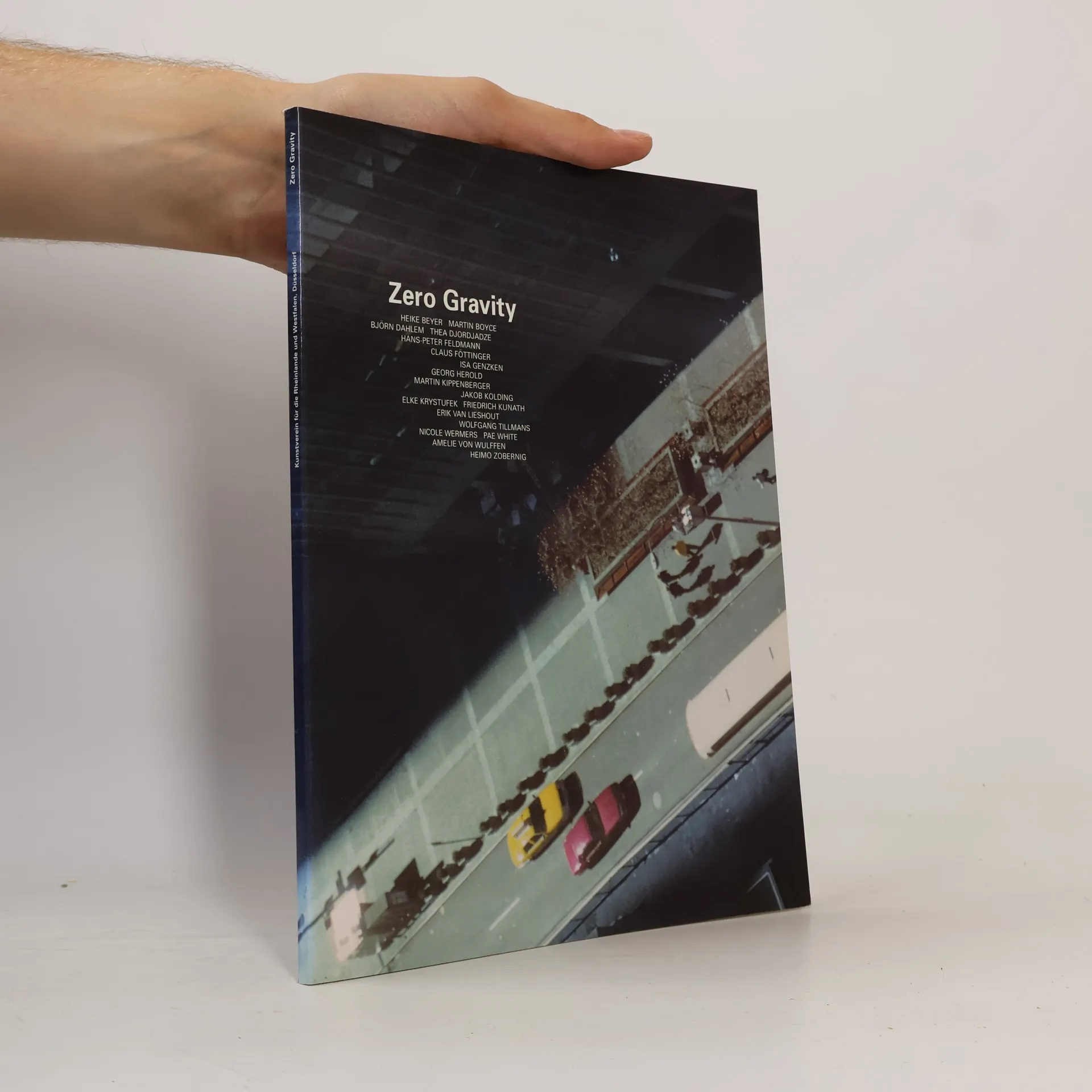
Zero Gravity
- 120 Seiten
- 5 Lesestunden
If one thing matters, everything matters - Wolfgang Tillmans
diese Publikation erscheint anlässlich der Ausstellung "if one thing matters, everything matters" in der Tate Britain, London, 6. Juni bis 14. September 2003
- 310 Seiten
- 11 Lesestunden
Jahresring - 64: Was ist anders?
- 228 Seiten
- 8 Lesestunden
Was ist anders?' ist der Titel der 64. Ausgabe des Jahresrings, die Wolfgang Tillmans als Gastredakteur konzipiert und gestaltet hat. Seit den frühen 2000ern arbeitet Tillmans an der Werkgruppe truth study centre, in der er die Beanspruchung von Wahrheit in sozialen und politischen Zusammenhängen thematisiert. Der Jahresring stellt sich der Problematik eines neu formierten Rechtspopulismus, dem Phänomen Fake News und präsentiert psychologische Forschungsergebnisse wie beispielsweise den Backfire-Effekt.
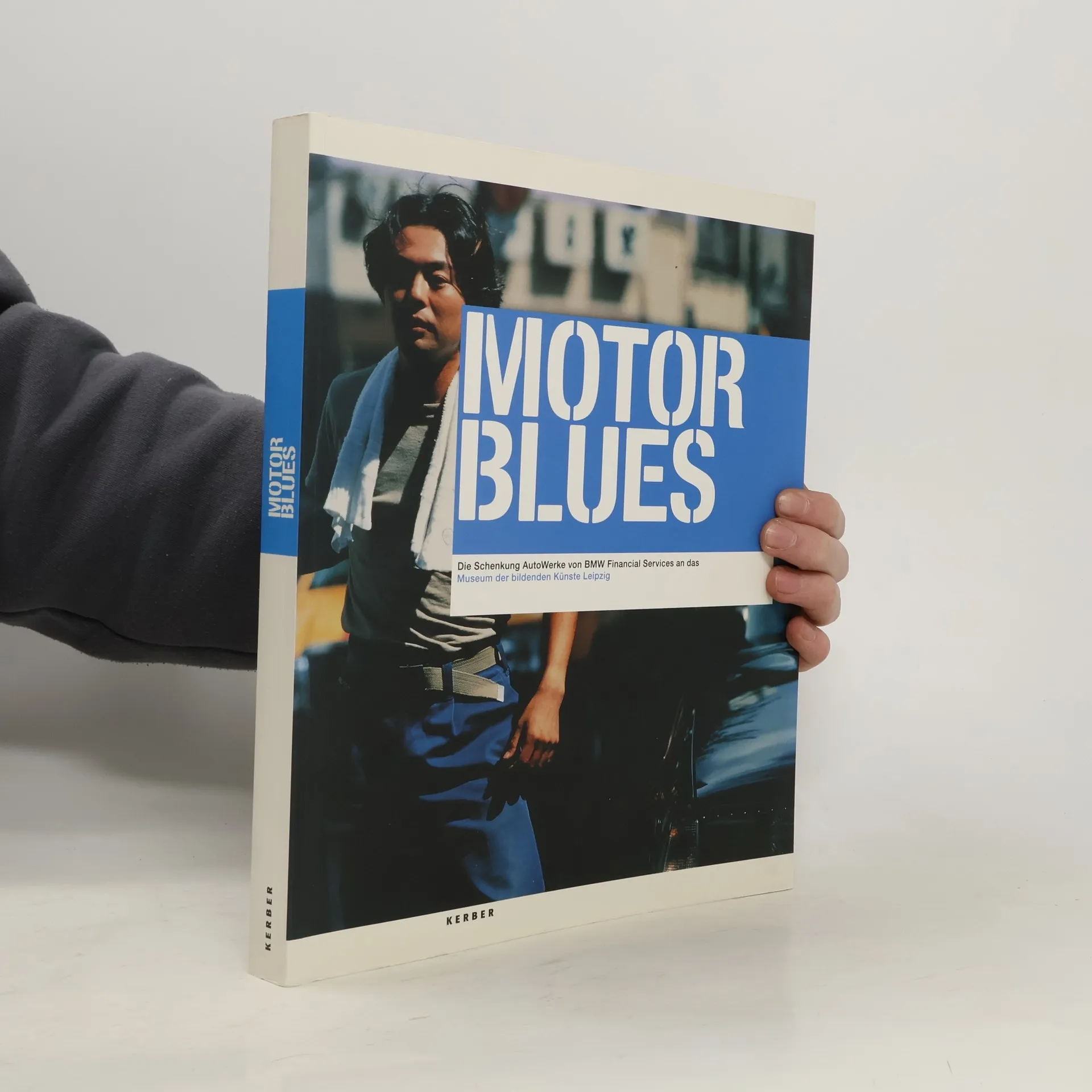
Motor Blues
Die Schenkung AutoWerke von BMW Financial Services an das Museum der Bildenden Künste Leipzig
- 296 Seiten
- 11 Lesestunden
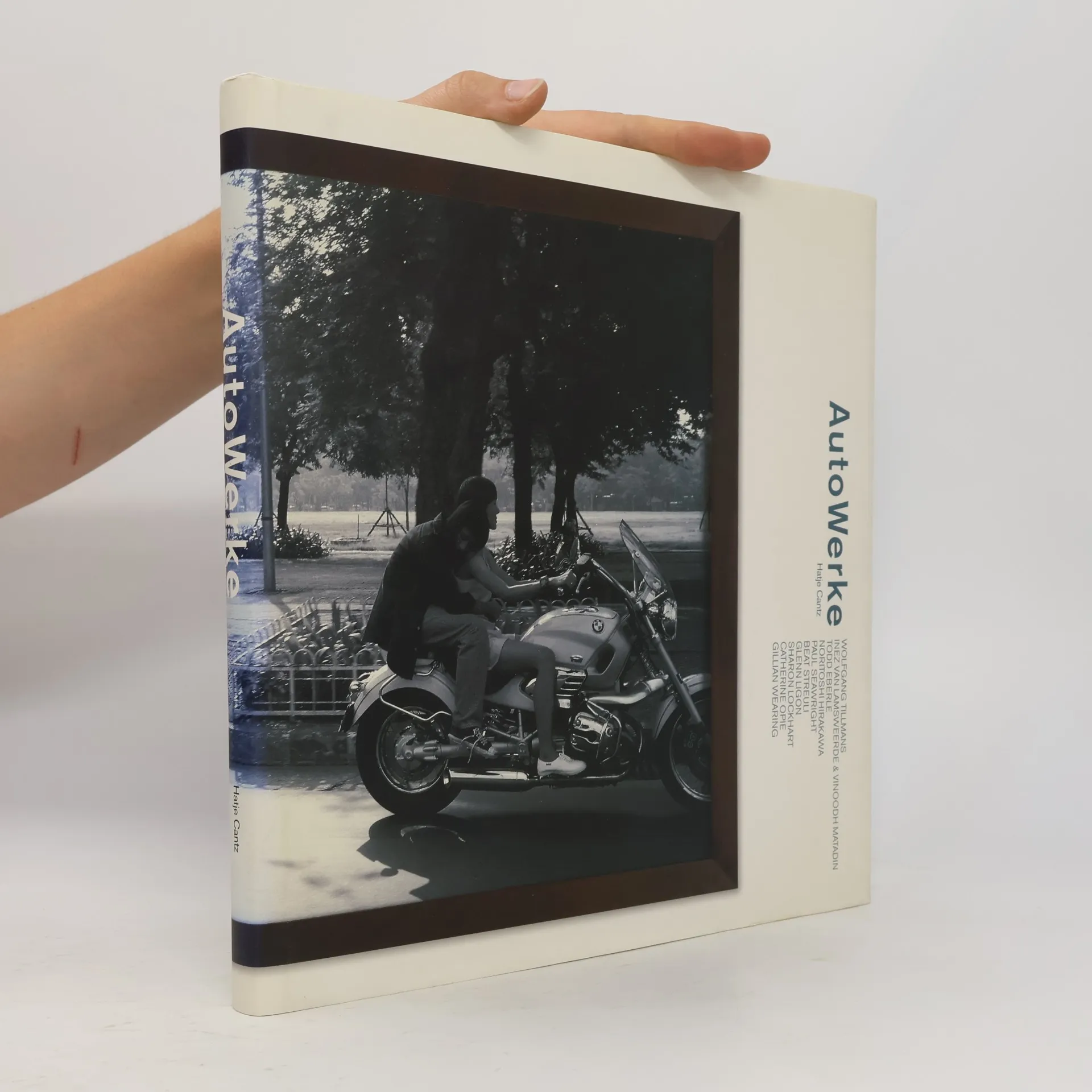
The AutoWerke photo portfolio was commissioned by BMW, which cleared the way for Candida Hàfer's gleaming factory interiors, Rineke Dijkstra's portraits of pimpled vocational-school plant trainees, and Gillian Wearing's portraits of BMW owners, among 28 other car-related projects. Crucially, the company also gave the artists enough freedom that the work stands on its own, as it will at the Leipzig Museum of Fine Arts, to which it has been donated.
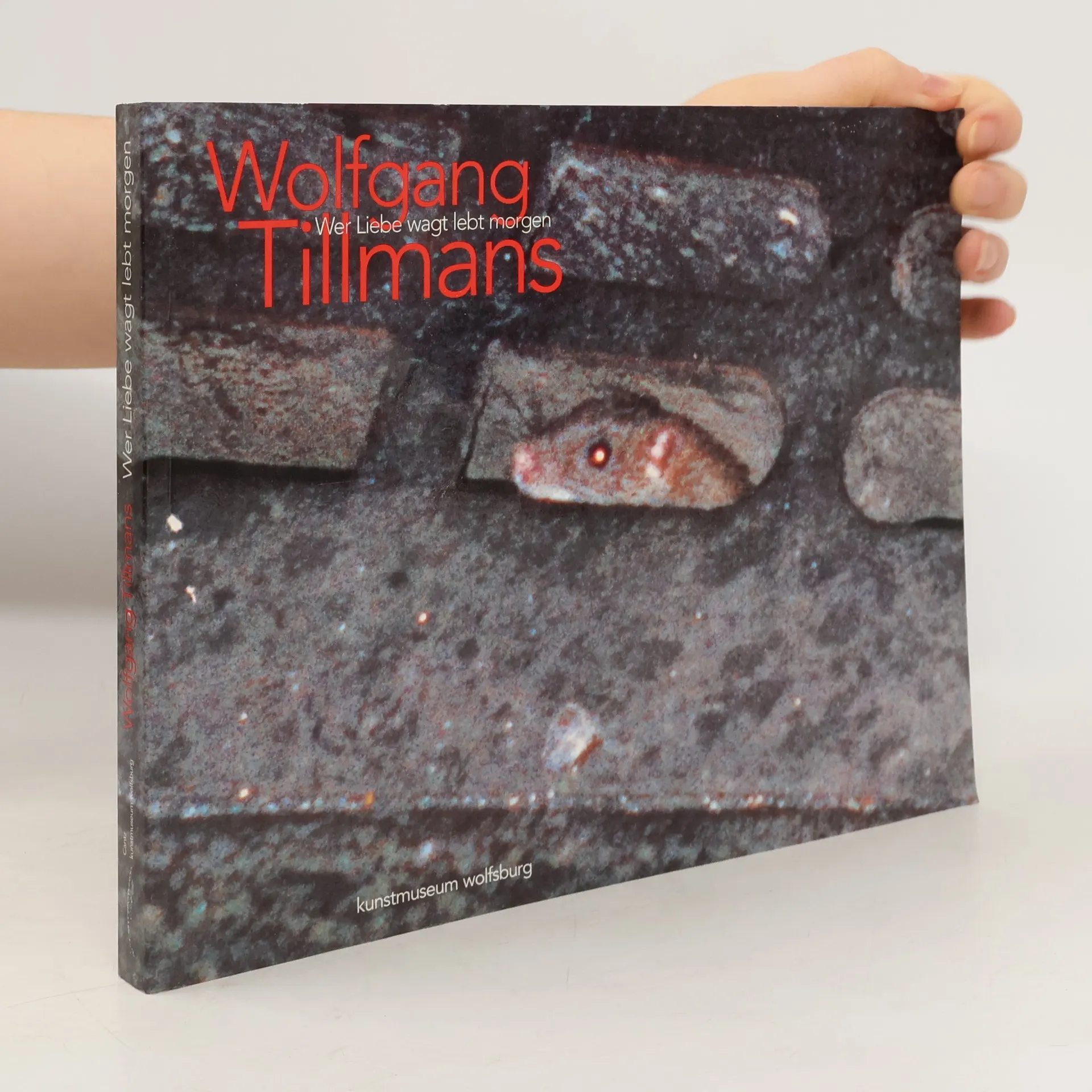
Wolfgang Tillmans, wer Liebe wagt lebt morgen. Sonderausgabe.
- 156 Seiten
- 6 Lesestunden
Abstract pictures
- 382 Seiten
- 14 Lesestunden
Apart from his seminal portraits, party images, and still lifes that gained him recognition in the nineties, Wolfgang Tillmans (1968 in Remscheid) long ago began dealing with more abstract motifs. In the past decade he has consistently developed his approach to create totally non-representational works that examine themes such as the process of exposure and image supports. From the delicate veils of color in Blushes and Freischwimmer or the sculptural paper drops made of rolled-up photographic paper, to the colorfully compelling works of the Lighter series, the photograph itself--essentially divorced from its reproductive function--becomes the objet d'art, as the book here, designed by the artist himself, impressively demonstrates. --Publisher description.
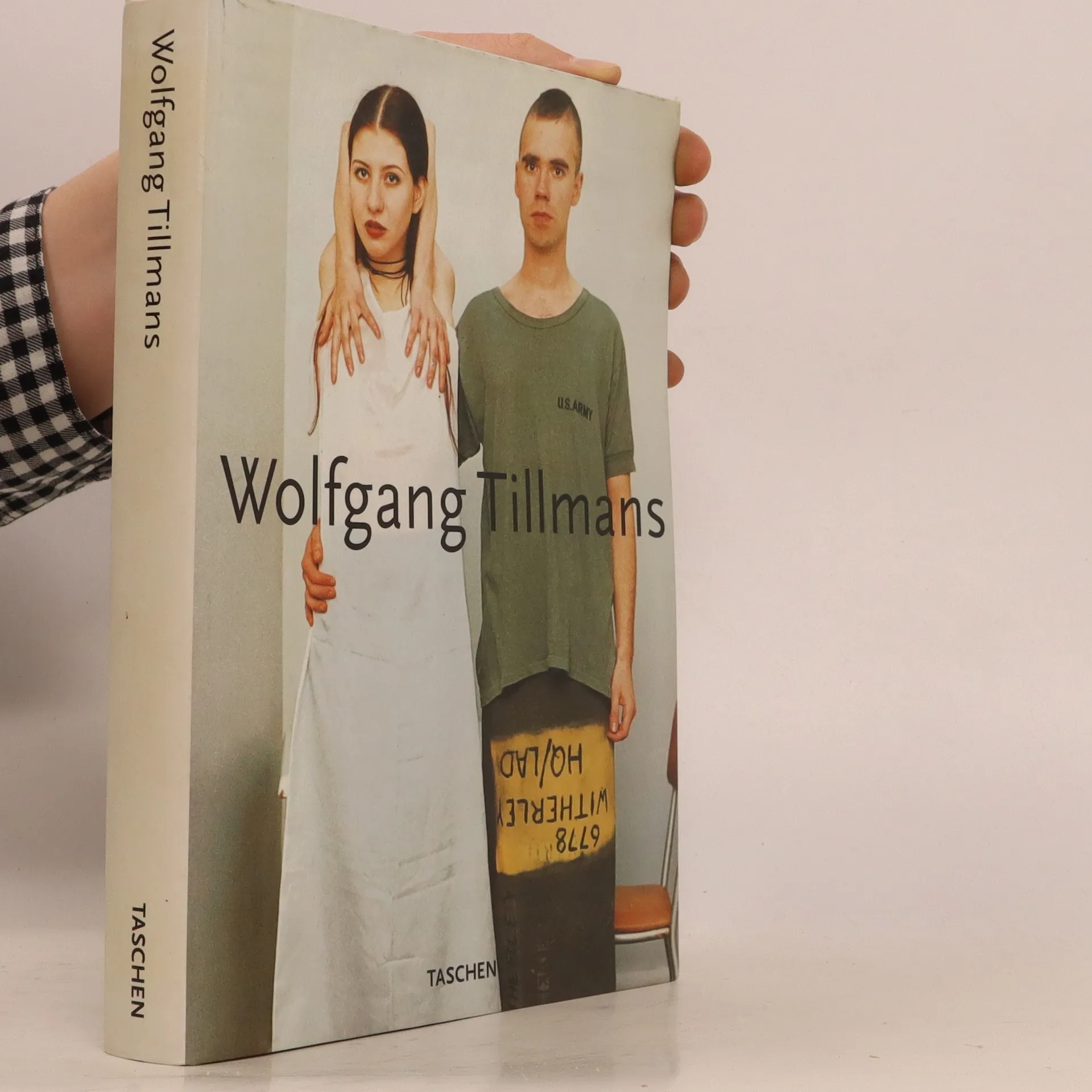
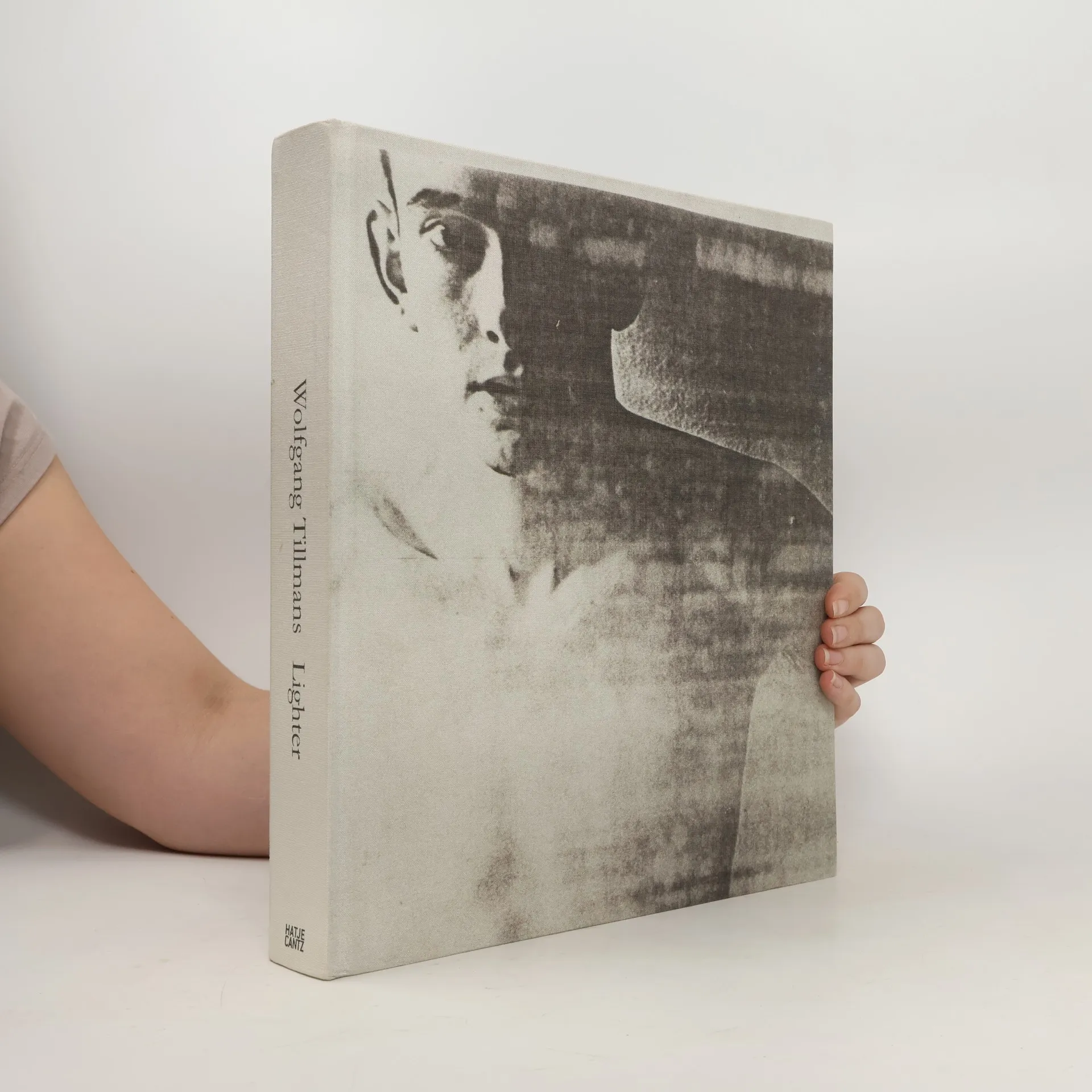
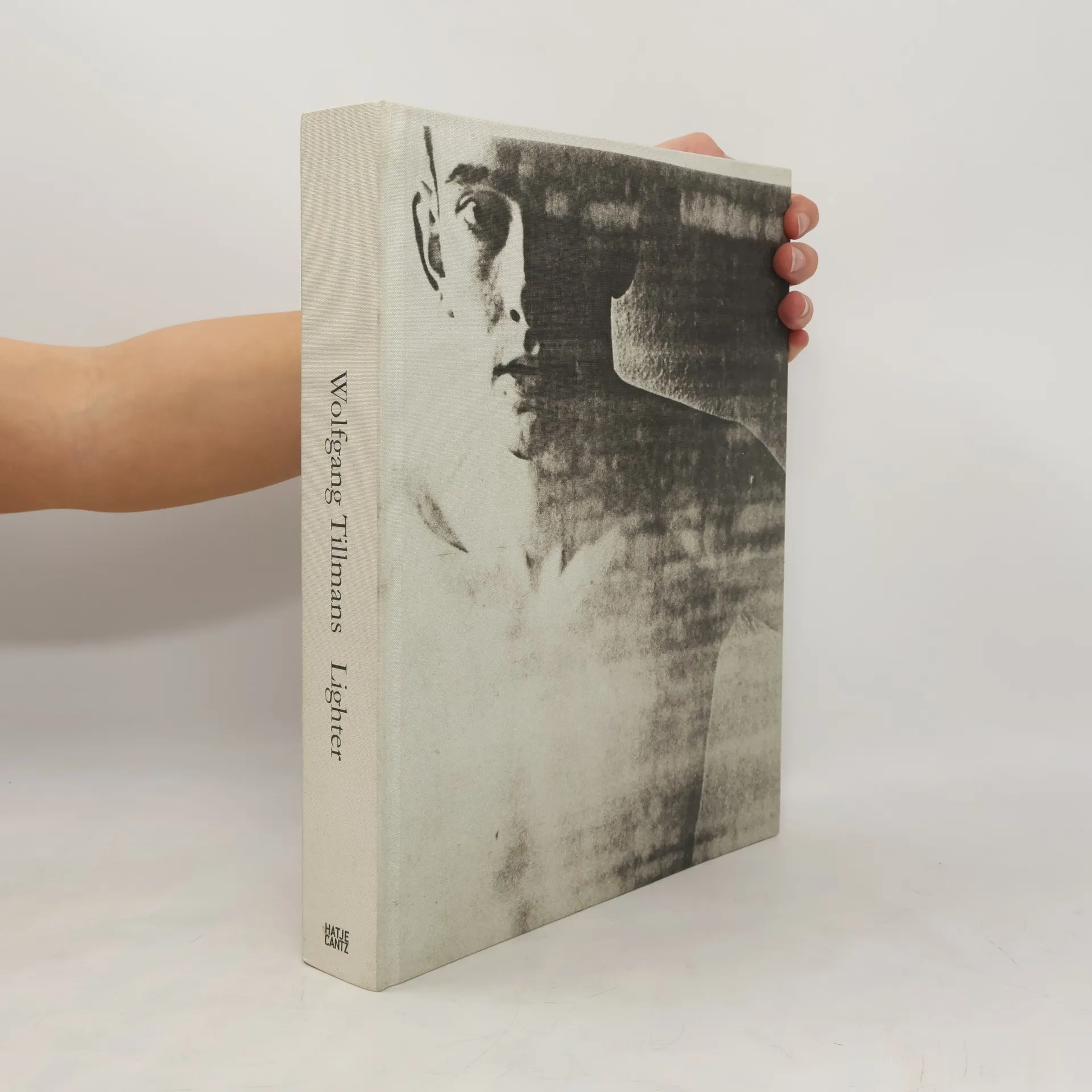
Wolfgang Tillmans
- 240 Seiten
- 9 Lesestunden
Ein tiefgehender Blick auf das ikonische Werk des international anerkannten Fotografen.
The first in a new series on evolving forms of communication This book tracks the relationship between binary code and Leibniz's Monadology; the technological and cosmological aspects of non-Western writing systems; and the power of the alphabet song.
Soldiers
- 80 Seiten
- 3 Lesestunden
Hardcover. Gray paper-covered boards with title printed in black on cover and spine; with photographically illustrated dust jacket. Photographs by and collected by Wolfgang Tillmans. Designed by Wolfgang Tillmans. 80 pp., with black-and-white plates throughout. 12 x 8-1/2 inches.
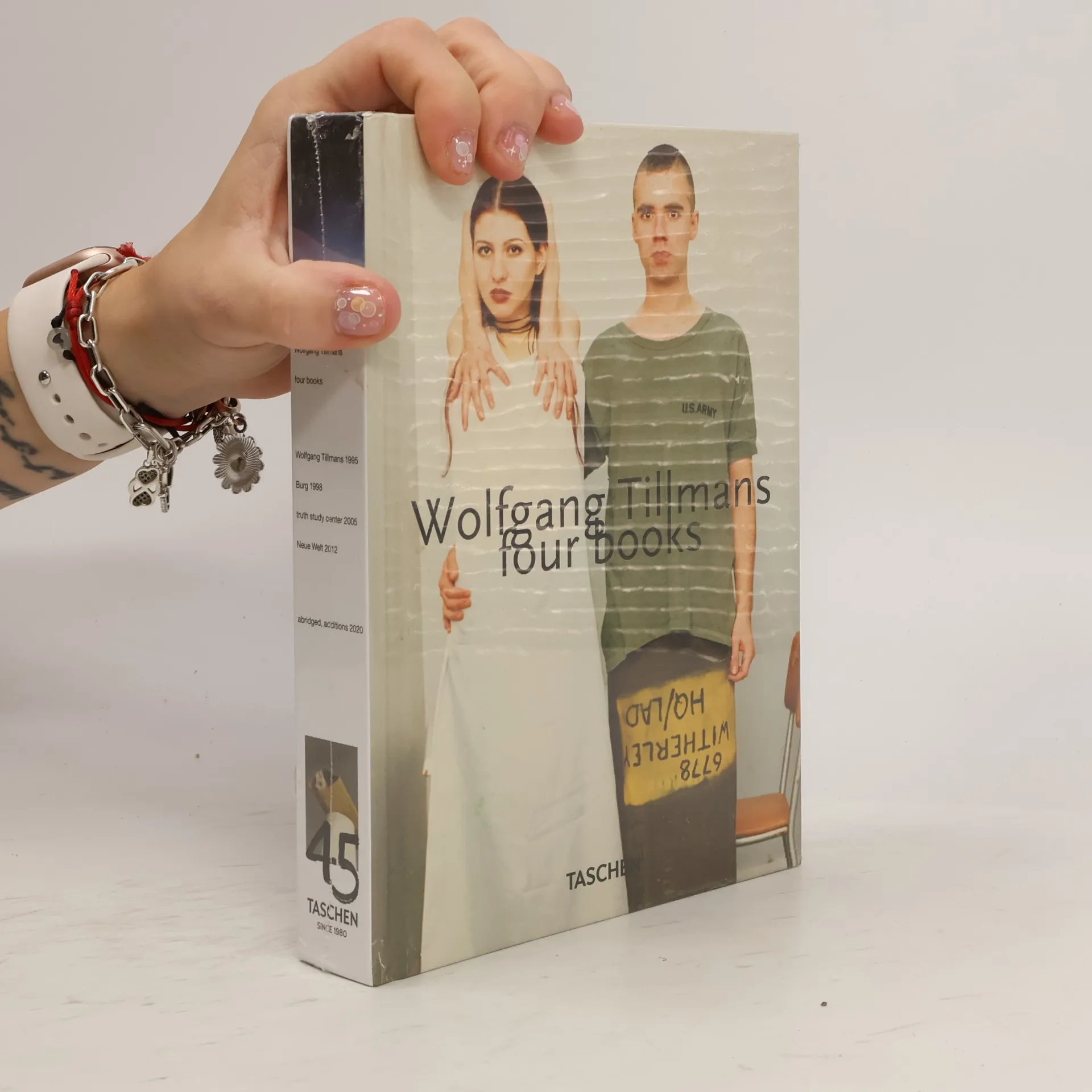
Four Books: Wolfgang Tillmans
Four Books; Wolfgang Tillmans 1995; Burg 1998; Truth Study Center 2005; Neue Welt 2012 - Abridged, Additions 2020
- 560 Seiten
- 20 Lesestunden
Wolfgang Tillmans has explored the medium of photo-imaging with greater range than any other artist of his generation. From early portraits of his friends to abstract images made in a darkroom without a camera or works made with a photocopier, he has pushed the photographic process to its outer limits in myriad ways. For this collection of photos, his fifth book with TASCHEN, Tillmans edited his previous four books into one stream of intersecting perspectives on life around the turn of the millenium. Keeping his original layouts intact, he added some new works, bringing the scope of the publication to the present day.
Wolfgang Tillmans - Kaiserringträger der Stadt Goslar 2018
- 34 Seiten
- 2 Lesestunden
Conor Donlon
- 192 Seiten
- 7 Lesestunden
„Seit vielen Jahren denke ich über die Möglichkeit von monothematischen Portraitbüchern nach, von Freunden, die ich lange Jahre fotografiert habe. Endlich hatte ich über Weihnachten die Ruhe das einmal anzugehen und bin sehr glücklich mit dem Entwurf zu Conor Donlon. Über 15 Jahre läuft das Buch chronologisch ab, und ist somit nicht nur ein Portrait einer Person, sondern auch einer Freundschaft, der Stadt London, dem Nachtleben in East London, welches jetzt in dieser Form geschlossen ist. Haarschnitte, Männermode,.. es tauchen ganz viele Aspekte in Zeitperspektive auf. Londoner werden z. B. The Ghetto, Joiners Arms, George & Dragon erkennen.“ Wolfgang Tillmans
What’s wrong with redistribution?
- 320 Seiten
- 12 Lesestunden
Seit Wolfgang Tillmans 2005 die erste vielteilige Installation 'truth study centre' präsentierte, ist diese Werkgruppe ein fester Bestandteil seiner Ausstellungen. Die Arbeiten, oft aus lokalen Gegebenheiten und ihrer Entstehungszeit hervorgegangen, spiegeln das Streben nach Klarheit in einer zunehmend unübersichtlichen Zeit wider. Tillmans erkannte früh den Paradigmenwechsel, der unser heutiges politisches Geschehen prägt. In diesem Buch, dem zweiten, das diesem Werkkomplex gewidmet ist, wird erstmals der Umfang und die Komplexität seines Projekts sichtbar. Auf 320 hochaufgelösten Seiten bietet Tillmans eine alternative Chronologie unserer Gegenwart. Er überschreitet das zentrale Medium Fotografie und stellt eine Vielzahl konträrer Meinungen und Gegenüberstellungen in immer wiederkehrenden Tischformaten dar. Die von ihm entworfenen Holztische, aus britischen Standard-Türblättern gefertigt, sind in menschlicher Dimension gehalten. Das Buch bietet durch sorgfältige Reproduktionen einen Überblick über diese neue Form der Collage aus Bildern, Schriften und Objekten, die 'nur durch ihr Eigengewicht an ihrem Platz gehalten sind'. Ein Essay von Thomas McDonough kontextualisiert Tillmans Projekt in der Tradition der Collage des 20. Jahrhunderts. Dem Künstlerbuch ist eine Fresnel-Lupe beigefügt, die das Vergrößern und Lesen kleiner Texte ermöglicht. Ab dem 28.11.2015 wird die größte Installation von 'truth study centre' im Hamburger B
Freedom from the known
- 80 Seiten
- 3 Lesestunden
Portraits
- 68 Seiten
- 3 Lesestunden
For artist Wolfgang Tillmans, portraiture is a collaborative process between photographer and accomplice. While Tillmans' photographs are often referred to as casual, they are actually the result of a carefully constructed process of engagement with his models. Each sitter, be they a world-famous rock star or a family member, projects both vulnerability and dignity. Presented here are a selection of some of the best of these portraits, taken between 1988 to 2001, and chosen by Tillmans himself. Subjects include filmmaker John Waters, architect Rem Koolhaas, musicians Moby and Michael Stipe, actresses Irm Hermann and Chloë Sevigny, as well as the artist's family and friends.
The cars
- 128 Seiten
- 5 Lesestunden
„I wanted to show how cars appear in typical street view, which is rarely the subject of photographs. Cars are usually avoided in photography - one waits until a car has exited a view. The ordinary presence of cars is rarely worthy of representation. It’s always the special car, or the extreme traffic jam or, of course, the exciting crash that is being pictured. The Cars pays tribute to the shapes and forms we look at every day. How much time we spend with them, sitting inside them, the endless hours we stare at a dashboard. Even if we don’t own a car ourselves, their presence is unavoidable. Cars are everywhere. Their sheer number is the most crazy thing about them. They appear in our lives with excessive omnipresence. In their volume cars intrude upon public space, and the way they occupy streets and open areas is rarely challenged. Virtually wherever there are people, there are cars and they are visually intermingling in whatever we see. We are looking at the world from a car and cars are in the foreground, the background or in between of what is in our view. Where they are, they add a tone, a note, a presence, a noise to the setting they’re in. [.]“
The conversation series
- 140 Seiten
- 5 Lesestunden
Over the course of two very personal conversations, Hans Ulrich Obrist and Wolfgang Tillmans discuss the photographer's work, his changing artistic vision, and various thematic pursuits since the 1980s. Tillmans' recent book Manual is discussed in detail, as are cultural and social topics like AIDS.
Wolfgang Tillmans - View from above
- 240 Seiten
- 9 Lesestunden
Wolfgang Tillmans, the first German-born artist, and first photographer, ever to be awarded Britain's prestigious Turner Prize, has become, in recent years, "Mr. Zeitgeist," as the German magazine ARt has called him. His best-known photographs, such as portraits of friends and youth culture denizens, stillifes, images of garments, and the "Concorde" series, have been shown in exhibitions and magazines throughout the world. Presenting him, however, as far more than a documentarian of Gen-X and youth culture, this major monograph on his work will present primarily unpublished land and cityscapes that have been manipulated with light during the printing process, images created without negatives, only by the use of light on photographic paper, and other abstractions. The book also includes a variety of more familiar works in which Tillmans examines the abstract qualities of nature and common, man-made goods. Wolfgang Tillmans is a remarkable publication on one of the most important artists of his generation.
FESPA Digital, Fruit Logistica
- 144 Seiten
- 6 Lesestunden
Vor einem guten Jahr besuchte Wolfgang Tillmans aus Neugier die Berliner Messe „Fruit Logistica“, das führende Branchentreffen der internationalen Fruchthandelswelt.“Dort gingen mir die Augen über angesichts der verrückten Displays und der Vielfalt und Komplexheit des internationalen Fruchthandels und seiner Verarbeitungsmaschinen. Darauf reagierte ich sofort mit der Kamera, habe die Bilder aber dann erstmal liegen lassen, um sie mit Abstand betrachten zu können, obwohl ich gleich an ein Künstlerbuch im „Concorde“- Format dachte„, erzählt er. Jetzt werden die entstandenen 66 Bilder erstmals publiziert - als Künstlerbuch im Format seines 1997 in unserem Verlag erschienen Buches “Concorde".
Bloomberg New Contemporaries
- 176 Seiten
- 7 Lesestunden
This title provides the best of the new crop of art school graduates in the UK, chosen through open submission. The catalogue features the work of the 47 participating artists and accompanied the exhibition that toured various gallery venues in the UK during 2009.
Wolfgang Tillmans 2017
- 310 Seiten
- 11 Lesestunden
This new publication, accompanying an exhibition at Tate Modern, will examine Tillmans's evolving practice showcasing his photography but also his video, digital slide projections, publications and recorded music. Mark Godfrey gives an overarching view of Tillmans's practice, from the physical materiality of the work, to space and installation, to his use of abstraction. Tom Holert focuses on Tillmans's relationship with politics and society, with particular emphasis on events of the last 15 years and the way Tillmans uses images and methods of distribution to examine global concerns such as migration and identity politics. 00Wolfgang Tillmans is the first photographer to win the Turner Prize (in 2000), his practice is characterised by constant investigation into the boundaries of the photographic medium and a preoccupation with the process of photography itself. 00Exhibition: Tate Modern, London, United Kingdom (15.02-11.06.2017).
Wolfgang Tillmans, Bali
- 15 Seiten
- 1 Lesestunde
AutoWerke. Englische Ausgabe.
- 120 Seiten
- 5 Lesestunden
Ten artists working in photography - Todd Eberle, Noritoshi Hirakawa, Inez van Lamsweerde & Vinoodh Matadin, Glenn Ligon, Sharon Lockhart, Catherine Opie, Paul Seawright, Beat Streuli, Wolfgang Tillmans, and Gillian Wearing - were commissioned by BMW Financial Services to create new photographic works that would explore the products, image, and corporate culture of BMW
Burg
- 180 Seiten
- 7 Lesestunden
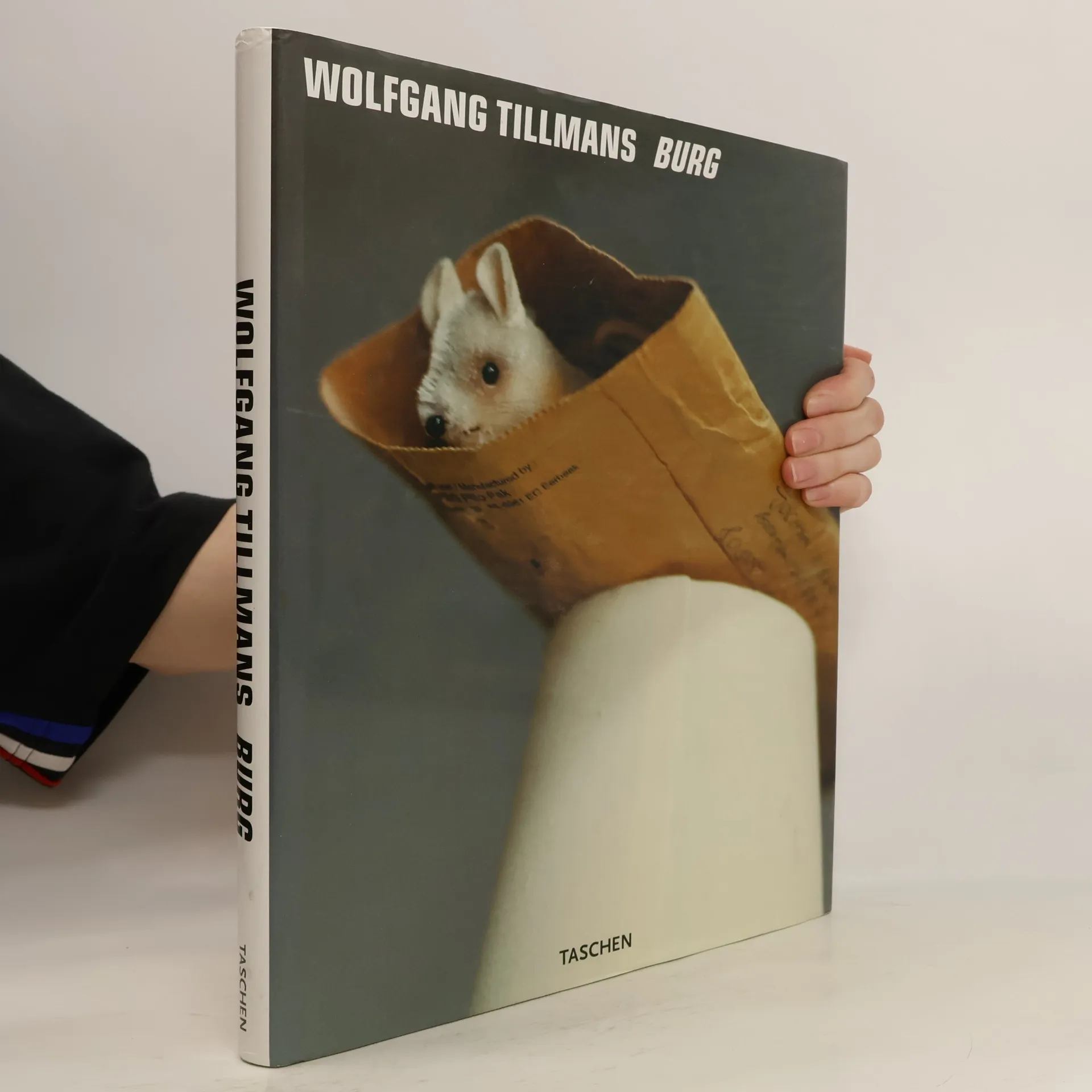
N'acceptez aucun substitut. Wolfgang Tillmans est sans doute le photographe le plus cool de la planète, et voici la preuve. Toujours imité, jamais égalé, il est le maître de l'objectif du zeitgeist, le photojournaliste devenu artiste, un homme constamment en demande, passant sans effort de magazine à séance photo de mode, puis à rétrospective en galerie. Il crée des identités, il est le nom de marque du hip. Ses images semblent iconiques avant même d'être diffusées. « Je serai ton miroir », murmure-t-il, et les enfants de la génération X se retrouvent reflétés dans ses images toujours ouvertes. Créez votre propre signification, parlez-en, de l'artifice, des mises en scène, c'est si proche de chez vous et si décontracté que vous pourriez le faire vous-même. Mais vous ne pourriez pas. Le cadrage est tout. Chaque prise de vue est classiquement composée, ce sont juste les sujets qui sont si actuels. Des portraits qui l'ont rendu célèbre, à travers les natures mortes et les paysages (soulignant les genres à chaque prise), ce livre, avec le design et la mise en page de l'homme lui-même, est un paradis de réalisme sale et de couleurs vives. Trouvant le point d'arrêt dans la surcharge d'informations, la sexualité dans la machine, et l'image dans la saturation d'images, Tillmans nous offre les brèves épiphanies que nous pourrions tout juste nous souvenir comme étant les nôtres.
Wolfgang Tillmanns truth study center
- 200 Seiten
- 7 Lesestunden
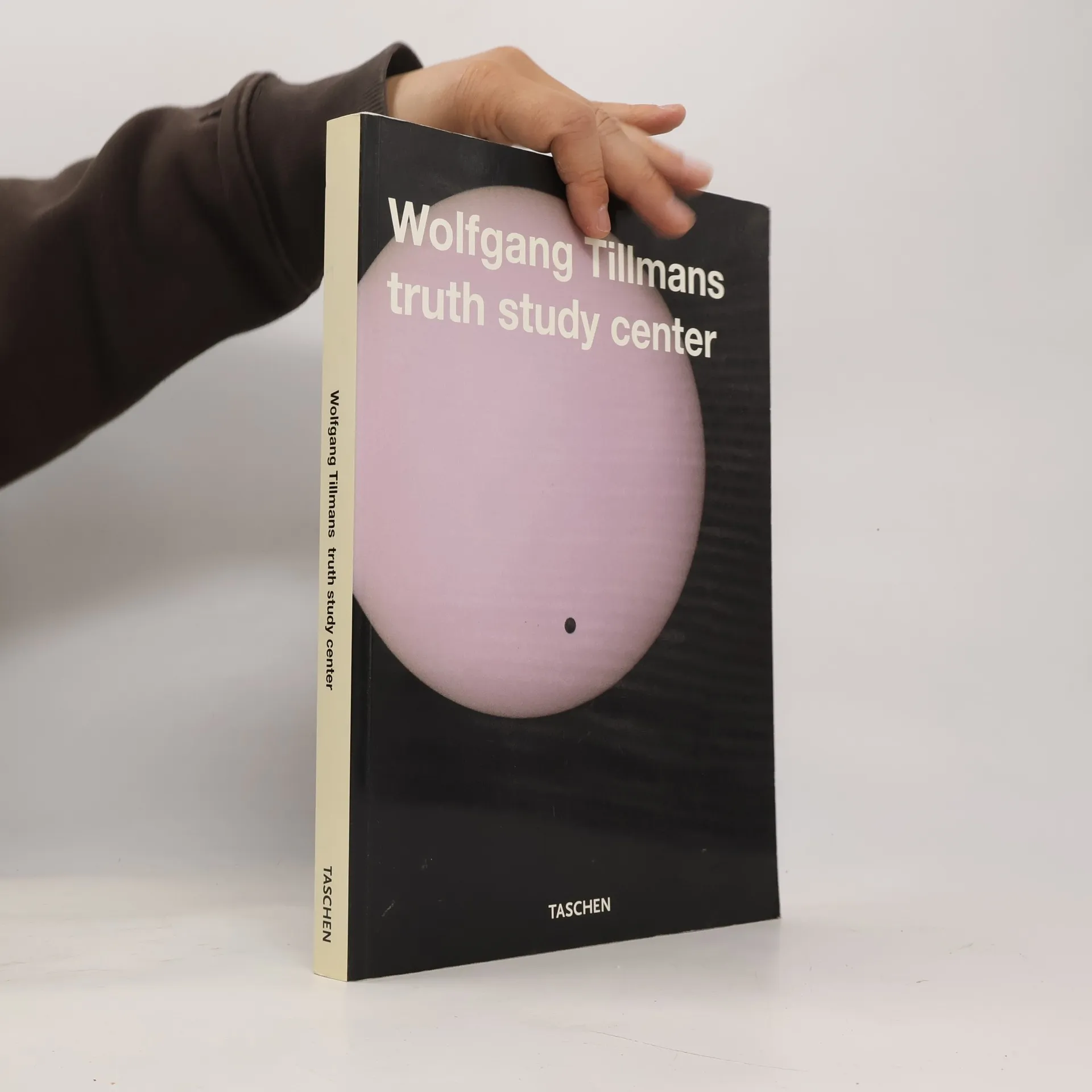
In seinem dritten Buch bei TASCHEN erkundet Starfotograf und Turner-Preisträger Wolfgang Tillmans eine weitere Ebene der uns sichtbaren Welt. Der Titel Truth Study Center ist ein ironischer Hinweis auf das Paradoxon, von unserem Wunsch eine universale Wahrheit zu finden, und der Unmöglichkeit dies zu tun. Von evokativen Aktstudien über die Portraits des britischen Premierministers Tony Blair bis hin zu Ansichten des Planeten Venus, wie er sich vor die Sonne schiebt - erstmals ist hier das volle Spektrum von Tillmans Universum, von zwei Buchdeckeln gebändigt, versammelt. Darüber hinaus zeigt das Buch eine aufregende Auswahl neuer abstrakter Arbeiten, deren lebhafte Farben und Komposition sowohl körperliche als auch atmosphärische Empfindungen beim Betrachter hervorrufen. Vom Nachtleben zum Stilleben - Tillmans, der Erfinder der snapshot-aesthetic, zeigt uns eine andere Seite der Welt, in der wir leben.
Chefs-d'œuvre ?
- 570 Seiten
- 20 Lesestunden
Chefs d'uvre L'exposition d'ouverture du centre Pompidou-Metz.