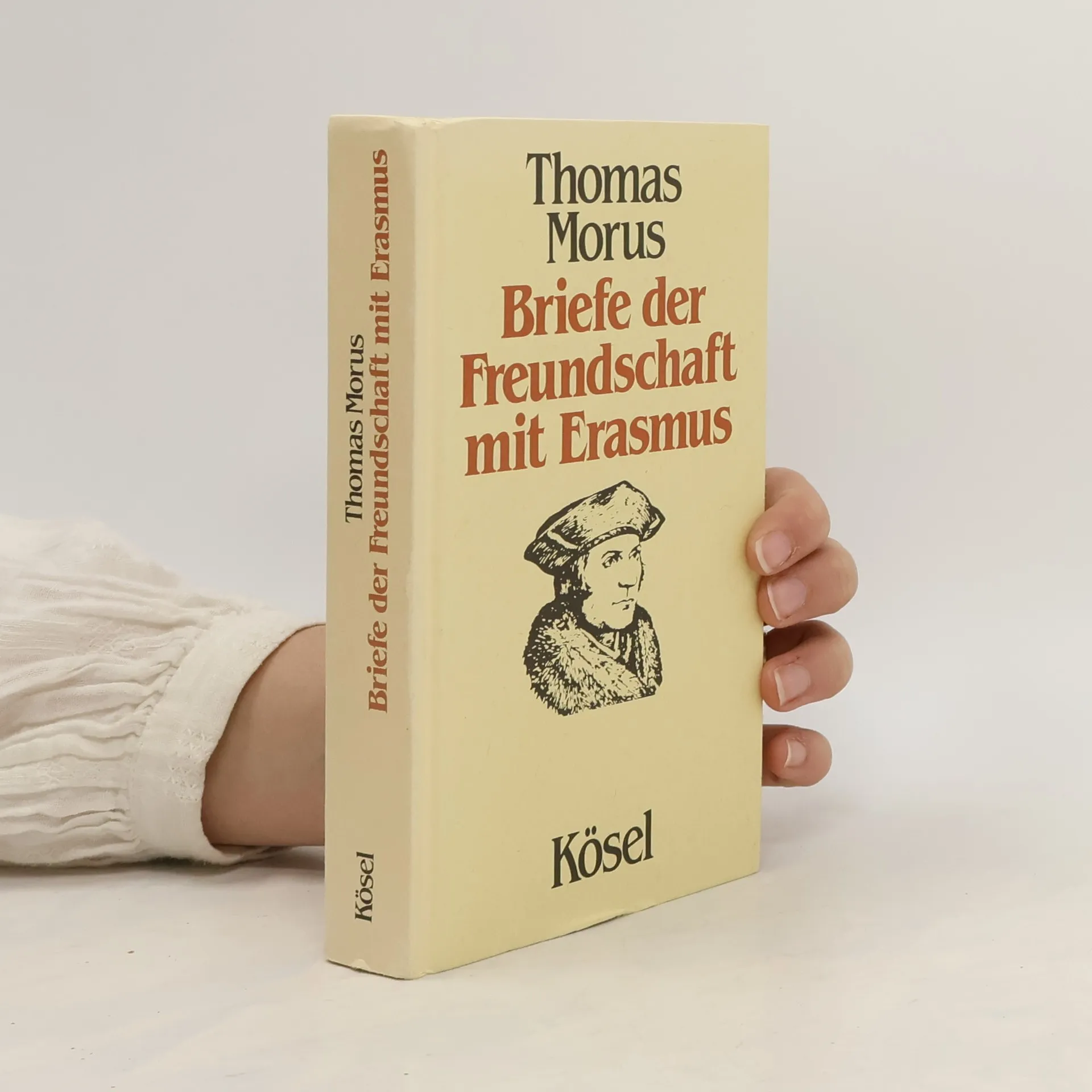
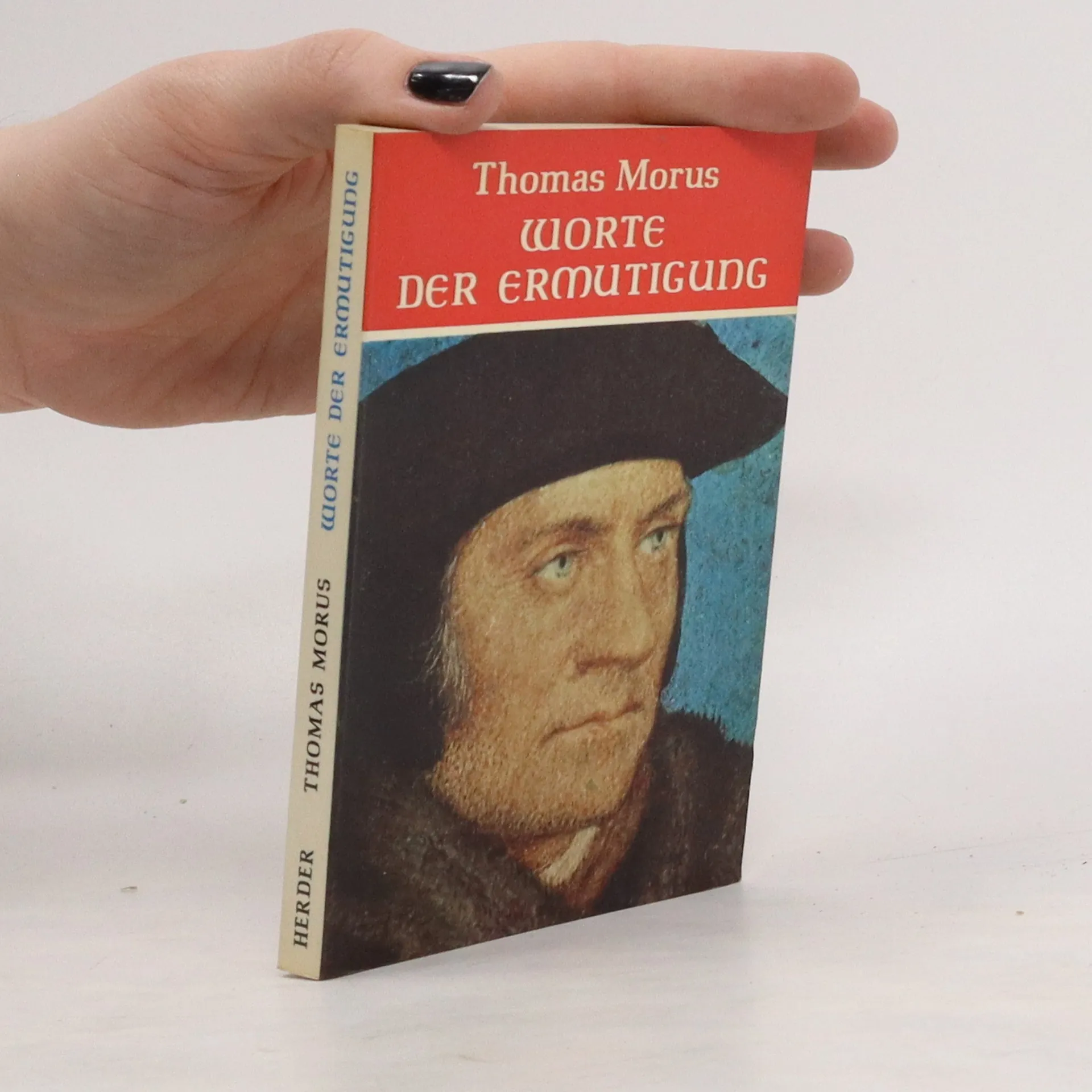
Sir Thomas More war ein englischer Anwalt, Sozialphilosoph und Autor, der den Geist der Renaissance verkörperte. Seine Schriften untersuchen politische Systeme und gesellschaftliche Strukturen, am bekanntesten ist seine Beschreibung einer imaginären idealen Inselnation in "Utopia". More's Werk spiegelt seine tiefen Überzeugungen und seine philosophische Weltsicht wider, wo Ideale und Realität aufeinandertreffen. Seine Gedanken und sein Lebensweg machten ihn zu einer bedeutenden Persönlichkeit seiner Zeit, dessen Werk bis heute nachhallt.
The book presents Thomas More's account of King Richard III, written during his tenure on Henry VIII's Privy Council. Composed between 1513 and 1518, it offers insights into the political landscape of the time and reflects More's perspective as a public servant. The narrative delves into the complexities of Richard's reign, blending historical facts with More's interpretations, ultimately shaping the legacy of one of England's most controversial monarchs.
This publication focuses on making historical works accessible by using large print, catering specifically to individuals with impaired vision. The initiative by Megali highlights the importance of inclusivity in literature, ensuring that classic texts can be enjoyed by a broader audience.
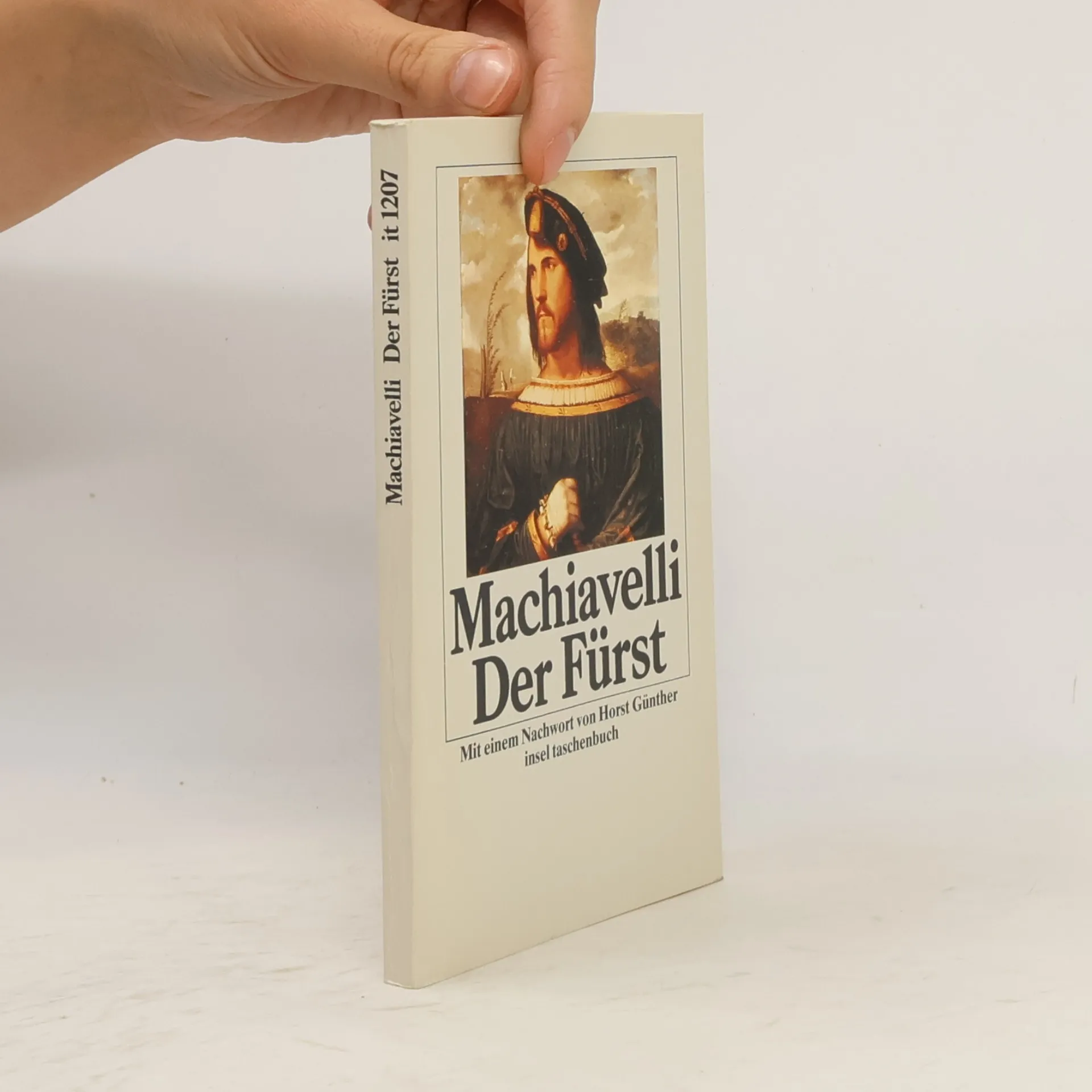
Niccolò Machiavellis 1532 veröffentlichte Schrift „Il Principe“ hat sich als „Der Fürst“ in die Weltliteratur eingetragen. In seiner Radikalität und der scharfen Trennung zwischen politischem Handeln und individuellen Entscheidungen überstrahlt Machiavellis Werk die politischen Theorien seiner Zeitgenossen. Er untersucht, was das oberste politische Amt ist, die verschiedenen Arten davon, sowie deren Erhalt und Verlust. Im Fokus stehen Herrschaftsbildung und -sicherung, wobei alle Handlungen des Fürsten an ihrem politischen Zweck gemessen werden: der Erhaltung der Herrschaft. Der Erfolg hängt nicht vom moralischen Wert, sondern von der Wirkung des Verhaltens ab. Dieser amoralische, erfolgsorientierte Rationalismus verstörte viele Zeitgenossen. „Machiavellismus“ wurde zum Synonym für Verschlagenheit, Amoral und Rücksichtslosigkeit in der Politik. Skrupellose Machtpolitik wird oft als „machiavellistisch“ bezeichnet, und die berühmte „Realpolitik“ beruft sich auf Machiavellis Werk. Im Laufe der Jahrhunderte wurde „Il Principe“ unterschiedlich interpretiert, zuletzt auch von der Managementlehre adaptiert, sei es in Führungsstrategien oder Karriereplanung. Dennoch lohnt sich ein Blick ins Original, denn „Der Fürst“ bietet eine realistische, zeitlose Analyse der Politik, in der staatliche Interessen stets über ethische Überlegungen gestellt werden.
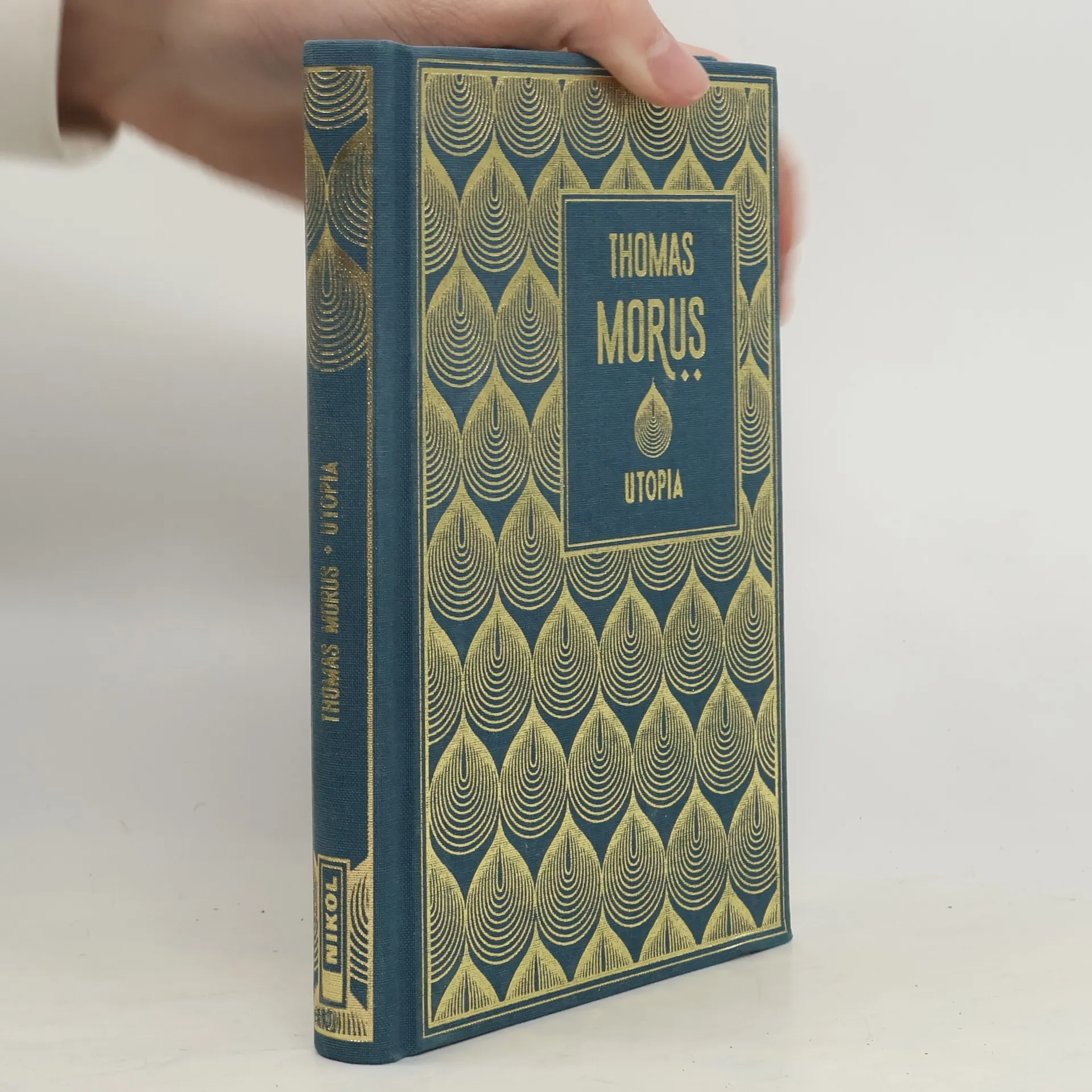
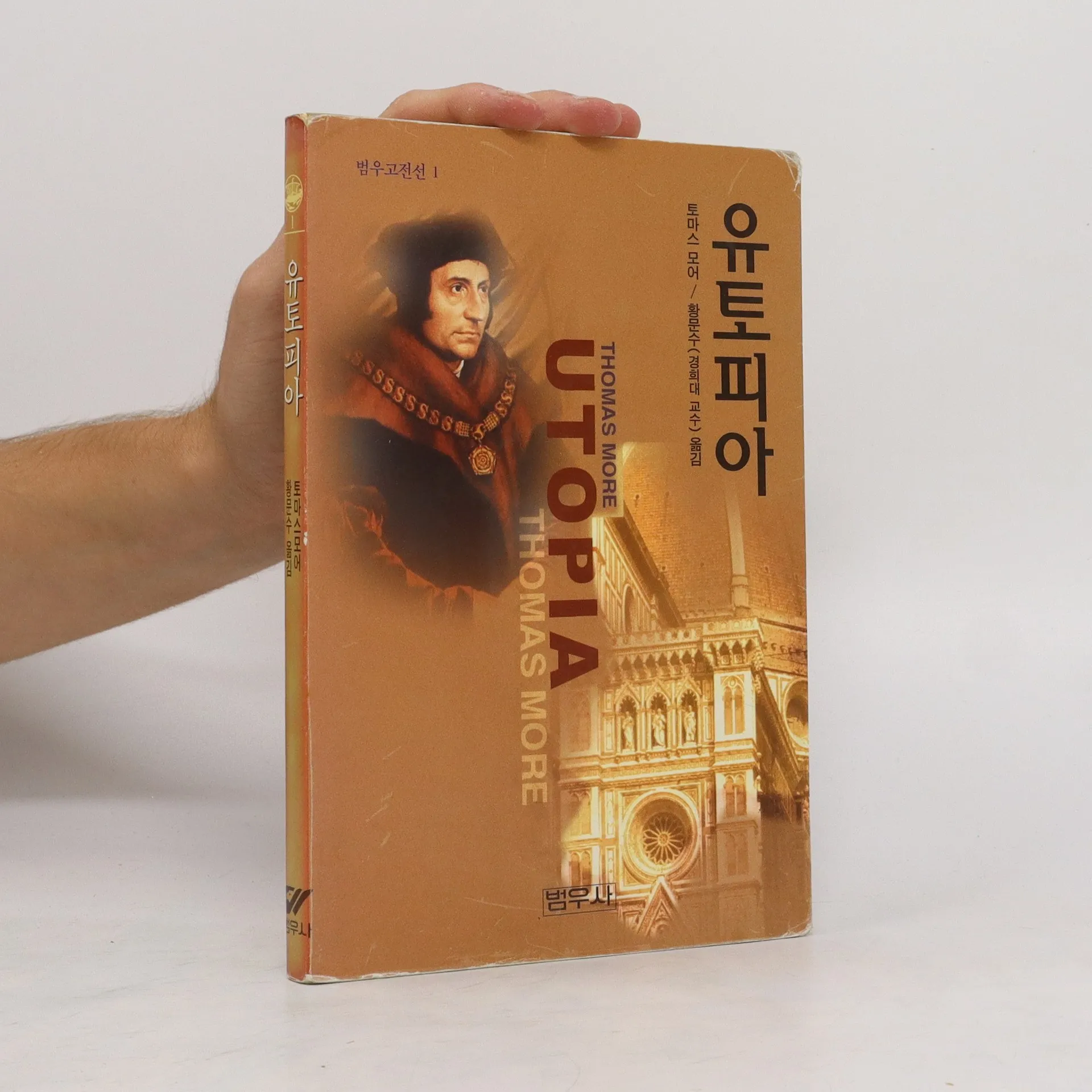
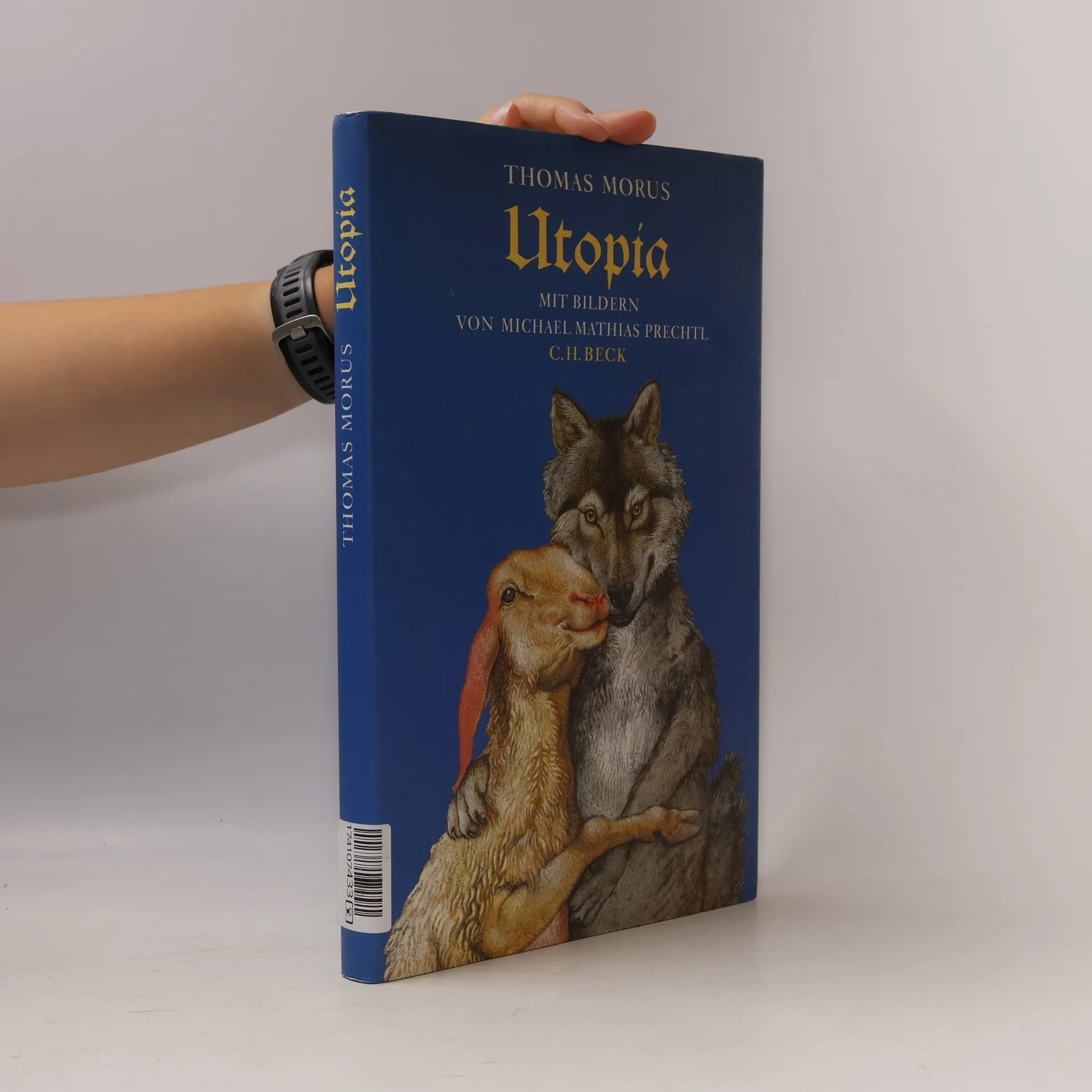
The book presents a fictional island society that serves as a platform for socio-political satire, exploring its unique religious, social, and political customs. It has sparked extensive debate and discussion, becoming a pivotal work in the discourse surrounding socialism, with arguments both in favor of and against the ideology.
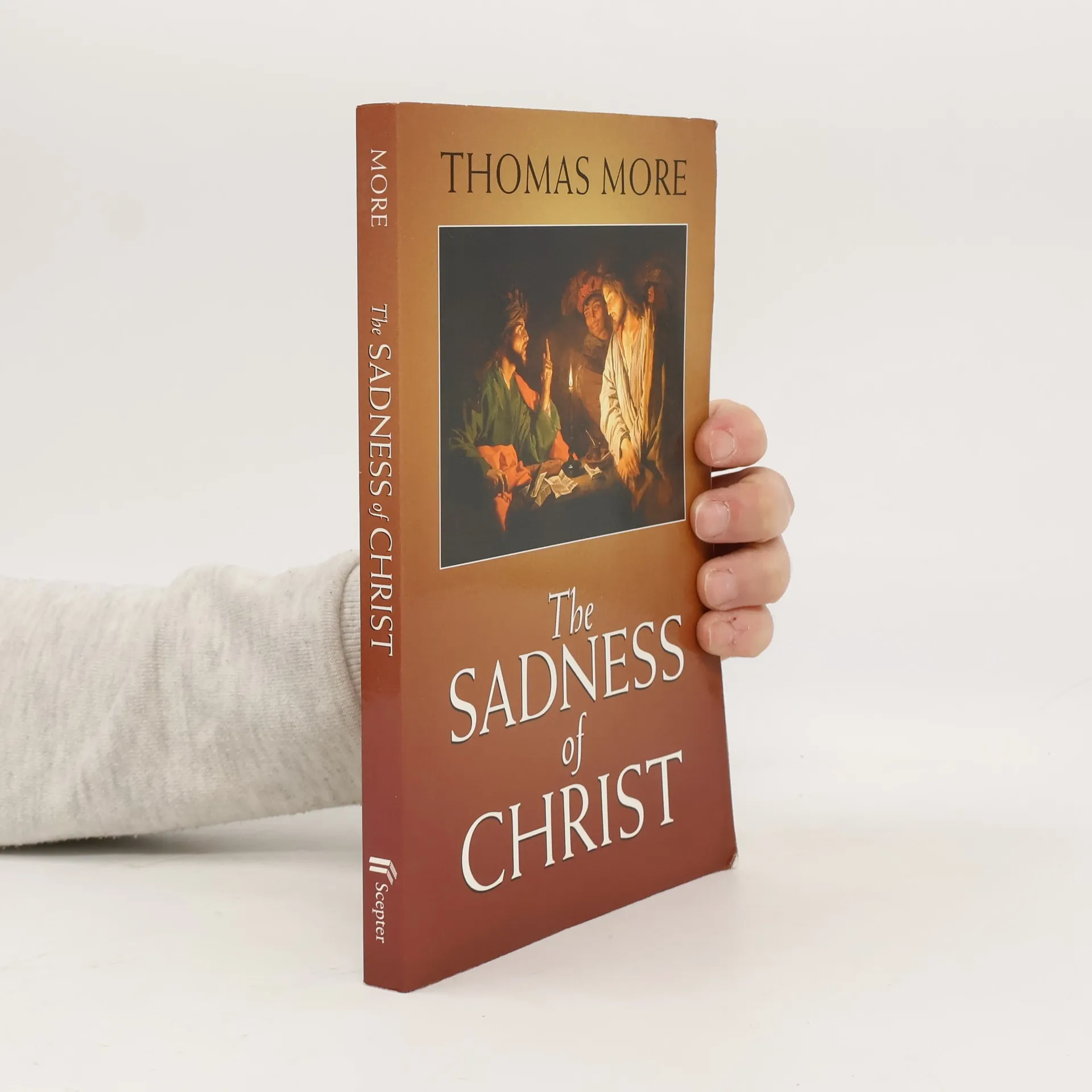
Set against the backdrop of 16th-century political and religious turmoil, this work features a fictional dialogue between Vincent and his uncle Anthony, exploring themes of suffering and faith. As Vincent seeks guidance amidst the threat of persecution, Anthony offers profound philosophical and spiritual insights. The text emphasizes the importance of hope, patience, and trust in God during adversity, reflecting More's strong religious convictions. This blend of theological exploration and humanistic thought showcases More's wit and intelligence, offering solace in challenging times.
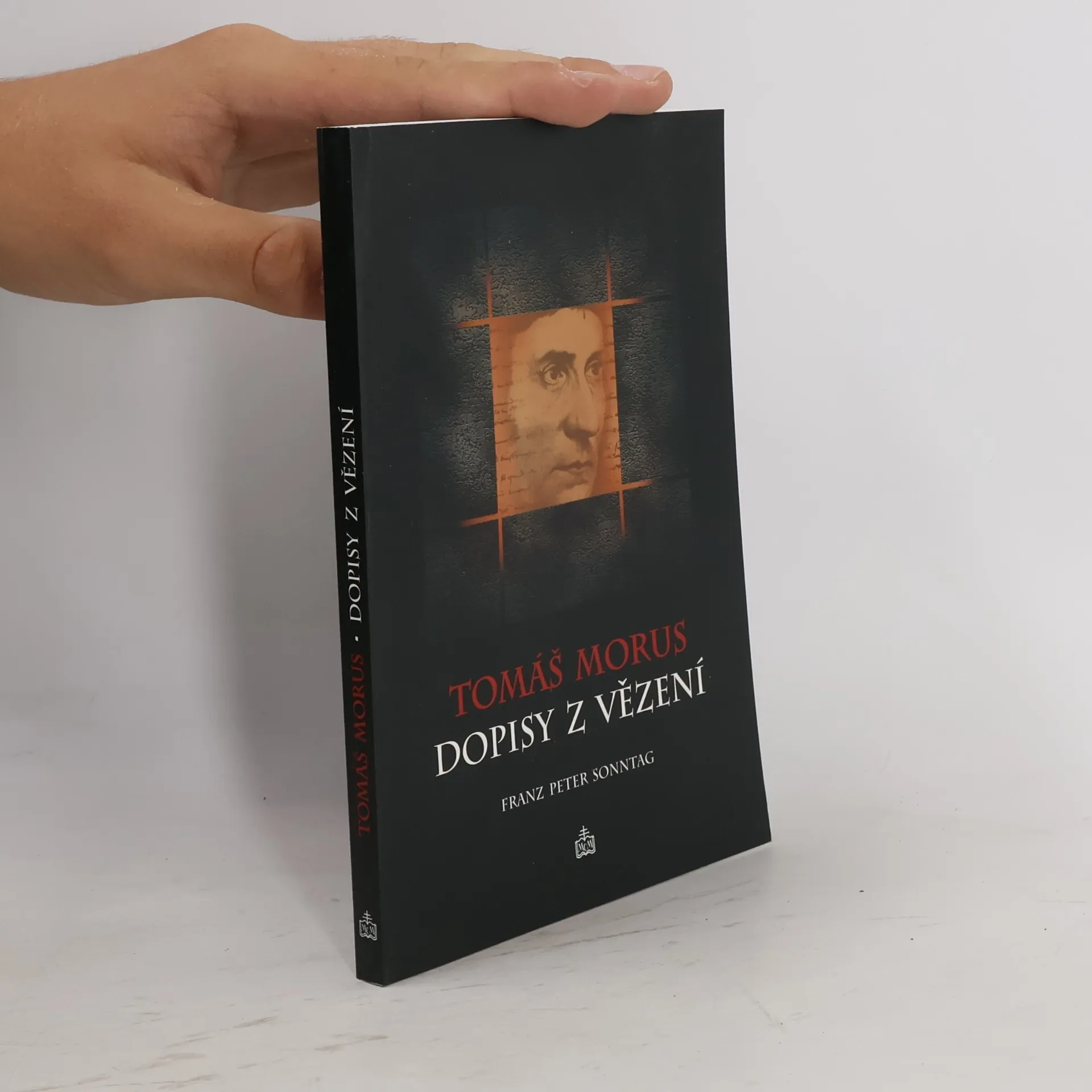
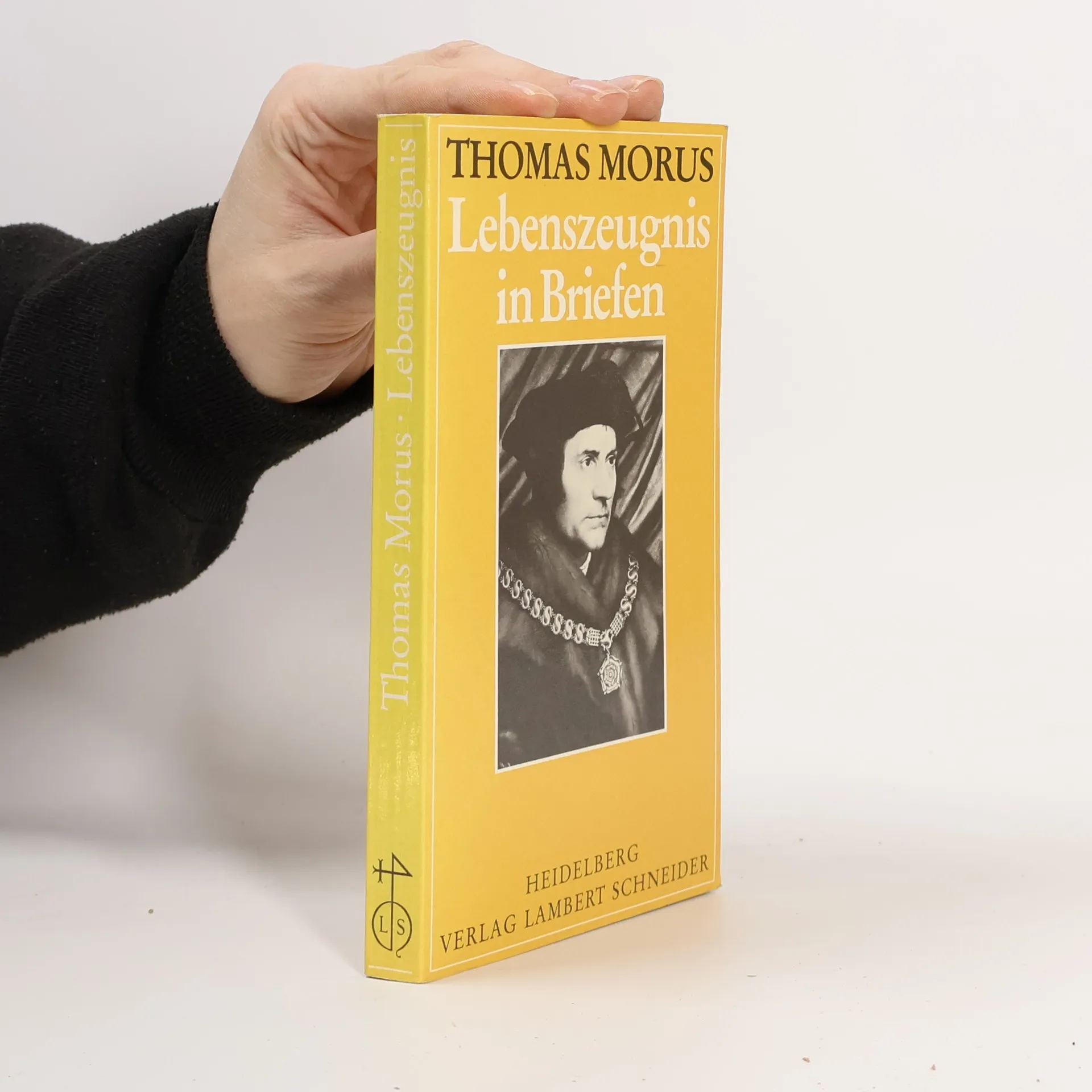
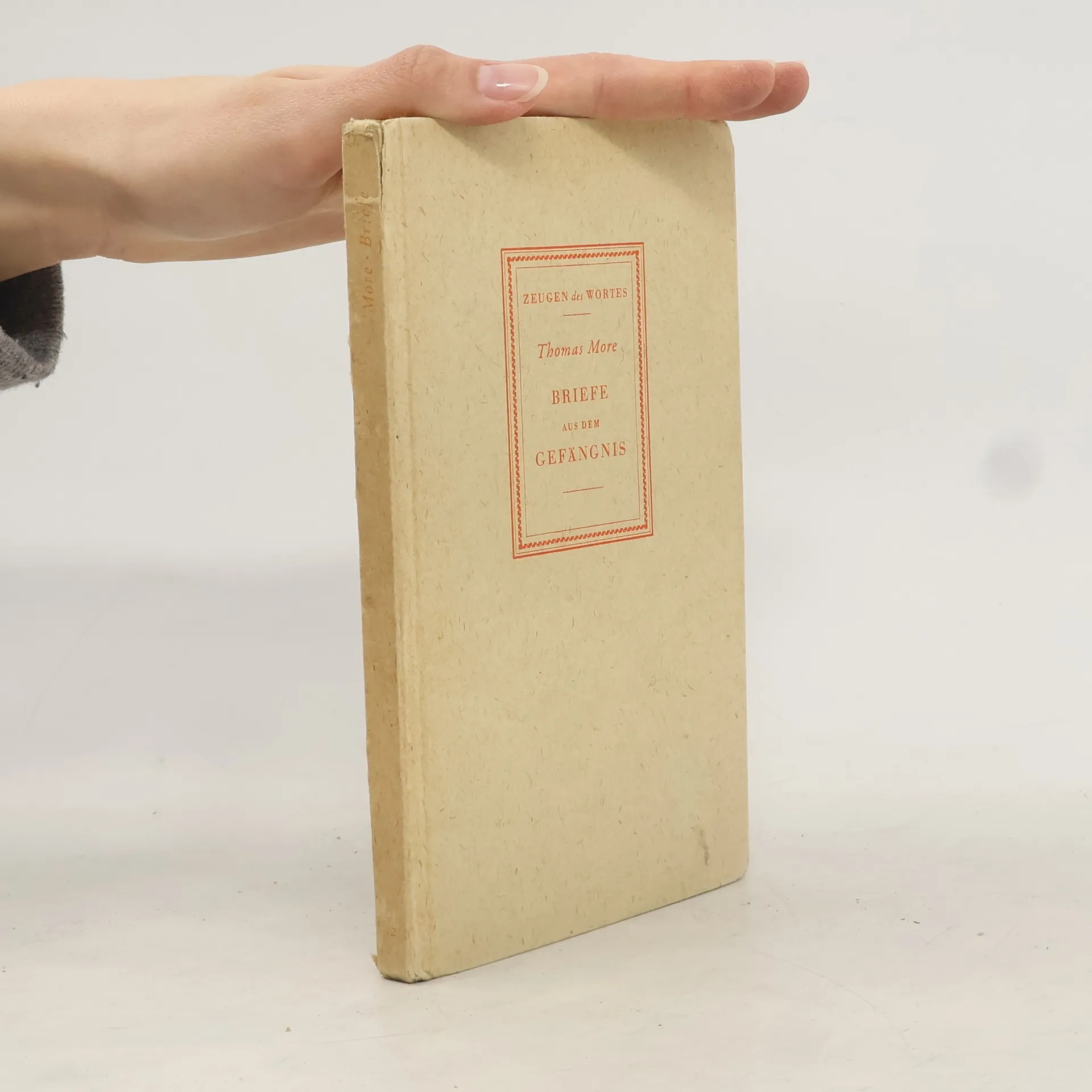
Tomáš Morus (1477–1535), kancléř anglického krále Jindřicha VIII., odmítl složit přísahu věrnosti dceři královy nelegitimní ženy A. Boleynové, odmítl přísežně se zříci papežské autority nad katolickou církví v Anglii a přijmout za hlavu církve krále, proto byl uvězněn a popraven. Čtenář Dopisů je uveden do renesanční Anglie a seznámen s Morovým životopisem ve vstupní historické studii. Ve výběru z Morových dopisů členům rodiny a také přátelům a v odpovědích se rozkrývá obraz spravedlivého, statečného muže, otce, manžela i přítele vroucího srdce, obraz duše vzdávající se z lásky k Božímu zákonu ve svědomí, z lásky ke Kristovu království pozemského bohatství, společenského postavení, až i samotné tělesné existence. Mravní velikost T. Mora vyplývá z důvěrných slov korespondence, prozrazujících promyšlenou obhajobu vůči jemnému naléhání rodiny a tlaku ze strany krále, ze slov vzpomínek, skromných přání i praktických pokynů a odkazů všem, k nimž cítil lásku a odpovědnost. V době, kdy jsme dennodenně svědky dalších a dalších lidských selhání, tento spontánní literární autoportrét Tomáše Mora v čtenáři posiluje obraz ideálu, vykresluje cestu k naplňování života v Bohu. Ne nadarmo jej v roce 2000 Jan Pavel II. prohlásil patronem vládců a politiků.
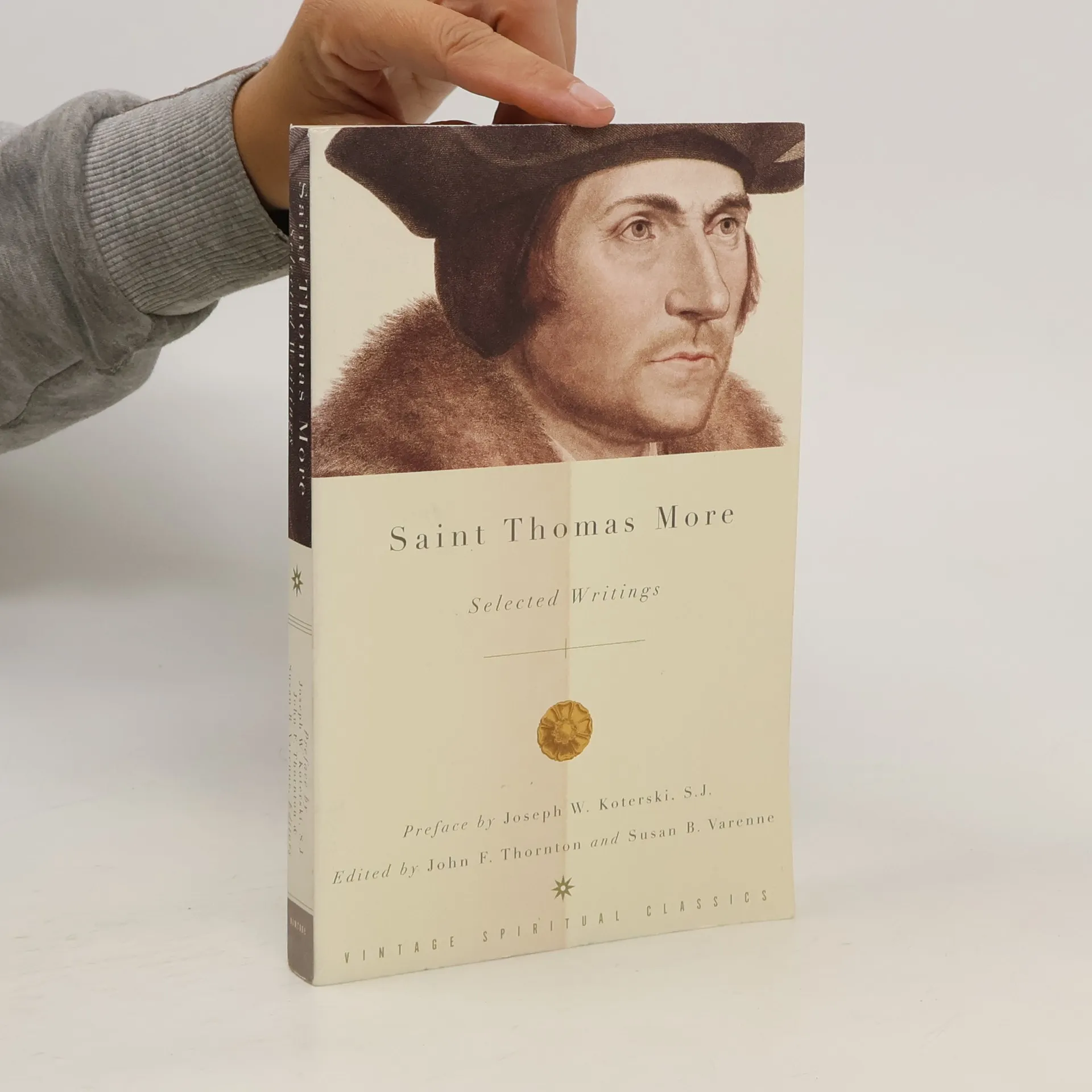
The narrative explores Thomas More's life beyond his famous conflict with Henry VIII, highlighting his deep devotion to God and moral principles. His execution for treason marks the culmination of a life dedicated to faith and integrity, showcasing the complexities of his character and the historical context of his time. Through this lens, the book delves into More's unwavering commitment to his beliefs amidst political turmoil.
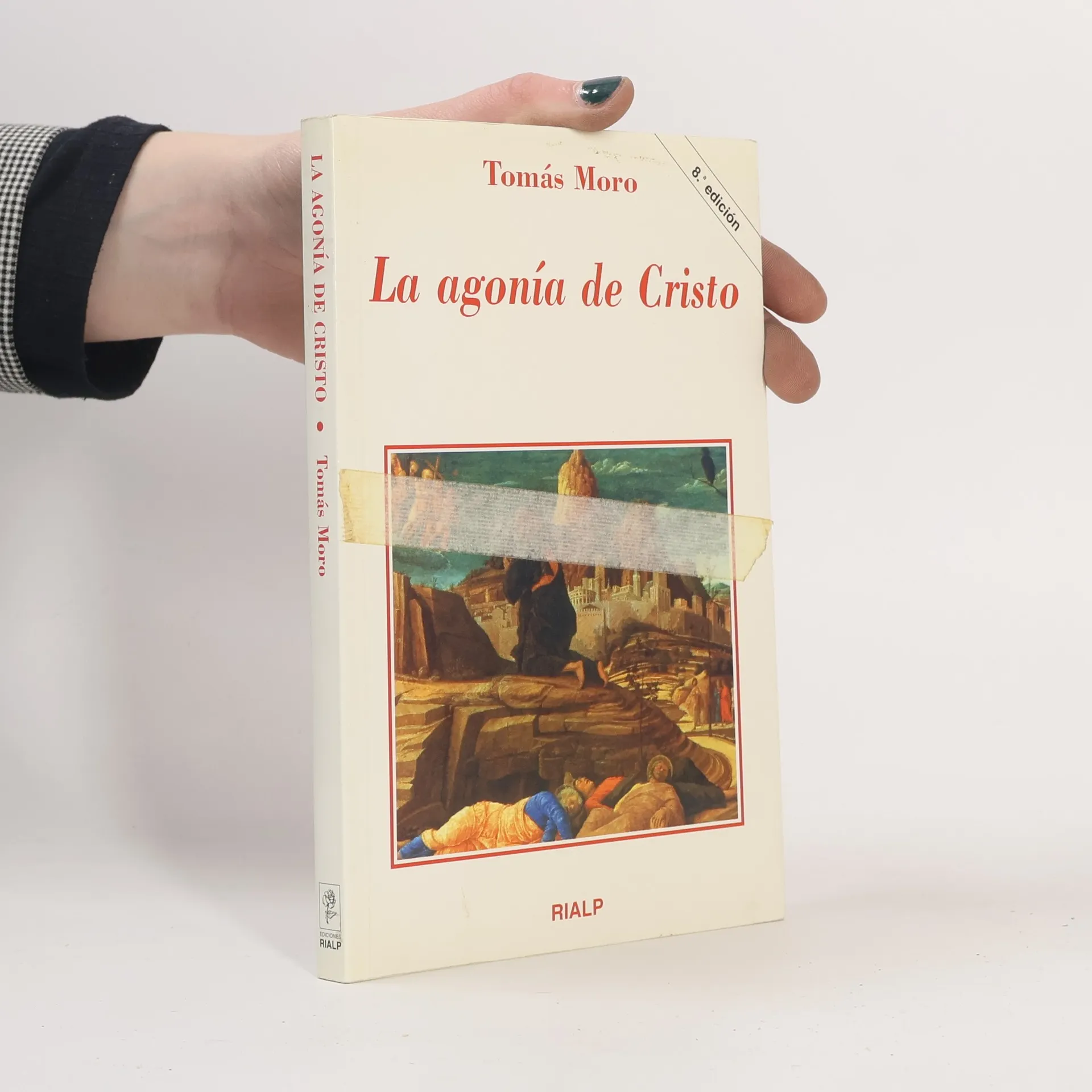
Escrita por Tomas Moro poco antes de ser ejecutado, esta obra es un testamento admirable de su autor como humanista y como cristiano. A partir de la contemplacion de la Pasion de Cristo, Moro muestra al mundo que el dolor es un ingrediente del amor y la felicidad.
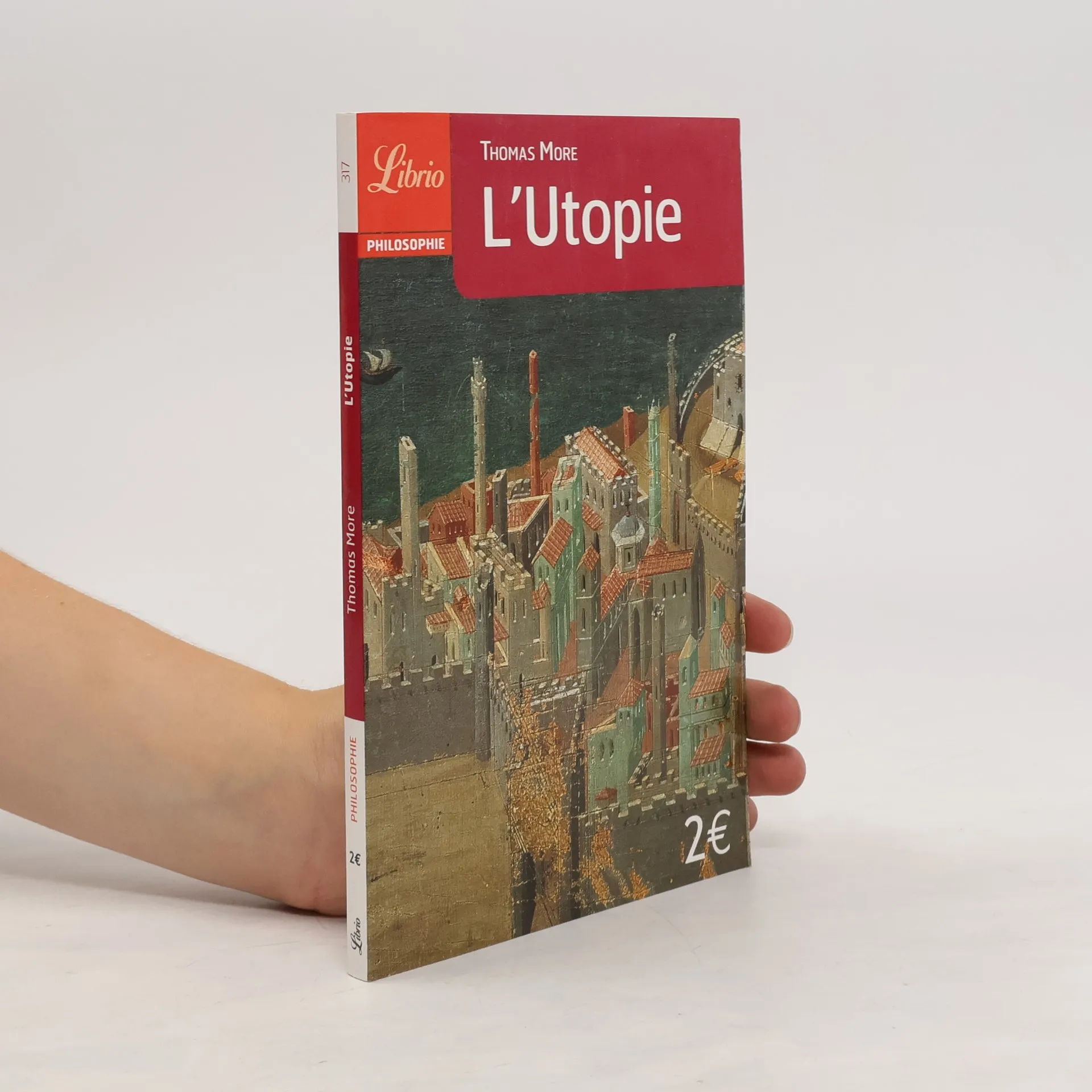
L'Utopie de Thomas More, publiée en 1516, critique la société anglaise d'Henri VIII tout en proposant une vision d'une société idéale. More dénonce l'inégalité des richesses et l'intolérance religieuse, espérant rappeler aux gouvernants et aux gouvernés l'importance du Bien commun et des valeurs politiques.
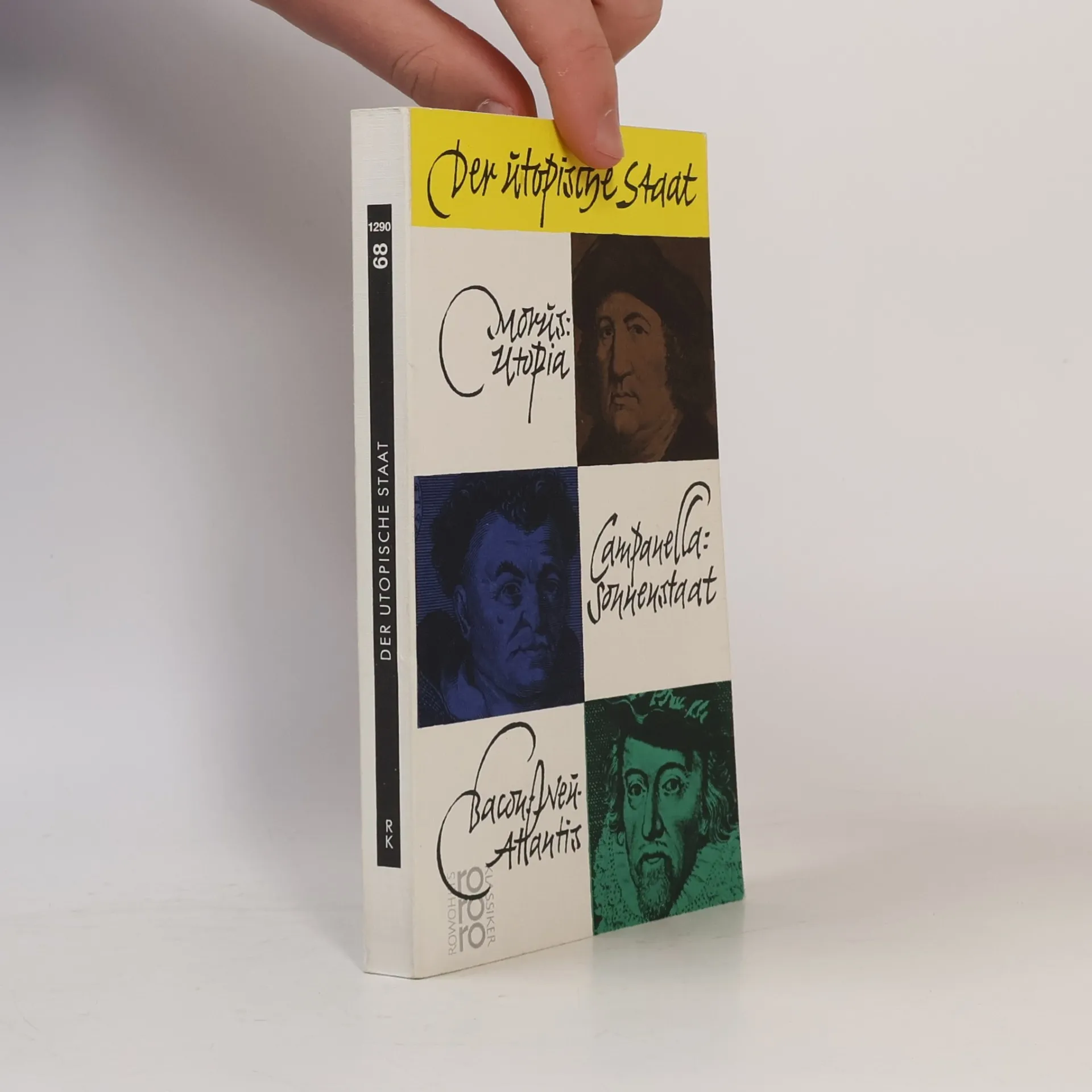
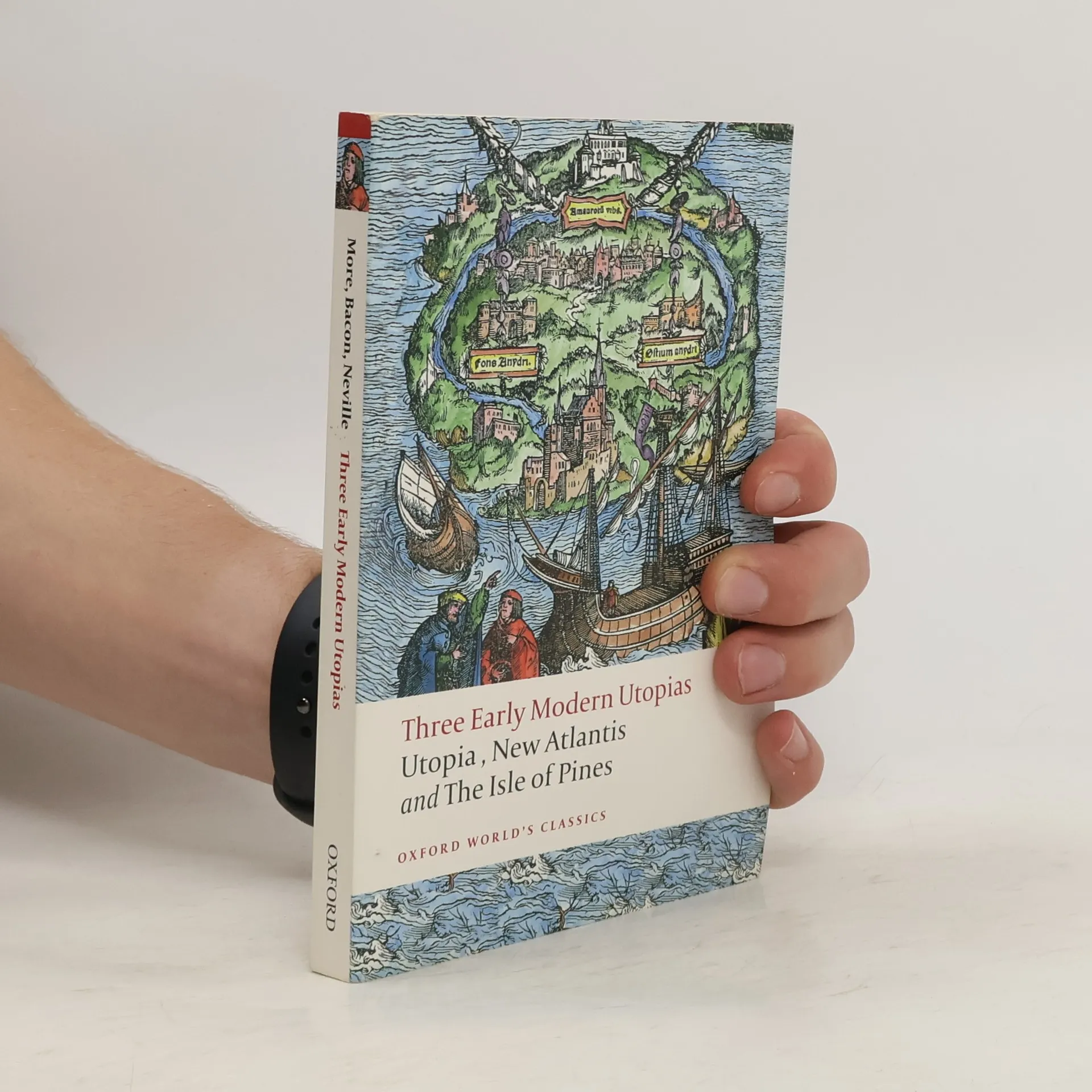
A unique edition of three early modern utopian texts, using a contemporary translation of More's Utopia and examining the Renaissance world view as shown by these writers. The edition includes the illustrative material that accompanied early editions of Utopia, full chronologies of the authors, notes, and glossary.
And Final Prayers and Benedictions (Yale University Press Translation)
184 Seiten
7 Lesestunden
This book was the last that St. Thomas More wrote in the Tower of London before he was executed for standing firm in his Catholic faith. In it, he explores the Gospel passages that depict the agony of Our Lord in the Garden of Gethsemane. He depicts Christ as a model of virtue in the face of suffering and persecution. And along the way, he includes valuable and eternally relevant reflections on prayer, courage, friendship, statesmanship, and more. Here is an excellent resource for Lent or anytime!
(Zu dem Werke über die beste Staatsverfassung) Ich schäme mich beinahe, liebster Petrus Ägidius, Dir dieses Büchlein über den Staat von Utopia erst nach fast einem Jahre zuzusenden, das Du zweifellos schon nach sechs Monaten erwartet hast, da du ja wußtest, daß in diesem Werke die Mühe des Erfindens für mich wegfiel und ich auch über die Einteilung nicht nachzudenken, sondern nur das wiederzugeben brauchte, was ich mit Dir zusammen genauso wie Du den Raphael erzählen hörte.
Esta obra alberga la correspondencia de Tomás Moro durante los meses anteriores a su ejecución, junto a lúcidos pensamientos y oraciones, que muestran al gran humanista al final de su vida terrena, en una serena lección de fortaleza y fe.
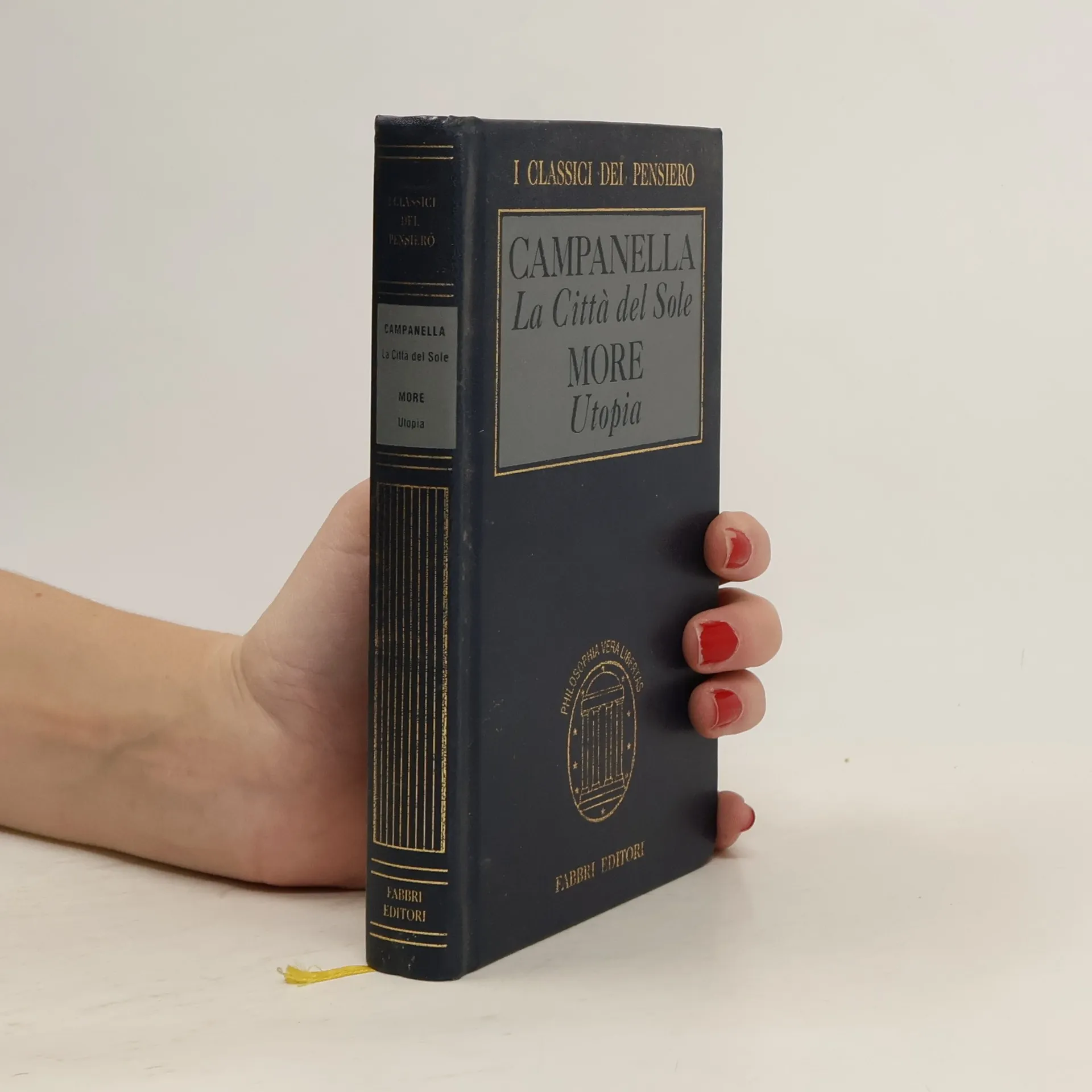
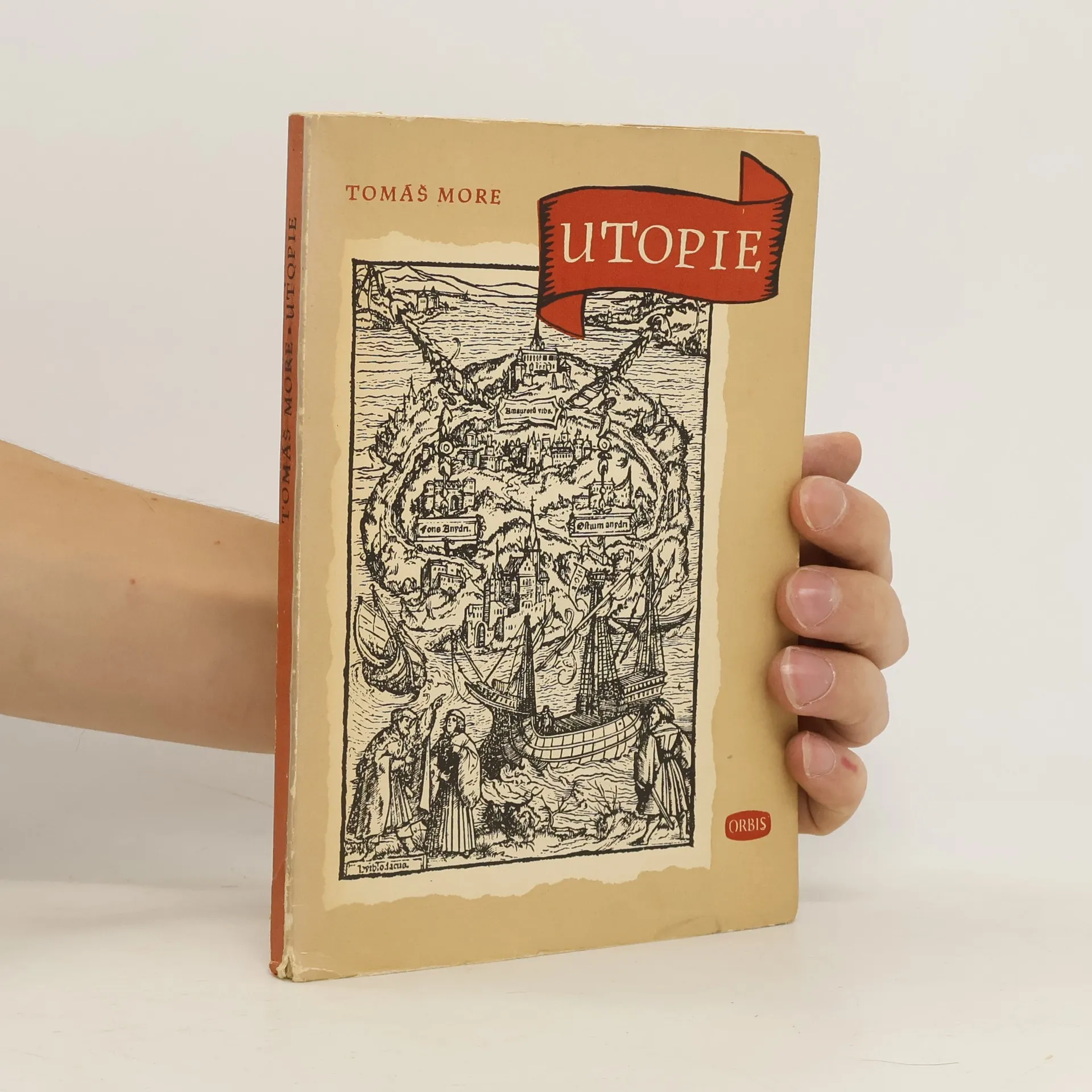
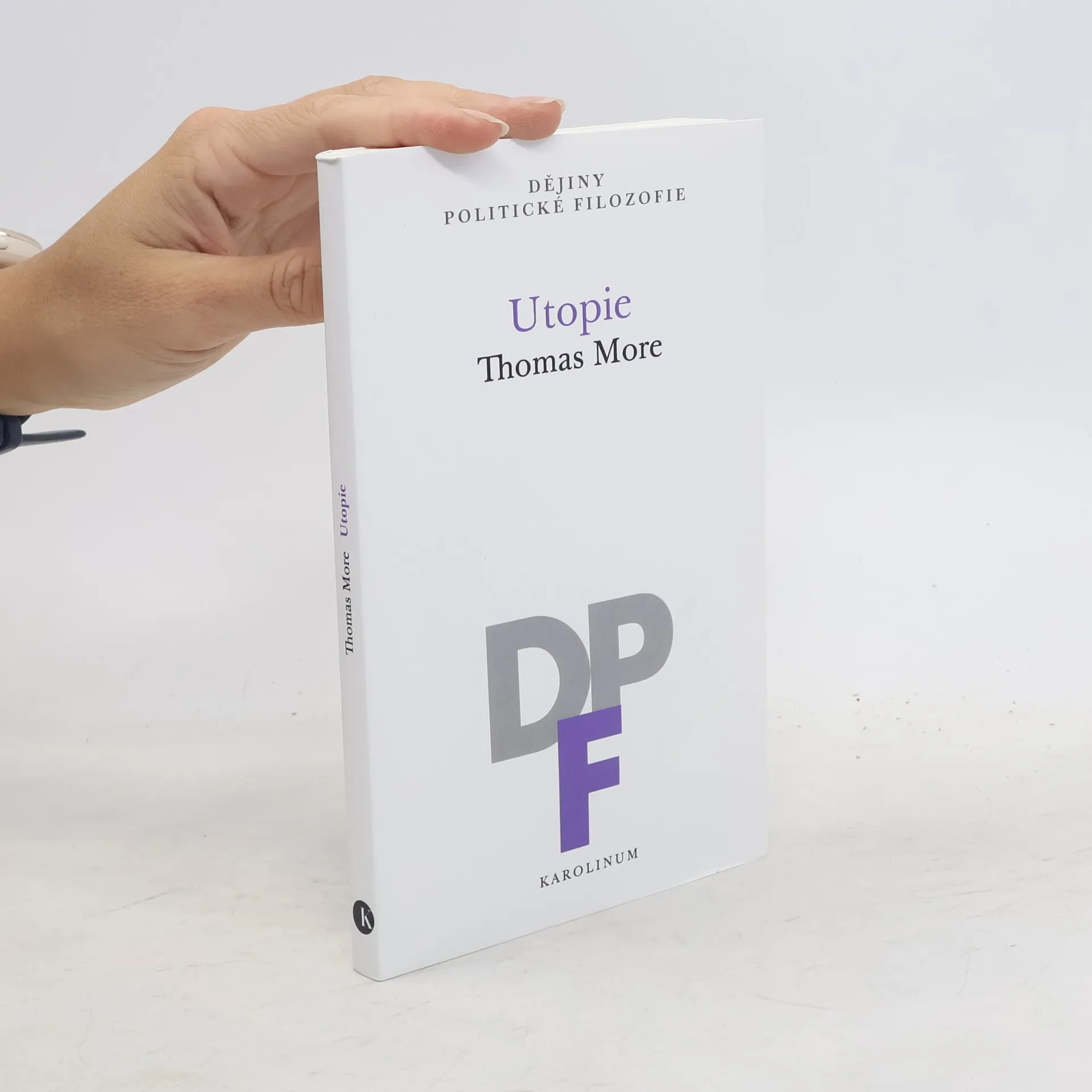
Utopie anglického humanisty Thomase Mora, vydaná poprvé latinsky roku 1516, dala jméno celému žánru zamyšlení nad ideálním uspořádáním lidské společnosti. More navazuje na základní komunitární principy starokřesťanského učení, inspiruje se antickou literaturou, zprávami o zámořských objevech i texty svého přítele Erasma Rotterdamského. Nevyhýbá se ironii a vyprávění o zvycích obyvatel ostrova Utopie (z řeckého ú-topos, ne-místo) spolu s úvahami o možnostech regulace lidské pýchy či o reformě trestního práva vkládá do úst nepříliš důvěryhodného námořníka Rafaela Hythlodaia. Zvolený žánr platónského dialogu mu přitom umožňuje prezentovat společenské problémy z různých hledisek, aniž by přitom oslabil jejich palčivost.
Mit seinem Buch über die erdachte Insel Utopia – ihr Name wurde erst später als ›Utopie‹ zum übergeordneten Gattungsbegriff für fiktive Staats- und Gesellschaftsentwürfe – hat Thomas Morus (1478–1535) einen echten Klassiker der politischen Philosophie geschaffen. Offen bleibt bis heute: Projizierte der Autor nur seine Phantasien in die damals frisch entdeckte Neue Welt, wollte er ein veritables Staatsmodell entwerfen oder gar zu politischen Reformen in England aufrufen? Es kommt auf den Standpunkt an: sei er nun sozialistisch, heidnisch, machtpolitisch, kapitalistisch, reformerisch oder idealstaatlich.