
Gratis Versand in ganz Österreich
Bookbot

Dani Rodrik

    14. August 1957

    Dani Rodrik ist Professor für internationale politische Ökonomie an der Harvard University. Seine Arbeit konzentriert sich auf die Wirtschaftspolitik und ihre Beziehung zu Politik und Institutionen. Er untersucht, wie Länder durch geeignete Reformen nachhaltiges Wachstum und Wohlstand erreichen können. Rodrik stellt oft die herkömmliche Weisheit in Frage und befürwortet einen pragmatischen Ansatz bei wirtschaftlichen Herausforderungen.

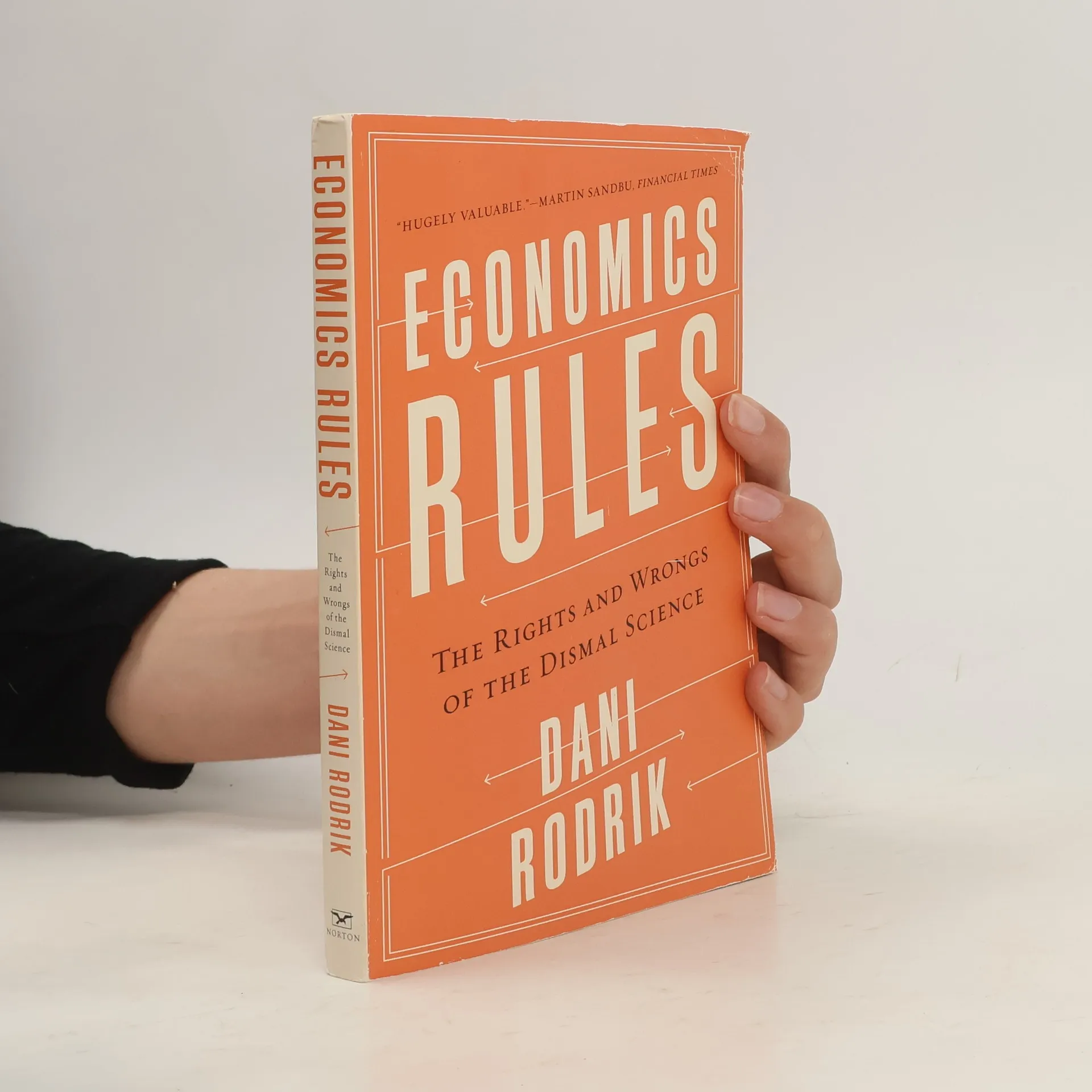
    Economics Rules
    The globalization paradox : why global markets, states, and democracy can't coexist
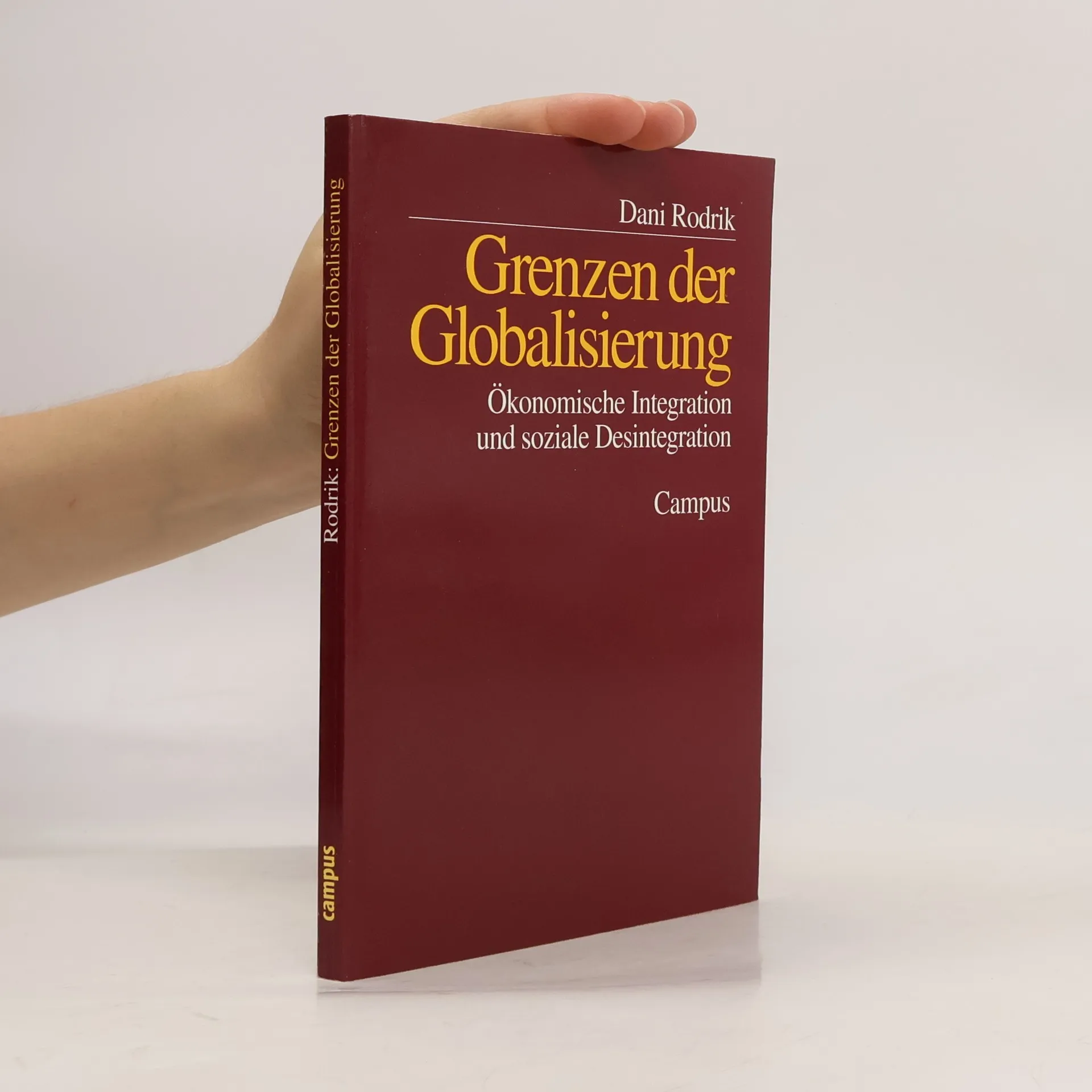
    Grenzen der Globalisierung
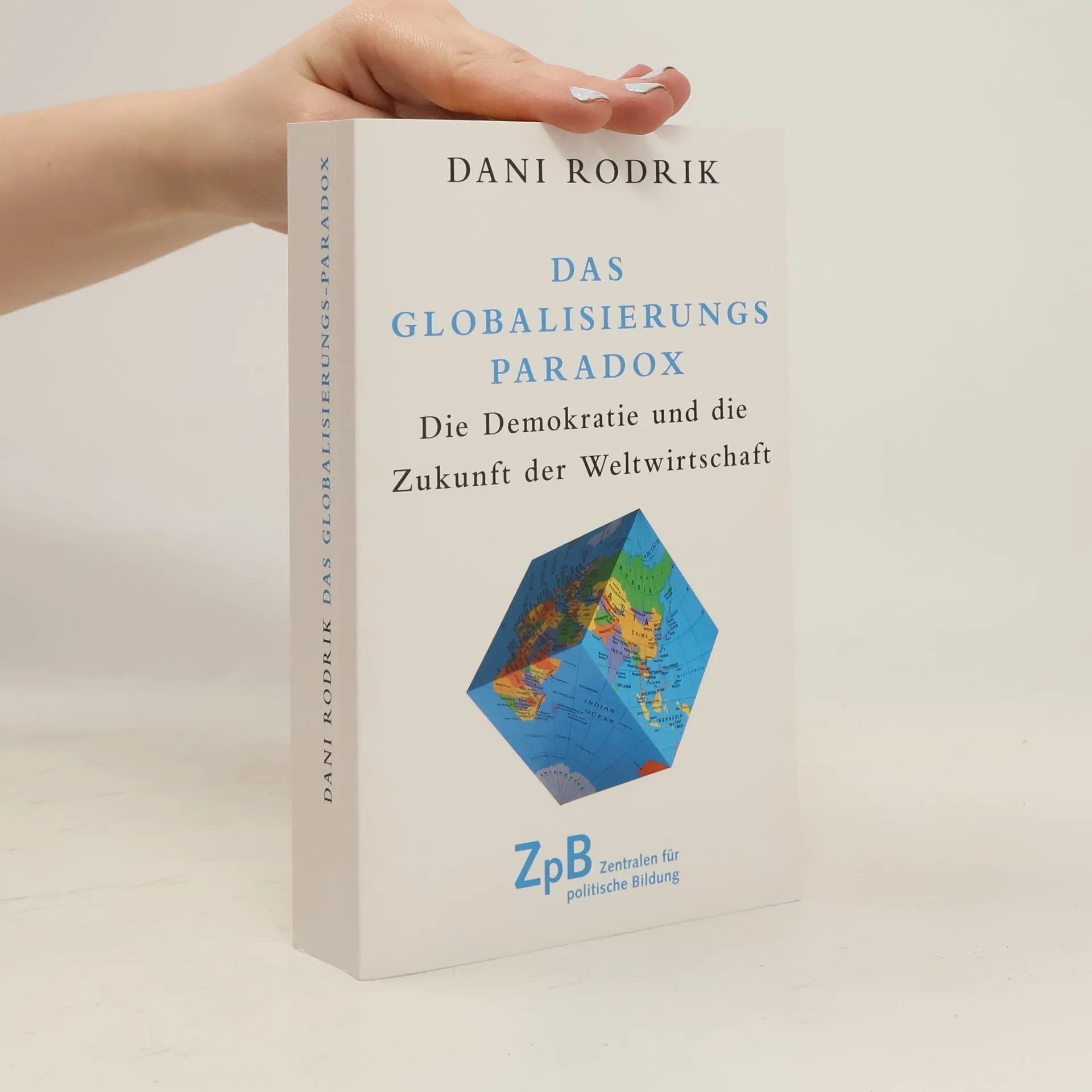
    Das Globalisierungs-Paradox
    • Grenzen der Globalisierung

      • 133 Seiten
      • 5 Lesestunden

      Dani Rodrik, Professor für Internationale Wirtschaft an der Harvard University, stellt zwei Kernfragen: Führt die Globalisierung zur Desintegration nationaler Gesellschaften? Wie können Regierungen die Folgen auffangen? Der Autor kritisiert sowohl die reflexartige Verdammung der Globalisierung, die meist auf ein mangelndes Verständnis der Vorteile und Risiken internationalen Handels zurückgeht, als auch die Ausblendung ihrer sozialen Folgen. Im Mittelpunkt der Studie steht die Untersuchung der Auswirkungen auf Arbeitsbeziehungen und Beschäftigung, soziale Institutionen und Wertesysteme sowie die Systeme der sozialen Sicherung.

      Grenzen der Globalisierung
    • For a century, economists have driven forward the cause of globalization in financial institutions, labour markets, and trade. Yet there have been consistent warning signs that a global economy and free trade might not always be advantageous. Where are the pressure points? What could be done about them?Dani Rodrik examines the back-story from its seventeenth-century origins through the milestones of the gold standard, the Bretton Woods Agreement, and the Washington Consensus, to the present day. Although economic globalization has enabled unprecedented levels of prosperity in advanced countries and has been a boon to hundreds of millions of poor workers in China and elsewhere in Asia, it is a concept that rests on shaky pillars, he contends. Its long-term sustainability is not a given.The heart of Rodrik>'s argument is a fundamental 'trilemma': that we cannot simultaneously pursue democracy, national self-determination, and economic globalization. Give too much power to governments, and you have protectionism. Give markets too much freedom, and you have an unstable world economy with little social and political support from those it is supposed to help. Rodrik argues for smart globalization, not maximum globalization.

      The globalization paradox : why global markets, states, and democracy can't coexist
    • Economics Rules

      • 272 Seiten
      • 10 Lesestunden
      4,0(784)Abgeben

      Takes a close look at economics to examine when it falls short and when it works, to give a surprisingly upbeat account of the discipline. Drawing on the history of the field and his deep experience as a practitioner, Rodrik argues that economics can be a powerful tool that improves the world--but only when economists abandon universal theories and focus on getting the context right. Economics Rules argues that the discipline's much-derided mathematical models are its true strength. Models are the tools that make economics a science. Too often, however, economists mistake a model for the model that applies everywhere and at all times

      Economics Rules