
Gratis Versand in ganz Österreich
Bookbot

Antonio Negri

    1. August 1933 – 16. Dezember 2023

    Toni Negri war ein italienischer marxistischer Soziologe und politischer Philosoph. Er ist am besten für seine Co-Autorschaft von "Empire" und seine Arbeit über Spinoza bekannt. Seine Schriften befassten sich mit tiefgreifenden philosophischen und soziologischen Konzepten.

    Staat in der Krise
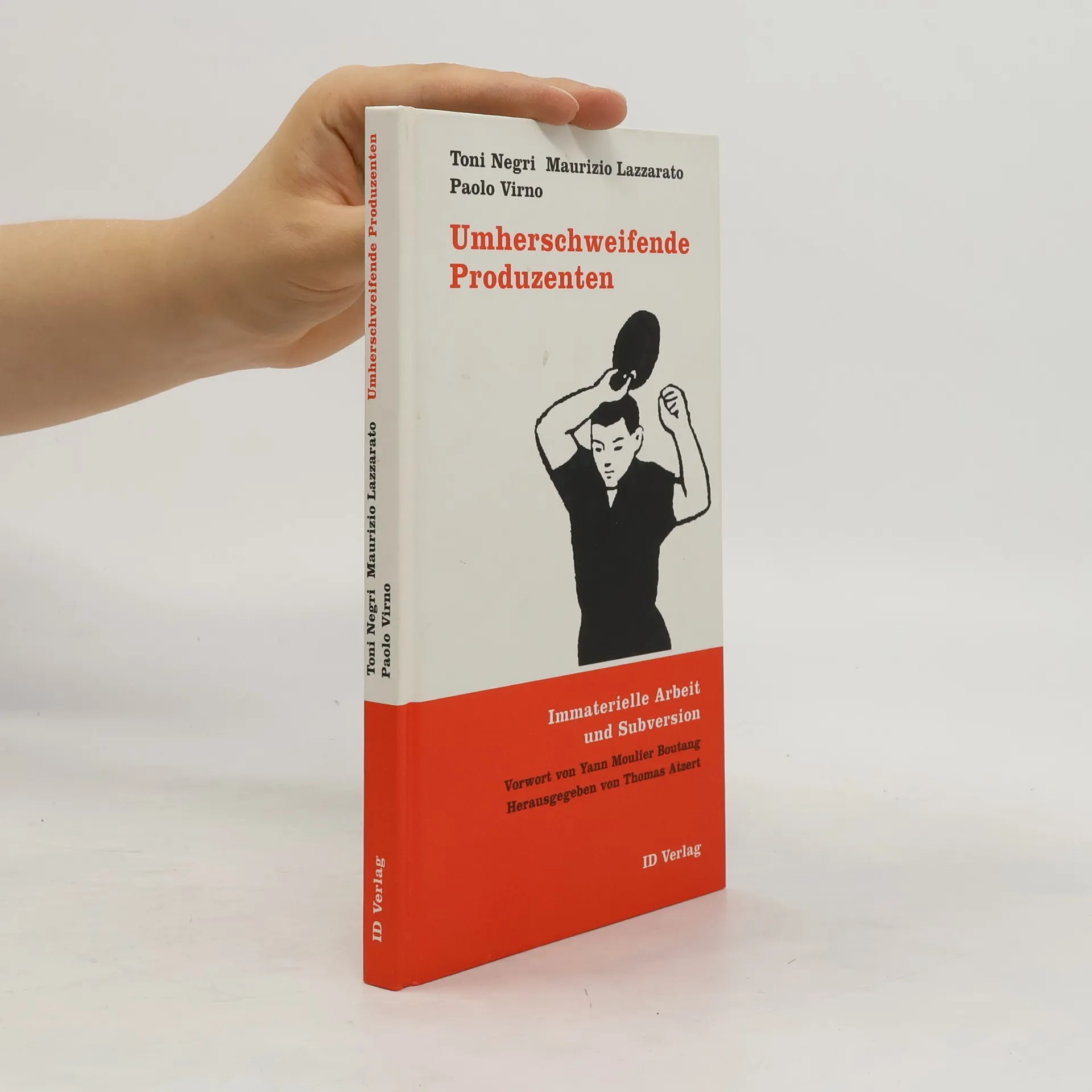
    Umherschweifende Produzenten
    Konstituierende Macht
    Die Arbeit des Dionysos
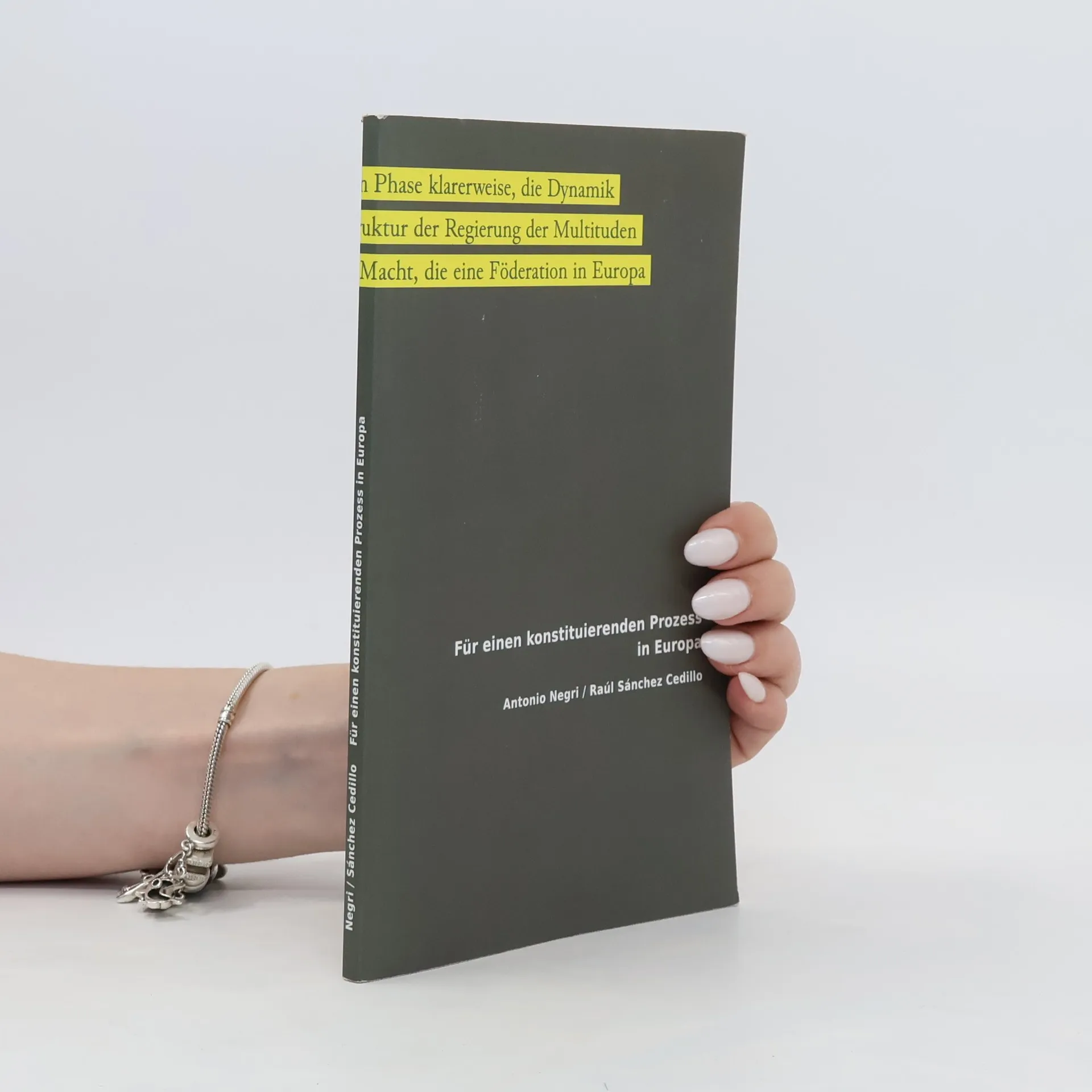
    Für einen konstituierenden Prozess in Europa
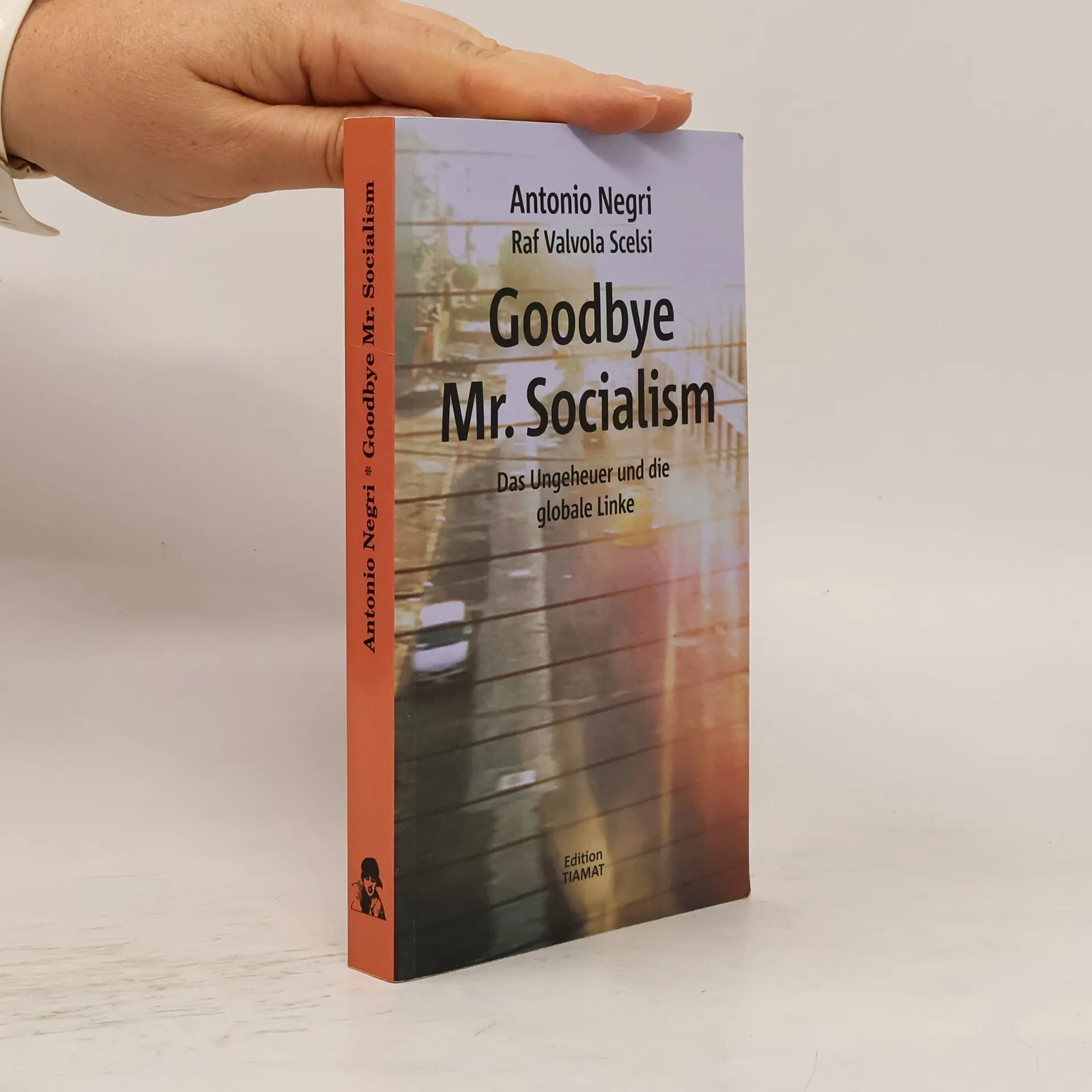
    Goodbye Mr. Socialism
    • Philosophen arbeiten in Grenzbereichen, schaffen Begriffe und eine Sprache, die über Schlagworte hinausgehen. Sie interessieren sich für den Fluss der Zeit, nicht nur für den glücklichen Moment. Möglicherweise haben sie recht, während wir versuchen, die Zeit zu unterbrechen und zu handeln. Doch es gibt ein Gemeinsames, das über all dies hinausgeht. Die Gespräche zwischen Antonio Negri und Raf Valvola Scelsi folgen den Spuren dieses Gemeinsamen, das sichtbar wird, verschwindet und plötzlich an anderer Stelle wieder auftaucht. Das Buch gliedert ihre Unterhaltungen in 15 Kapitel, die von verschiedenen globalen Ereignissen handeln: vom Tienanmen-Platz und dem Fall der Berliner Mauer bis zum Irak-Krieg, von der zapatistischen Erhebung in Chiapas bis zu den Regulierungsversuchen des globalen Kapitalismus. Die Autoren suchen in oft überraschenden Wendungen das Gemeinsame in den Kämpfen um Befreiung und affirmieren die Revolten gegen Unterdrückung und Ausbeutung. Sie verteidigen die Subversionen des Bestehenden und kritisieren die Niederlagen in den Konterrevolutionen. Antonio Negri entfaltet dabei seine theoretischen Prämissen und politische Kritik, ohne dogmatisch zu sein. Die Veränderung der Welt bleibt notwendig und möglich, doch eine globale gesellschaftliche Linke sollte ihre Perspektive nicht Sozialismus nennen, da dies historisch nur ein anderes Modell für die Herrschaft des Kapitals darstellt. Deshalb: 'Goodbye'.

      Goodbye Mr. Socialism
    • This volume brings together Antonio Negri's critical writings on the nature and form of the modern state. The central theme that runs through these writings is the need to be done with the sovereign state - that is, with the particular form of political power that the capitalist organization of bourgeois society has imposed upon us. Negri seeks to show how the sovereign bourgeois state, built in the course of modernity, has now become a weapon in the hands of a declining ruling class, a class sometimes exhausted in its institutional expressions, and sometimes frenetic, zombie-like and parafascist. In arguing that the despotic power of the state should be abolished, Negri distances himself from some other thinkers on the Left who, erroneously in his view, have come to see the state as inevitable, instead of considering it as a place of power which, once conquered, should be transformed and ultimately dissolved as the central moment in the organization of force against living labour and free citizenship. In Negri's view, the call for the abolition of the state remains vital and active today as a concrete utopia that is expressed in every thought and act of liberation. The articles brought together in this volume range from Negri's analysis of the first great transformation of the capitalist state in the twentieth century, precipitated by the triumph of Keynesianism, to his more recent work on the transformation of the form of sovereignty from a figure of transcendent and local command to a dispositif of immanent and global control. As with the other volumes of Negri's essays, this volume will be a valuable resource for anyone interested in radical politics and in the key social and political struggles of our time. -- Provided by publisher

      The End of Sovereignty
    • In der momentanen Krise wächst das gesellschaftliche Unbehagen am Kapitalismus. Viele Menschen fragen jetzt nach einer menschlicheren Alternative des Zusammenlebens. Eine Gesellschaft jenseits von Maximen wie Profit, Konkurrenz und Besitzdenken – ist das möglich? Michael Hardt und Antonio Negri, Autoren des Bestsellers »Empire«, entwickeln in ihrem neuen großen Werk einen provozierend optimistischen Gesellschaftsentwurf. Dieser beruht nicht mehr auf dem neoliberalen Gegensatz von Privatbesitz und öffentlichem Eigentum, sondern auf der Idee des Gemeinsamen (»common«). Ressourcen wie Wasser, Luft und Pflanzen und immaterielle Güter wie Wissen und Information gehören uns allen. Wenn wir sie teilen, wird der Weg frei für eine gerechtere Gesellschaft, an der alle partizipieren können. Im Streit um das politische Profil des 21. Jahrhunderts bieten die Autoren ein zentrales Gegengewicht zu all jenen, die uns weismachen wollen, dass die derzeitige Politik- und Wirtschaftsform die einzig mögliche sei.

      Commonwealth
    • Exploring the impact of automation and information technology, the writings delve into the transformation of labor organization and the broadening of exploitation beyond the traditional labor class. Negri examines the implications of neoliberalism, Thatcherism, and Reaganomics, highlighting how these shifts have not only displaced the political significance of labor but have also embedded exploitation across various societal spheres. The work critiques the resulting counterrevolution and its effects on contemporary social dynamics.

      The Winter Is Over: Writings on Transformation Denied, 1989-1995
    • In the Old Testament book of Job, the pious Job is made to suffer for no apparent reason. The heart of the story is Job's quest to understand why he must bear, and why God would allow, such misery. This book presents a Marxist interpretation of Job's story.

      The Labor of Job