

Gratis Versand in ganz Österreich
Bookbot

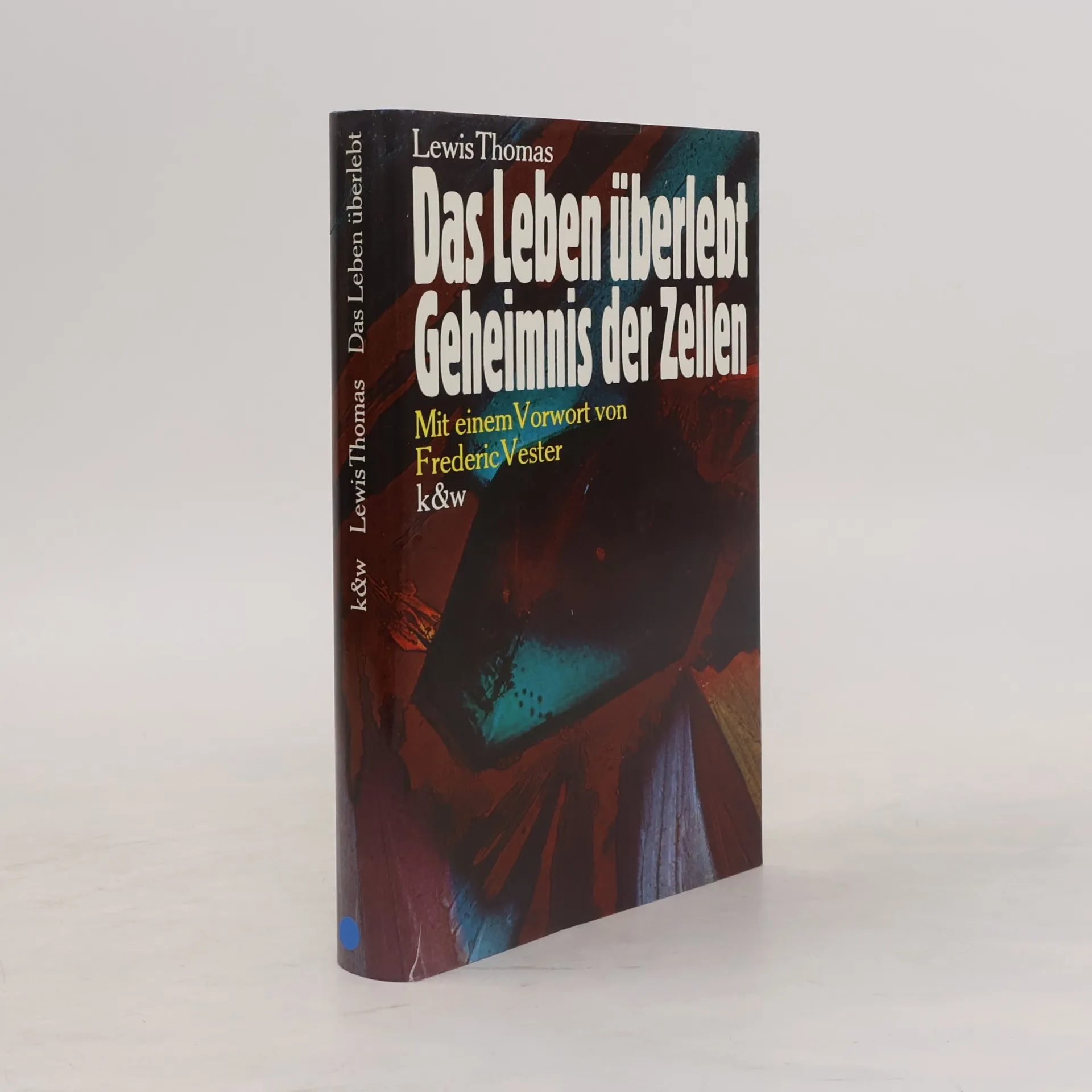
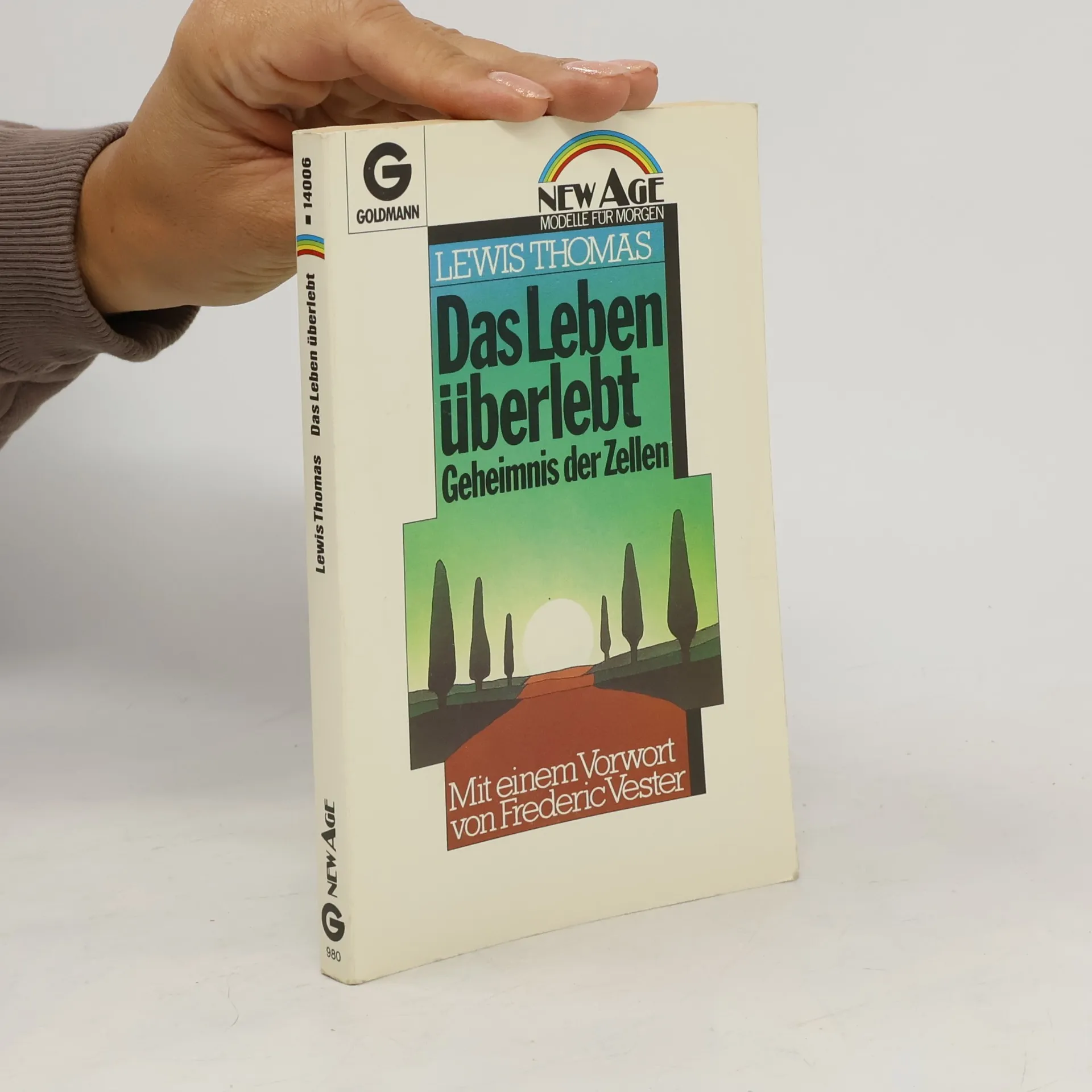
Lewis Thomas

    25. November 1913 – 3. Dezember 1993

    Lewis Thomas war ein Arzt, Dichter und Essayist, der für seine tiefgründigen und poetischen Essays bekannt ist. Seine Schriften nutzen häufig die Etymologie als Ausgangspunkt, um Verbindungen zwischen Ideen und Konzepten zu erforschen. Thomas befasste sich mit den kulturellen Auswirkungen wissenschaftlicher Entdeckungen und dem wachsenden Bewusstsein für Ökologie, wobei er oft seine vielfältigen Interessen und seinen überragenden Stil widerspiegelte. Seine Werke finden bei den Lesern durch ihre zeitlose Weisheit und fesselnde Erzählweise Anklang.

    Lewis Thomas
    Fragile Species
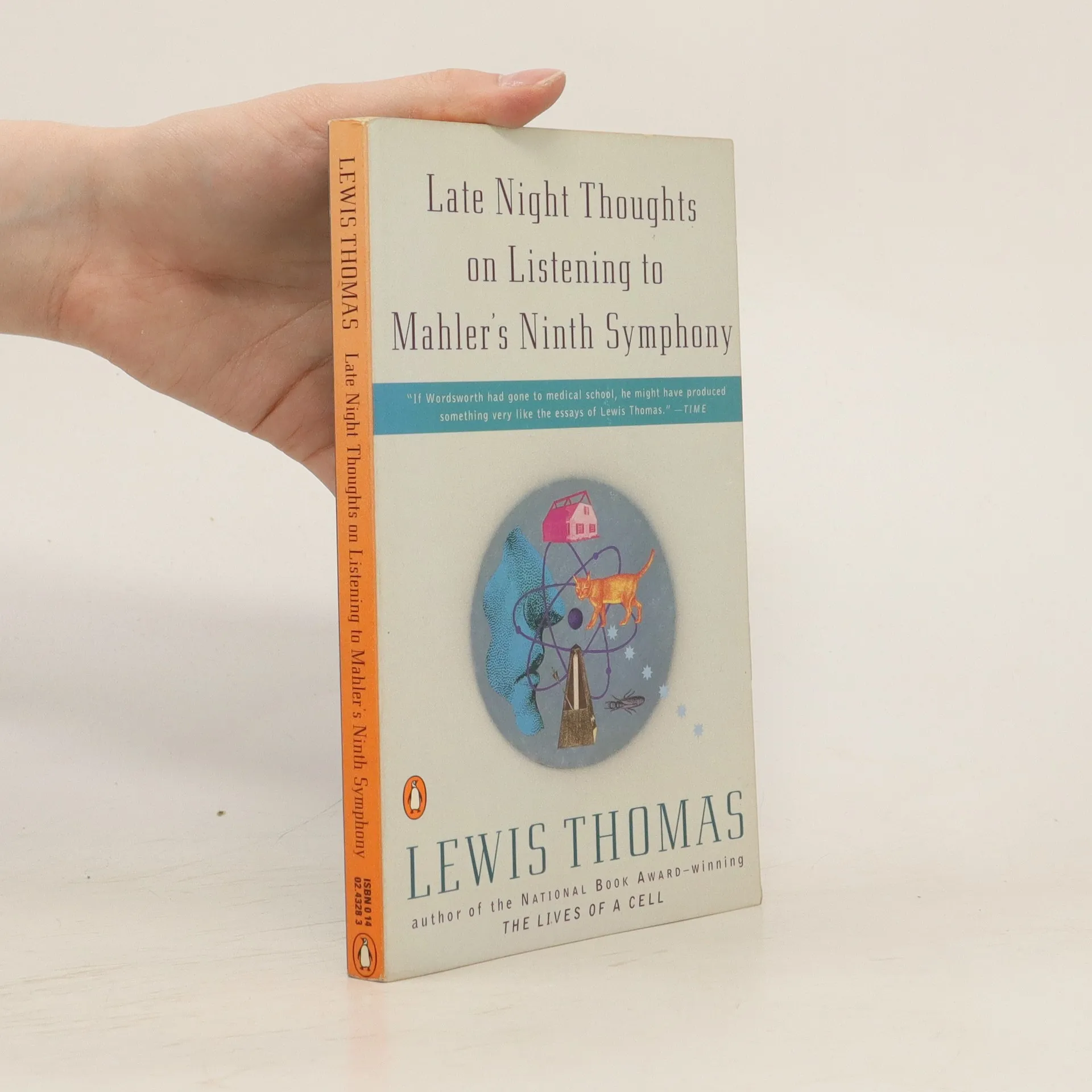
    Late Night Thoughts on Listening to Mahler's Ninth Symphony
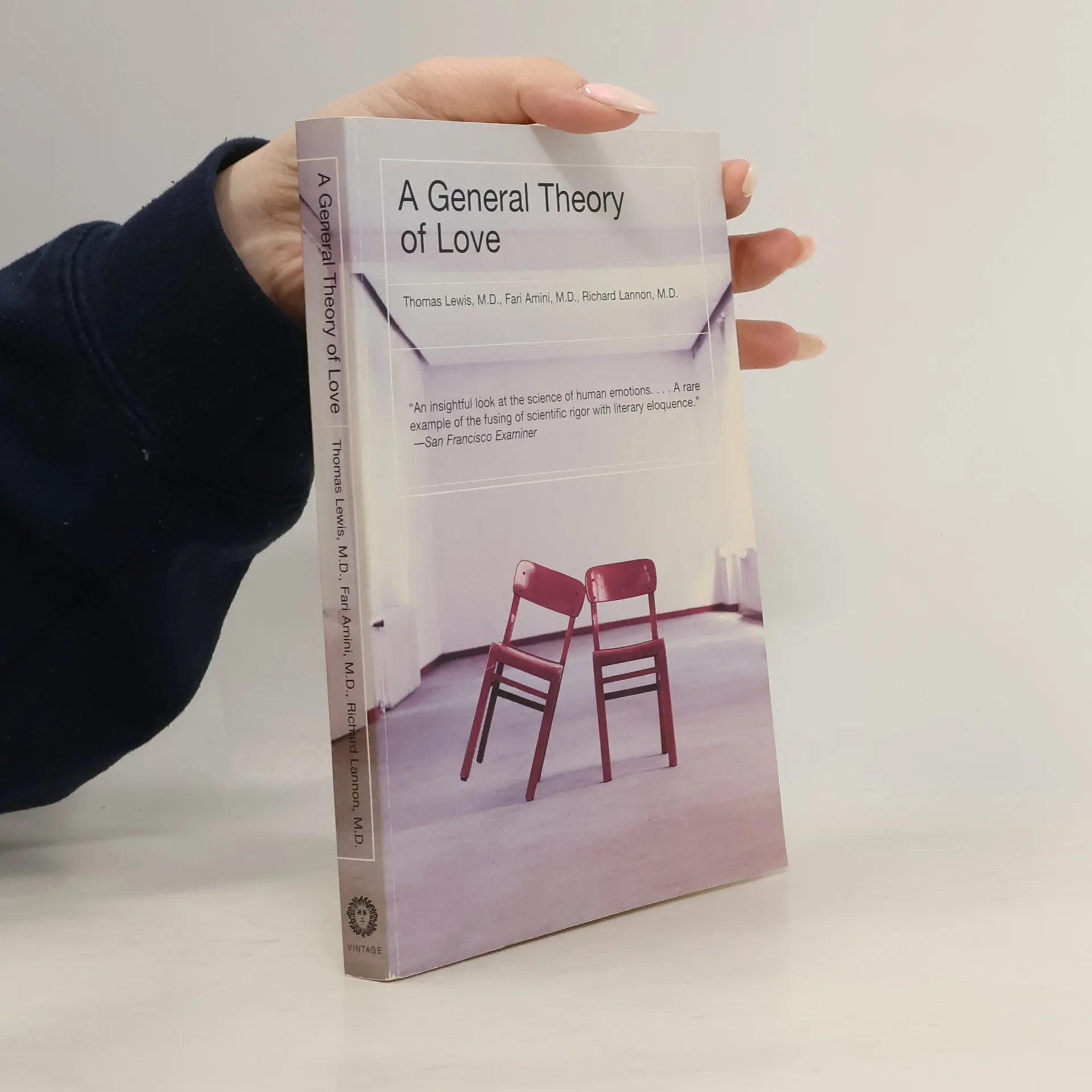
    A General Theory of Love
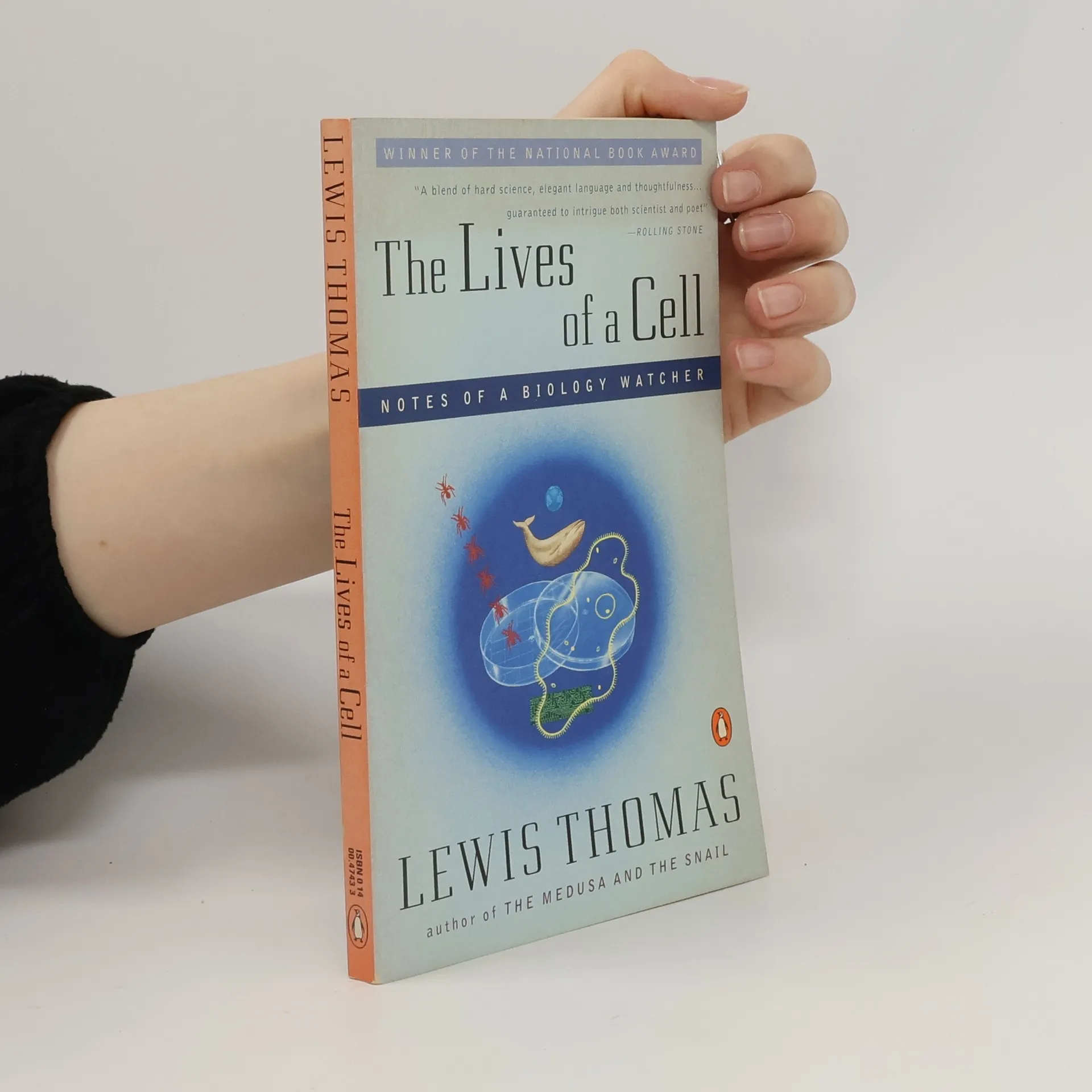
    The Lives of a Cell
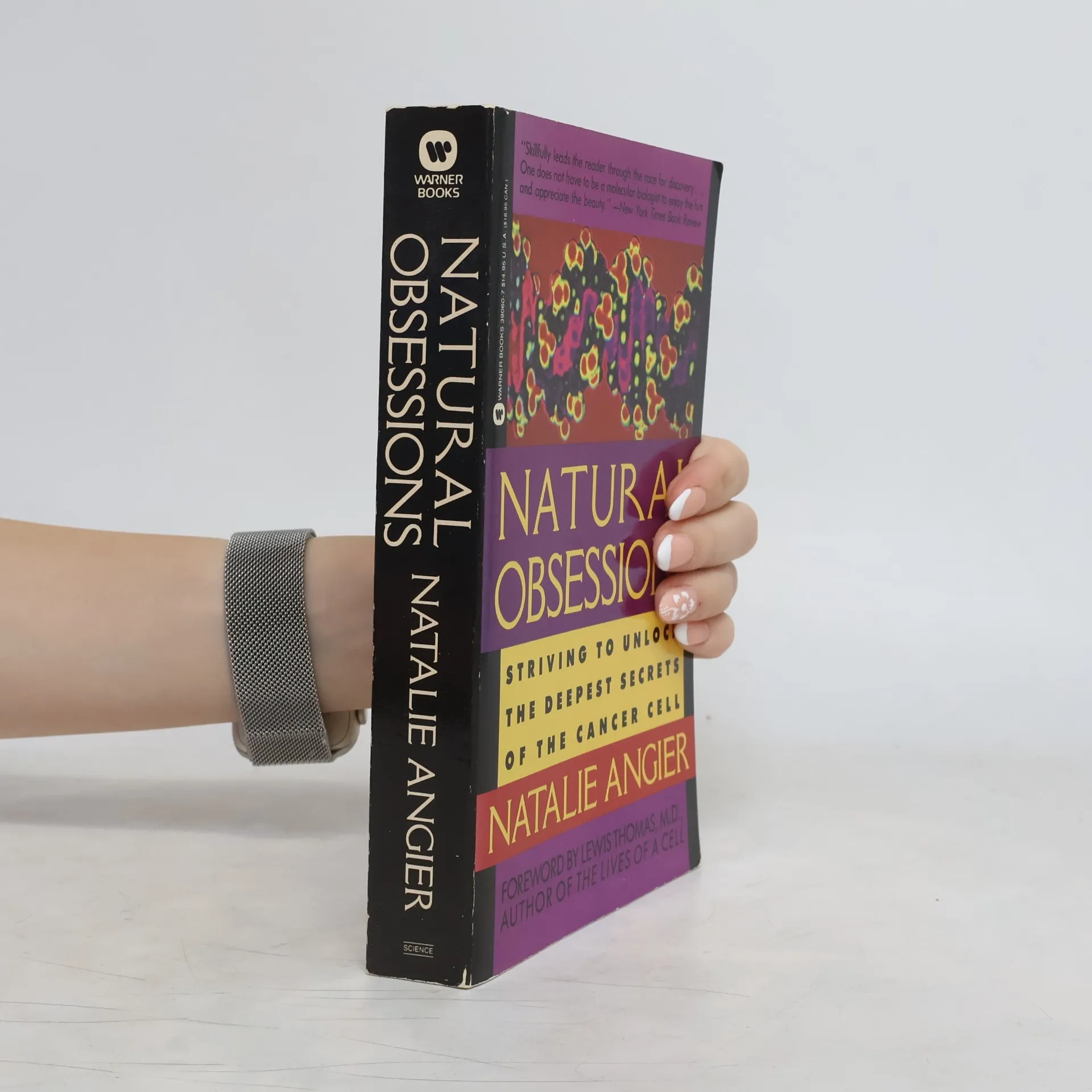
    Natural Obsessions
    Die Meduse und die Schnecke
    • Natural Obsessions

      Striving to Unlock the Deepest Secrets of the Cancer Cell

      • 400 Seiten
      • 14 Lesestunden
      4,5(31)Abgeben

      As dramatic as The Double Helix and as absorbing as The Soul of a New Machine, Natural Obsessions explores the advanced reaches of molecular biology, the nature of the human cell, and the genes that control cancer. It unforgettably portrays some of the best young scientists in the world, the rewards and discouragements of scientific research, and the very process of scientific inquiry.

      Natural Obsessions
    • Elegant, suggestive, and clarifying, Lewis Thomas's profoundly humane vision explores the world around us and examines the complex interdependence of all things. Extending beyond the usual limitations of biological science and into a vast and wondrous world of hidden relationships, this provocative book explores in personal, poetic essays to topics such as computers, germs, language, music, death, insects, and medicine. Lewis Thomas writes, "Once you have become permanently startled, as I am, by the realization that we are a social species, you tend to keep an eye out for the pieces of evidence that this is, by and large, good for us."

      The Lives of a Cell
    • A General Theory of Love

      • 288 Seiten
      • 11 Lesestunden
      4,1(4388)Abgeben

      This original and lucid account of the complexities of love and its essential role in human well-being draws on the latest scientific research. Three eminent psychiatrists tackle the difficult task of reconciling what artists and thinkers have known for thousands of years about the human heart with what has only recently been learned about the primitive functions of the human brain.A General Theory of Love demonstrates that our nervous systems are not self-contained: from earliest childhood, our brains actually link with those of the people close to us, in a silent rhythm that alters the very structure of our brains, establishes life-long emotional patterns, and makes us, in large part, who we are. Explaining how relationships function, how parents shape their child’s developing self, how psychotherapy really works, and how our society dangerously flouts essential emotional laws, this is a work of rare passion and eloquence that will forever change the way you think about human intimacy.

      A General Theory of Love
    • This magnificent collection of essays by scientist and National Book Award-winning writer Lewis Thomas remains startlingly relevant for today’s world. Luminous, witty, and provocative, the essays address such topics as “The Attic of the Brain,” “Falsity and Failure,” “Altruism,” and the effects the federal government’s virtual abandonment of support for basic scientific research will have on medicine and science.Profoundly and powerfully, Thomas questions the folly of nuclear weaponry, showing that the brainpower and money spent on this endeavor are needed much more urgently for the basic science we have abandoned—and that even medicine’s most advanced procedures would be useless or insufficient in the face of the smallest nuclear detonation. And in the title essay, he addresses himself with terrifying poignancy to the question of what it is like to be young in the nuclear age.“If Wordsworth had gone to medical school, he might have produced something very like the essays of Lewis Thomas.”— TIME“No one better exemplifies what modern medicine can be than Lewis Thomas.”— The New York Times Book Review

      Late Night Thoughts on Listening to Mahler's Ninth Symphony
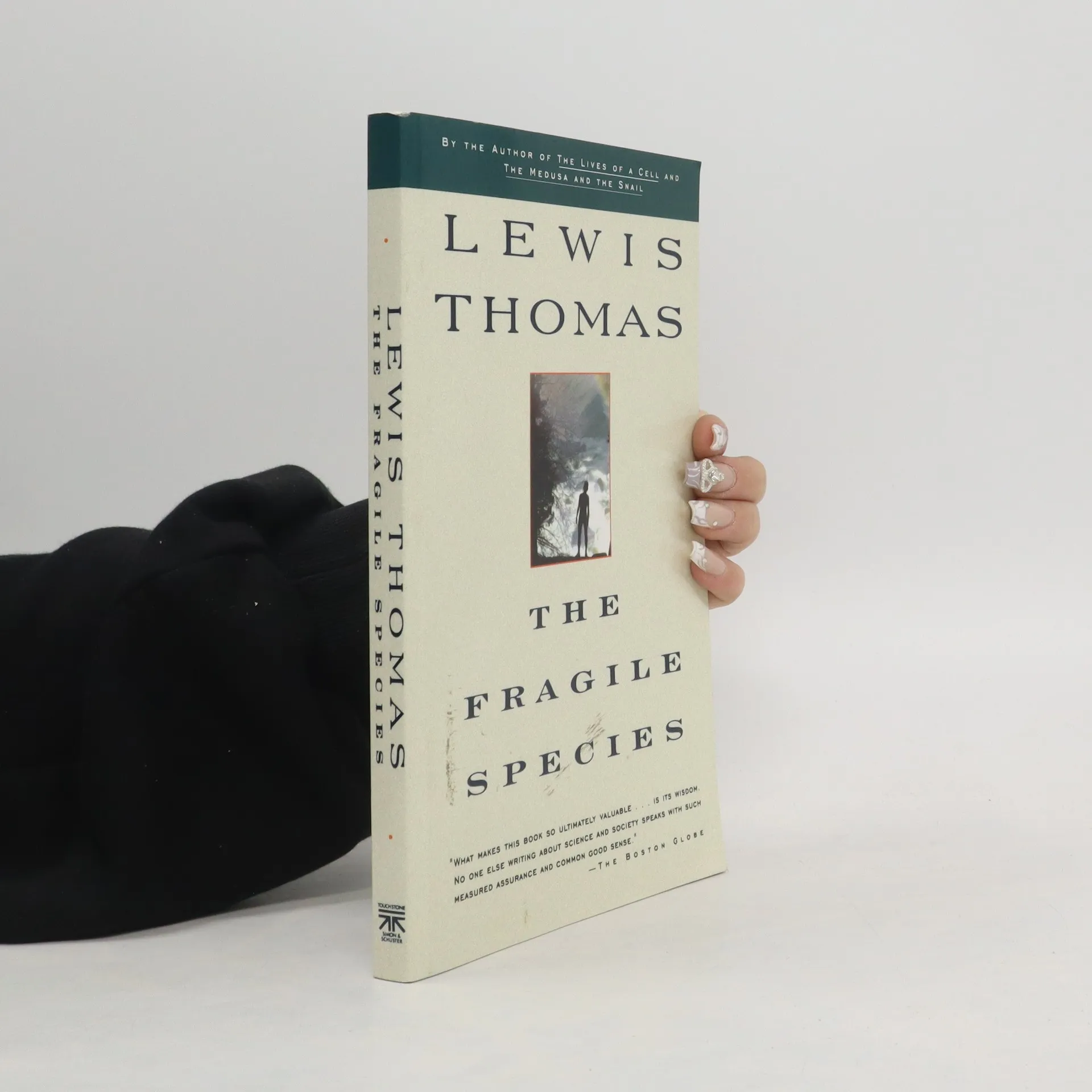
    • Fragile Species

      • 208 Seiten
      • 8 Lesestunden
      4,0(153)Abgeben

      Exploring major contemporary issues like AIDS, drug abuse, and aging, the author delves into evolutionary biology and the development of language with keen insight. He reflects on the therapeutic aspects of medicine, showcasing his passion for the profession while raising thought-provoking questions. This work combines personal narrative with scientific inquiry, offering a unique perspective on the complexities of modern life and health.

      Fragile Species
    • Exploring themes of collective trauma, this book offers a poignant historical testimony through a collection of narratives. It captures personal stories that reflect the emotional and psychological impact of shared experiences, providing insight into resilience and healing. The narratives serve as a powerful reminder of the human capacity to confront and process trauma, making it a significant contribution to understanding historical and contemporary struggles.

      Whose Coat is that Jacket Hanging on the Floor?: Stories of Welsh Mothers and their Lost Children
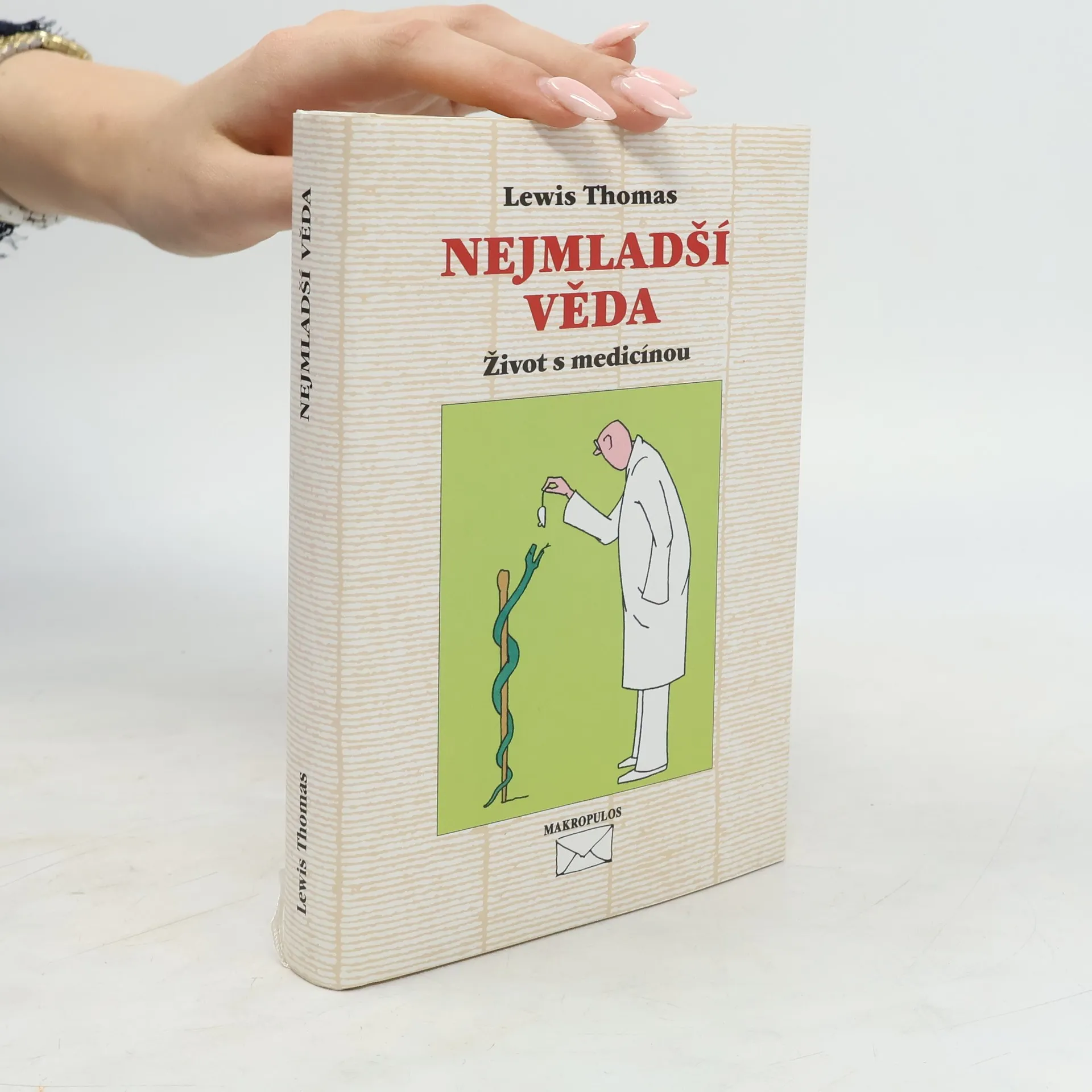
    • Populárně vědecká publikace pojednává o nejživějších otázkách soudobé biologie. Soubor esejů o zajímavých otázkách dneška, vyplývajících z pokroku biologie, byl vytěžen ze dvou knih známého amerického pracovníka v oboru medicínské a biologické vědy (nar. 1913). Jedna z těchto knih byla v r. 1974 poctěna Národní cenou USA. Doslovy Prokop Málek a Miloslav Skyba.

      Buňka, medúza a já
    • Eseje Lewise Thomase, význameného amerického lékaře a vědce, jsou originální literární útvary vypovídající o souvislostech a vzájemných vztazích mezi živými organismy v přírodě.

      Životy buňky: Poznámky pozorovatele biologie