Eine Einführung in die Poetik des wichtigsten Autors der französischsprachigen Karibik. Édouard Glissant hat das Aufeinandertreffen unterschiedlicher Kulturen stets als positiv betrachtet und daraus eine »Poetik der Vielheit« entwickelt, die uns ermöglicht, den Prozeß der Globalisierung auch als kulturelles Phänomen zu begreifen. In vier Essays skizziert er die Argumentation seiner Kulturphilosophie. Den Prozeß der »Globalisierung« der Welt hat der Romancier, Poet und Kulturphilosoph Édouard Glissant frühzeitig als kulturelle Tendenz ausgemacht und beschrieben. Er fand ihn als kreative Kraft im Zusammenleben der verschiedenen Kulturen seiner Heimat Martinique. Glissant konnte mit seiner »Poetik der Vielheit« die fragmentarische Theorie der weltweiten Beziehung entwerfen, die uns das philosophische Werkzeug liefert, um die Globaliserung als kulturelles Phänomen zu begreifen. Eine Poetik, die die Grenzen des Ästhetischen hinter sich läßt und sich aus ethnologischen, psychologischen und soziologischen Erkenntnissen speist. Mit »Kultur und Identität« liegt nun eine Zusammenfassung seines Ansatzes vor. Ein Glossar der Übersetzerin zu den Schlüsselbegriffen des Autors erleichtert den Zugang zum Gesamtwerk Édouard Glissants. Nicht nur für Studierende ein ideales Handbuch.
Édouard Glissant Bücher
Édouard Glissant war ein französischer Schriftsteller, Dichter, Philosoph und Literaturkritiker aus Martinique, der weithin als eine der einflussreichsten Persönlichkeiten des karibischen Denkens und Kulturkommentars anerkannt wird. Sein Werk befasst sich mit Themen der Identität, Geschichte und Kultur in der postkolonialen Welt. Glissants Schriften zeichnen sich durch die Auseinandersetzung mit Komplexität und Vielfalt aus und bieten tiefe Einblicke in die menschliche Erfahrung und die Vernetzung von Kulturen. Er prägte die zeitgenössische Diskussion über Kreolisierung und das breitere Verständnis globalisierter Identität.
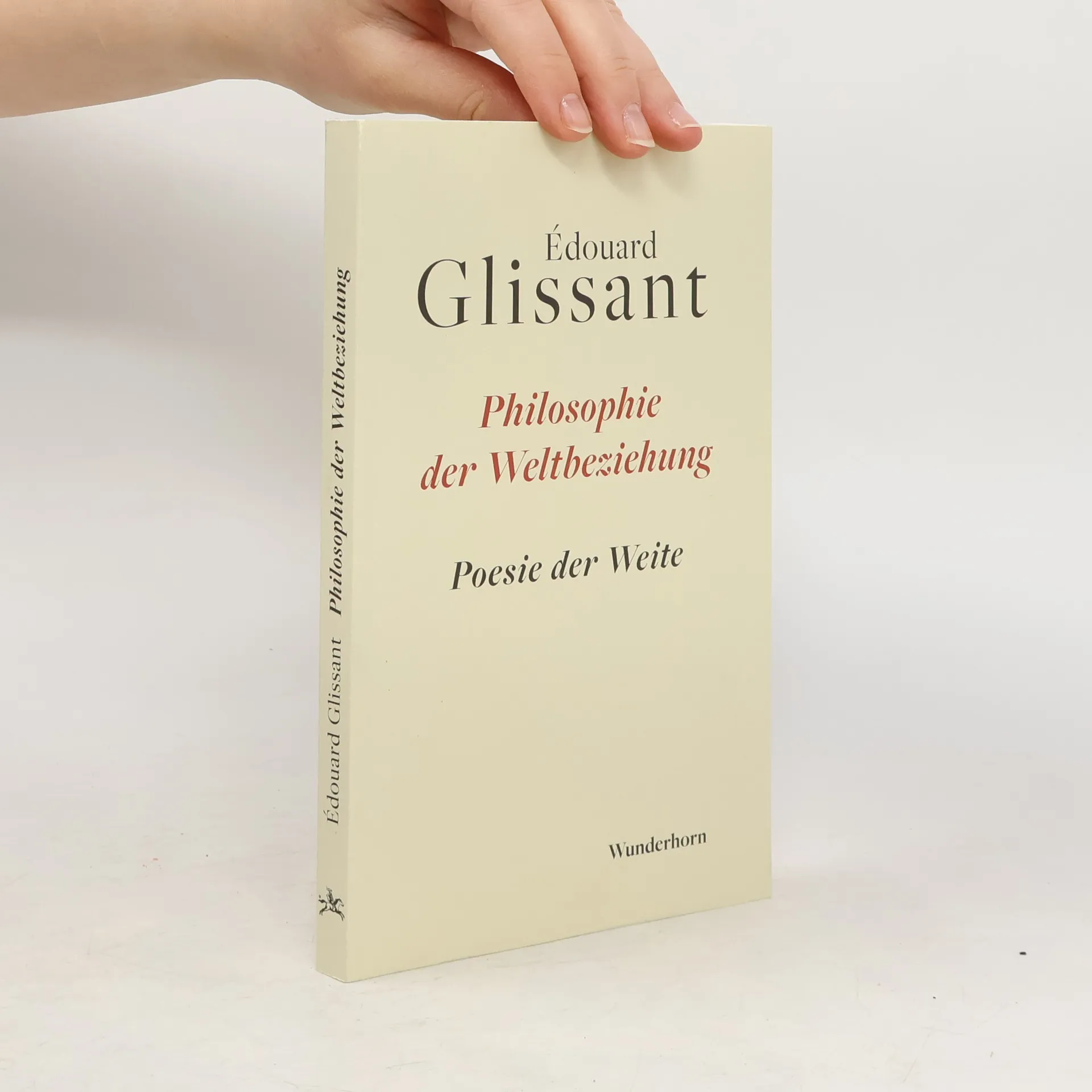

Philosophie der Weltbeziehung
Poesie der Weite
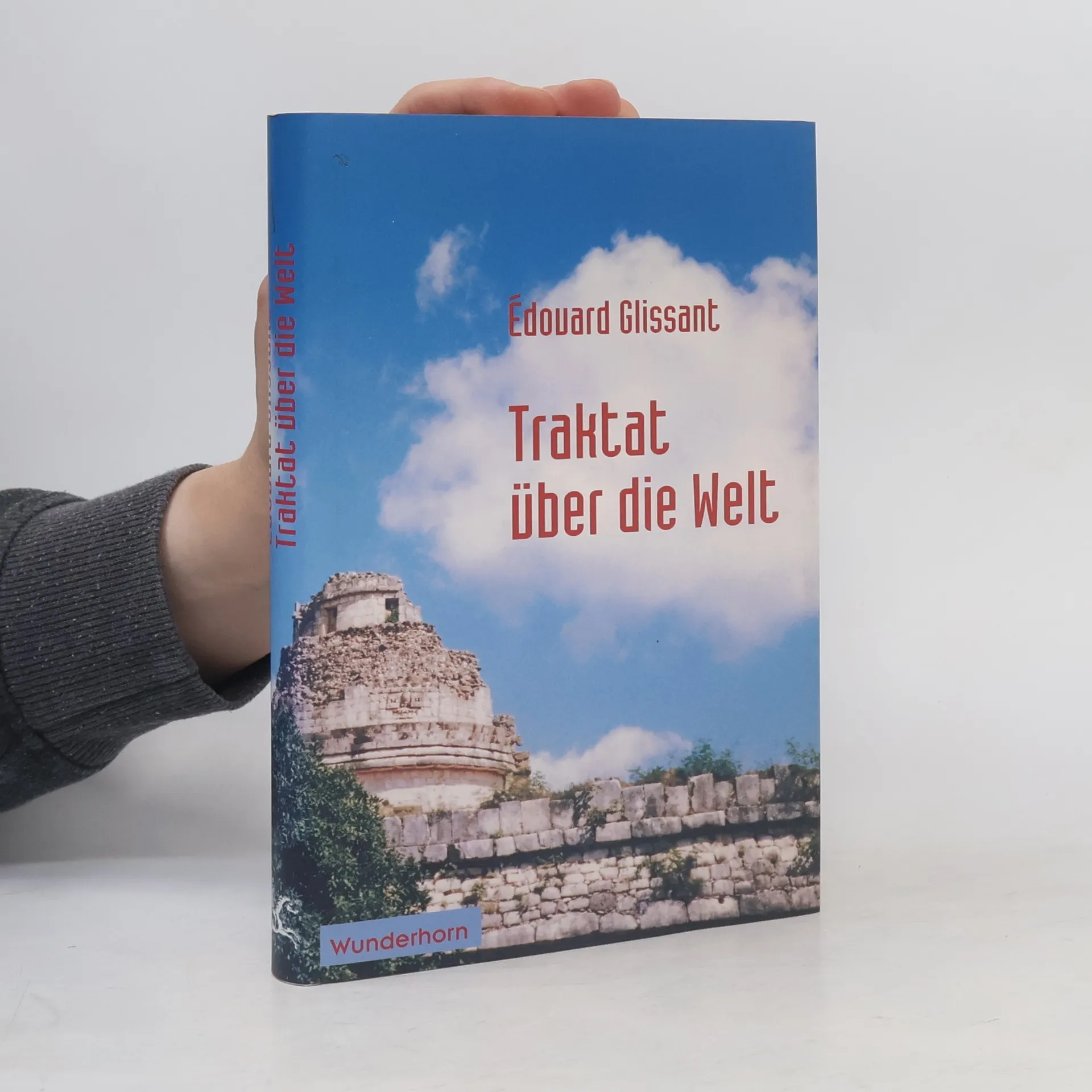
Wir sehen die Welt nicht mehr auf grobe und projektive Weise: Es gibt nicht nur fünf Kontinente, sondern auch Archipele, eine Blüte von Meeren, offensichtlichen und verborgenen, deren geheimste uns bereits berühren. Es gibt nicht nur vier Rassen, sondern auch erstaunliche Begegnungen, die uns in die Weite öffnen. Es gibt nicht nur große Zivilisationen; vielmehr weicht das Maß dessen, was man Zivilisation nennt, dem Verflechten dieser Kulturen der Menschheit, die benachbart und verwoben sind. Ihre Details erzeugen überall die Totalität. Das Detail ist kein beschreibender Anhaltspunkt, sondern eine Tiefe der Poesie, zugleich eine nicht messbare Ausdehnung. Diese untrennbaren und unerwarteten Aspekte weisen, noch bevor sie definiert werden, auf die Realität oder den Sinn des Tout-monde hin.
Die Entdecker der Nacht
- 374 Seiten
- 14 Lesestunden
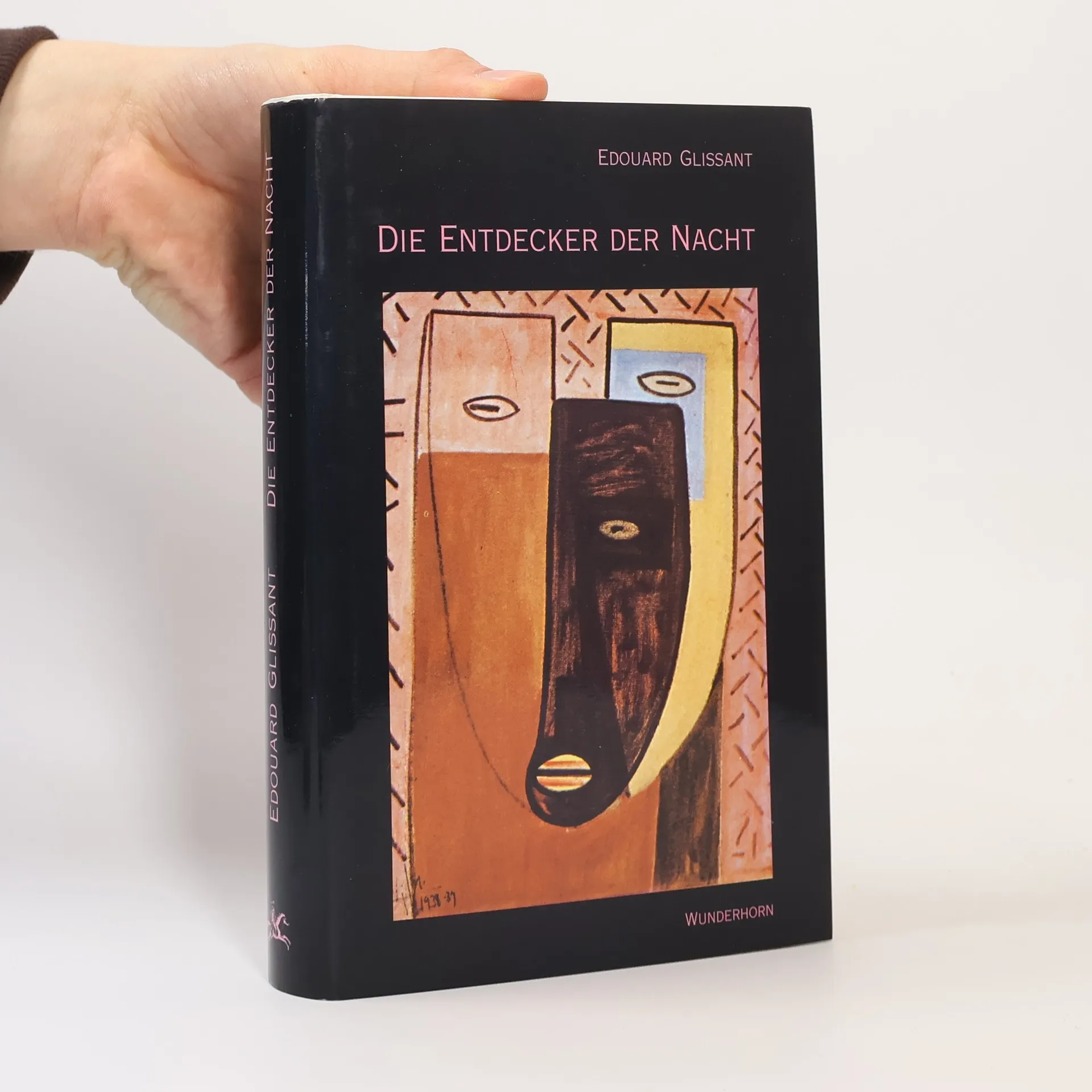
Belletristik : Martinique ; historischer Roman (18. Jh.).
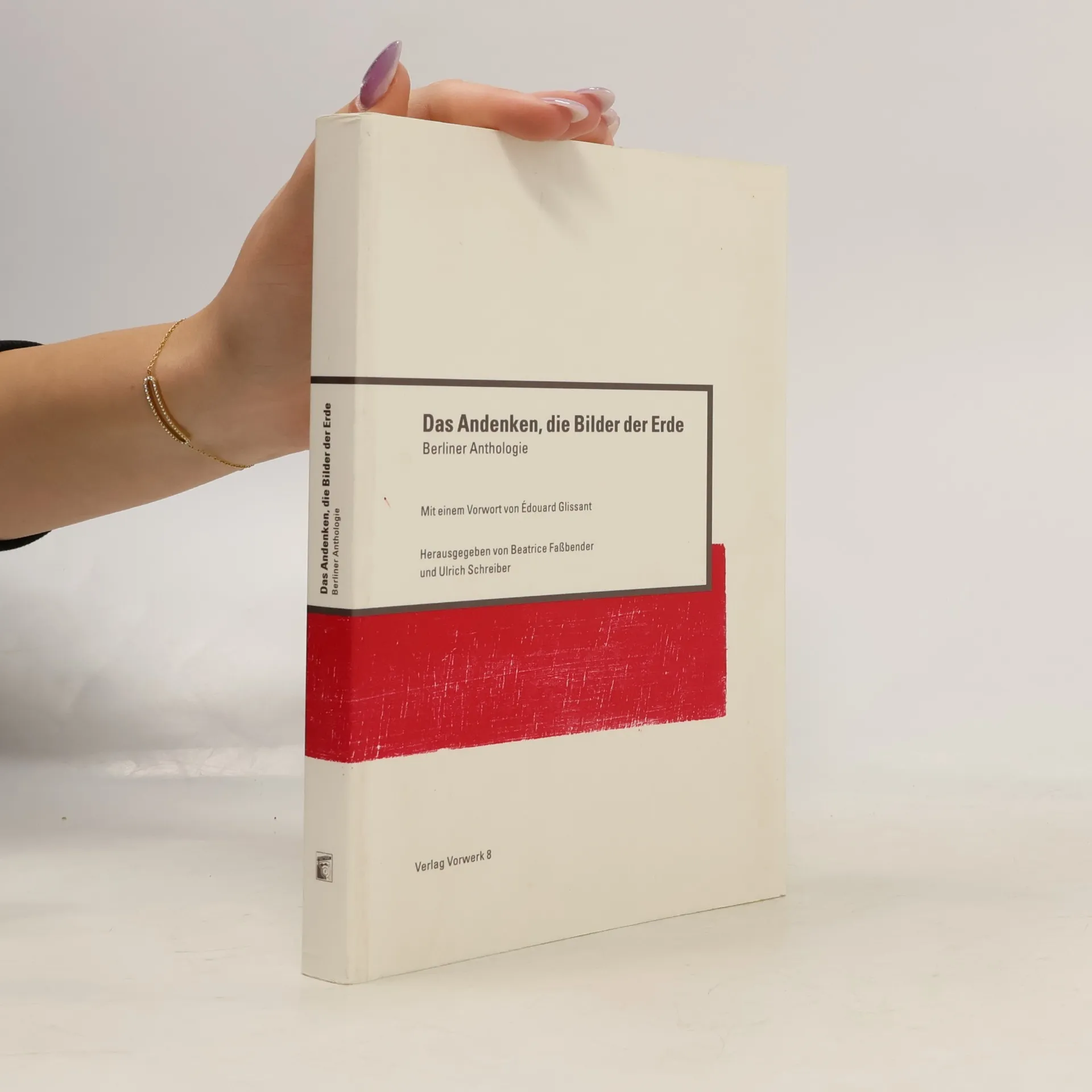
'Bringen Sie uns drei Gedichte mit!' 33 Autoren, Gäste des 6. internationalen literaturfestivals berlin, sind dieser Bitte nachgekommen. Entstanden ist eine ebenso außergewöhnliche wie persönliche Sammlung von 99 bekannten und unbekannten Gedichten aus aller Welt, von denen viele hier erstmals deutsch erscheinen. Alle Texte sind in der Originalsprache und in deutscher Übersetzung zu lesen, gestaltet in zweifarbigem, elegantem Schriftbild. Auch wenn der Titel es vermuten läßt: Es handelt sich nicht um eine Anthologie mit Berlin-Gedichten; vielmehr reflektiert das Buch seit sechs Jahren die Vielstimmigkeit eines der größten Literaturfestivals der Welt und ist die bleibende Essenz des Festivals, wenn die Autoren nach zwölf Tagen wieder abgereist sind. In diesem Jahr mit Gedichten von Gabriela Adameşteanu, Rafael Alberti, Unsi al-Hadj, Eugenijus Ališanka, Ingeborg Bachmann, Elizabeth Bishop, Bertolt Brecht, Gwendolyn Brooks, Lewis Carroll, Paul Celan, Aimé Césaire, Mirza Ghalib, Louise Glück, Dieter M. Gräf, Helon Habila, Paal-Helge Haugen, Zbigniew Herbert, Sergej Jessenin, István Kemény, Jan Koneffke, Norman Manea, Henri Michaux, Octavio Paz, Edgar Allan Poe, Alastair Reid, Kenneth Rexroth, Gerhard Rühm, Marin Sorescu, Tomas Tranströmer, Paul Verlaine, Derek Walcott, Peter Waterhouse u. a. Mit einem Vorwort von Édouard Glissant, einem der bedeutendsten Lyriker der französischsprachigen Karibik.
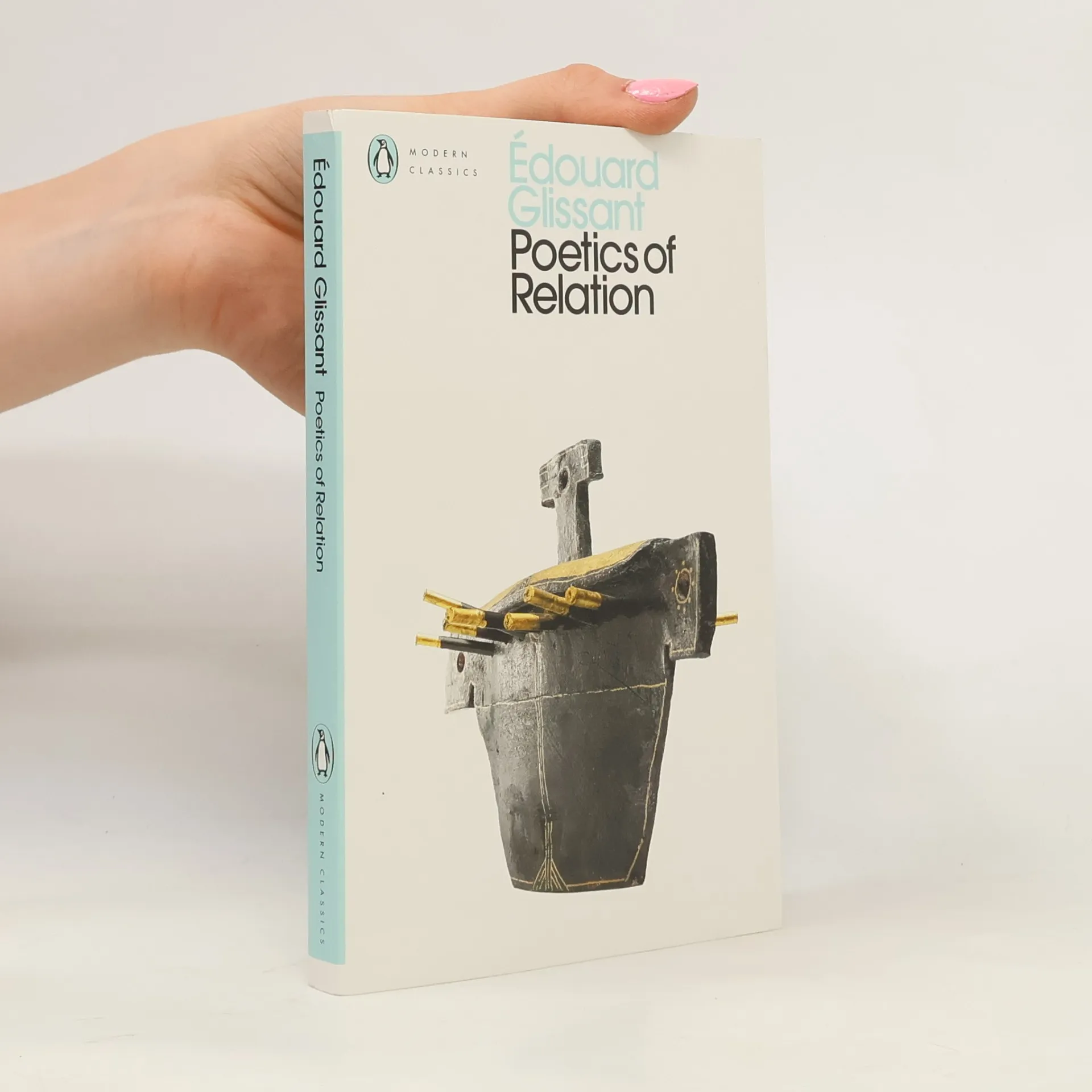
Poetics of Relation
- 240 Seiten
- 9 Lesestunden
A major work by this prominent Caribbean author and philosopher, available for the first time in English
Poetic Intention
- 231 Seiten
- 9 Lesestunden
This marks the publication of the first English-language translation of Poetic Intention, Glissant’s classic meditation on poetry and art. In this wide-ranging book, Glissant discusses poets, including Stéphane Mallarmé and Saint-John Perse, and visual artists, such as the Surrealist painters Matta and Wilfredo Lam, arguing for the importance of the global position of art. He states that a poem, in its intention, must never deny the “way of the world.” Capacious, inventive, and unique, Glissant’s Poetic Intention creates a new landscape for understanding the relationship between aesthetics and politics.
Manifestos
- 176 Seiten
- 7 Lesestunden
This collection presents for the first time in English the manifestos by Édouard Glissant and Patrick Chamoiseau, written between 2000 and 2009, partly in response to Barack Obama’s election in 2008. The texts address the complexities of divided identities and critiques of multiculturalism, reflecting on historical and political moments in France, the Caribbean, and North America. The authors tackle socio-political issues such as climate catastrophe, resource extraction, toxicity, and neocolonialism. Key themes emerge through their poetic language, including Relation, globalization, anti-universalism, métissage, the tout-monde ("whole-world"), and the tout-vivant ("all-living"), emphasizing human connections and our relationship with nature. The concepts of créolité and the creolization of the world highlight the need for liberation from community constraints in the face of individualism and neoliberalism. As the inaugural volume in the Planetarities series with Goldsmiths Press, the themes resonate with contemporary challenges posed by economic globalization, identity politics, and various ecosystems. A notable aspect of this publication is its focus on engaged scholarship and the significance of poetry in addressing the urgencies of planetary crises.
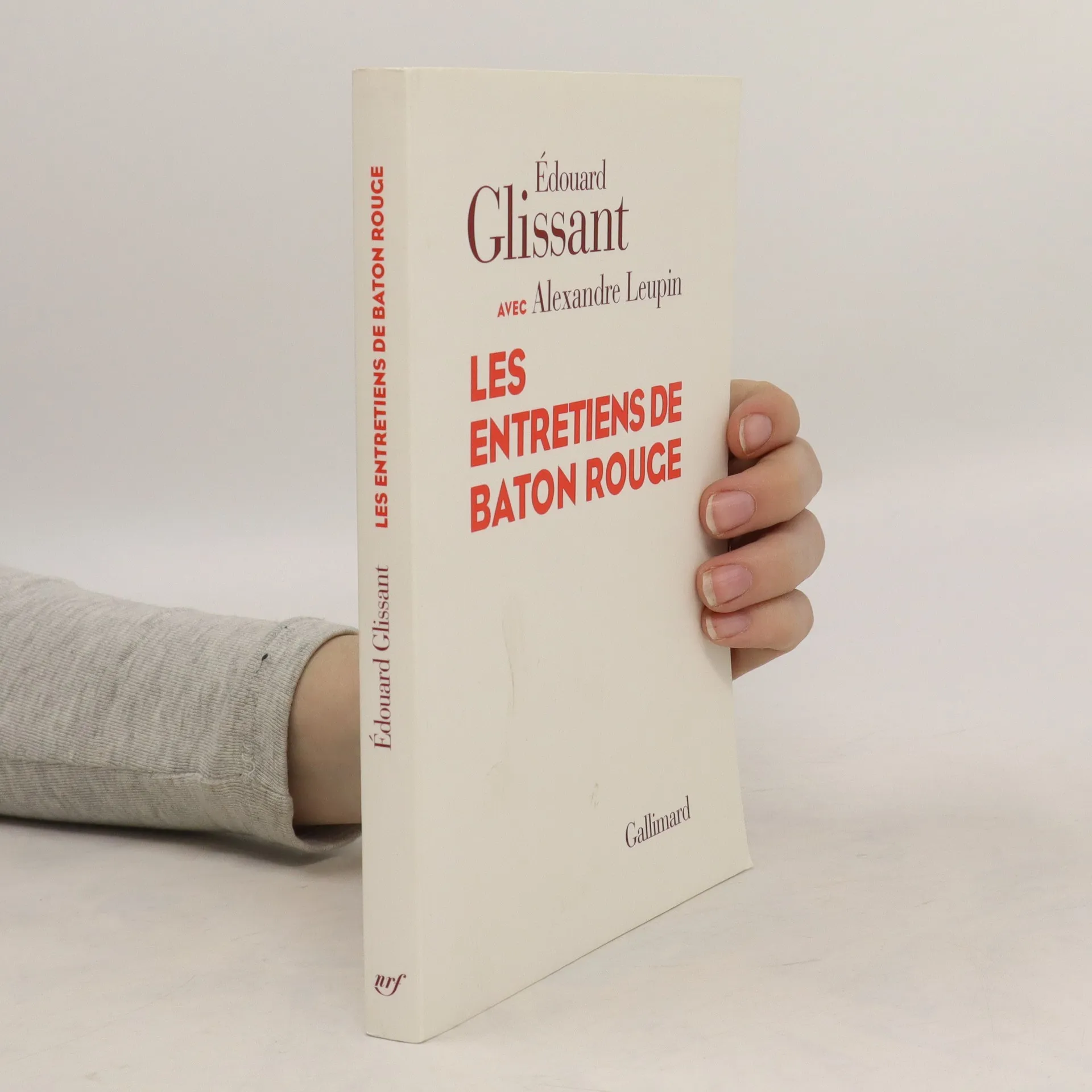
Les entretiens de Baton Rouge
- 167 Seiten
- 6 Lesestunden
"Je dois rendre grâce à Alexandre Leupin de m'avoir entraîné dans ces entretiens, où j'avais d'abord hésité à m'engager. Le sujet proposé, "L'approche du Moyen Âge européen", me décida. Je ne considérais cette époque, difficilement limitable ou définissable, ni comme une résultante des temps impériaux évanouis, ni comme une préface à des Renaissances futures, mais comme un drame en soi, que je n'hésitais pas à approcher de ces épisodes encore coloniaux que tant de peuples vivent aujourd'hui : les pensées de la multiplicité vaincues par les pensées de système. C'est aussi Alexandre Leupin qui entreprit de déchiffrer les enregistrements que nous avions réalisés. Pourquoi ? Le lecteur pourra peut-être en juger, à l'examen du résultat : ce livre tout à fait saisonnier. Et pourquoi si longtemps après ? Sans doute pour donner le temps à ce que nous aurions l'un et l'autre à écrire ou à concevoir, alors et depuis, de rejoindre ce que nous avions si tranquillement échangé entre nous, hors de toute limite." Édouard Glissant.
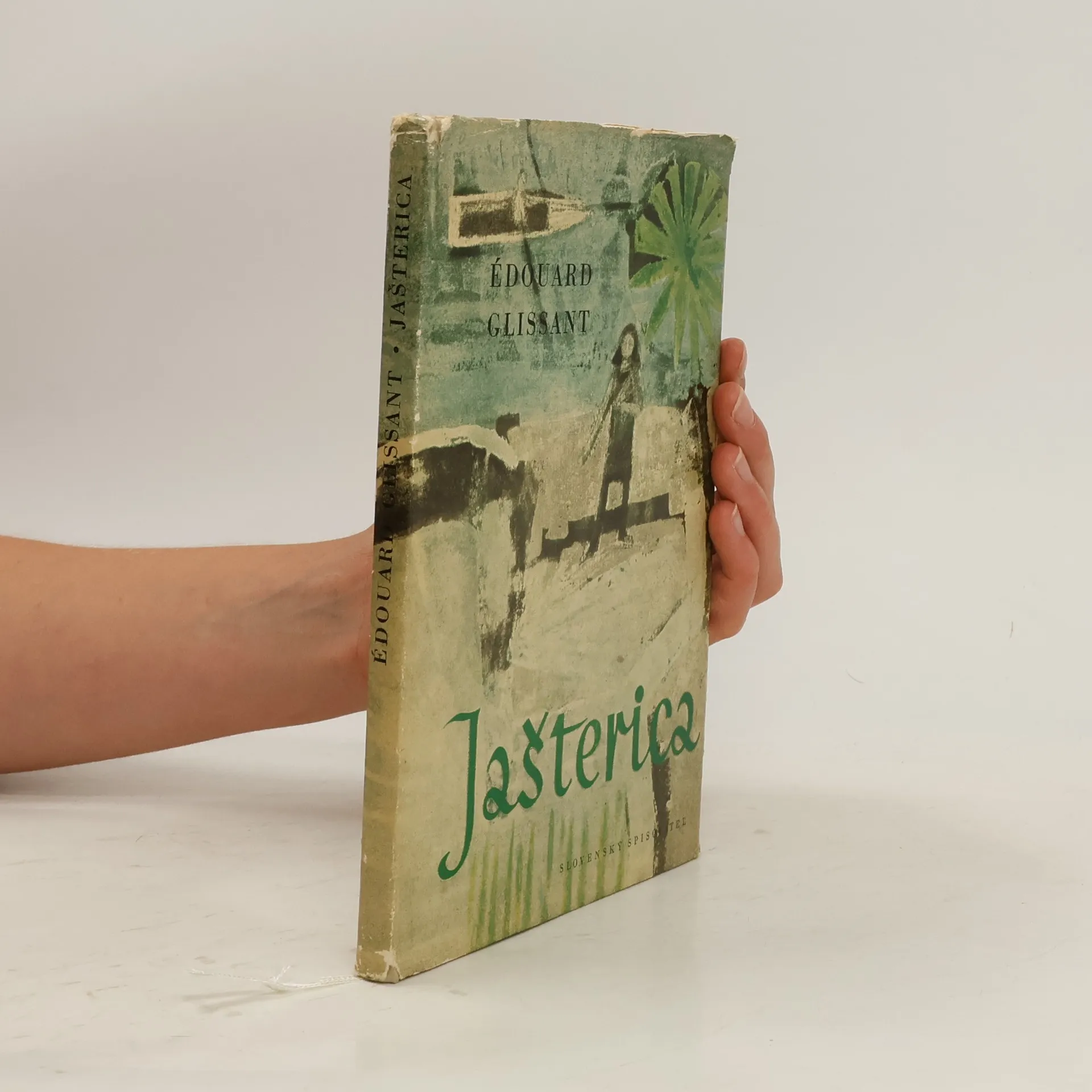
Román rozehrává scénu, která je dodnes noční můrou kreolské kultury a symbolem otroctví: útěk otroka z třtinové plantáže do zakázaných lesů, za nímž jeho pán poštve krvelačné psy. V celé práci vystupují pouze tři aktéři: otrok stařec, nejmlčenlivější otrok z plantáže, pán béké - plantážník, přesvědčený o neotřesitelných hodnotách svého světa, a obrovský pes, kterého přes oceán přivezla v podpalubí otrokářská loď společně s dalšími Afričany, jeho budoucími vězni. Dějištěm je tropický prales, který byl pro kreolské otroky jediným možným prostorem svobody, volnosti a touhy. Otrok stařec uniká otrockému ponížení a probouzí tak vlastní tělo, které poprvé a naplno může vnímat. Utíká z otrockého mlčení k lidství řeči, ve které se mísí vyprávění strachu, křik paniky a zpěv utišení. V panenském pralese nakonec otrok objevuje posvátný kámen karibských Indiánů, ve kterém se probudí jejich ztracený svět, nejstarší vrstva antilské identity. Vyprávění by se ale nemělo jen číst, mělo by se mu i naslouchat, stejně jako kreolští otroci naslouchali svému vypravěči, který jim za nočního bdění navracel silou slov a magií řeči jejich poničené lidství.
En 1960, l'homme d'affaires Edelmiro Sargats, inquiet de la révolution castriste, quitte la Havane et s'installe avec sa famille à Miami. Son fils Julian va devenir le héros principal d'une chronique qui nous conduit jusqu'à aujourd'hui. Entre ses parents qui s'adaptent mal à leur nouvelle existence, sa femme Emma, fougueuse anticastriste, et une multitude de personnages pittoresques, il participe aux rêves et aux luttes qui agitent la colonie des exilés cubains. Eduardo Manet excelle à évoquer cette société marginale, vivant moins d'espoirs que d'illusions, où les victimes, les dupes, les chimériques et les traîtres se côtoient, dans le paysage luxuriant de la côte de Floride.