Dieser Autor ist dafür bekannt, Wissenschaft durch seine Vorträge und Schriften einem breiteren Publikum verständlich zu machen. Seine Arbeit zeichnet sich durch den Versuch aus, komplexe wissenschaftliche Konzepte mit zugänglicher Sprache zu verbinden. Durch sein Schreiben konzentriert er sich auf die Popularisierung der Wissenschaft und ihre Annäherung an Laien. Sein Ansatz betont Klarheit und Engagement bei der Erklärung wissenschaftlicher Themen.
Drawing on years of conversations with Higgs and others, Close illuminates how an unprolific man became one of the world's most famous scientists. Close finds that scientific competition between people, institutions, and states played as much of a role in making Higgs famous as Higgs's work did
The Treachery and Pursuit of the Most Dangerous Spy in History
528 Seiten
19 Lesestunden
Klaus Fuchs knew more nuclear secrets in the last two years of the Second World War than anyone else in Britain. He was taken onto the Manhattan Project in the USA as a trusted physicist - and was the conduit by which knowledge of the highest classification passed to the Soviet Union. When Truman announced at the Potsdam Conference that the US possessed a nuclear bomb, Stalin already knew. This book, by an accomplished scientist as well as historian, is the first to explain the physics as well as the spying, and because Frank Close worked, like Fuchs, at the Harwell Laboratory, it contains much important new material.
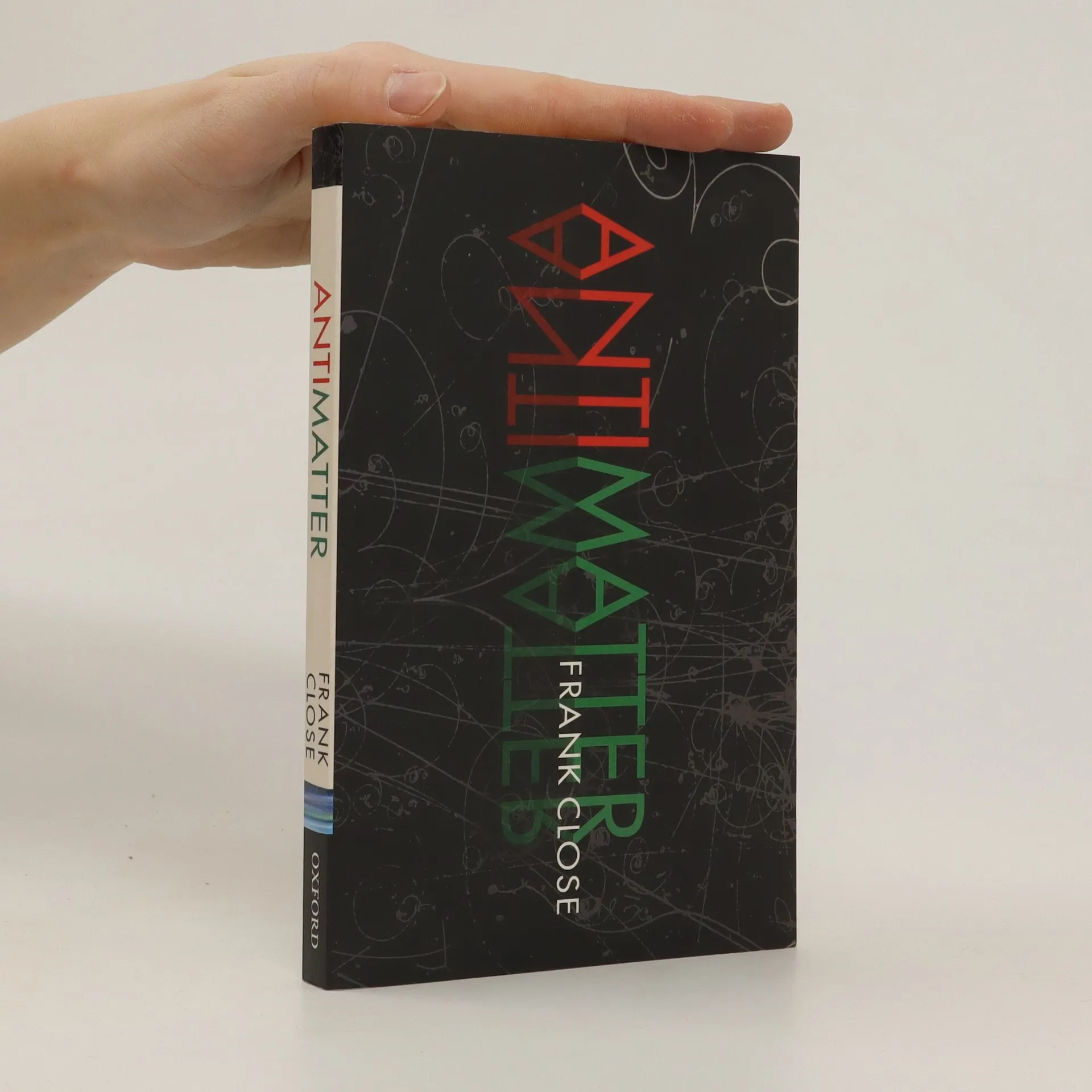
Antimatter is a weird opposite to matter that will destroy everything it touches; it could be the ultimate source of power or weapon of mass destruction. This book explains what it is and what it can do
The memo landed on Kim Philby's desk in Washington, DC, in July 1950. Three months later, Bruno Pontecorvo, a physicist at Harwell, Britain's atomic energy lab, disappeared without a trace. When he re-surfaced six years later, he was on the other side of the Iron Curtain...One of the most brilliant scientists of his generation, Pontecorvo was privy to many secrets: he had worked on the Anglo- Canadian arm of the Manhattan Project, and quietly discovered a way to find the uranium coveted by nuclear powers. Yet when he disappeared MI5 insisted he was not a threat. Now, based on unprecedented access to archives, letters and surviving family members and scientists, award-winning writer and physics professor Frank Close pieces together an answer to whether Pontecorvo's defection did indeed bring an end to a life of spycraft -and exposes the truth of a man irrevocably marked by the advent of the atomic age and the Cold War...
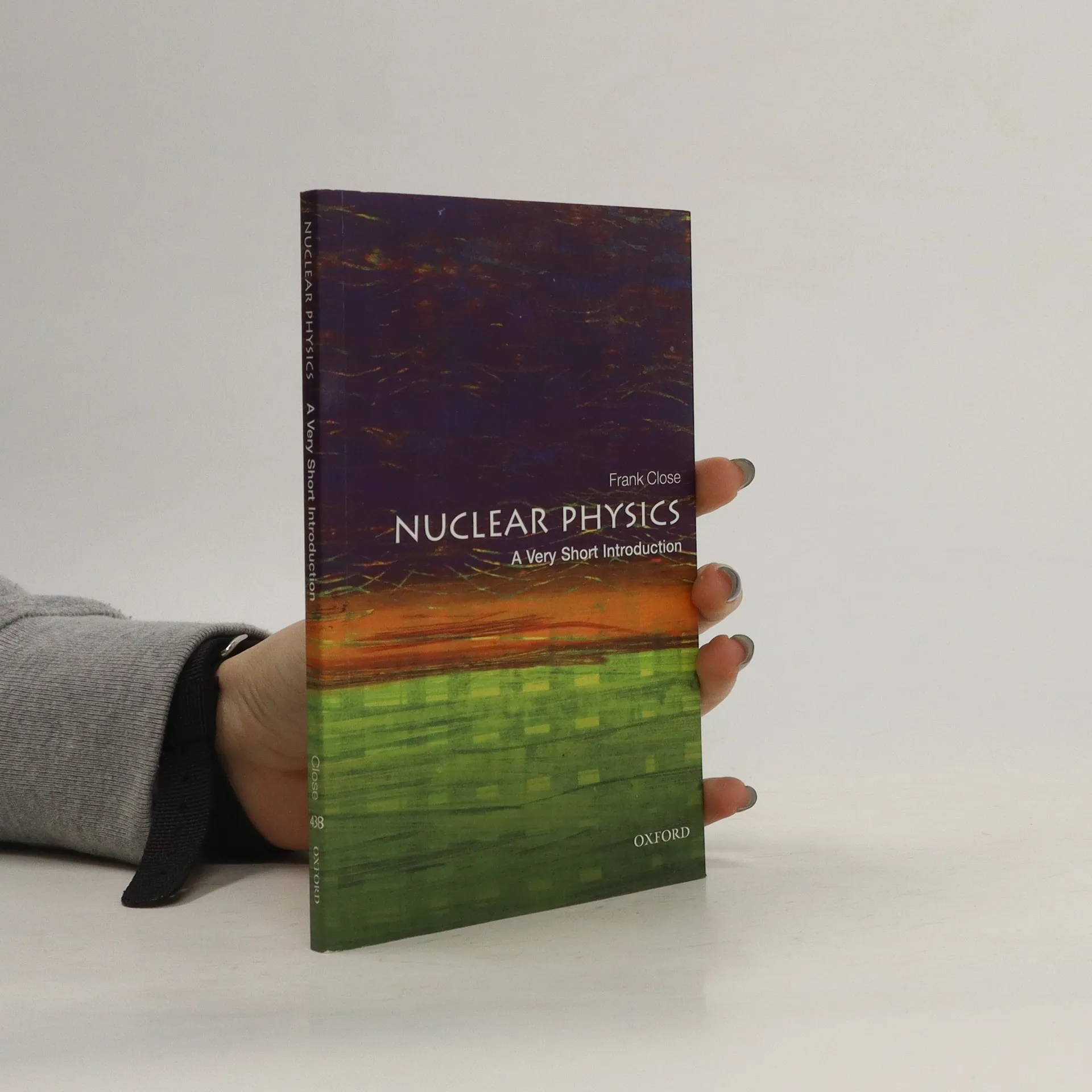
In this Very Short Introduction Frank Close describes the historical development of nuclear physics, our understanding of the nucleus, how nuclei form, and the applications of the field in medicine. Exploring key concepts, Frank Close shows how nuclear physics brings the physics of the stars to Earth.
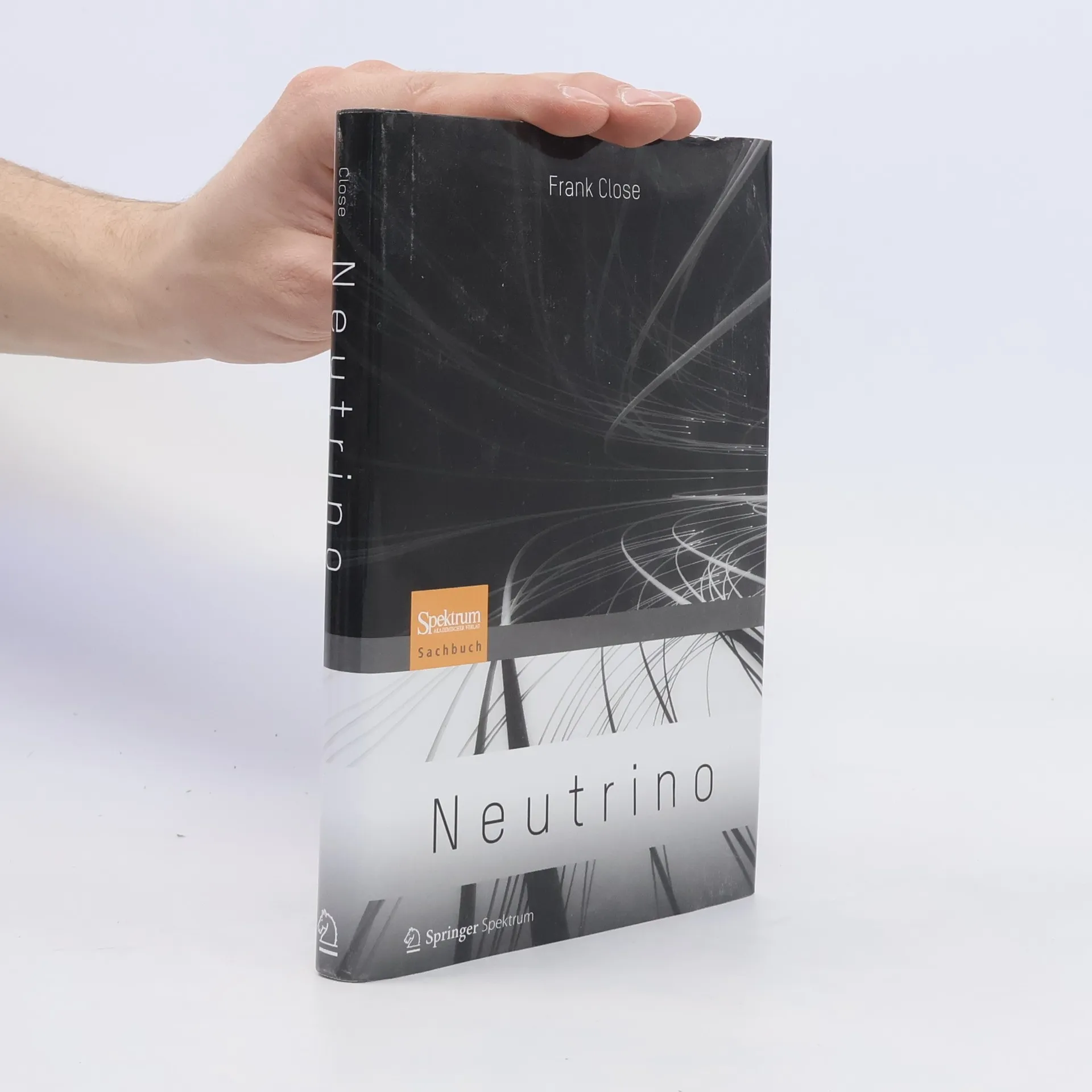
Allgegenwärtig und unsichtbar, fast masselos und voller Geheimnisse – die faszinierende Geschichte der Neutrinos wird von Frank Close erzählt. Diese „Geisterteilchen“ durchdringen uns und die Erde, ohne dass wir es merken. Der Physiker Wolfgang Pauli bemerkte einst, dass er etwas Schreckliches getan hatte, indem er eine Theorie aufstellte, die nie experimentell verifiziert werden könne. Es dauerte Jahre, Geduld und Einfallsreichtum, um einen flüchtigen Blick auf das schwer fassbare Neutrino zu erhaschen und die Wette Pauli zu gewinnen. Diese außergewöhnlichen Teilchen sind ladungslos, fast lichtschnell und interagieren selten mit Materie. Sie spielen in unserem Universum die Rolle grauer Eminenzen, die kaum in Erscheinung treten. Ihre Existenz ist so „scheu“, dass es erstaunlich ist, dass wir überhaupt von ihnen wissen. Neutrinos sind sowohl Überreste des Urknalls als auch Produkte von Sonne und Sternen, die in Billionen durch die Erde strömen. Close beschreibt die ersten theoretischen Hinweise auf ihre Existenz und den langen Kampf, sie zu „fangen“ und ihre Natur zu verstehen. An ihrer Entdeckung waren viele Charaktere und tonnenweise Spülmittel in tiefen Minen beteiligt. Trotz ihrer Winzigkeit tragen Neutrinos Informationen aus fernen Sternen und Galaxien und haben einen neuen Zweig der Astronomie begründet, der uns Einblicke in die frühen Momente des Universums ermöglicht.
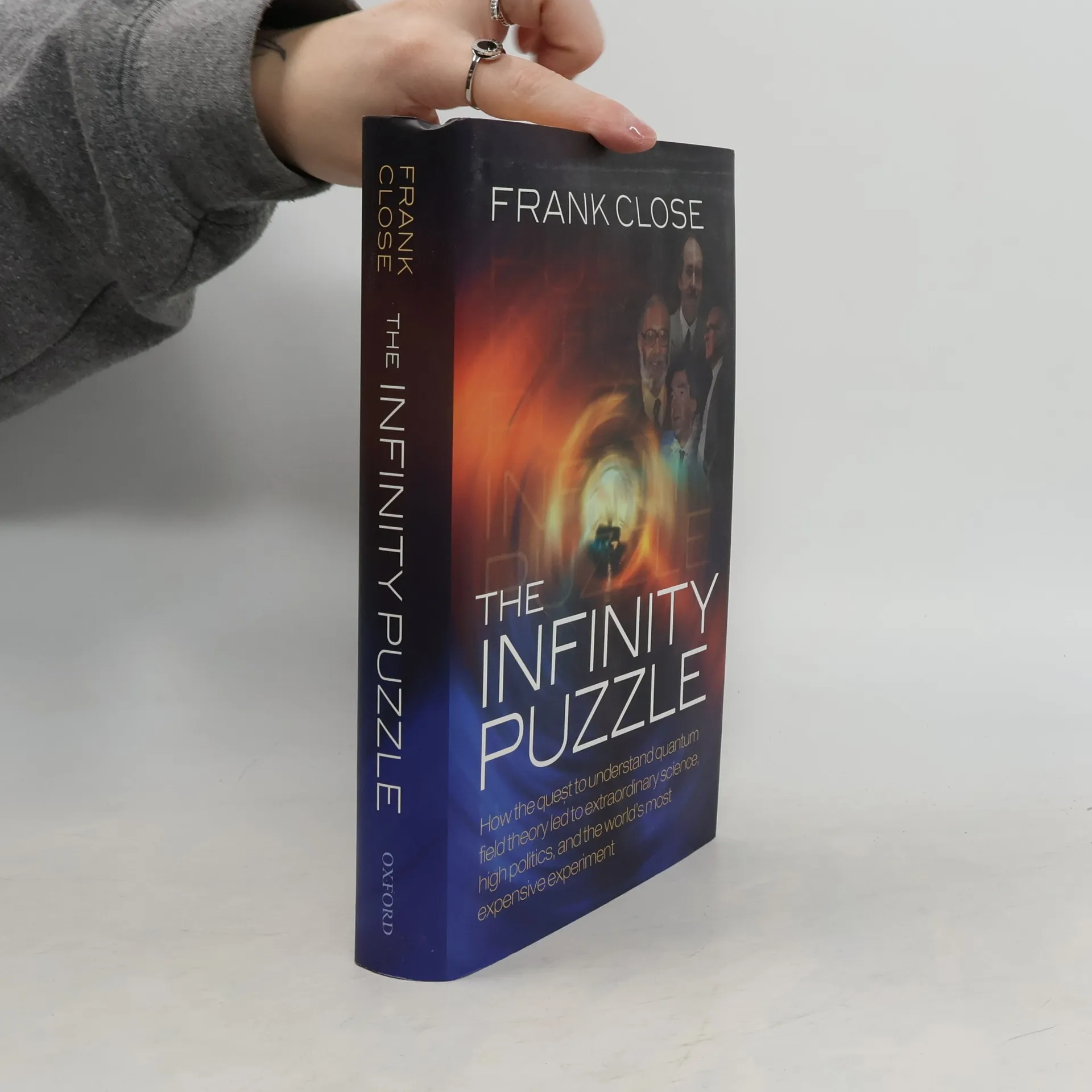
Forty or so years ago, three physicists - Peter Higgs, Gerard 't Hooft, and James Bjorken - made the spectacular breakthroughs that led to the world's largest experiment, the CERN Large Hadron Collider. Played out against a backdrop of high politics, low behaviour, and billion dollar budgets, this is the story of their work and its implications.
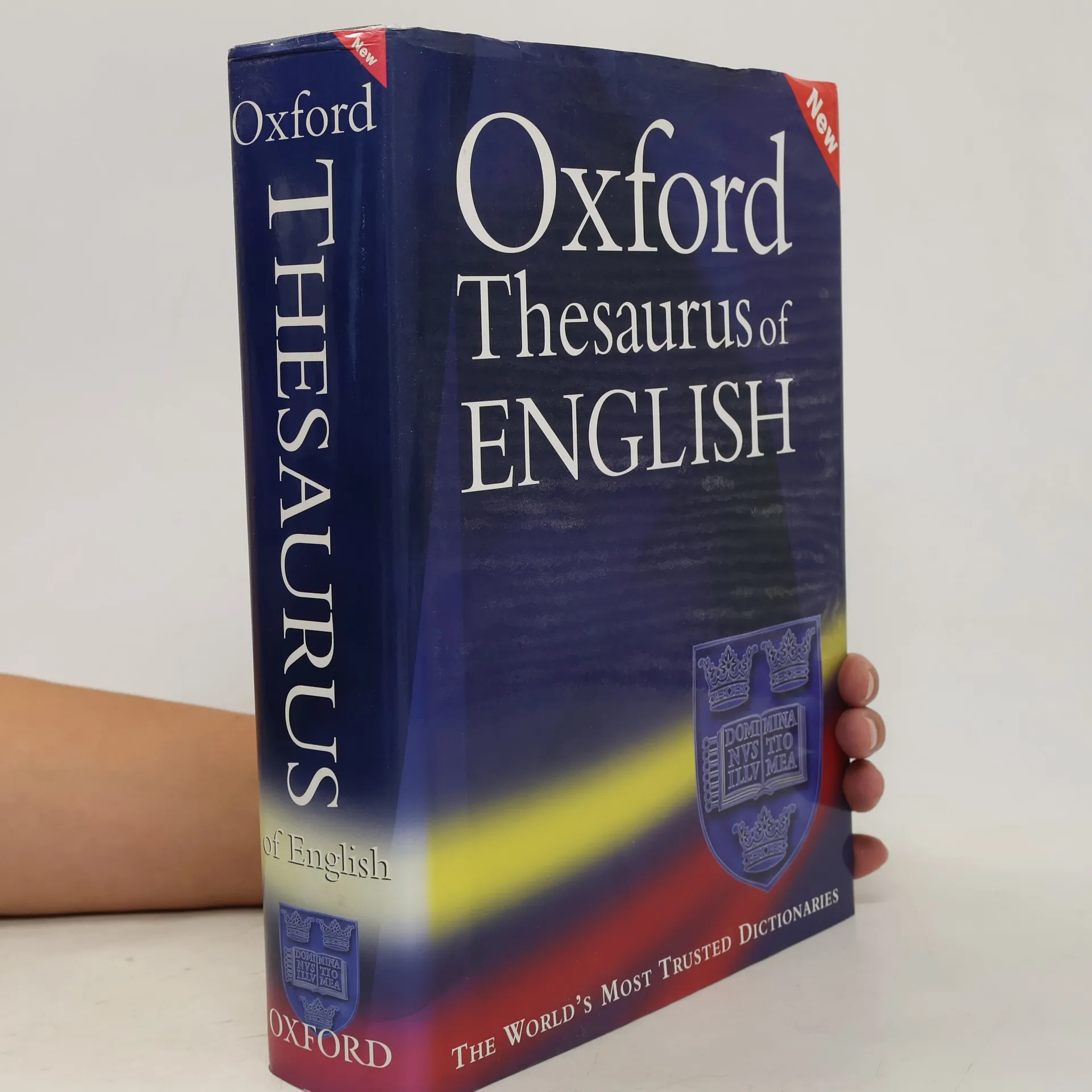
The second edition of the Oxford Thesaurus of English offers unrivalled coverage of over 600,000 alternative and opposite words, and over 36,000 examples of words in use to help you choose the right sense. Updated with the latest words to be entered in Oxford dictionaries, it is accessible and easy to use. This new edition of Oxford's top of the range thesaurus provides extra features such as panels to help you "Choose the Right Word" among similar alternatives, such as artificial, synthetic, and man-made, all updated to reflect contemporary English usage. Word Links sections help to extend your vocabulary with related words such as astronomy at star, and ornithophobia at bird. Hundreds of lists of different types of animals, plants, food, drink, aircraft, musicians, etc. are now in a separate section to make them easy to find. Offering comprehensive and authoritative coverage of current English, the Oxford Thesaurus of English is ideal for use at home, school, and the office,and is the perfect reference tool to help you increase your vocabulary and write more effectively.
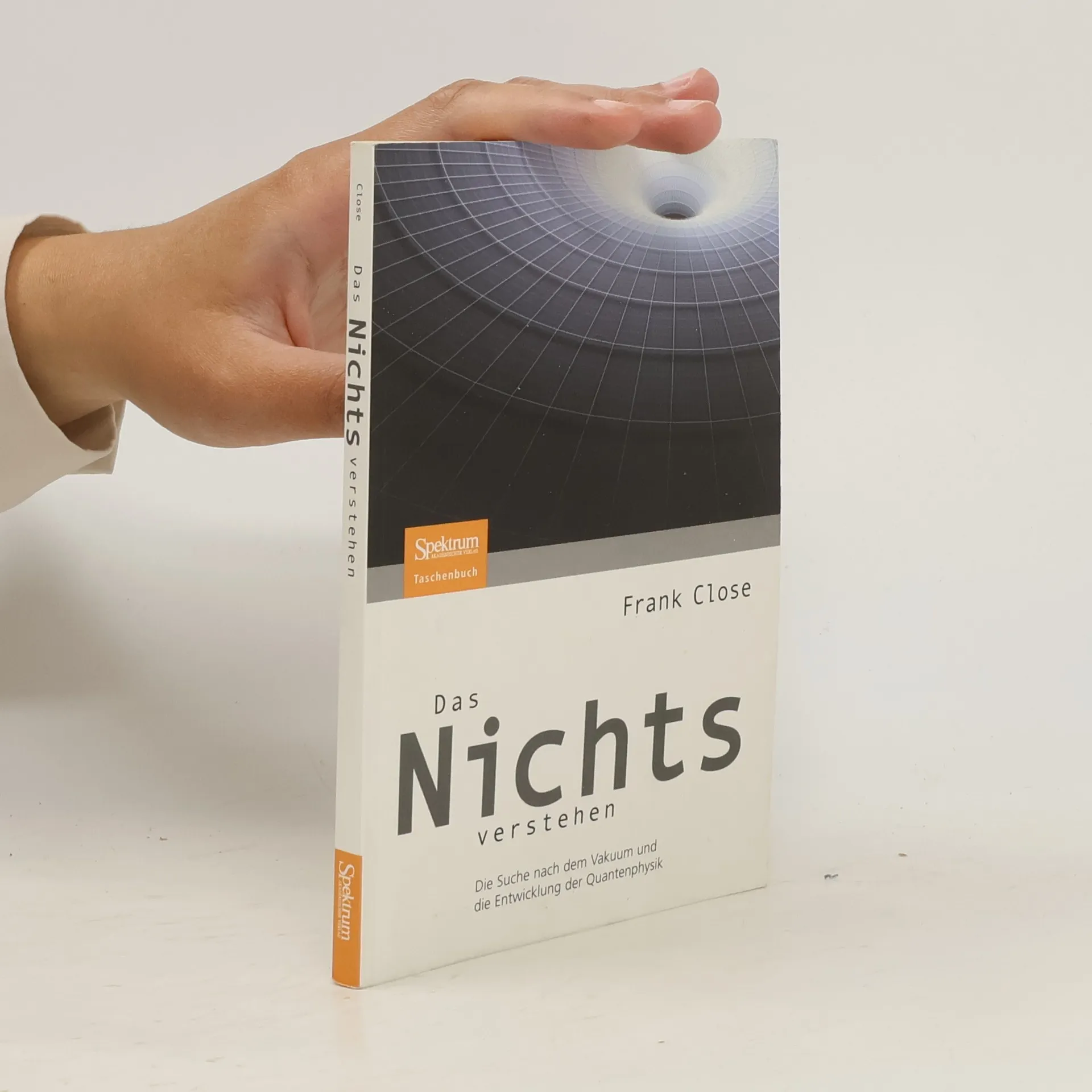
Ein Buch über das Nichts, von den Griechen bis zur modernen Kosmologie. Was ist das Nichts? Was bleibt, wenn man alle Materie wegnimmt? Kann es wirklich leeren Raum geben – oder ist Nichts unmöglich? Dieses kleine Werk erkundet die Wissenschaft und Geschichte der schwer fassbaren „Leere“ – von Aristoteles, der ein Vakuum für unmöglich hielt, über Newtons und Einsteins Theorien bis zu den jüngsten Entdeckungen, die uns Außergewöhnliches über den Kosmos verraten. Der angesehene britische Physiker Frank Close erzählt von den Forschern, die das Vakuum untersucht haben, und ihren oft kontroversen Ergebnissen. Der Bericht führt von antiken Ideen und kulturellen Aberglauben zur Astrophysik und Kosmologie. Wir erfahren, wie Wissenschaftler entdeckten, dass das Vakuum von Feldern erfüllt ist, und wie Newton, Mach und Einstein die Natur von Raum und Zeit betrachteten. Der einstige „Äther“, der den leeren Raum füllen sollte, scheint heute in der Erforschung des „Higgs-Feldes“ eine Renaissance zu erleben. Das Vakuum ist alles andere als „Nichts“: Es wimmelt von virtuellen Teilchen und Antiteilchen, die spontan reale Gestalt annehmen, und könnte versteckte Dimensionen umfassen. Diese neuen Entdeckungen könnten Antworten auf grundlegende Fragen der Kosmologie liefern: Was befindet sich außerhalb des Universums? Und wie konnte das Universum entstehen, wenn es davor nichts gab?
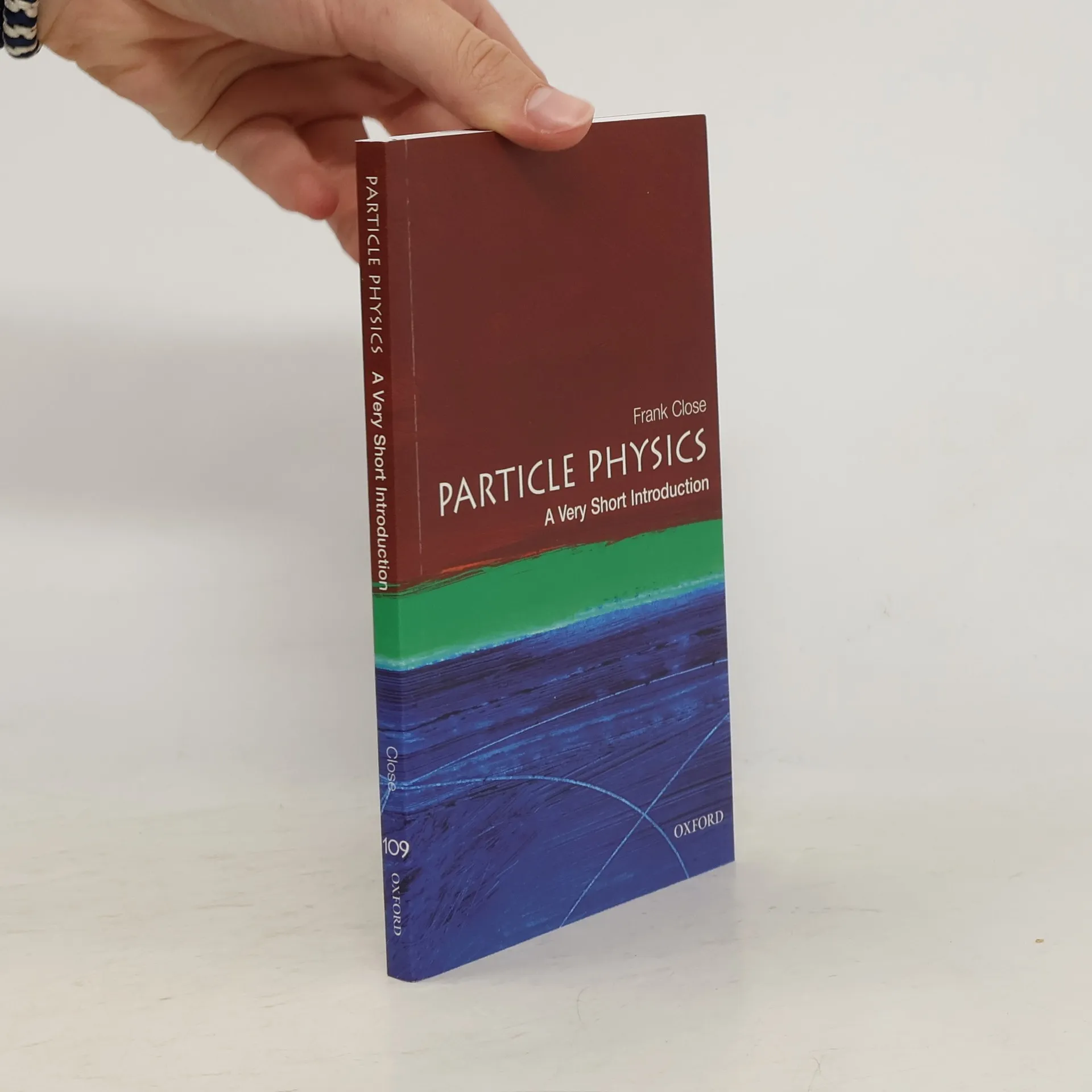
In Particle A Very Short Introduction , best-selling author Frank Close provides a compelling and lively introduction to the fundamental particles that make up the universe. The book begins with a guide to what matter is made up of and how it evolved, and goes on to describe the fascinating and cutting-edge techniques used to study it. The author discusses particles such as quarks, electrons, and the neutrino, and exotic matter and antimatter. He also investigates the forces of nature, accelerators and detectors, and the intriguing future of particle physics. This book is essential reading for general readers interested in popular science, students of physics, and scientists at all levels.About the Combining authority with wit, accessibility, and style, Very Short Introductions offer an introduction to some of life's most interesting topics. Written by experts for the newcomer, they demonstrate the finest contemporary thinking about the central problems and issues in hundreds of key topics, from philosophy to Freud, quantum theory to Islam.
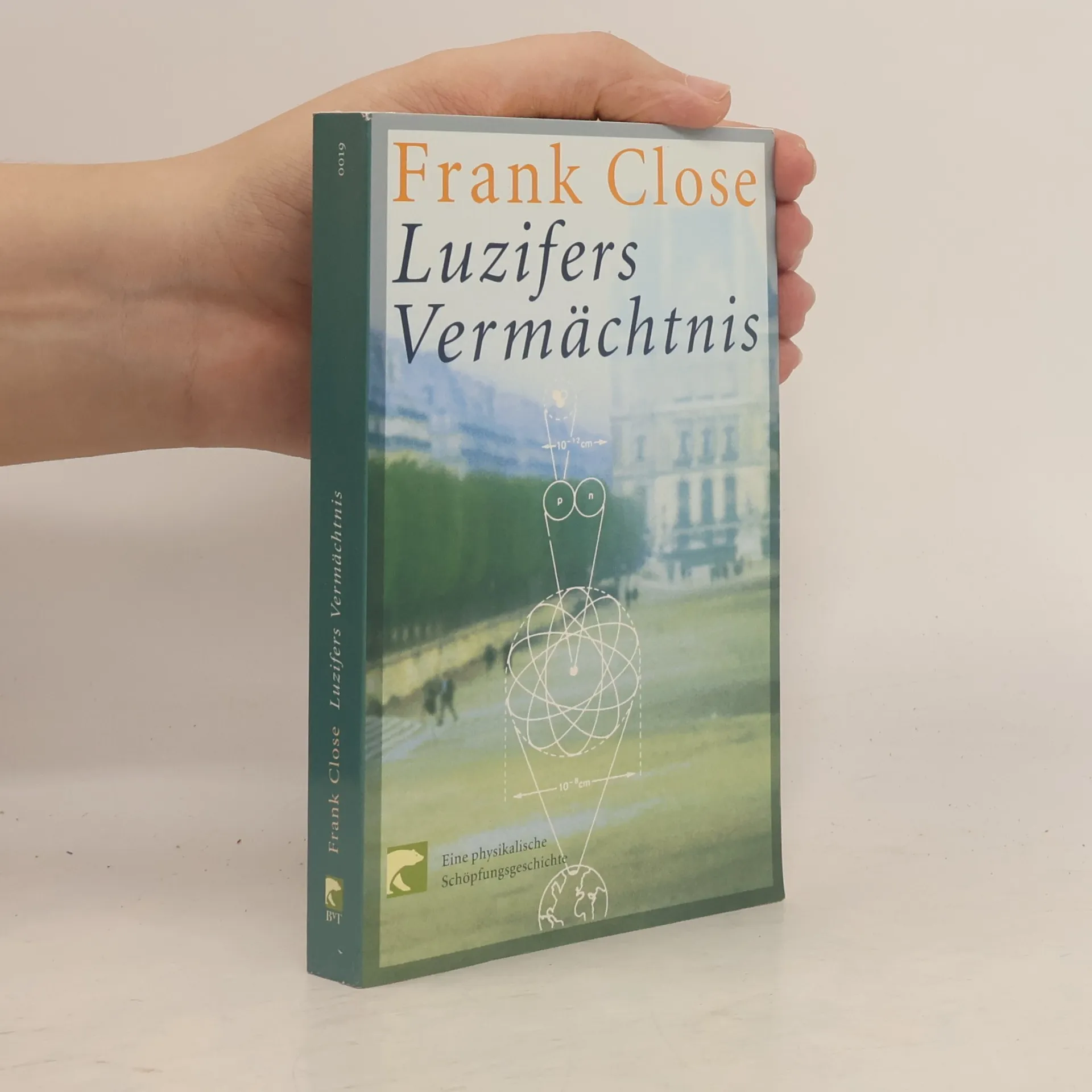
Eines der größten Wunder des Universums ist es, dass es dieses überhaupt gibt. Denn Sekundenbruchteile nach ihrer Entstehung vernichten sich Materie und ihr gleichzeitiges entstandenes Spiegelbild, die Antimaterie, sofort wieder selbst. Der Anfang des Universums hätte also gleich wieder zu seiner Selbstauslöschung führen müssen. Doch irgendetwas ging schief, denn zweifelsohne gibt es ja Materie, das Universum - also uns. Anhand anschaulicher Beispiele macht Frank Close uns mit dem Phänomen vertraut, dass dem so unglaublich ausbalancierten Universum eine ebenso eigentümliche wie entscheidende Unregelmäßigkeit zu Grunde liegt.