

Gratis Versand in ganz Österreich
Bookbot

Charlotte Schoell Glass

    Aby Warburg and anti-semitism
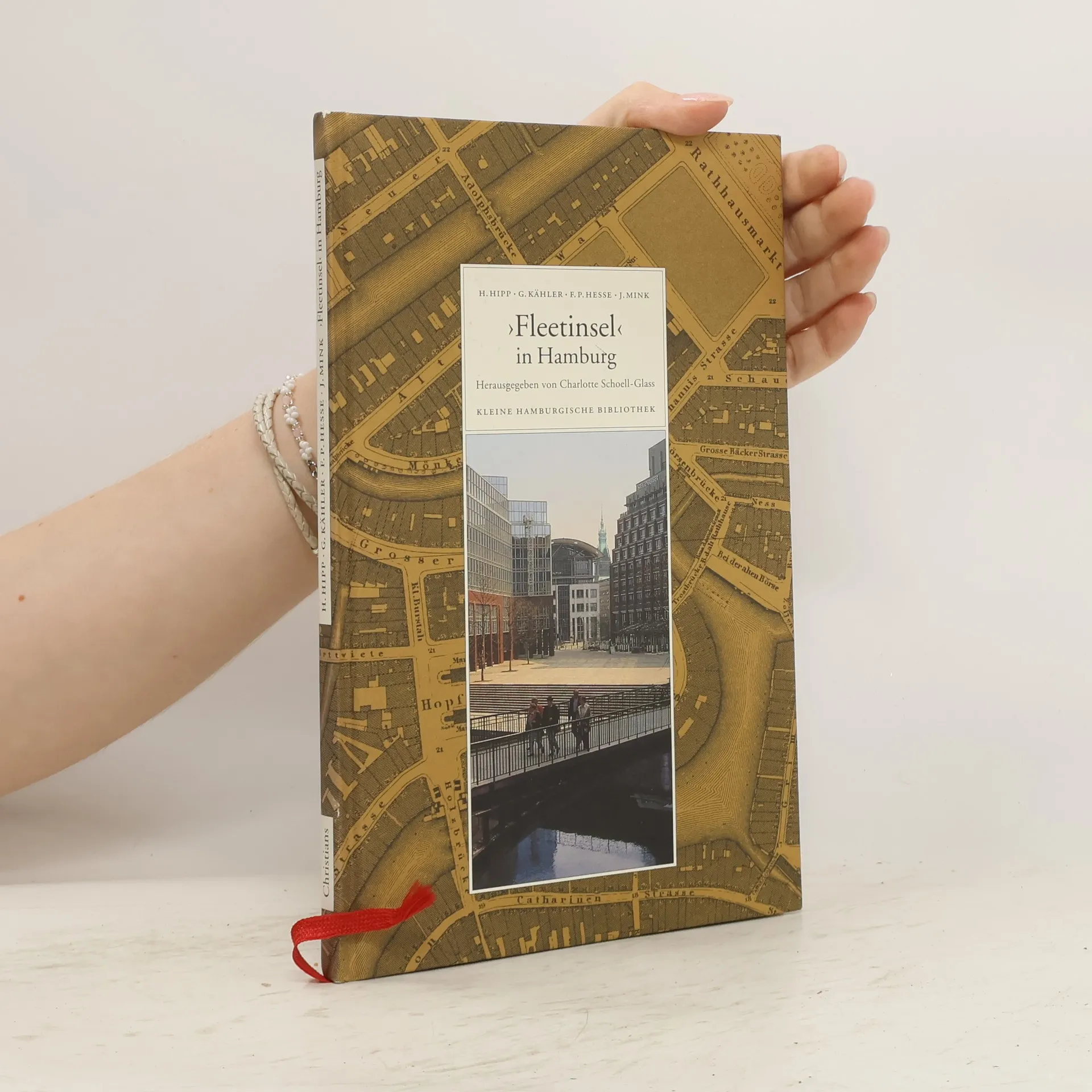
    "Fleetinsel" in Hamburg
    Aby Warburg und der Antisemitismus
    • Die Auseinandersetzung mit der Rolle von Antisemitismus und Judenfeindschaft für das Werk Aby Warburgs (1866-1929), die Charlotte Schoell-Glass unternimmt, zählt zu den interessantesten neueren Annäherungen an das Werk des bedeutenden Kunsthistorikers. Die Autorin zeigt, daß zentrale Motive dieses Werks in engem Zusammenhang gesehen werden müssen mit Warburgs Reaktion auf den Antisemitismus, dem er mit 'geistespolitischen' Maßnahmen zu begegnen suchte. Dabei geht es nicht um eine psychologische Erforschung von Warburgs subjektiven Motiven, sondern um die Interpretation seines Lebenswerks aus einem bisher weitgehend ausgeklammerten Blickwinkel. Eine Interpretation, die sich vor allem auf unerschlossene Quellen stützt und Warburgs Versuch der Erklärung tiefliegender kultureller Prägungen menschlicher Verhaltensweisen in neuem Licht zeigt.

      Aby Warburg und der Antisemitismus
    • Aby Warburg and anti-semitism

      • 250 Seiten
      • 9 Lesestunden
      4,0(1)Abgeben

      This landmark study offers an unprecedented look at Aby Warburg's life and writings through the lens of his lesser-known political views, particularly his response to the rising anti-Semitism in Germany. Charlotte Schoell-Glass argues, based on archival research, that Warburg's work and teachings were shaped by his perception of anti-Semitism as a threat to classical education and scholarship. The book, now translated into English for the first time, illuminates Warburg's perspectives on Judaism and the political climate of his time. As a member of a prominent Jewish banking family in Hamburg, Warburg chose to forgo his birthright to become a private scholar. He focused on reinterpreting the revival of antiquity during the Renaissance, encouraging art historians to view their work within a broader context of image-making and philosophy. Schoell-Glass analyzes Warburg's influential essays on figures like Dürer and Rembrandt, as well as his innovative concepts such as the accessories of motion and the pathos formula. Through this examination, she reveals Warburg's deep concern for the unstable world around him and his attempts to address anti-Semitism in the only way he knew, despite recognizing the diminishing impact of such responses. This study serves as a multilayered exploration of the intersection between twentieth-century politics and scholarship, appealing to art historians, German historians, and scholars in Jewish and

      Aby Warburg and anti-semitism