Die Reihe Das Neue Alphabet ist nun vollständig und deshalb auch im Schuber erhältlich. In 26 Bänden entfaltet sich ein Panoramer gegenwärtiger Theoriebildung und zeitgenössischer künstlerischer Praxis. Der Ausgangspunkt dafür war das letzte mehrjährige HKW-Projekt unter der Intendanz von Bernd Scherer. Alphabete, Binärcode, DNA — die gegenwärtige Wissensexplosion beruht auf der Zerlegung der Welt in allerkleinste Einheiten, sie wird berechenbar und manipulierbar. Sprachen, Codes und andere zeichenbasierte Repräsentationsformen stehen damit auch im Dienst von politischer Herrschaft, Kontrolltechnologien und ökonomischer Verwertung. Dieser Funktionalisierung setzt die Reihe Das Neue Alphabet poetische Irritationen, sinnliche Recodierungen und Kreolisierungen entgegen. Leitend ist dabei das formale Prinzip der Konstellation: Unterschiedlichste Themen, Darstellungsweisen, künstlerische Positionen und grafische Elemente werden immer wieder neu kombiniert. Ziel der Reihe ist es, neue Zeichenwelten für eine alternative Wissensproduktion zu formulieren. Das Neue Alphabet (The New Alphabet) wird herausgegeben von Detlef Diederichsen, Anselm Franke, Katrin Klingan, Daniel Neugebauer und Bernd Scherer. Reihenkonzept und Gestaltung Olaf Nicolai in Zusammenarbeit mit Malin Gewinner, Hannes Drißner und Markus Dreßen. Eine Publikationsreihe des HKW.
Olaf Nicolai Reihenfolge der Bücher (Chronologisch)


Olaf Nicolai. A light vapour emanating from bound matter as spirits running, along.
Publikationen 1990 - 2020
- 144 Seiten
- 6 Lesestunden
Die Publikation bietet einen umfassenden Überblick über Olaf Nicolais künstlerische Praxis, die seit 1990 durch das Publizieren von Künstlerbüchern und ephemeren Drucksachen geprägt ist. Ausgehend von einer Ausstellung in Darmstadt wird das Zusammenspiel zwischen Buchseiten und Ausstellungssituationen erkundet. Nicolais Umgang mit Notations- und Präsentationsformen wird analysiert, wobei er zwischen wissenschaftlicher Recherche und fiktionaler Improvisation pendelt. Zudem werden die Arbeitskonstellationen beschrieben, die Autoren, Gestalter und Verlage in die Buchproduktion einbeziehen und die Verbreitung des Buchobjekts thematisieren.
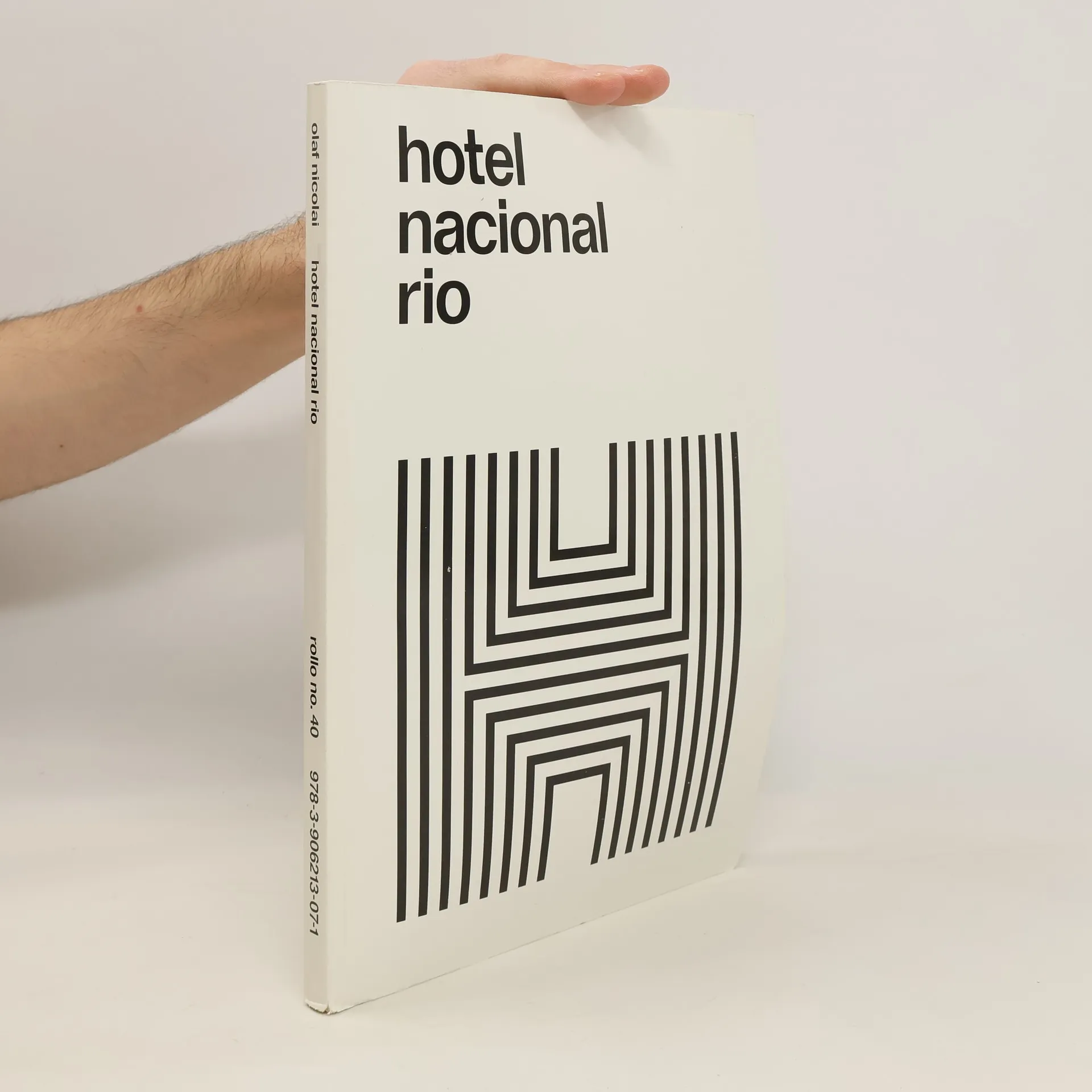
Hotel Nacional Rio
- 300 Seiten
- 11 Lesestunden
Hotel Nacional in Rio with its trademark cylindrical tower, constructed between 1968-1972, is one of the highlights of architect Oscar Niemeyers later work, yet has been abandoned and left to deteriorate for some time. German artist and photographer Olaf Nicolai visited the site in September 2011 to exhaustively document its state of disrepair through hundreds of images. From elevator shafts plunging into darkness, stairways covered in guano and empty swimming pools, to rotting ceilings and wide interior spaces stripped bare, the collection of photos of this once shining jewel of architecture and luxury is as haunting as it is regrettable.
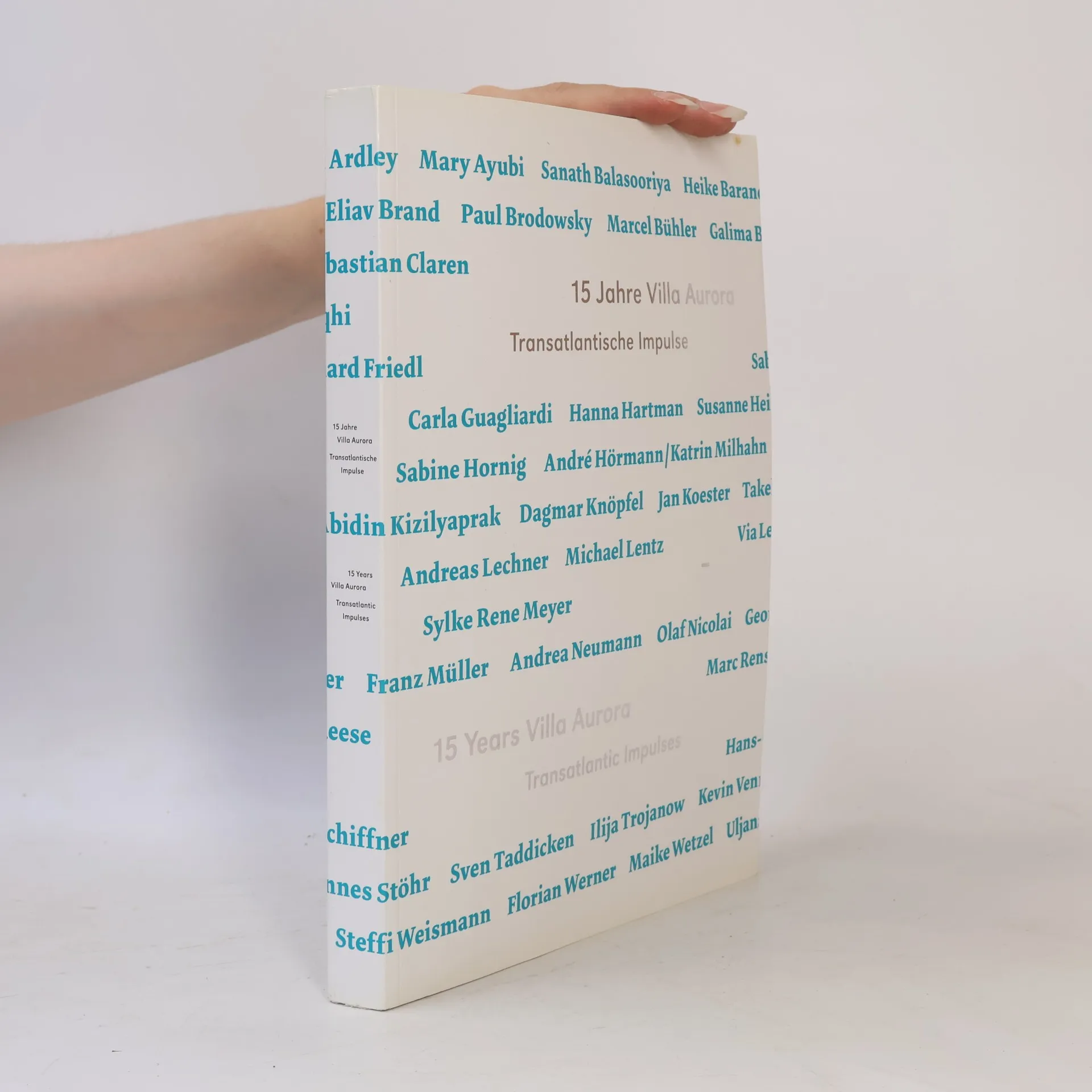
15 Jahre Villa Aurora
- 269 Seiten
- 10 Lesestunden
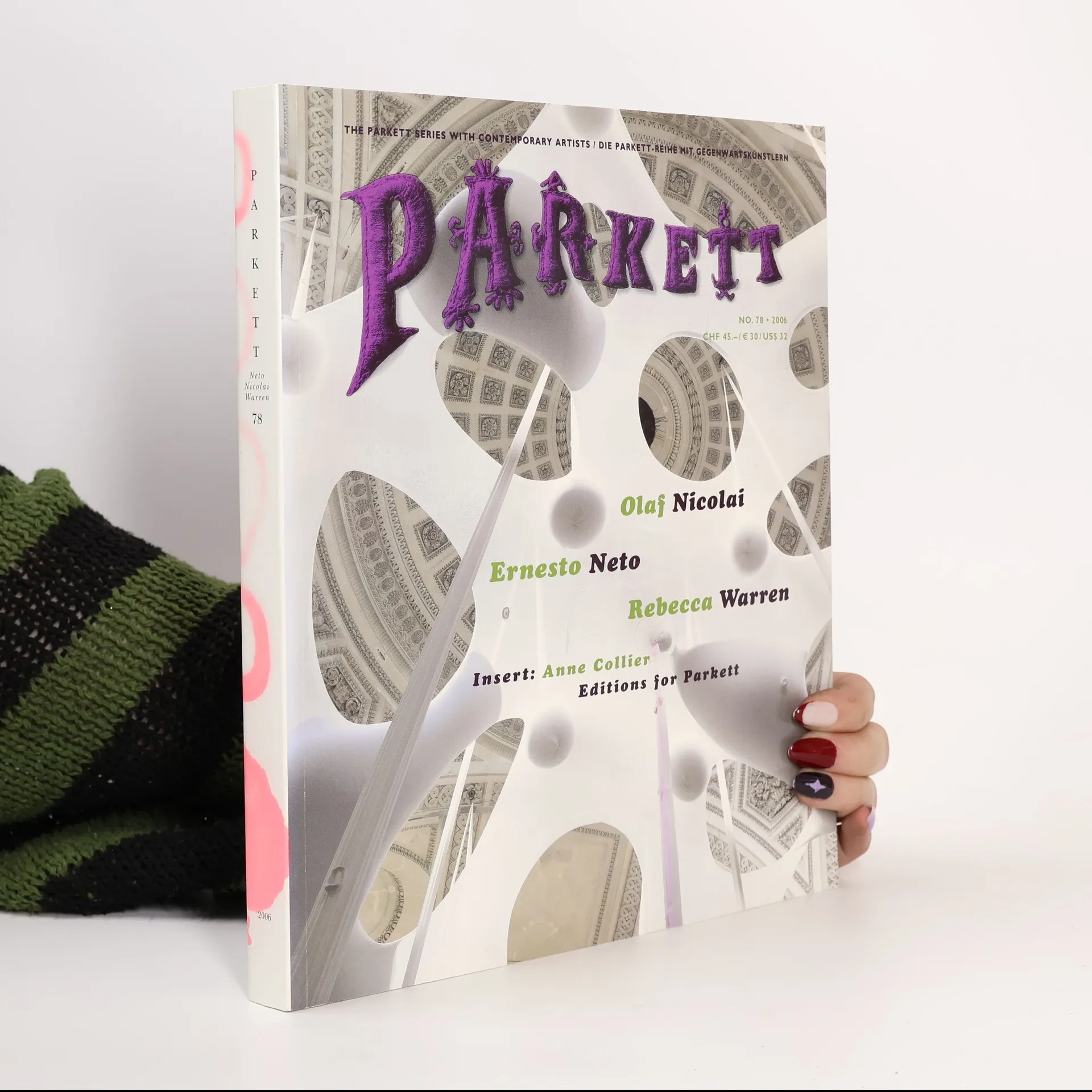
Parkett 78 features the artists Ernesto Neto, Olaf Nicolai and Rebecca Warren. Neto's drooping, opaque lycra installations envelop the viewer in a fog of fabric, a cushion for the gaze, their milky skins leaving children ecstatic and adults in a Fredric Jamesonian "Hyperspace." Olaf Nicolai's concept-driven art, like much of the avant-garde work of the last half-century, remains set on integrating art with daily life. We experience this "blurring" in his randomly arranged pre-fabricated Pantone colors, ornamental stones taken from a 1960s Dresden shopping mall and wall text reading, "A short catalogue of things that you think you want…" Rebecca Warren makes vulgar, lumpy plasticine figures that show the influence of Giacometti and R. Crumb alike. As Neal Brown writes, her figures are, "fingered and improperly squeezed into something that is compulsively-chaotic-masturbatory-fat-ugly-disfigured-repressed-incontinent-excretory-bestial-bulimic…" The issue also features Erwin Wurm, Andro Wekua and Vito Acconci, with texts by Yuko Hasegawa, Paulo Herkenhoff, Charles Esche, Vincent Pécoil, Catherine Lampert, Marjorie Perloff and Kate Fowle, among others.