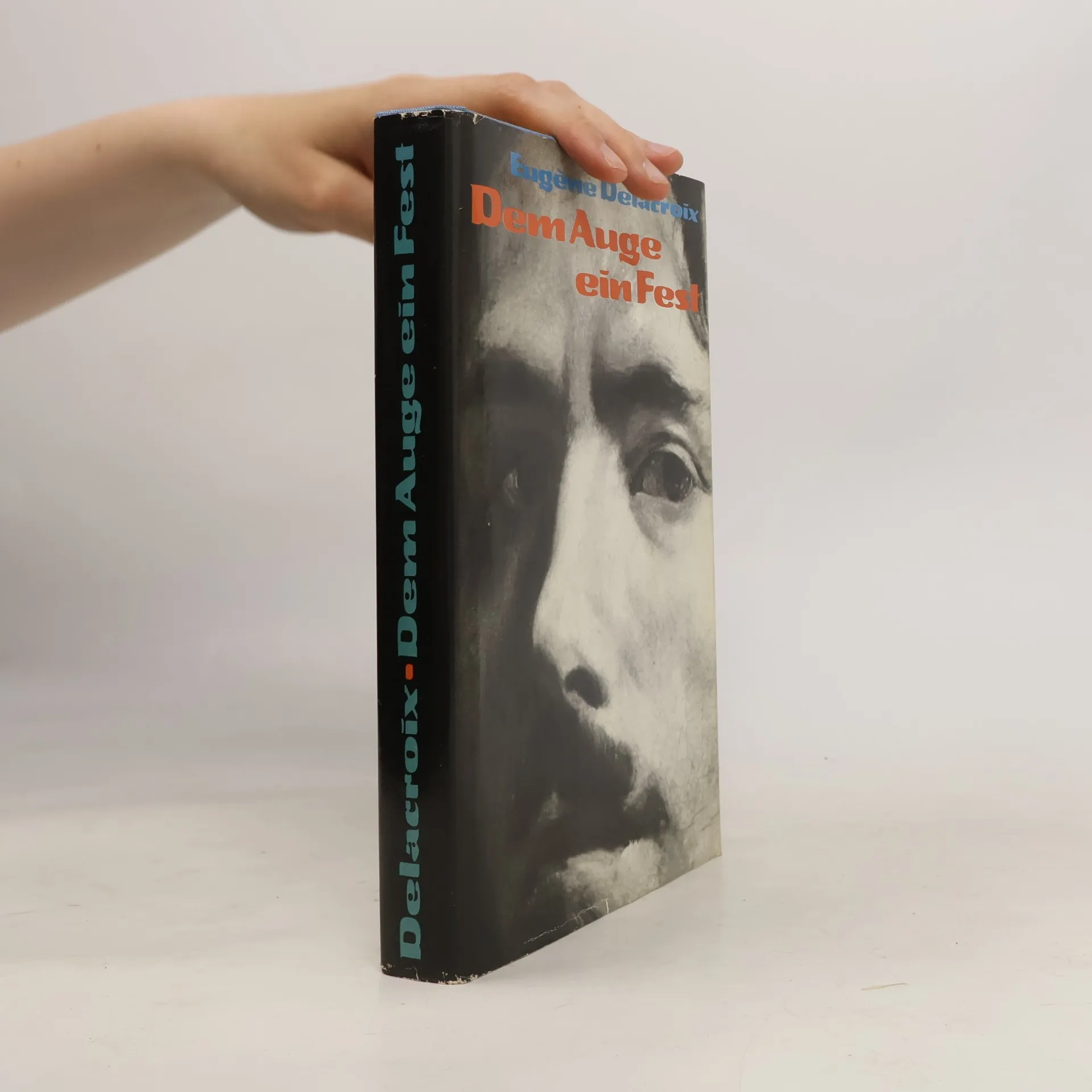
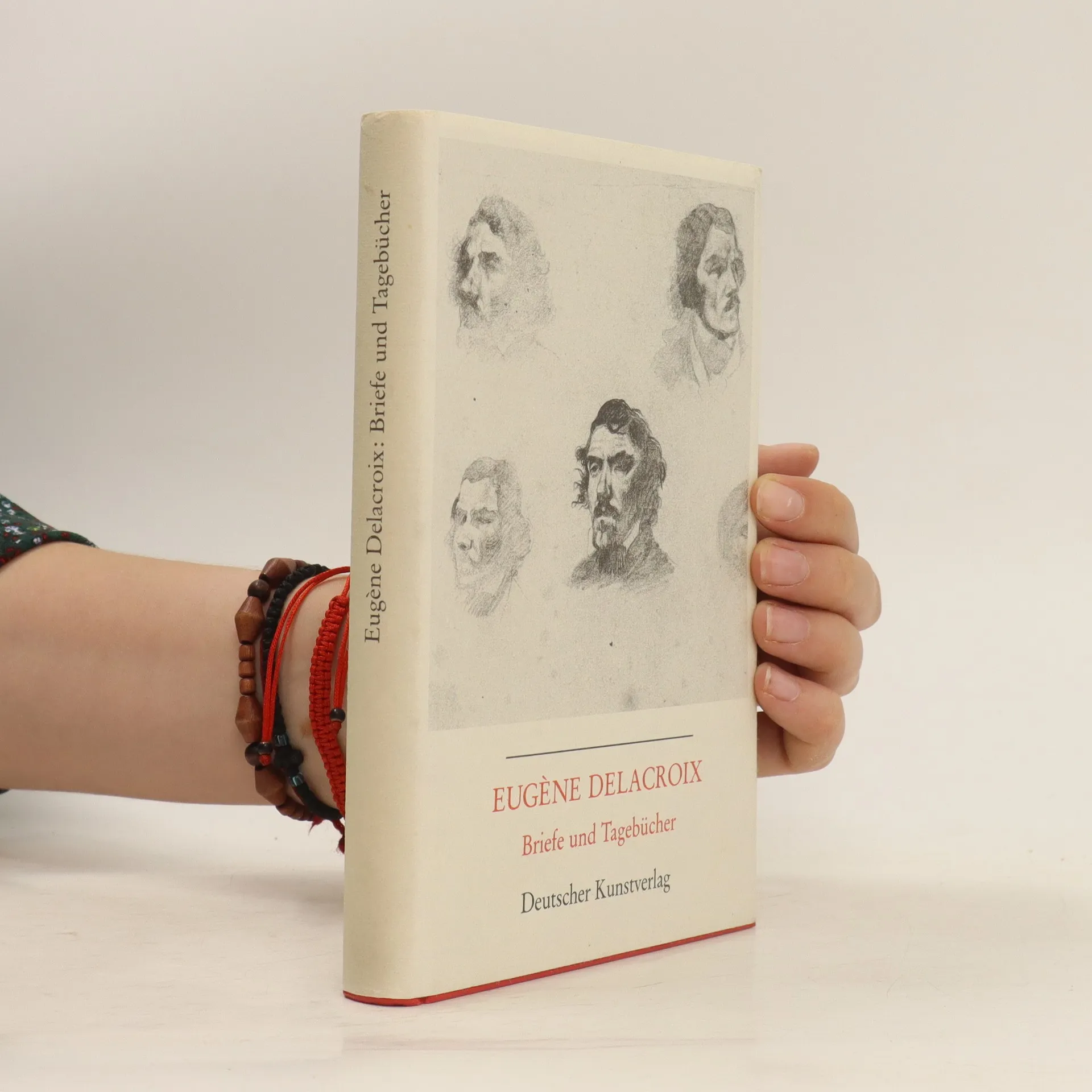
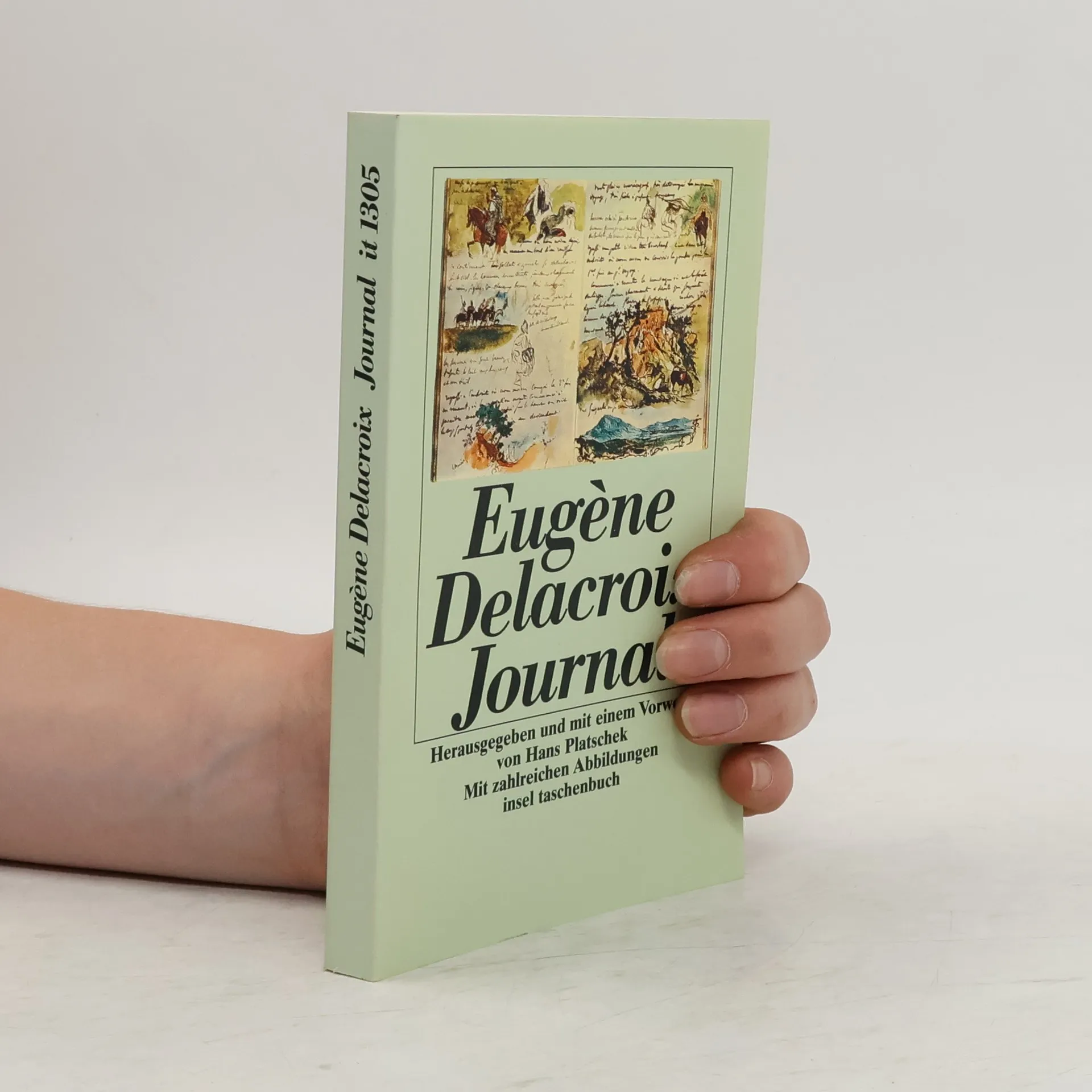
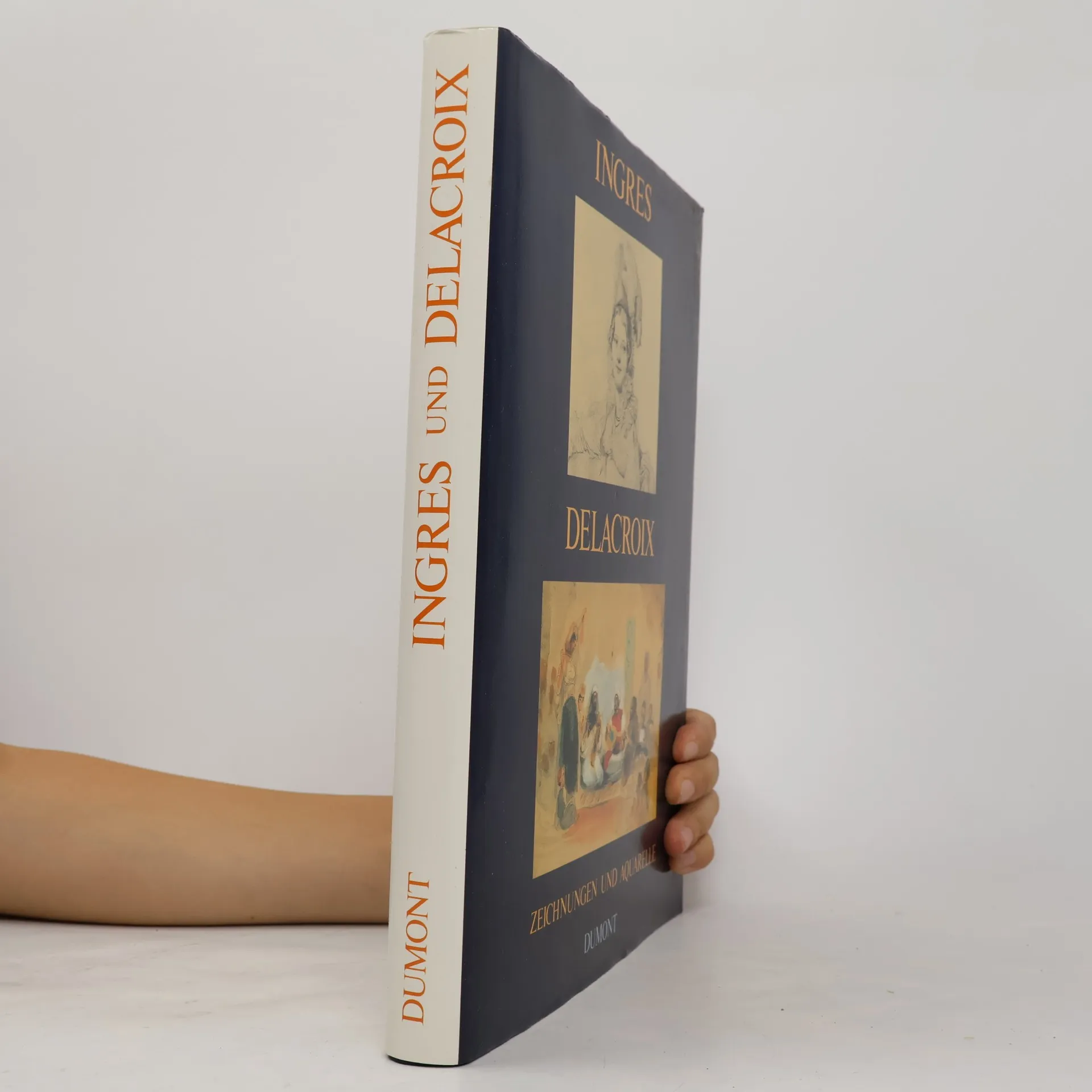
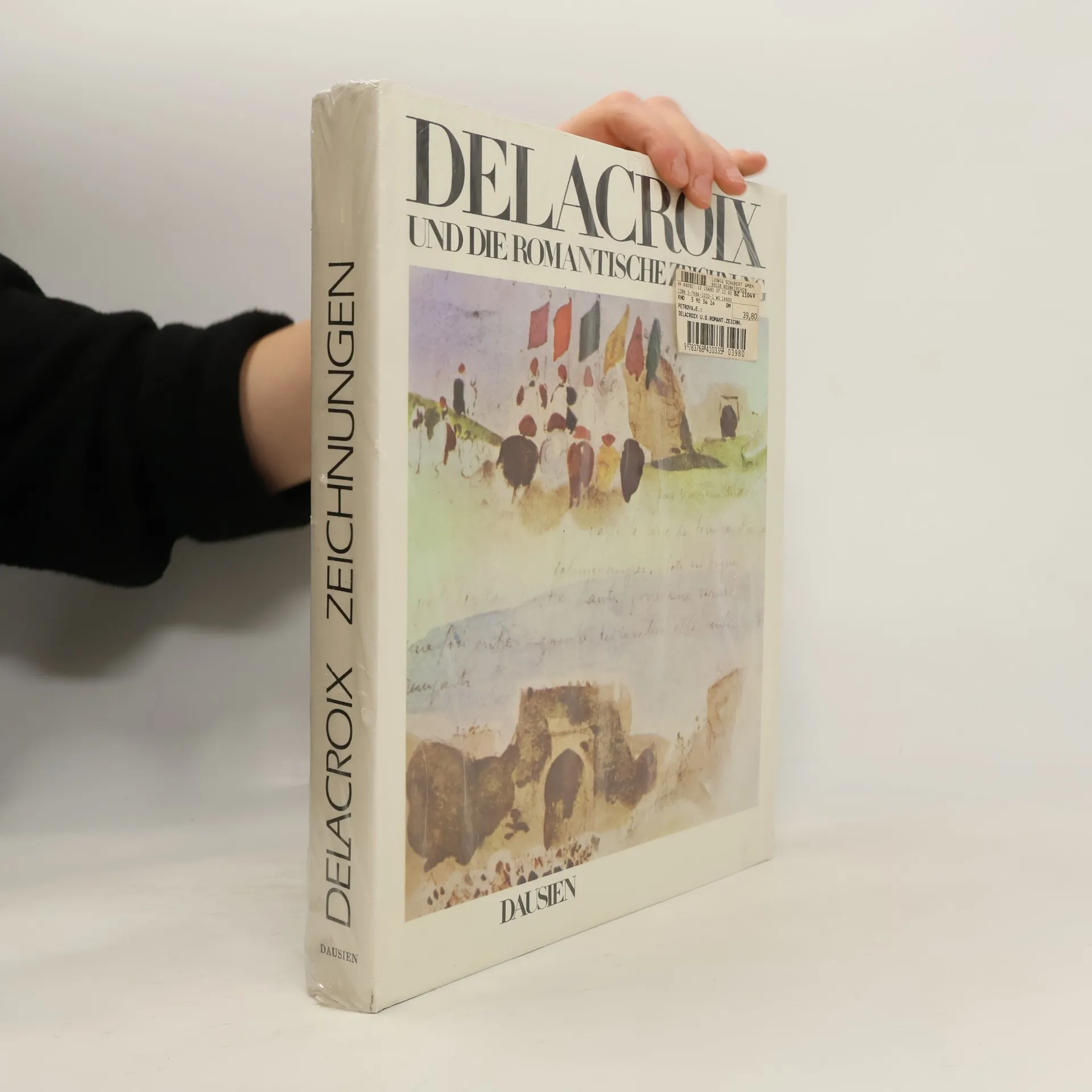
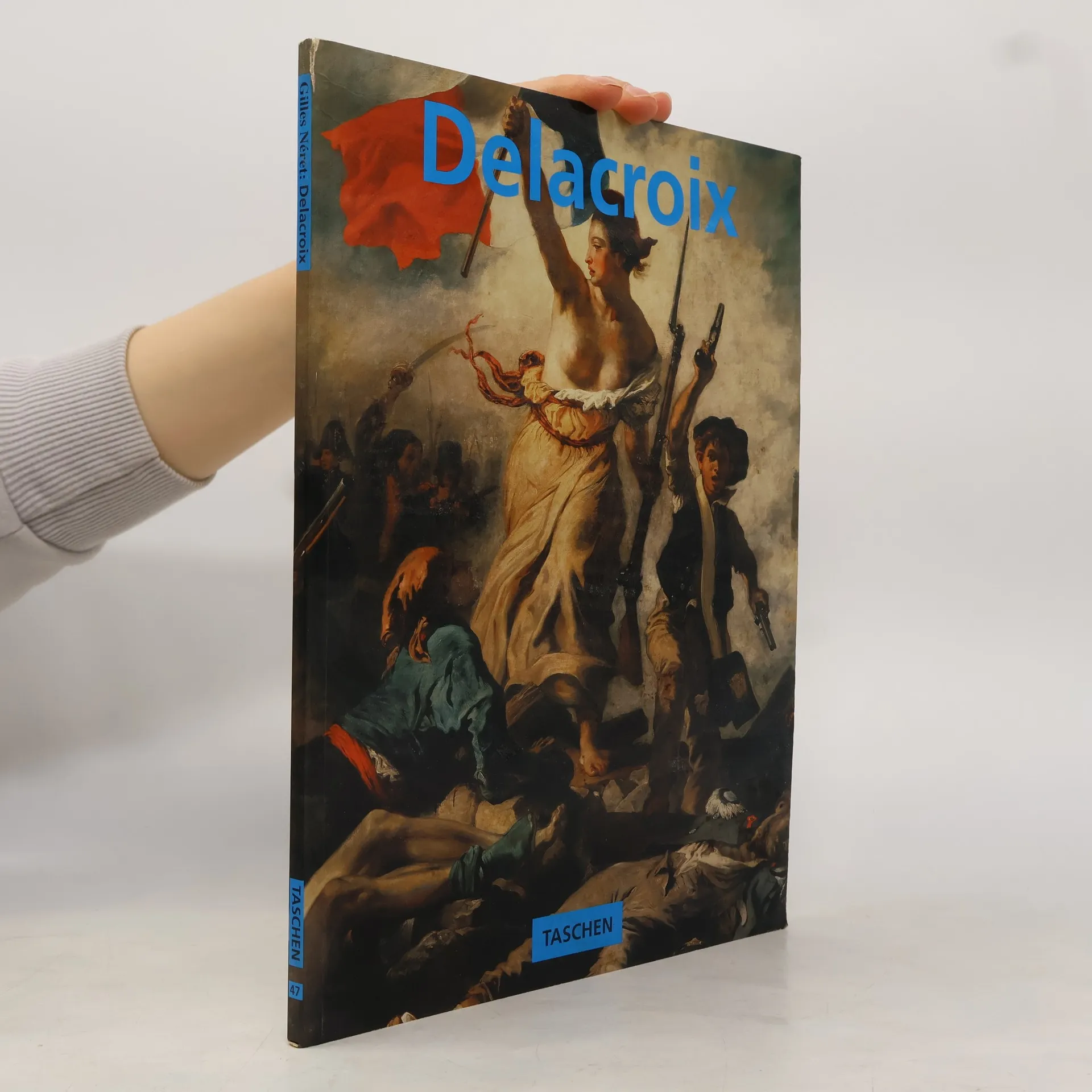
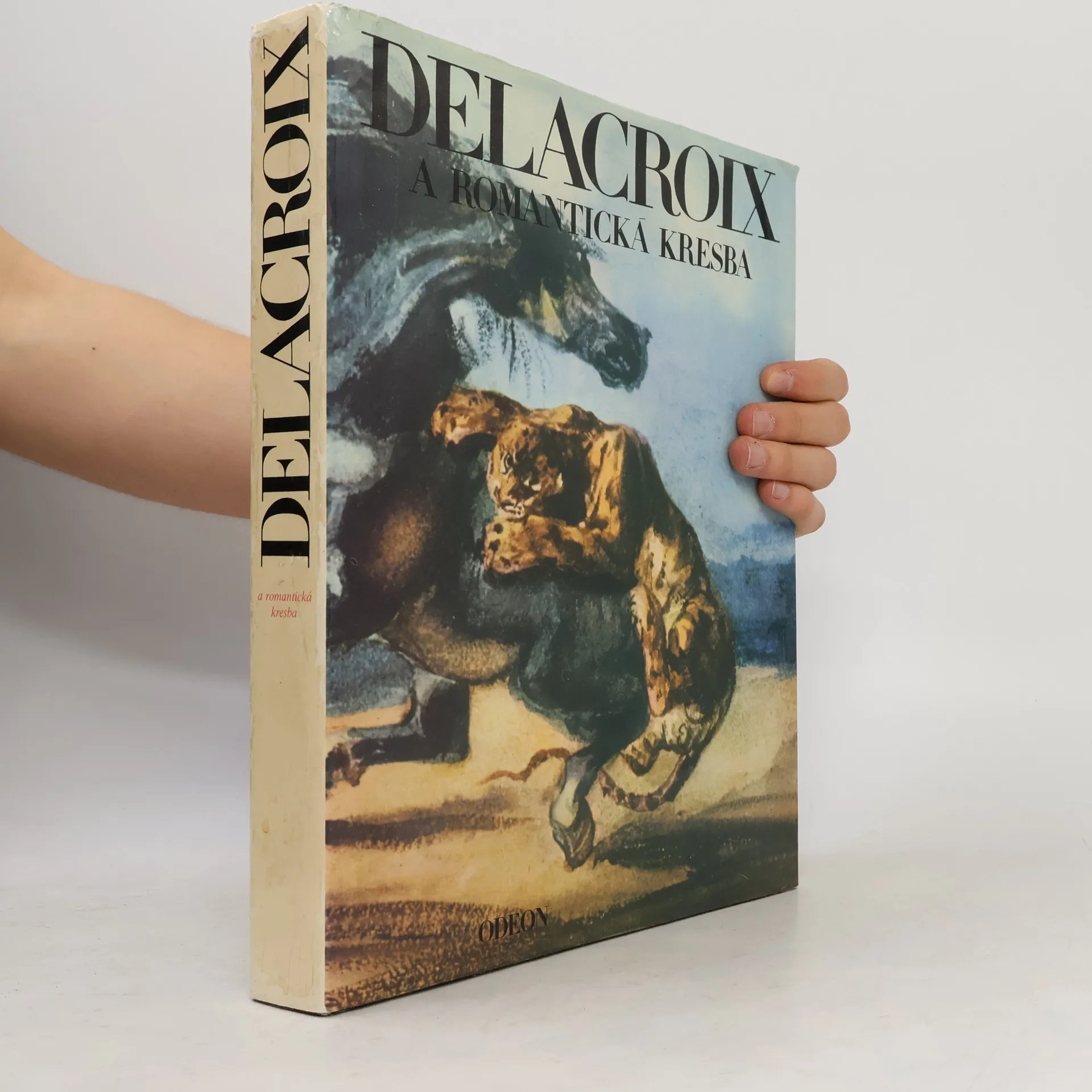
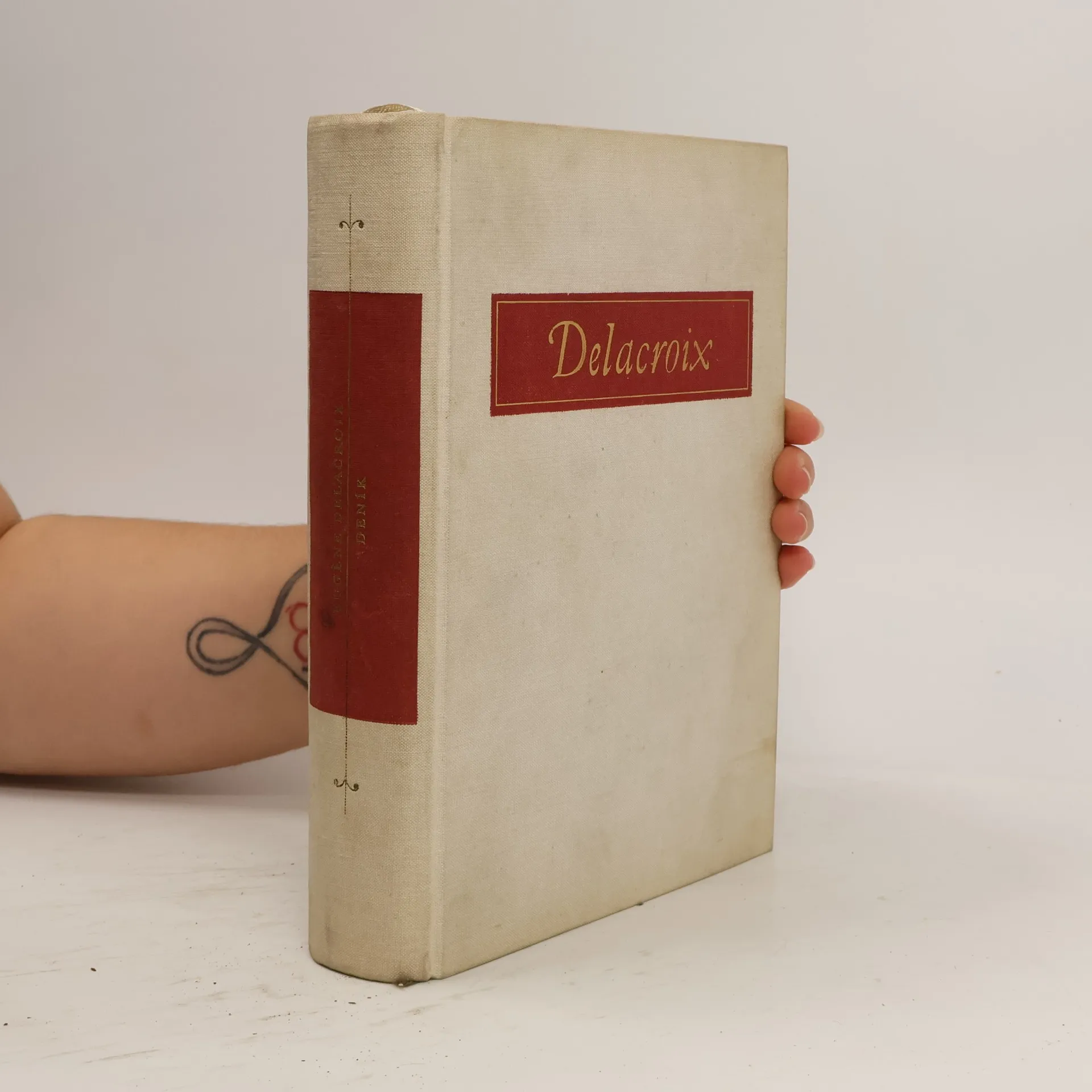
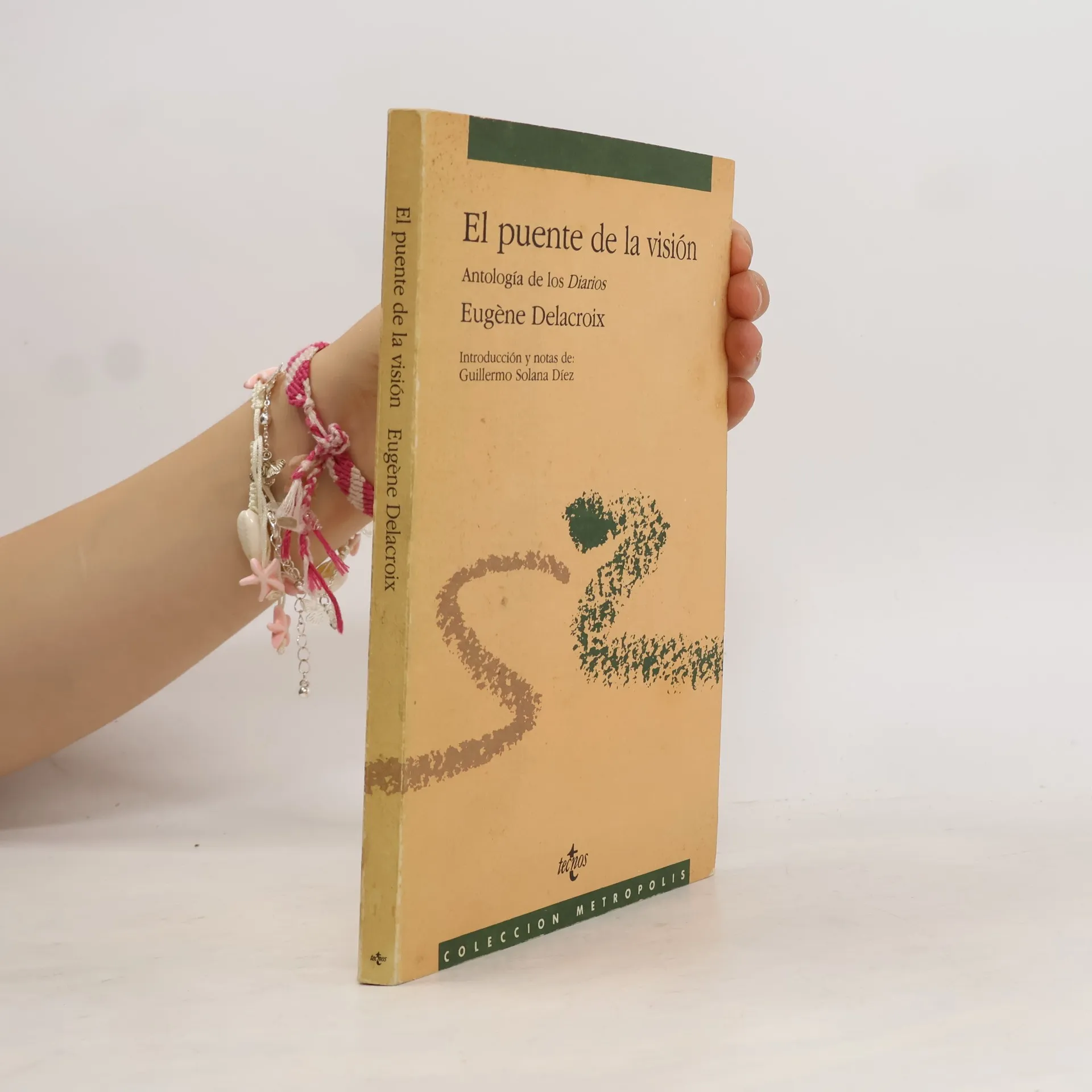
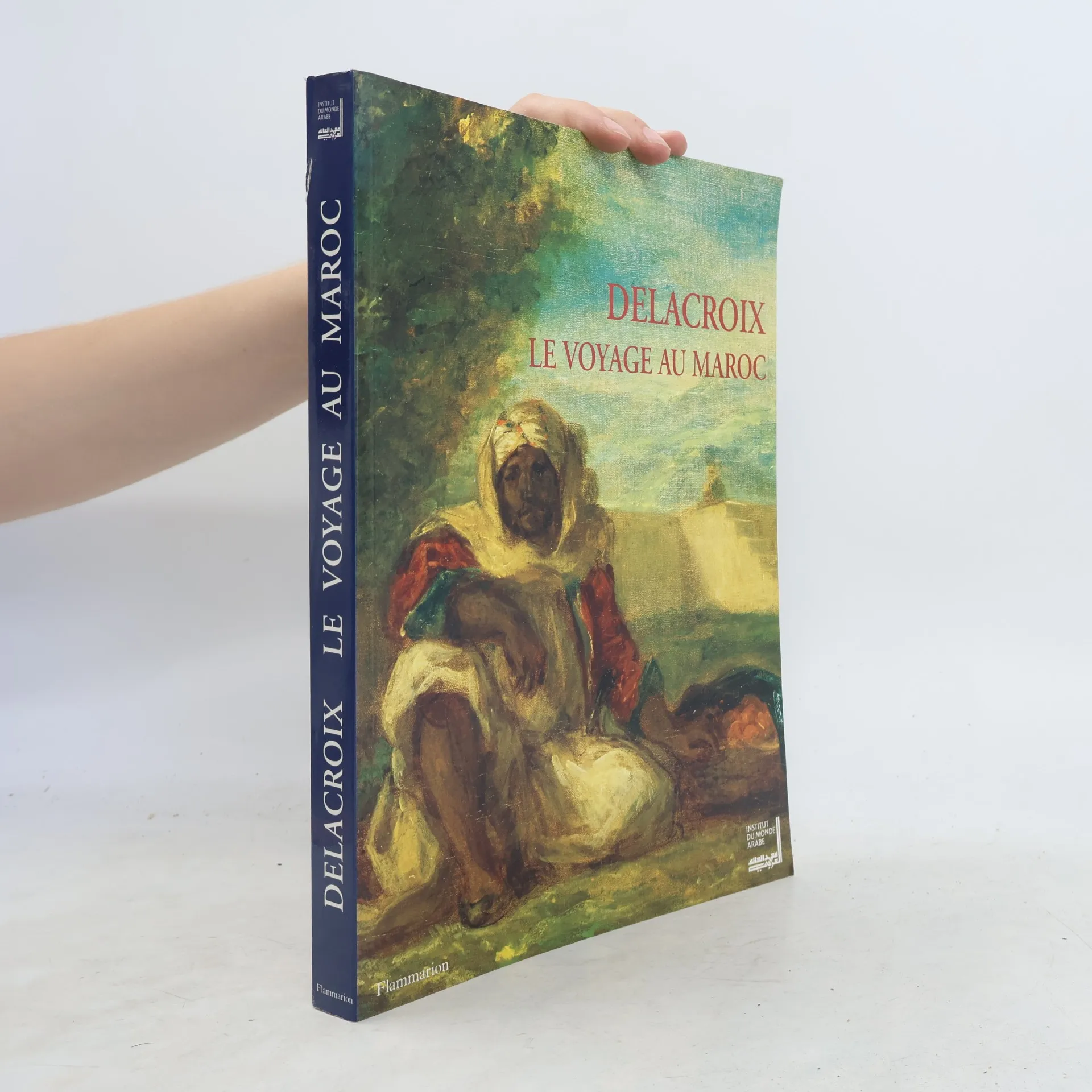
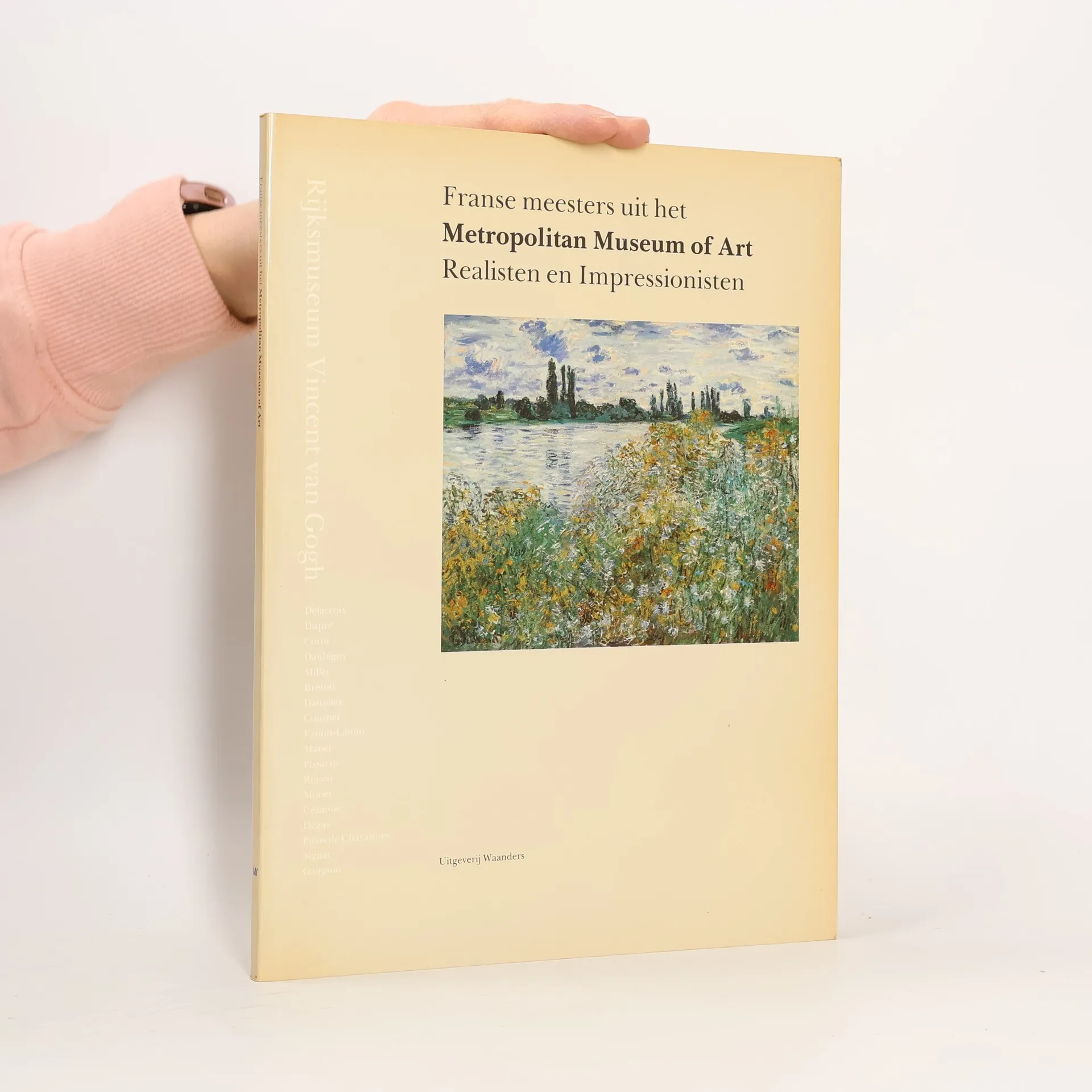
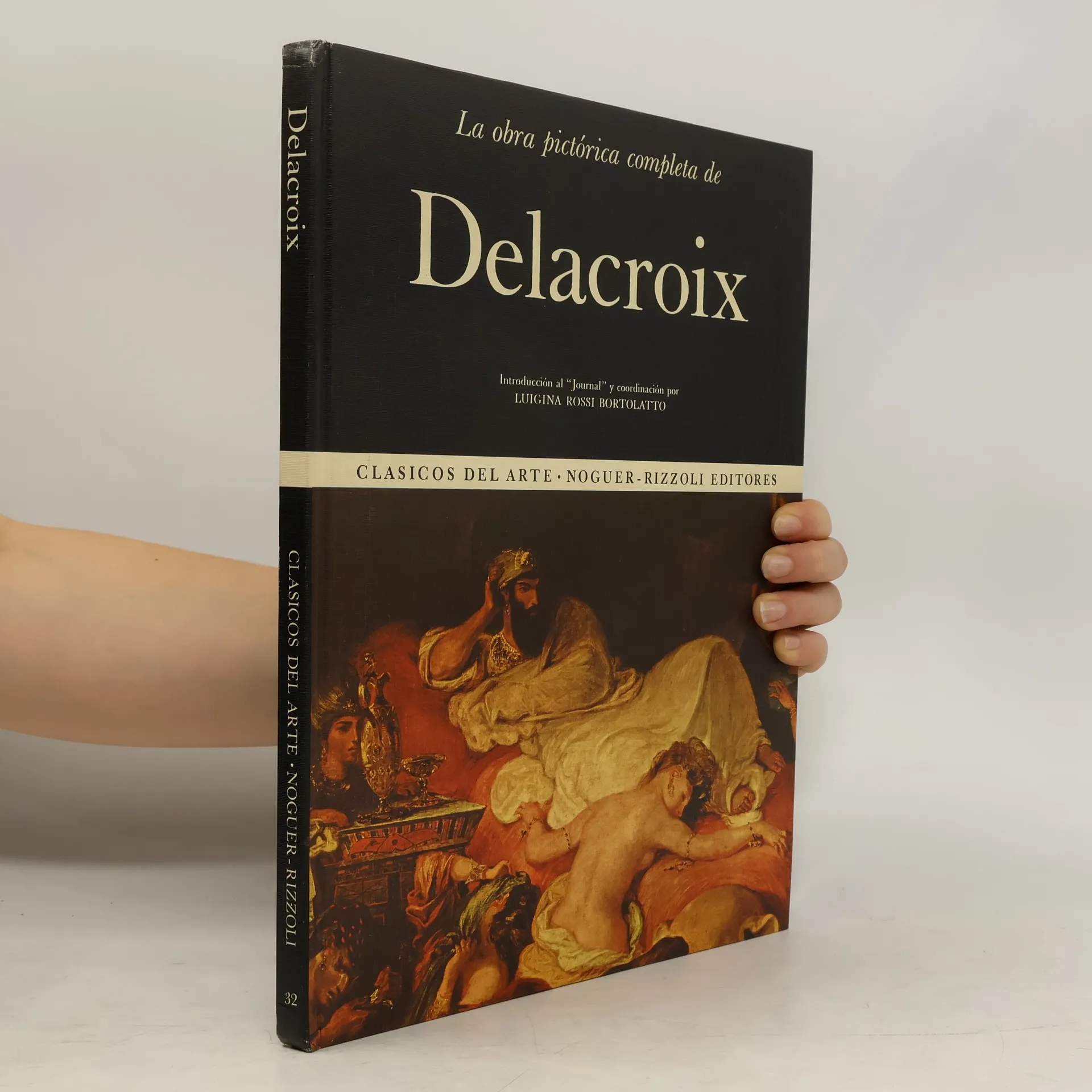
Eugène Delacroix, ein Hauptvertreter der französischen Romantik, zeichnete sich durch expressive Pinselstriche und eine tiefe Auseinandersetzung mit den optischen Farbeffekten aus, die die Impressionisten maßgeblich beeinflussten. Seine Kunst war inspiriert von der venezianischen Renaissance und Rubens, wobei Farbe und Bewegung Vorrang vor klaren Konturen und modellierten Formen hatten. Angetrieben von einer Faszination für das Exotische, reiste er nach Nordafrika und belebte seine Leinwände mit dramatischen und romantischen Themen. Baudelaire beschrieb ihn treffend als einen Künstler, der „leidenschaftlich in die Leidenschaft verliebt, aber kühl entschlossen war, Leidenschaft so klar wie möglich auszudrücken“.
Das Buch erscheint anlässlich einer Sonderausstellung 'Eugène Delacroix' der Staatlichen Kunsthalle Karlsruhe vom 1. November 2003 bis zum 1. Februar 2004. Es erscheint eine broschierte Ausstellungsausgabe (ISBN 3-925212-57-4) für 48 Euro.
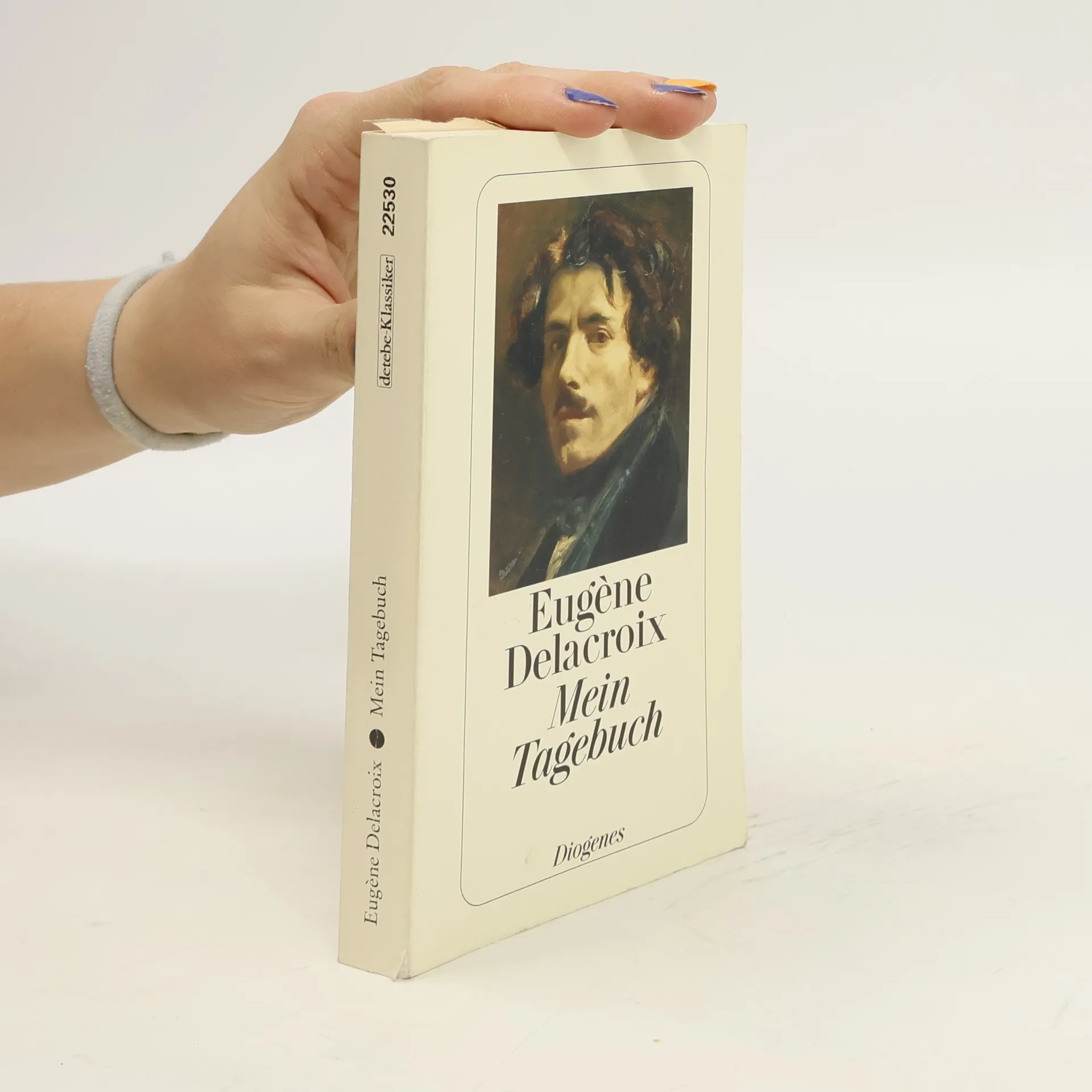
Während über vierzig Jahren führte der französische Maler Eugène Delacroix regelmäßig Tagebuch. Seine Bemerkungen und kritischen Betrachtungen über das geistige Leben seiner Zeit lesen sich heute wie ein Führer durch die Kunst der ersten Hälfte des 19. Jahrhunderts.
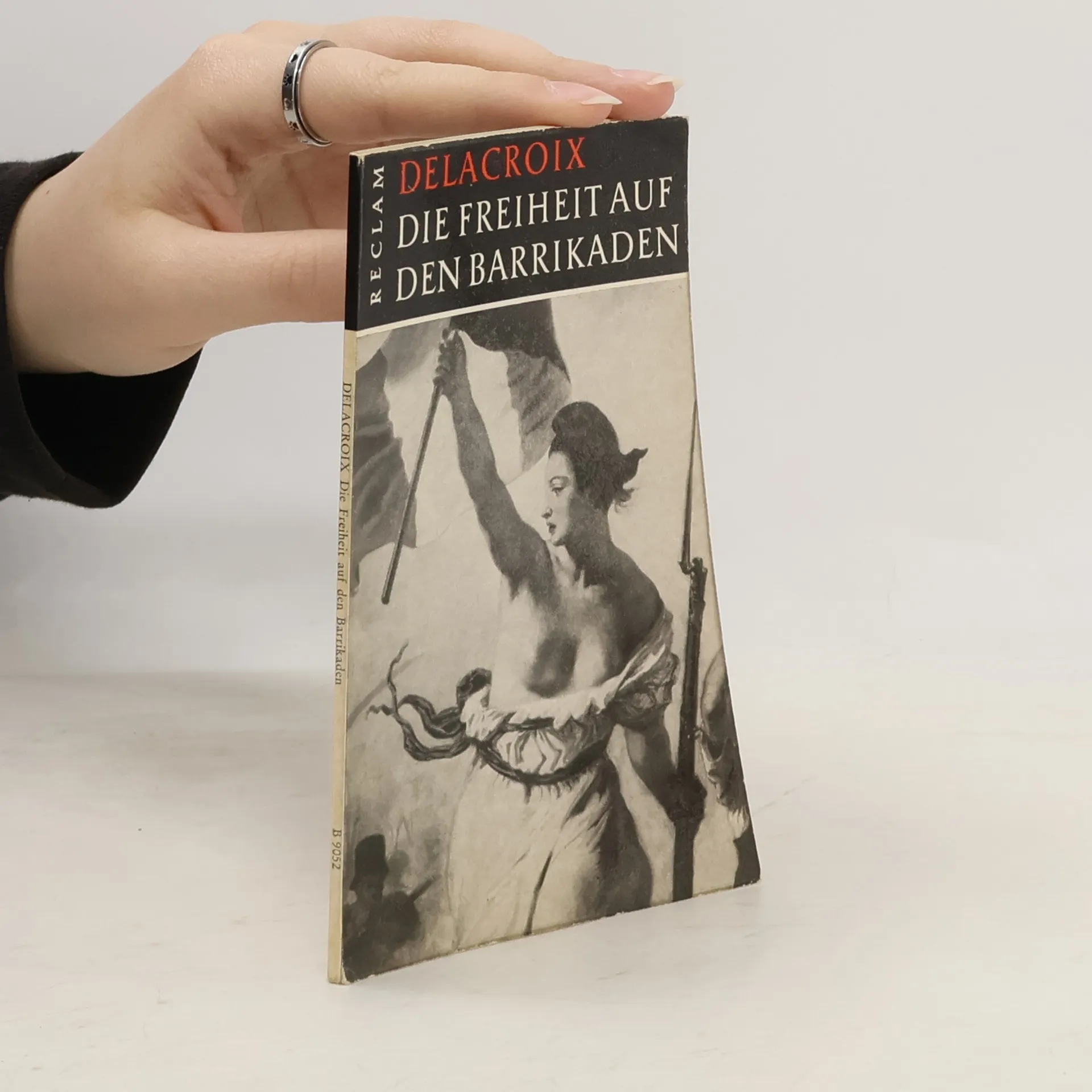
At Delacroix's studio sale, held six months after his death in 1864, crowds and critics were astonished by the abundance and multi-disciplinary nature of his work, showcasing the vision of a man hailed by Baudelaire as the last great artist of the Renaissance and the first of the Modern era. Delacroix was acutely aware of his desired position in art history. Drawing inspiration from Rubens in lifestyle and creativity, he combined classical composition with universally appreciated symbolic and allegorical themes, resulting in works of unmatched integrity and sensuality. From his spectacular Salon reception in 1824 to the significant Scenes from the Chios Massacre—where the term Romantique was first applied to his style—and the provocative The Agony in the Garden, Delacroix's genius in graphic design, color innovation, and body portrayal was undeniable. His numerous sketchbooks reflect a commitment to truth in both his Goyaesque depictions of horror and sacrifice and his grand historical canvases. Excessive and monumental, this Victor Hugo of the art world has profoundly influenced movements such as Impressionism, Expressionism, and mid-century Abstract painting. Delacroix's noble spirit transcends the self-indulgence of the Romantics, resonating across ages.
The first volume of Eugène Delacroix's journal offers a significant glimpse into the artist's thoughts and experiences, reflecting his influence on art history. This modern reissue aims to preserve the original's essence while ensuring clarity and readability, making it accessible for contemporary readers. The book has been meticulously reformatted and typeset, distinguishing it from mere digital reproductions, thus enhancing its value for both current and future generations.
Extrait : Louroux, mardi 3 septembre 1822[1]. — Je mets à exécution le projet formé tant de fois d’écrire un journal. Ce que je désire le plus vivement, c’est de ne pas perdre de vue que je l’écris pour moi seul. Je serai donc vrai, je l’espère ; j’en deviendrai meilleur. Ce papier me reprochera mes variations. Je le commence dans d’heureuses dispositions. Je suis chez mon frère ; il est neuf heures ou dix heures du soir qui viennent de sonner à l’horloge du Louroux. Je me suis assis cinq minutes au clair de lune, sur le petit banc qui est devant ma porte, pour tâcher de me recueillir ; mais quoique je sois heureux aujourd’hui, je ne retrouve pas les sensations d’hier soir… C’était pleine lune. Assis sur le banc qui est contre la maison de mon frère, j’ai goûté des heures délicieuses... Justificatif : Eugène Delacroix (1798-1863) a écrit "Journal" entre 1857 et 1863.
Maurice Denis’s esteem for Eugène Delacroix is well known and has often been discussed: Denis celebrated his predecessor for both his painting and his writing. He also admired Delacroix’s stance as an artist dedicated to a personal ideal, and in the early 1920s he set off to North Africa, in Delacroix’s footsteps.Denis played a crucial role in saving Delacroix’s last studio and creating the Musée Delacroix. He was president of the first Société des Amis d’Eugène Delacroix (Friends of Eugène Delacroix association) and succeeded in rallying to the cause the greatest painters of the 1920s, among them Henri Matisse, Edouard Vuillard, and Paul Signac. The significance of his commitment to Delacroix’s oeuvre has never been gone into, except tangentially.Drawing on the connections between the Musée Delacroix and the Maurice Denis archives, this project will help foreground the painters’ respective oeuvres and underscore the influence, in the early 20th century, of the Delacroix corpus on artists born after his death. It will also offer, after the renovation of Delacroix’s apartment and a fresh interpretative approach, a new vision of the museum and its early years.Based on close study and analysis of the Musée Delacroix archives, the exhibition will also present major works by Denis in interaction with those of Delacroix.
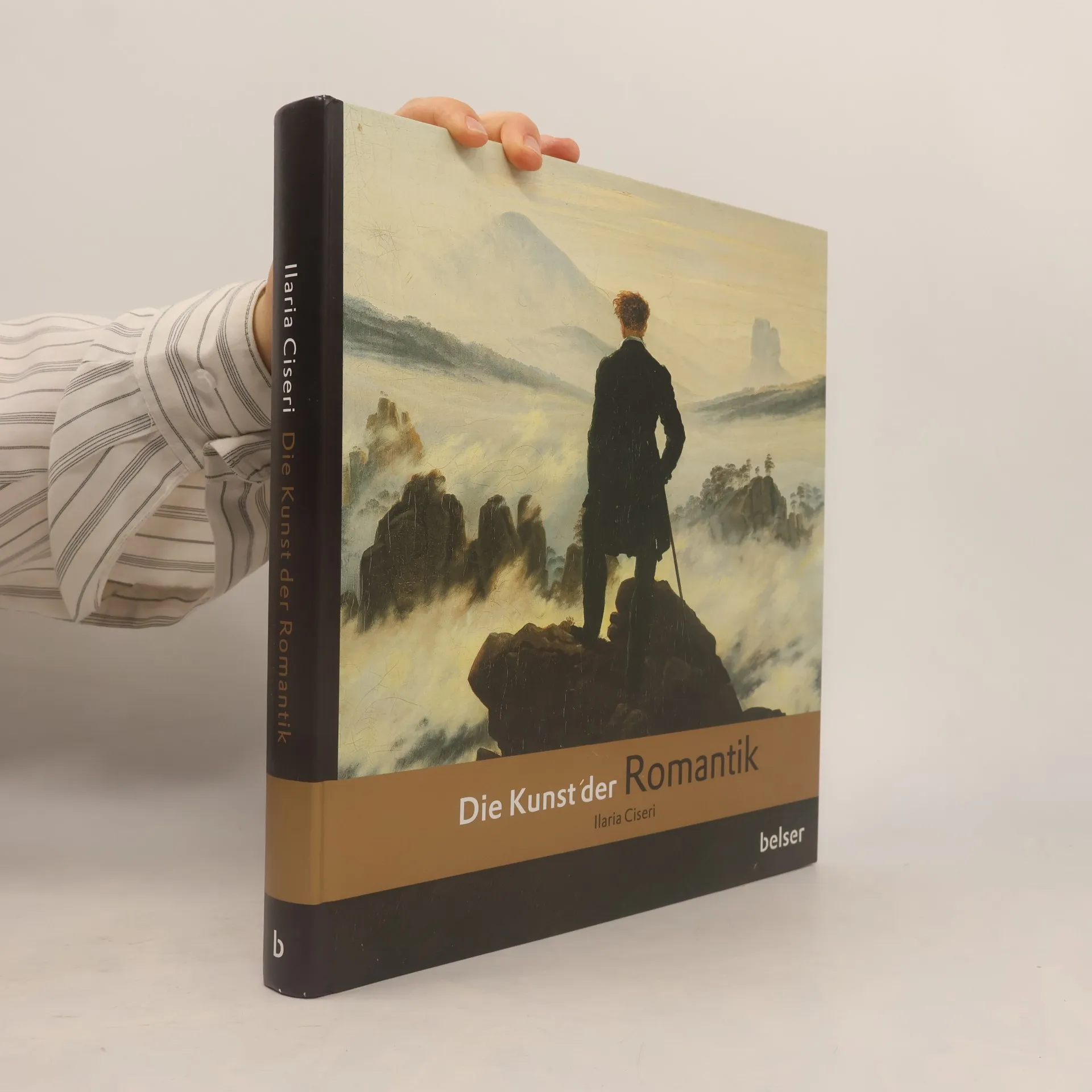
Der vorliegende Prachtband zeichnet in über 500 brillanten Abbildungen das eindrucksvolle Bild der faszinierenden kulturellen, intellektuellen und künstlerischen Bewegung der Romantik. Dabei lassen die verschiedenen Kapitel den Leser einen tieferen Einblick in die Zeit gewinnen. Opulent ausgestattet, liefert dieses Buch ein einzigartig umfassendes Bild der Kunst der Romantik in ganz Europa.
Deník francouzského malíře Eugena Delacroixe je rozsáhlé dílo, které představuje podrobnou a pravdivou zprávu o životě a tvorbě tohoto velkého výtvarníka. Delacroix si zapisoval úvahy o umění, o okolním světě, psal i o svém soukromém životě, o přátelích. Byl veden především obavou ze ztráty paměti, z uplývajícího času. V dlouhých teoretických rozpravách, které vede sám se sebou, poznáváme jeho vztah k umění, jeho těsné sepětí s literaturou. Deník obsahuje dlouhé a podnětné pasáže, v nichž se autor táže po smyslu malířství, po jeho duchovním obsahu. Ukazuje, že výtvarné umění je vynikajícím prostředkem k poznávání světa, k jeho porozumění, k pochopení smyslu událostí. Zdroj: rozhlas.cz/vltava
Madrid. 22 cm. XXVII, 151 p. Encuadernación en tapa blanda de editorial. Delacroix, Eugène 1798-1863. Selección. Introducción y notas de Guillermo Solana Díez ; traducción de Mª Dolores Díaz Vaillagou. Colección Metrópolis. Traducción Journal de Eugène Delacroix .. Este libro es de segunda mano y tiene o puede tener marcas y señales de su anterior propietario. 8430915117