

Mehr zum Buch
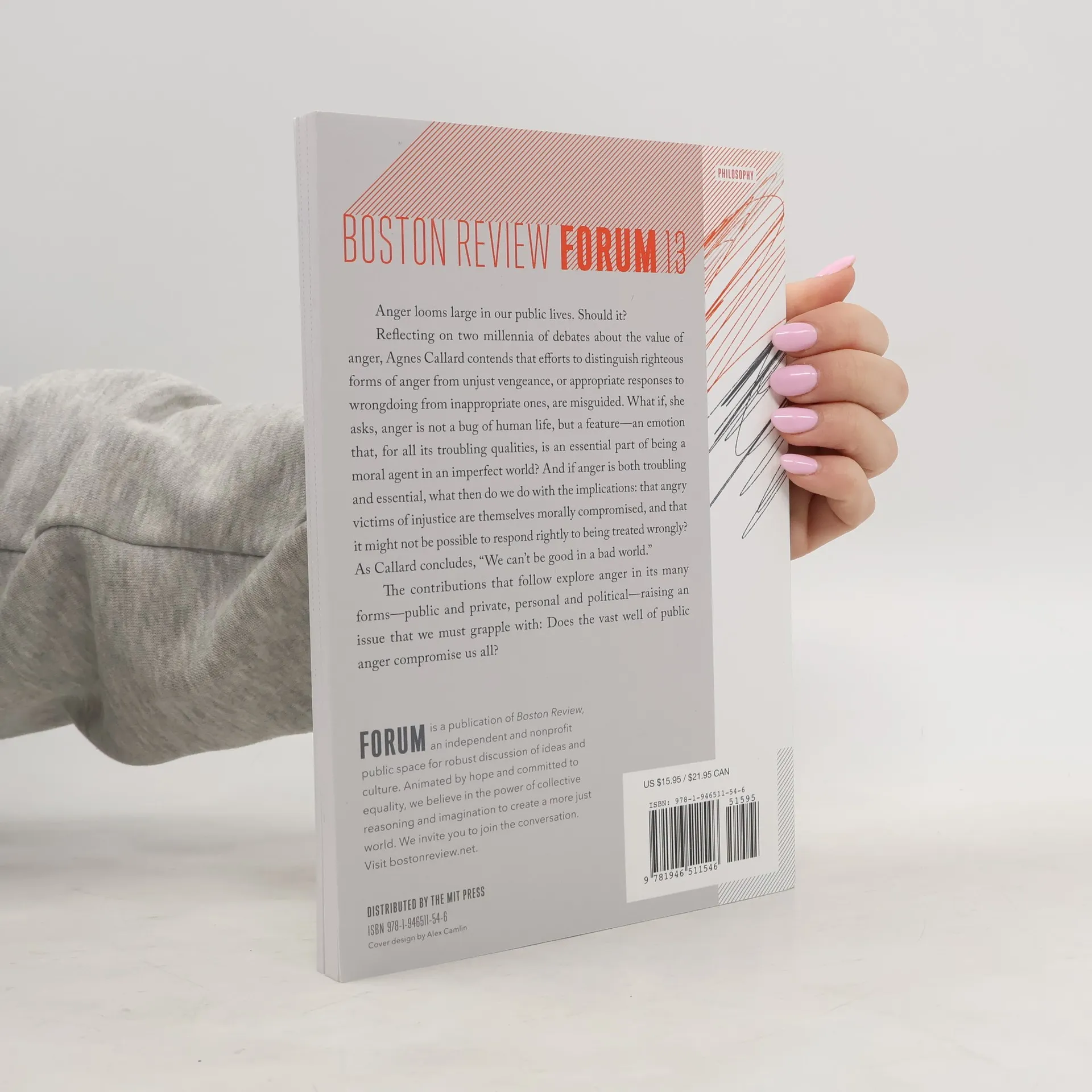
Anger looms large in our public lives. Should it?Reflecting on two millennia of debates about the value of anger, Agnes Callard contends that efforts to distinguish righteous forms of anger from unjust vengeance, or appropriate responses to wrongdoing from inappropriate ones, are misguided. What if, she asks, anger is not a bug of human life, but a feature—an emotion that, for all its troubling qualities, is an essential part of being a moral agent in an imperfect world? And if anger is both troubling and essential, what then do we do with the implications: that angry victims of injustice are themselves morally compromised, and that it might not be possible to respond rightly to being treated wrongly? As Callard concludes, “We can’t be good in a bad world.”The contributions that follow explore anger in its many forms—public and private, personal and political—raising an issue that we must grapple with: Does the vast well of public anger compromise us all?
Buchkauf
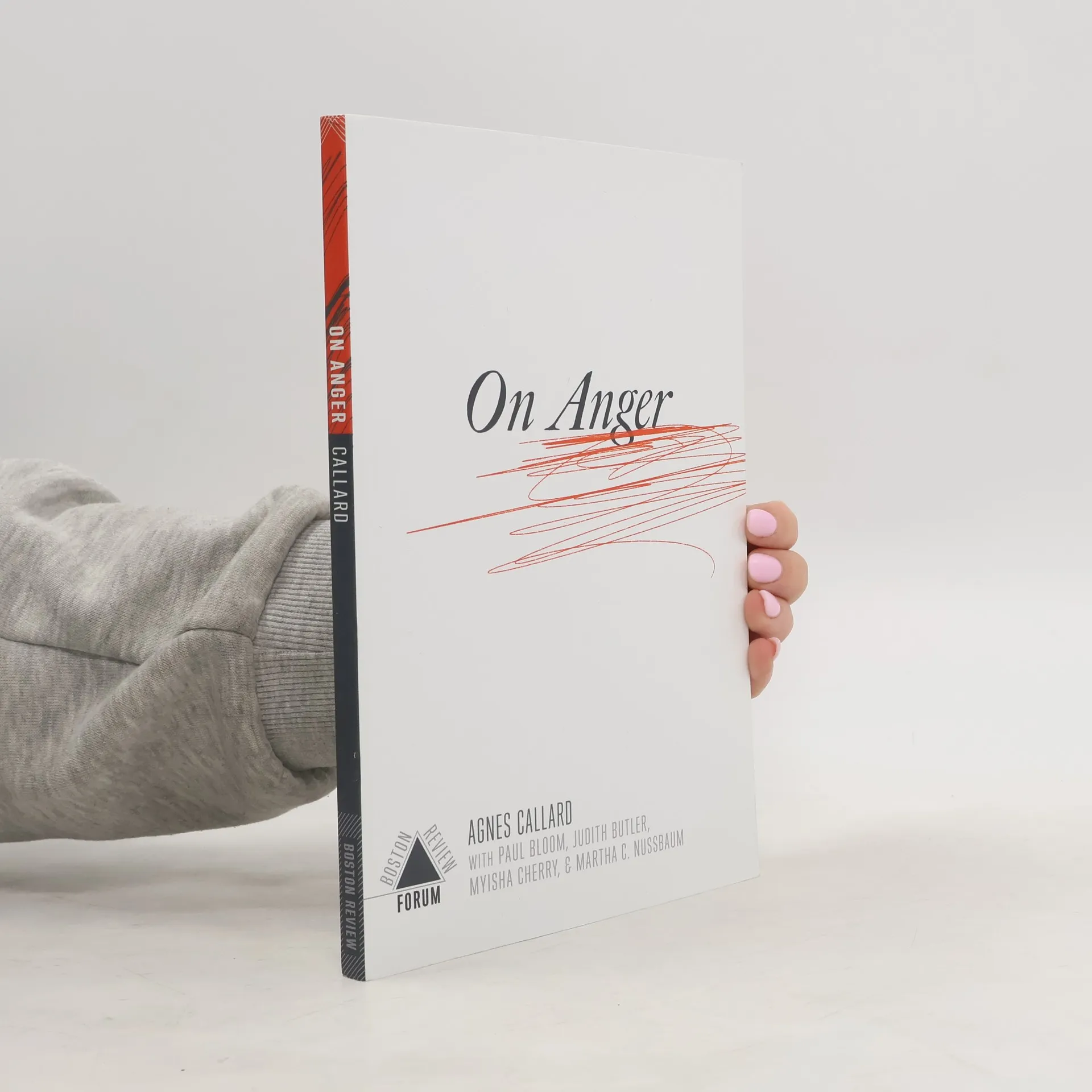
Boston Review Forum: On Anger, Agnes Callard, Paul Bloom, Judith Butler, Myisha Cherry, Martha Nussbaum
- Sprache

- Erscheinungsdatum
- 2020
- Einband
- (Paperback)
Hier könnte deine Bewertung stehen.
- Titel
- Boston Review Forum: On Anger
- Sprache
- Englisch
- Autor*innen
- Agnes Callard, Paul Bloom, Judith Butler, Myisha Cherry, Martha Nussbaum
- Erscheinungsdatum
- 2020
- Einband
- Paperback
- Seitenzahl
- 160
- ISBN10
- 1946511544
- ISBN13
- 9781946511546
- Reihe
- Kategorien
- Schlagwörter
- Handel, Naturwissenschaften, Psychologische Thematik, Philosophisches Thema, Rechtsthematik, Spiritualität, Politik, Gesundheit, Beziehungen, Medizin, Bildung, Schule, Theologie, Tod, Gesellschaft, Feminismus, Elternschaft, Psychische Gesundheit, Politische Theorien, Ehe, Schreiben, Kultur, Geschichte der USA, Glück, Ethik, Identität, Psychoanalyse, Gender, Evolution, Soziale Gerechtigkeit, Neurowissenschaft, Sozialarbeit, Invalidität, Wut, Sozialpsychologie, Aggression
- Bewertung
- 3,7 von 5 Sternen
- Beschreibung
- Anger looms large in our public lives. Should it?Reflecting on two millennia of debates about the value of anger, Agnes Callard contends that efforts to distinguish righteous forms of anger from unjust vengeance, or appropriate responses to wrongdoing from inappropriate ones, are misguided. What if, she asks, anger is not a bug of human life, but a feature—an emotion that, for all its troubling qualities, is an essential part of being a moral agent in an imperfect world? And if anger is both troubling and essential, what then do we do with the implications: that angry victims of injustice are themselves morally compromised, and that it might not be possible to respond rightly to being treated wrongly? As Callard concludes, “We can’t be good in a bad world.”The contributions that follow explore anger in its many forms—public and private, personal and political—raising an issue that we must grapple with: Does the vast well of public anger compromise us all?