
Gratis Versand ab € 14,99. Mehr Infos.
Bookbot

Britannien vor der Eroberung

Diese Serie taucht tief in die Geschichte der Britischen Inseln ein, von der späten Bronzezeit bis zum entscheidenden Jahr 1066 n. Chr. Entdecken Sie faszinierende archäologische Beweise, die das Leben, die Kulturen und die Wandlungen antiker Gesellschaften beleuchten. Erforschen Sie, wie sich Gemeinschaften entwickelten und Landschaften in den Jahrtausenden vor der normannischen Eroberung veränderten und eine reiche und dynamische Vergangenheit enthüllten.

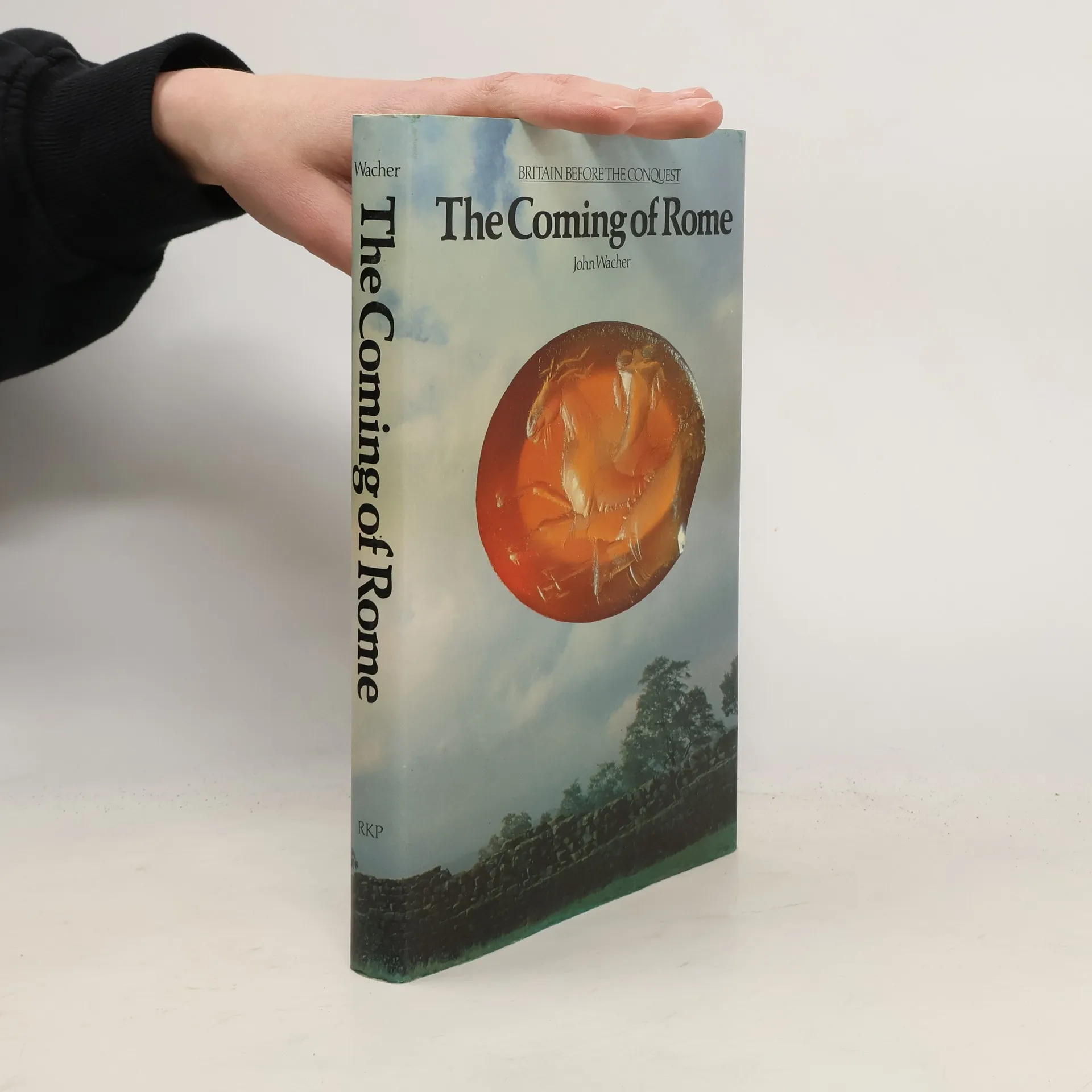
The Coming of Rome
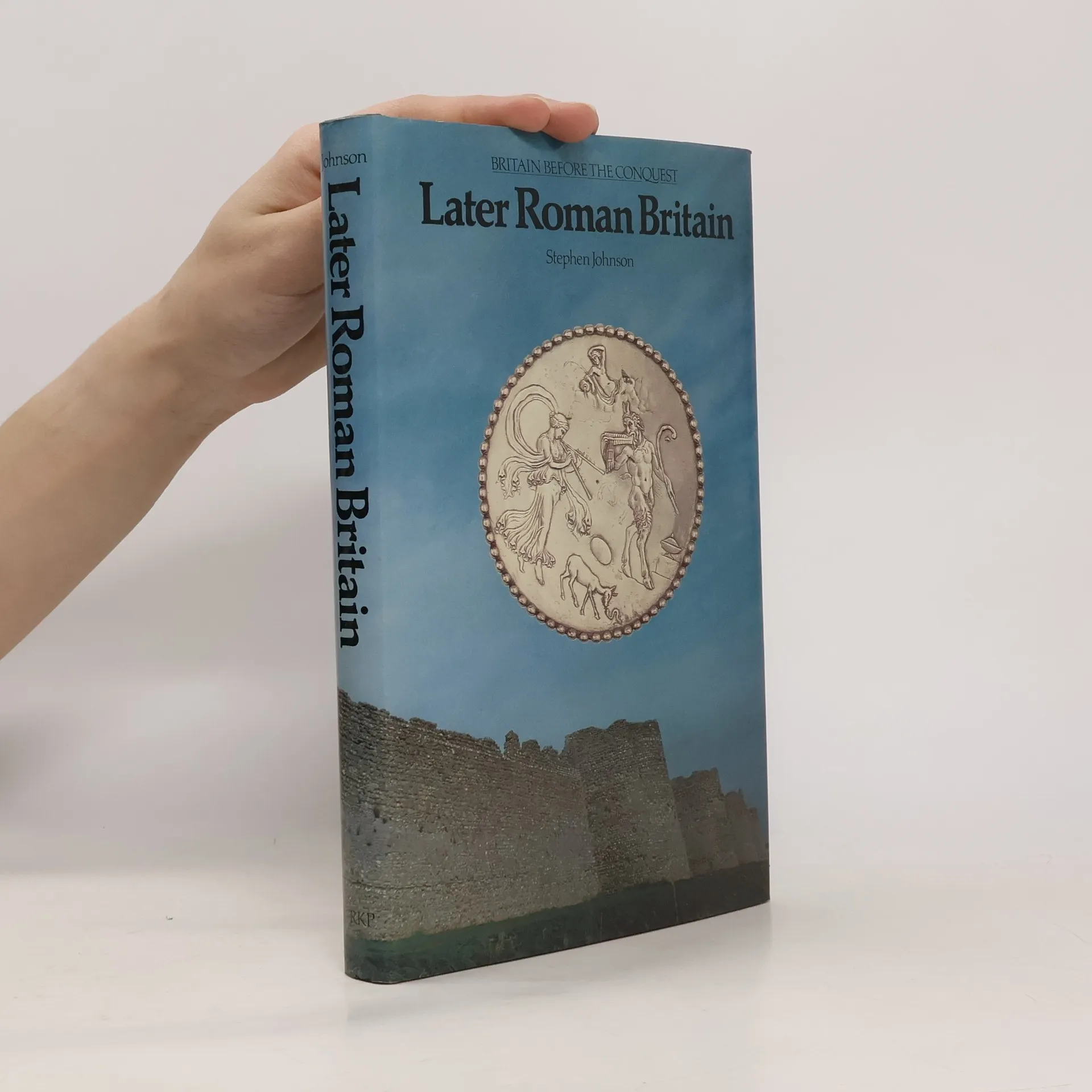
Later Roman Britain
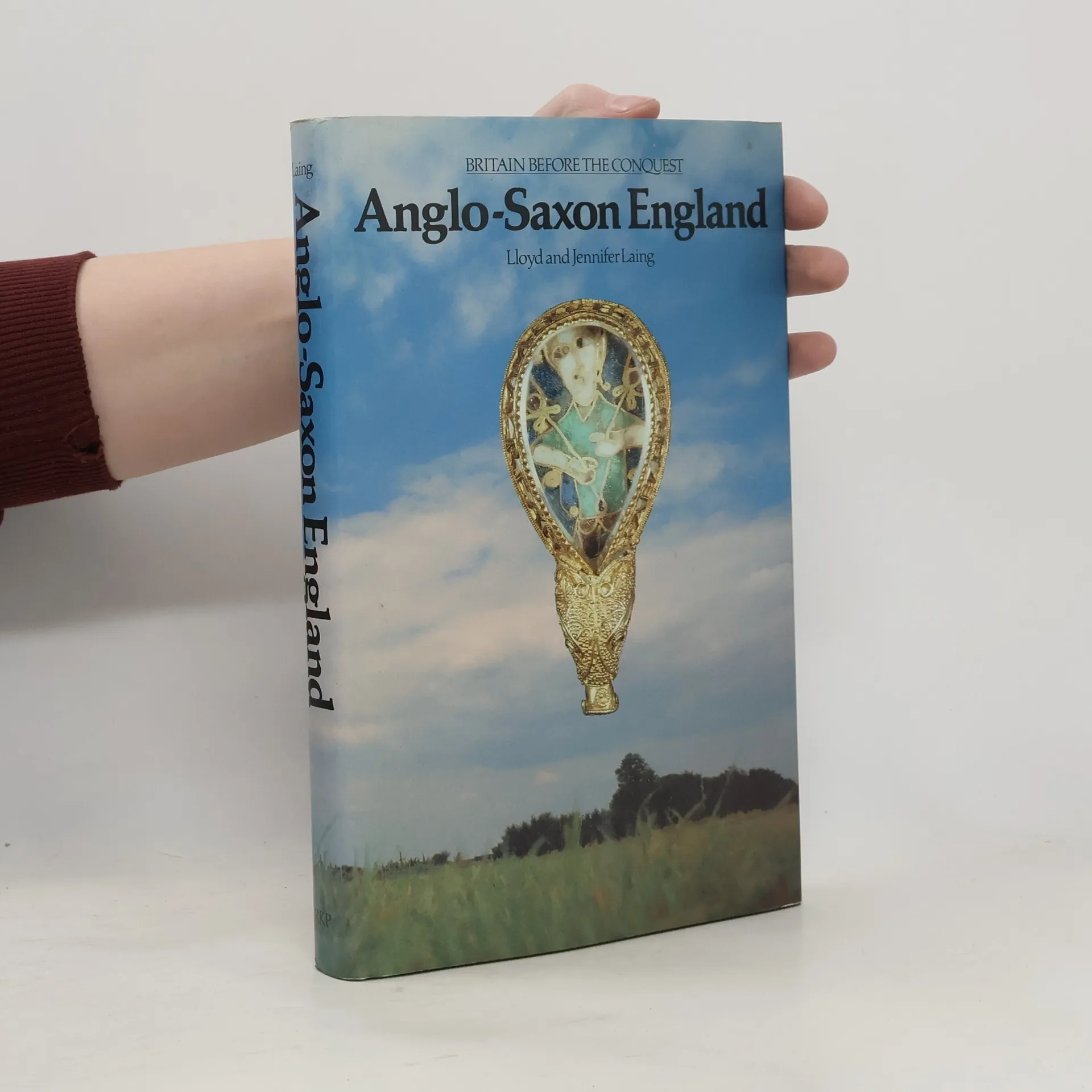
Anglo-Saxon England
Later Roman Britain (Routledge Revivals)
The Coming of Rome (Routledge Revivals)
  • Focusing on the urban culture of Roman Britain, the book explores the cities, towns, and monuments that characterized this period. J.S. Wacher analyzes inscriptions to shed light on the inhabitants and visitors of Britain during the first two centuries of Roman rule. Richly illustrated, it serves as a valuable resource for historians, archaeologists, and general readers interested in the pivotal centuries that shaped Britain's history.

    The Coming of Rome (Routledge Revivals)
  • The book explores the decline of Roman governance in Britain and the onset of the 'Dark Ages,' a pivotal transitional era marked by the collapse of Roman systems and the rise of Saxon settlements. Stephen Johnson offers insights into this historically sparse period, highlighting the significant transformations that laid the groundwork for modern Britain. Through careful analysis, the narrative sheds light on the complexities and challenges faced during this critical juncture in history.

    Later Roman Britain (Routledge Revivals)
  • Anglo-Saxon England, the final volume in the Britain before the Conquest series takes the history and archaeology of Britain from the 5th Century AD through to 1066, covering perhaps the most enigmatic period in British history, when post-Roman, native British and Continental influences amalgamated, in a manner often difficult to unravel. Drawing upon all available sources - archaeology, history, literature, place-names, and the results of the latest scientific methods - the authors show how the foundations of English life to the present day, and have bequeathed their legacy to the English-speaking people for the New World.

    Anglo-Saxon England
    3,0
  • Later Roman Britain

    • 208 Seiten
    • 8 Lesestunden

    Later Roman Britain , first published in 1980, charts the end of Roman rule in Britain and gives an overall impression of the beginning of the so-called ‘Dark Ages’ of British history, the transitional period which saw the breakdown of Roman administration and the beginnings of Saxon settlement. Stephen Johnson traces the flourishing of Romano-British society and the pressures upon it which produced its eventual fragmentation, examining the province’s barbarian neighbours and the way the defence was organised against the many threats to its security. The final chapters, using mainly the findings of recent archaeology, assess the initial arrival of the Saxon settlers, and indicate the continuity of life between late Roman and early Saxon England. Later Roman Britain gives a fascinating glimpse of a period scarce with historical sources, but during which changes fundamental to the formation of modern Britain began to take place.

    Later Roman Britain
  • The Coming of Rome

    • 193 Seiten
    • 7 Lesestunden

    The Coming of Rome The Roman conquest of Britain and the progressive extension of Roman control marked a dramatic transformation of British society. Although pre-Roman Britain had had many contacts with the Continent, the coming of Rome meant an incorporation within a much larger economic system. But Britain stood on one of the most distant frontiers of the Roman world, and the Romano-British society which gradually evolved was thus distinctive, since Britain was far enough from Rome, and to some extent even separate enough from the problems of Gaul and Germany, to permit this development. There have been many studies of early Roman Britain, and Mr Wacher himself has been a prolific author in this field. The approach of The Coming of Rome has been to look at the basic features of Roman Britain, the cities and towns, the monuments of an urban culture, and to consider the evidence, many from inscriptions of the people who worked in, or lived in, or visited Britain during the first two centuries or so of Roman rule. The author gives some judgment as to the success and influence of Romano-British society, and also the value of the province to the Roman Empire. Profusely illustrated throughout, and containing some photographs not previously published in Britain before, The Coming of Rome also lists some notable Roman sites to be seen, and includes a further reading list.

    The Coming of Rome