The Little Nugget
- 224 Seiten
- 8 Lesestunden
The son of an American millionaire, Ogden Ford--Little Nugget--arrives at Sanstead House School and the crazy fun begins. The director is a snob, the schoolmaster a gem, and Little Nugget is a handful!


Diese Serie taucht ein in die fesselnde Welt von Highschool-Beziehungen, Freundschaften und dem Erwachsenwerden. Begleiten Sie die Charaktere, wie sie sich mit schulischem Druck, erster Liebe und der Suche nach ihrer eigenen Identität auseinandersetzen. Jeder Teil bietet eine Mischung aus Humor, Drama und nachvollziehbaren Momenten, die bei jedem Anklang finden, der sich an seine eigenen Schultage erinnert. Es ist eine nostalgische Erkundung von Emotionen und persönlichem Wachstum.

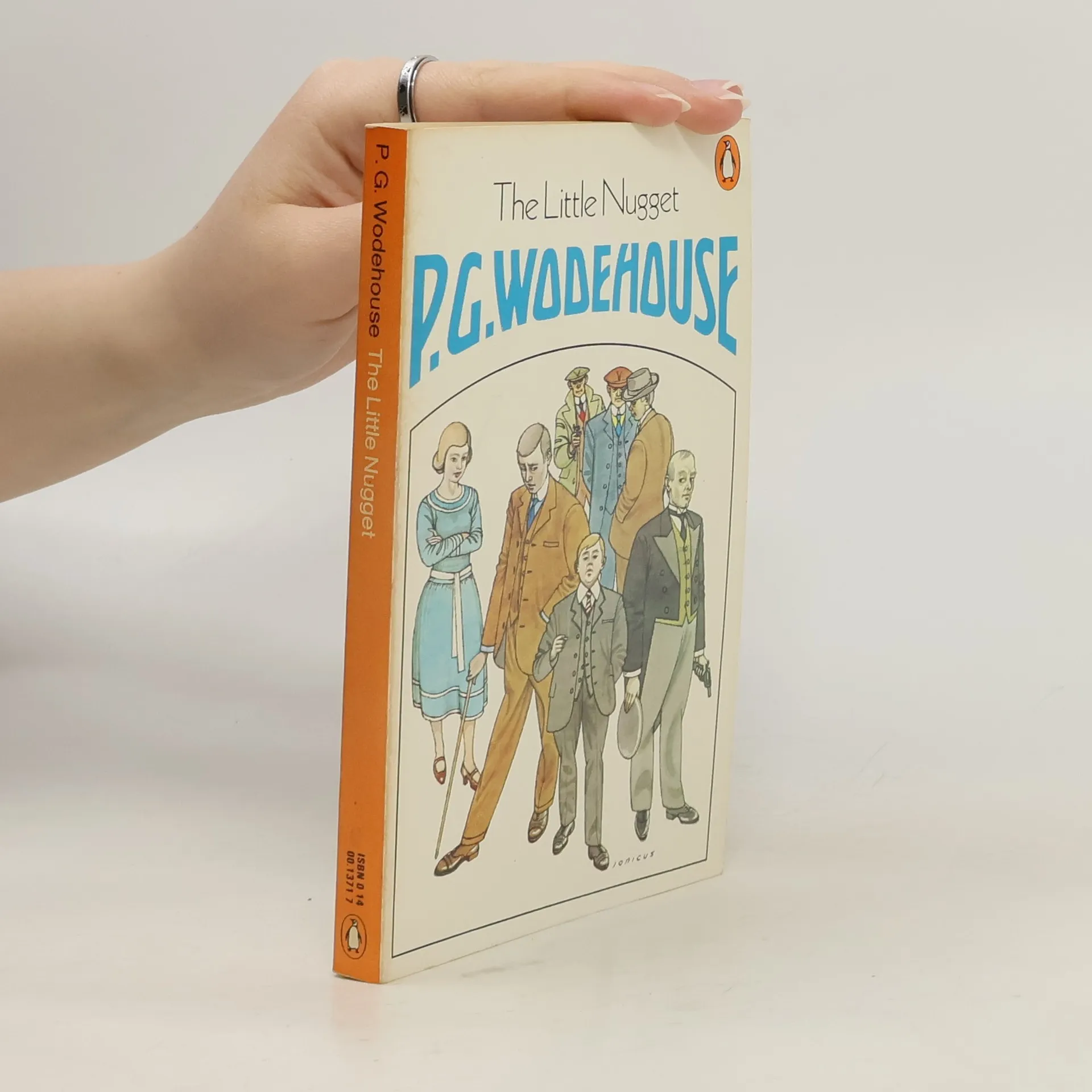
The son of an American millionaire, Ogden Ford--Little Nugget--arrives at Sanstead House School and the crazy fun begins. The director is a snob, the schoolmaster a gem, and Little Nugget is a handful!
Several Sherlock Holmes parodies read as what they are - high-spirited experiments - but the longer stories delve deeper into character: together, they recreate a vanished world of school shops, fagging, Latin prep and hearty teas.
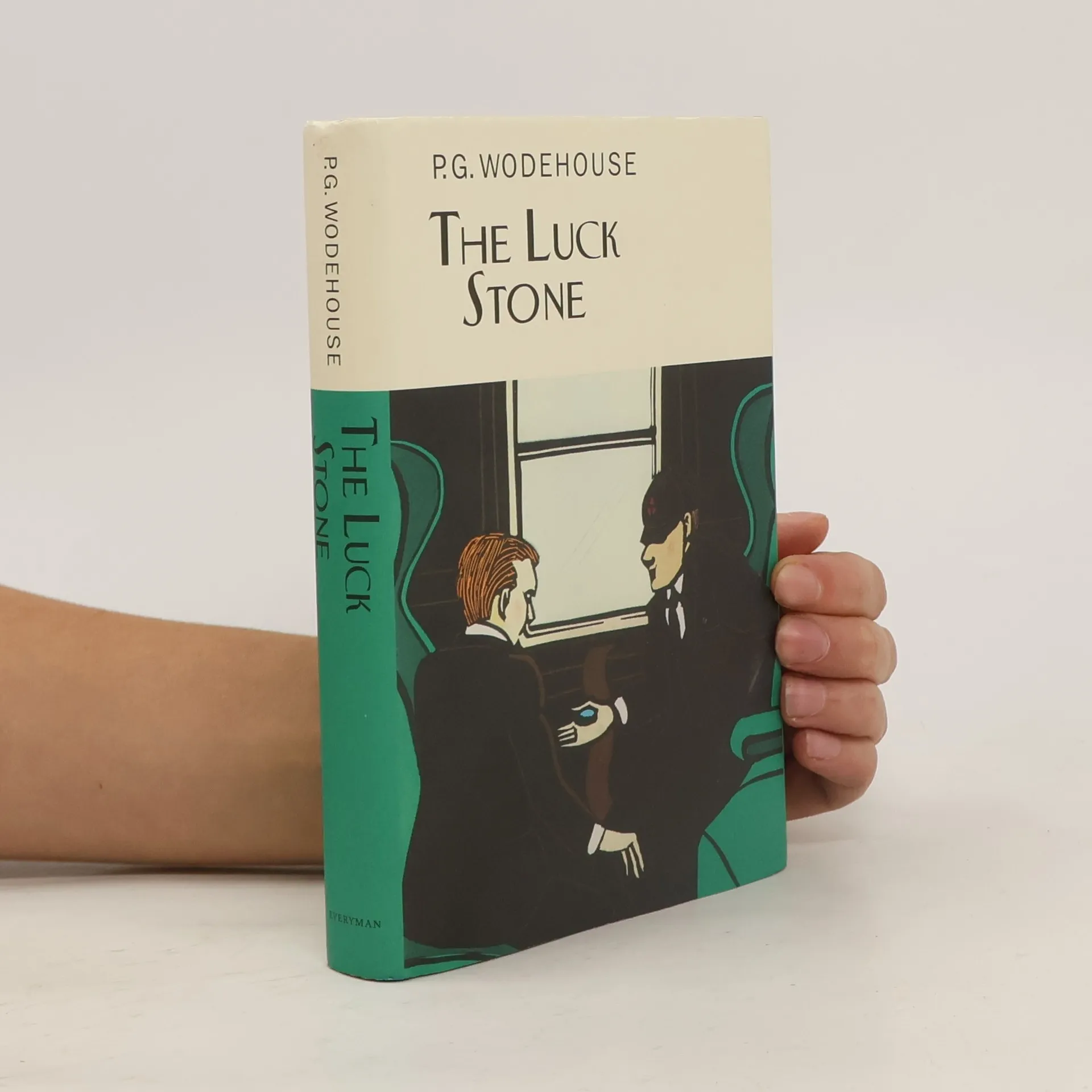
Originally published as a serial in Chums under the pseudonym of Basil Windham, The Luck Stone is thoroughly Wodehouse with his trademark sticky situations, quirky characters, sly humour and wit, and of course, his renowned prose. All written in the form of a letter to a friend, this dark and suspenseful plot will never fail to disappoint
In order to save his reputation and the honour of his house at school after he shames himself by running away from a fight between fellow pupils and toughs from the local town, a studious schoolboy takes up the study of boxing. The simple tale is given sparkle by vivid character drawing and the author's sharp ear for schoolboy dialogue
"Outside!" "Don't be an idiot, man. I bagged it first." "My dear chap, I've been waiting here a month." "When you fellows have quite finished rotting about in front of that bath don't let me detain you." "Anybody seen that sponge?" "Well, look here--let's toss for it." "All right. Odd man out." This exchange captures the end of the first match of the Easter term, where team members, especially day boys, are debating who gets the first bath. The Field Sports Committee at Wrykyn, the school located half a mile from the town, is known for its inadequate changing facilities. Letters frequently appear in the Wrykinian, expressing dissatisfaction with the state of the dressing rooms. One letter, signed "Indignant," complains about the lack of a hairbrush in the second room, while another from "Disgusted O.W." recounts a visit where the water supply mysteriously failed, leaving players in a state of grime. Despite the complaints, the editor's responses are brief, often just an expression of regret in brackets, and the situation remains unchanged.
The action of the novel takes place at the fictional Beckford College, a private school for boys; the title alludes to the arrival at the school of a mischievous young boy called Farnie, who turns out to be the uncle of the older Bishop Gethryn, a prefect, cricketer and popular figure in the school.
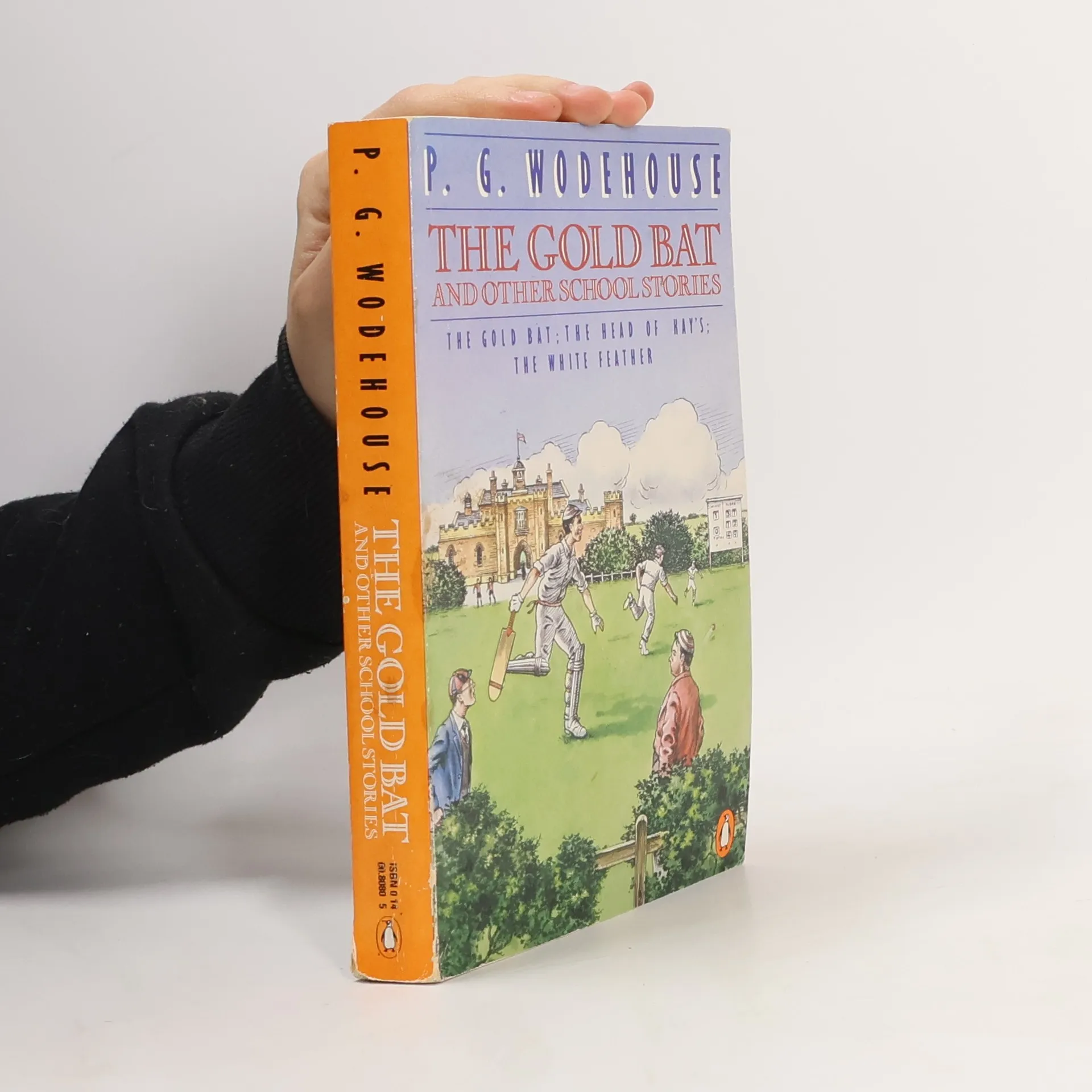
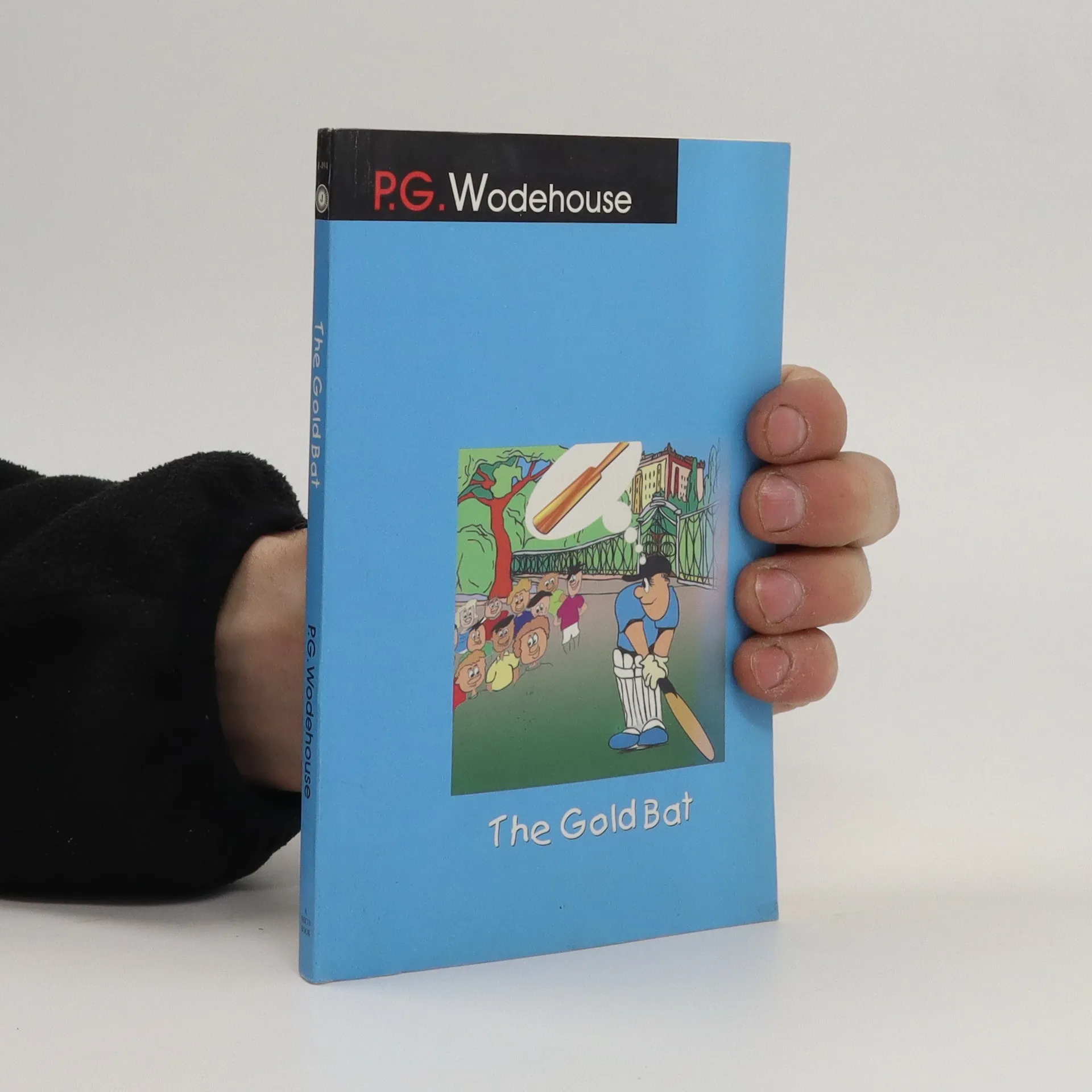
When someone breaks into the cricket pavilion and steals two silver cups, the whole school is agog. Could it possibly be an inside job? Nothing less than the honour of St Austin's is at stake, not to mention the reputation of Jim Thomson, an excellent athlete with a talent for being in the wrong place at the wrong time.
It is the general view at Eckleton school that there never was such a house of slackers as Kay's. After the Summer Concert fiasco, Mr Kay resolves to remove Fenn from office and puts his house into special measures, co-opting Kennedy, second prefect of Blackburn's, as reluctant troubleshooter with a brief to turn the place around.
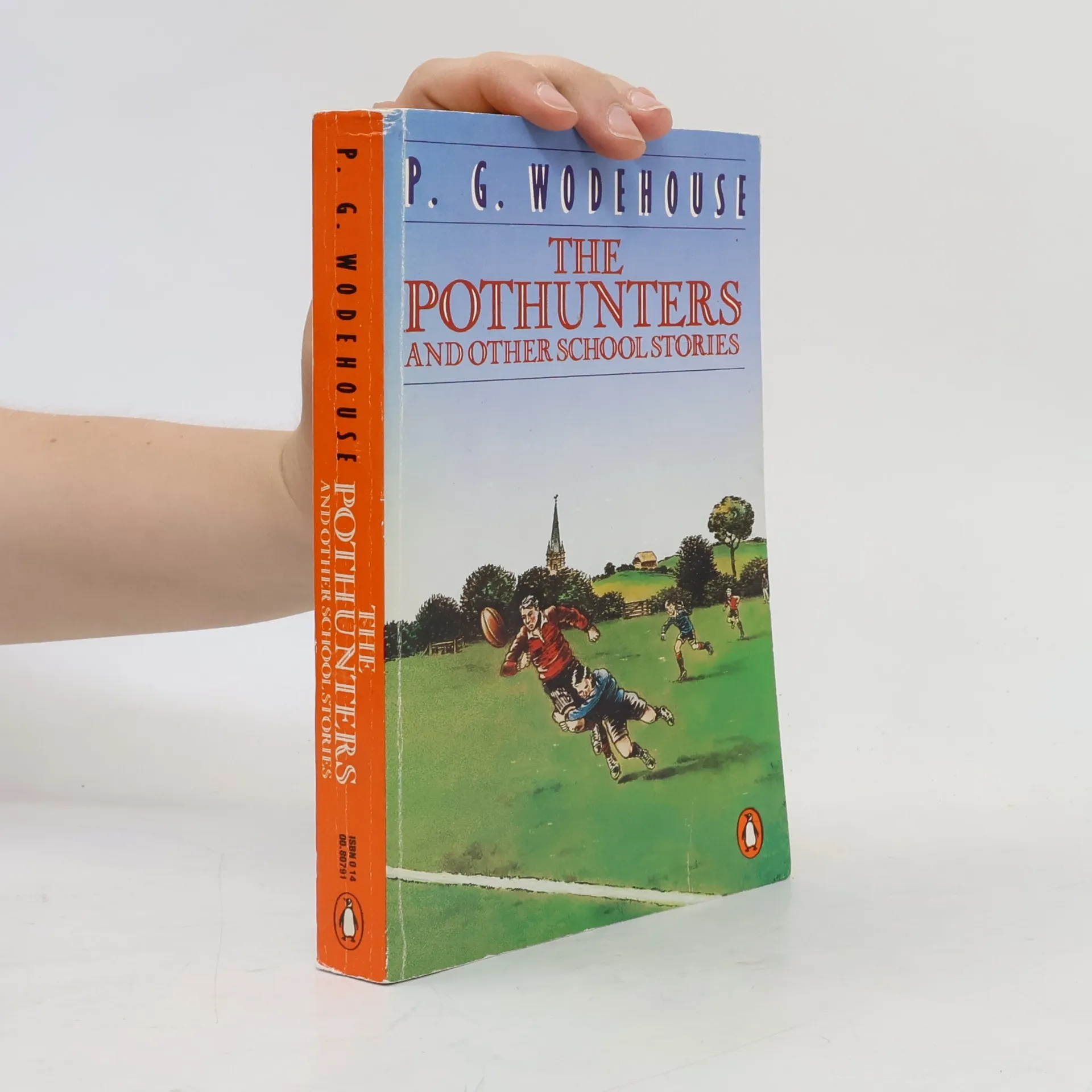
St Austin's school (as featured in The Pothunters) is the setting for twelve delightful early Wodehouse stories. The familiar ingredients - and some of the same characters - are present: cricket and rugby loom large, school colours are gained, tricks are played, exams avoided, revenge wreaked upon enemies, and the honour of School and House upheld.
Explore a comprehensive collection of works by P. G. Wodehouse, featuring his signature humor and engaging storytelling. The Manor Wodehouse Collection offers a variety of titles that showcase Wodehouse's talent for creating memorable characters and witty plots, making it a must-visit for fans and new readers alike.
'You have been misinformed, I fear, Sir Alfred. I have not trespassed in your grounds for—ah—a considerable time.' The Head could not resist this thrust. In his unregenerate 'Varsity days he had been a power at the Union, where many a foeman had exposed himself to a verbal counter from him with disastrous results. Now the fencing must be done with buttons on the foils.
The Gold Bat: The Head of Hay's; The White Feather
Set at the fictional public school of Wrykyn, the novel tells of how two boys, O'Hara and Moriarty, tar and feather a statue of the local M.P. as a prank.