Jacob Riis
- 127 Seiten
- 5 Lesestunden

Jacob August Riis war ein amerikanischer Journalist, dessen Werk sich auf die Armen in New York City konzentrierte. Seine Schriften, geprägt von seiner frühen Lektüre von Dickens und J.F. Cooper in Dänemark, zeugen von erzählerischen Fähigkeiten, die er durch englischsprachige Autoren verfeinert hat. Riiss Ansatz zeichnete sich durch ein scharfes Gespür für soziale Ungerechtigkeit und einen erzählerischen Stil aus, der die harten Realitäten marginalisierter Gemeinschaften beleuchtete. Durch seine journalistische Arbeit wollte er Empathie wecken und gesellschaftlichen Wandel anstoßen, indem er das Leben der oft Übersehenen aufdeckte.

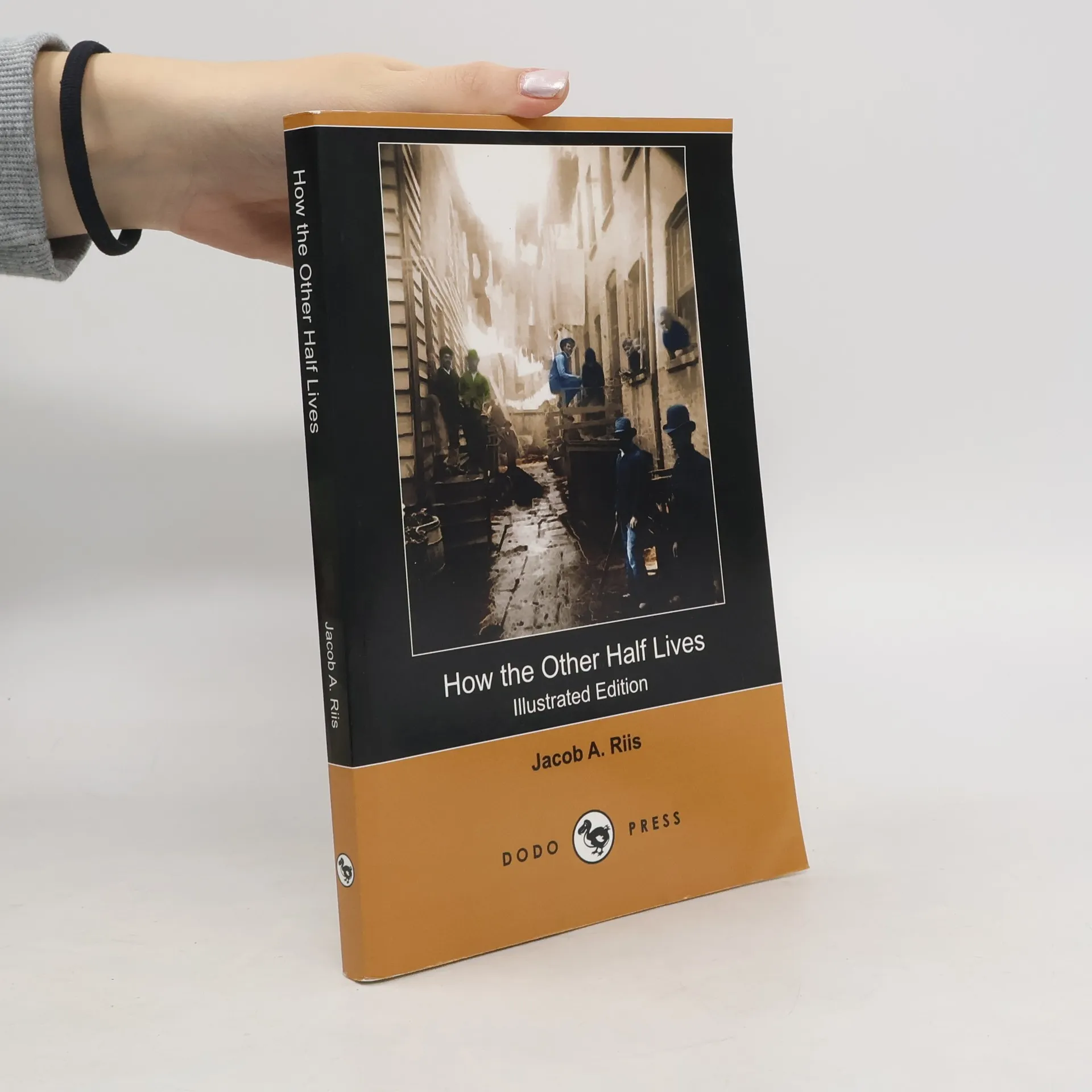
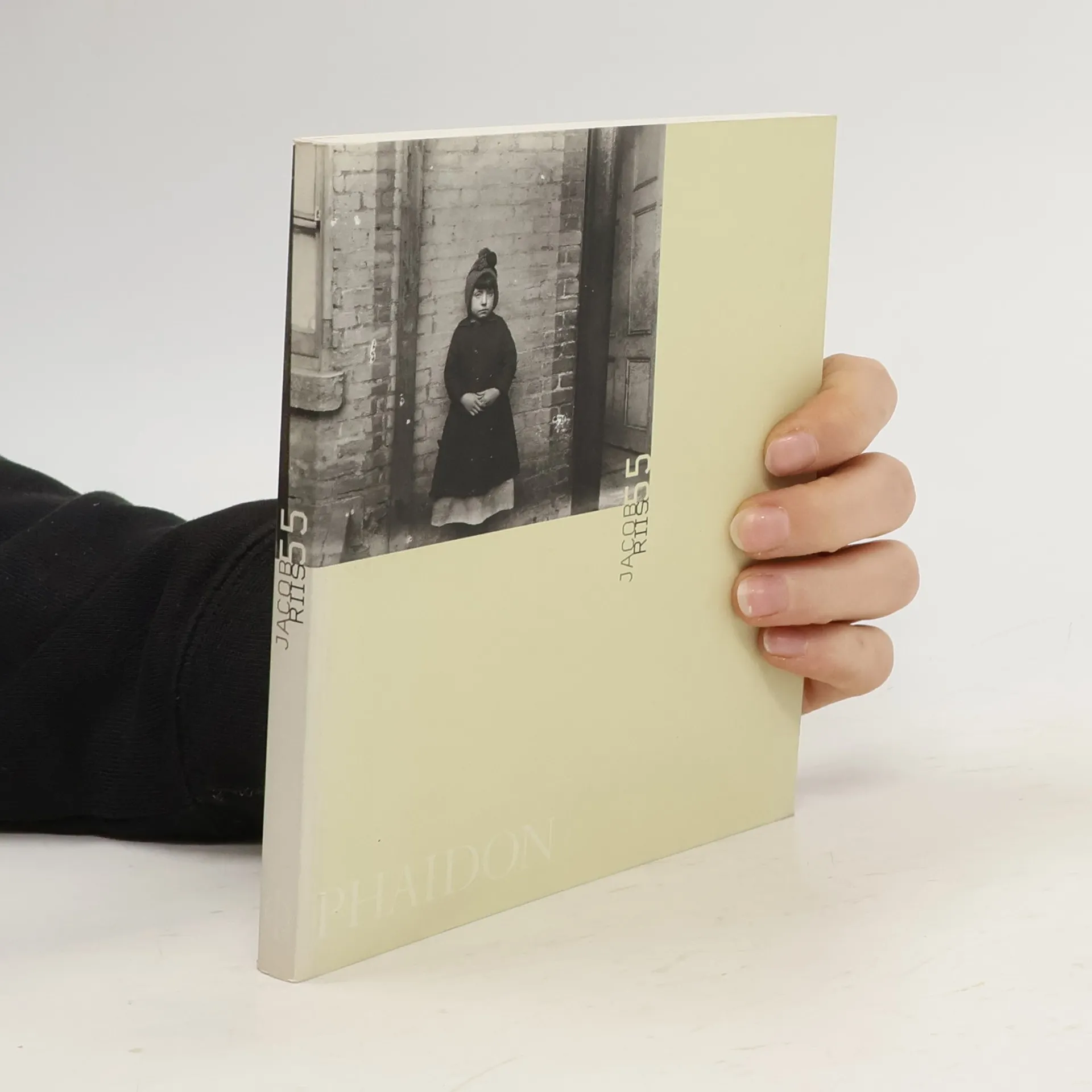


Studies Among the Tenements of New York
A work of photojournalism that deals with the New York City's slums in the 1880s. It includes the images of the squalid living conditions of 'the other half', who might well have inhabited another country.
Jacob August Riis (1849-1914) was a Danish-American muckraker journalist, photographer, and social reformer. He is known for his dedication to using his photographic and journalistic talents to help the less fortunate in New York City, which was the subject of most of his prolific writings and photographic essays. He helped with the implementation of "model tenements" in New York with the help of humanitarian Lawrence Veiller. As one of the first photographers to use flash, he is considered a pioneer in photography. His works include: How the Other Half Lives (1891), The Children of the Poor (1892), Out of Mulberry Street (1896), A Ten Years' War (1900), The Making of an American (1901), The Battle with the Slum (1902), Children of the Tenements (1902), The Peril and the Preservation of the Home (1903), Theodore Roosevelt: The Citizen (1904), The Old Town (1909), Hero Tales of the Far North (1910) and Neighbors: Life Stories of the Other Half (1914).
Studies Among the Tenements of New York
Riis is considered one of the first representatives of undercover investigative journalism. For example, he worked in a meat factory under a different name. Riis' fame is based on his book publications How the Other Half Lives, a powerful documentation of life in the New York slums. His works helped improve housing conditions in New York tenements, as well as school reforms. In connection with his social documentary reportages, he developed a friendly relationship with Theodore Roosevelt, who was New York's police commissioner back in 1895.
Children of the Tenements is a collection of stories and tales about orphans and poor children living in the slums of New York City. It provides an interesting insight into city life at the turn of the century and shows how the spirit of Christmas can make an impact even on the most unfortunate ones.
Exploring the multifaceted relationship between Theodore Roosevelt and Jacob Riis, this book delves into Roosevelt's character as both a friend and a statesman. Riis emphasizes the importance of understanding Roosevelt's humanity to fully appreciate his political achievements. Through personal anecdotes and insights, the narrative reveals how friendship shaped Roosevelt's approach to leadership and governance. This unique perspective offers readers a deeper understanding of one of America's most dynamic presidents.
This volume is produced from digital images created through the University of Michigan University Library's preservation reformatting program. With illustrations chiefly from photographs taken by the author.
Focusing on the struggle against urban poverty in New York, this significant work provides a detailed account of the efforts to combat slum conditions over a decade. It highlights social issues and welfare challenges, making it a vital resource in social sciences. The modern edition has been carefully reformatted and redesigned for clarity, ensuring its accessibility to contemporary readers. This preservation effort aims to keep its important message alive for future generations.
Focusing on accessibility, this book is a reproduction of a historical work presented in large print, catering specifically to individuals with impaired vision. Published by Megali, a house dedicated to making historical texts more readable, it emphasizes the importance of inclusivity in literature.
This historical work is presented in large print by Megali, a publishing house dedicated to making literature accessible for individuals with impaired vision. The reproduction aims to preserve the original content while enhancing readability, ensuring that more readers can enjoy and engage with classic texts.