

Die unheimliche Ruhe vor dem Sturm Frankfurter Allgemeine Zeitung „Wissenschaftlich fundiert und reich detailliert.“ Frankfurter Allgemeine Zeitung „Fromkin zeigt, welch abenteuerliche Risiken - bar jeder rationalen Grundlage - Militärs und Politiker in Wien und Berlin eingingen, um ihre vermeintlich bedrohte Machtstellung zu sichern. Er bietet in seinem gut lesbaren und übersichtlich strukturierten Buch keine neuen Forschungsergebnisse, sondern bündelt die [.] bekannten Erkenntnisse sowie die Resultate neuerer Studien übersichtlich.“
David Fromkin Bücher
1. Jänner 1932 – 11. Juni 2017
David Fromkin war ein angesehener Autor und Historiker, dessen Werk sich mit der komplexen Geschichte des Nahen Ostens befasste. In seinem bekanntesten Werk untersuchte er die tiefgreifenden Auswirkungen europäischer Mächte auf die Gestaltung des modernen Nahen Ostens in der turbulenten Zeit nach dem Ersten Weltkrieg. Seine Schriften zeichnen sich durch tiefen historischen Einblick und einen analytischen Ansatz in Bezug auf internationale Beziehungen und rechtliche Zusammenhänge aus. Fromkins Forschung beleuchtete entscheidende Momente in der Geschichte, die die heutige globale Ordnung maßgeblich beeinflussten.


A Peace to End All Peace
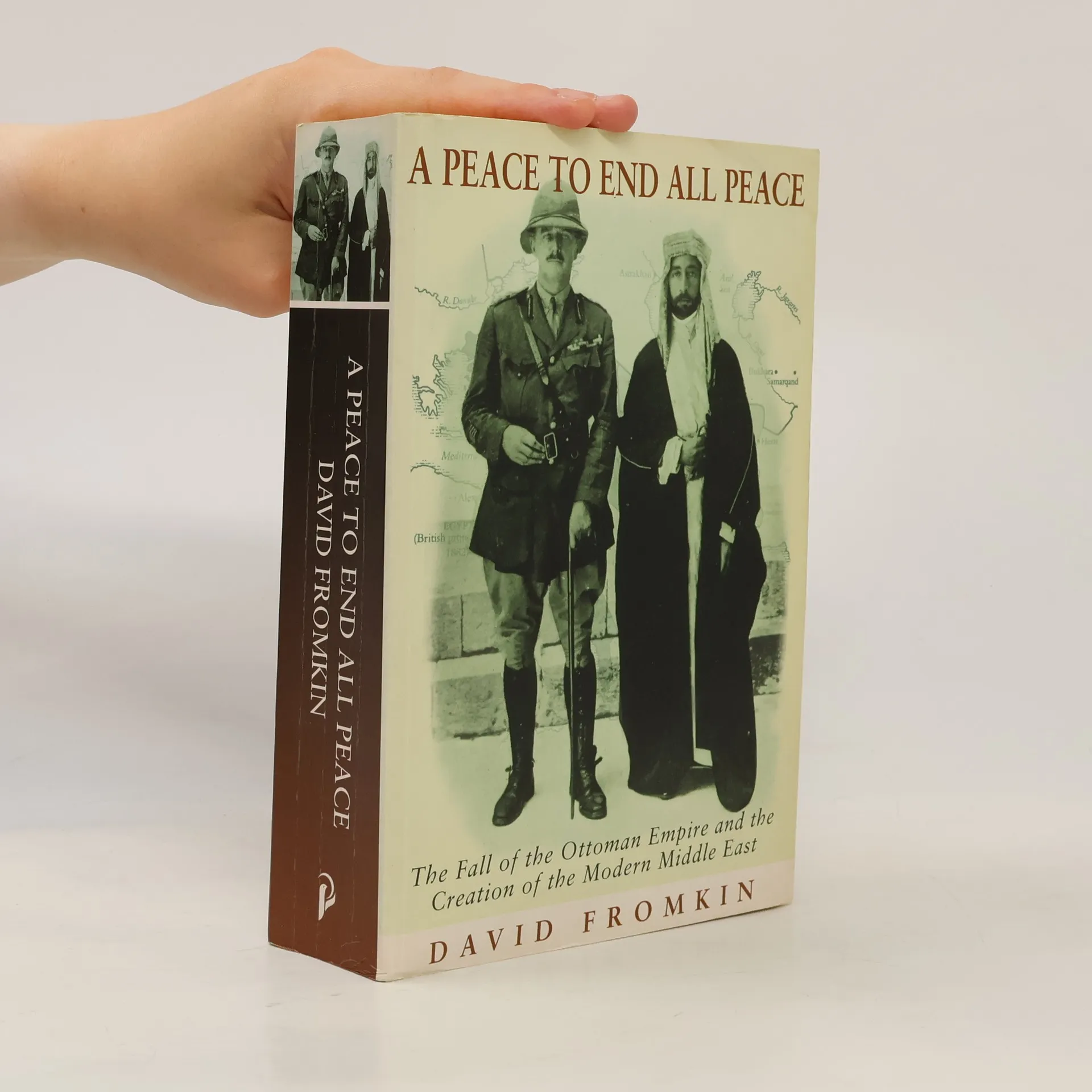
The Fall of the Ottoman Empire and the Creation of the Modern Middle East
- 640 Seiten
- 23 Lesestunden
Peopled with larger-than-life figures such as Winston Churchill (around whom the story is structured), General Kitchener and T.E. Lawrence, Gertrude Bell, Attaturk, Emir Feisal and Lloyd George the book describes the showdown with the Ottoman Empire which erupted into the devastating Eastern campaign of World War I and led to the formation - by bureaucracy and subterfuge by Americans and Europeans - of the states known collectively as the Middle East. The years 1914-1922 were the creative, formative years when everything seemed possible, but the events of 1922, the pivotal year, set the course for a future of endless wars and acts of terrorism that became the legacy of this period. Issues such as The Allenby Declaration establishing nominal independence for Egypt, the Palestine Mandate and the Churchill White Paper (from which Israel and Jordan sprang), the installing of Hashemite leaders of predominantly Shi'ite teritories, new leaders for Egypt and Iraq, the Russian declaration of a Soviet Union intent on re-establishing her rule over Moslem Central Asia - David Fromkin shows how all these changed the Middle East (and Europe) forever.
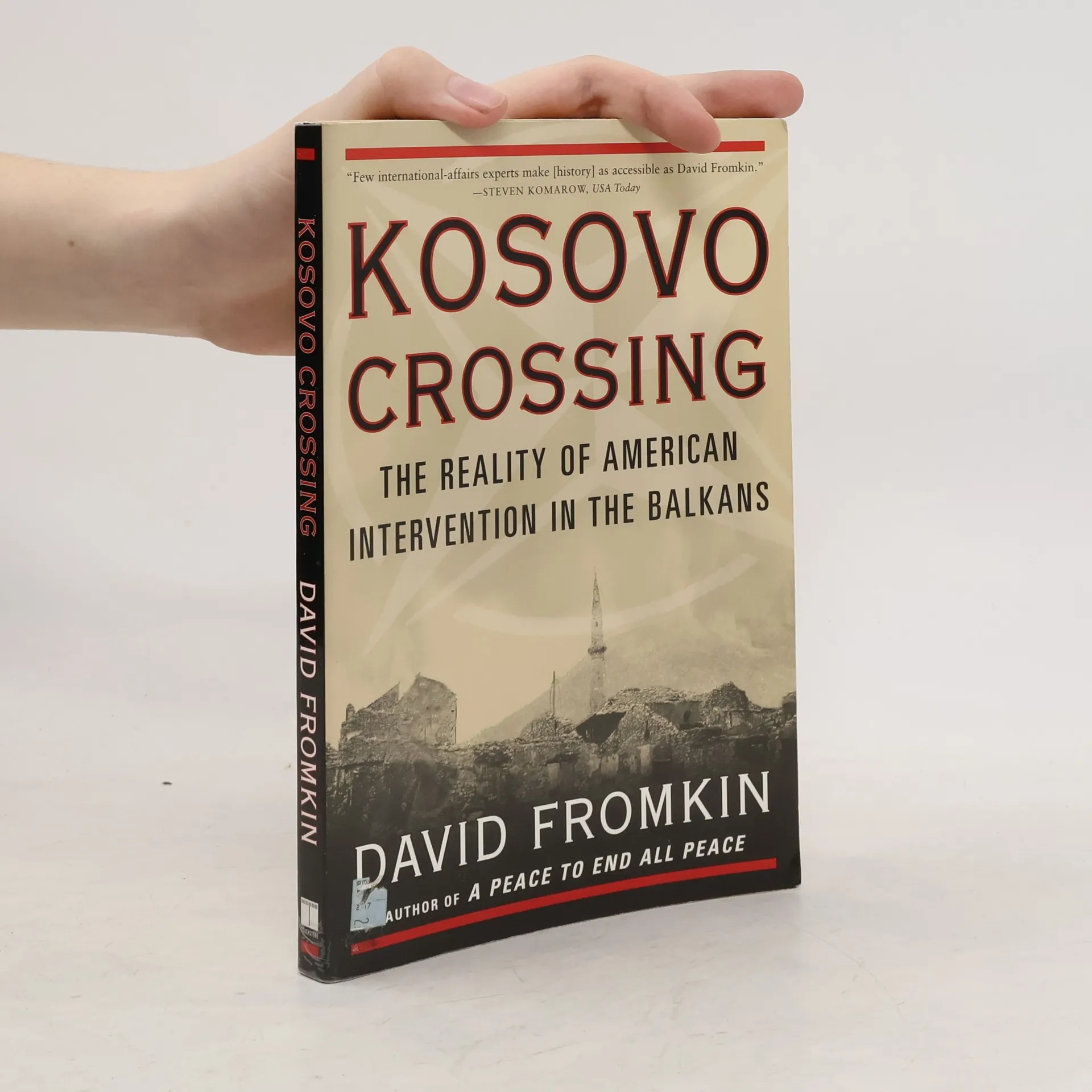
In Kosovo Crossing, bestselling historian David Fromkin examines the clash between American ideals and Balkan realities on the battlefields of Kosovo. Leading NATO into the first war of its fifty-year existence, America sought to carve out a new role both for the alliance and for itself by establishing a world order. Yet like the other crises of the late twentieth century -- in Iraq, Bosnia, Somalia, Haiti, and Rwanda -- this war, in a land long plagued by deadly conflict, revealed the limits of America's power to reshape the world. Brilliantly weaving military, political, and historical analysis, Fromkin forges a new understanding of the paths that American leaders must explore to advance American values abroad.
The King and the Cowboy
Theodore Roosevelt and Edward the Seventh, Secret Partners
- 256 Seiten
- 9 Lesestunden
The story of the unlikely friendship between King Edward the Seventh of England and President Theodore Roosevelt catalyzed an international power shift and marked the beginning of the American century. Renowned historian David Fromkin reveals how these two leaders redefined themselves and established a bond that shaped the twentieth century. In 1901, Edward ascended to the throne following Queen Victoria's death, despite public skepticism regarding his ability to lead the British Empire. Known for his love of fine food, drink, and a pleasure-seeking lifestyle, Edward surprised many with his effective leadership and understanding of the empire's fragility at its peak. Meanwhile, Roosevelt, who rose from Vice President to President after McKinley’s assassination, overcame criticism to become one of America's most beloved leaders. Fromkin provides a fresh perspective on their collaboration during the 1906 Algeciras conference, where they united with major European powers to counter Kaiser Wilhelm II’s ambitions in Morocco. This conference not only isolated Germany but also laid the groundwork for the Allied forces. The narrative offers an intimate study of these extraordinary statesmen, highlighting their influence on foreign affairs and the early events that shaped the century.