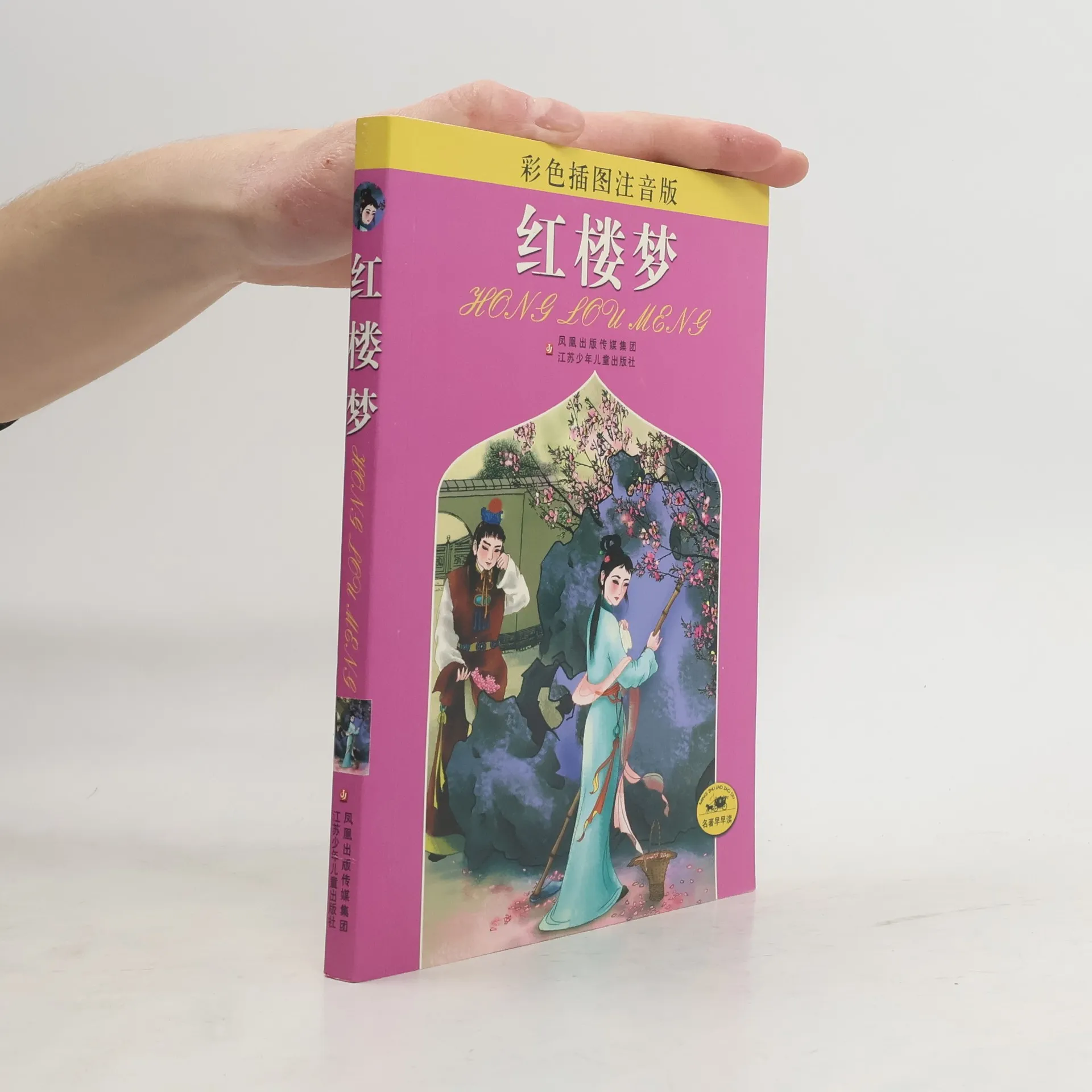
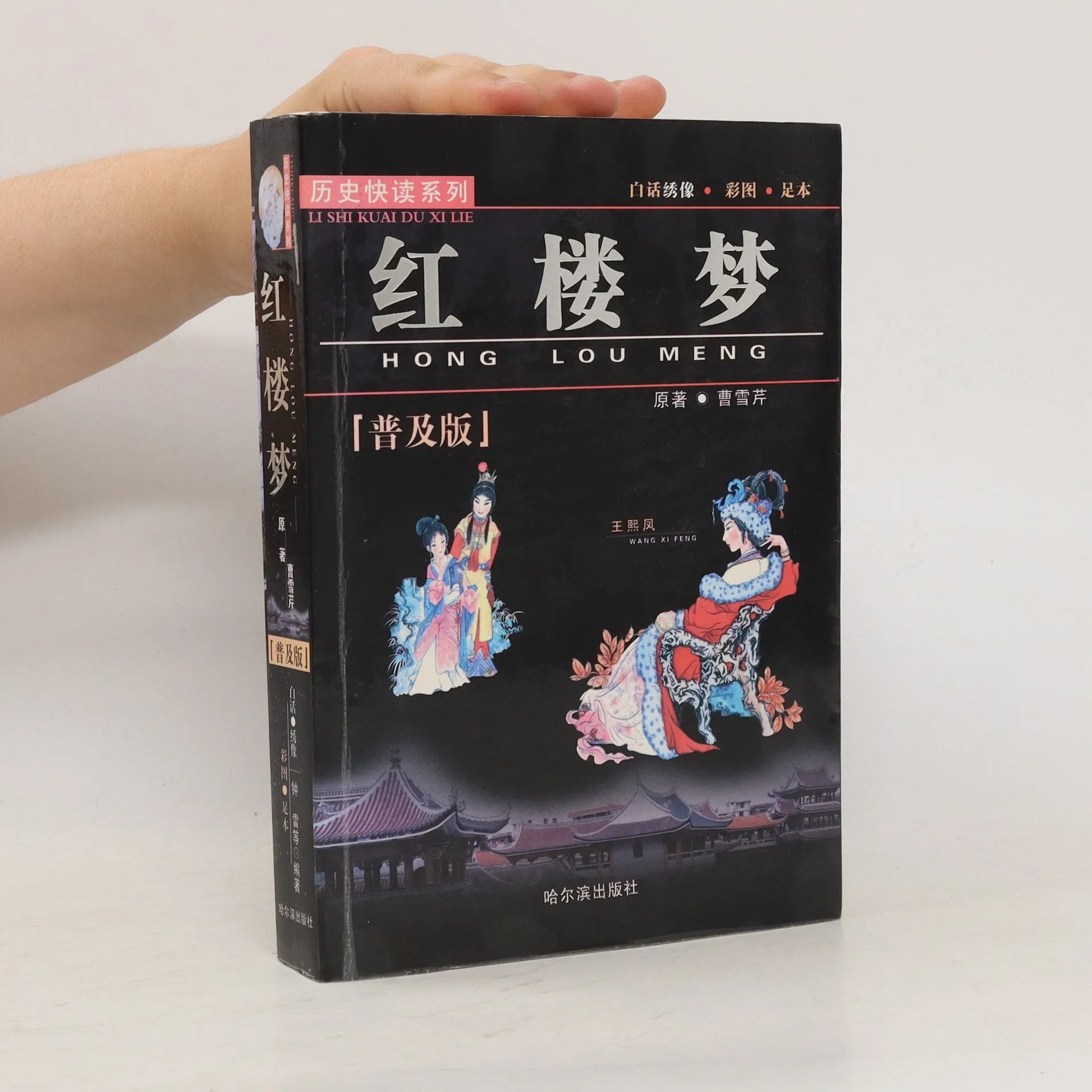
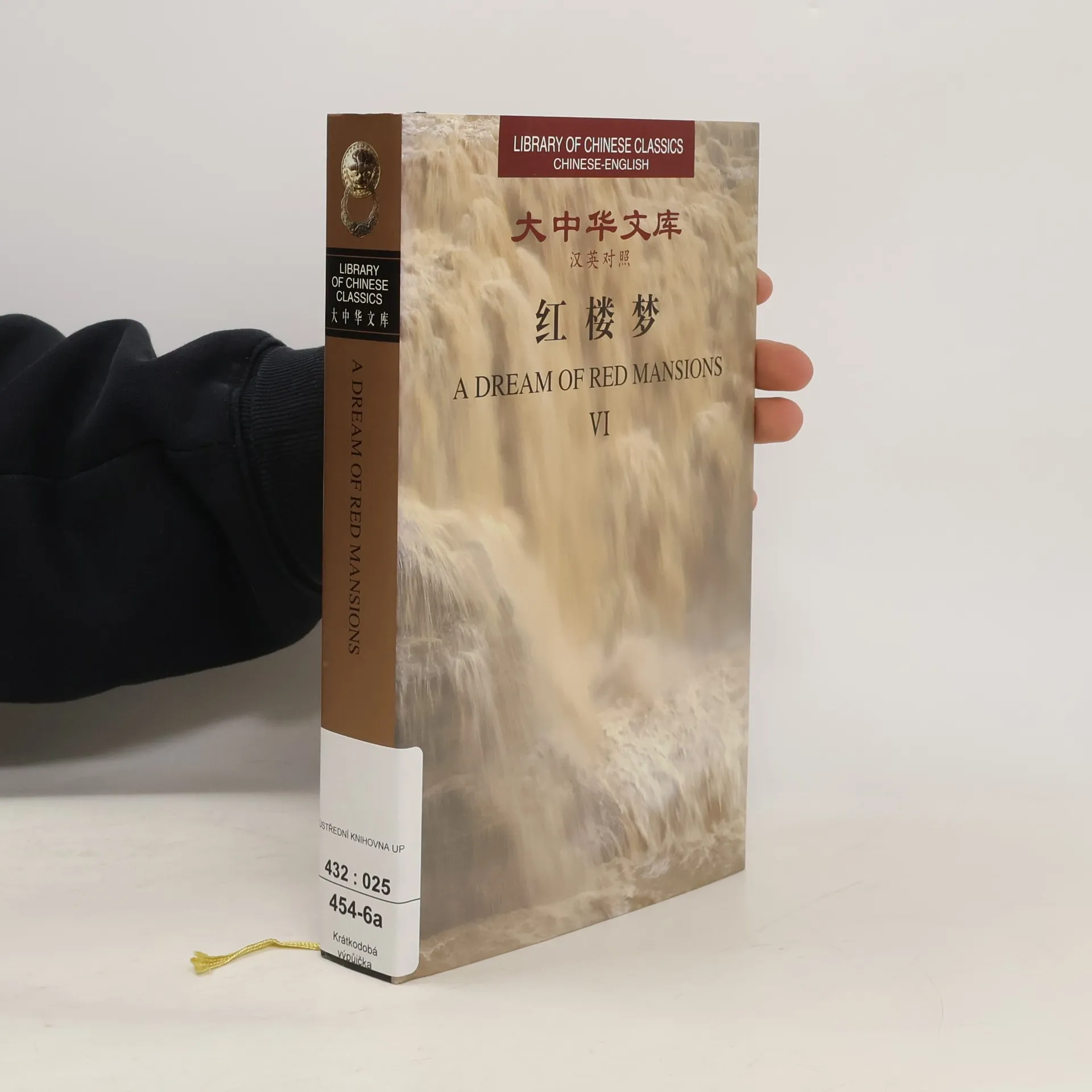
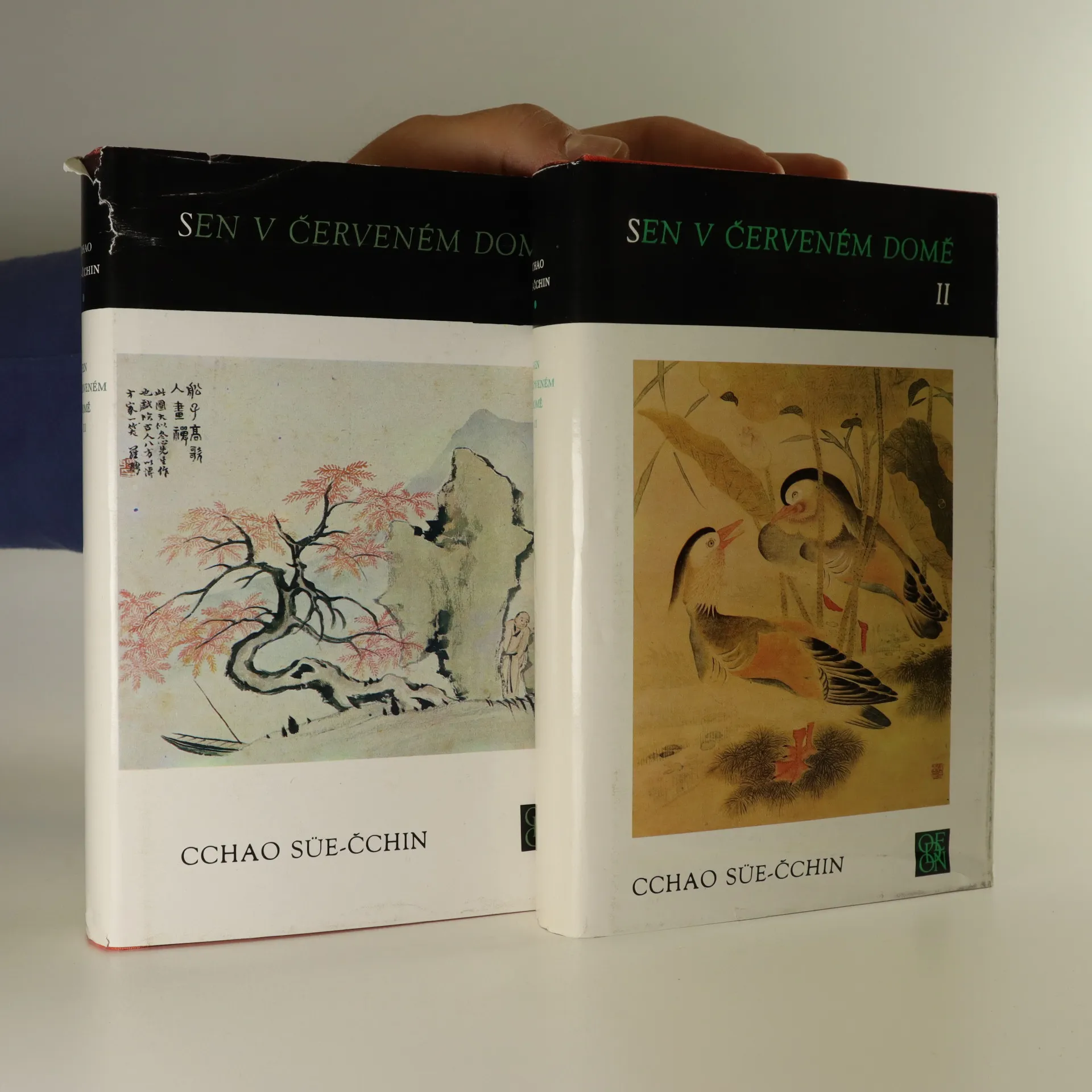
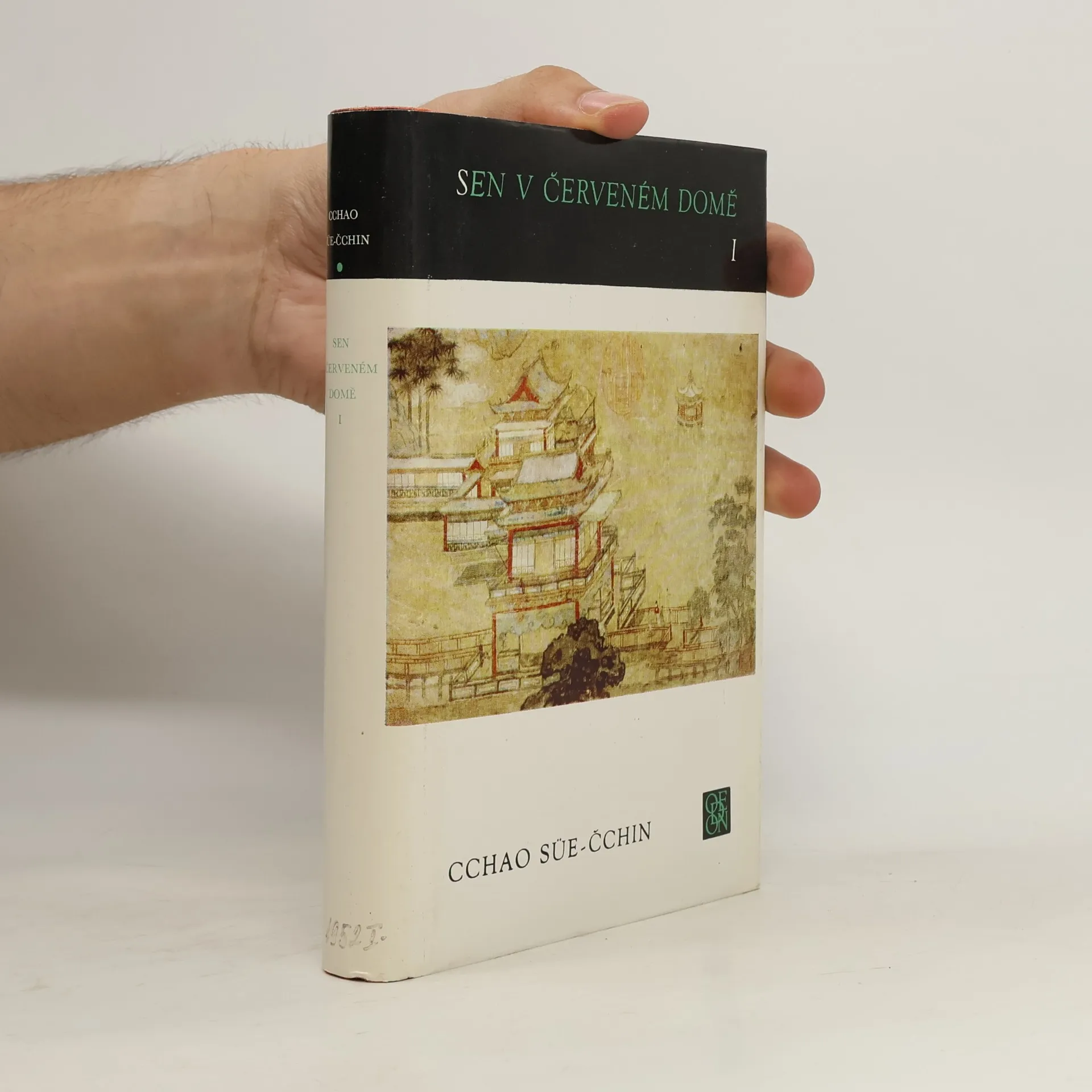
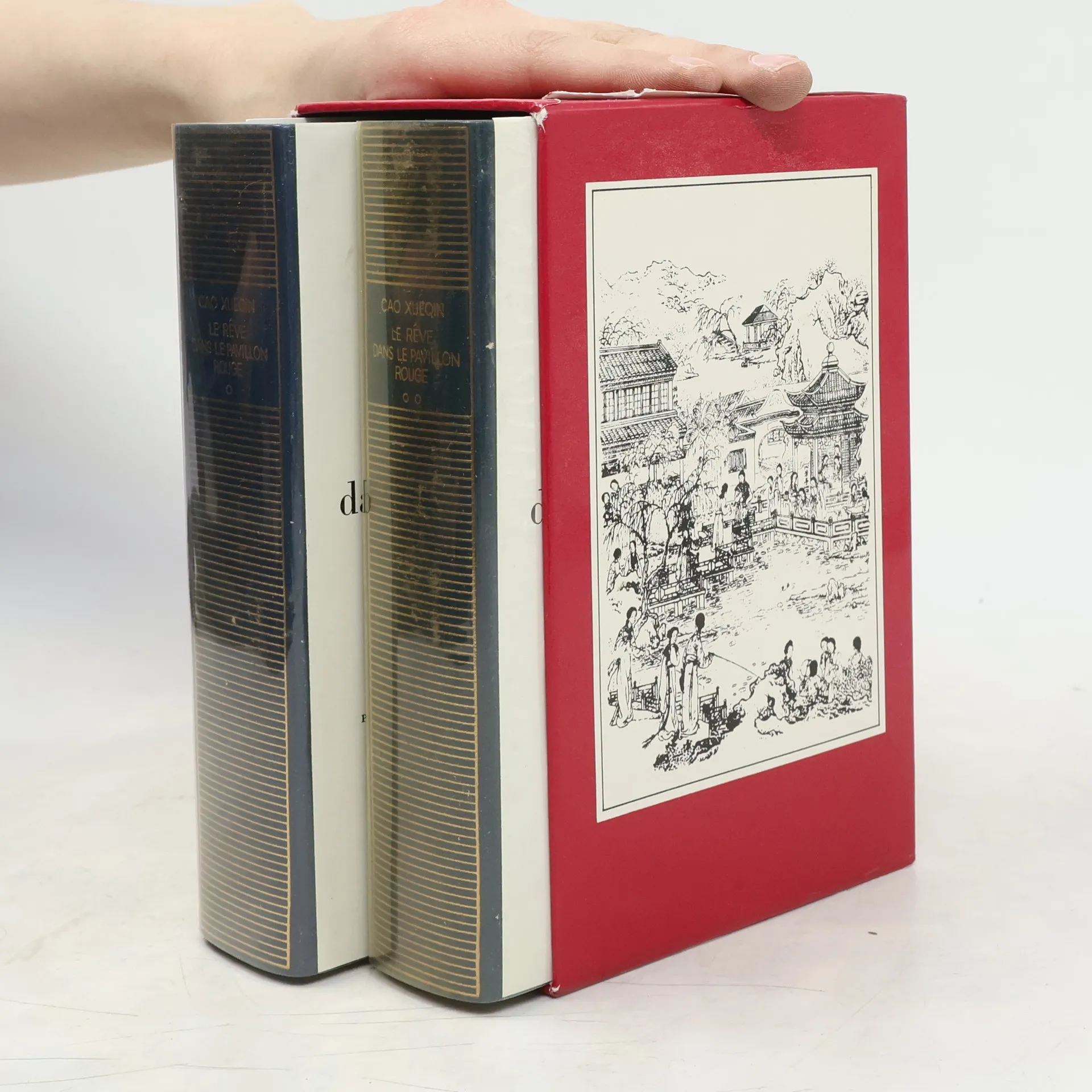
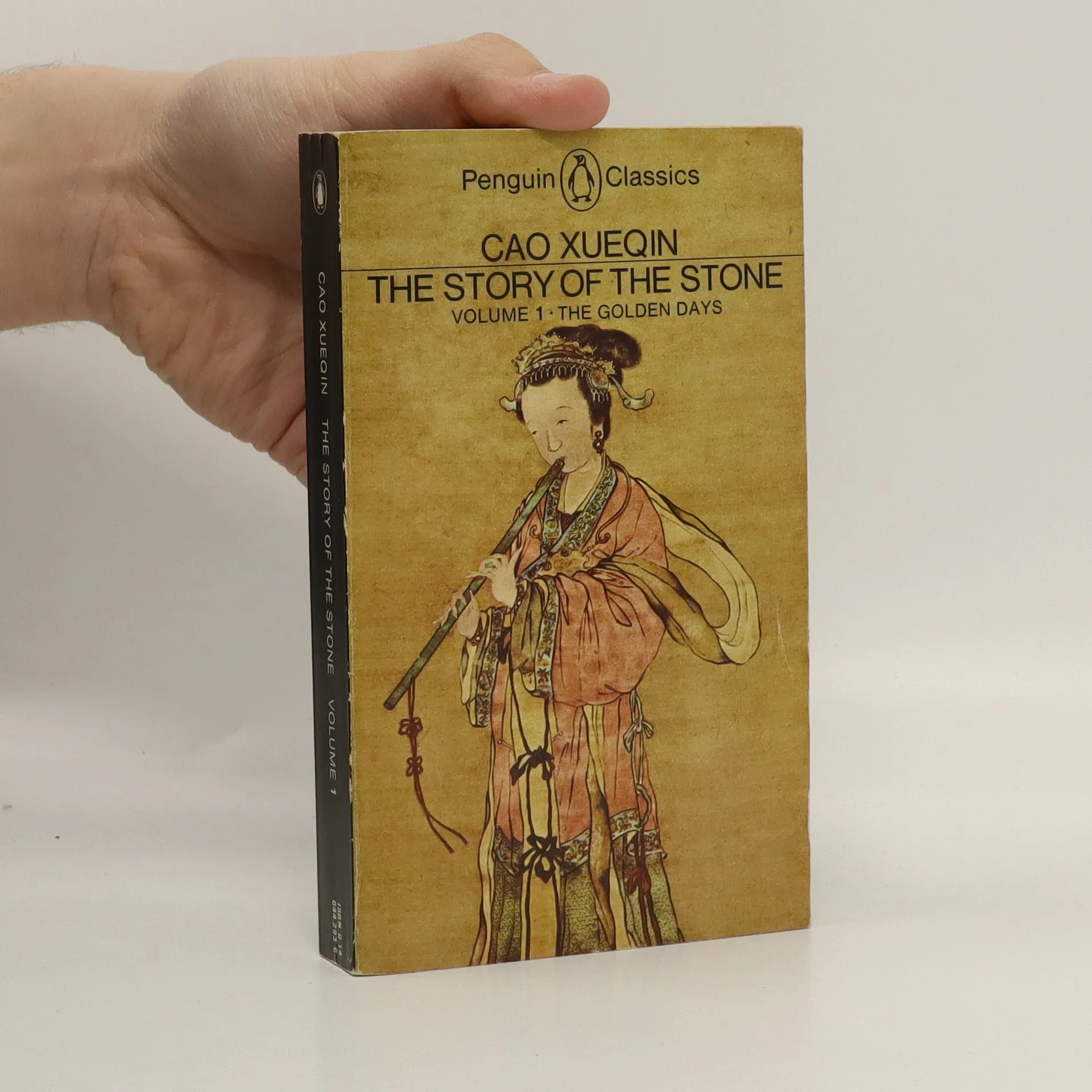
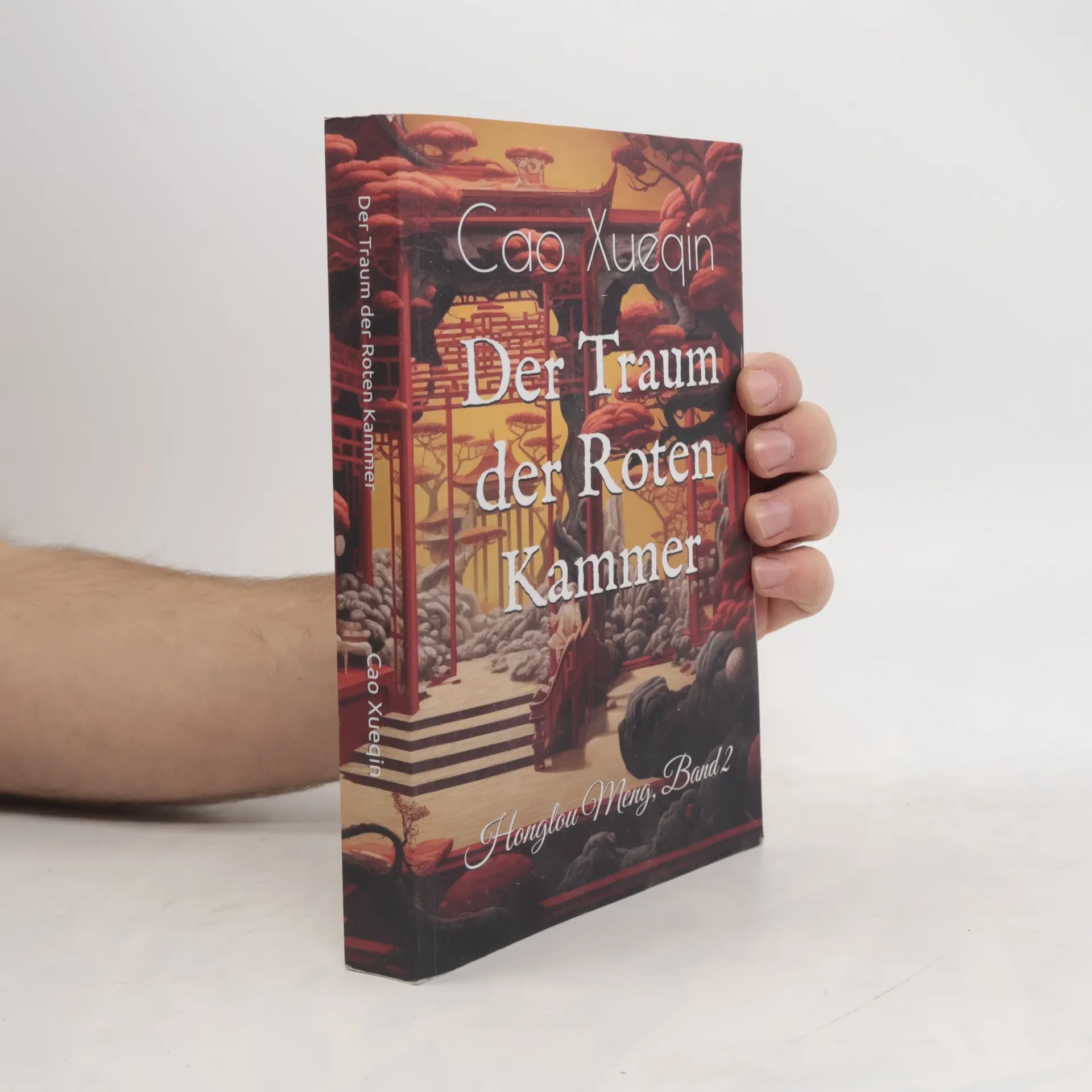
Honglou Meng - 2: Der Traum der Roten Kammer
- 439 Seiten
- 16 Lesestunden


Dieser Romanautor wird als Schöpfer eines der am meisten verehrten klassischen Werke der chinesischen Literatur gefeiert. Seine Schriften tauchen in das komplexe Geflecht menschlicher Erfahrung und die Vielschichtigkeit sozialer Dynamiken ein. Die unverwechselbare Prosa des Autors und seine meisterhaften Charakterdarstellungen haben sein Erbe im literarischen Kanon gefestigt. Seine Beiträge sind bis heute Gegenstand intensiver Studien und Bewunderung.

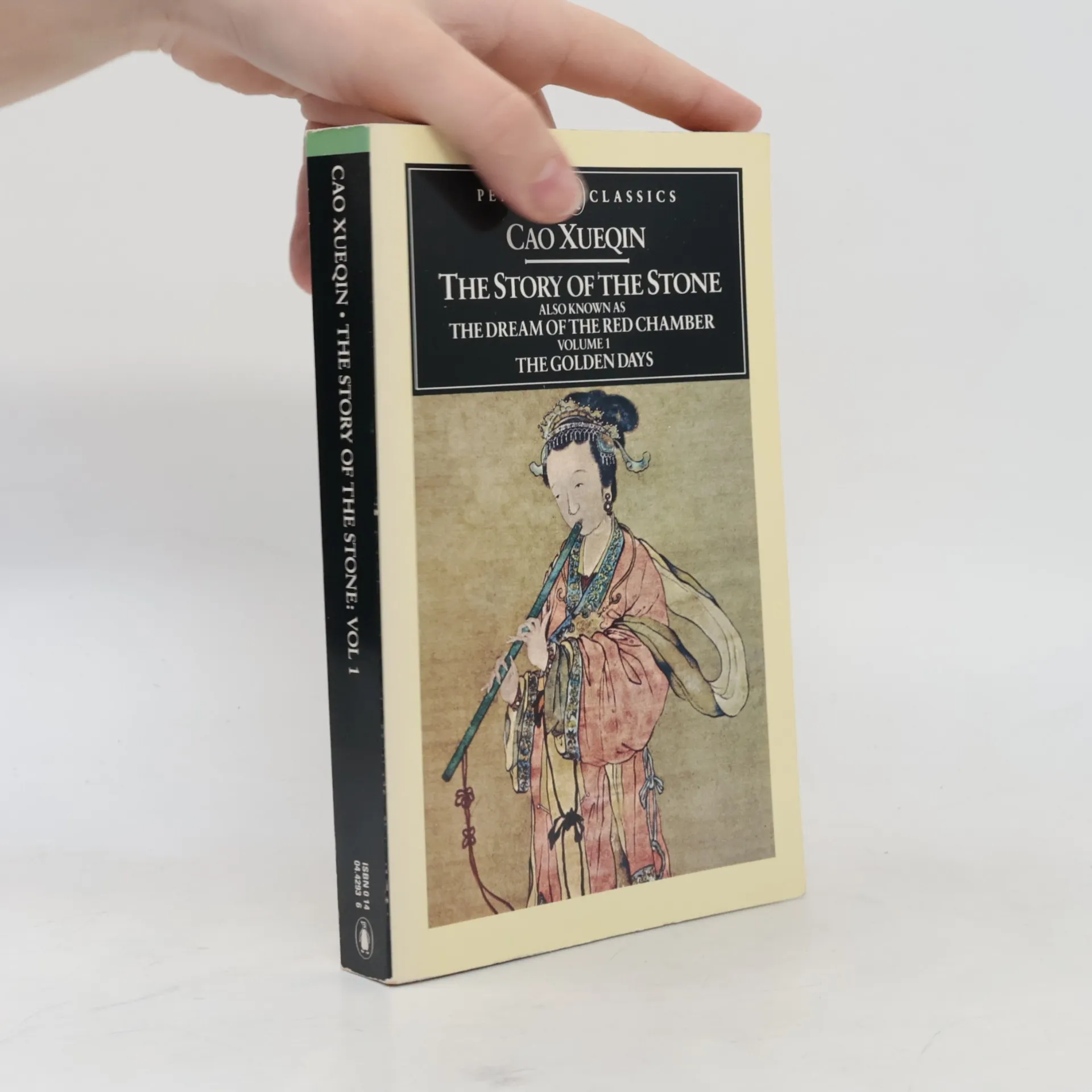
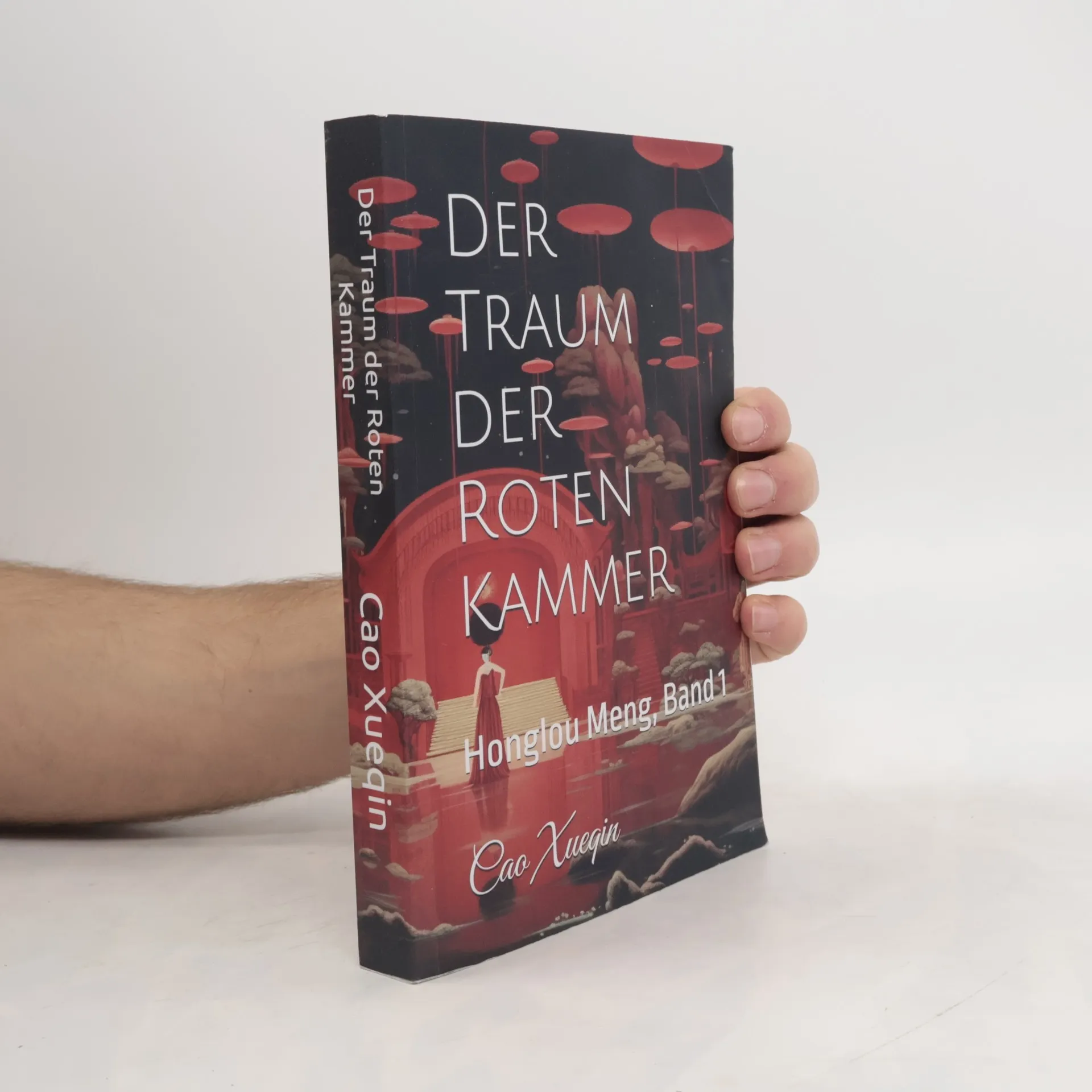
Volume 1 - in large print
This book is a reproduction of a historical work, published by Megali, a company dedicated to making literature accessible for individuals with impaired vision through large print editions. The focus on accessibility highlights the importance of inclusivity in reading, allowing a broader audience to engage with significant texts from the past.
Volume 2 - in large print
Focused on accessibility, this publication by Megali aims to provide historical works in large print, catering specifically to individuals with impaired vision. By reproducing original texts, it enhances readability and ensures that important historical literature remains available to a wider audience.
本书虽写了贾、史、王、薛四大家族的衰亡史,并意蕴着反统、反封建的初步民主主义光芒,但却是充满着对未来自本阶级的饱经沧桑、洞悉出隐的无情的否定和判决,且带着浓厚的挽歌色调。
Also known as Hong Lou Meng, this work is considered China's greatest literary masterpiece, chronicling a noble family's life in the eighteenth century. Amidst the splendor of enchanting gardens and pleasure pavilions lies a deeper narrative of decay and self-destruction. The author, Cao Xueqin (1715? - 1763?), originally named Zhan, adopted the style name Mengruan. He was also known as Xueqin, Qinpu, or Qinxi. His family hailed from what is now Liaoyang City in Northeast China and had been integrated into the Manchu Right White Banner. For around 60 years, his ancestors held the position of Textile Commissioner in Jiangning (modern-day Nanjing). Cao Xueqin's great grandmother was a nursemaid to the future Kangxi emperor, who later honored the family. However, after the Yongzhen emperor's ascension, Cao Xueqin's father, Cao Fu, faced disgrace and the family's fortunes dwindled, leading them to Beijing. Once accustomed to luxury, Cao Xueqin experienced poverty firsthand, ultimately living in a modest hovel on the outskirts of the capital. The death of his young son in 1762 profoundly affected him, and he never fully recovered. He passed away on February 12, 1763.
První díl románu, velké encyklopedie čínského života a kultury 18. stol.
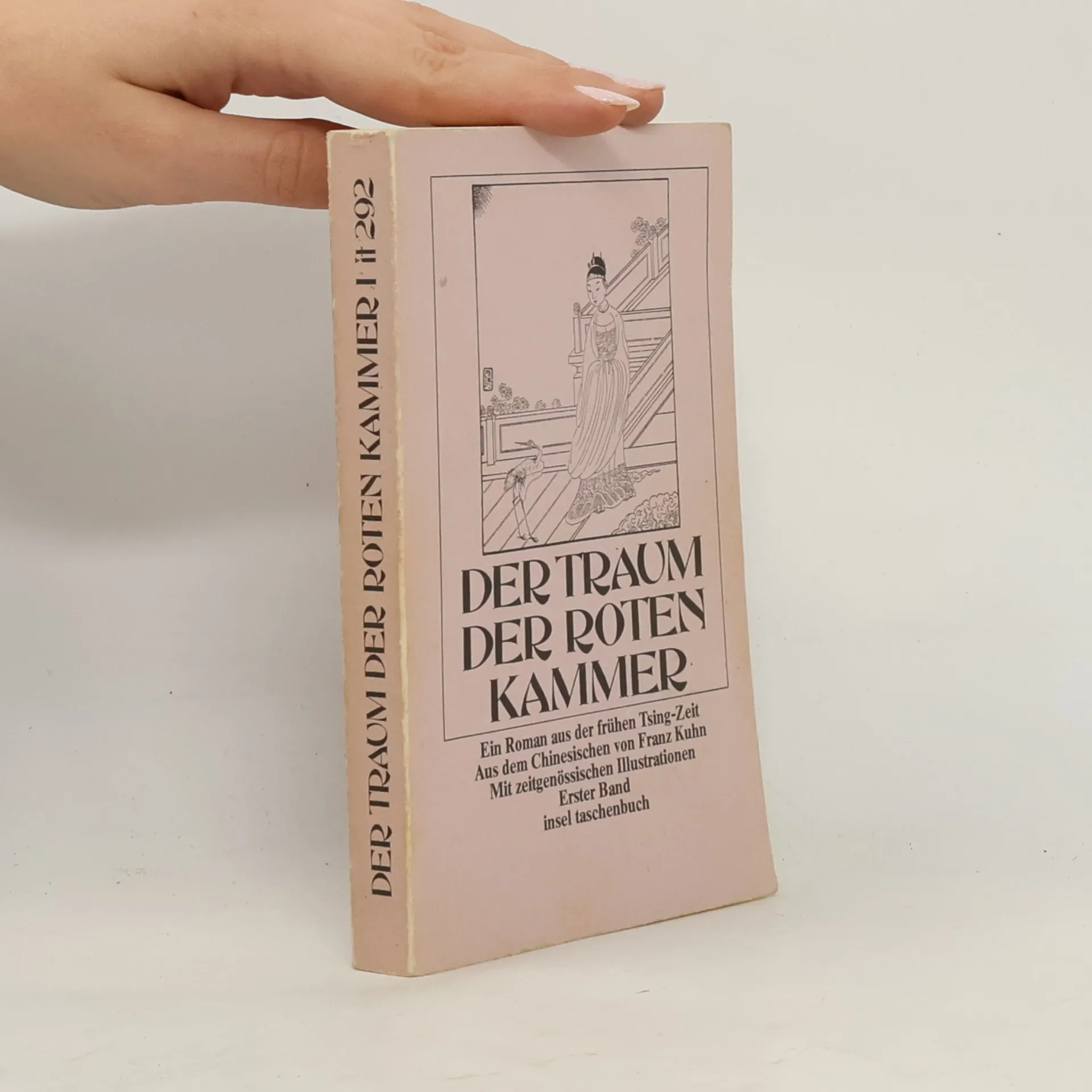
Inhalt des "Traums der roten Kammer" ist die Geschichte vom Glanz und vom selbstverschuldeten Verfall eines edlen, großen Geschlechts, das schließlich dank der sittlichen und geistigen Hochleistung eines an sich entarteten Sprößlings wieder zu Aufstieg gelangt.
"The Story of the Stone" (c. 1760) is one of the greatest novels of Chinese literature. The first part of the story, The Golden Days, begins the tale of Bao-yu, a gentle young boy who prefers girls to Confucian studies, and his two cousins: Bao-chai, his parents' choice of a wife for him, and the ethereal beauty Dai-yu. Through the changing fortunes of the Jia family, this rich, magical work sets worldly events - love affairs, sibling rivalries, political intrigues, even murder - within the context of the Buddhist understanding that earthly existence is an illusion and karma determines the shape of our lives.