

Andrew Delbanco Bücher
Andrew H. Delbanco beschäftigt sich ausführlich mit der amerikanischen Literatur- und Religionsgeschichte. Seine Arbeit taucht tief in tiefgreifende Themen ein, die die amerikanische Identität und das Denken geprägt haben. Er untersucht, wie Literatur und Glaube interagierten, um ein einzigartiges amerikanisches Ethos zu schmieden. Delbancos Analyse bietet wertvolle Einblicke in die komplexen Denkströmungen, die die amerikanische Kultur beeinflusst haben.



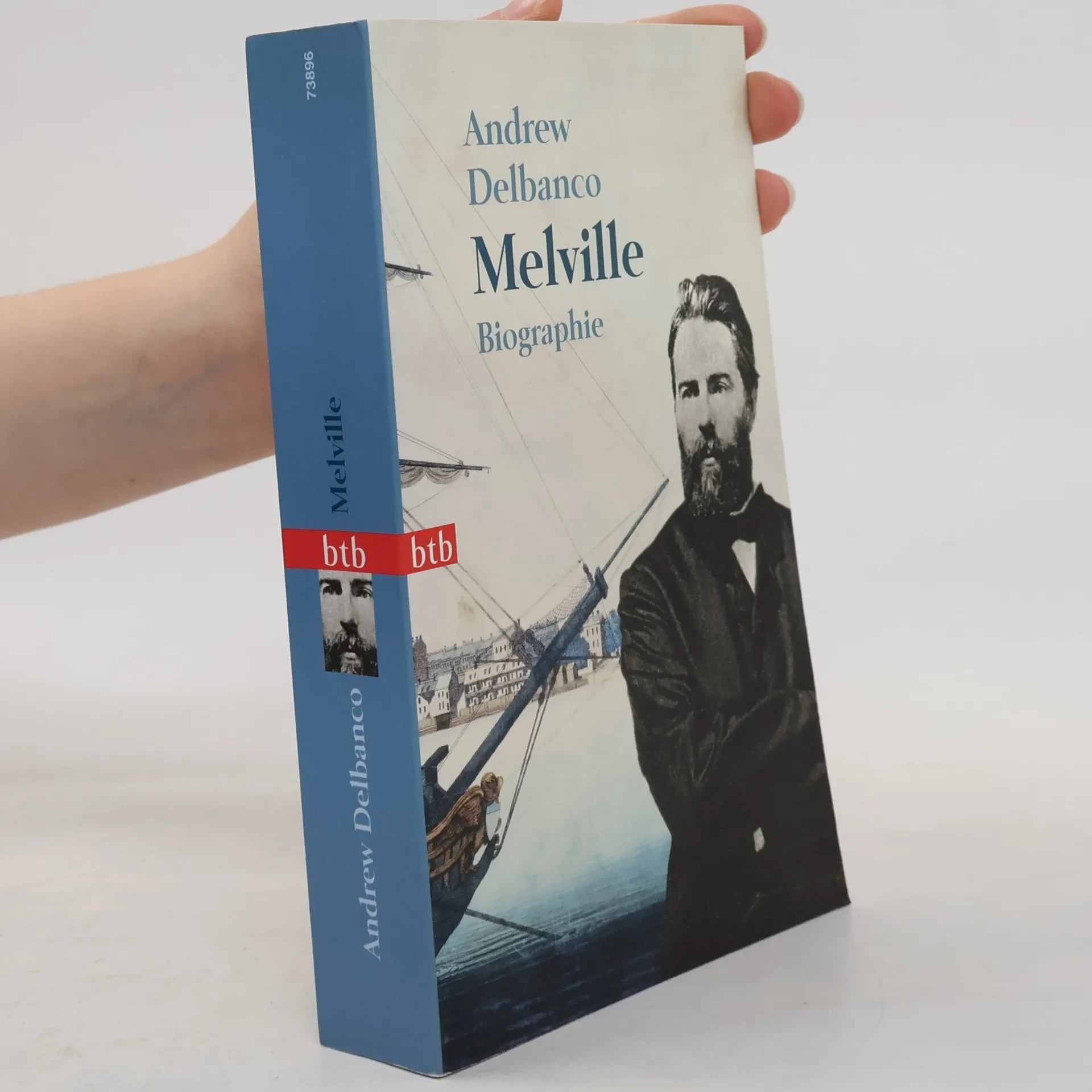
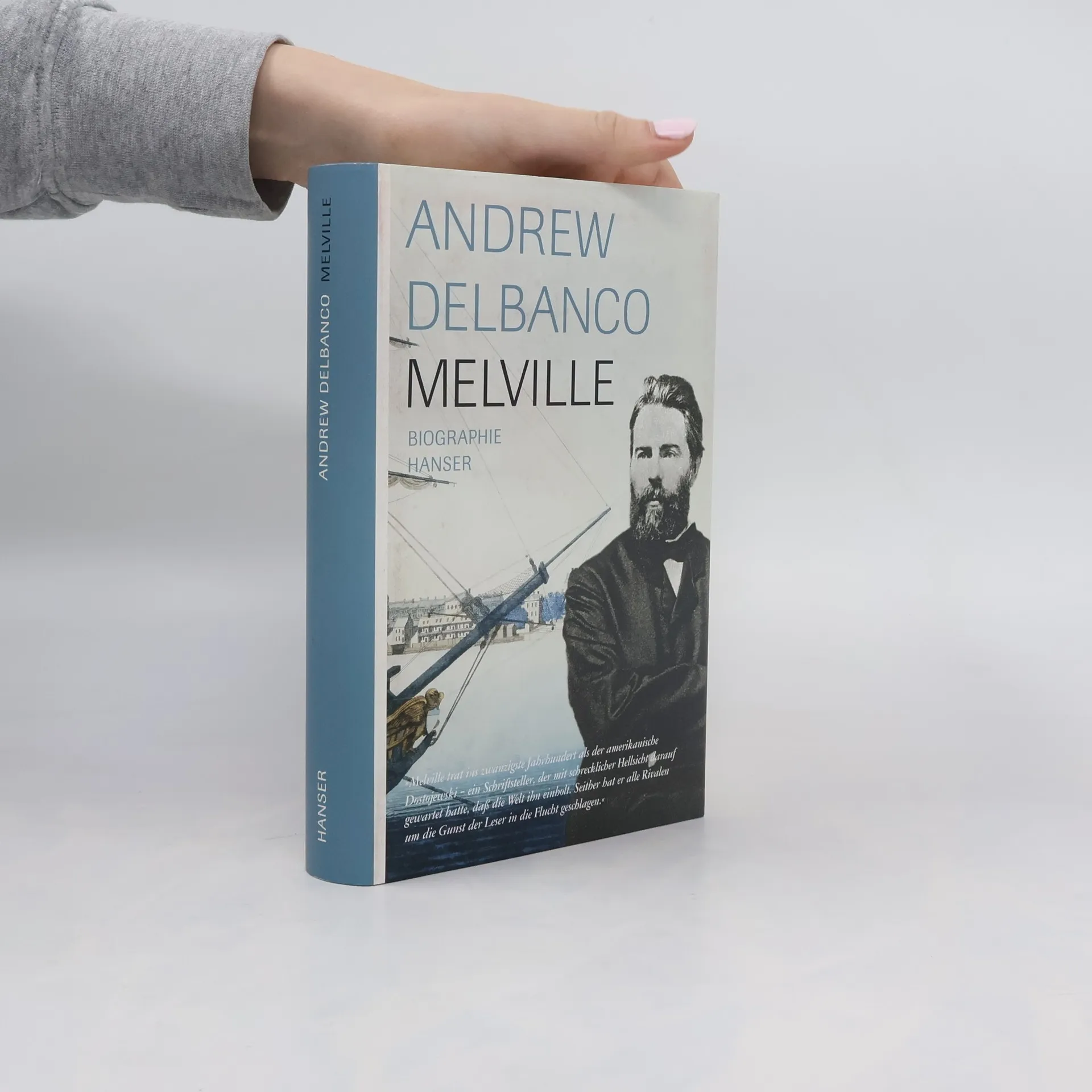
Melville
- 480 Seiten
- 17 Lesestunden
Die bewegende Lebensbeschreibung eines tragischen Schriftstellers.„ Der Spiegel Die große Biographie Melvilles, eines der bedeutendsten Schriftsteller der frühen Moderne. Sein “Moby Dick" wurde zum Mythos, sein Leben als gescheiterter Schriftsteller und Zollbeamter im New Yorker Hafen zur Legende. Andrew Delbanco zeichnet Melvilles Leben nach, erläutert sein Werk und entwirft dabei ein grandioses Panorama Amerikas im 19. Jahrhundert. Nie ist so genau gezeigt worden, aus welchen Umständen das so unvergleichliche, revolutionäre Werk Melvilles entstanden ist.
Engaging with contemporary cultural and political issues, this journal serves as a vital resource for readers interested in exploring the intersections of these fields. It offers insightful perspectives and discussions that are crucial for understanding today's societal dynamics.
More than an ecclesiastical or political history, this book is a vivid description of the earliest American immigrant experience. It depicts the dramatic tale of the seventeenth-century newcomers to our shores as they were drawn and pushed to make their way in an unsettled and unsettling world.
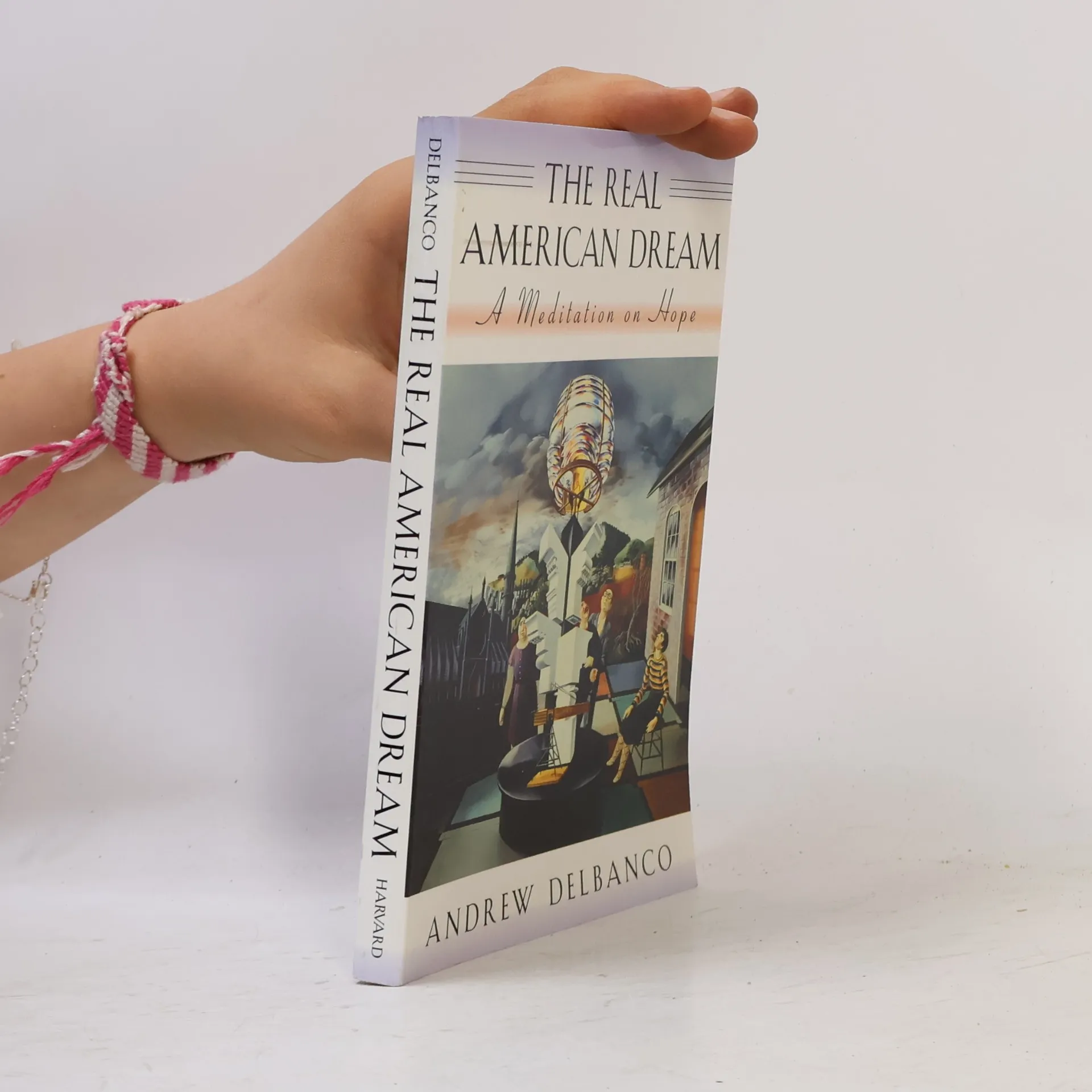
The real American dream a Meditation on Hope
- 160 Seiten
- 6 Lesestunden
One of the nation's premier literary scholars takes a broad look at the way Americans have reached beyond worldly desires for a spirituality.
As the commercialization of American higher education grows, students increasingly seek college solely for preprofessional credentials, threatening the traditional four-year experience that fosters exploration and personal growth. Prominent cultural critic Andrew Delbanco defends the value of a true college education, warning that it risks becoming a privilege for the wealthy. He argues for the importance of making such education accessible to all, as it is essential to America's democratic promise. In a compelling historical narrative, Delbanco traces the origins of the college concept from the Puritan gathered church in the colonial period to its challenges in the nineteenth century, as well as its gradual opening to women, minorities, and low-income students in the twentieth century. He highlights the unique strengths of American colleges in today's globalized world, advocating for a broadly humanistic education even as science, technology, and vocational studies gain prominence. Recognizing the financial, intellectual, and ethical challenges facing colleges today, Delbanco emphasizes the urgent need to safeguard these institutions for future generations.