Christian Petzold: Yella
- 94 Seiten
- 4 Lesestunden



Michael Cimino's The Deer Hunter was met with both critical and commercial success upon its release in 1978. However, it was also highly controversial and came to be seen as a powerful statement on the human cost of America's longest war and as a colonialist glorification of anti-Asian violence.Brad Prager's study of the film considers its significance as a war movie and contextualizes its critical reception. Drawing on an archive of contemporaneous materials, as well as an in-depth analysis of the film's lighting, mise-en-scène, multiple cameras and shifting depths of field, Prager examines how the film simultaneously presents itself as a work of cinematic realism, while problematically blurring the lines between fact and fiction. While Cimino felt he had no responsibility to historical truth, depicting a highly stylized version of his own fantasies about the Vietnam War, Prager argues that The Deer Hunter's formal elements were used to bolster his troubling depictions of war and race.Finally, comparing the film with later depictions of US-led intervention such as Albert and Allen Hughes's Dead Presidents (1995) and Spike Lee's Da Five Bloods (2020), Prager illuminates The Deer Hunter's major presumptions, blind spots and omissions, while also presenting a case for its classic status.
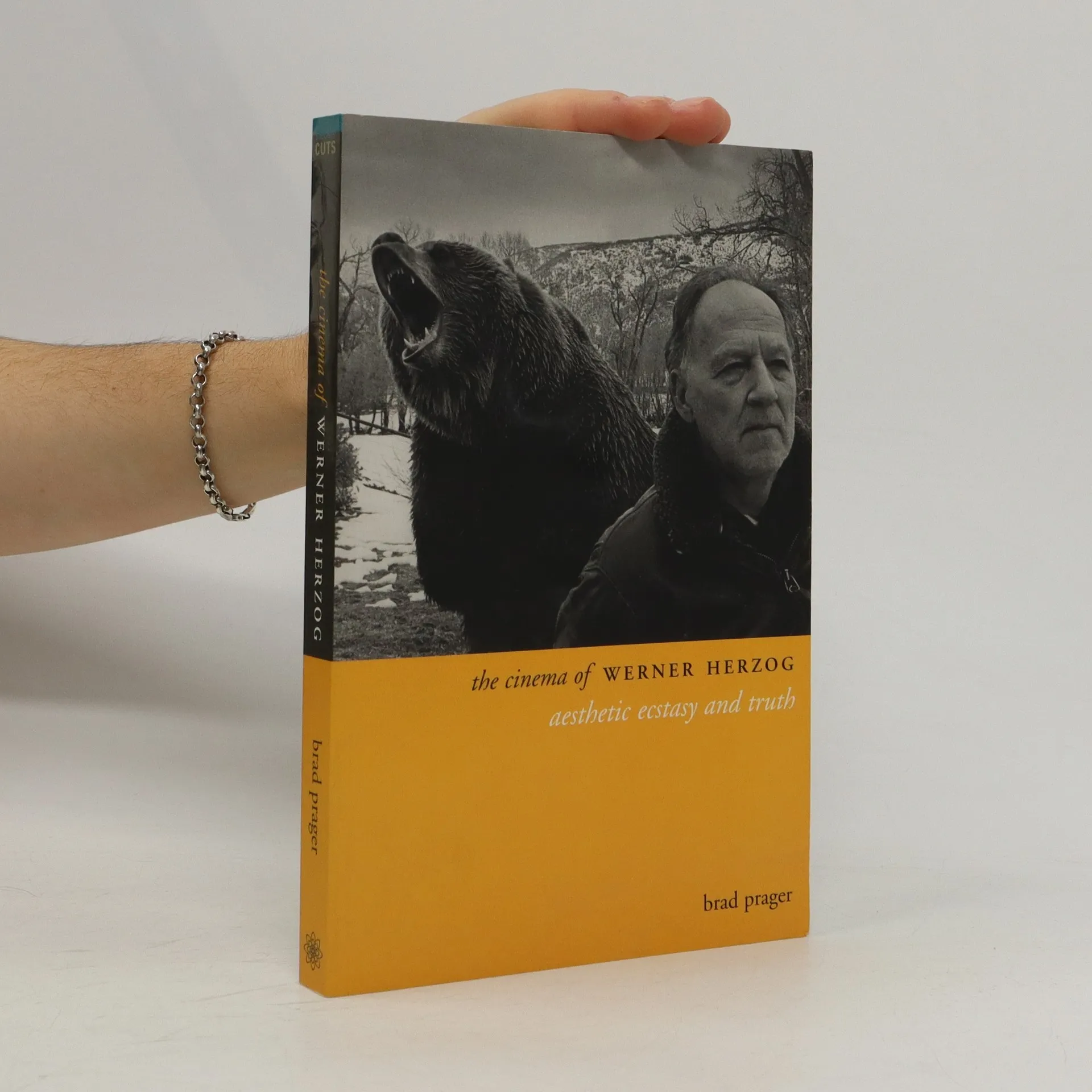
Werner Herzog is renowned for pushing the boundaries of conventional cinema, especially those between the fictional and the factual, the fantastic and the real. The Cinema of Werner Aesthetic Ecstasy and Truth is the first study in twenty years devoted entirely to an analysis of Herzog's work. It explores the director's continuing search for what he has described as 'ecstatic truth,' drawing on over thirty-five films, from the epics Wrath of God (1972) and Fitzcarraldo (1982) to innovative documentaries like Fata Morgana (1971), Lessons of Darkness (1992), and Grizzly Man (2005). Special attention is paid to Herzog's signature style of cinematic composition, his "romantic" influences, and his fascination with madmen, colonialism, and war.