

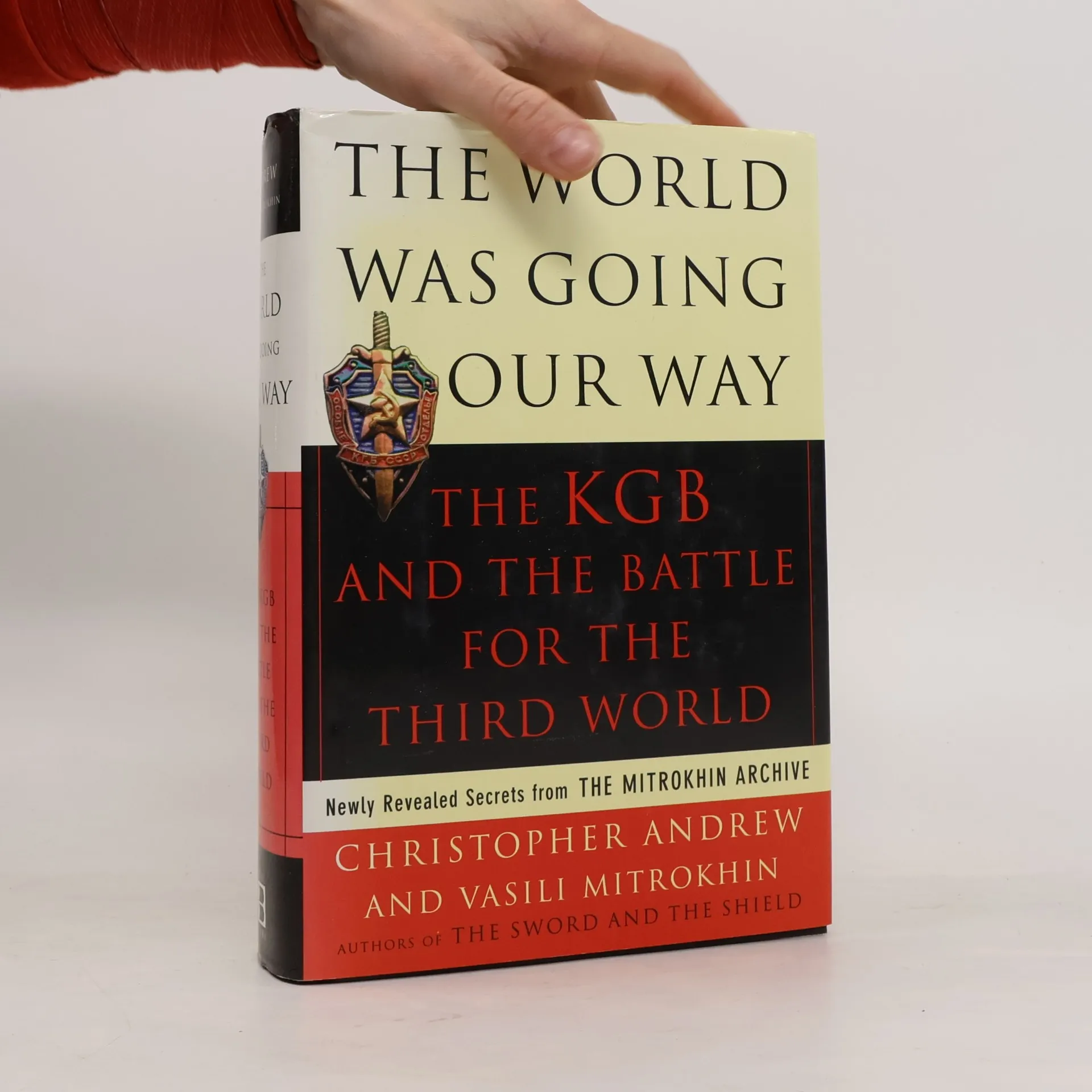
In 1992, the British Secret Intelligence Service extracted a defector from Russia whose identity remained a secret until 1999. This defector, Vasili Mitrokhin, was the KGB's senior archivist who, unbeknownst to his superiors, spent over a decade creating notes and transcripts of classified files, risking his life to smuggle them out. The FBI called this archive "the greatest single cache of intelligence ever received by the West." Christopher Andrew, in his earlier work, unveiled the KGB's operations in the U.S. and Europe; now, he provides a comprehensive account of the KGB's influence in the Third World. Understanding contemporary global dynamics requires acknowledging the KGB's significant impact on developing nations. Andrew reveals names of political leaders on the KGB payroll and details the agency's successful infiltration of various foreign governments. He also highlights the absurdities of KGB operations, such as agents gauging rival Chinese influence by counting Mao Tse Tung posters in African capitals. For decades, the KGB operated under the belief that the world was aligning with their interests, while American leaders feared losing the Cold War in these regions. This remarkable work reshapes our understanding of twentieth-century history.
Vasili Mitrokhin Reihenfolge der Bücher (Chronologisch)
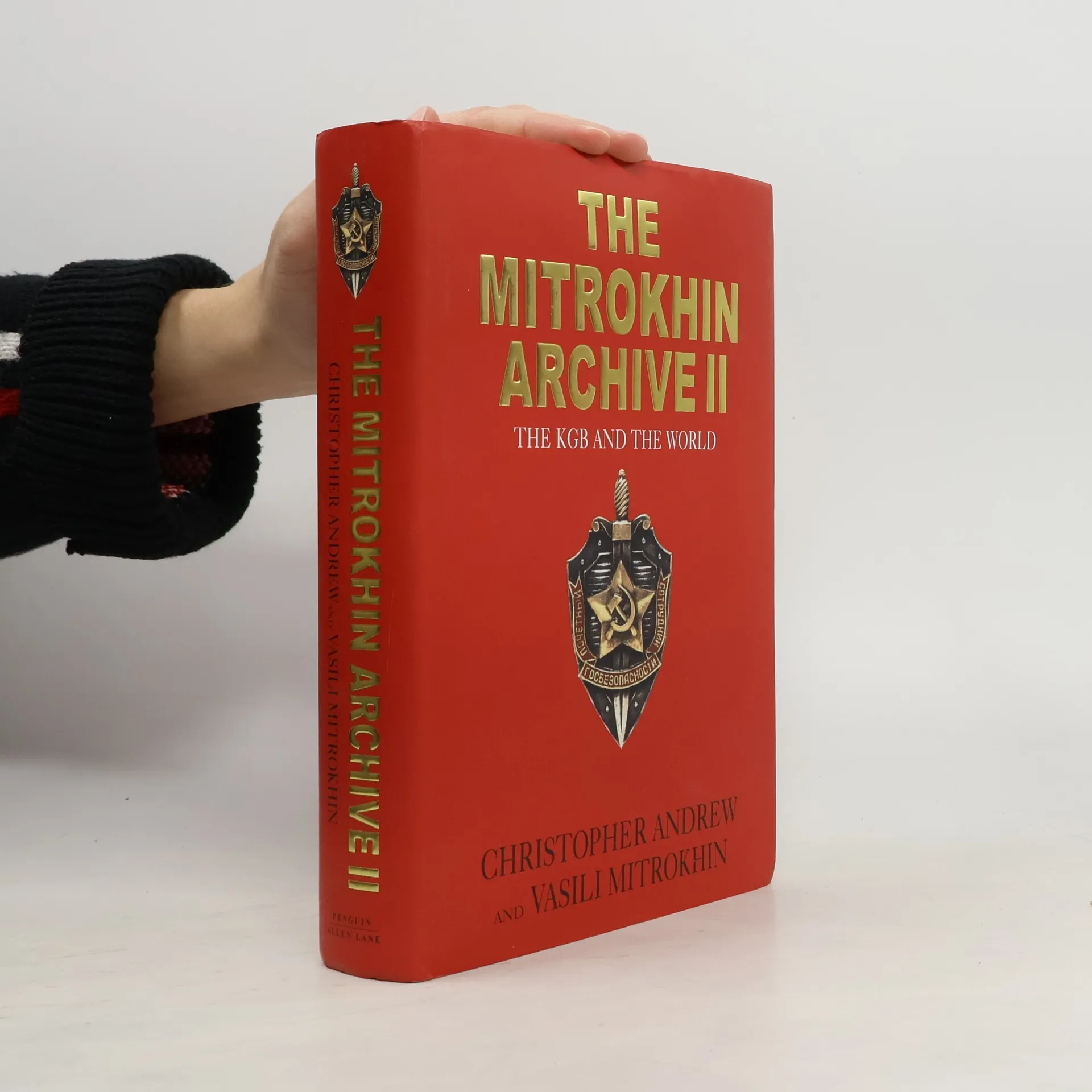
The Mitrokhin Archive II
The KGB and the World
In 1992, MI6 exfiltrated Vasili Mitrokhin, the most senior activist in the KGB, who had been responsible for running the KGB archives. He had noted thousands of documents, described by the FBI as the greatest single cache of intelligence ever received by the West.' This archive resulted in many prosecutions, some of which are still ongoing. of Modern History at Cambridge and the world's leading intelligence scholar. Their first volume, The KGB in Europe and the West, revealed the extent of KGB penetration of what they called The Main Adversary and the existence of a previously unknown nuclear spy, Melita Norwood. The second volume, The KGB and the World, continues the revelations from the sublime to the absurd - which Third World leaders were in the pay of the KGB, precisely how extensive KGB penetration of foreign governments was, and how KGB agents were instructed to assess the spread of the influence of rival Chinese communism (by going round African capitals trying to count the changing number of posters of Mao Tse-tung in shops and public buildings...)
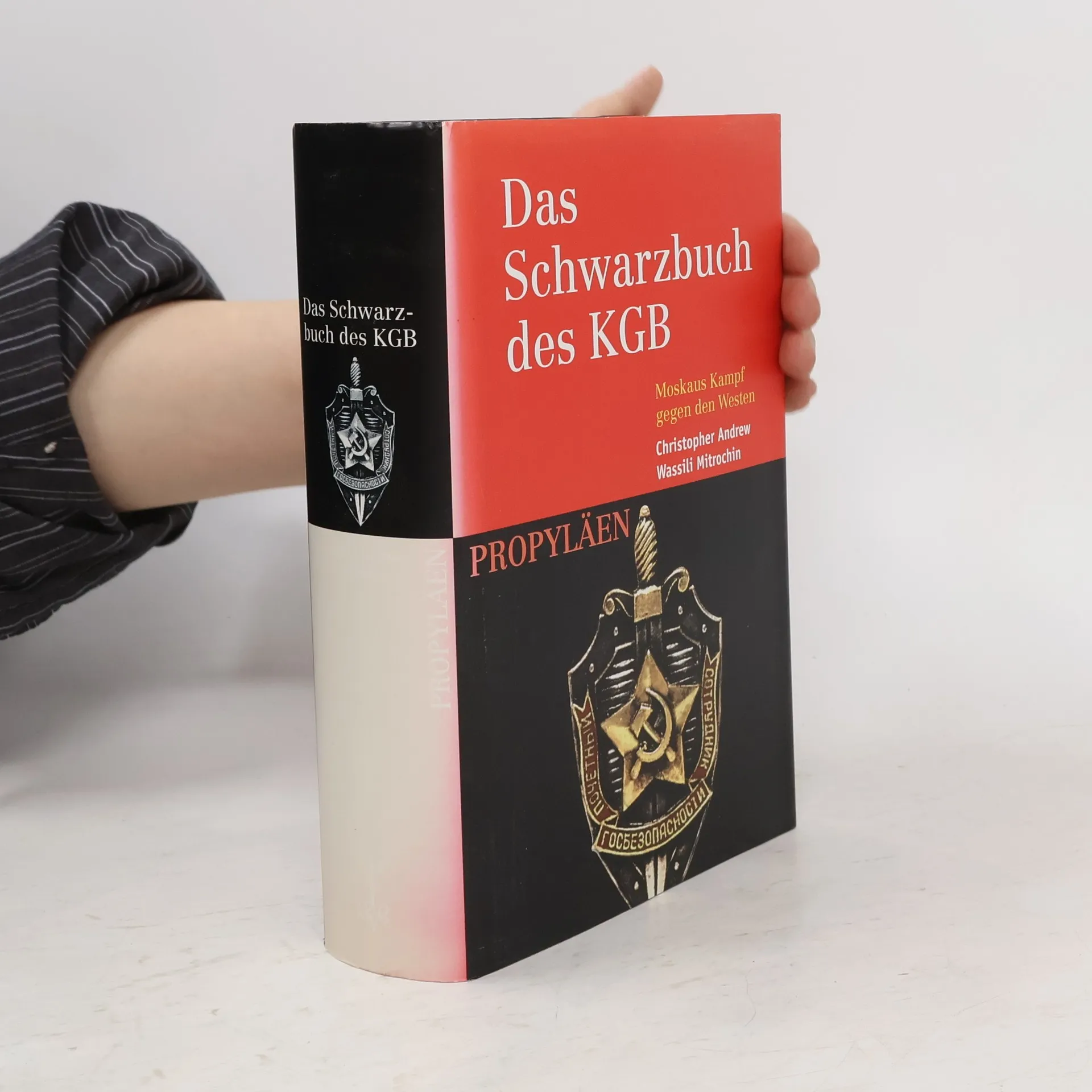
Das Schwarzbuch des KGB
- 850 Seiten
- 30 Lesestunden
Im "Schwarzbuch des KGB" enthüllt Christopher Andrew Top-secret-Informationen über Geheimdienstoperationen zur Zeit des Kalten Krieges, vor allem aus den USA und aus Deutschland. Es basiert auf der Auswertung hochgeheimer Dokumente aus den Archiven eines großen Geheimdienstes...