
Gratis Versand ab € 14,99. Mehr Infos.
Bookbot

Marco Formisano

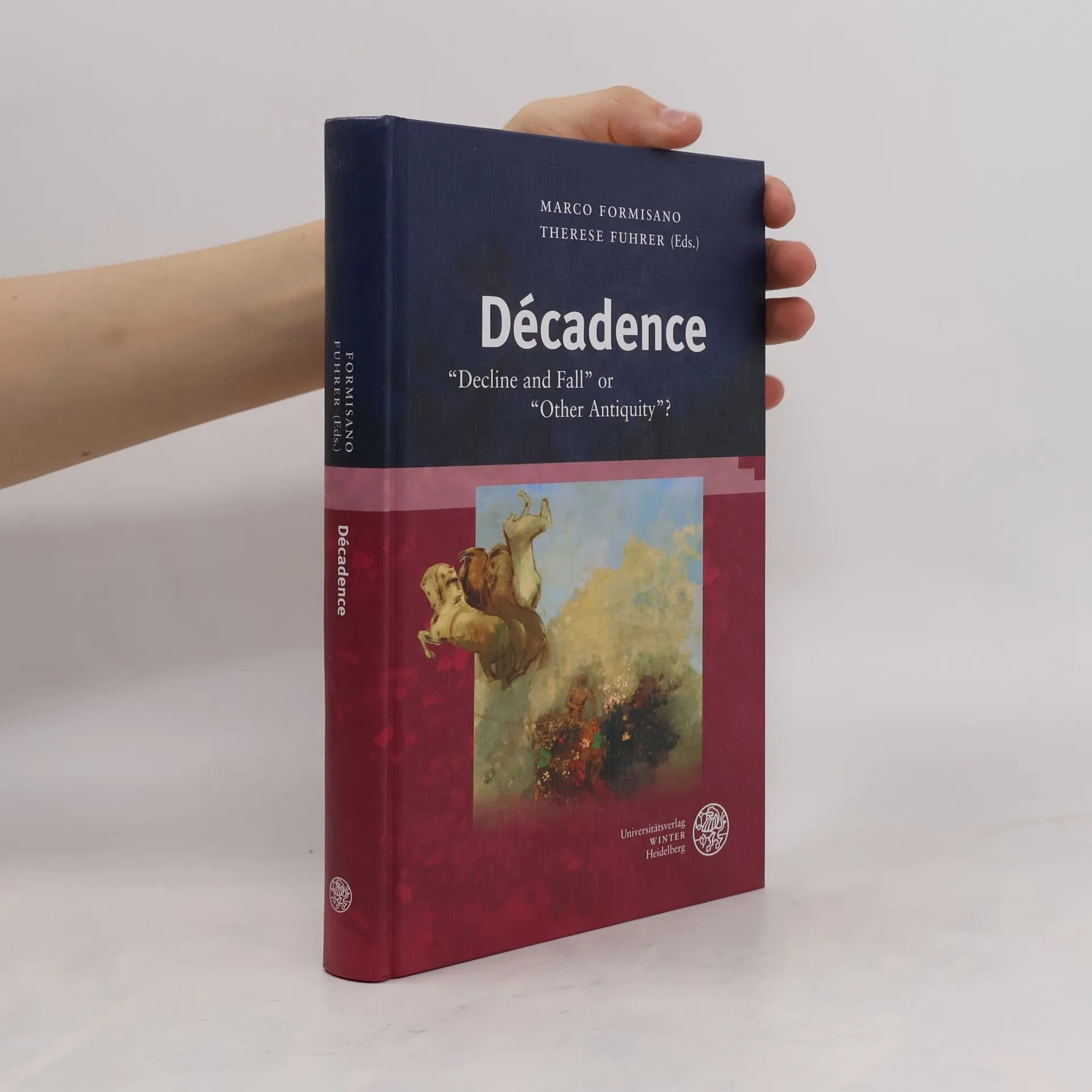
    Décadence
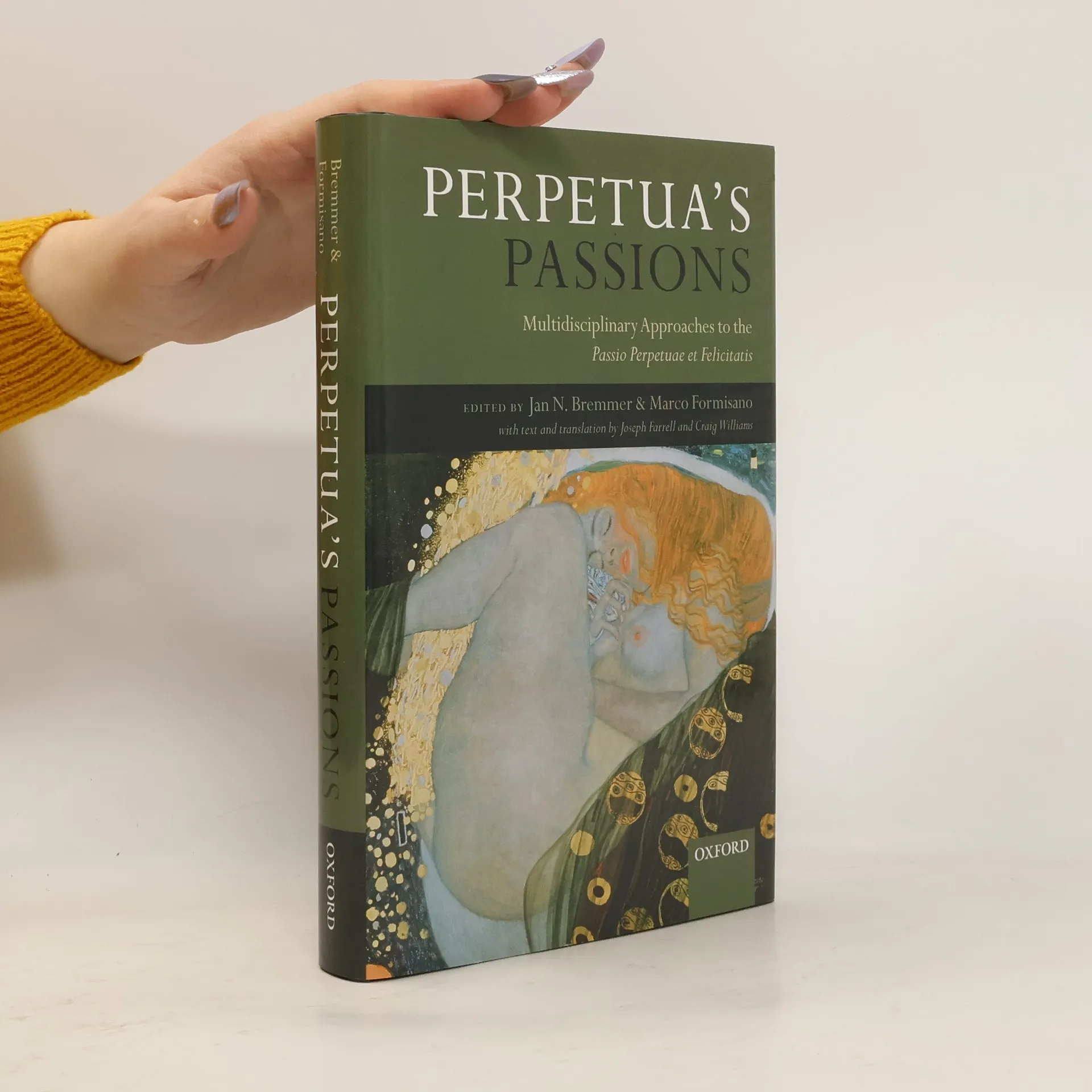
    Perpetua's Passions
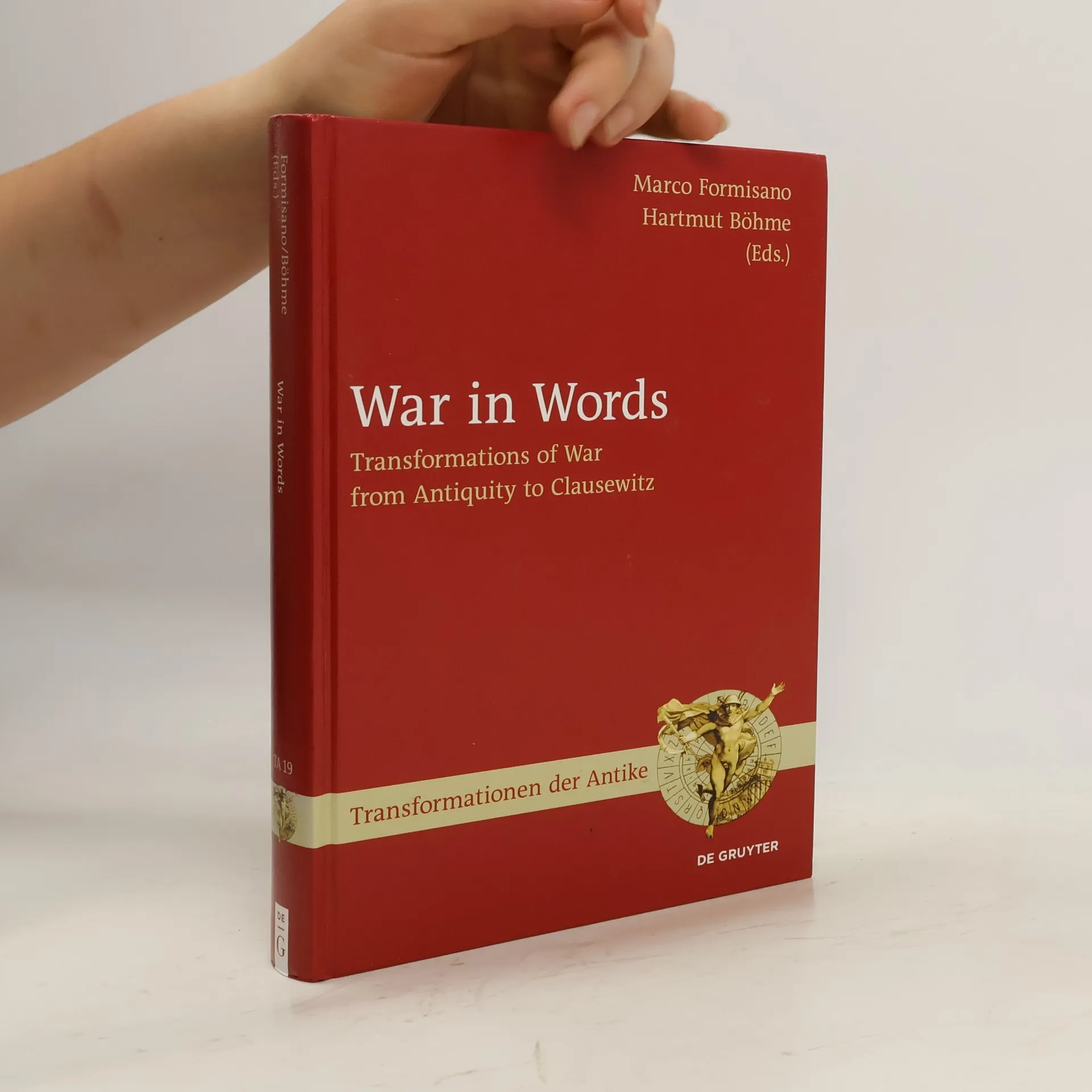
    War in words
    • War in words

      • 431 Seiten
      • 16 Lesestunden

      Obwohl die paradoxe Realität des Krieges schwer zu definieren ist, ist der Krieg seit der Antike ein konstitutives Element der westlichen Kultur; aus historischer Perspektive eröffnet er Zugang zu einer breiten Palette von Spannungen zwischen verschiedenen Wissensmodellen und unterschiedlichen Traditionen. Die Essays in diesem Band nähern sich dem Phänomen Krieg von der Antike bis Clausewitz aus der Perspektive verschiedener Disziplinen. Besonderes Augenmerk gilt Texten, Bildern und ihrer Interaktion.

      War in words
    • Perpetua's Passions

      Multidisciplinary Approaches to the Passio Perpetuae et Felicitatis

      • 394 Seiten
      • 14 Lesestunden

      A collection of studies about the Passion of Perpetua, the diary written by the young Christian martyr Perpetua. This intriguing text is edited and translated before a team of distinguished scholars examine it from a wide range of perspectives: literary, narratological, historical, religious, psychological, and philosophical.

      Perpetua's Passions
    • Décadence

      • 348 Seiten
      • 13 Lesestunden

      No scholar today would describe late antiquity as an age of „decline and fall“, as Gibbon did; instead, to use Marrou's term, it is seen as an „other antiquity“, which deserves to be investigated on its own terms. Yet the idea of a decadent period, accompanied by a fascination for the image of antiquity on the wane, continues to live in scholarly minds, as is suggested, after all, by the recurring insistence on the point that late antiquity was not a period of decline. This collection of papers engages in a productive way with the fascination exerted by the concept of an era in decline and a literary and artistic fin-de-siècle atmosphere, evoked in the very title 'Décadence'. Whether this fascination is seen as a question of the history of reception or as an ongoing phenomenon, it rarely emerges to the surface of scholarly discussions. This volume invites us to reconsider these questions by making decadent late antiquity a paradigm of interpretation in connection with a conscious and sophisticated re-use of the history of reception.

      Décadence