

Elisabeth Kapferer Bücher

Marktwirtschaft für die Zukunft
- 262 Seiten
- 10 Lesestunden
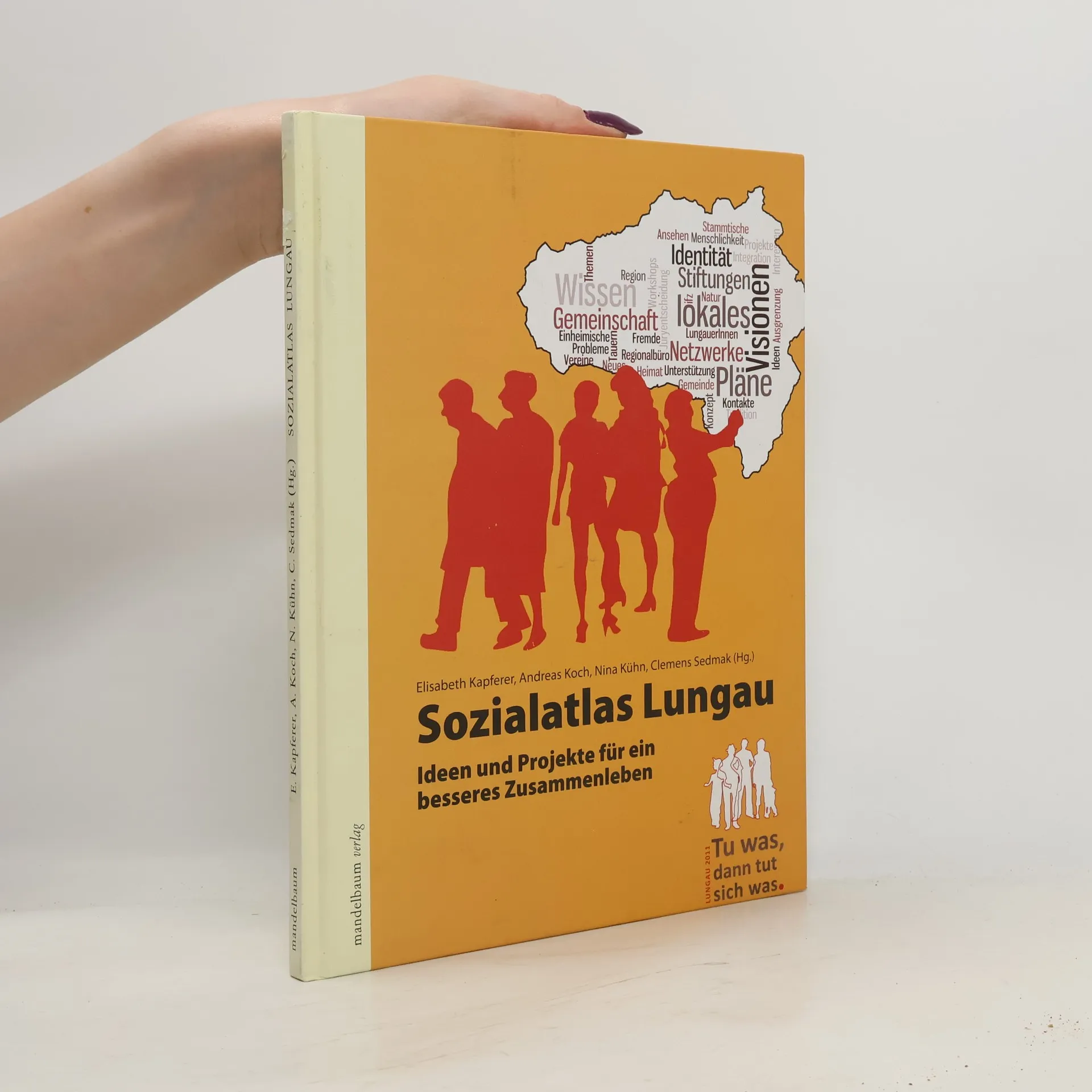
'Tu was, dann tut sich was' ist Östereichs erstes Sozialfestival mit dem Ziel, Ideen für ein besseres Zusammenleben zu verwirklichen. Die Publikation dokumentiert diese Initiative, die 2011 erstmals im österreichischen Lungau (Land Salzburg) stattfand. Erläutert wird darin unter anderem die Sozialstruktur der Region mit ihren Herausforderungen, sie stellt Genesis und Idee des Festivals vor sowie die entstandenen Projekte. Zudem präsentiert das reich illustrierte Buch Ergebnisse der wissenschaftlichen Begleitforschung, die sich aus Perspektive der Sozialgeographie und der Armutsforschung mit dem Festival beschäftigt. Es bietet einen Rückblick auf die Projekte, die im Rahmen des Festivals realisiert wurden und beschreibt, wie die Menschen aus der Umgebung diese aufgenommen haben. Das Festival ist keine einmalige Veranstaltung. Der abschließende Teil umfasst daher einen Ausblick auf die Region, die 2012 als nächste Sozialfestivalregion ausgewählt wird. Der Sozialatlas richtet sich an alle, die sich dafür interessieren, wie man soziale Entwicklungsprozesse regional positiv beeinflussen kann.
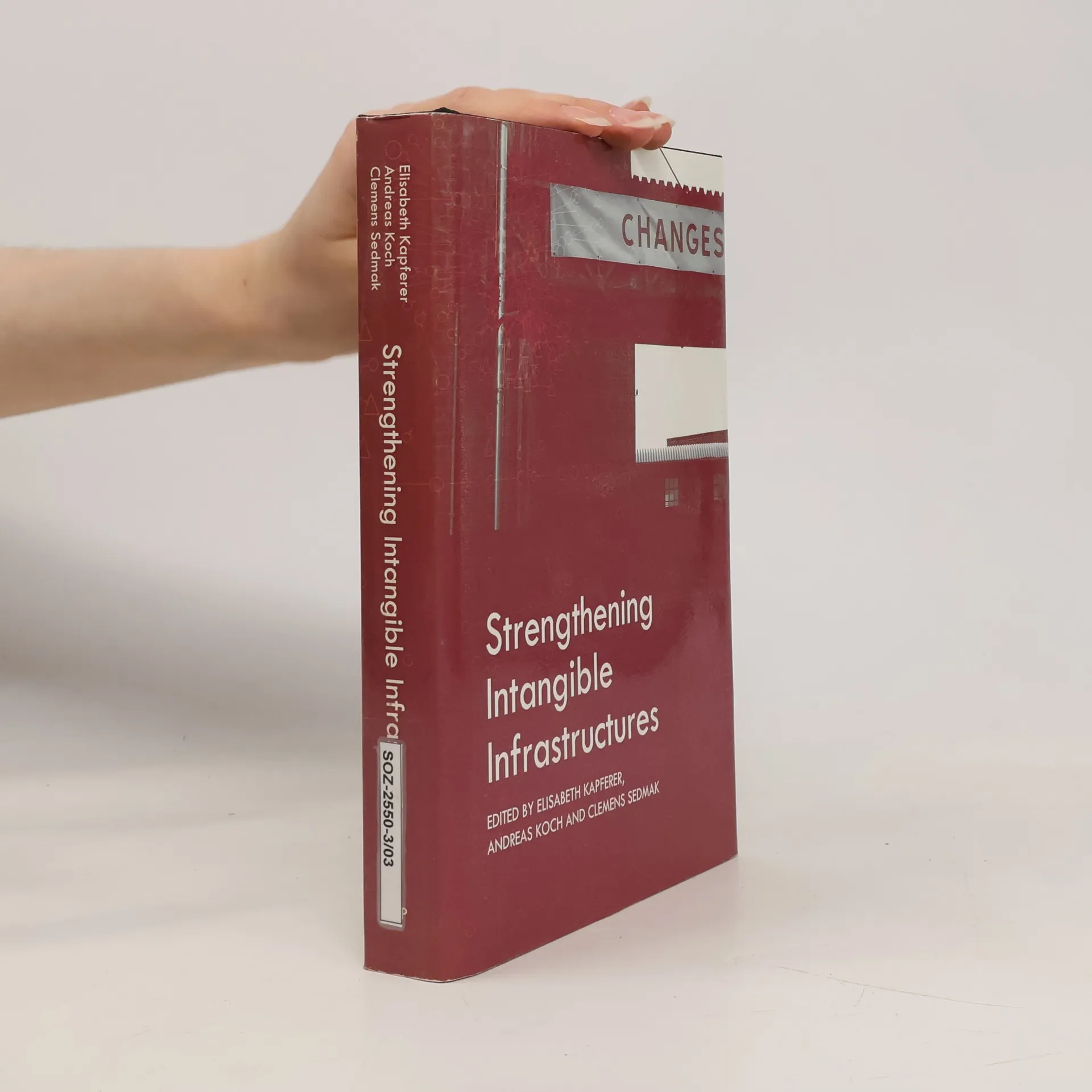
Strengthening Intangible Infrastructures
- 335 Seiten
- 12 Lesestunden
The term 'infrastructure' commonly refers to the partly naturally given, partly manmade constitutive conditions that affect, enable, and ensure our everyday lives. This concept is generally used in an economic sense and highlights the material and institutional facilities of our environment that can be summed up as the tangible means which our societies are based upon. Consequently, talking about 'intangible infrastructures' may appear to be a somewhat unusual concept. The term 'intangible' includes areas of our lives that are not (or are not primarily) represented physically; it points to invisible realms of the human existence, both intellectually or knowledge-based; to cultural and even ethical matters, and to the social adhesives and cultural techniques that civilizations are being built on. As 'intangible infrastructures', we regard them as fundamental for our well-being and for a good quality of life. This volume is a result of a two-day conference held in December 2012 in Salzburg, Austria, which brought together researchers and practitioners from manifold scientific backgrounds, including sociology, philosophy, social geography, economics, urban studies, political science, history, communication sciences and public communication. The text draws a map of current discourse on intangible infrastructures, and provides strategies of strengthening intangible infrastructures.