


Bookbot

Alan Sepinwall

    Alan Sepiwall schreibt seit fast 20 Jahren über das Fernsehen, und sein Ansatz, beliebte Fernsehserien Episode für Episode zu rezensieren, hat die Art der Fernsehkritik verändert. Seine detaillierte Analyse und sein aufschlussreicher Kommentar haben ihn zu einem gefeierten Kritiker gemacht, dessen Arbeit für ihre Tiefe und ihren Stil geschätzt wird.

    TV (The Book)
    Saul Goodman v. Jimmy McGill
    Die Revolution war im Fernsehen
    • Die Revolution war im Fernsehen

      • 450 Seiten
      • 16 Lesestunden

      In seiner ersten Therapiestunde mit Dr. Melfi äußert Tony Soprano, dass er das Gefühl hat, zu spät zu kommen und alles sei bereits vorbei. Dieser Satz ist der Ausgangspunkt für Alan Sepinwalls brillantes erstes Buch, das eine neue Ära in der Medienlandschaft beschreibt. Sepinwall, bekannt durch sein Blog “What’s Alan Watching?”, gilt als einer der besten Chronisten der revolutionierten Fernsehlandschaft. Er analysiert die Umwälzungen, die durch Serien wie “The Sopranos”, “Lost”, “Mad Men”, “24”, “Breaking Bad”, “The Wire” und “Deadwood” entstanden sind. Ausgezeichnet von der New York Times als eines der besten Bücher 2012, bietet das Werk eine kluge Kulturgeschichte von zwölf Seriendramen der letzten 15 Jahre. Sepinwall zeigt, wie die kreativen Köpfe hinter diesen Serien Zeit, Raum und die Vertrautheit des Fernsehens genutzt haben, um die Grenzen des Erzählens zu verschieben und gleichzeitig komplexe philosophische Ansätze sichtbar zu machen. Alan Sepinwall, aufgewachsen in New Jersey und Absolvent der University of Pennsylvania, begann 1996 als Fernsehkritiker für „The Star Ledger“. Er revolutionierte die Fernsehkritik und gilt heute als einflussreichster TV-Kritiker in den USA.

      Die Revolution war im Fernsehen
      4,1
    • Saul Goodman v. Jimmy McGill

      The Complete Critical Companion to Better Call Saul

      • 320 Seiten
      • 12 Lesestunden

      The series delves into the complex character of Jimmy McGill, a small-time con artist whose ambition leads him down a morally ambiguous path. As Bob Odenkirk reprises his role, viewers witness Jimmy's transformation into the morally compromised lawyer, Saul Goodman. The narrative intricately explores themes of ambition, ethics, and the consequences of one's choices, surprising audiences with its depth and character development across six acclaimed seasons.

      Saul Goodman v. Jimmy McGill
      4,5
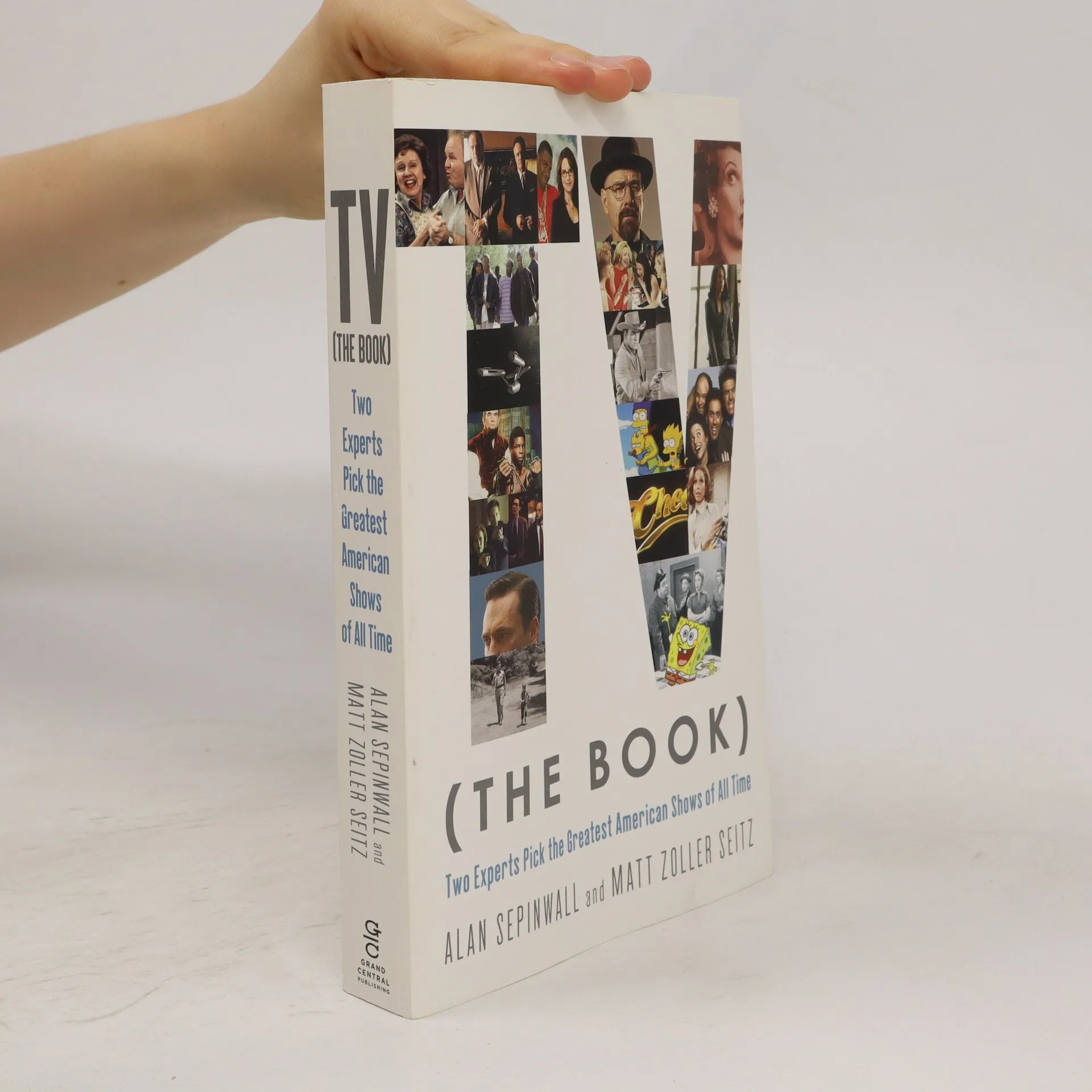
    • TV (The Book)

      • 410 Seiten
      • 15 Lesestunden

      Is The Wire better than Breaking Bad? Is Cheers better than Seinfeld? What's the best high school show ever made? Why did Moonlighting really fall apart? Was the Arrested Development Netflix season brilliant or terrible? For twenty years-since they shared a TV column at Tony Soprano's hometown newspaper-critics Alan Sepinwall and Matt Zoller Seitz have been debating these questions and many more, but it all ultimately boils down to this: What's the greatest TV show ever? That debate reaches an epic conclusion in TV (THE BOOK). Sepinwall and Seitz have identified and ranked the 100 greatest scripted shows in American TV history. Using a complex, obsessively all- encompassing scoring system, they've created a Pantheon of top TV shows, each accompanied by essays delving into what made these shows great. From vintage classics like The Twilight Zone and I Love Lucy to modern masterpieces like Mad Men and Friday Night Lights, from huge hits like All in the Family and ER to short-lived favorites like Firefly and Freaks and Geeks, TV (THE BOOK) will bring the triumphs of the small screen together in one amazing compendium. Sepinwall and Seitz's argument has ended. Now it's time for yours to begin!

      TV (The Book)
      3,9