The heroes of the Tour of Flanders and the Paris-Roubaix are tough and
determined. The Flemings specialise in riding on bad roads and in bad weather.
This set of photos provides an intimate and emotional portrait of these
legendary athletes, landscapes and the Flemish culture by Stephan Vanfleteren
This comprehensive retrospective showcases the work of photographer Stephan Vanfleteren, highlighting his unique visual style and profound connection to his subjects. The collection spans various themes, including portraiture and landscapes, reflecting his deep understanding of human emotions and the environment. Accompanied by insightful commentary, the book offers a captivating exploration of Vanfleteren's artistic journey and the cultural contexts that influenced his photography, making it a significant contribution to contemporary art literature.
With 'Surf Tribe', photographer Stephan Vanfleteren shows that there is far more to surf culture than just sport and competition. Surfing is also about a deep admiration and respect for the ocean, as well as the feeling of insignificance when confronted with the forces of nature. Surfers use the waves for fun, but also to forget and to battle, both with others and with themselves. Vanfleteren looks beyond the traditional borders of the United States and Australia and searches the globe for people who live in places where sea and land meet. He documents a fluid community, which has nature as its sole leader. He portrays both young talent as well as living icons and old legends, both competition surfers and freesurfers. No action shots on azure blue waves but static and serene black and white portraits in Vanfleteren's well-known, haunting style, which show the real people behind the surfers, in all their strength and vulnerability. A series of images that penetrates to the true core of surf culture. Exhibition: CC Scharpoord, Knokke-Heist, Belgium (24.03.-28.05.2018)
Un monument photographique, immortalisant les vestiges du Mur de l'Atlantique d'Hitler, qui s'étendait le long de la côte ouest de l'Europe. Pendant la Seconde Guerre mondiale, Adolf Hitler a donné l'ordre de construire une ligne de défense le long des côtes du front occidental. S'étendant de la frontière franco-espagnole au nord de la Norvège, ce Mur de l'Atlantique est une série de bunkers, de barricades et de batteries côtières. Au cours de l'année écoulée, Stephan Vanfleteren a photographié ce 'mur' de plus de 2600 kilomètres dans son style noir et blanc caractéristique. Il a planté son trépied sur diverses plages en Belgique, aux Pays-Bas et en Allemagne, grimpé des falaises en France, navigué entre les fjords de Norvège et s'est tenu dans les vagues au Danemark pour photographier les ruines de la plus grande structure militaire du siècle précédent. Vanfleteren montre son émerveillement pour la beauté architecturale sauvage de ces structures en béton et la puissance de la nature qui reprend lentement un mur autrefois considéré comme impénétrable.
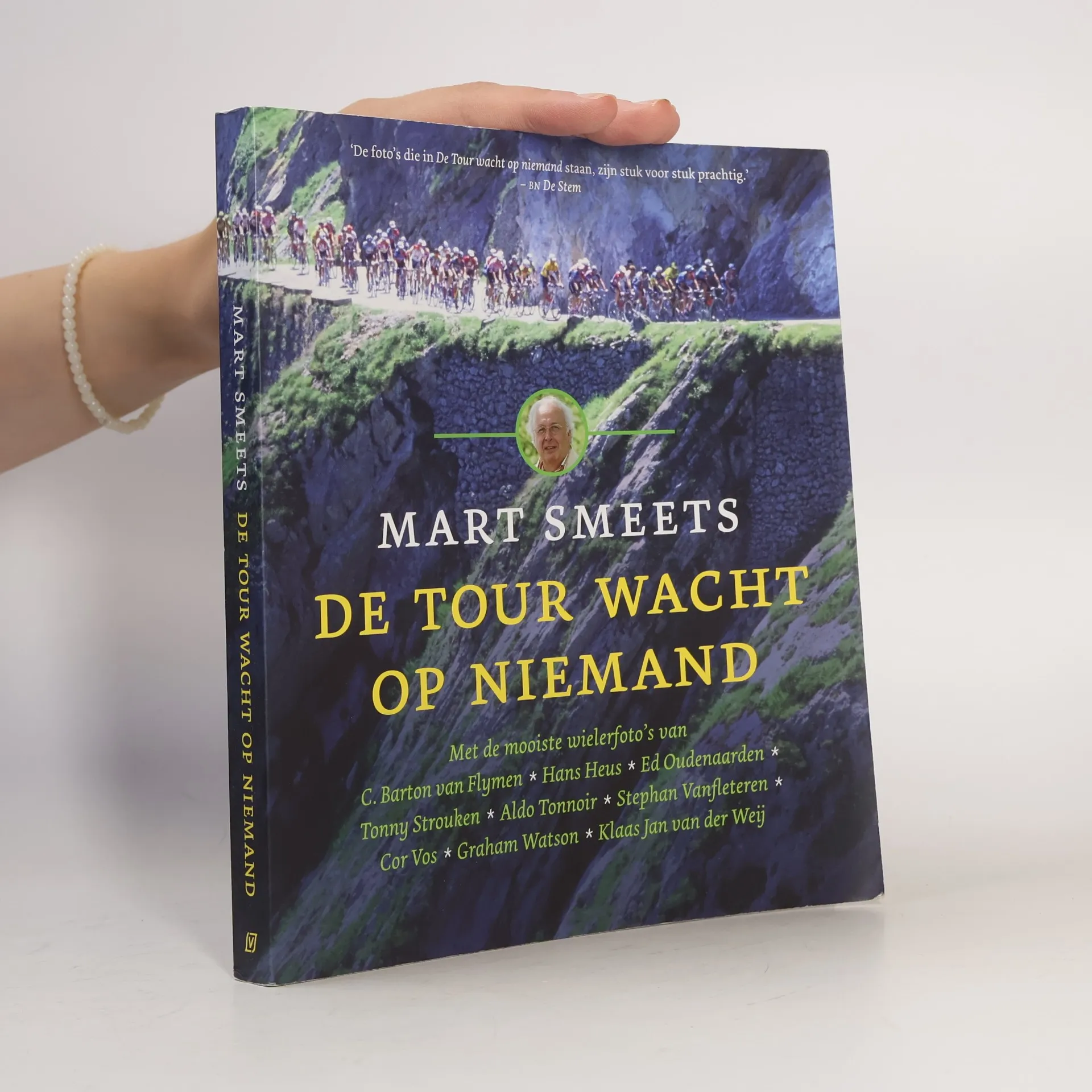
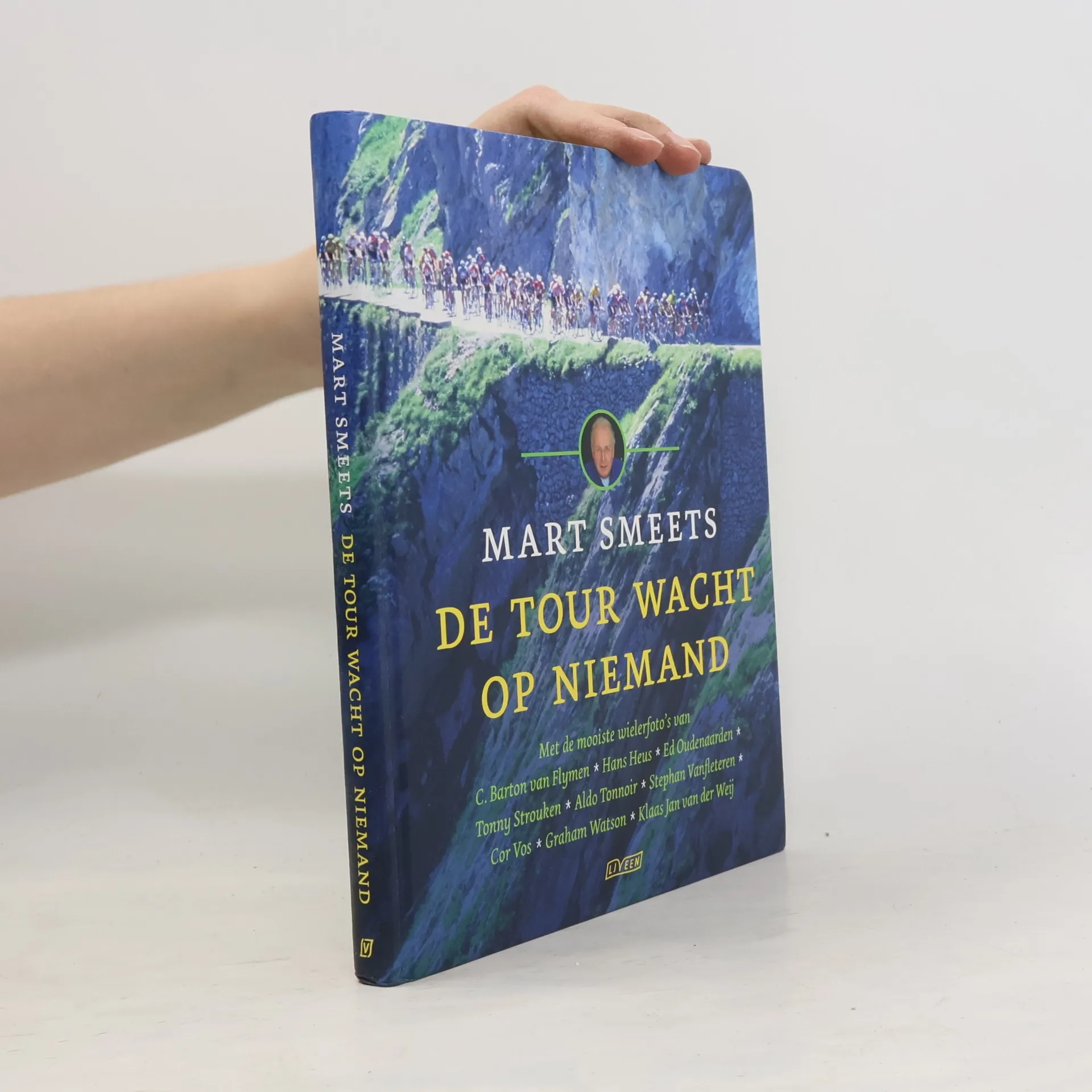
Met de mooiste wielerfoto's van C. Barton van Flymen, Hans Heus, Ed Oudenaarden, Tonny Strouken, Aldo Tonnoir, Stephan Vanfleteren, Cor Vos, Graham Watson, Klaas Jan van der Weij