Judentum und Hellenismus
- 120 Seiten
- 5 Lesestunden


Maren R. Niehoff beschäftigt sich eingehend mit jüdischem Denken und antiken Texten. Ihre Arbeit konzentriert sich auf die Art und Weise, wie alte jüdische Schriften interpretiert wurden und wie sie mit den breiteren wissenschaftlichen Traditionen ihrer Zeit interagierten. Niehoff untersucht, wie Autoren Identität und Kultur durch literarische Analyse prägten und wie Figuren und ihre Erzählungen in späteren Schriften weiterentwickelt wurden. Ihre Forschung beleuchtet die komplexen Beziehungen zwischen religiöser Tradition, Literaturwissenschaft und Intellektuellen-Geschichte.
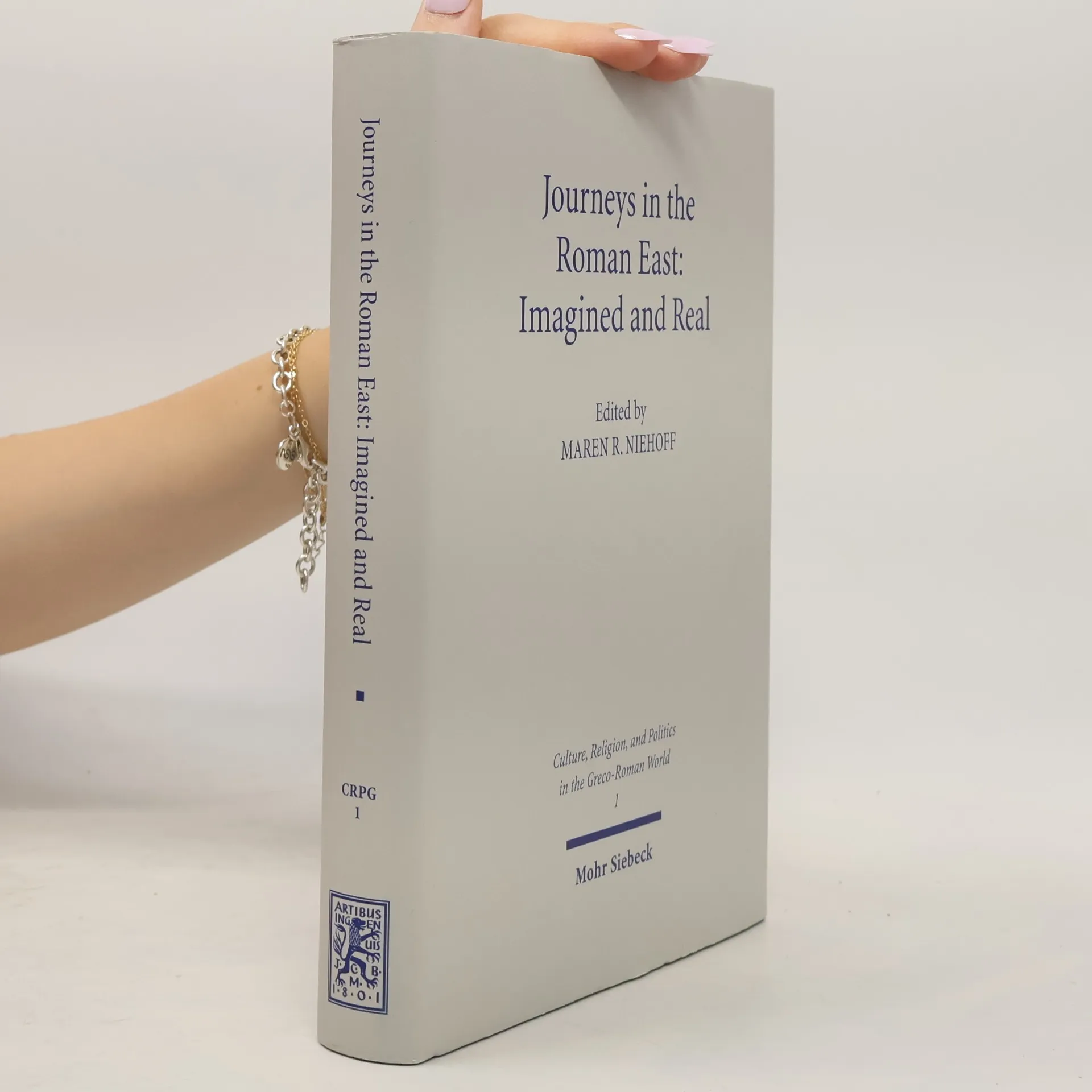

In the Roman Empire, travelling was something of a central feature, facilitating commerce, pilgrimage, study abroad, tourism, and ethnographic explorations. The present volume investigates for the first time intellectual aspects of this phenomenon by giving equal attention to pagan, Jewish, and Christian perspectives. A team of experts from different fields argues that journeys helped construct cultural identities and negotiate between the local and the particular on the one hand, and wider imperial discourses on the other. A special point of interest is the question of how Rome engages the attention of intellectuals from the Greek East and offers new opportunities of self-fashioning. Pagans, Jews, and Christians shared similar experiences and constructed comparable identities in dialogue, sometimes polemics, with each other. The collection addresses the following themes: real and imagined geography, reconstructing encounters in distant places, between the bodily and the holy, Jesus' travels from different perspectives, and destination Rome. The articles in each section are arranged in chronological order, ranging from early imperial texts to rabbinic and patristic literature.