

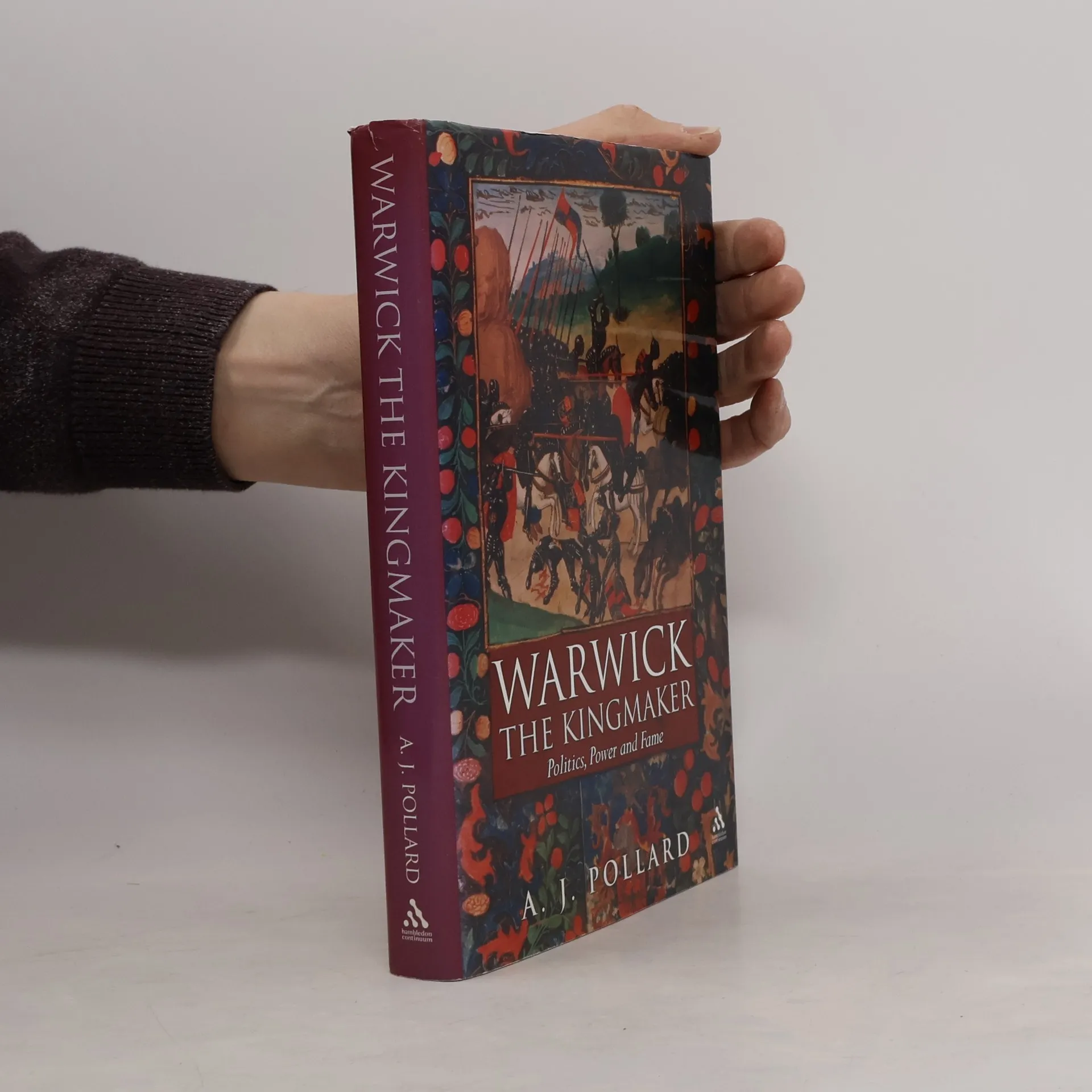
Warwick the Kingmaker was a fifteenth-century celebrity; a military hero, self-publicist and populist. For twelve years he was the arbiter of English politics, not hesitating to set up and put down kings. In the dominant strand of recent English historical writing, Warwick is condemned as a man who hindered the development of the modern state; in earlier centuries he was admired as an exemplar of true nobility who defied the centralising tendencies of the crown. A. J. Pollard offers a fresh assessment, to which neither approach is entirely appropriate, of the man whose nickname has become synonymous with power broking.
A. J. Pollard Reihenfolge der Bücher (Chronologisch)
Anthony James Pollard ist ein britischer Mediävist, der sich auf Nordostengland während der Rosenkriege spezialisiert hat. Er gilt als führende Autorität auf diesem Gebiet. Seine Arbeit befasst sich eingehend mit den komplexen politischen und sozialen Dynamiken, die diese turbulente Ära prägten. Pollard's Forschung beleuchtet die komplizierten Beziehungen zwischen dem Adel und dem gemeinen Volk und bietet neue Perspektiven auf Ereignisse, die die englische Geschichte beeinflussten.
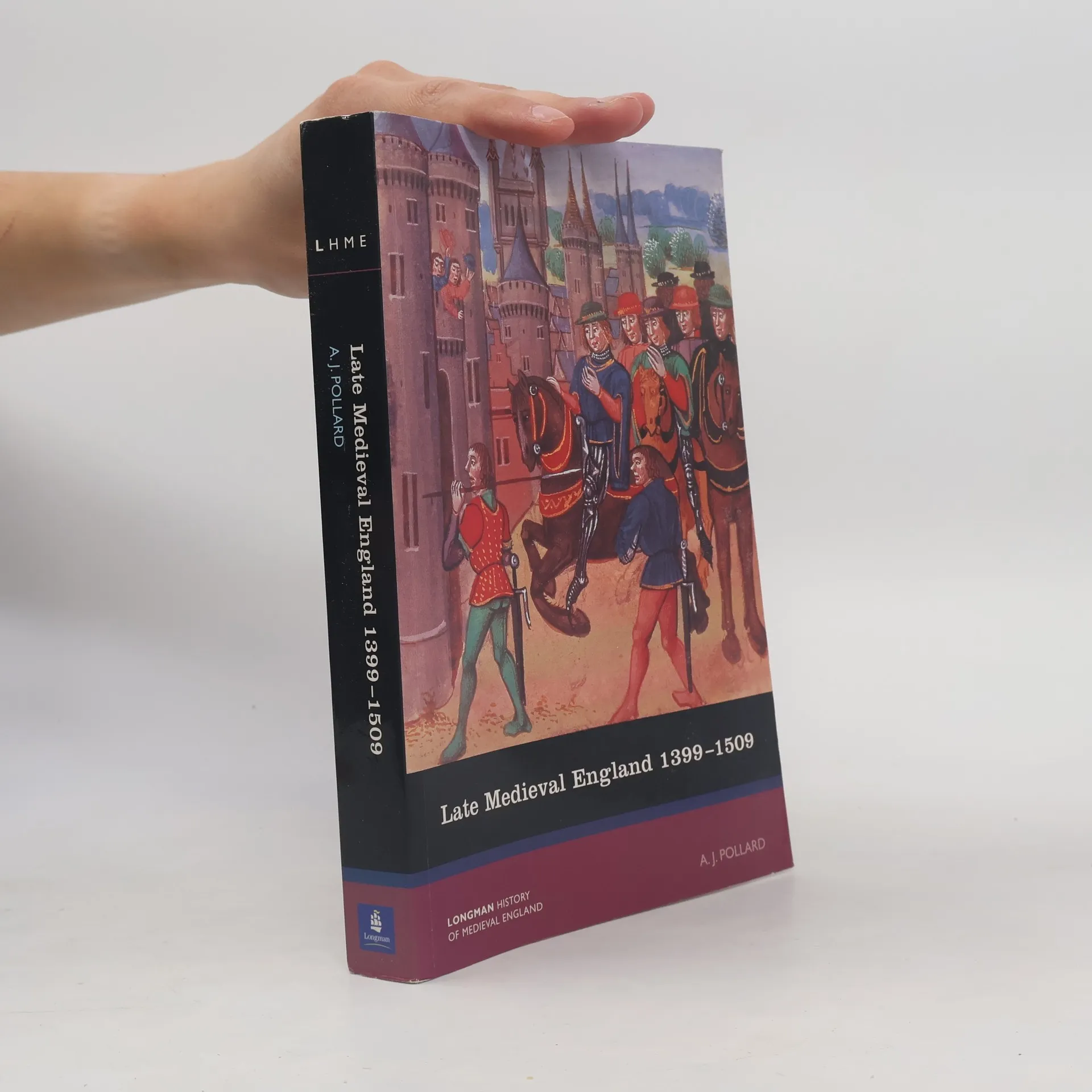
Longman History of Medieval England: Late Medieval England 1399-1509
- 472 Seiten
- 17 Lesestunden
A highly accessible and unashamedly `King-centred' history of the 15th century which, as Pollard clearly shows, was not only a period of change and disunity, but also witnessed a great increase in the English sense of identity and self-worth. Beginning with the deposition of Richard II in 1399, Pollard investigates the political, religious and social factors that transformed England from a medieval to a modern society during the reigns of Lancastrian, Yorkist and Tudor monarchs. Chapters also consider the place of the 15th century within the broader history of England, different interpretations of the period and the social changes that affected all sectors of the population.