Judging Against Unconstitutional Usurpation of Power
266 Seiten
10 Lesestunden
The book delves into the critical role of judges in domestic courts during instances of unconstitutional power grabs, such as coups d'état. It highlights the potential liability of judges who do not uphold their duty to act independently and impartially. Additionally, the text addresses the legal implications for usurpers and those who assist them, emphasizing the judiciary's responsibility in maintaining the rule of law amidst political turmoil.
The book delves into the struggles faced by the Rohingya, an ethnic and religious group from Myanmar, highlighting the intricate legal challenges in international and domestic courts regarding universal jurisdiction. It examines issues surrounding genocide, crimes against humanity, and war crimes, offering a detailed analysis of the legal frameworks and obstacles that hinder justice for this marginalized community.
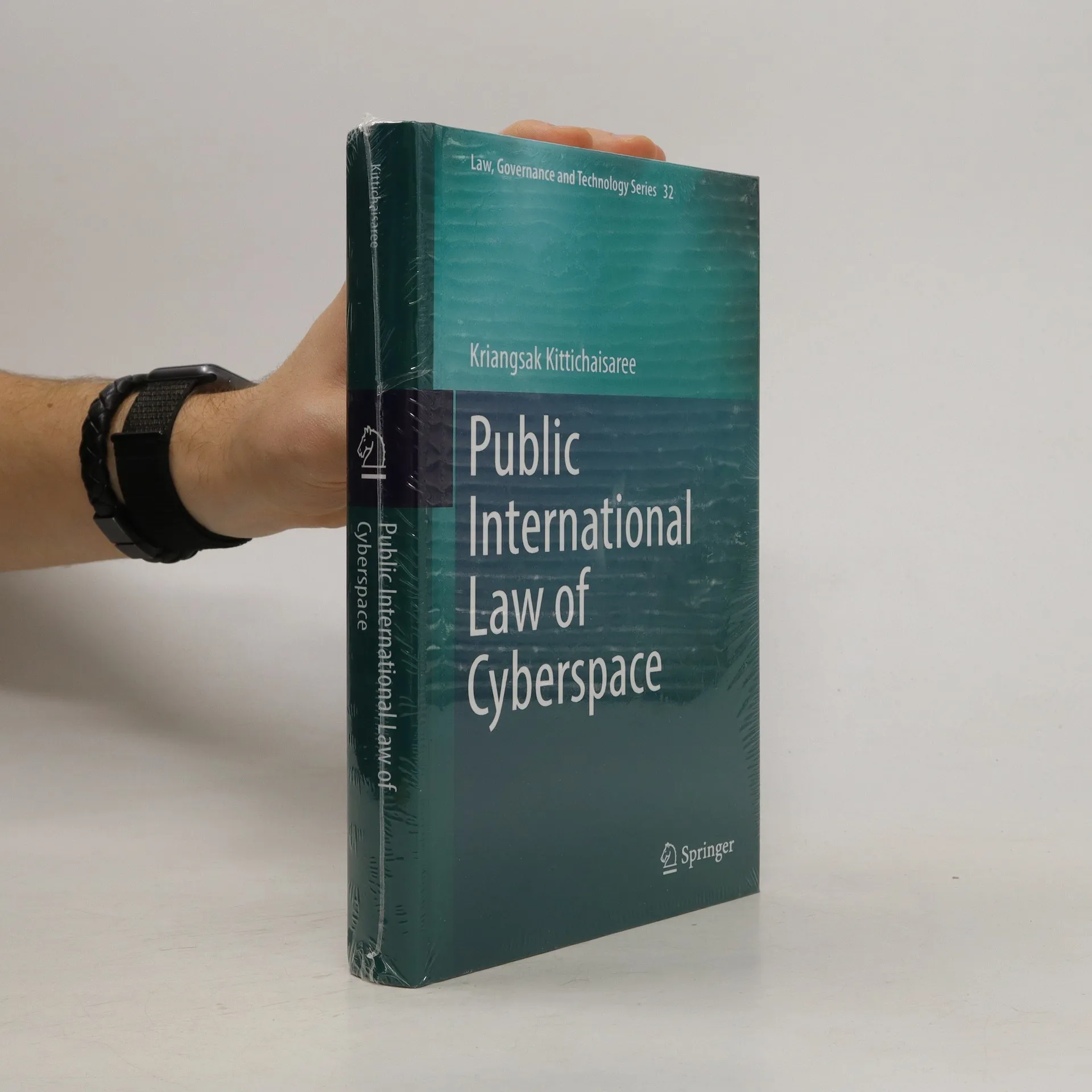
This compact, engaging book explores the international legal regulation of State conduct and individual rights in cyberspace. It introduces various stakeholder perspectives and the challenges faced by international law. The author addresses State responsibility and key cyberspace rights issues while examining cyber warfare, espionage, crime, and terrorism. The work also considers non-State and quasi-State actors, such as ISIS, and concludes with future prospects for international law in cyberspace. Readers will delve into international rules regarding State jurisdiction, responsibility for cyber activities, human rights in the digital realm, and permissible responses to cyber attacks. Additional topics include rules of engagement in cyber warfare, combating cyber crimes, limits on cyber espionage, and addressing cyber-related terrorism. Chapters provide case law explanations from various jurisdictions, contextualized by real-life cyber incidents worldwide. Written by a recognized expert in the field, the book guides readers through ongoing debates on cyber issues within the framework of international law. Its accessible writing makes it an enlightening read for a diverse audience, including international lawyers, law students, military strategists, law enforcement officers, policymakers, and the general public.