Gratis Versand ab € 14,99. Mehr Infos.
Bookbot

Louis Kriesberg

    Fighting Better
    Constructive Conflicts
    Fighting Better: Constructive Conflicts in America
    Peacemaking in International Conflict
    Constructive Conflicts
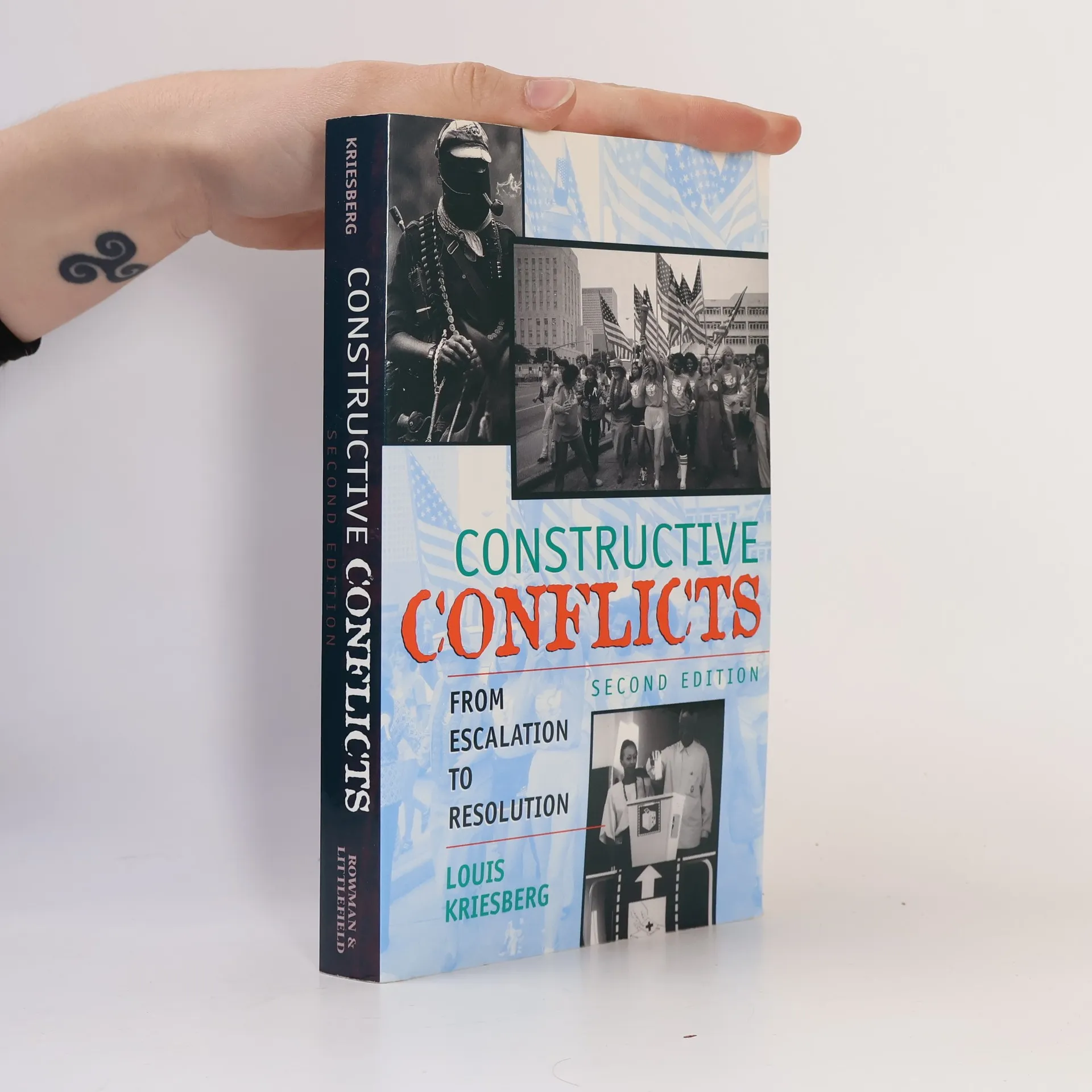
    • Constructive Conflicts

      From Escalation to Resolution - Second Edition

      • 400 Seiten
      • 14 Lesestunden

      Highly regarded by instructors as the most comprehensive and insightful textbook on conflict resolution, Constructive Conflicts has been significantly revised and updated in this second edition. The new edition builds on the strengths of the first, especially its organization around the different stages at which conflicts emerge, escalate, and resolve. Kriesberg's analysis utilizes diverse theoretical perspectives and data and is relevant for strategies that a variety of people can employ to foster constructive struggles. 'In this second edition to his highly recommended, leading text-book in conflict and peace studies by peaceful means Professor Kriesberg has included very valuable material on South Africa and apartheid, on the women's and Civil Rights movements in the USA, and the justice and globalization movements. And, above all, on international terrorism and the al Qaeda network. In a dynamic world authors have to be equally dynamic. Professor Kriesberg is one of those.' Johan Galtung, professor of peace studies, the University of Hawaii, the University of Witten/Herdecke, the European Peace University, and the University of Tromsoe.

      Constructive Conflicts
      4,4
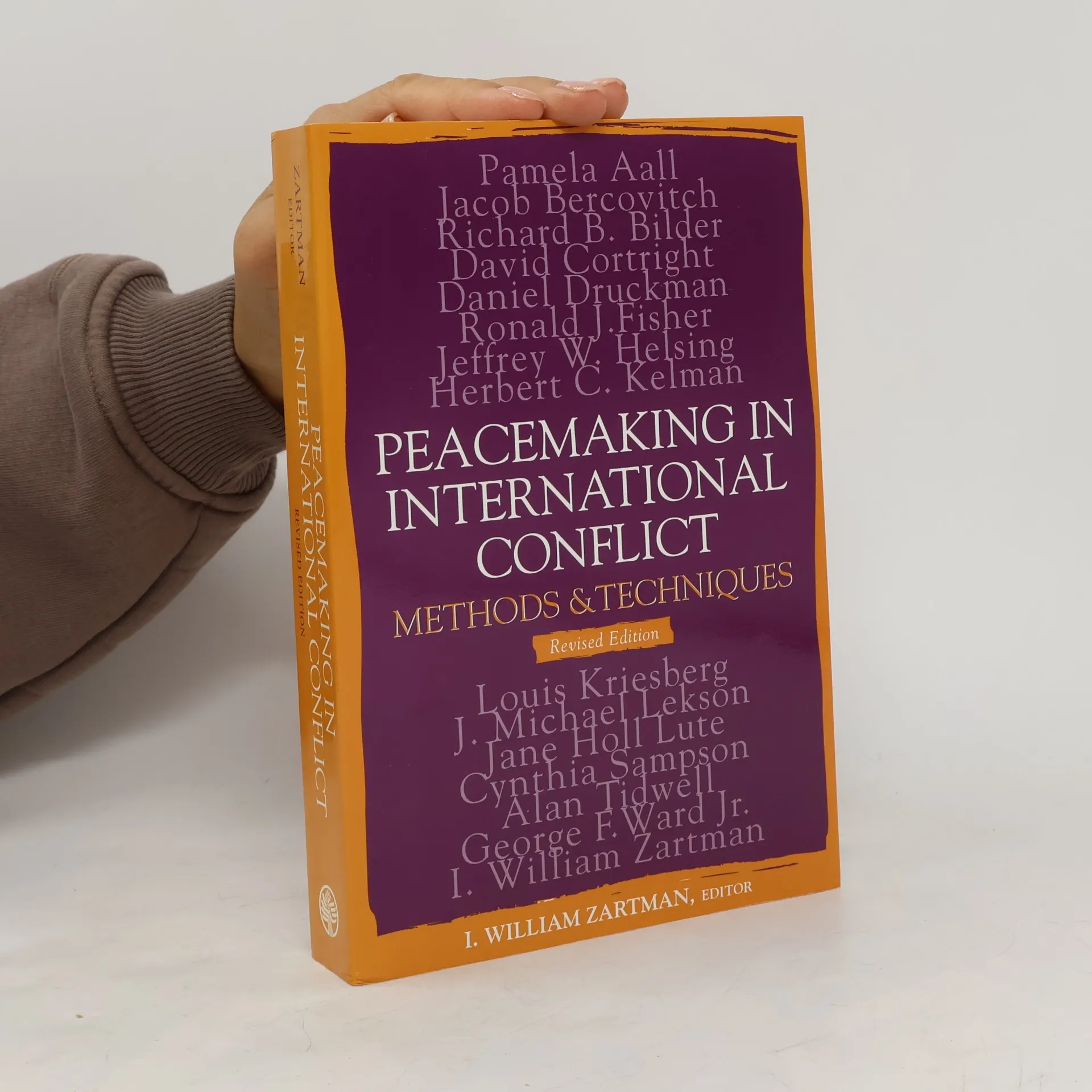
    • Peacemaking in International Conflict

      Methods and Techniques - Revised Edition

      • 505 Seiten
      • 18 Lesestunden

      This updated and expanded edition of the highly popular volume originally published in 1997 describes the tools and skills of peacemaking that are currently available and critically assesses their usefulness and limitations.

      Peacemaking in International Conflict
      3,9
    • Exploring the roots of division and civic disorder in the United States, Louis Kriesberg examines societal shifts in class, status, and power. He argues that these changes stem from how conflicts have been managed—constructively, destructively, or through avoidance. By analyzing key domestic conflicts since 1945, Kriesberg assesses their impact on advancing justice, liberty, and equal opportunity, providing insights into the current state of American society and the potential for resolving its crises.

      Fighting Better: Constructive Conflicts in America
    • Constructive Conflicts

      From Emergence to Transformation

      • 380 Seiten
      • 14 Lesestunden

      The book offers a comprehensive framework for understanding and addressing large-scale social and political conflicts. It guides readers through the lifecycle of conflicts—from emergence and escalation to resolution and potential resurgence—highlighting strategies to disrupt and reverse destructive cycles of contention. Through analytical and empirical insights, it equips readers with the tools to effectively intervene in complex disputes.

      Constructive Conflicts
    • Fighting Better

      • 344 Seiten
      • 13 Lesestunden

      This original and wide-ranging book examines how conflicts have influenced class, status, and power inequality in America since 1945. It begins by evaluating how certain conflicts have destructively increased class inequality, leading to numerous negative consequences. Conversely, it also highlights conflicts that have constructively contributed to reducing class inequality. The analysis extends to conflicts that have advanced status equality, particularly for African Americans and women. Furthermore, the book explores various conflicts that have resulted in uneven changes in power inequality across different demographics. It underscores how poorly managed conflicts have exacerbated contemporary divisions that threaten U.S. democracy. Throughout, the text suggests constructive approaches to conflict, offering hopeful alternatives for the future. Analyzing numerous national and local conflicts, both overt and covert, it emphasizes constructive transformations. The social science analyses presented allow for better judgments regarding alternative strategies that could have mitigated the adverse effects of past destructive conflicts. The core ideas of the constructive conflict approach are tested in relation to struggles over class, status, and power inequalities, ultimately proposing ways individuals can apply these concepts to address and transform current political and societal challenges in the U.S.

      Fighting Better