Pierre-Augustin Caron de Beaumarchais war ein französischer Dramatiker, dessen Einfluss von der Uhrmacherei bis zur Revolution reichte. Seine Theaterwerke, insbesondere die Figaro-Stücke, erlangten die größte Anerkennung und werden bis heute für ihren Witz und ihre Gesellschaftskritik gefeiert. Beaumarchais' Karriere war bemerkenswert vielschichtig und umfasste Rollen als Diplomat, Spion und Waffenhändler, was die turbulente Zeit widerspiegelt, in der er lebte. Sein Engagement zur Unterstützung der amerikanischen Unabhängigkeit und seine Teilnahme an den Anfängen der Französischen Revolution unterstreichen seine aktive Rolle in den politischen Strömungen seiner Zeit.
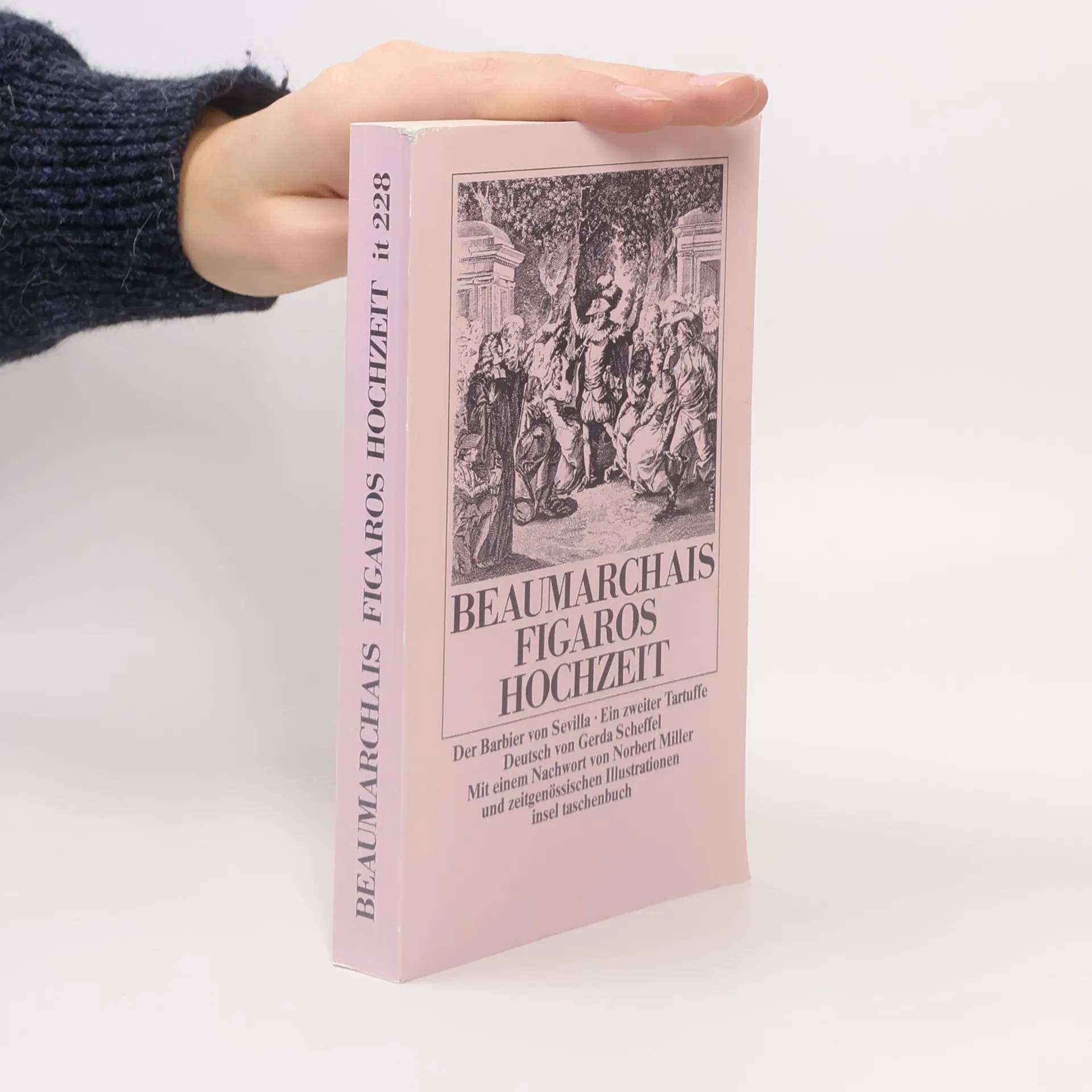
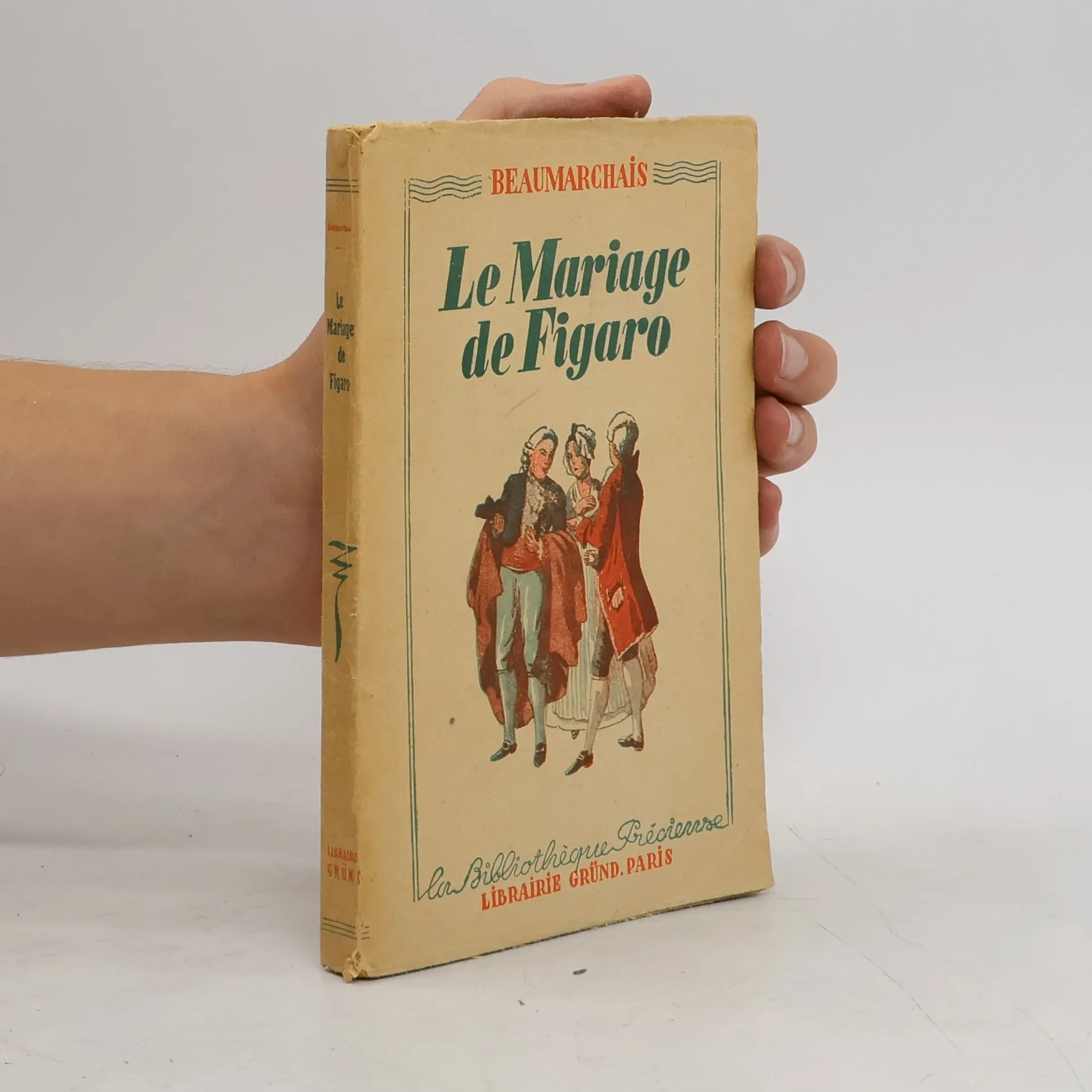
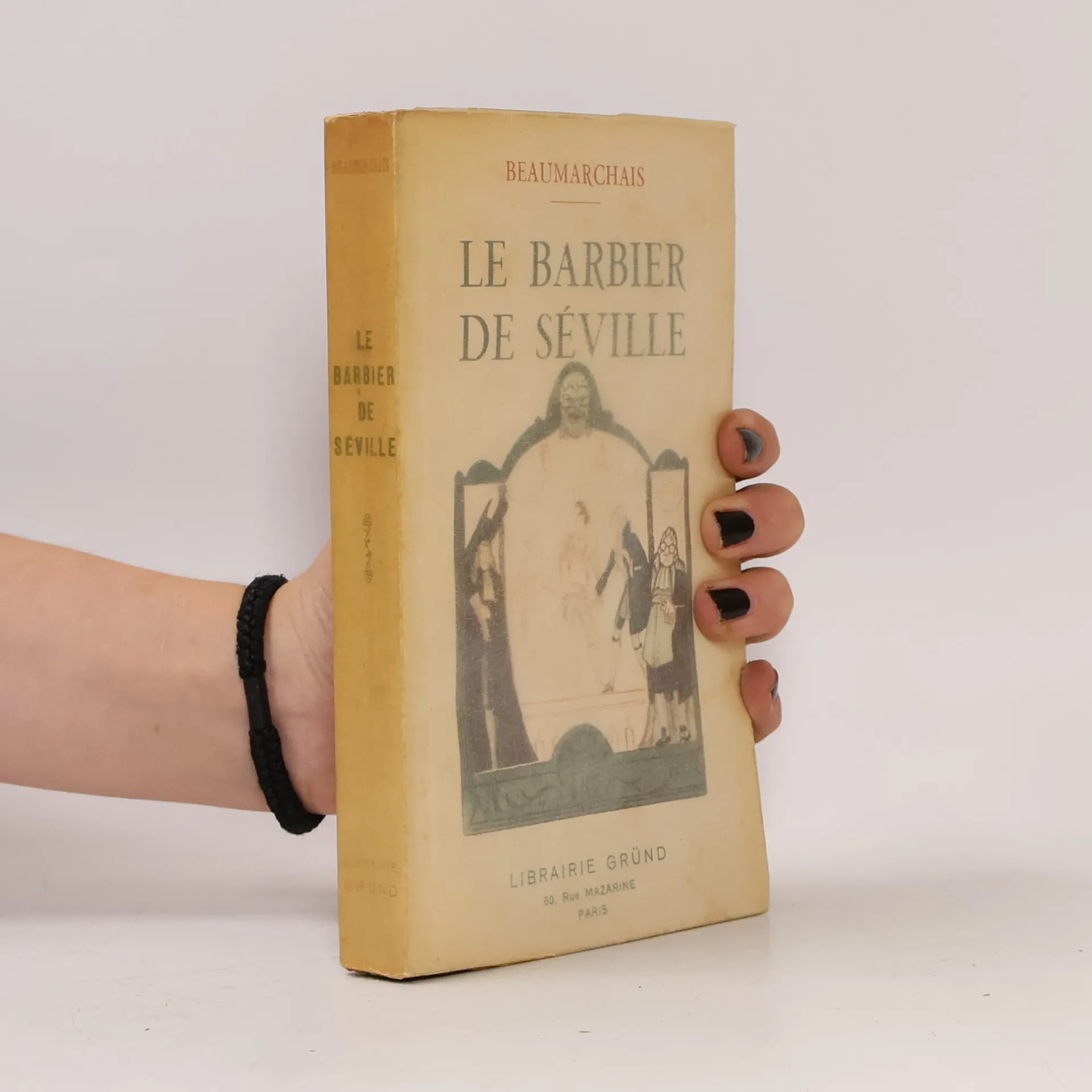
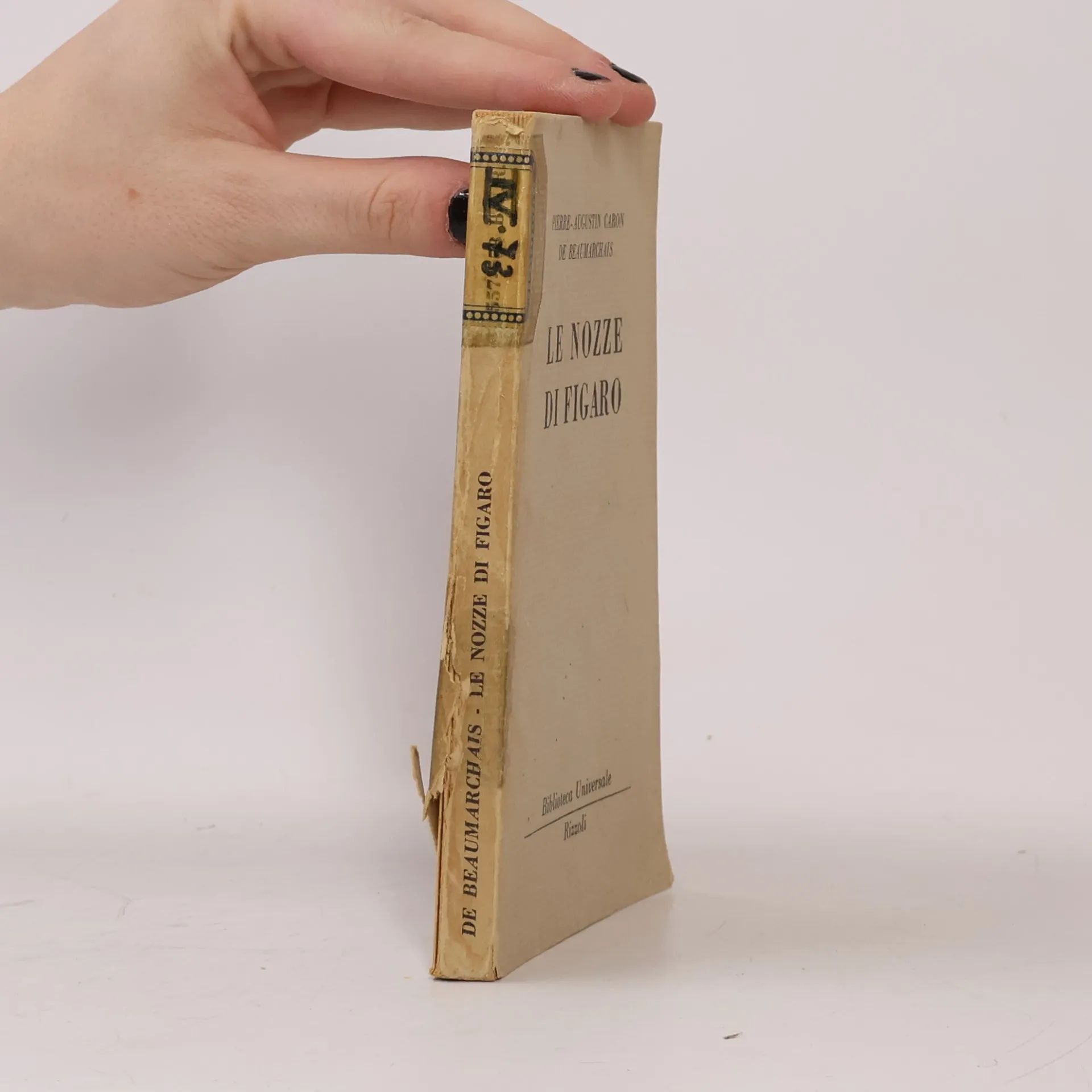
Beaumarchais' Komödie "Der tolle Tag oder Figaros Hochzeit" ist dem deutschen Publikum weniger bekannt als das Opernlibretto, das da Ponte für Mozart zu seiner berühmten Oper daraus gefertigt hat. Dabei gehören in Frankreich die Aufführungen dieses witzigen, wie der Autor selbst es treffend charakterisiert hat, "ebenso mit Geist wie mit Gerechtigkeit erfüllten" Stückes zu den größten Theatererfolgen.
Figaro steht kurz vor seiner Hochzeit mit Suzanne. Doch sein Meister, der Graf Almaviva, versucht, die Trauung hinauszuzögern, um die Gunst der jungen Frau zu gewinnen. An diesem Tag voller Missverständnisse und Wendungen scheuen die Diener nicht davor zurück, ihre Herren zu ohrfeigen, und die Frauen versuchen, ihr Schicksal selbst in die Hand zu nehmen. Beaumarchais scheut sich nicht, die Gesellschaft des 18. Jahrhunderts zu kritisieren, und schafft ein freches Stück, das das Genre der Komödie grundlegend erneuert. Die Handlung thematisiert die sozialen Ungerechtigkeiten und den Kampf um Freiheit und Selbstbestimmung. Die Charaktere sind lebendig und vielschichtig, was die Komplexität menschlicher Beziehungen und die Herausforderungen der damaligen Zeit widerspiegelt. Beaumarchais' Werk ist nicht nur ein unterhaltsames Stück, sondern auch eine scharfsinnige Gesellschaftskritik, die bis heute relevant bleibt.
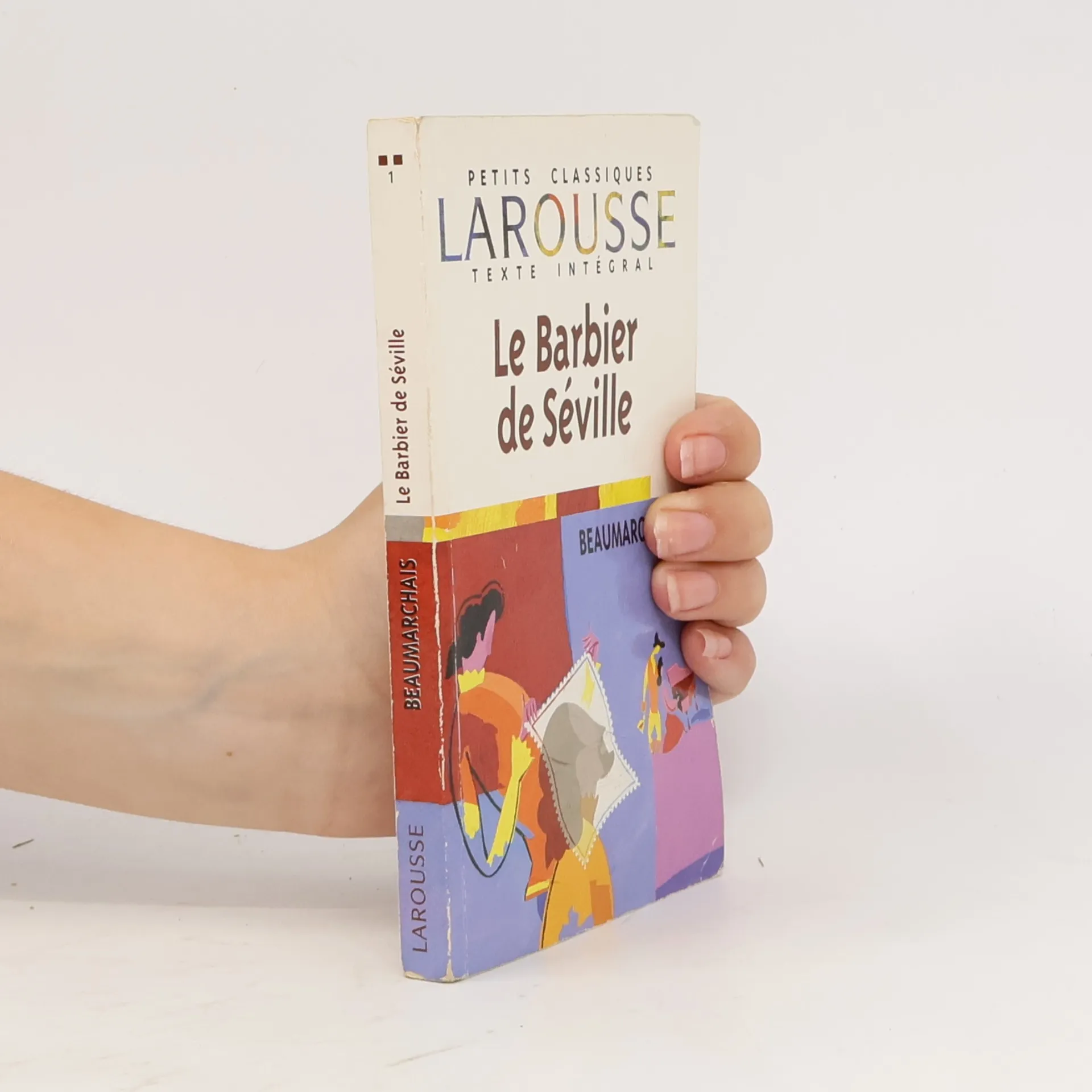
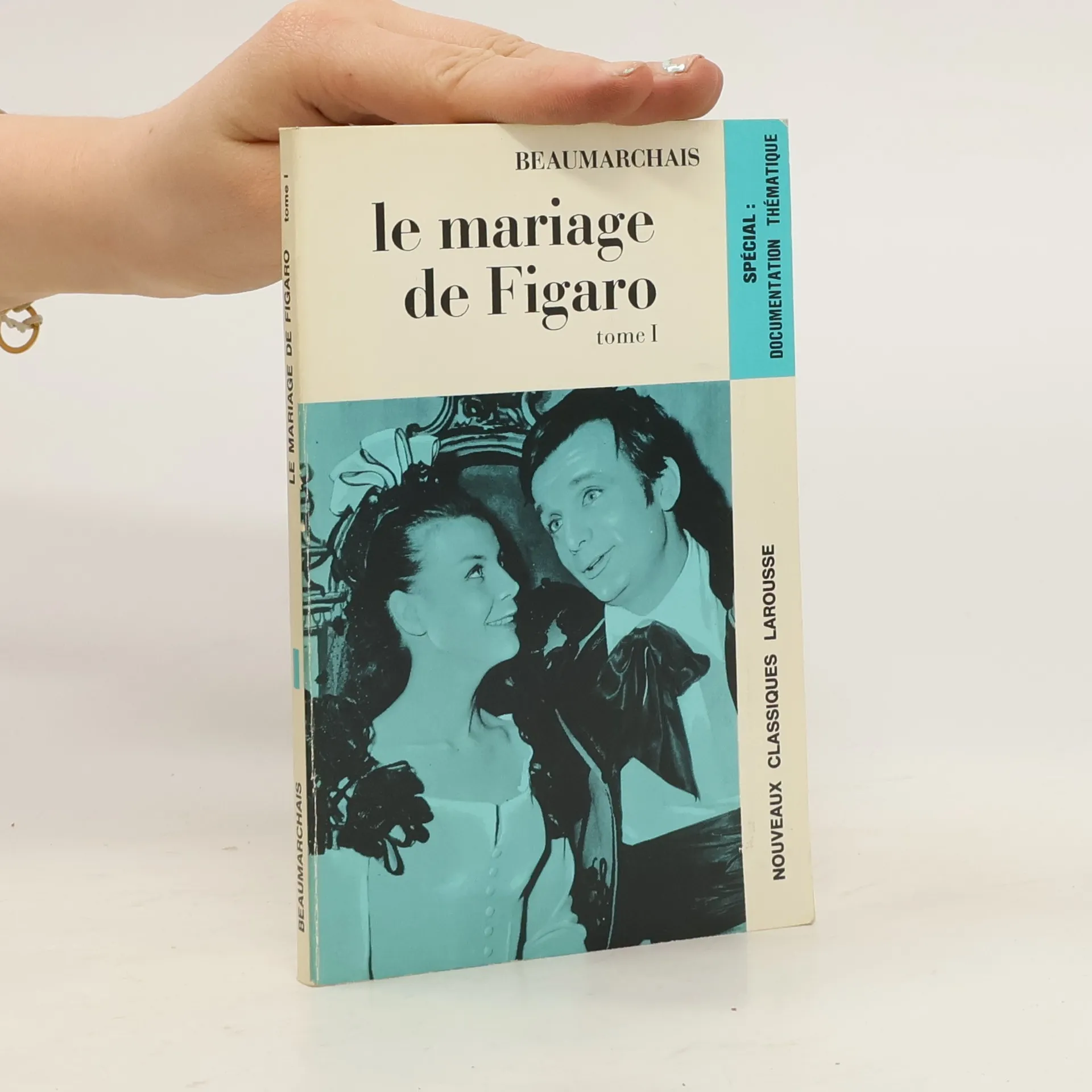
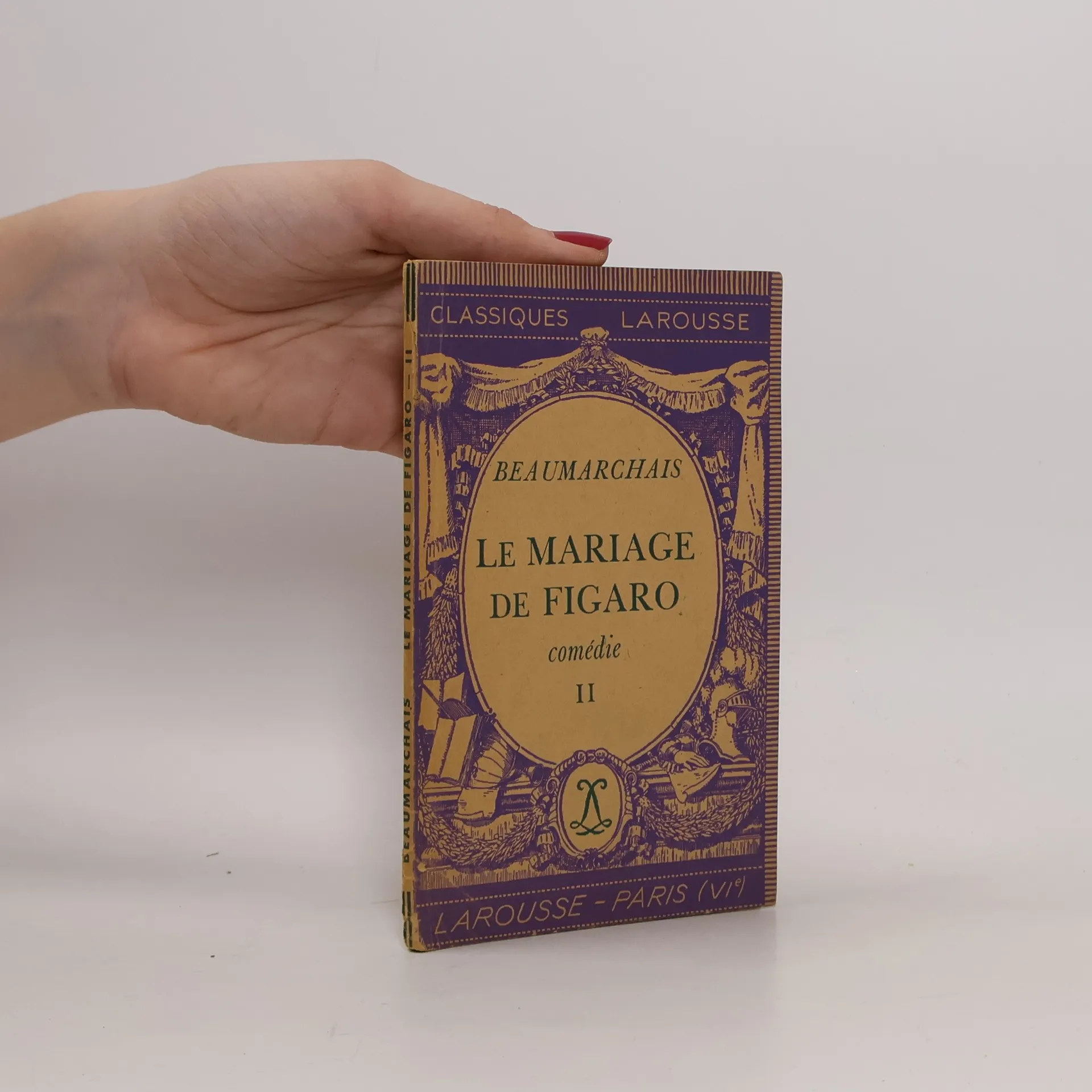
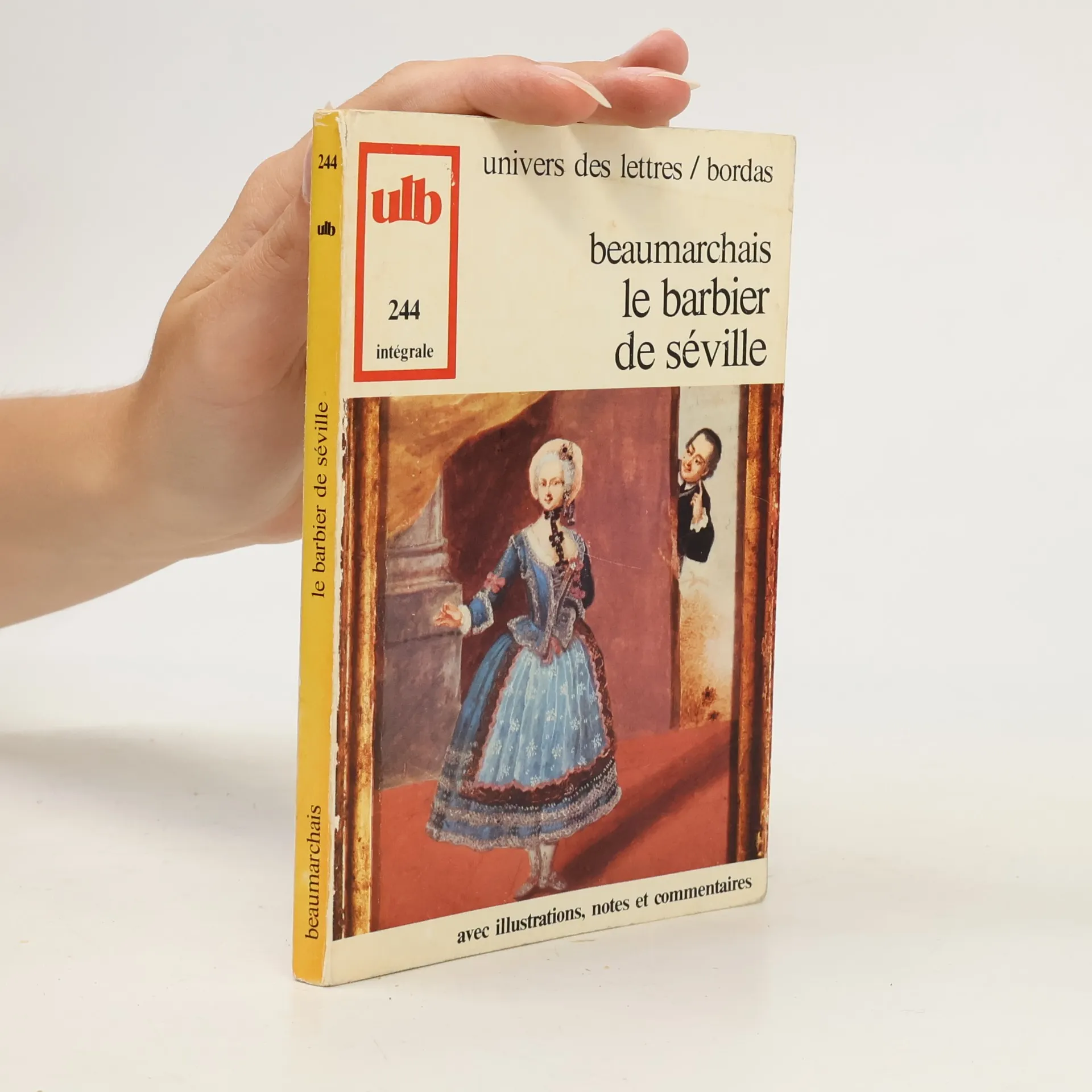
L'ingénieux et spirituel Figaro se marie ! Ce grand jour est cependant assombri par le libertinage du comte Almaviva, qui désire acheter les faveurs de sa fiancée avant la cérémonie. Goût de l'intrigue et mots d'esprit ne seront pas de trop pour faire triompher la justice et l'amour.
Trois parties: Avant d'aborder le texte - Le texte - Comment lire l'oeuvre. La collection propose l'ďition annotě, commentě et illustrě du texte intǧral de l'oeuvre; une biographie de l'auteur; les contextes et la gens̈e de l'oeuvre; un appareil pďagogique et des outils de lecture.
Avec une Notice biographique, une Notice historique et littéraire, des Notes explicatives, une Documentation thématique, des Jugements, un Questionnarie et des Sujets de devoirs, par Louis Forestier.
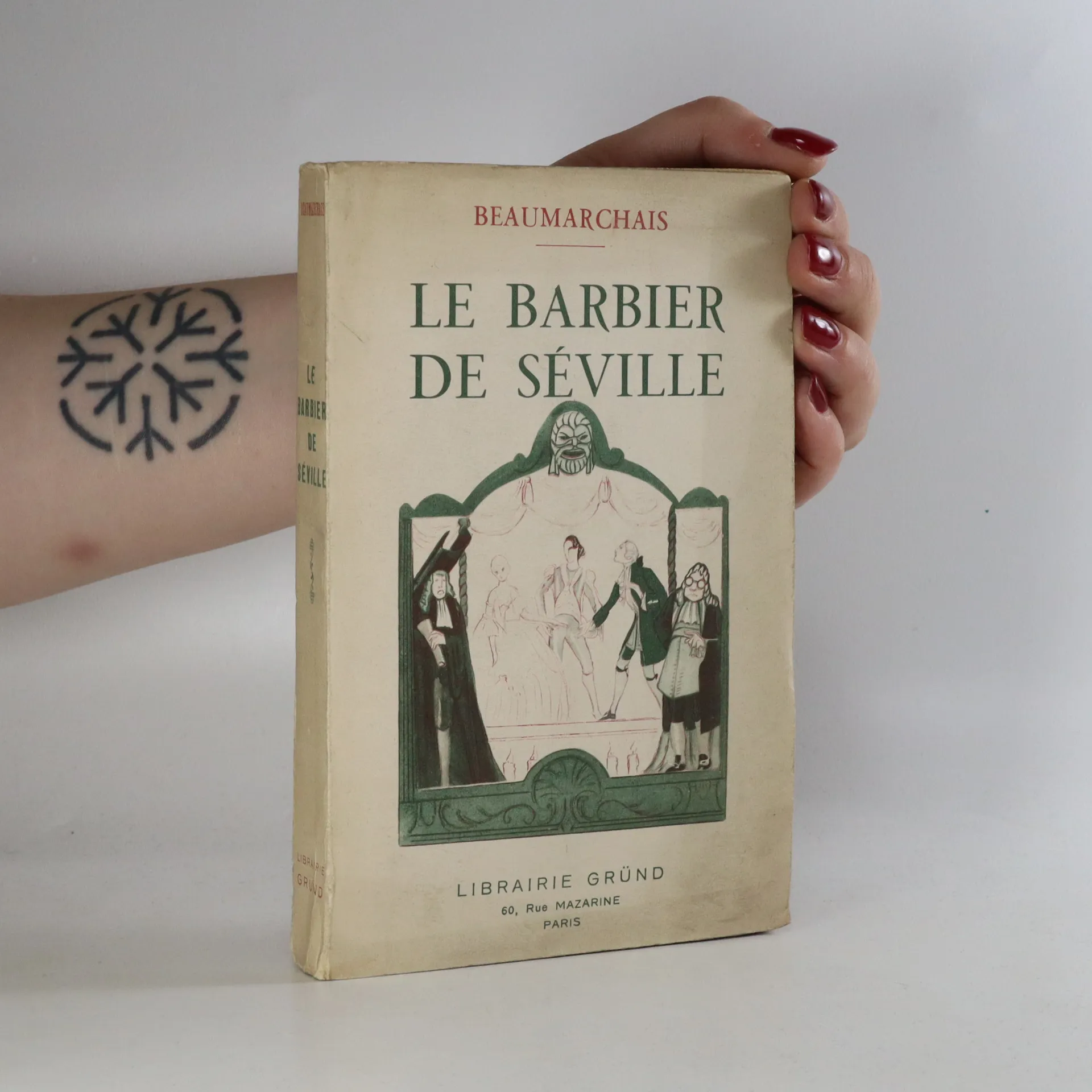
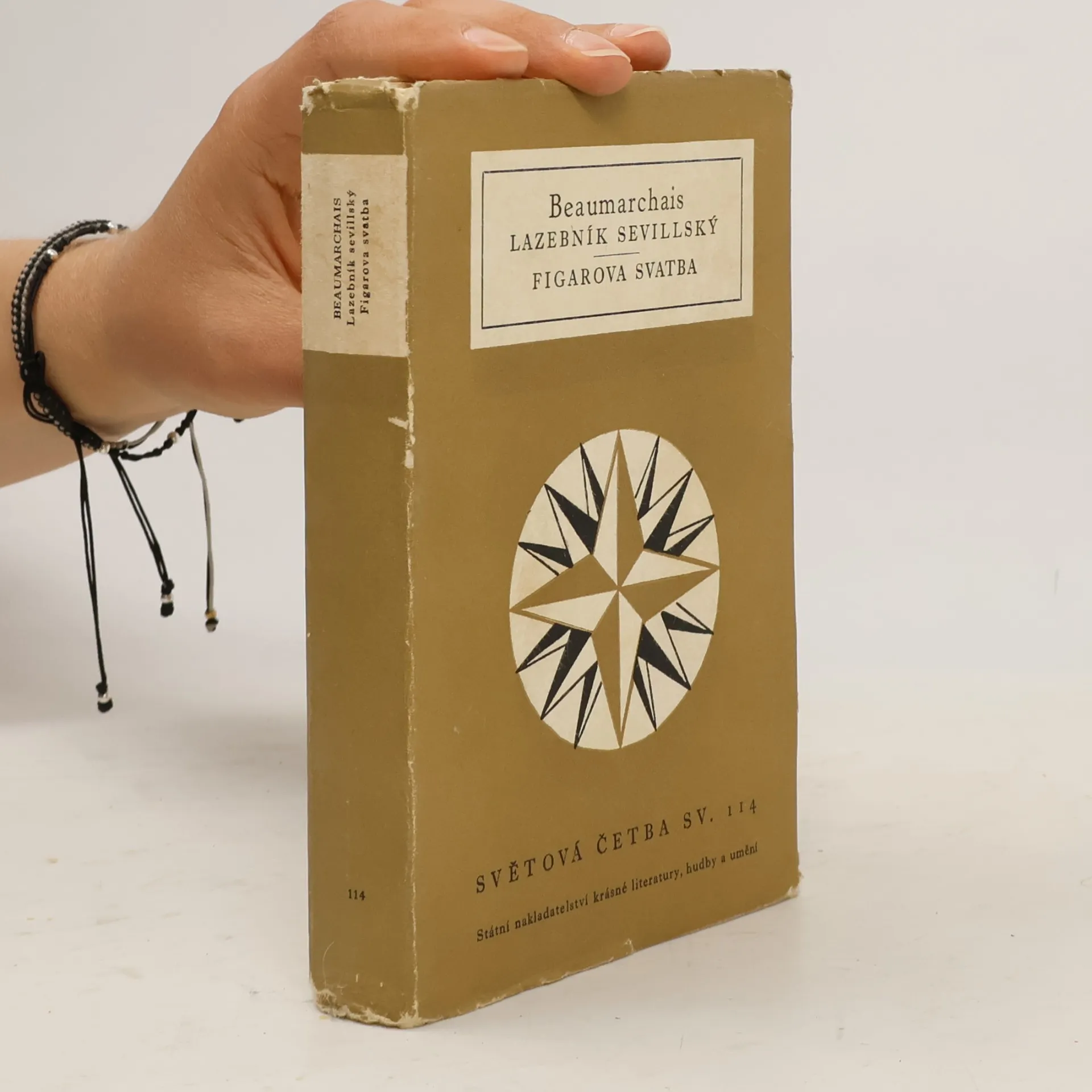
Těmito komediemi vrcholí Beaumarchaisovo dramatické dílo. Vytvořil v nich postavu slavného Figara, chlapíka, kterého nadal nejvýraznějšími vlastnostmi: břitkosti kurážného vtipu, vynálézavostí, jak vybřednout z nejnemožnějších situací a schopností roztočit svět kolem sebe podle vlastnívůle. Zdaleka to však nejsou jen zábavné komedie o lásce s překážkami. Figaro mluví ostrým jazykem pařížského lidu, stojí proti šlechtici i měšťáku, odlišen od nich třídním postavením a mentalitou. Stojí v jedné řadě s Quijotem, Tartuffem, Švejkem a jinými, kteří vešli ze života do literatury a stali se majetkem všech. Lazebník Figaro vystupuje od svého stvoření v mnoha podobách: v Rossiniho opeře a ve verších Puškinových, u nás na příklad v díle Dykově i E.F. Buriana. Beaumarchais je jednou z ústředních postav Feuchtwangerova románu "Lišky na vinici". - V tomto vydání jsou po prvé do češtiny přeložené Beaumarchaisovy předmluvy k oběma hrám.