

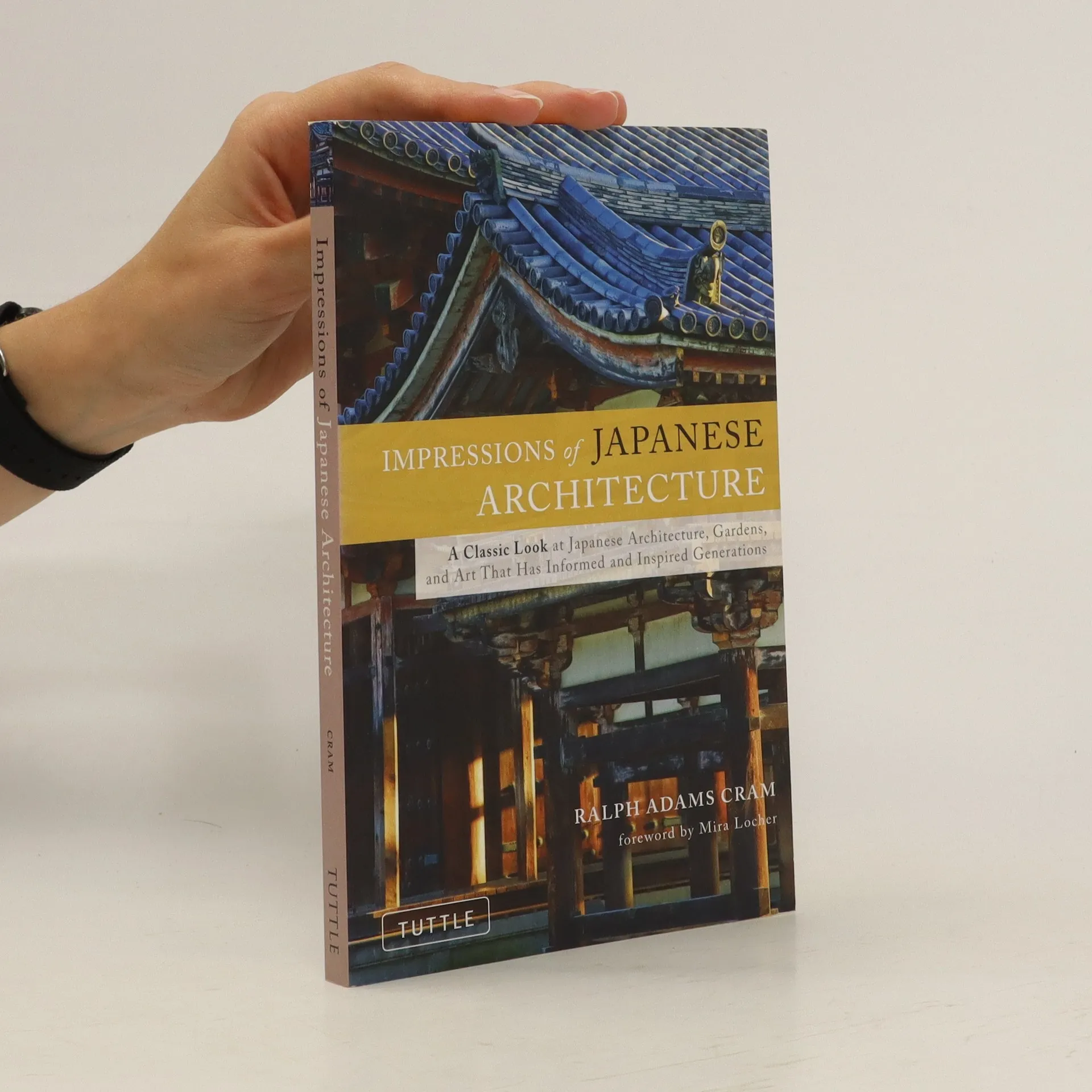
"The best book on Japanese architecture ever produced by a Westerner." — The American ArchitectJapanese architecture is undoubtedly less well known and less appreciated than the architecture of any other civilized nation. Not only this, but it is almost universally misjudged, and while the world has by degrees come to know and admire the pictorial and industrial arts of Japan, her architecture, which is the rot and vehicle of all other modes of art, is passed over with a casual reference to its fantastic quality or a patronizing tribute to the excellence of some of its carved decoration.Written at a time when Japanese art was only beginning to be appreciated in the West, Impressions of Japanese Architecture conveys a sense of discovery and enthusiasm that modern readers will find as interesting and infectious as the book's first readers did.Long considered a classic, this new edition contains a foreword by acclaimed contemporary architect and author, Mira Locher. Originally published about one hundred years ago, Impressions of Japanese Architecture is still of immense value to anyone wishing for a better understanding of Japanese architecture, art and culture.
Ralph Adams Cram Bücher
Ralph Adams Cram war ein einflussreicher amerikanischer Architekt, der für seine Entwürfe von Universitäts- und Kirchengebäuden, oft im neugotischen Stil, bekannt war. Seine architektonische Praxis widmete sich der Schaffung von Werken, die bis heute viele renommierte Universitätshalls und religiöse Institutionen prägen. Crams architektonischer Ansatz war tief in Geschichte und Tradition verwurzelt, was sich in seinem ästhetischen Empfinden und seiner Materialwahl widerspiegelte. Sein Werk hinterließ unauslöschliche Spuren in der amerikanischen Architektur, und seine Bauwerke werden für ihre zeitlose Schönheit und Handwerkskunst geschätzt.

This book is a reproduction of a historical work, published by Megali, a house dedicated to making literature accessible through large print editions. The focus on readability aims to assist individuals with impaired vision, ensuring that important texts remain available to a wider audience.