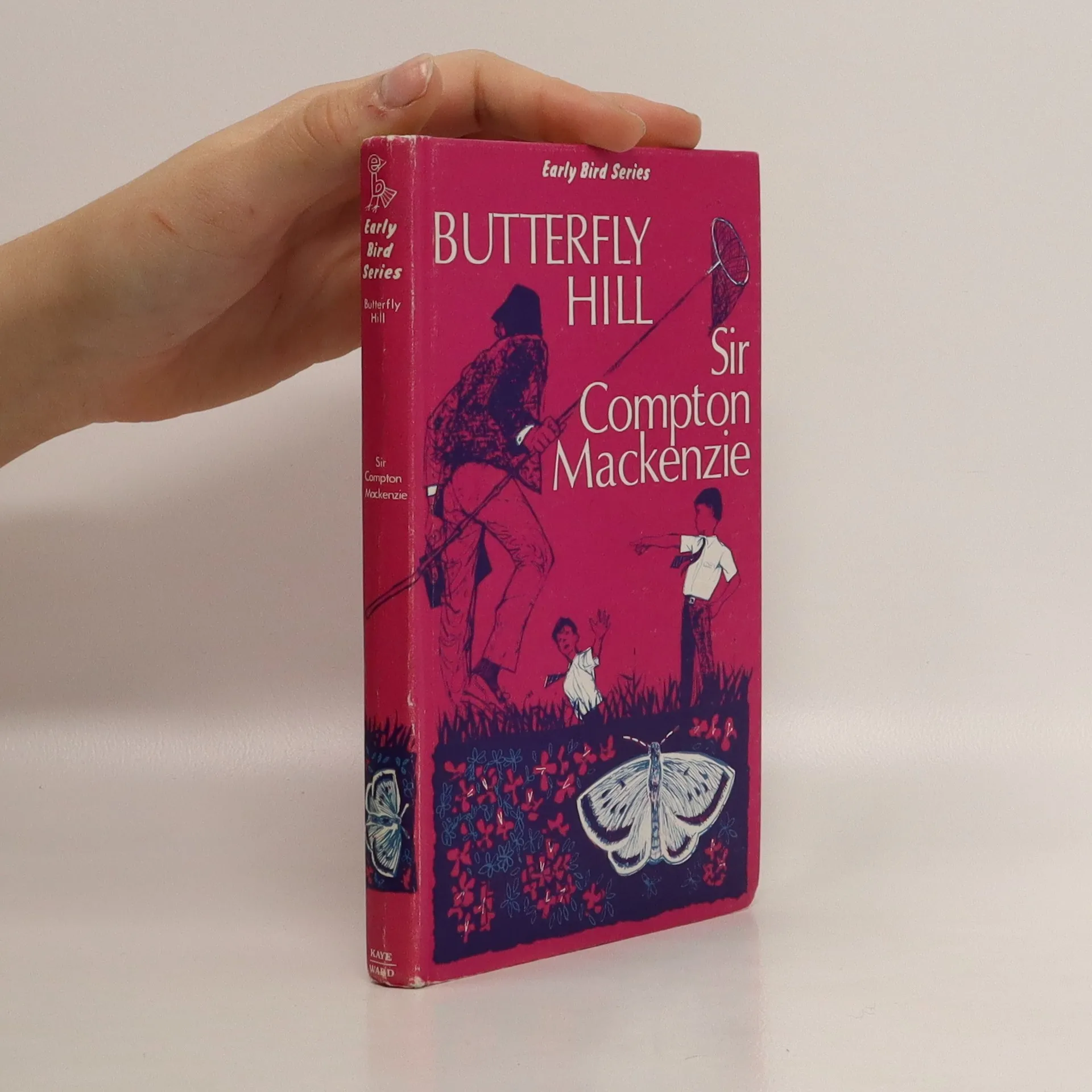
Compton Mackenzie Bücher
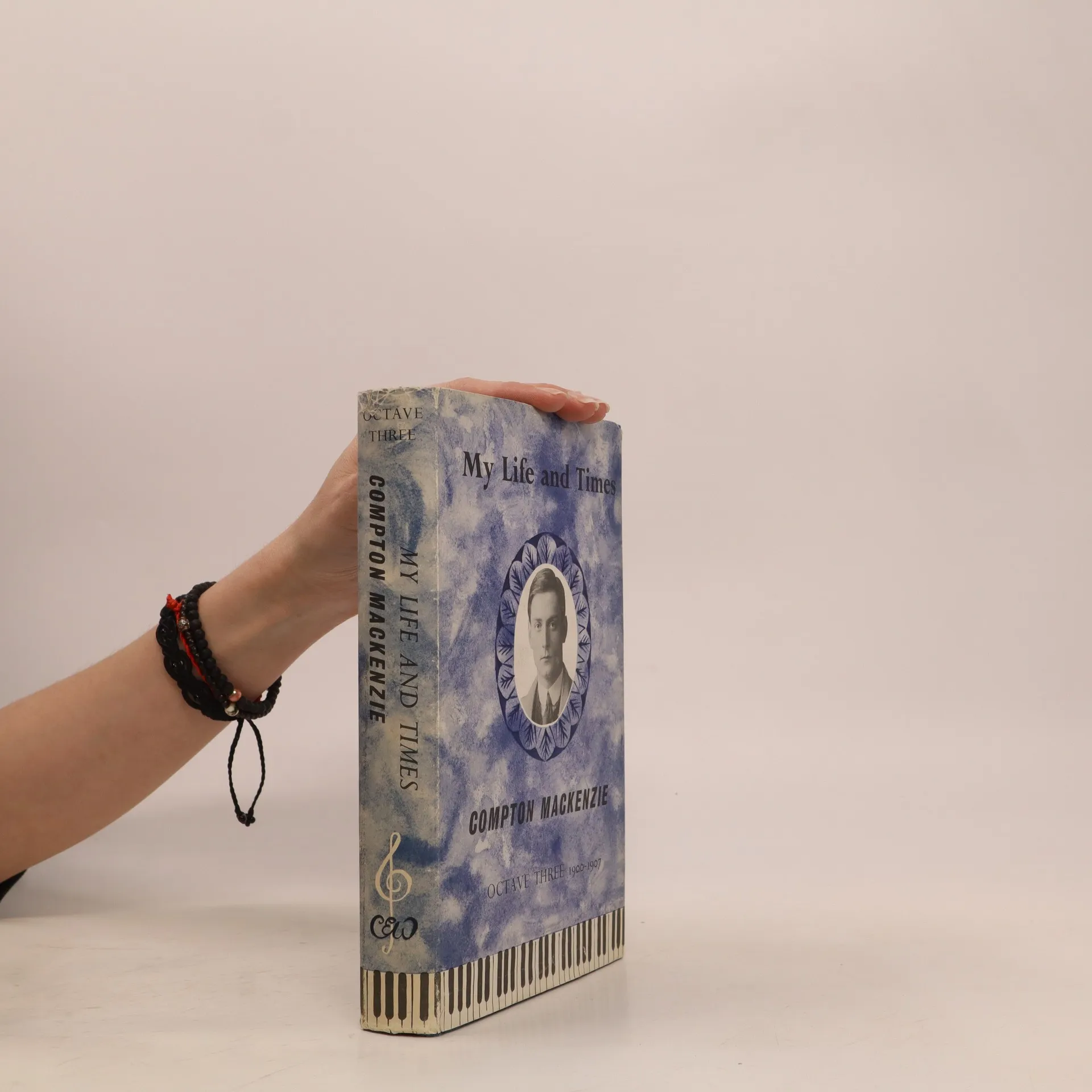
Compton Mackenzie was born into a theatrical family. His father, Edward Compton, was an actor and theatre company manager; his sister, Fay Compton, starred in many of James M. Barrie's plays, including Peter Pan, or The Boy Who Wouldn't Grow Up. He was educated at St Paul's School and Magdalen College, Oxford where he obtained a degree in Modern History. Mackenzie was married three times and aside from his writing also worked as an actor, political activist, and broadcaster. He served with British Intelligence in the Eastern Mediterranean during World War I, later publishing four books on his experiences. Compton Mackenzie was from 1920–1923 Tenant of Herm and Jethou and he shares many similarities to the central character in D.H. Lawrence's short story The Man Who Loved Islands, despite Lawrence saying "the man is no more he than I am." Mackenzie at first asked Secker, who published both authors, not to print the story and it was left out of one collection.

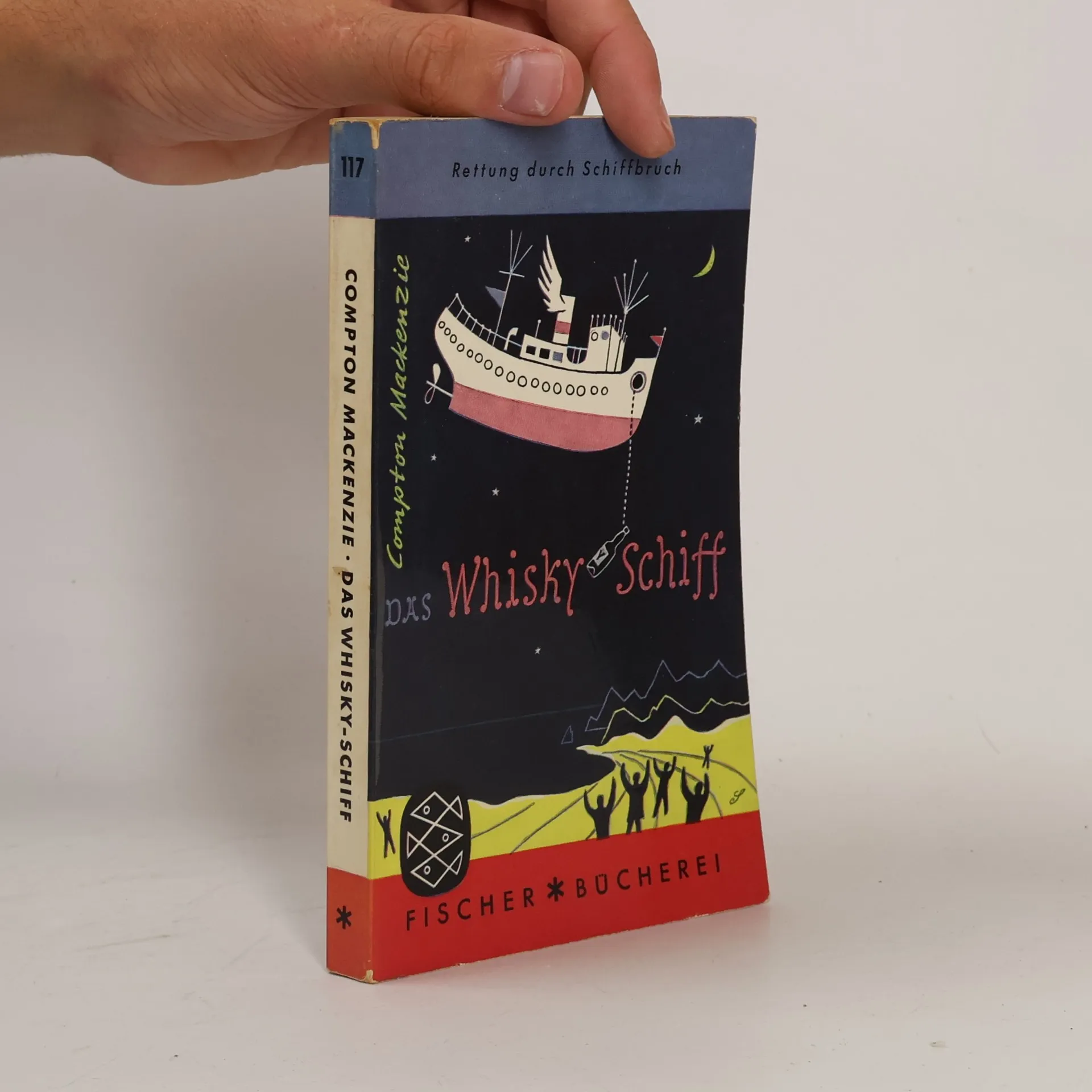
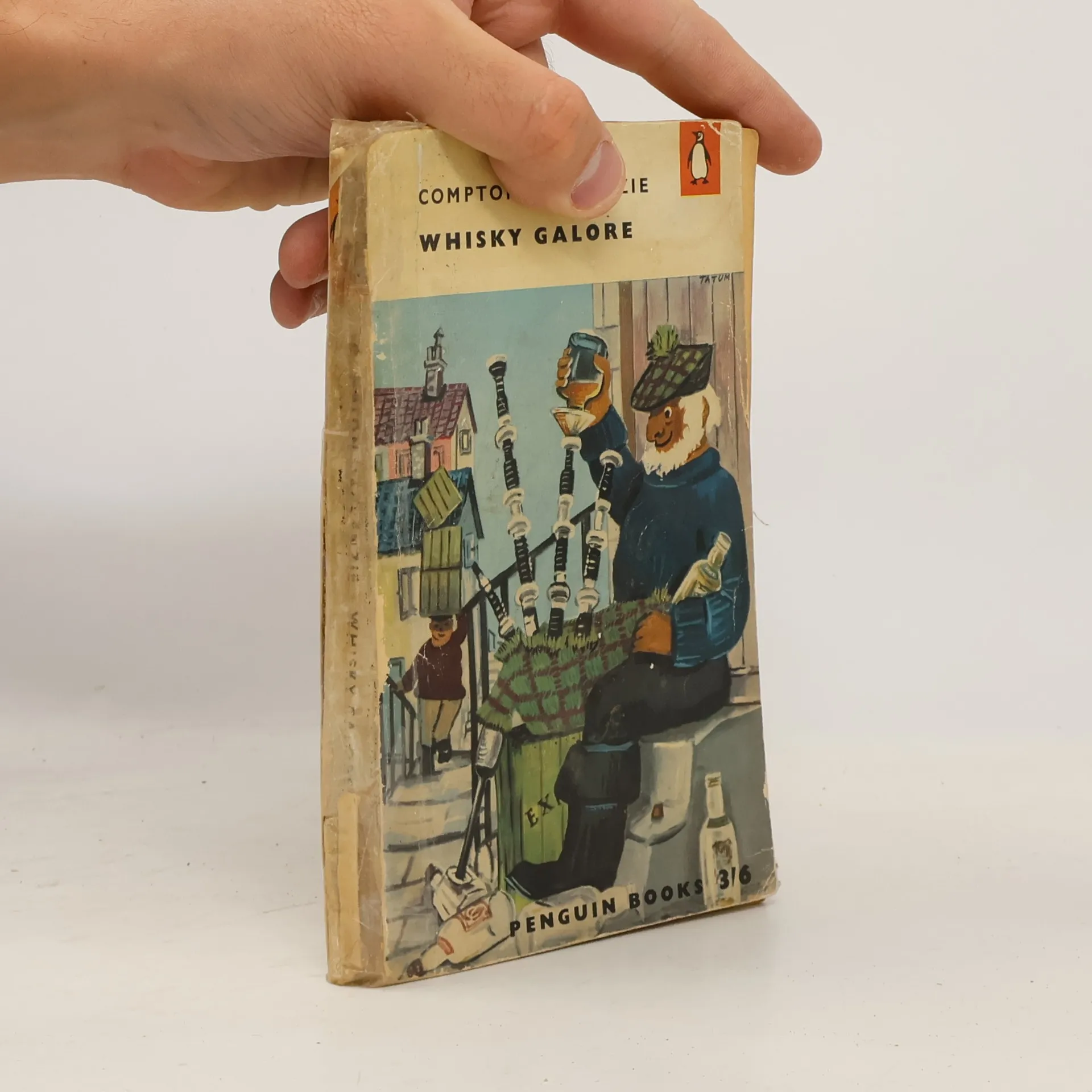
It's 1943 and the war has brought rationing to the Hebridean islands of Great and Little Todday. When food is in short supply, it is bad enough, but when the whisky runs out, it looks like the end of the world. Morale is at rock bottom. George Campbell needs a wee dram to give him the courage to stand up to his mother and marry Catriona. The priest, the doctor and, of course, the landlord at the inn are all having a very thin time of it. There's no conversation, no jolity, no fun - until a shipwreck off the coast brings a piece of extraordinary good fortune...
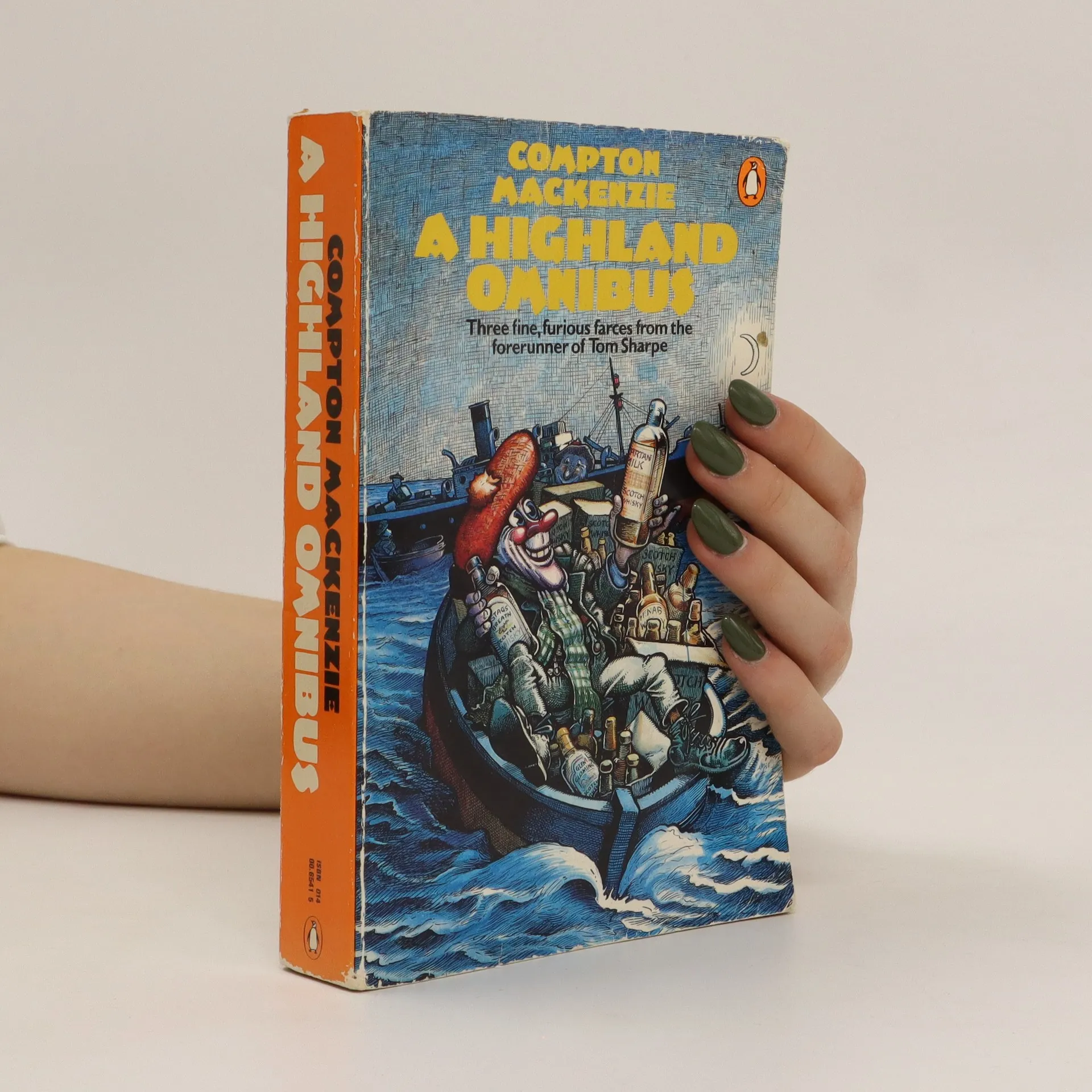
The Highland omnibus
- 748 Seiten
- 27 Lesestunden
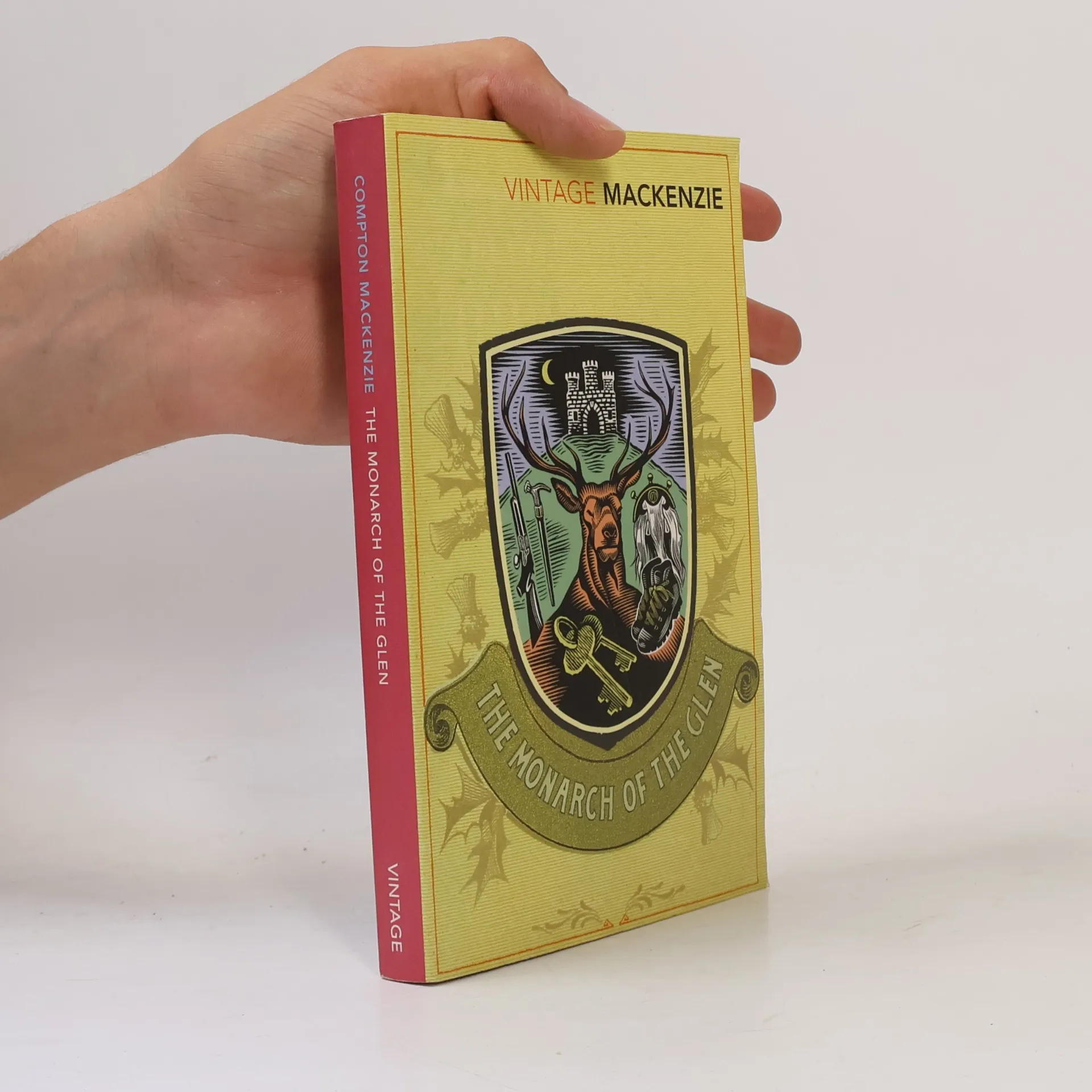
In the Highlands of Scotland, Chester Royde is an American millionaire who has recently married, and who has come to Scotland to visit something of his bride's roots.He is also accompanied by his young, unmarried sister, and it seems to the MacDonald family that nothing would be better in this era of rising costs for the landed gentry than for Myrtle Royde to marry one of Ben Nevis' three sons.
For a short time before the First World War, Compton Mackenzie lived on Capri, "island of pleasure" as it has been called. The stay was fruitful, resulting in two "romans à clef," Vestal Fire and Extraordinary Women, published in 1927 and 1928 respectively. These see Compton Mackenzie at his satirical best.The island of Capri, in the early twentieth-century, was a remarkably tolerant place providing a haven in particular for those with the sort of sexual appetites that were banned elsewhere. Homosexuals, both male and female, retreated to Capri and many were to find themselves appearing in fictional guise in Compton Mackenzie's two novels. Narrative drive is not what you will find here, instead there is delicious and wicked social comedy that exuberantly charts the endless feuds and machinations.
The monarch of the Glen
- 304 Seiten
- 11 Lesestunden
Chester Royde, an American millionaire, travels to Scotland with his new bride Carrie and sister Myrtle, to find out more about Carrie's Scottish ancestry. Their new 'relatives' turn out to be a little more authentically Scottish than they bargained for.
Sinister Street; Volume 1
- 534 Seiten
- 19 Lesestunden
Catholicism and Scotland
- 200 Seiten
- 7 Lesestunden
Originally published in 1936 and authored by an ardent Scottish Nationalist this concise book begins in the Gaelic era and charts the turbulent history of Catholicism in Scotland from then to the early 20th Century through the Norman Conquest of England and the coming of Saint Margaret.
Greek Memories
- 400 Seiten
- 14 Lesestunden
Compton Mackenzie was a celebrated writer at the start of the Great War. He was soon recruited by British Secret Services, becoming "our man in Greece." Later, he broke the rules by writing memoirs that included secret documents naming serving officers and exposing agents' cover. Mackenzie was prosecuted and Greek Memories was banned. Now, for the first time, here is Mackenzie's memoir as it should have been seen—a remarkable document of wartime espionage. Compton Mackenzie (1883–1972) was the author of over ninety books including Whisky Galore . During the First World War he ran the Aegean Intelligence component of what later became MI6.
Whisky Galore
The Vanguard Library 4
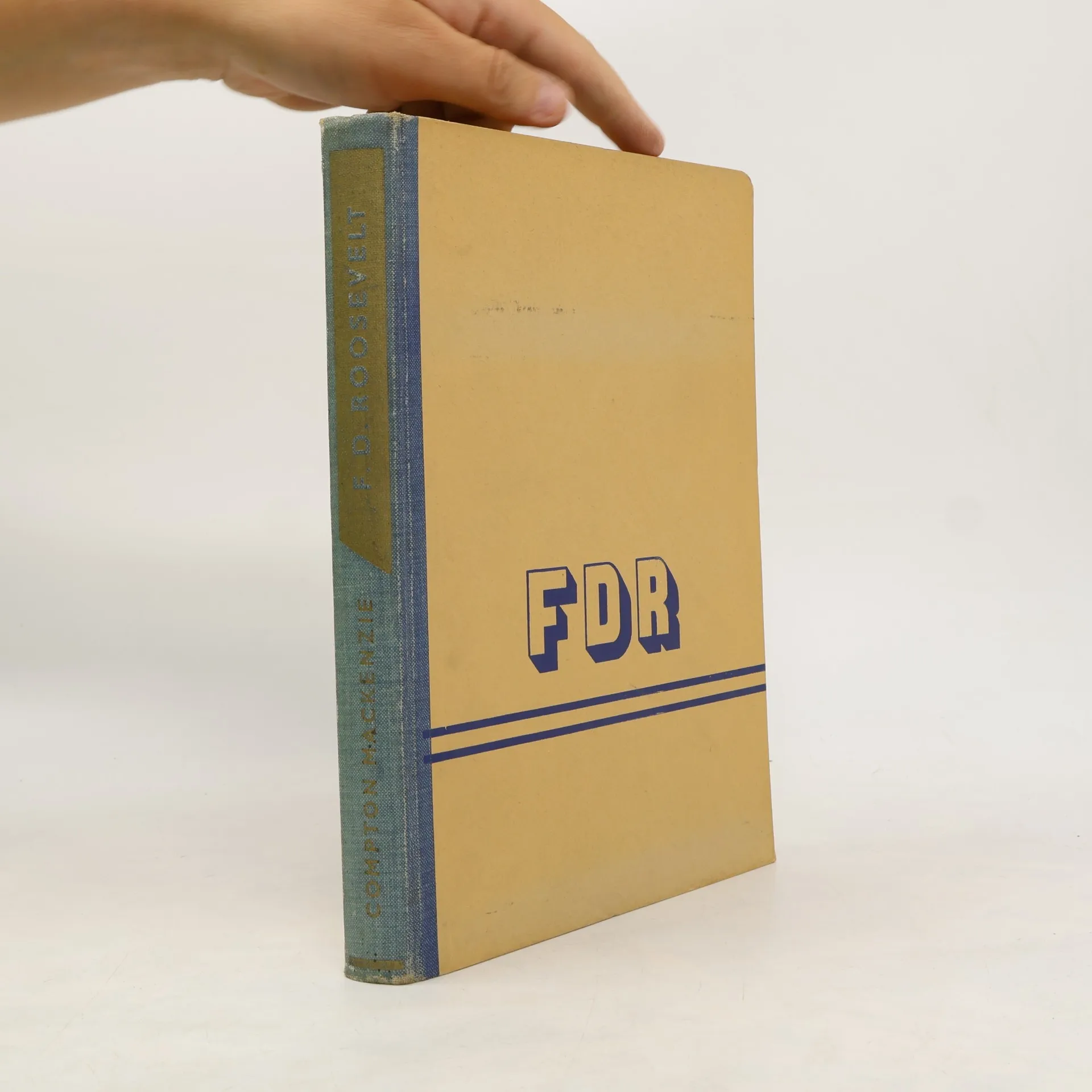
Biografie amerického prezidenta, který vedl USA v době 2. světové války, zemřel 12.4.1945 a ani se tedy nedožil kapitulace Německa. Přibližuje jeho život od mládí, jeho předky a rodinu, studia i politickou dráhu až po prezidentskou funkci Kniha je doplněna obsáhlou unikátní fotodokumentací
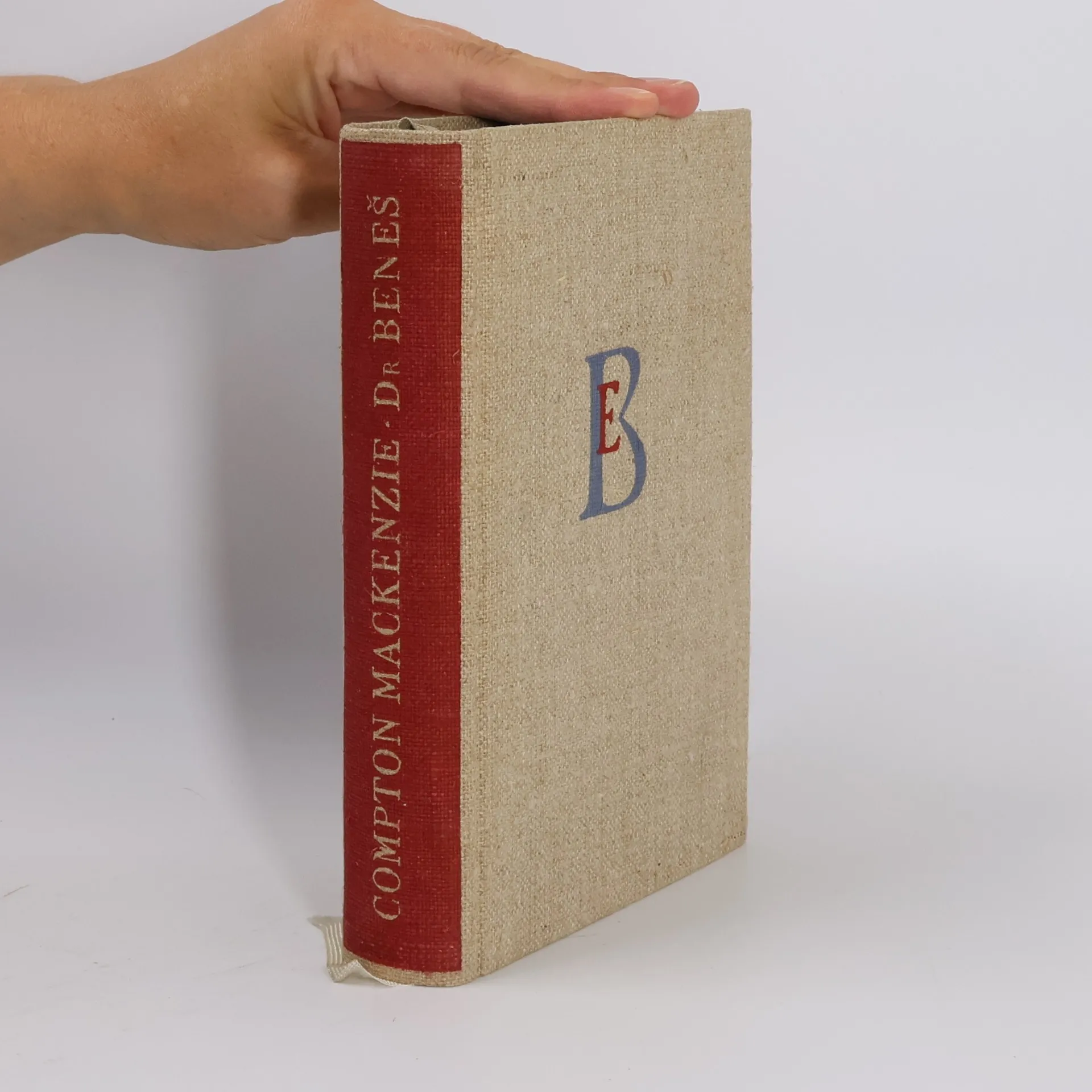
Autor napsal velkou knihu o dr. Benešovi, která je víc než životopisem, víc než kronikou, víc než historickou úvahou: ukázal triumf charakteru nad okolnostmi, vylíčil s velkým uměním lidský osud, který se stal osudem Evropy.